Arizona Uniform Interrogatories Form 5
Description
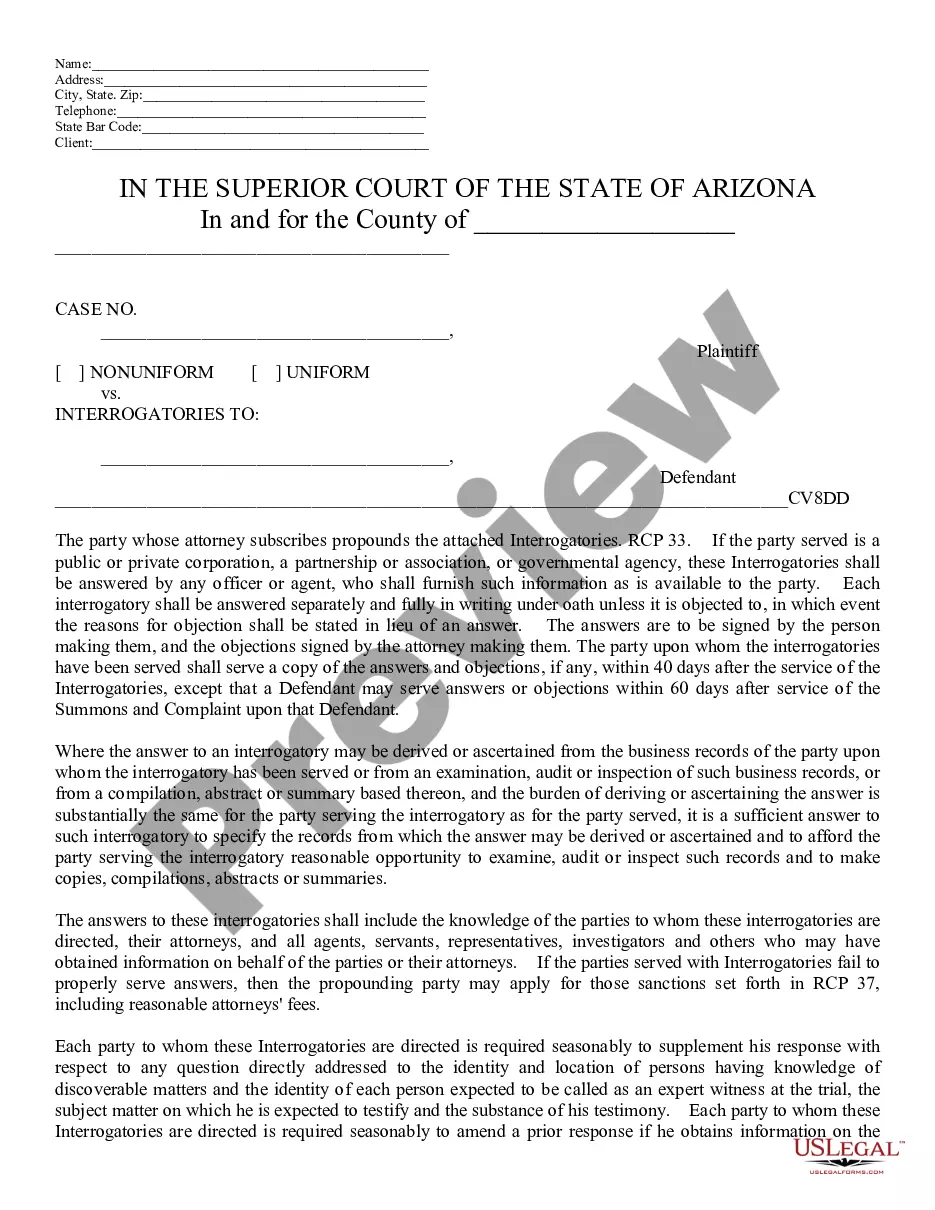
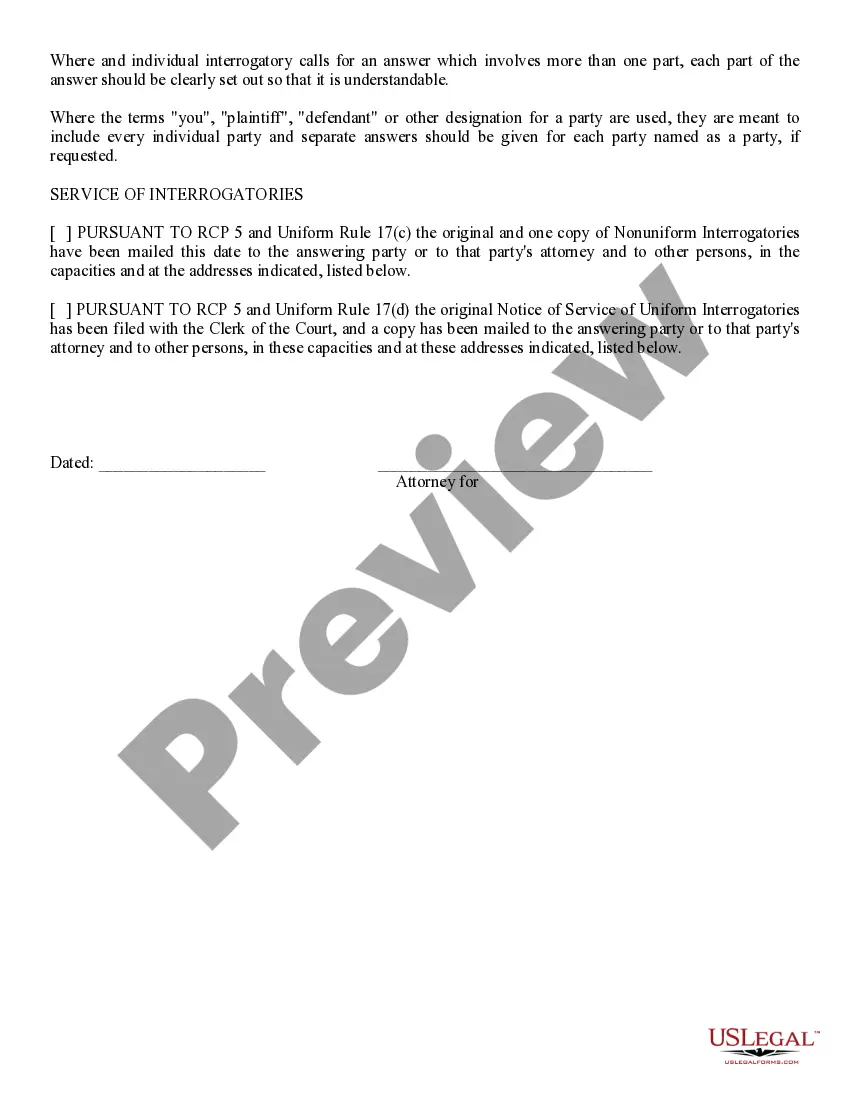
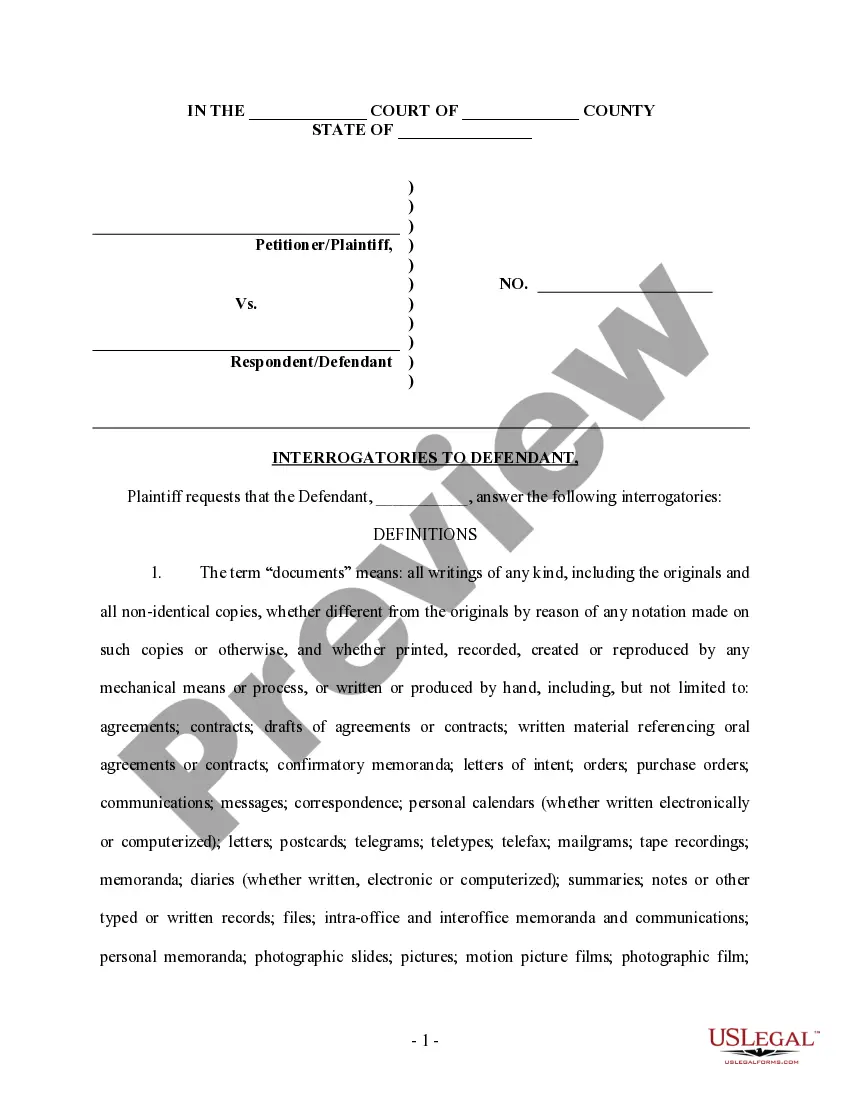
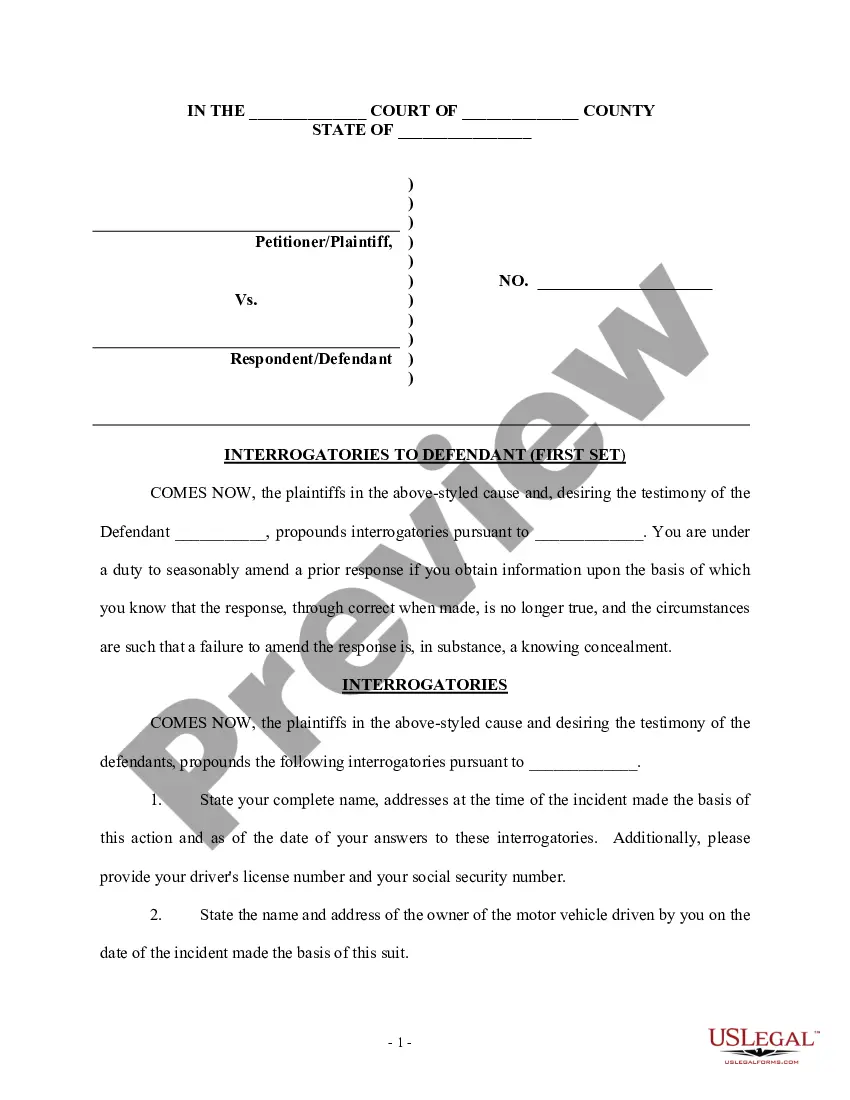
Get your form ready online
Our built-in tools help you complete, sign, share, and store your documents in one place.
Make edits, fill in missing information, and update formatting in US Legal Forms—just like you would in MS Word.
Download a copy, print it, send it by email, or mail it via USPS—whatever works best for your next step.
Sign and collect signatures with our SignNow integration. Send to multiple recipients, set reminders, and more. Go Premium to unlock E-Sign.
If this form requires notarization, complete it online through a secure video call—no need to meet a notary in person or wait for an appointment.
We protect your documents and personal data by following strict security and privacy standards.

Make edits, fill in missing information, and update formatting in US Legal Forms—just like you would in MS Word.

Download a copy, print it, send it by email, or mail it via USPS—whatever works best for your next step.

Sign and collect signatures with our SignNow integration. Send to multiple recipients, set reminders, and more. Go Premium to unlock E-Sign.

If this form requires notarization, complete it online through a secure video call—no need to meet a notary in person or wait for an appointment.

We protect your documents and personal data by following strict security and privacy standards.
Looking for another form?
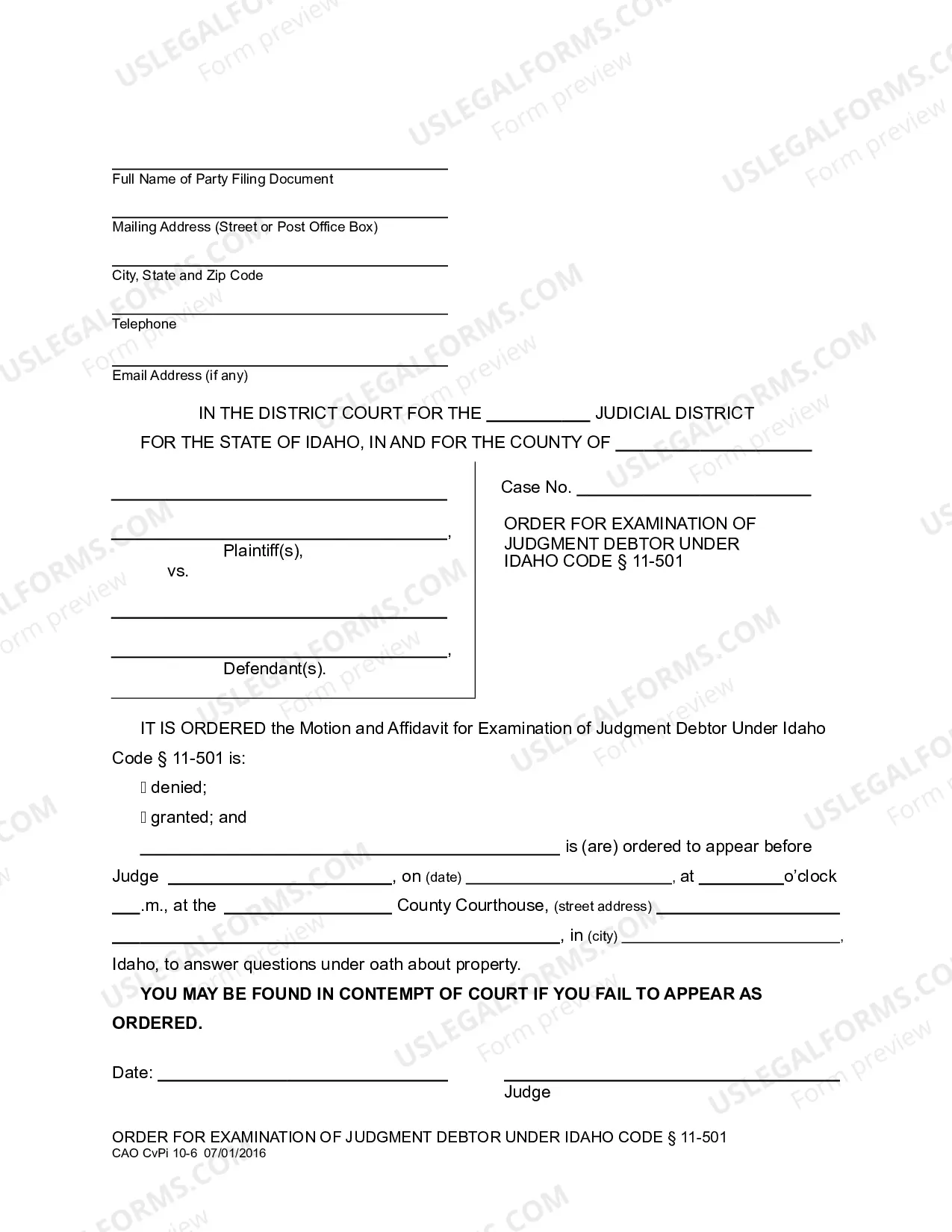
How to fill out Arizona Interrogatories To Nonuniform Or Uniform?
Dealing with legal documents and processes can be a lengthy addition to your whole day. Arizona Uniform Interrogatories Form 5 and similar forms usually necessitate that you search for them and figure out how to fill them out accurately.
Thus, whether you are handling financial, legal, or personal matters, utilizing a comprehensive and accessible online library of forms at your fingertips will significantly help.
US Legal Forms is the leading online platform for legal templates, featuring over 85,000 state-specific forms and a range of resources to assist you in completing your documents with ease.
Browse the collection of pertinent documents available with just a click.
Then, follow the steps outlined below to fill out your form: Ensure you have located the correct form using the Preview feature and reviewing the form description. Select Buy Now when you are ready and choose the monthly subscription plan that suits you best. Click on Download, then complete, sign, and print the form. US Legal Forms has 25 years of expertise in aiding individuals manage their legal documents. Get the form you need right now and improve any process without effort.
- US Legal Forms provides state- and county-specific forms available for download at any time.
- Protect your document management processes with exceptional support that allows you to create any form in minutes without any additional or concealed fees.
- Simply Log In to your account, find Arizona Uniform Interrogatories Form 5, and obtain it immediately from the My documents section.
- You can also retrieve previously downloaded forms.
- Is this your first time using US Legal Forms? Sign up and establish a free account within a few minutes, granting you access to the form library and Arizona Uniform Interrogatories Form 5.
Form popularity
FAQ
Rule 5 - Summons and Complaint: Issuance, Content and Service of Process a. Summons. The summons in an eviction action shall be a document separate from the complaint, shall be issued in ance with applicable statutory provisions, and shall identify the defendants to the action.
This is a set of pre-written questions that one party can send the other party to answer under oath. The uniform interrogatories get their name because the questions do not vary from case to case.
How to fill out Form Interrogatories Fill in basic information at the top of the form. Provide basic information about your case. ... Select the questions. On Page 2, check the box next to each question you want to ask your spouse to answer. ... Make copies. Make 1 copy of the completed Form Interrogatories ? Family Law.
Make a List of Questions Brainstorm questions to include in your interrogatories. Identify questions that are relevant to the issues in the case. Consider if the questions are legally permissible. Make sure the questions are direct, specific, and clear. Decide if the questions will help you gain any necessary information.
Subject to Rule 33(b)(3), an answering party must answer each interrogatory separately and fully in writing under oath. In answering an interrogatory, a party-including a public or private entity-must furnish the information available to it.