Az Motion Court Order For Visitation
Description
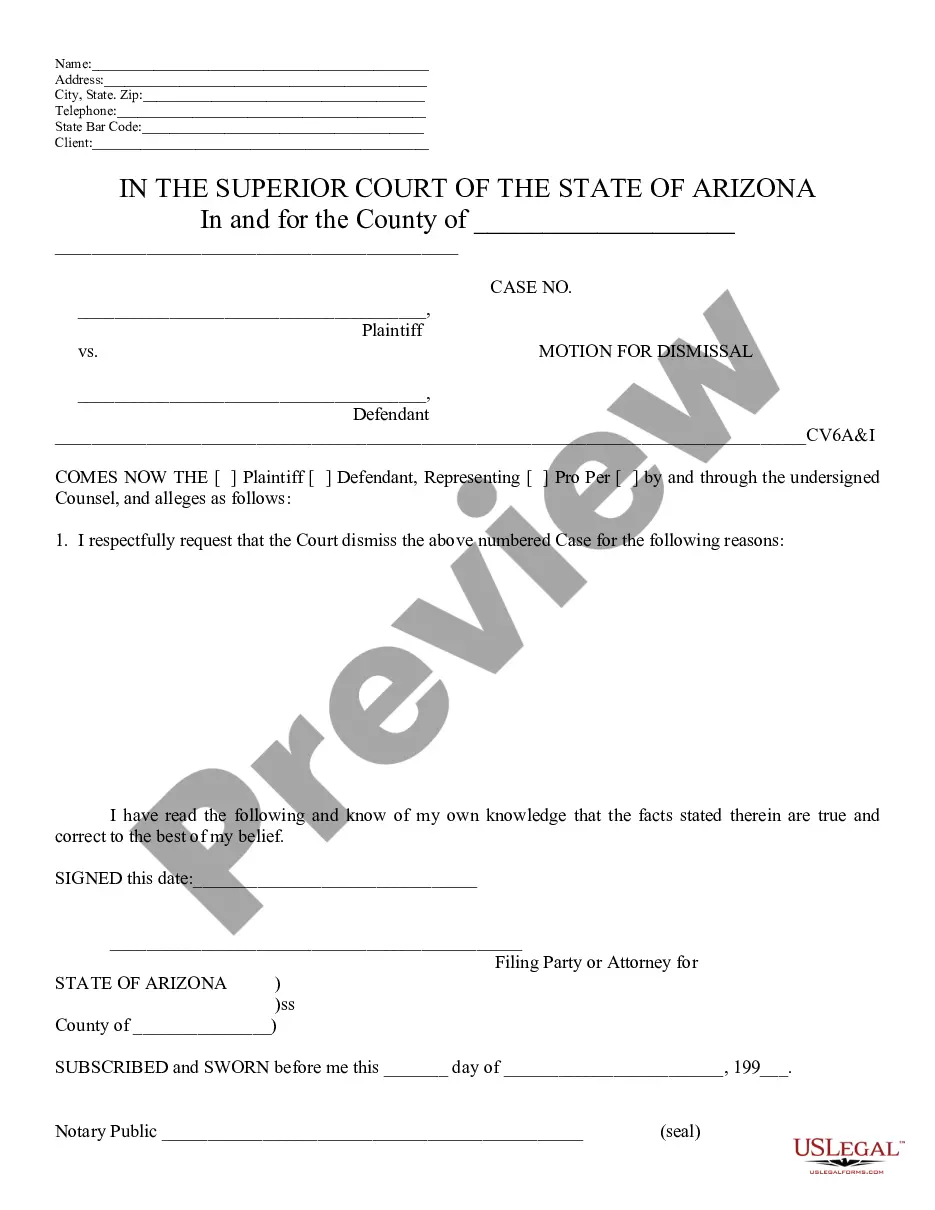
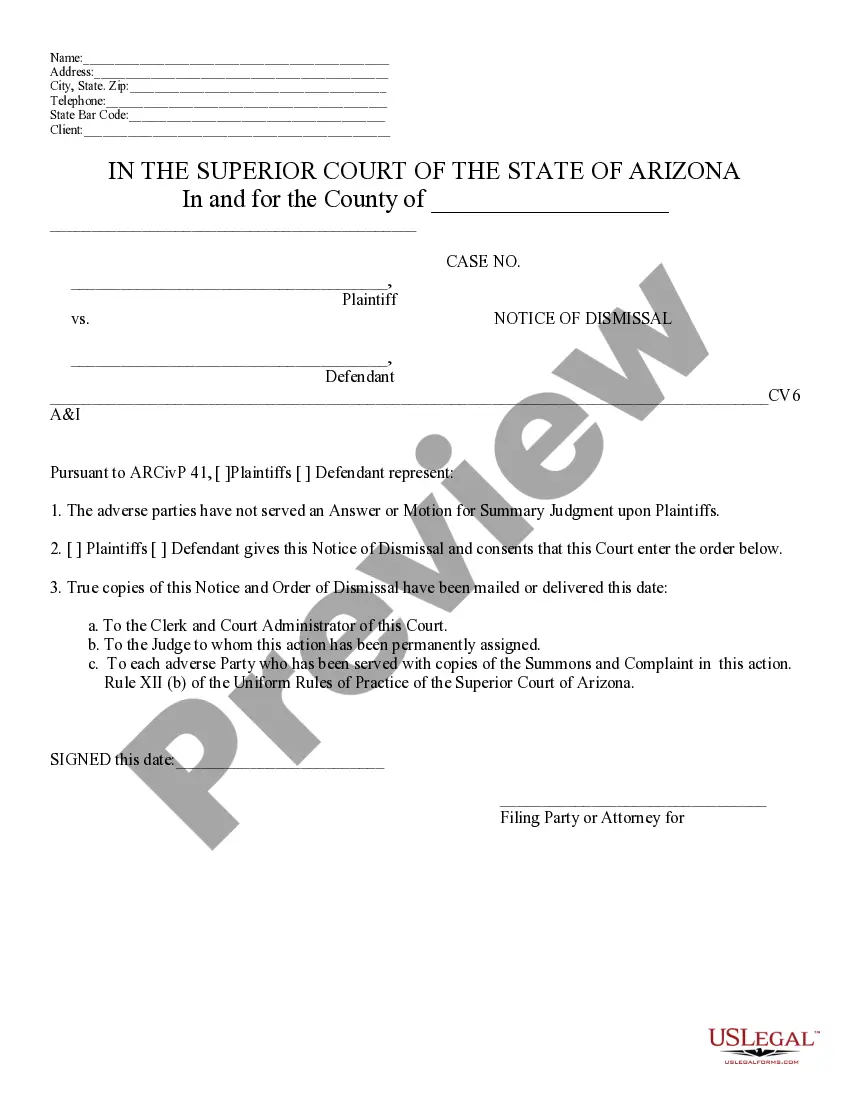
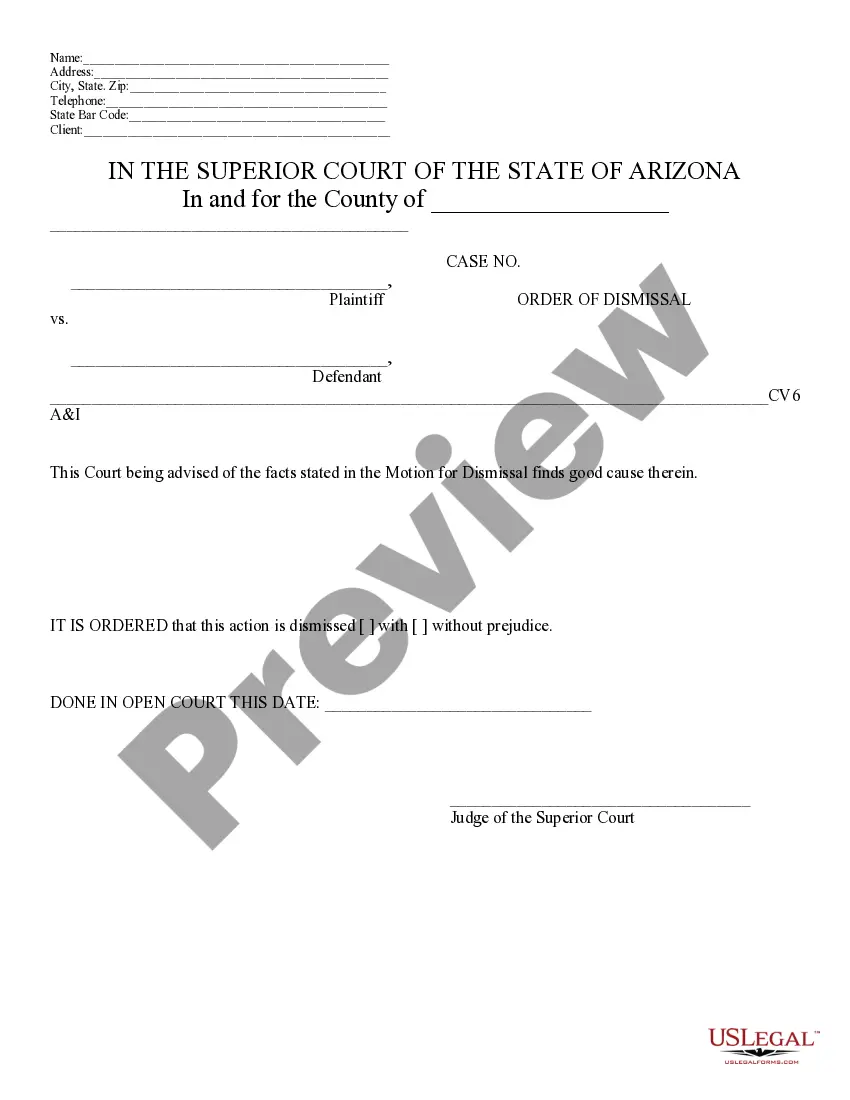
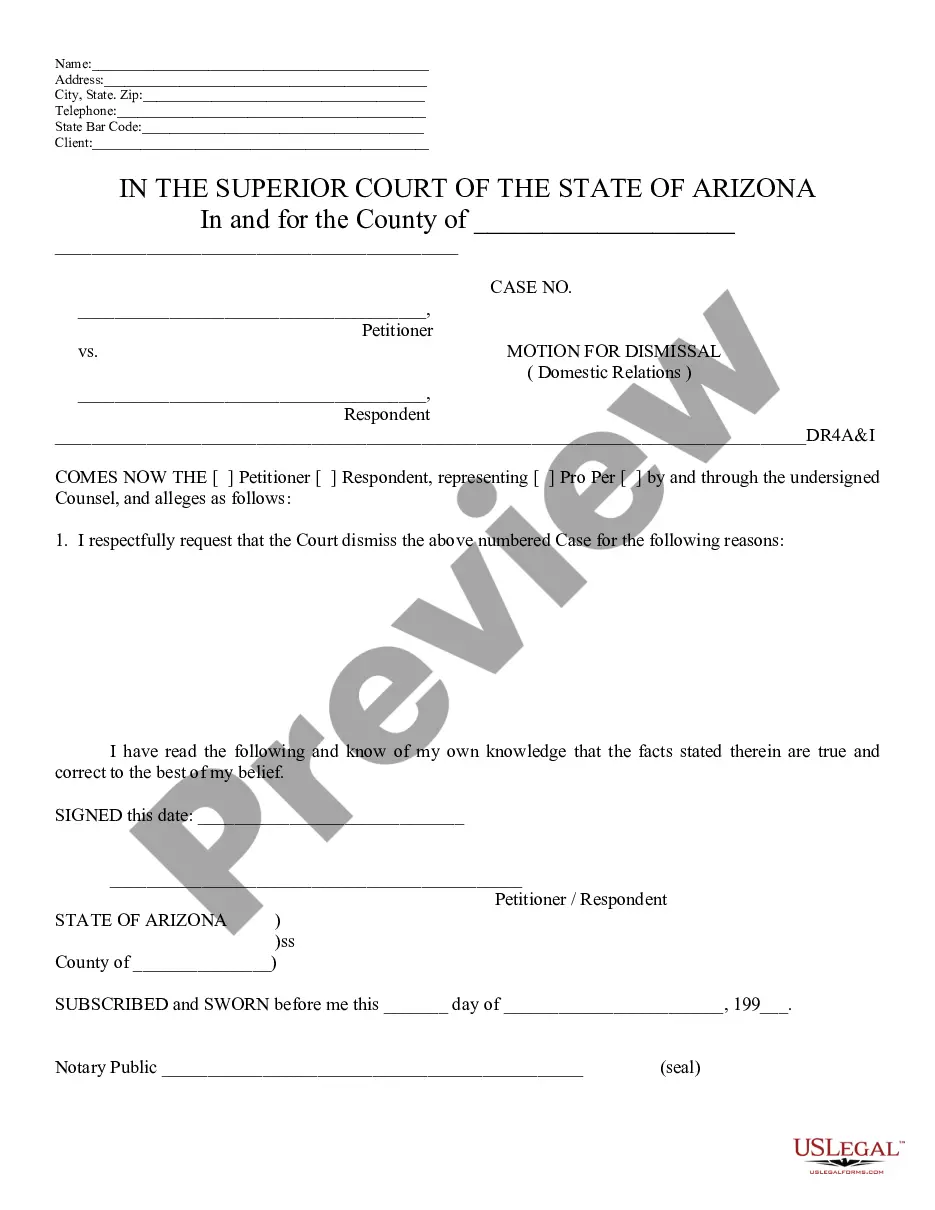
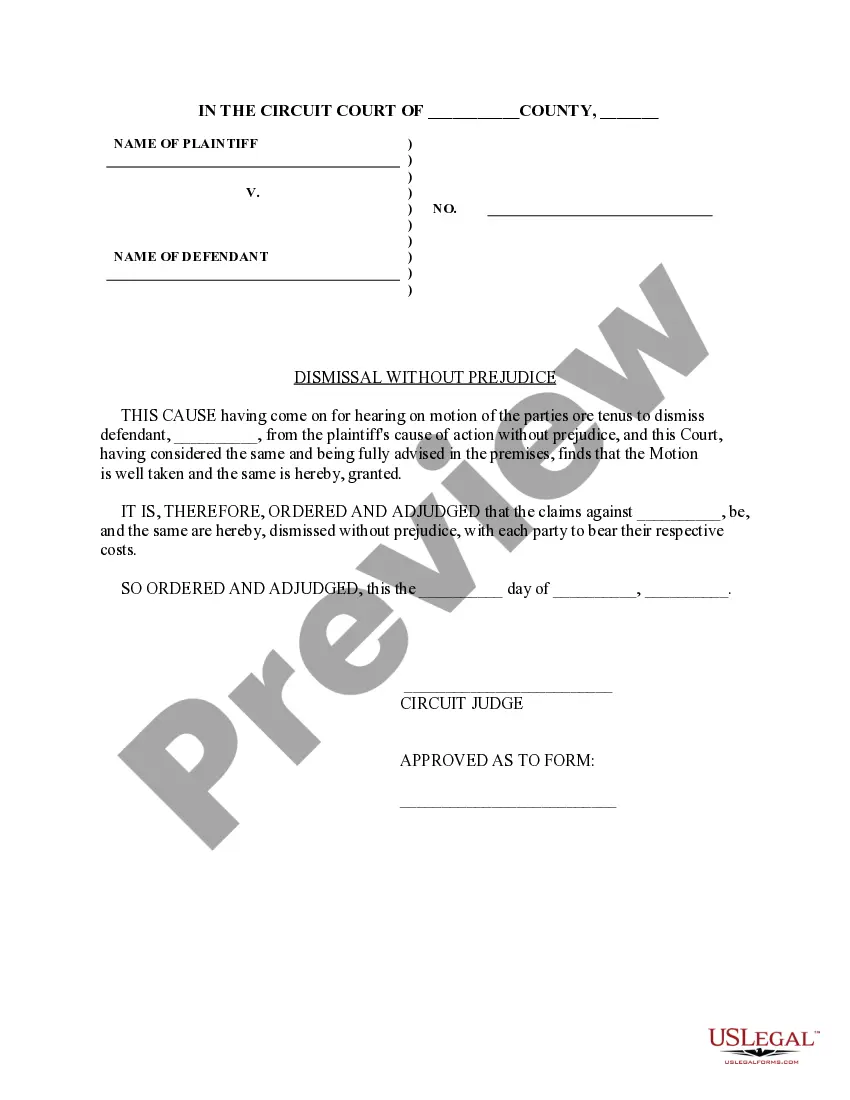
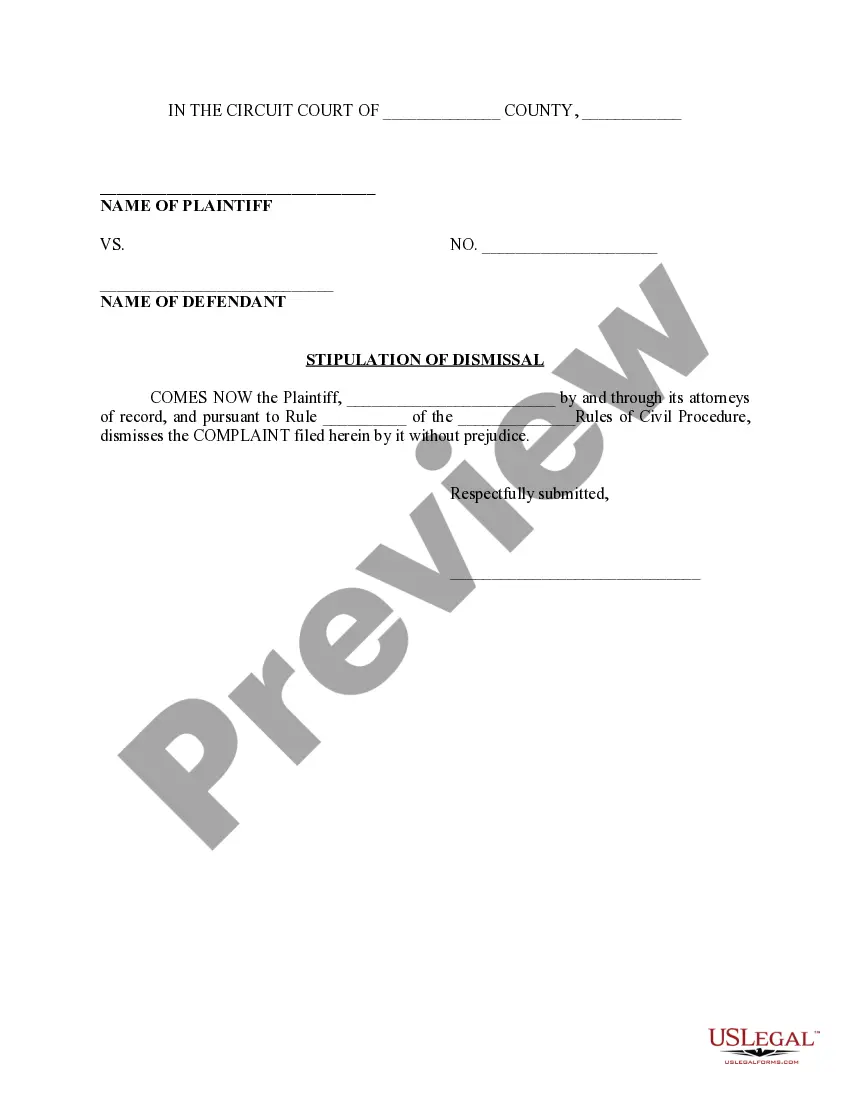
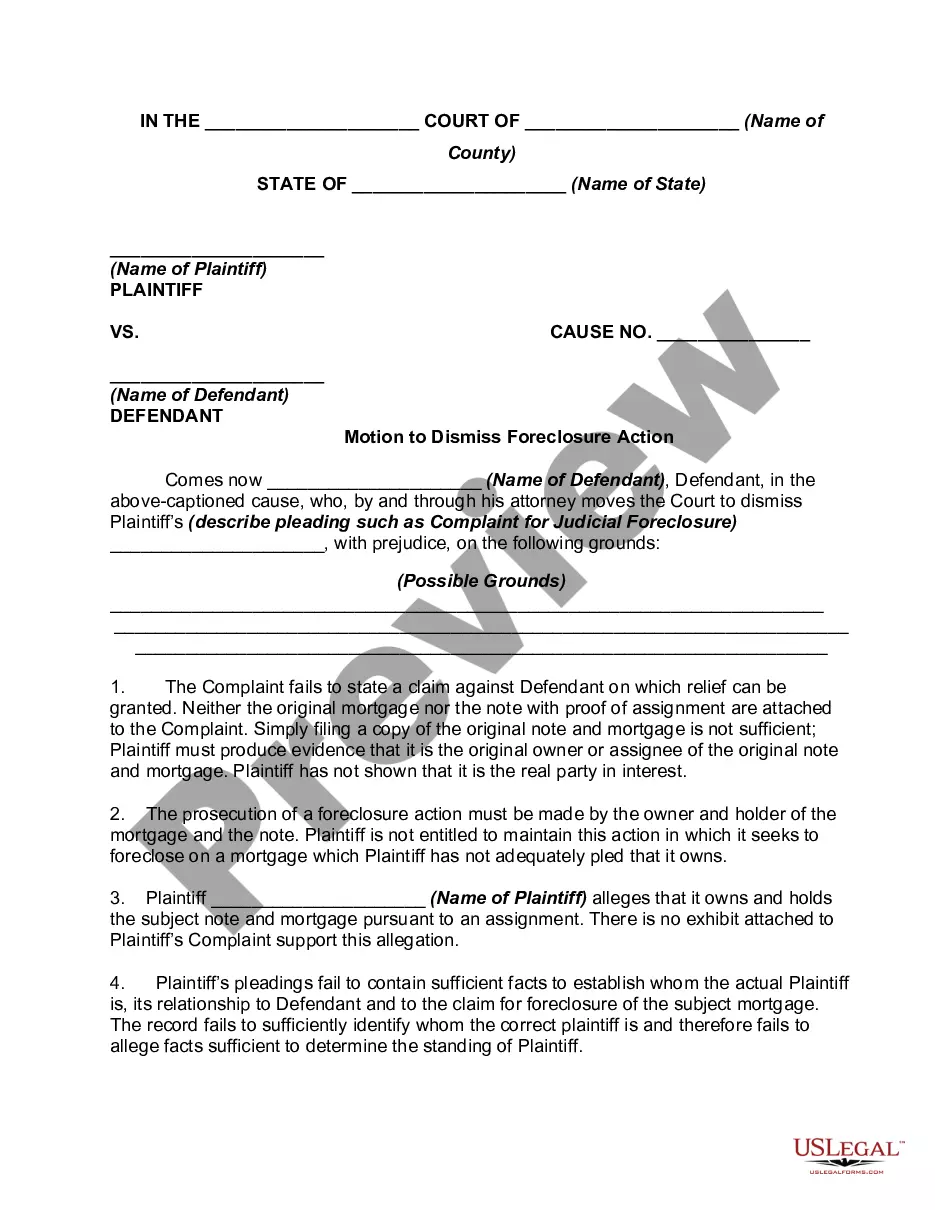
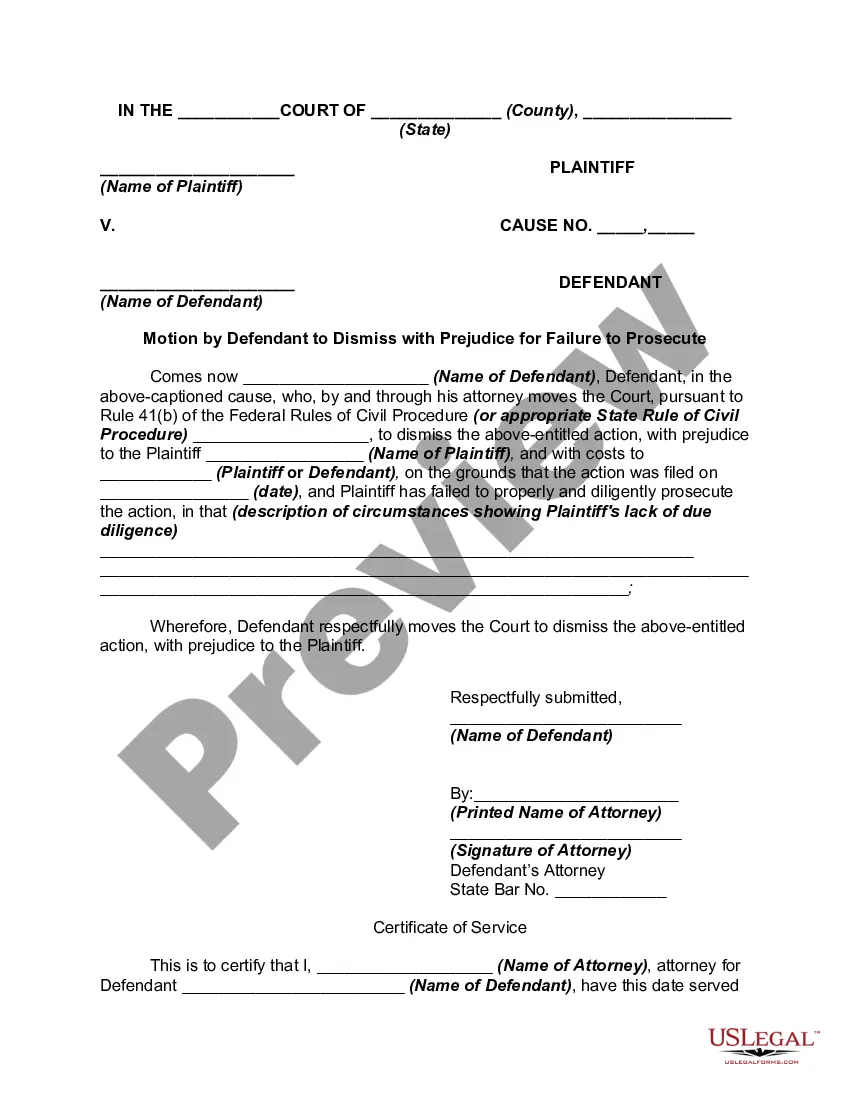
Get your form ready online
Our built-in tools help you complete, sign, share, and store your documents in one place.
Make edits, fill in missing information, and update formatting in US Legal Forms—just like you would in MS Word.
Download a copy, print it, send it by email, or mail it via USPS—whatever works best for your next step.
Sign and collect signatures with our SignNow integration. Send to multiple recipients, set reminders, and more. Go Premium to unlock E-Sign.
If this form requires notarization, complete it online through a secure video call—no need to meet a notary in person or wait for an appointment.
We protect your documents and personal data by following strict security and privacy standards.

Make edits, fill in missing information, and update formatting in US Legal Forms—just like you would in MS Word.

Download a copy, print it, send it by email, or mail it via USPS—whatever works best for your next step.

Sign and collect signatures with our SignNow integration. Send to multiple recipients, set reminders, and more. Go Premium to unlock E-Sign.

If this form requires notarization, complete it online through a secure video call—no need to meet a notary in person or wait for an appointment.

We protect your documents and personal data by following strict security and privacy standards.
Looking for another form?





How to fill out Arizona Motion For Dismissal?
Whether for commercial reasons or personal issues, everyone must handle legal matters at some point in their lives.
Completing legal forms necessitates meticulous attention, beginning with choosing the suitable template.
With an extensive US Legal Forms catalog available, you no longer have to waste time searching for the right template online. Utilize the library’s easy navigation to find the appropriate template for any situation.
- For example, if you choose the incorrect version of the Az Motion Court Order For Visitation, it will be rejected upon submission.
- Thus, it is vital to acquire a trustworthy source of legal documents like US Legal Forms.
- If you need to find an Az Motion Court Order For Visitation template, follow these straightforward steps.
- Obtain the template you require by utilizing the search bar or catalog navigation.
- Review the form’s details to ensure it aligns with your circumstances, state, and county.
- Click on the form’s preview to inspect it.
- If it is the wrong document, return to the search feature to find the Az Motion Court Order For Visitation template you need.
- Download the file when it satisfies your criteria.
- If you have a US Legal Forms account, click Log in to access previously saved documents in My documents.
- If you do not yet have an account, you can obtain the form by clicking Buy now.
- Select the appropriate pricing option.
- Complete the profile registration form.
- Choose your payment method: use a credit card or PayPal account.
- Select the file format you desire and download the Az Motion Court Order For Visitation.
- Once downloaded, you can fill out the form using editing software or print it and complete it by hand.
Form popularity
FAQ
The court usually gives sole physical custody to the mother since she is the primary caretaker for very young children. When it comes to older children, the court takes into account if the child prefers to reside with one of the parents.
In order to get visitation rights, you have to work with your spouse to get a court order that spells out what is going to happen when you and your spouse can't agree about parenting time. This court order will be your guide for making decisions about parenting time while you are separated or living apart.
Yes. Parents who are able to compromise on their custody arrangements, without turning the decision-making over to the judge, are strongly encouraged to do so. So long as your agreement is in the best interests of the children, you and the other parent may settle custody and access issues by private agreement.
How to win a child relocation case in Arizona. The party petitioning for relocation should detail reasons why the move is necessary, explaining the benefits that the new home offers to the child and the ways they will support the other party's visitation rights in view of the changed living situation.
If a married couple separates but does not file for legal separation or divorce, both parents would still share physical and legal custody. Each parent would have just as much right to take the child as they did before the separation.