Arizona Motion In Limine
Description
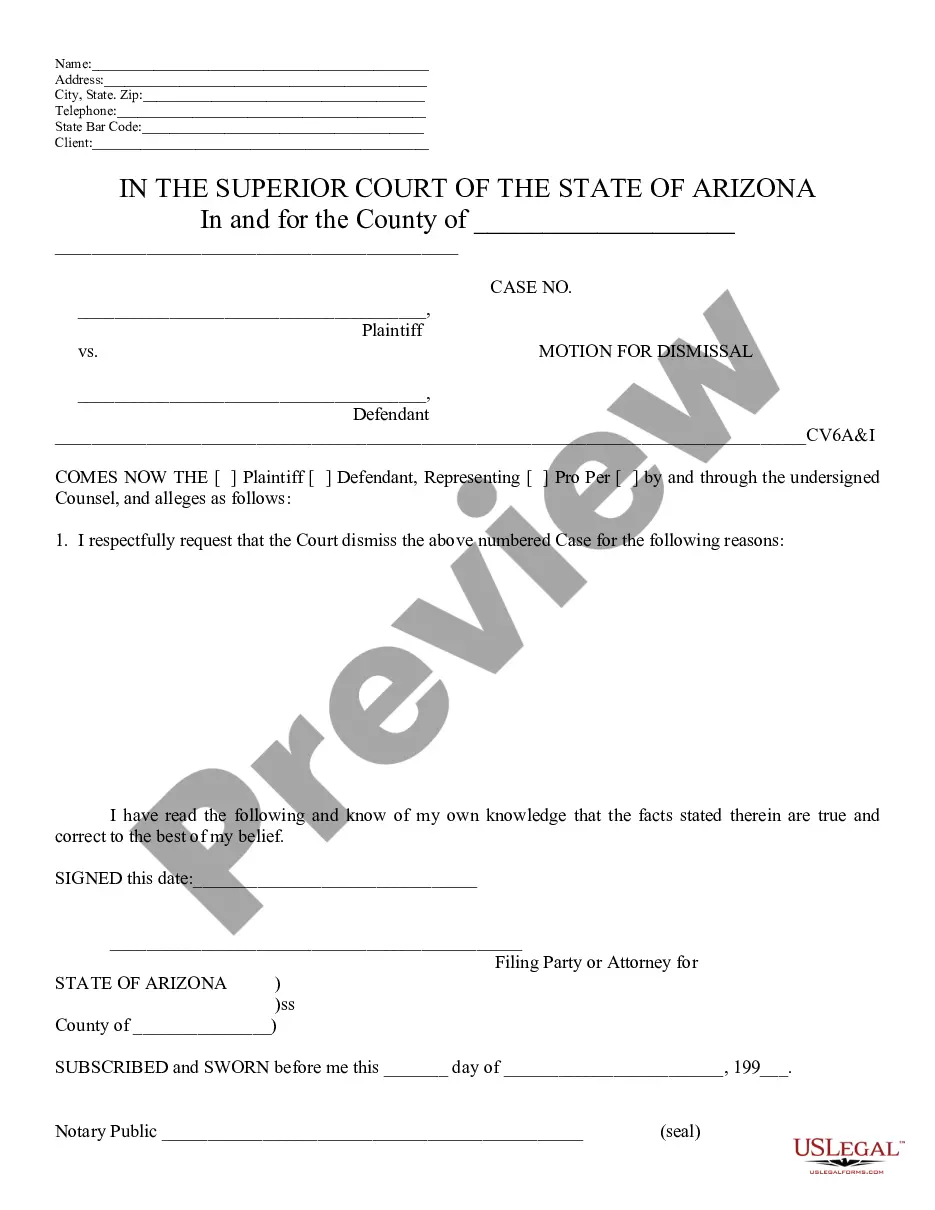
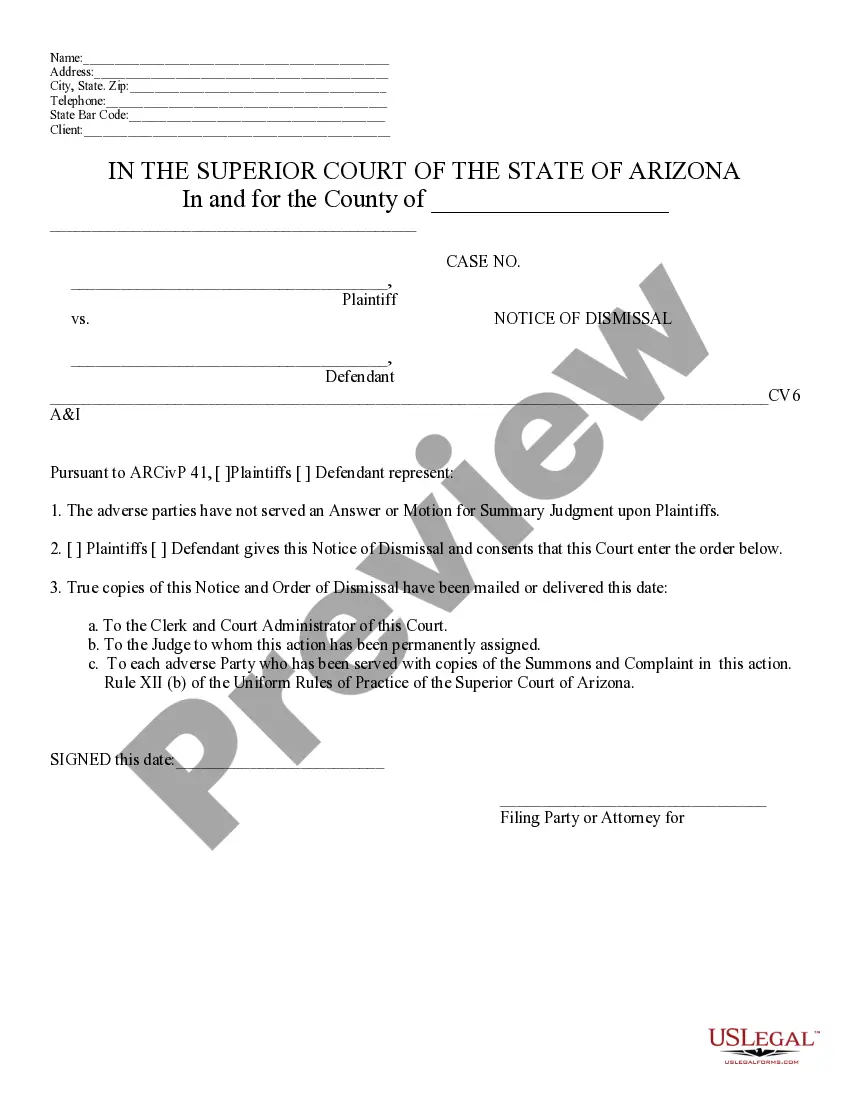
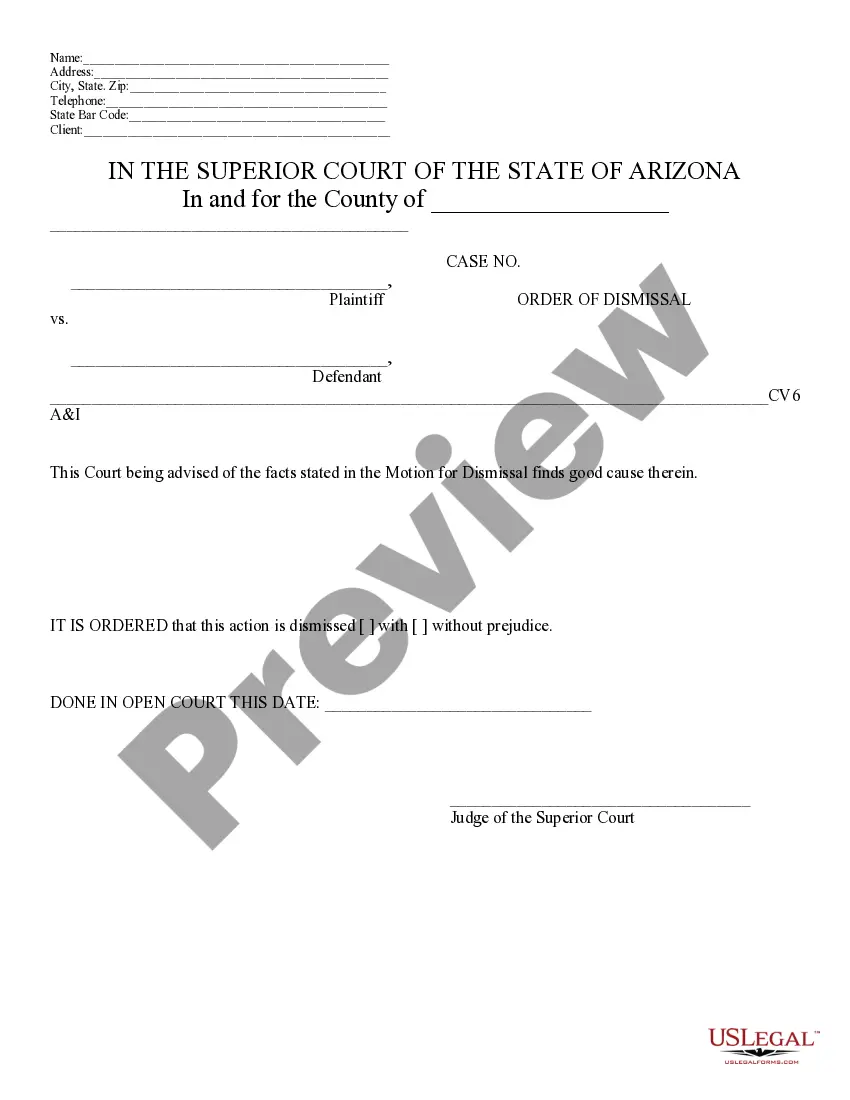
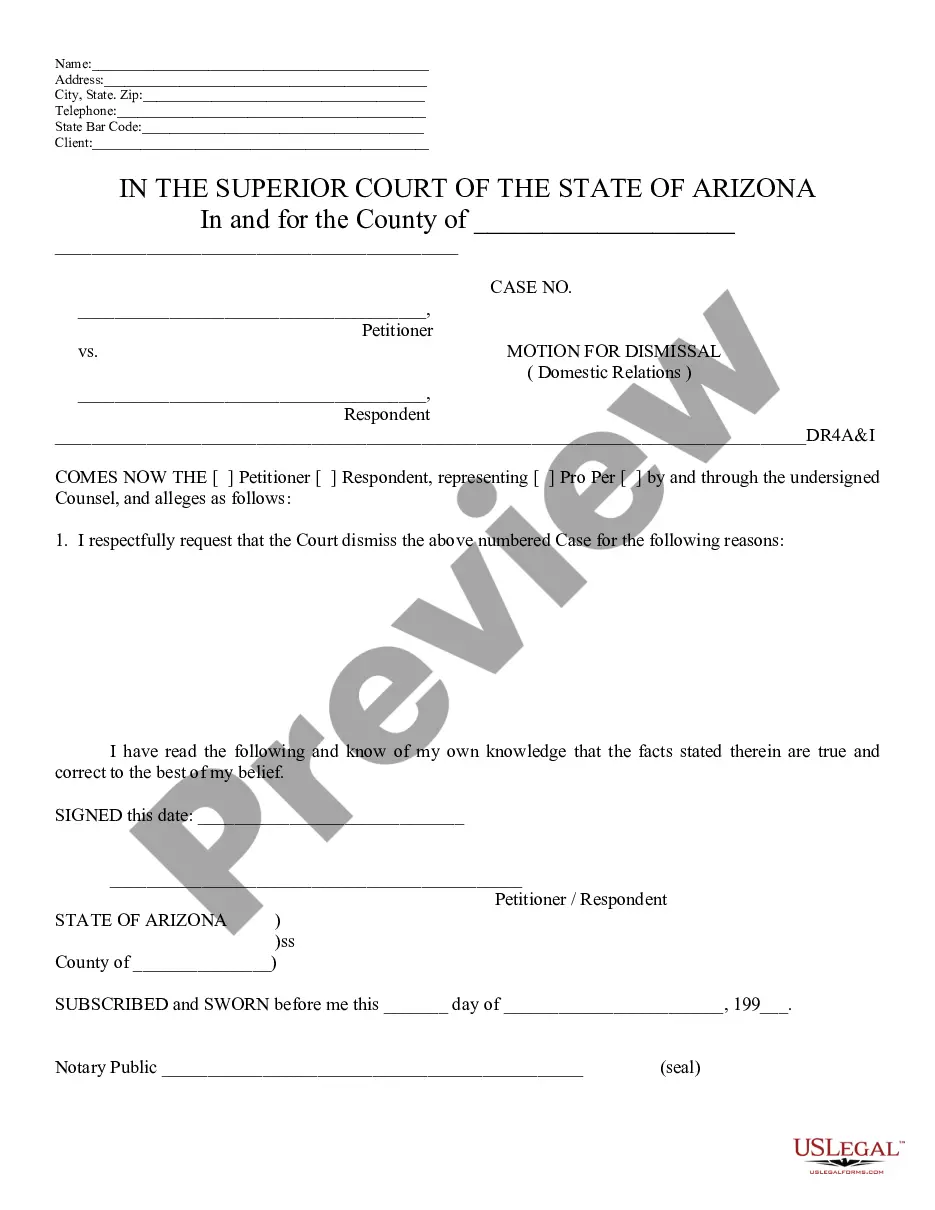
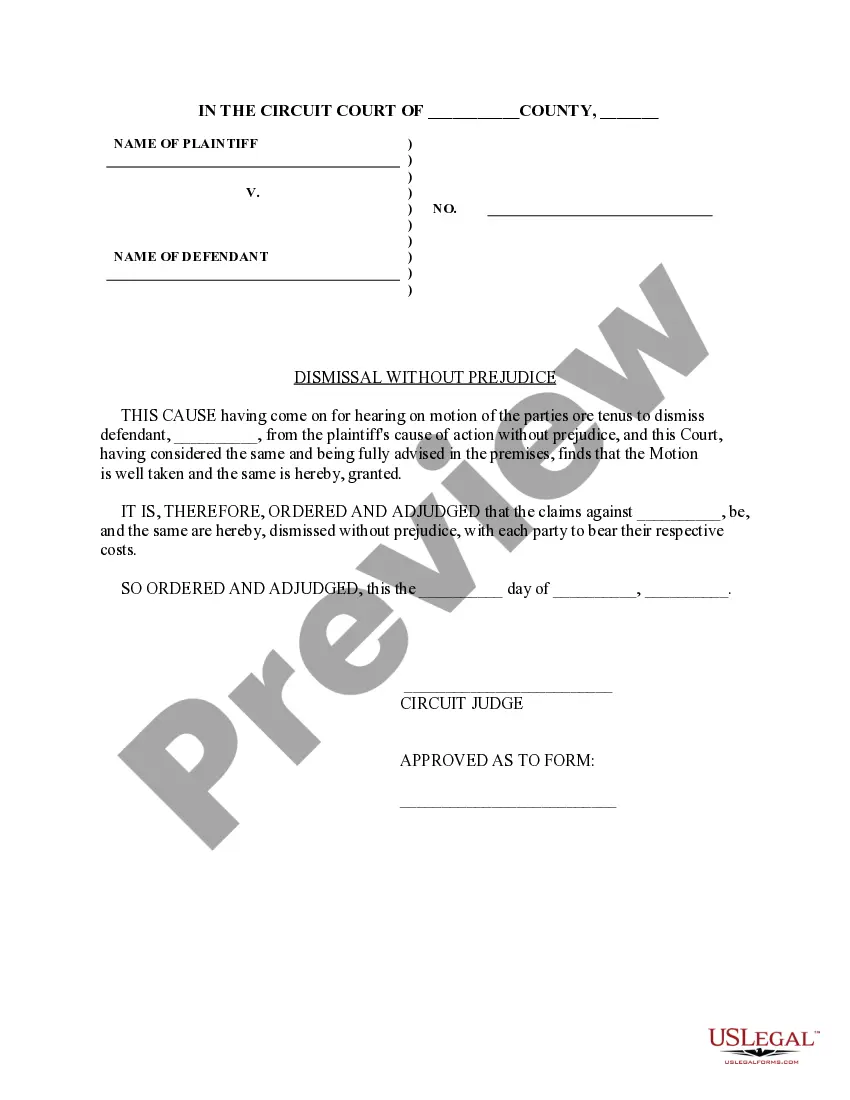
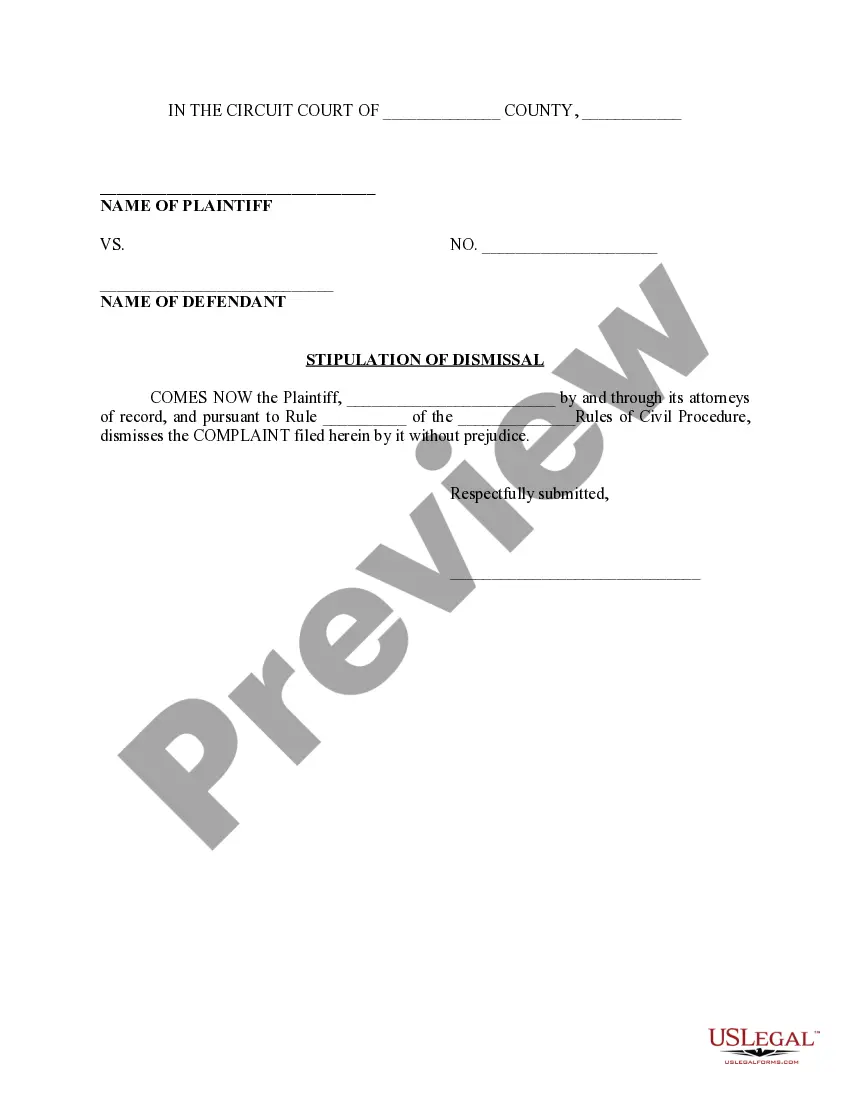
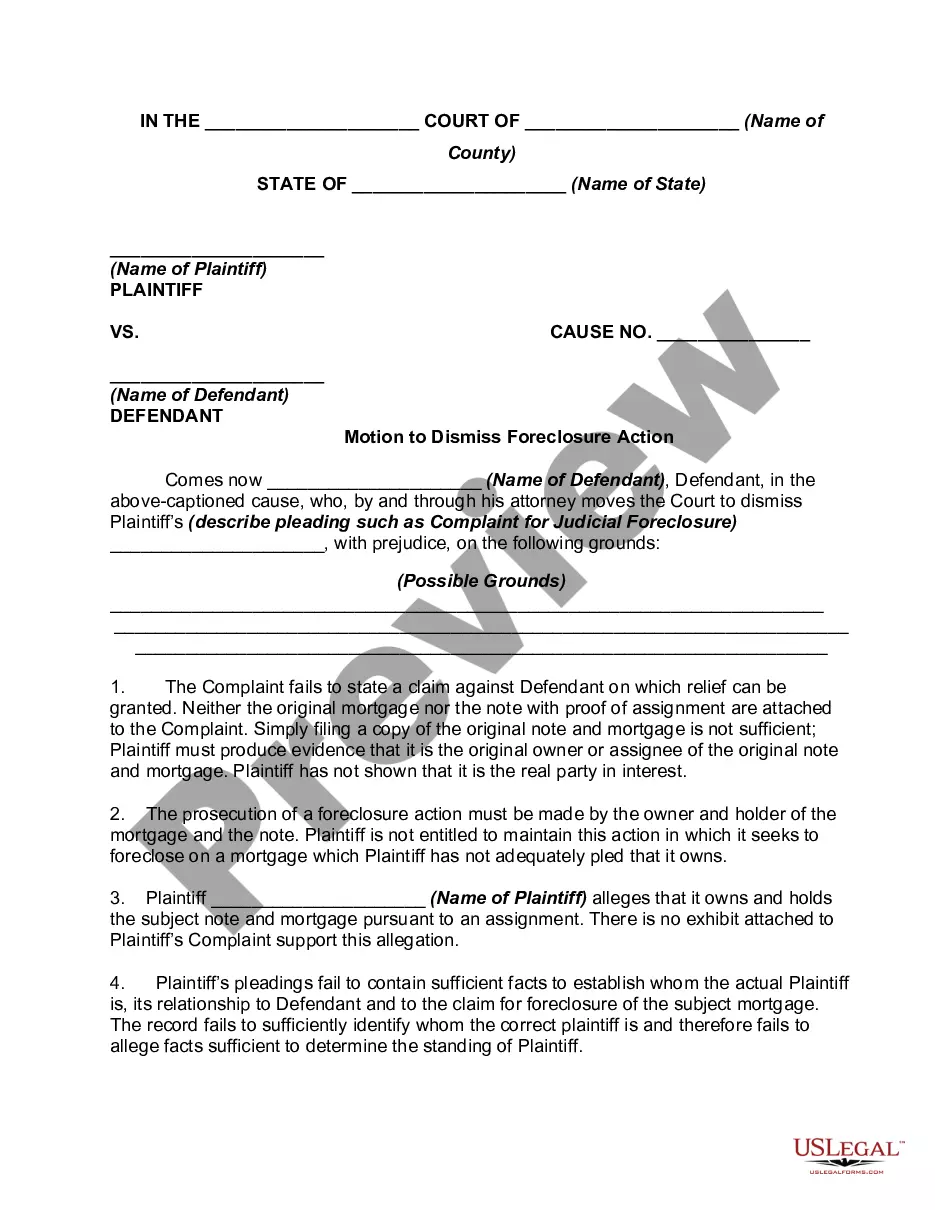
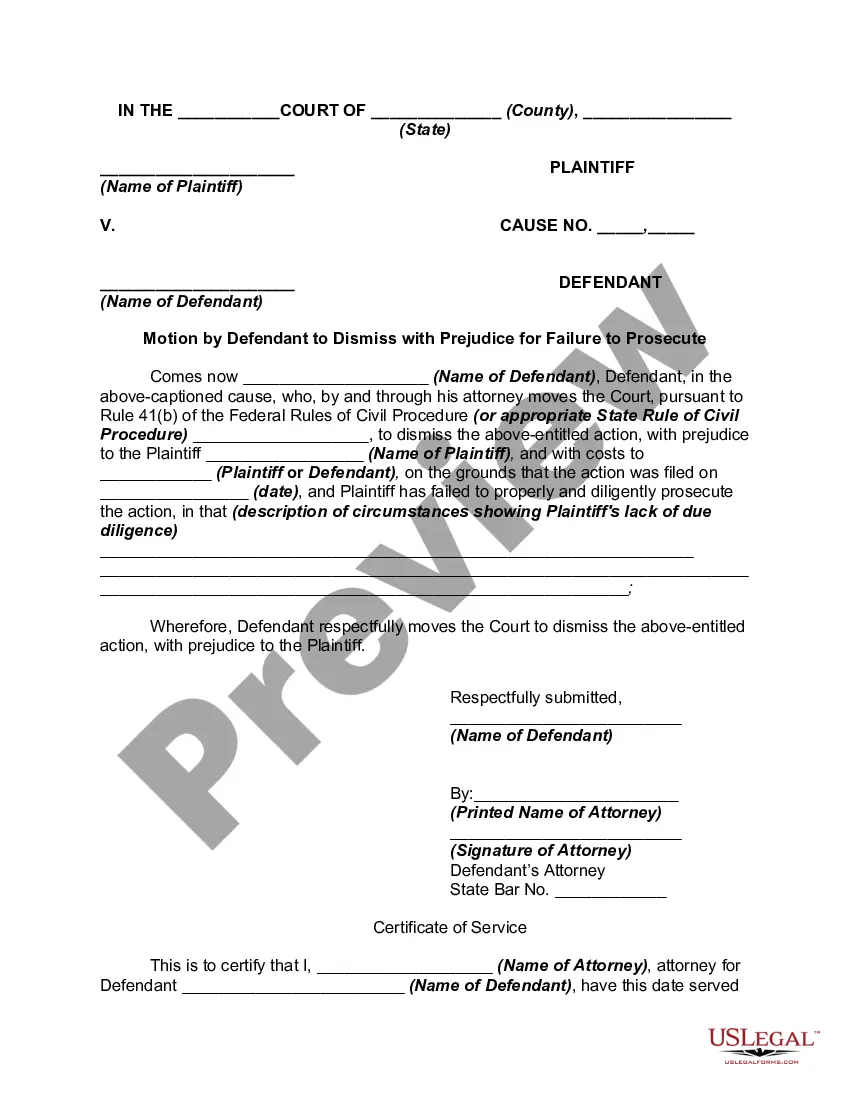
Get your form ready online
Our built-in tools help you complete, sign, share, and store your documents in one place.
Make edits, fill in missing information, and update formatting in US Legal Forms—just like you would in MS Word.
Download a copy, print it, send it by email, or mail it via USPS—whatever works best for your next step.
Sign and collect signatures with our SignNow integration. Send to multiple recipients, set reminders, and more. Go Premium to unlock E-Sign.
If this form requires notarization, complete it online through a secure video call—no need to meet a notary in person or wait for an appointment.
We protect your documents and personal data by following strict security and privacy standards.

Make edits, fill in missing information, and update formatting in US Legal Forms—just like you would in MS Word.

Download a copy, print it, send it by email, or mail it via USPS—whatever works best for your next step.

Sign and collect signatures with our SignNow integration. Send to multiple recipients, set reminders, and more. Go Premium to unlock E-Sign.

If this form requires notarization, complete it online through a secure video call—no need to meet a notary in person or wait for an appointment.

We protect your documents and personal data by following strict security and privacy standards.
Looking for another form?








How to fill out Arizona Motion For Dismissal?
Handling legal documents can be exasperating, even for the most experienced experts.
When you're seeking an Arizona Motion In Limine and lack the time to devote to finding the correct and current version, the process can be overwhelming.
US Legal Forms encompasses any needs you might have, ranging from individual to corporate documentation, all in one location.
Utilize innovative features to fill out and manage your Arizona Motion In Limine.
Here are the steps to follow after acquiring the form you need: Validate that it is the correct form by previewing it and reviewing its details.
- Access a comprehensive resource network of articles, guides, and materials pertinent to your situation and requirements.
- Save time and effort in locating the documents you need and use US Legal Forms' sophisticated search and Review tool to find the Arizona Motion In Limine and acquire it.
- If you possess a subscription, Log In to your US Legal Forms account, search for the form, and obtain it.
- Check your My documents tab to review the documents you've previously saved and to manage your folders as deemed necessary.
- If it’s your first encounter with US Legal Forms, create an account and gain unlimited access to all platform benefits.
- Implement powerful web form resources to manage these matters efficiently.
- US Legal Forms is a frontrunner in online legal documentation, providing more than 85,000 state-specific legal forms accessible at your convenience.
- Utilize state- or county-specific legal and business forms.
Form popularity
FAQ
An example of a motion in limine could be a request to exclude certain pieces of evidence from trial. For instance, if a party wants to prevent the jury from hearing about prior convictions that are irrelevant to the case, they would file an Arizona motion in limine. The court evaluates the request and decides whether to allow or deny the presented evidence based on its relevance and potential prejudice.
Except as otherwise provided in this division, passing bad checks is a misdemeanor of the first degree.
Bad Check Laws Ohio Whenever you write a check or sign a check over to someone else, knowing that the check is invalid is a crime in Ohio. You must have the purpose to defraud when writing or passing these checks in order for you to be found guilty.
Check fraud is a serious offense and comes with very real legal consequences which vary by state. Depending on the severity of the crime, the amount that was defrauded, and the number of instances of fraud the perpetrator completed, check fraud can be either a misdemeanor or a felony.
An overdraft occurs when you don't have enough money in your account to cover a transaction, and the bank or credit union pays for it anyway. Transactions include ATM withdrawals and debit card purchases as well as checks and ACH payments (such as online bill payments).
3 years from the date of dishonoring or 10 years from the date written ? Dishonored Check or Draft (Ohio Rev.
When you write a check and there's not enough funds in your account when it's presented, this is considered non-sufficient funds (NSF). When a check is returned due to NSF, it's returned to the payee that deposited the check, at their bank. This allows them to redeposit the check at a later time, if available.
Every day in central Ohio people are charged with passing bad checks offenses. Passing bad checks charges can range from a first-degree misdemeanor, punishable by up to 180 days in jail to a first-degree felony punishable by 3-11 years in prison.
A bad check is also known as a hot check and writing one is illegal. Banks normally charge a fee to anyone who unintentionally writes a bad check. The punishment for trying to pass a bad check intentionally ranges from a misdemeanor to a felony.
PC 476 check fraud primarily deals with making, passing, or attempting to pass, , fictitious, or altered checks with intent to defraud somebody out of money or property. Penal Code 476a, primarily deals with real checks you pass, or attempt to pass, with insufficient funds.