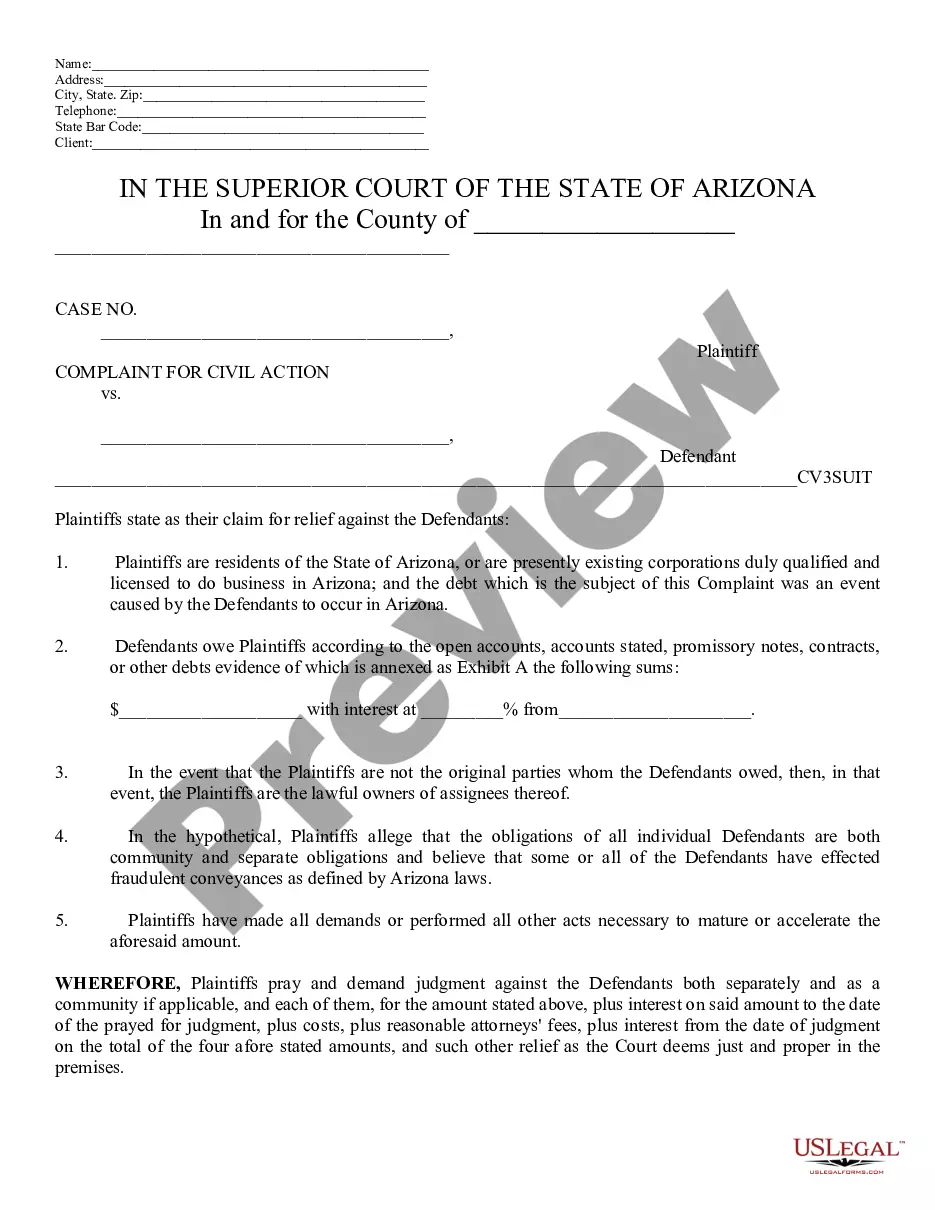
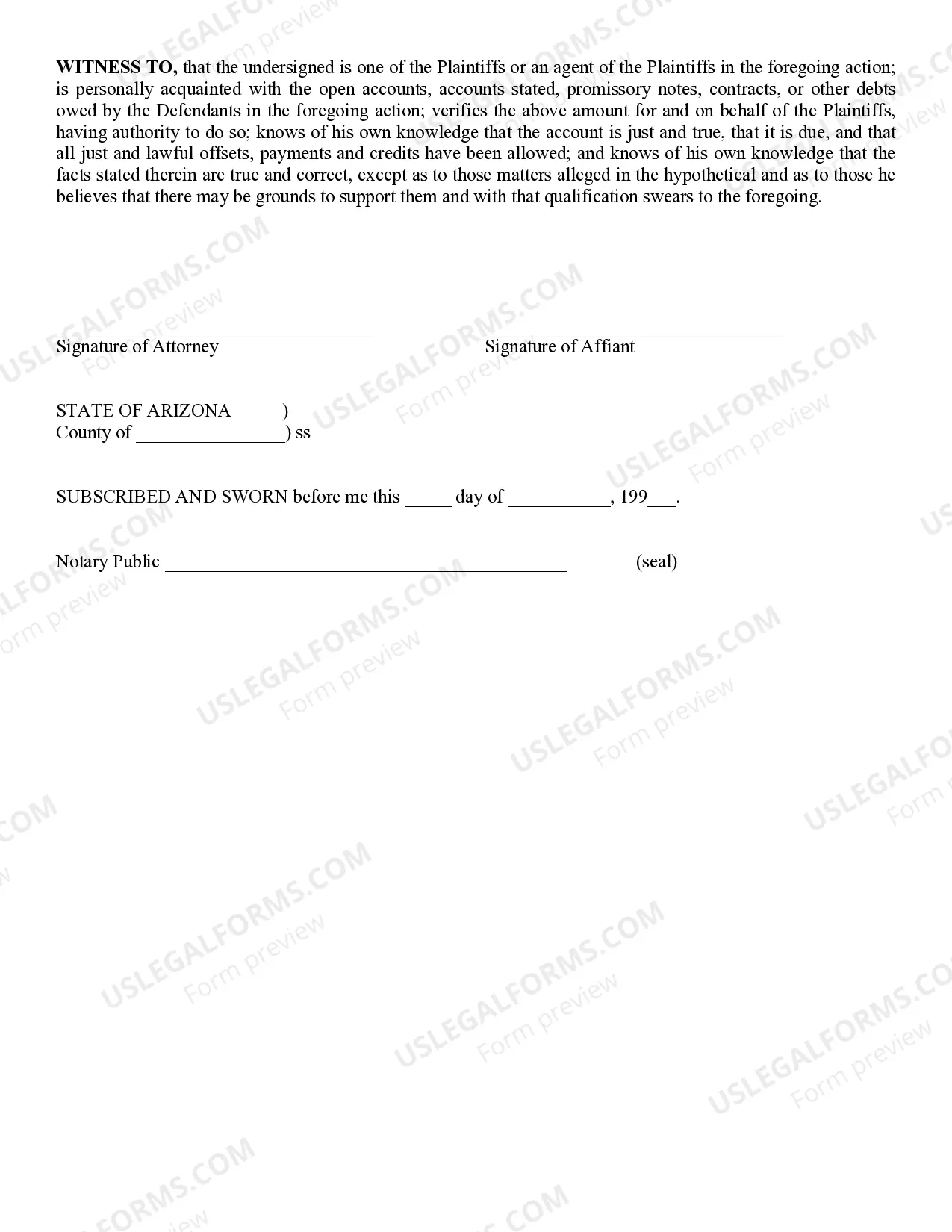
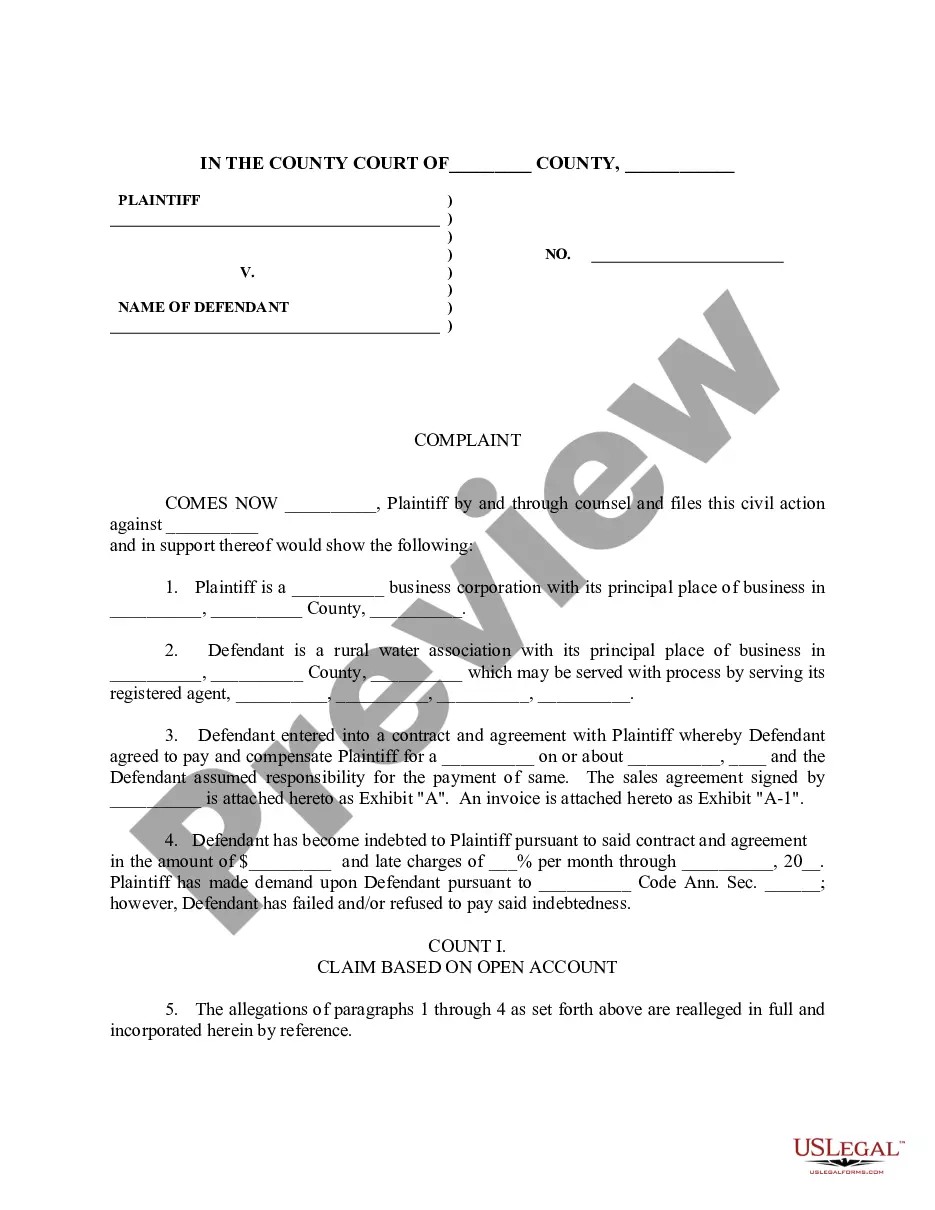
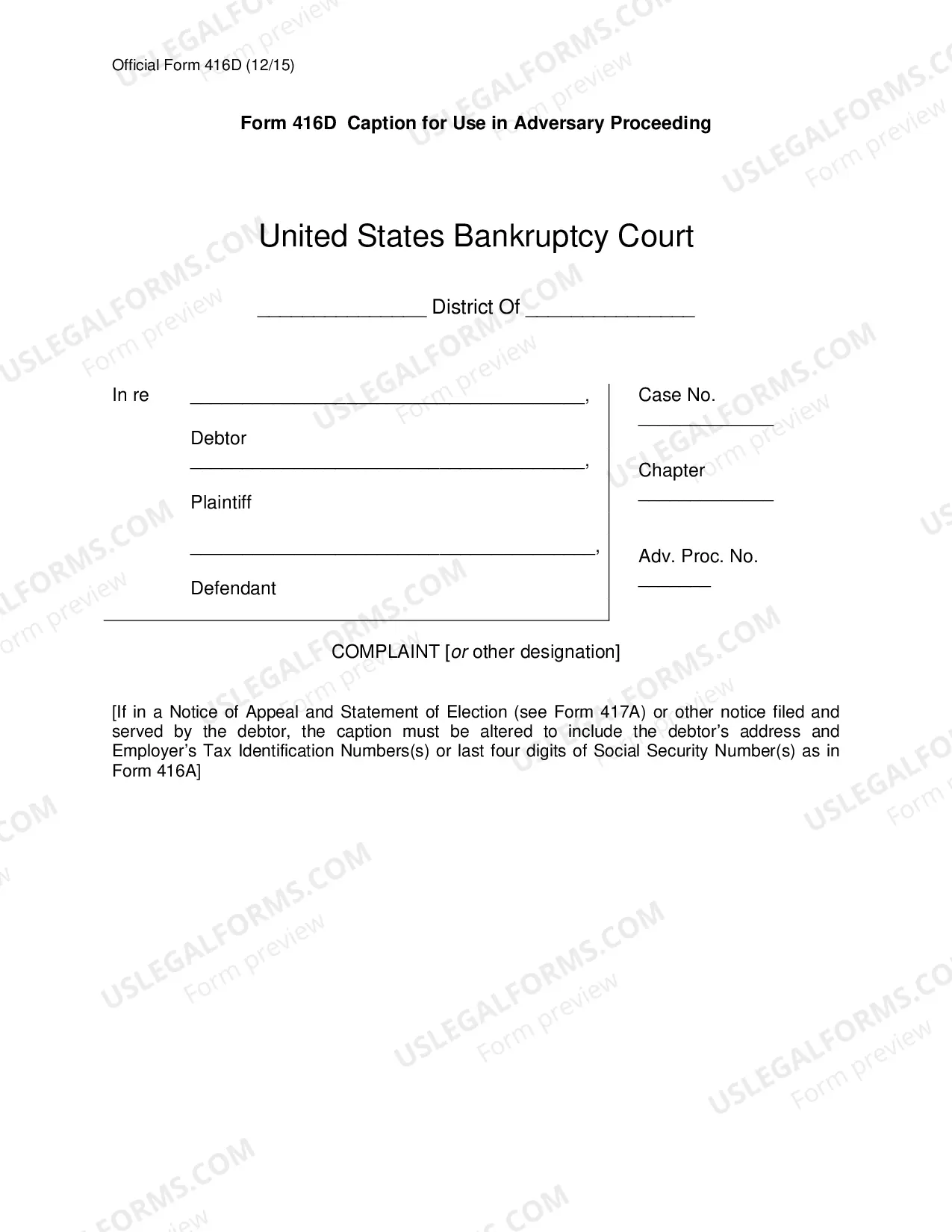
Complaint Form For Civil Suit
Description
Get your form ready online
Our built-in tools help you complete, sign, share, and store your documents in one place.
Make edits, fill in missing information, and update formatting in US Legal Forms—just like you would in MS Word.
Download a copy, print it, send it by email, or mail it via USPS—whatever works best for your next step.
Sign and collect signatures with our SignNow integration. Send to multiple recipients, set reminders, and more. Go Premium to unlock E-Sign.
If this form requires notarization, complete it online through a secure video call—no need to meet a notary in person or wait for an appointment.
We protect your documents and personal data by following strict security and privacy standards.

Make edits, fill in missing information, and update formatting in US Legal Forms—just like you would in MS Word.

Download a copy, print it, send it by email, or mail it via USPS—whatever works best for your next step.

Sign and collect signatures with our SignNow integration. Send to multiple recipients, set reminders, and more. Go Premium to unlock E-Sign.

If this form requires notarization, complete it online through a secure video call—no need to meet a notary in person or wait for an appointment.

We protect your documents and personal data by following strict security and privacy standards.
Looking for another form?

How to fill out Arizona Complaint For Monies Owed?
What is the most trustworthy service to acquire the Complaint Form For Civil Suit and other current editions of legal documents? US Legal Forms is the solution!
It has the most comprehensive collection of legal templates for every situation. Each document is professionally prepared and verified for adherence to federal and state laws and regulations.
Document compliance verification. Before acquiring any template, you need to ensure that it aligns with your use case requirements and the regulations of your state or county. Review the form description and use the Preview if available.
- They are categorized by field and state of application, making it easy to locate the one you require.
- Experienced users of the site simply need to Log In to the system, confirm their subscription status, and click the Download button next to the Complaint Form For Civil Suit to obtain it.
- Once saved, the template is accessible for future use within the My documents section of your profile.
- If you haven't created an account with our library yet, here are the steps you should follow to set one up.
Form popularity
FAQ
Writing a good civil complaint begins with a clear understanding of your case. You should outline the facts, state your claims, and detail the relief you seek. Utilize our complaint form for civil suit to ensure you include all necessary elements, such as jurisdiction and parties involved. By following a structured format, you increase the chances of your complaint being well-received in court.
In a demand letter, avoid making threats or using aggressive language, as this can harm your credibility. Do not include irrelevant details or emotional arguments; focus on the facts and legal foundation of your complaint. Additionally, skip any vague statements; instead, be clear about what you expect in response. A well-crafted demand letter can greatly influence the outcome of your civil suit.
When writing a letter for a civil lawsuit, begin by clearly stating your name and contact details, followed by the recipient's information. Then, include a succinct explanation of the issue at hand and the legal basis for your claims. It's important to reference any relevant complaint form for civil suit information, and conclude with a request for a specific action or response from the recipient.
A civil lawsuit typically follows five key steps. First, the plaintiff files a complaint form for civil suit to commence the action. Next, the defendant receives the complaint and responds to it. The third step involves discovery, where both parties gather evidence. After this, a trial occurs if there is no settlement. Finally, a judgment is rendered, or the case may settle before reaching this point.
To fill out a formal complaint, you must accurately state your case in the complaint form for civil suit. Start by including your name and contact information, then detail the facts of your case clearly. Be sure to include the specific laws that support your claims, as well as the relief you seek. Finally, review your complaint for accuracy before filing it with the court.
The three main types of civil disputes include contract disputes, tort claims, and property disputes. Each type represents different legal issues that may require formal resolution through the courts. When filing a complaint form for civil suit, identifying the type of dispute is essential to properly frame your argument and seek a favorable outcome.
A civil complaint initiates a lawsuit, but they are not the same. The complaint is the document that presents your claims, while the lawsuit encompasses the entire legal process that follows. When you prepare a complaint form for civil suit, you take the first step toward resolving your dispute legally.
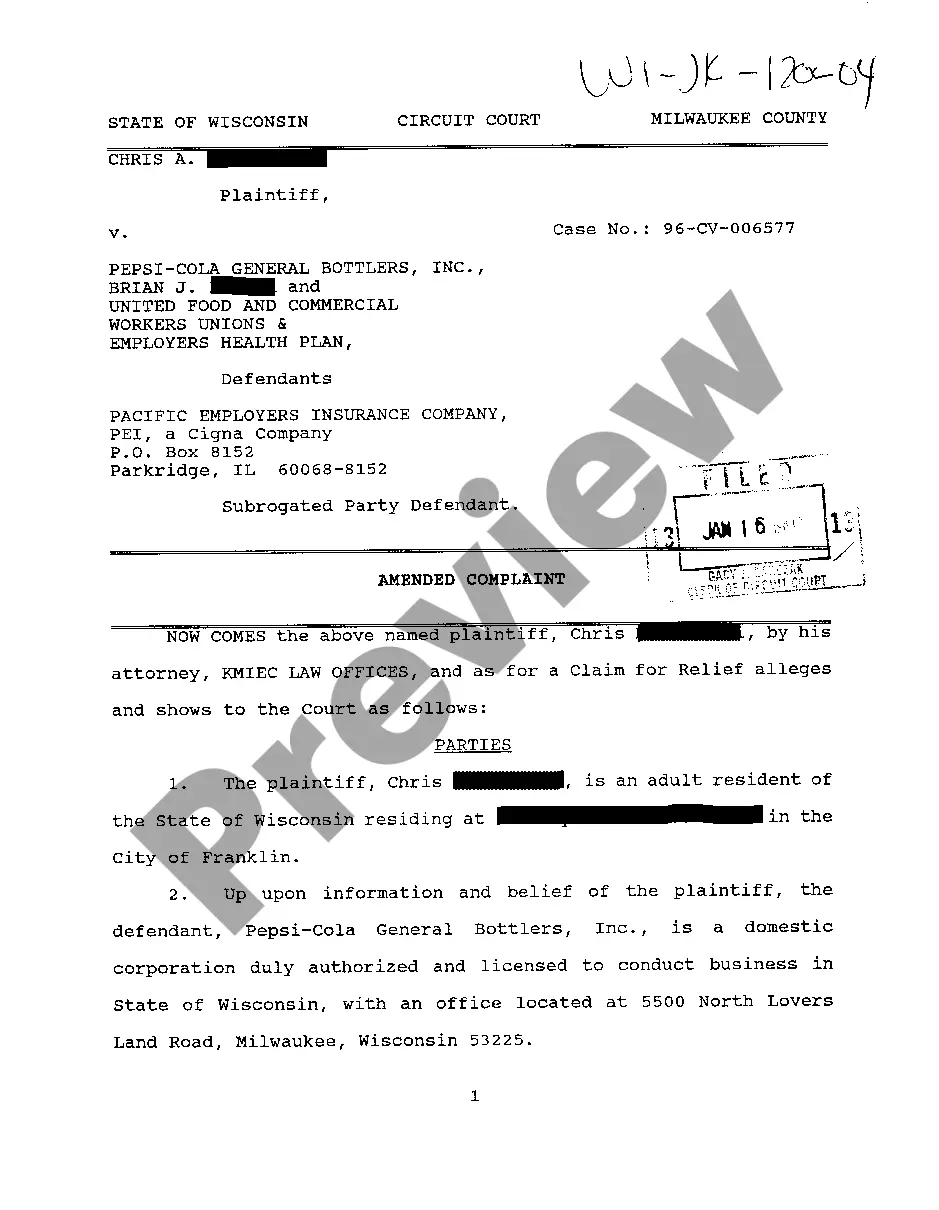
To write a civil lawsuit complaint, begin by stating the parties involved and providing a clear statement of facts. Next, outline the legal claims you are making and specify the type of relief you are seeking. Using a complaint form for civil suit can streamline this process, ensuring that you include all essential information needed for your case.
An example of a civil complaint could be a case where a tenant files against a landlord for failure to provide a habitable living environment. The complaint would detail the issues faced and the remedy sought, such as rental reimbursement or repairs. Utilizing a complaint form for civil suit allows you to present your example succinctly and formally.
The worth of a civil lawsuit varies greatly depending on various factors, such as the nature of the dispute and the damages incurred. Some lawsuits may seek small monetary amounts, while others can involve millions. When filling out a complaint form for civil suit, consider the specifics of your case to justify the amount you claim.