Rental Security
Description

Get your form ready online
Our built-in tools help you complete, sign, share, and store your documents in one place.
Make edits, fill in missing information, and update formatting in US Legal Forms—just like you would in MS Word.
Download a copy, print it, send it by email, or mail it via USPS—whatever works best for your next step.
Sign and collect signatures with our SignNow integration. Send to multiple recipients, set reminders, and more. Go Premium to unlock E-Sign.
If this form requires notarization, complete it online through a secure video call—no need to meet a notary in person or wait for an appointment.
We protect your documents and personal data by following strict security and privacy standards.

Make edits, fill in missing information, and update formatting in US Legal Forms—just like you would in MS Word.

Download a copy, print it, send it by email, or mail it via USPS—whatever works best for your next step.

Sign and collect signatures with our SignNow integration. Send to multiple recipients, set reminders, and more. Go Premium to unlock E-Sign.

If this form requires notarization, complete it online through a secure video call—no need to meet a notary in person or wait for an appointment.

We protect your documents and personal data by following strict security and privacy standards.
Looking for another form?
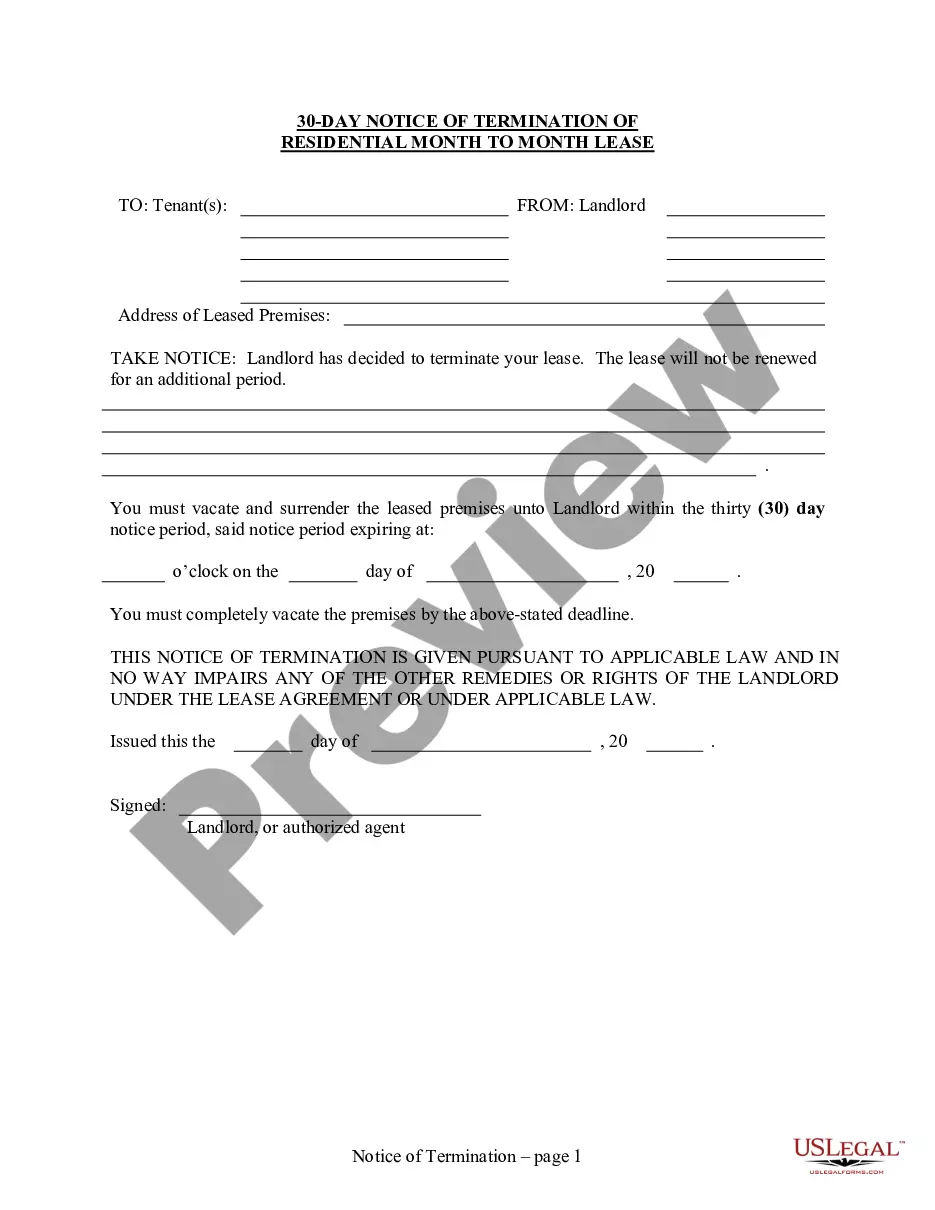



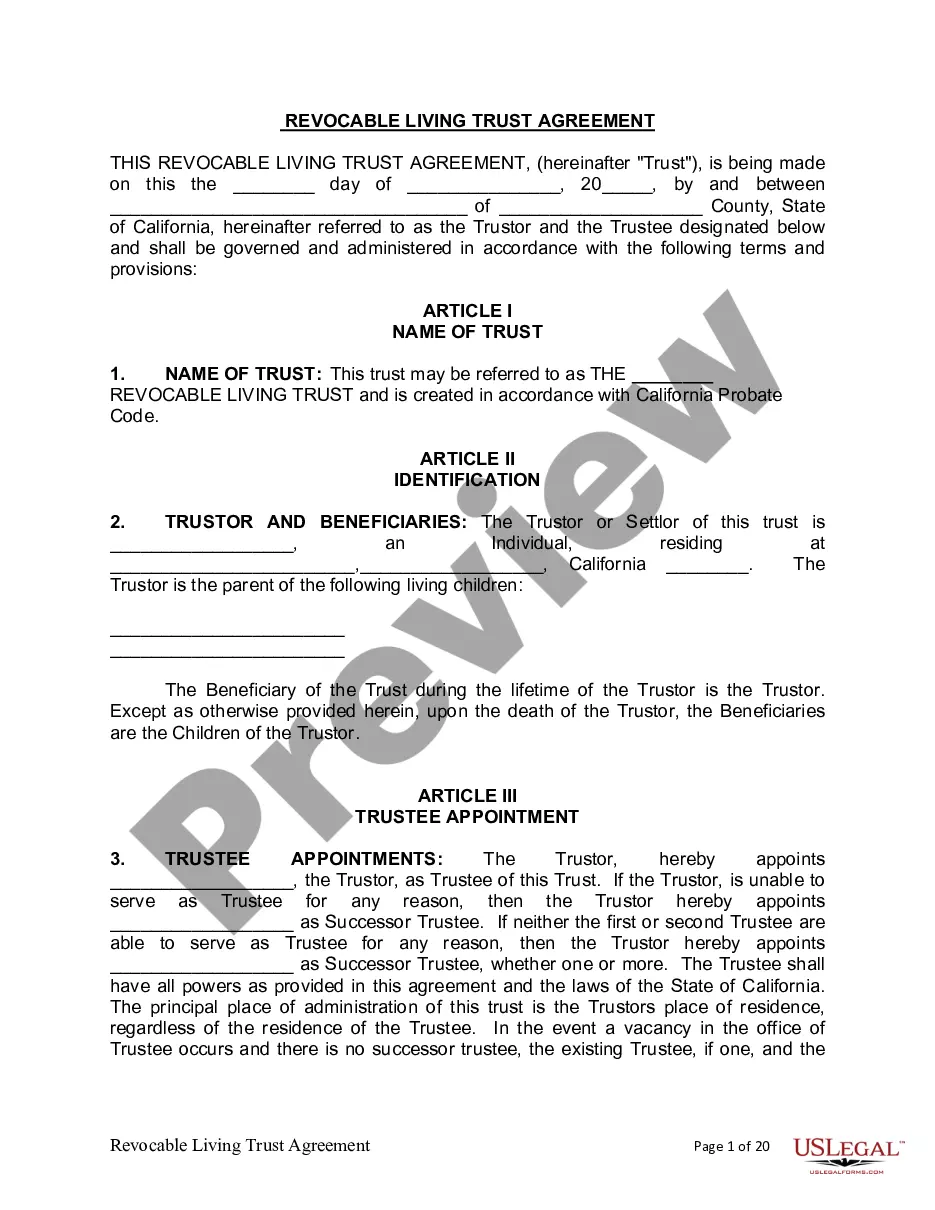

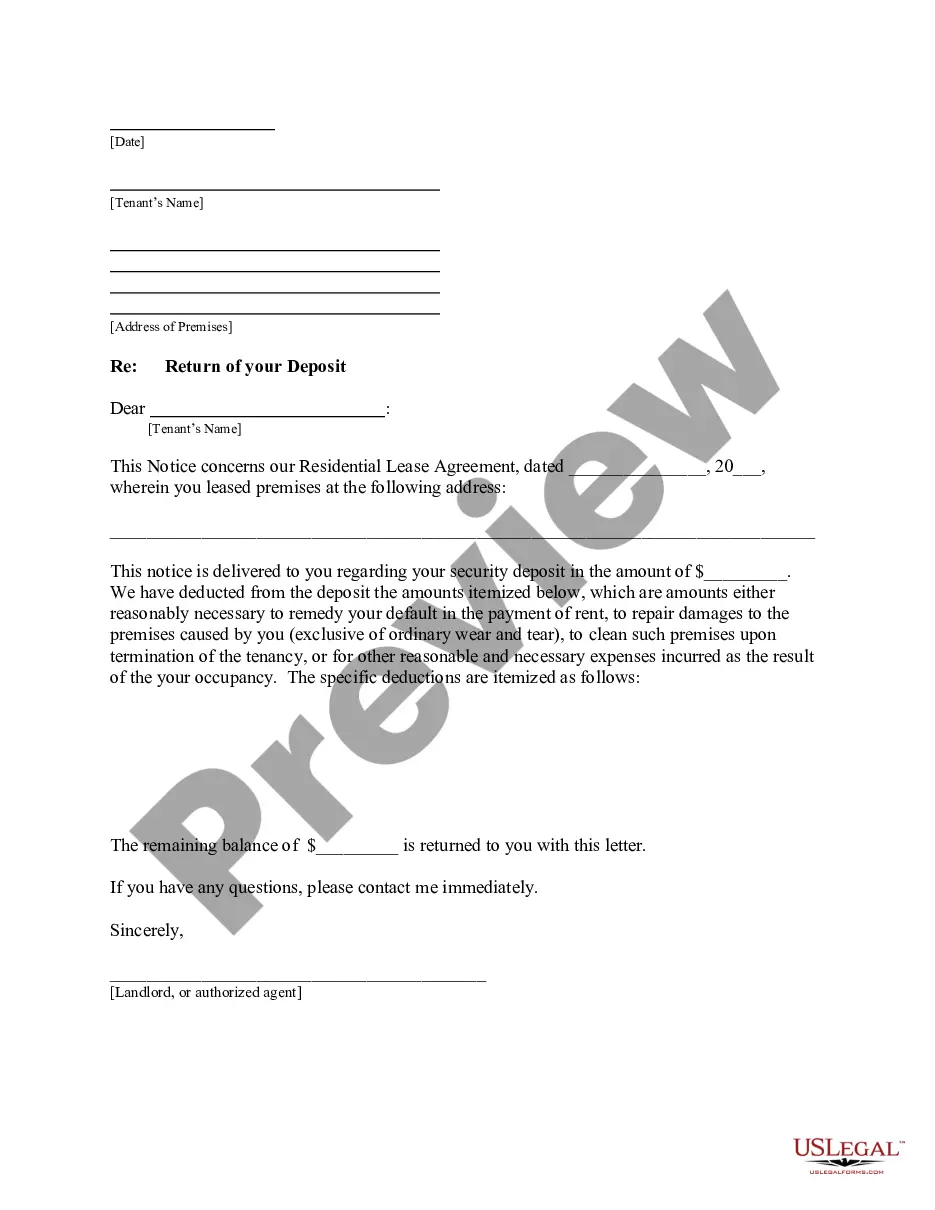
How to fill out Arizona Letter From Landlord To Tenant Returning Security Deposit Less Deductions?
- Log in to your account or create a new one by registering for free on our website.
- Explore our extensive library and locate the rental security form that fits your legal needs. Use the Preview mode to review the form description and ensure it meets your jurisdiction's requirements.
- If necessary, utilize the Search feature to find any additional forms that may suit your needs better.
- Select your desired form, then click the Buy Now button. Choose a subscription plan that works for you to gain access to thousands of documents.
- Complete your purchase by entering your payment information, either by credit card or PayPal, to finalize your subscription.
- After purchase, download your rental security form to your device and access it anytime via the My Forms section in your account.
By utilizing US Legal Forms, individuals and attorneys can swiftly execute legal documents with confidence, drawing on our collection of over 85,000 customizable forms. We also offer access to premium experts for assistance, ensuring your documents are both precise and legally sound.
Take the first step towards hassle-free legal documentation today—explore our platform and start your journey with US Legal Forms!
Form popularity
FAQ
No, a security deposit is not considered an expense when collected; instead, it is recognized as a liability until resolved. It requires careful management to ensure compliance with laws and regulations governing rental security. Keeping accurate records prevents misunderstandings and helps maintain healthy landlord-tenant relationships.
In Massachusetts, landlords must adhere to specific laws regarding security deposits, including limits on the amount collected and requirements for holding the funds in a separate account. Typically, the maximum deposit allowed is equivalent to one month's rent. Understanding these legal frameworks ensures you manage rental security effectively and within the law.
A deposit can be considered an expense only if you retain it permanently due to damages or non-compliance with lease terms. However, standard security deposits are treated as a liability, safeguarding tenant funds. Clarity in this process assists in legally managing your rental security and accounting appropriately.
A deposit is neither income nor expense initially; it is recorded as a liability in your accounting records. When you collect a security deposit, it represents an obligation to return those funds to the tenant. Understanding this distinction helps ensure proper handling of your rental security and compliance with legal requirements.
Yes, you can install a security system in a rental property, but it's essential to consult your lease agreement and seek permission from the landlord, if applicable. The added protection can enhance the value of your rental security and may attract more tenants. Always ensure the system installation is non-invasive and easily removable.
A security deposit is not categorized as an expense; instead, it is considered a liability until you either return it or apply it to damages. You hold the rental security on behalf of your tenant and must manage it according to state laws. Proper management of security deposits helps maintain transparency and trust between you and your tenants.
To categorize a security deposit in QuickBooks, first navigate to the 'Banking' section and select 'Make Deposits'. Next, choose the appropriate account for the deposit and enter relevant details about the tenant and property. This ensures accurate tracking of rental security and maintains clear financial records for your properties.
Yes, you can install a security system in a rental, but it's essential to get your landlord's permission first. Many renters opt for portable systems that require no permanent installation. These options enhance your rental security and provide reassurance while meeting lease requirements.
In New York, the law requires landlords to return security deposits within 14 days after a tenant moves out, as long as there are no damages beyond normal wear and tear. Landlords must also provide an itemized list of any deductions made from the deposit. Knowing this law helps you secure your rental security and funds.
Making your rental home more secure can be achieved through a few practical changes. Begin by adding window locks and upgrading to security deadbolts. Next, consider using smart home technology like doorbell cameras and alarm systems, which enhance your rental security while providing convenience.