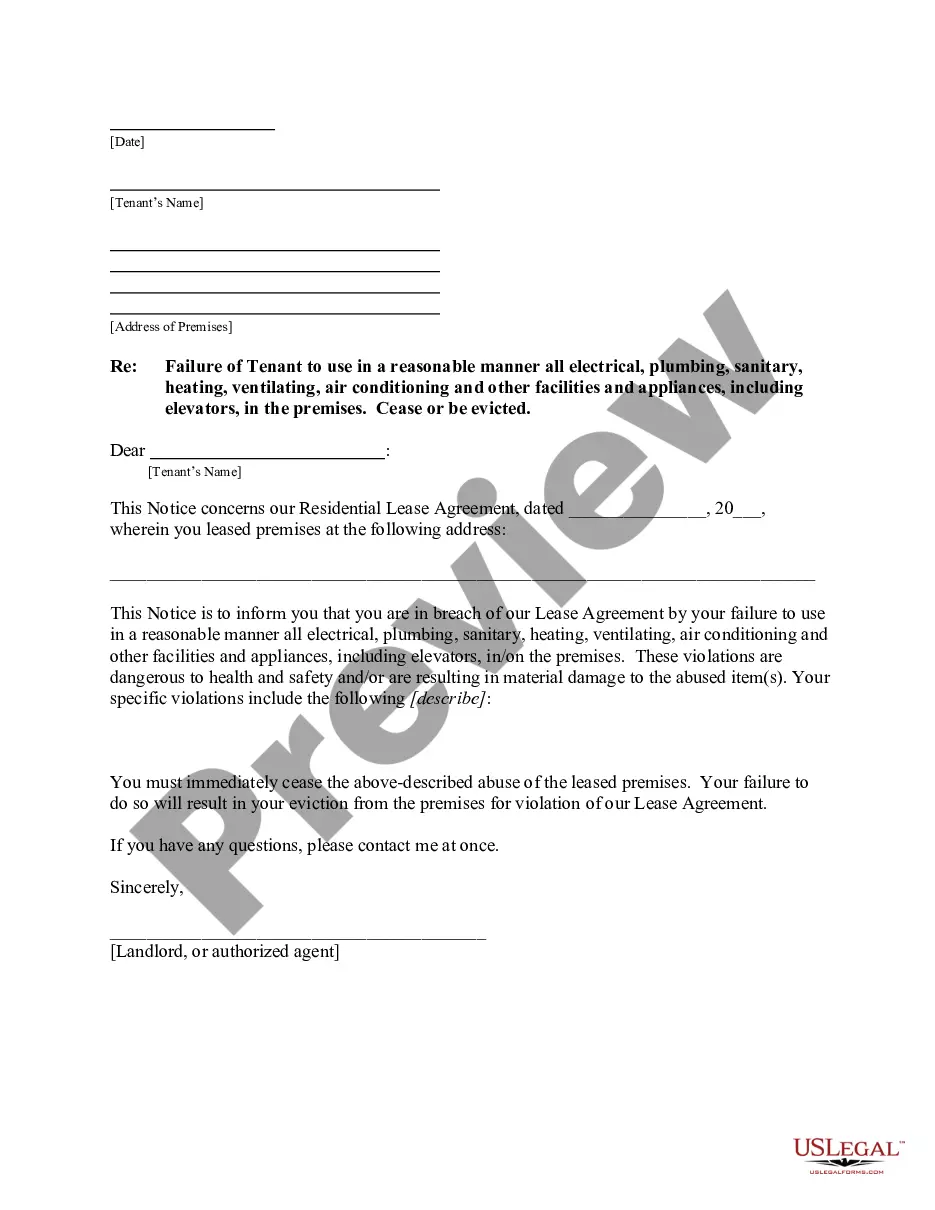
Failure Use Heating For The Following
Description


Get your form ready online
Our built-in tools help you complete, sign, share, and store your documents in one place.
Make edits, fill in missing information, and update formatting in US Legal Forms—just like you would in MS Word.
Download a copy, print it, send it by email, or mail it via USPS—whatever works best for your next step.
Sign and collect signatures with our SignNow integration. Send to multiple recipients, set reminders, and more. Go Premium to unlock E-Sign.
If this form requires notarization, complete it online through a secure video call—no need to meet a notary in person or wait for an appointment.
We protect your documents and personal data by following strict security and privacy standards.

Make edits, fill in missing information, and update formatting in US Legal Forms—just like you would in MS Word.

Download a copy, print it, send it by email, or mail it via USPS—whatever works best for your next step.

Sign and collect signatures with our SignNow integration. Send to multiple recipients, set reminders, and more. Go Premium to unlock E-Sign.

If this form requires notarization, complete it online through a secure video call—no need to meet a notary in person or wait for an appointment.

We protect your documents and personal data by following strict security and privacy standards.
Looking for another form?









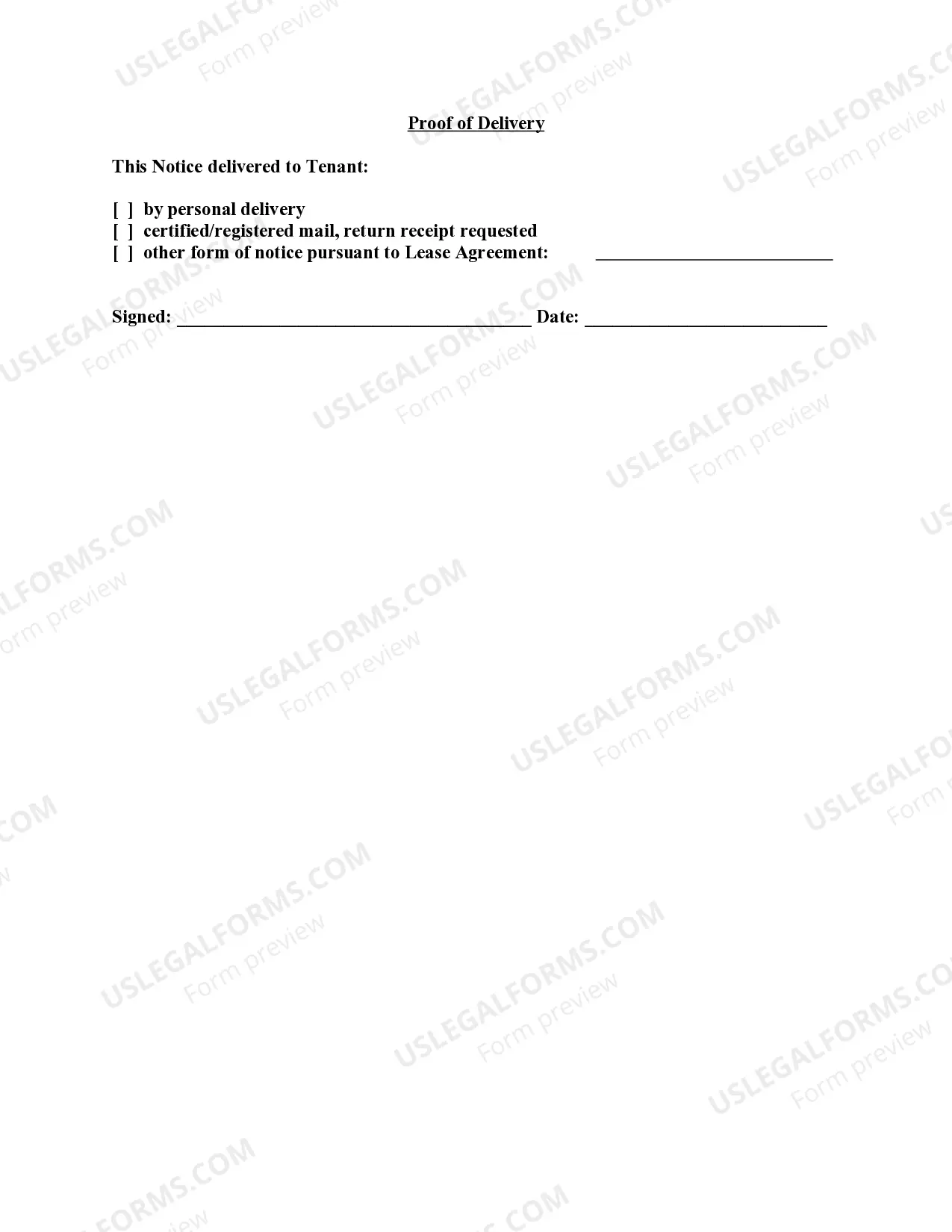
How to fill out Arizona Letter From Landlord To Tenant For Failure To Use Electrical, Plumbing, Sanitary, Heating, Ventilating, Air Conditioning And Other Facilities In A Reasonable Manner?
- For returning users, log in to your account and ensure your subscription is active. Download the desired form template by clicking the Download button.
- If you are new, begin by exploring the Preview mode of the form. Check that it meets your requirements and is compliant with your local jurisdiction.
- If the form doesn’t fit your needs, utilize the Search tab to find the appropriate template and ensure it aligns with your specifications.
- Proceed to purchase the document by clicking the Buy Now button and selecting your preferred subscription plan. You'll need to create an account to access the forms.
- Complete your purchase by entering your payment details, either through credit card or PayPal, to finalize your subscription.
- Download the form to your device, ensuring you have it saved for completion. You can also access it later in the My Forms section of your profile.
By following these steps, you can leverage US Legal Forms' extensive library and expert assistance to create secure legal documents quickly and accurately.
Don’t miss out on simplifying your document creation process—start using US Legal Forms today!
Form popularity
FAQ
In Michigan, the income limit for qualifying for home heating credits can change annually. Often, your eligibility will depend on household income and the size of your family. If a household fails to use heating for the following, they may miss out on these vital credits. To explore your eligibility and find the right application form, visit USLegalForms for more detailed assistance.
Whether heat is included in your rent can vary based on your lease agreement. In many cases, rental properties in the U.S. require landlords to maintain heat during colder months, particularly if they fail to use heating for the following. It is vital to read your lease carefully to understand your heating responsibilities. If you have questions about your lease or rights, resources like USLegalForms can help clarify the situation.
In New York City, landlords must provide essential utilities, including gas, especially for heating purposes. If a landlord fails to use heating for the following, tenants might have grounds to report the issue. New York City housing laws are designed to keep living conditions safe and comfortable. If you encounter problems, consider using USLegalForms to understand your rights and options.
Landlords should typically turn on the heat when outdoor temperatures reach a certain low threshold, usually around 55 degrees Fahrenheit. In many areas, laws dictate specific heating requirements during colder months. If your landlord fails to meet these obligations, it could be a case of failure to use heating properly. Legal platforms like uslegalforms can help you navigate these situations effectively.
You can sue your landlord for no heating if they fail to fulfill their legal responsibilities. Documenting your situation thoroughly is essential when pursuing legal action. Ensure you understand your rights as a tenant and gather evidence of the lack of heating. Legal resources such as uslegalforms provide valuable tools in these situations.
Yes, you can sue your landlord for no heat in NYC. New York City laws require landlords to maintain heat during colder months. If your landlord fails to meet this standard, it may be considered neglect. Utilizing uslegalforms can ensure you have the right documents to support your case.
In Ohio, landlords must provide heat to tenants as part of the rental agreement. Failure to use heating in your apartment can lead to significant legal consequences for landlords. Always check your local laws and lease terms for specific obligations. Platforms like uslegalforms can help clarify these legal standards.
A landlord typically should not leave you without heat for more than a few hours, especially in colder climates. If the heating issue persists, it may be considered a violation of your tenancy agreement. You should report the problem immediately and keep records. Consulting a platform like uslegalforms can guide you on your rights.
Yes, you can sue your landlord for failure to provide heat. If your landlord does not maintain an adequate heating system, you may have grounds for a lawsuit. It’s important to document your communications and the lack of heating. Legal forms may help you file your claim effectively.
Your heating system may not be working due to a range of factors, including lack of maintenance, leaks in the ductwork, or age-related decline. Identifying the source of the issue is crucial to ensuring that the failure to use heating for the following does not lead to prolonged discomfort. For further assistance, consider exploring the US Legal Forms platform for maintenance tips and troubleshooting guides.