Tenant Rights For Mold
Description
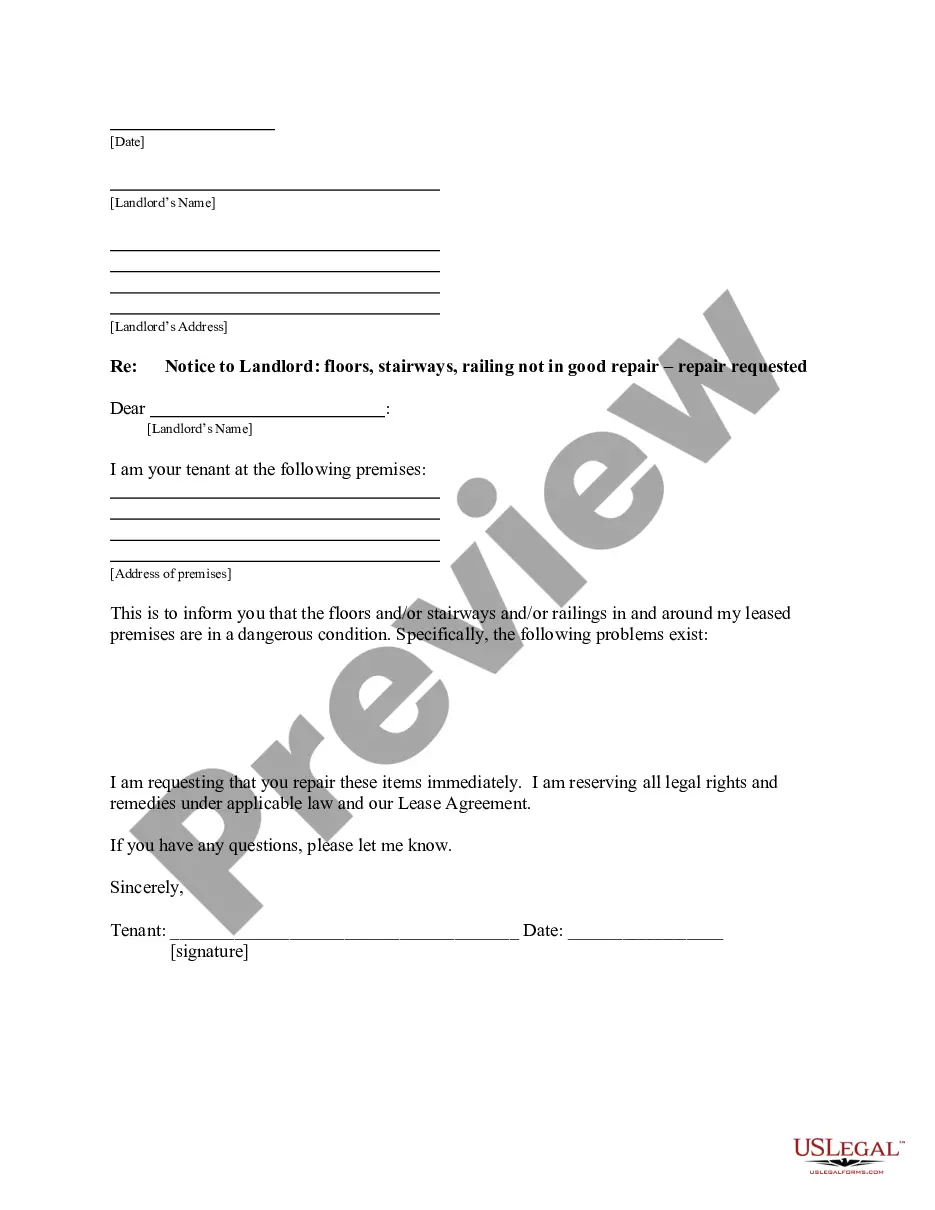
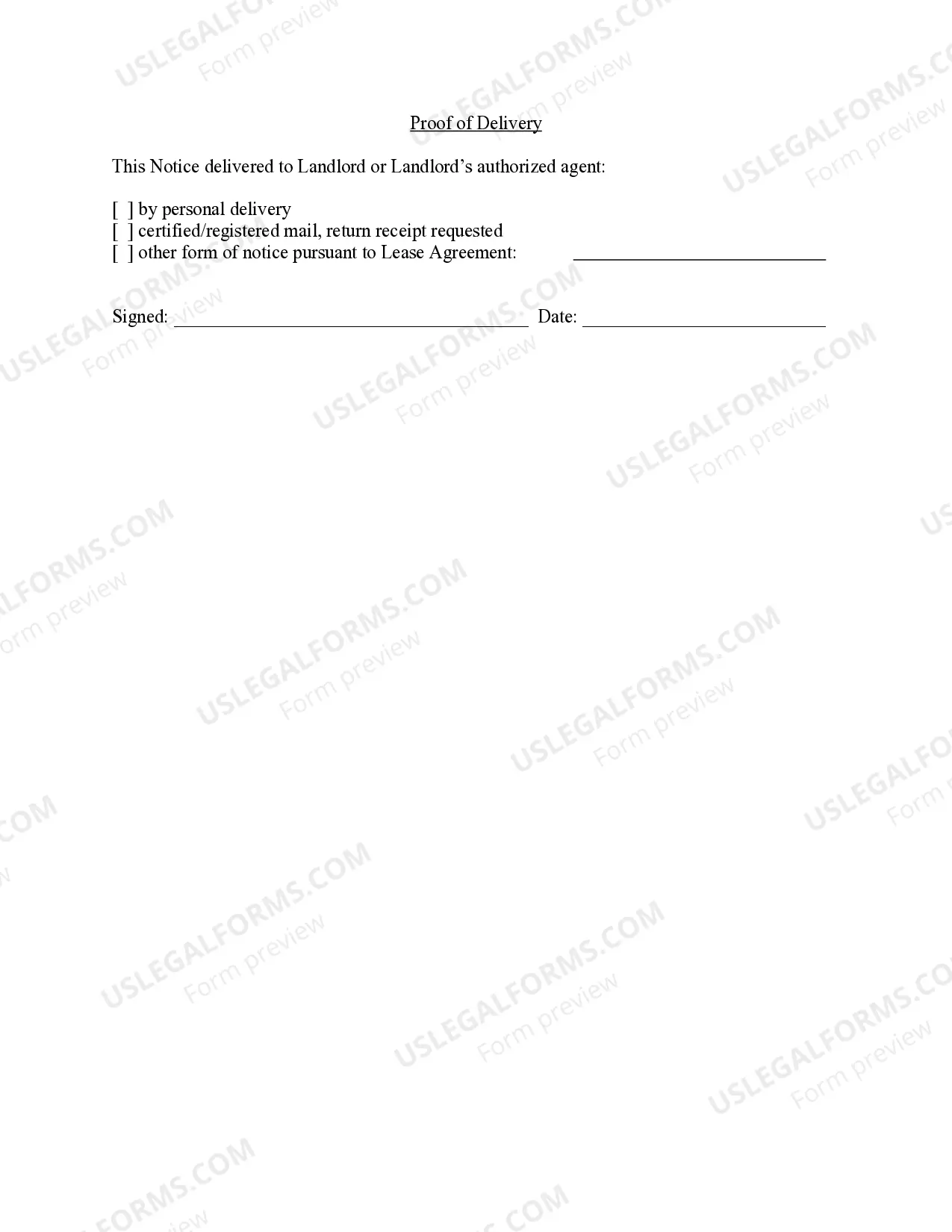



Get your form ready online
Our built-in tools help you complete, sign, share, and store your documents in one place.
Make edits, fill in missing information, and update formatting in US Legal Forms—just like you would in MS Word.
Download a copy, print it, send it by email, or mail it via USPS—whatever works best for your next step.
Sign and collect signatures with our SignNow integration. Send to multiple recipients, set reminders, and more. Go Premium to unlock E-Sign.
If this form requires notarization, complete it online through a secure video call—no need to meet a notary in person or wait for an appointment.
We protect your documents and personal data by following strict security and privacy standards.

Make edits, fill in missing information, and update formatting in US Legal Forms—just like you would in MS Word.

Download a copy, print it, send it by email, or mail it via USPS—whatever works best for your next step.

Sign and collect signatures with our SignNow integration. Send to multiple recipients, set reminders, and more. Go Premium to unlock E-Sign.

If this form requires notarization, complete it online through a secure video call—no need to meet a notary in person or wait for an appointment.

We protect your documents and personal data by following strict security and privacy standards.
Looking for another form?
Form popularity
FAQ
In North Carolina, you can withhold rent if there is a serious mold problem that impacts your health and safety. Make sure to inform your landlord in writing and allow reasonable time for repairs. If they neglect the issue, you have rights as a tenant to address the mold situation, possibly including withholding rent. To navigate this process, US Legal Forms can provide helpful documentation and resources.
In New Jersey, withholding rent due to mold issues can be an option, but it must be handled carefully. You should notify your landlord in writing about the mold problem and give them a chance to fix it. If they fail to address the issue, you might have grounds to withhold rent under tenant rights for mold. Seeking guidance from US Legal Forms can ensure you follow the correct procedures.
In Texas, renters have specific rights regarding mold exposure. Landlords must maintain clean and habitable living conditions, which means addressing mold issues promptly. If you find mold, your landlord must repair it, and you may have rights to terminate the lease or seek damages. Understanding tenant rights for mold is crucial, so consider using resources from US Legal Forms.
Yes, you can sue for being exposed to black mold if it has caused health issues or property damage. It’s essential to document the exposure and any related health problems. Tenant rights for mold vary by state, so consulting with a legal expert can clarify your options. Platforms like US Legal Forms can help you understand your rights and prepare necessary documentation.
In Washington state, landlords must address significant mold issues within a reasonable timeframe after notification, typically around 30 days. If they fail to act, tenants have rights that allow them to seek remedies. Understanding your tenant rights for mold ensures you are well-informed about the timeframe and actions you can take.
In Virginia, the statute addressing mold involves both landlord and tenant responsibilities regarding safe living conditions. Tenants should document any mold issues and report them to their landlords, who have a duty to respond. Knowing your tenant rights for mold in Virginia can help you take necessary action and encourage your landlord to comply.
Yes, you can pursue legal action against your landlord for mold problems in Washington state if they do not resolve the issue. It's vital to document your communications and any evidence of mold-related damage. Awareness of your tenant rights for mold will help you navigate the legal process more effectively.
Cleaning mold typically falls on the landlord, as they are responsible for maintaining habitable living conditions. However, tenants also have a duty to report mold issues promptly and keep their areas clean. It’s essential to know your tenant rights for mold to ensure that both parties understand their responsibilities.
Yes, you can sue your landlord for mold in Washington if they neglect their responsibility to maintain a safe living environment. Start by gathering evidence of mold and your landlord's inaction. Understanding your tenant rights for mold will assist you in building a solid case and seeking remedies.
The amount you can sue your landlord for mold varies based on the damages incurred. You may claim for medical expenses, property damage, and any other losses linked to the mold. Knowing your tenant rights for mold can help you estimate a reasonable compensation claim and seek legal guidance as needed.