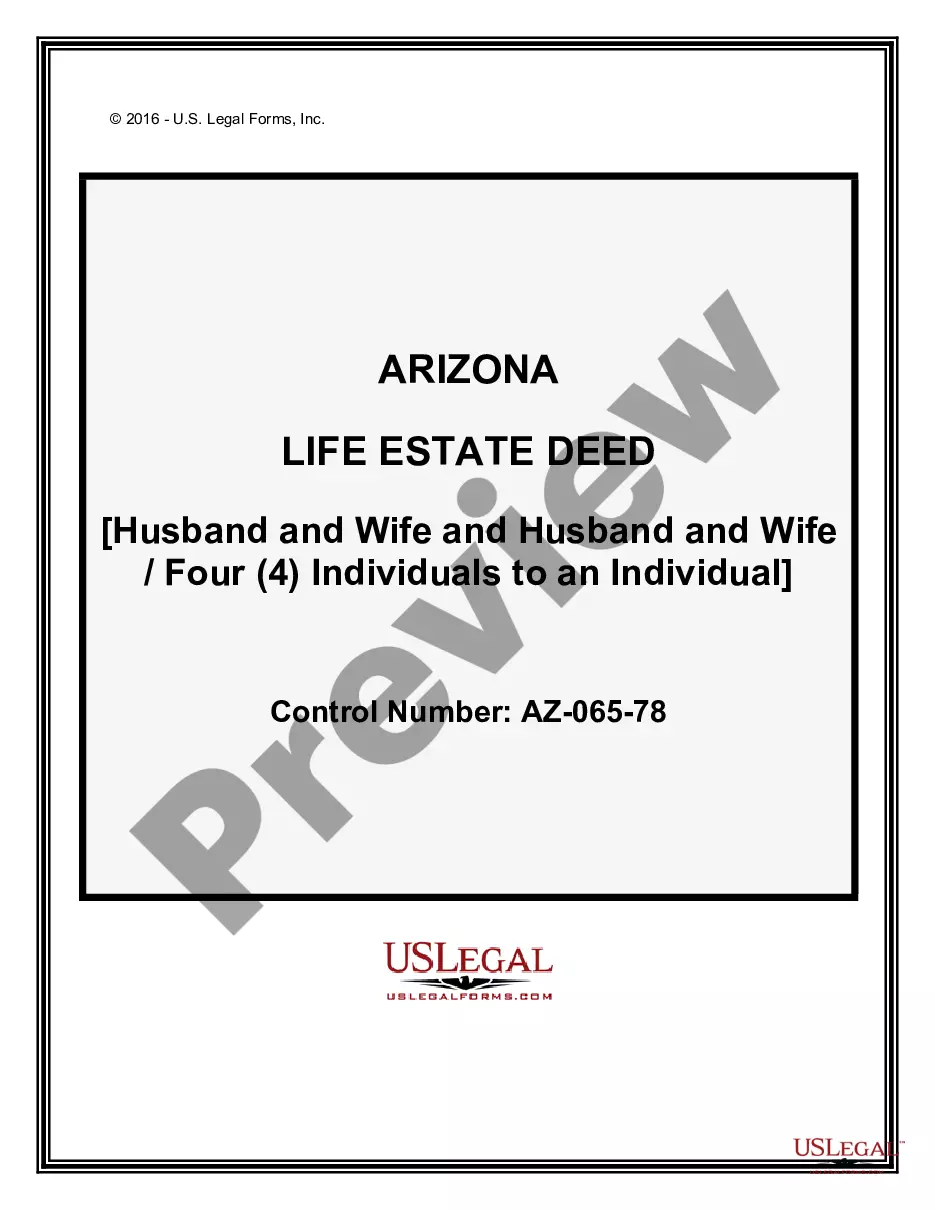
Life Estate Deed With Powers
Description
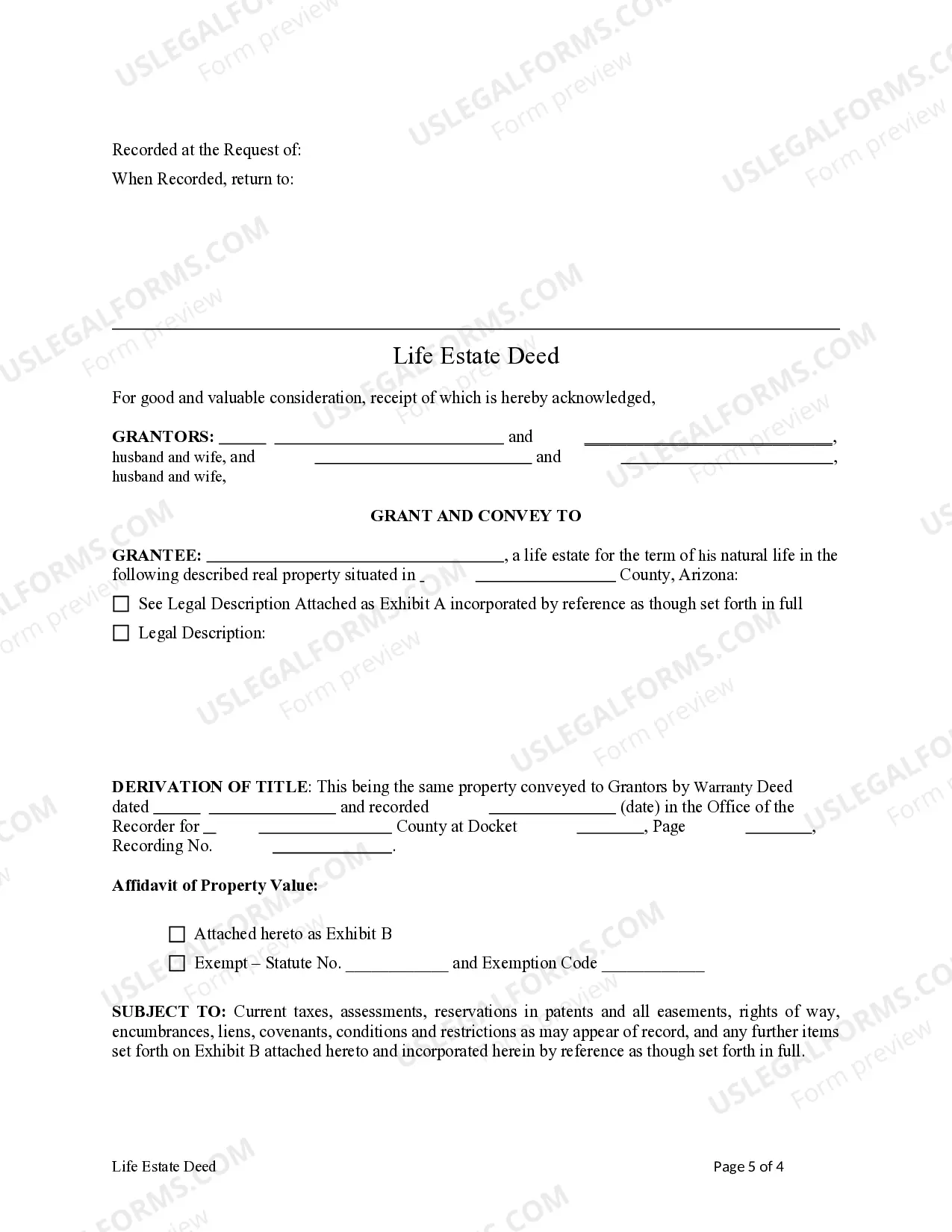
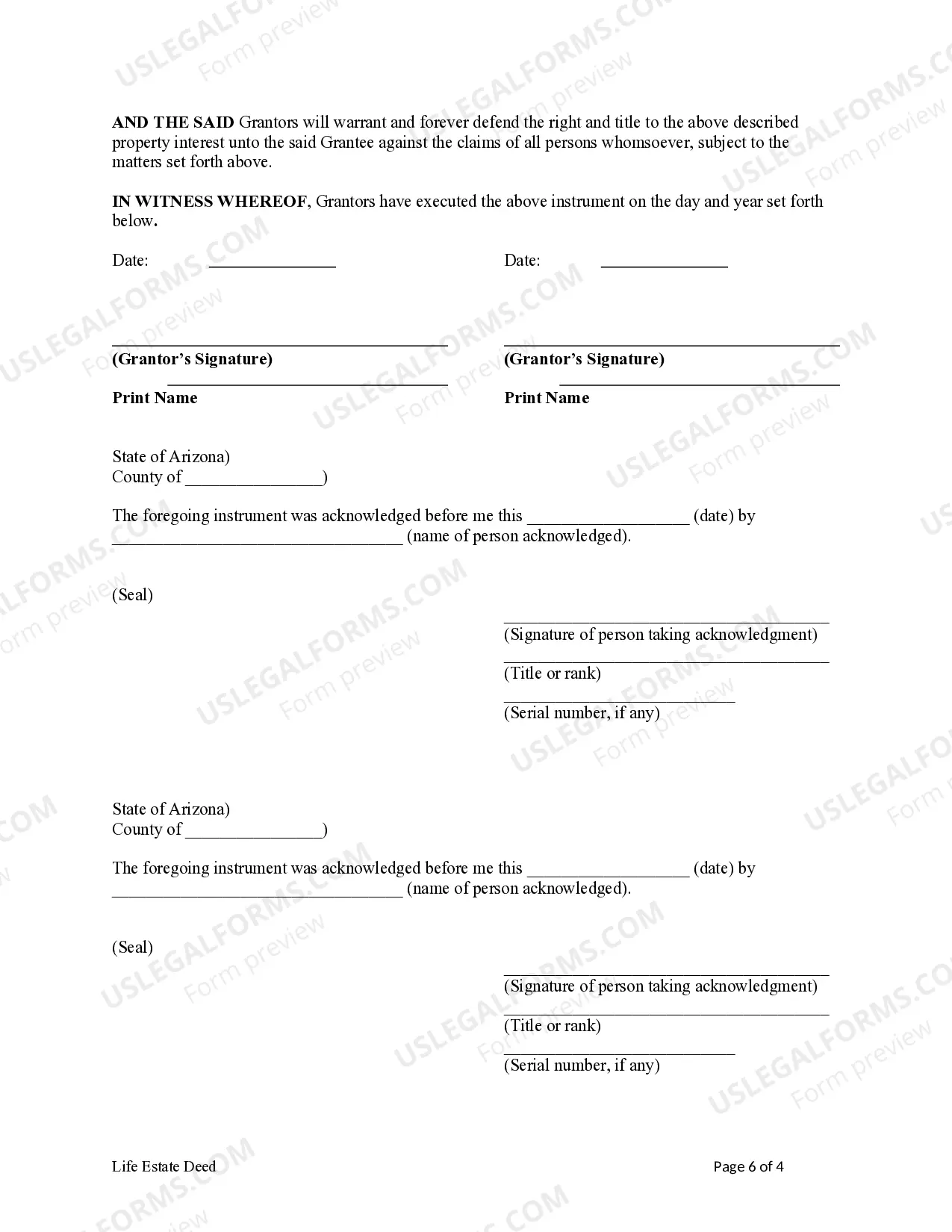
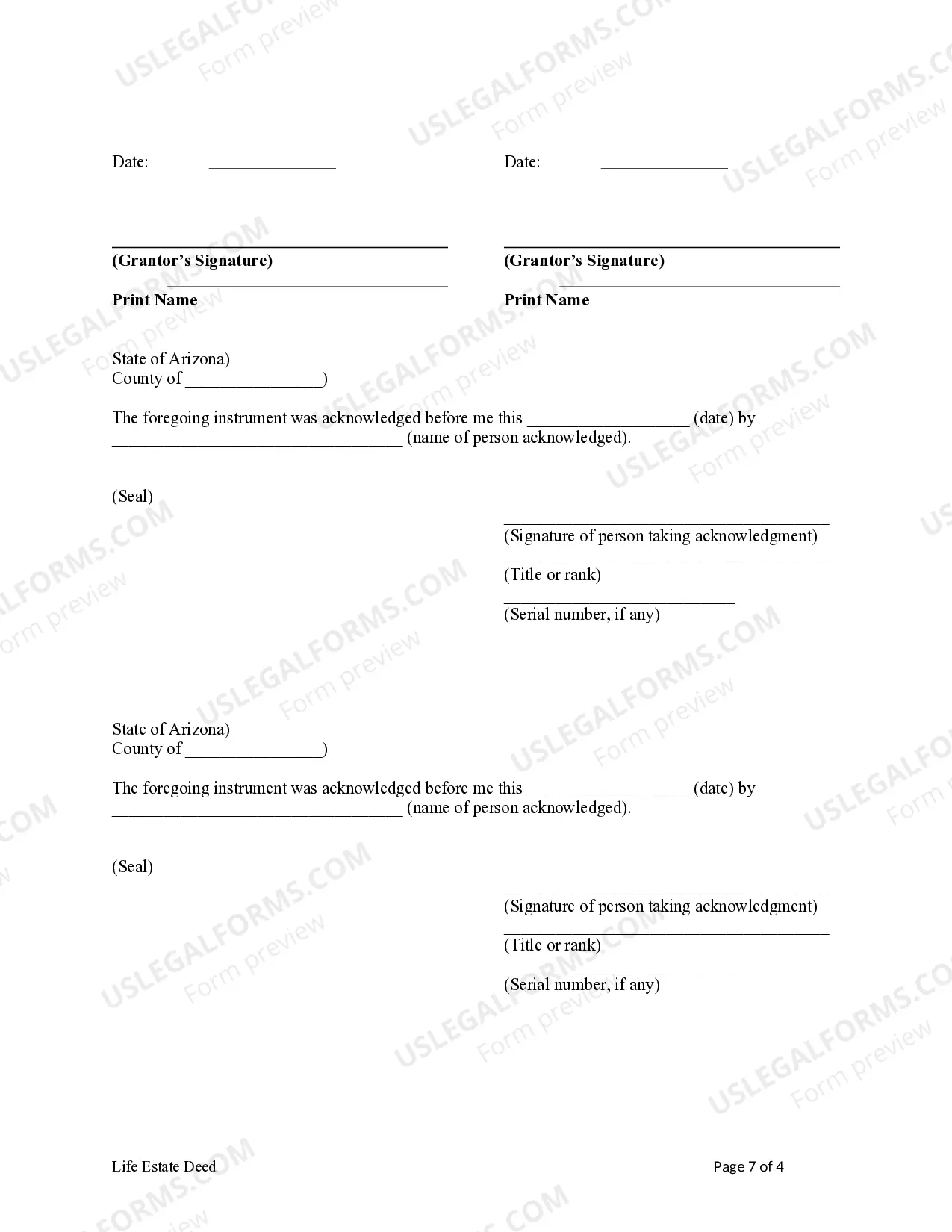
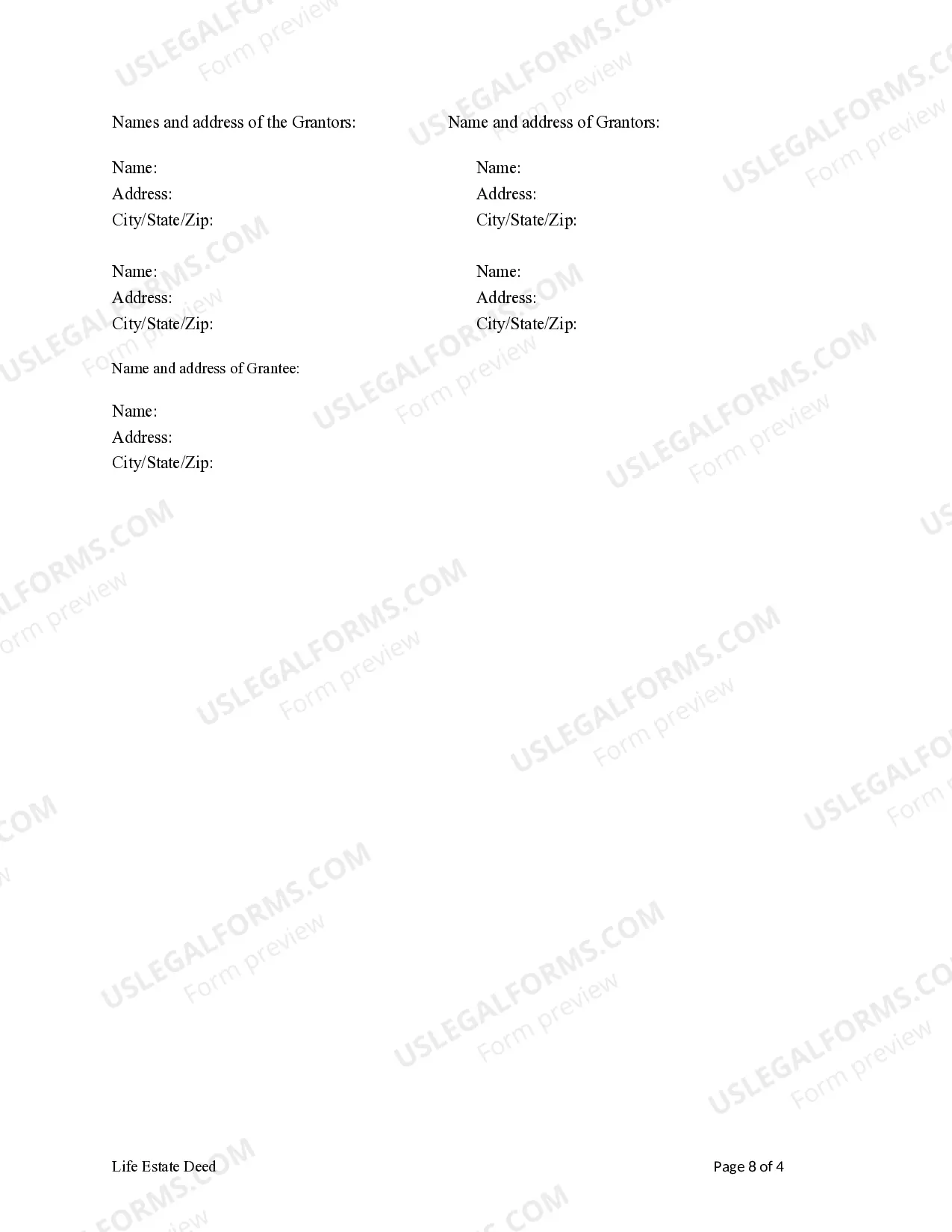


Get your form ready online
Our built-in tools help you complete, sign, share, and store your documents in one place.
Make edits, fill in missing information, and update formatting in US Legal Forms—just like you would in MS Word.
Download a copy, print it, send it by email, or mail it via USPS—whatever works best for your next step.
Sign and collect signatures with our SignNow integration. Send to multiple recipients, set reminders, and more. Go Premium to unlock E-Sign.
If this form requires notarization, complete it online through a secure video call—no need to meet a notary in person or wait for an appointment.
We protect your documents and personal data by following strict security and privacy standards.

Make edits, fill in missing information, and update formatting in US Legal Forms—just like you would in MS Word.

Download a copy, print it, send it by email, or mail it via USPS—whatever works best for your next step.

Sign and collect signatures with our SignNow integration. Send to multiple recipients, set reminders, and more. Go Premium to unlock E-Sign.

If this form requires notarization, complete it online through a secure video call—no need to meet a notary in person or wait for an appointment.

We protect your documents and personal data by following strict security and privacy standards.
Looking for another form?








How to fill out Arizona Life Estate Deed From Two Married Couples To An Individual?
- Log in to your existing US Legal Forms account. Ensure that your subscription is active; if it has expired, follow the prompts to renew based on your selected plan.
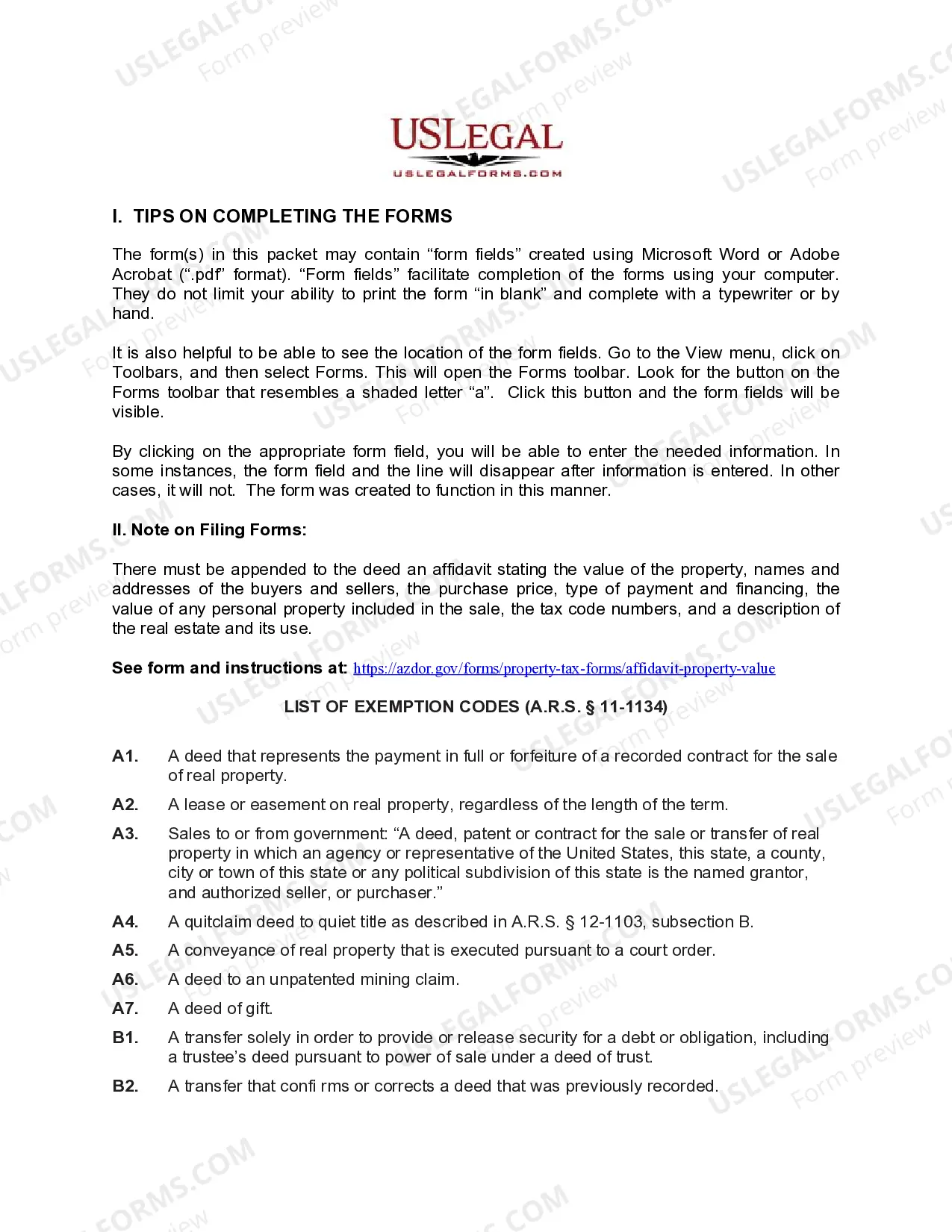
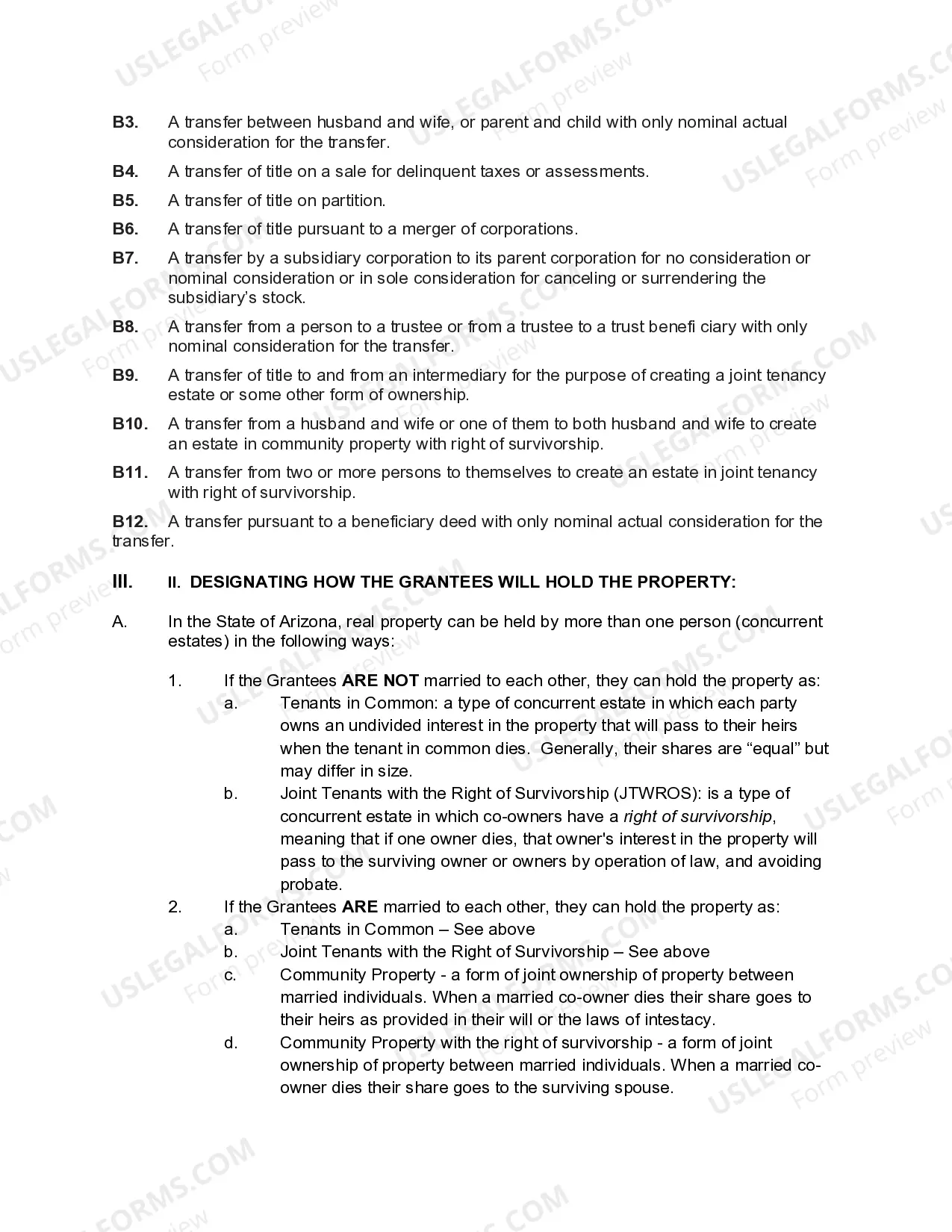
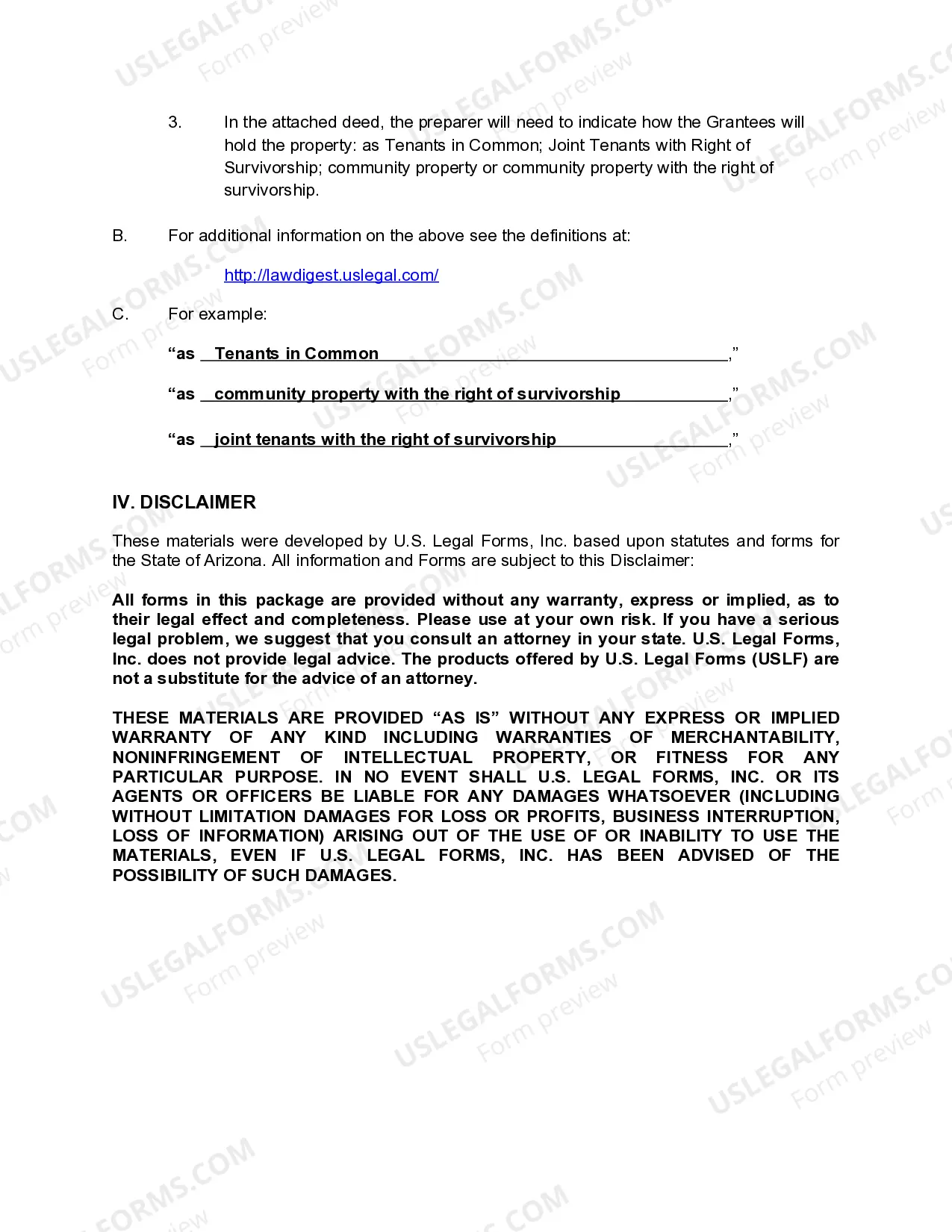
- Visit the Preview mode to review the life estate deed with powers description. Confirm that it aligns with your requirements and complies with your local jurisdiction.
- Use the Search tab to locate alternative templates if necessary. Ensure that the selected form is the right fit before proceeding.
- Click on the Buy Now button to select a subscription plan that suits you. You will need to register an account to unlock access to the full library of resources.
- Complete your purchase by entering your credit card information or using your PayPal account for added convenience.
- Download your completed form to your device for further editing. You can always access it again later from the My Forms section in your profile.
By following these steps, you can efficiently obtain your life estate deed with powers through US Legal Forms, ensuring streamlined access to necessary legal documentation.
Start your journey today and experience the convenience of creating reliable legal forms. Visit US Legal Forms now!
Form popularity
FAQ
Yes, you can sell a house that is in a life estate, but you should understand the specific rights involved. The life tenant has the authority to sell the property, though the new buyer acquires only the life estate interest. If you’re navigating this process, consider using USLegalForms as a resource to help draft the necessary documents and ensure all legal requirements are satisfied.
A life estate deed with powers generally does take precedence over a will. The property held under a life estate does not pass through the probate process, as it has already been transferred to the remainderman. Therefore, even if a will states differently, the life estate deed will determine how the property is handled after death.
Undoing a life estate deed is possible, but it may involve legal procedures and consent from all parties involved. The life tenant and the remainderman typically need to agree on this decision. If you find yourself needing to undo a life estate deed with powers, it might be best to seek legal advice to understand your options thoroughly.
Yes, you can sell a property that has a life estate deed with powers. However, the ability to do so depends on the terms outlined in the life estate itself. The life tenant has the right to sell the property, but the buyer will only obtain the property interest that the seller has, which often is limited. If you're considering this option, consulting with a legal professional can help clarify the implications.
To navigate around a life estate, one can explore legal avenues such as negotiating with the remainderman. In some instances, you may show mutual interest in modifying the life estate deed with powers to better suit your needs. Another option is to look into transferring ownership through legal channels, depending on state laws. Consulting with a legal expert or using platforms like USLegalForms can guide you through this process efficiently.
A life estate deed with powers allows the life tenant certain rights, such as selling or mortgaging the property, while a life estate without powers restricts these actions. Essentially, the inclusion of powers affords the life tenant greater flexibility in managing the property. Those considering these options often weigh the benefits of control against the needs of the remainderman. Understanding these distinctions can guide you to the right decision for your estate planning needs.
Many individuals create a life estate deed with powers to ensure that their property passes directly to their chosen heirs after they pass away. This arrangement avoids the lengthy and often costly probate process. Additionally, it allows persons to maintain control over the property during their lifetime, providing peace of mind. People often choose this option to protect assets while still benefiting from them.
While a life estate deed with powers can provide benefits, it also has its drawbacks. The main negatives include limited control over the property, as you can’t sell or mortgage it without the consent of the remainderman. Additionally, your heirs may not receive the property as intended, which can lead to family disputes. Furthermore, property taxes and maintenance responsibilities remain your obligation, impacting your finances.
A will cannot override a life estate deed once it is in effect. The life estate maintains its legal standing, and the rights of the life tenant and remainderman will prevail. This interaction between documents can lead to confusion if not carefully planned. Therefore, integrating a life estate deed with powers within your estate planning ensures clarity in your wishes.
Overturning a life estate typically requires the agreement of all interested parties, including the remainderman. You may also need to file a petition in court to remove the life estate. This process can be complicated and often requires legal guidance. Utilizing a life estate deed with powers might prevent the need for such actions by clearly stating your intentions from the start.