Beneficiary Deed Transfer On Death
Description
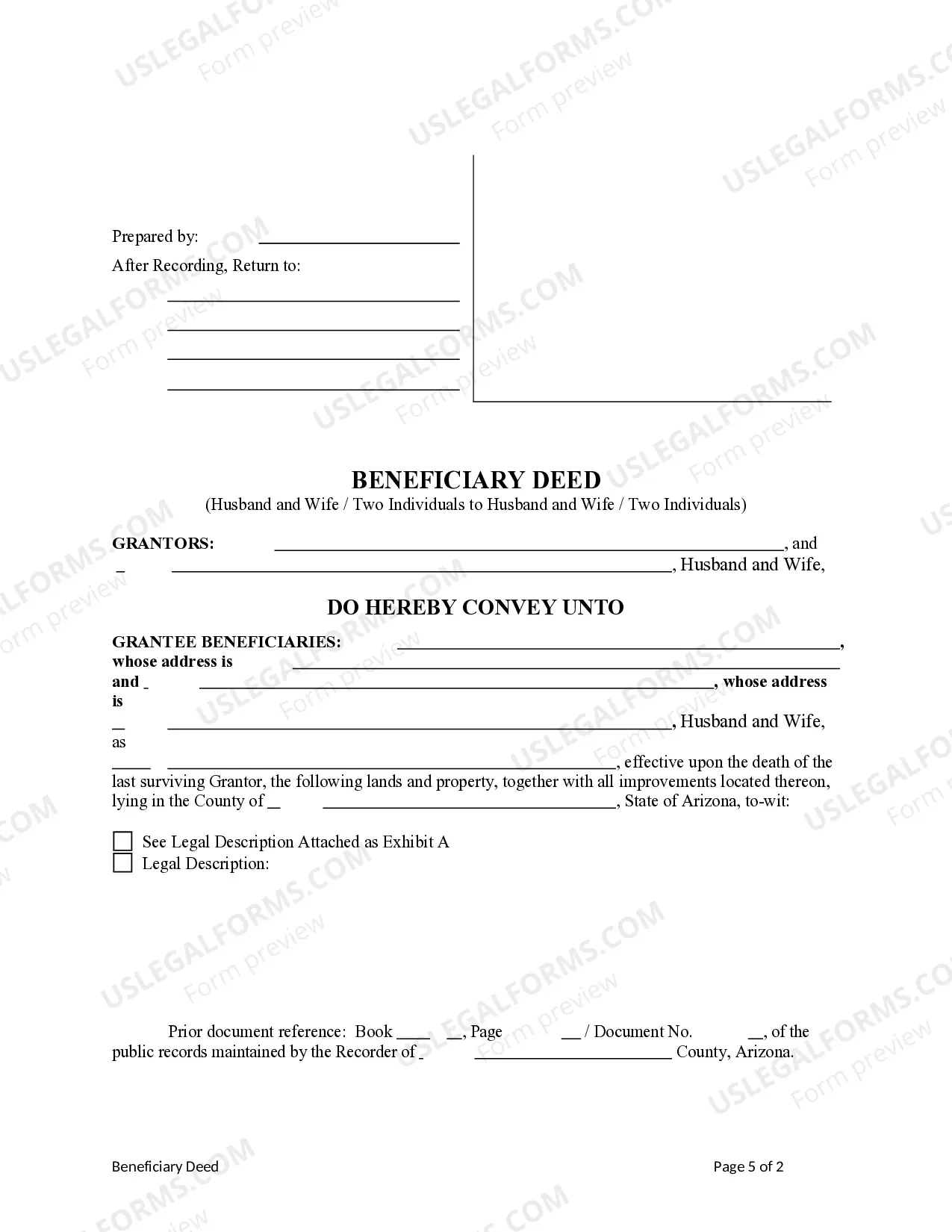
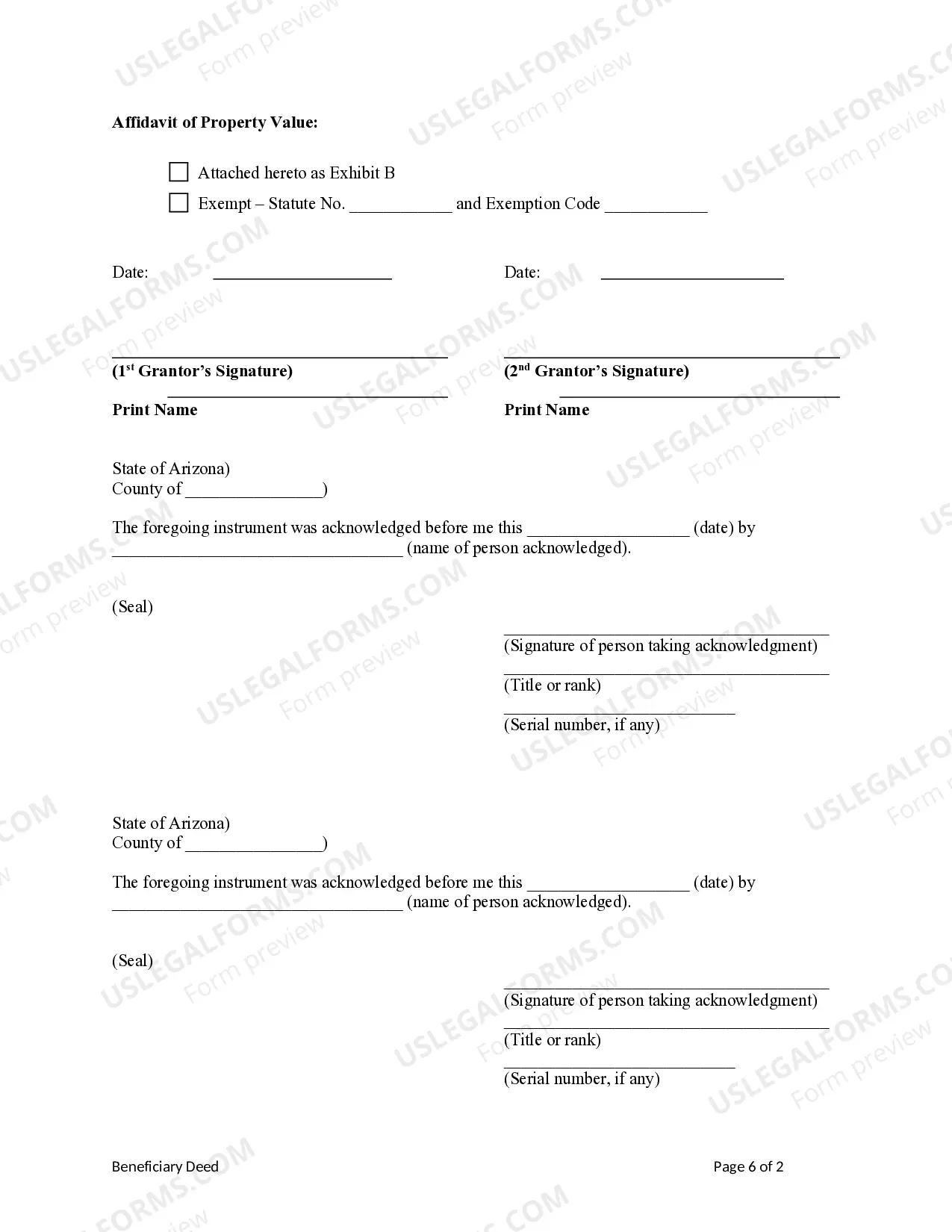
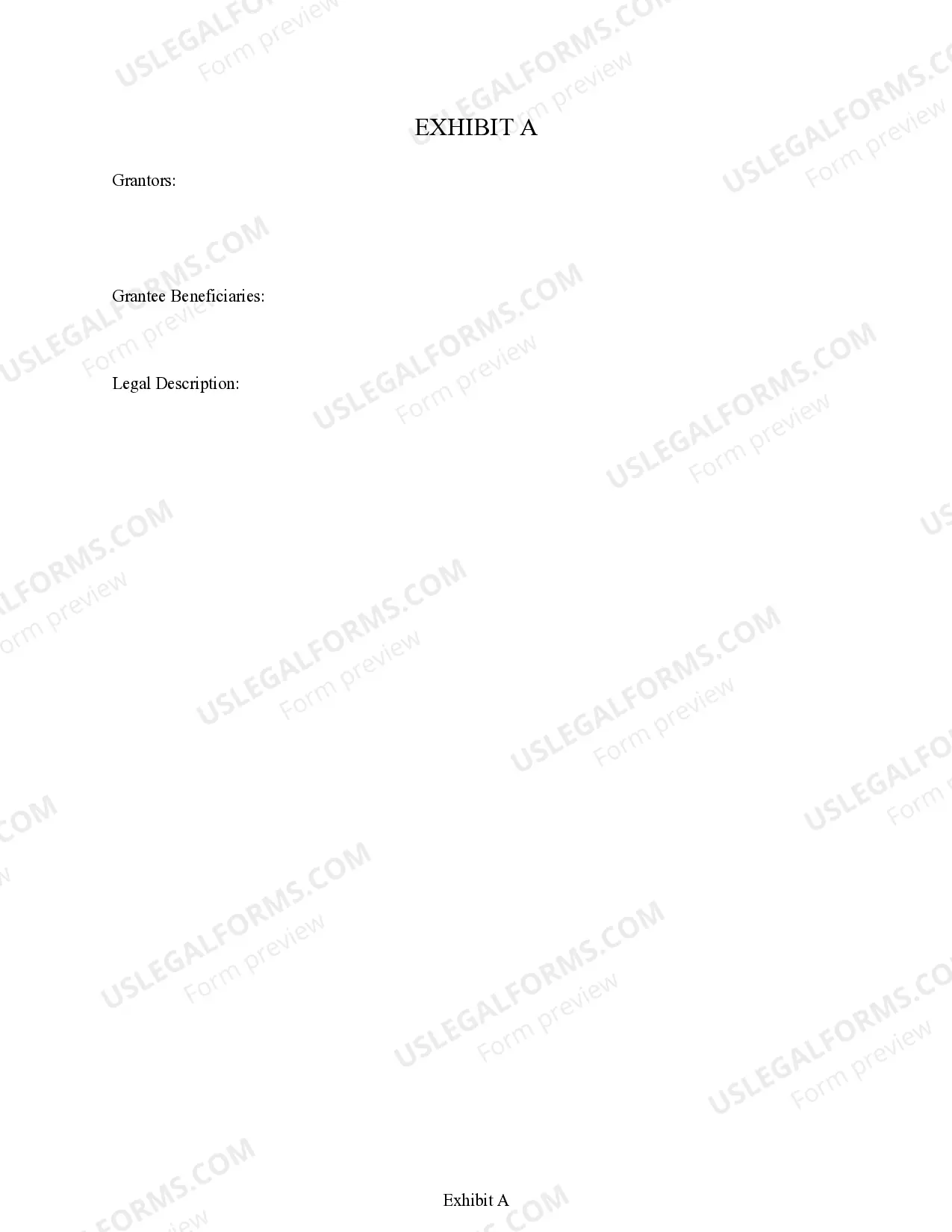

Get your form ready online
Our built-in tools help you complete, sign, share, and store your documents in one place.
Make edits, fill in missing information, and update formatting in US Legal Forms—just like you would in MS Word.
Download a copy, print it, send it by email, or mail it via USPS—whatever works best for your next step.
Sign and collect signatures with our SignNow integration. Send to multiple recipients, set reminders, and more. Go Premium to unlock E-Sign.
If this form requires notarization, complete it online through a secure video call—no need to meet a notary in person or wait for an appointment.
We protect your documents and personal data by following strict security and privacy standards.

Make edits, fill in missing information, and update formatting in US Legal Forms—just like you would in MS Word.

Download a copy, print it, send it by email, or mail it via USPS—whatever works best for your next step.

Sign and collect signatures with our SignNow integration. Send to multiple recipients, set reminders, and more. Go Premium to unlock E-Sign.

If this form requires notarization, complete it online through a secure video call—no need to meet a notary in person or wait for an appointment.

We protect your documents and personal data by following strict security and privacy standards.
Looking for another form?







How to fill out Arizona Beneficiary Or Transfer Of Death (TOD) Deed - Husband And Wife / Two Individuals To Husband And Wife / Two Individuals?
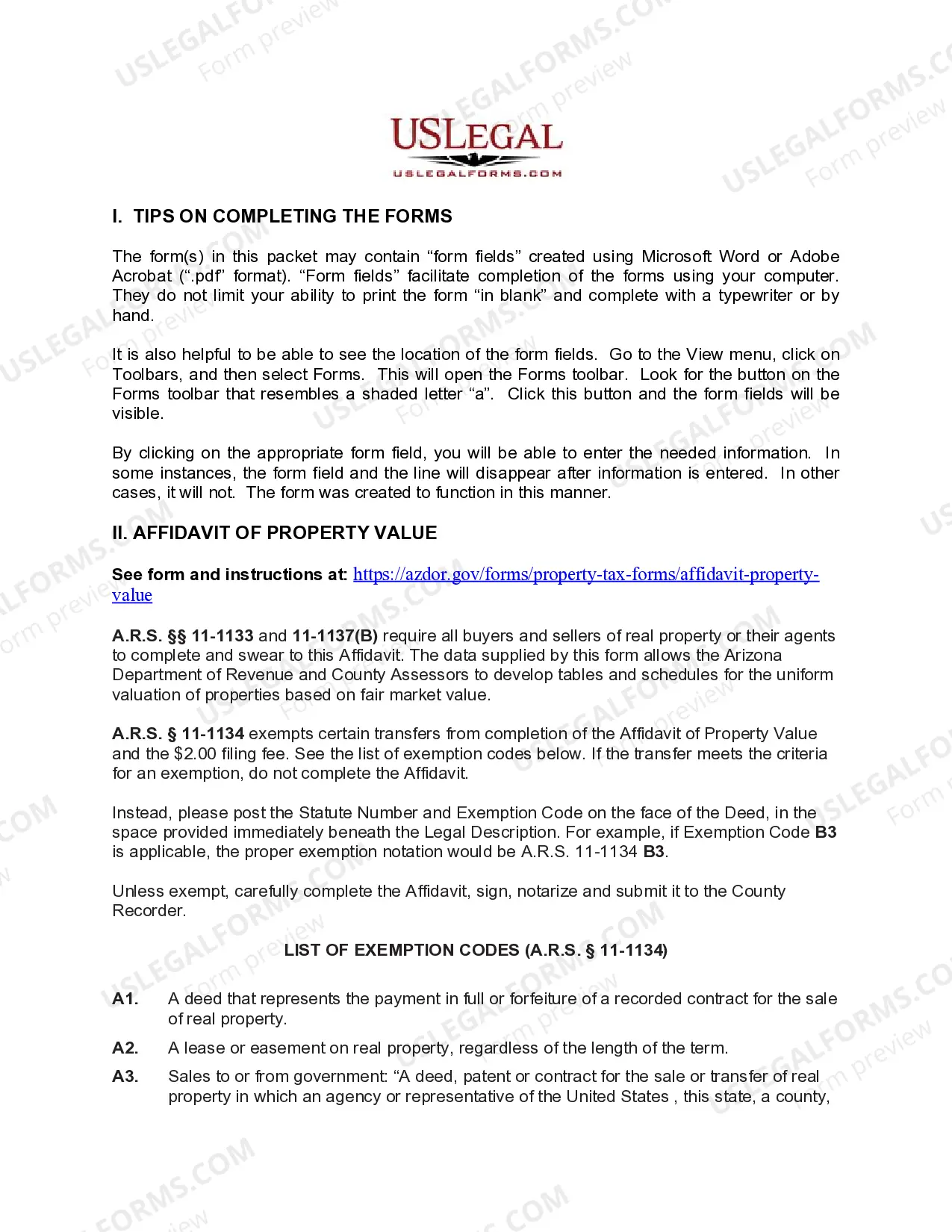
- If you're a returning user, log in to your account and download the template you need by clicking the Download button. Verify that your subscription is active, and renew if necessary.
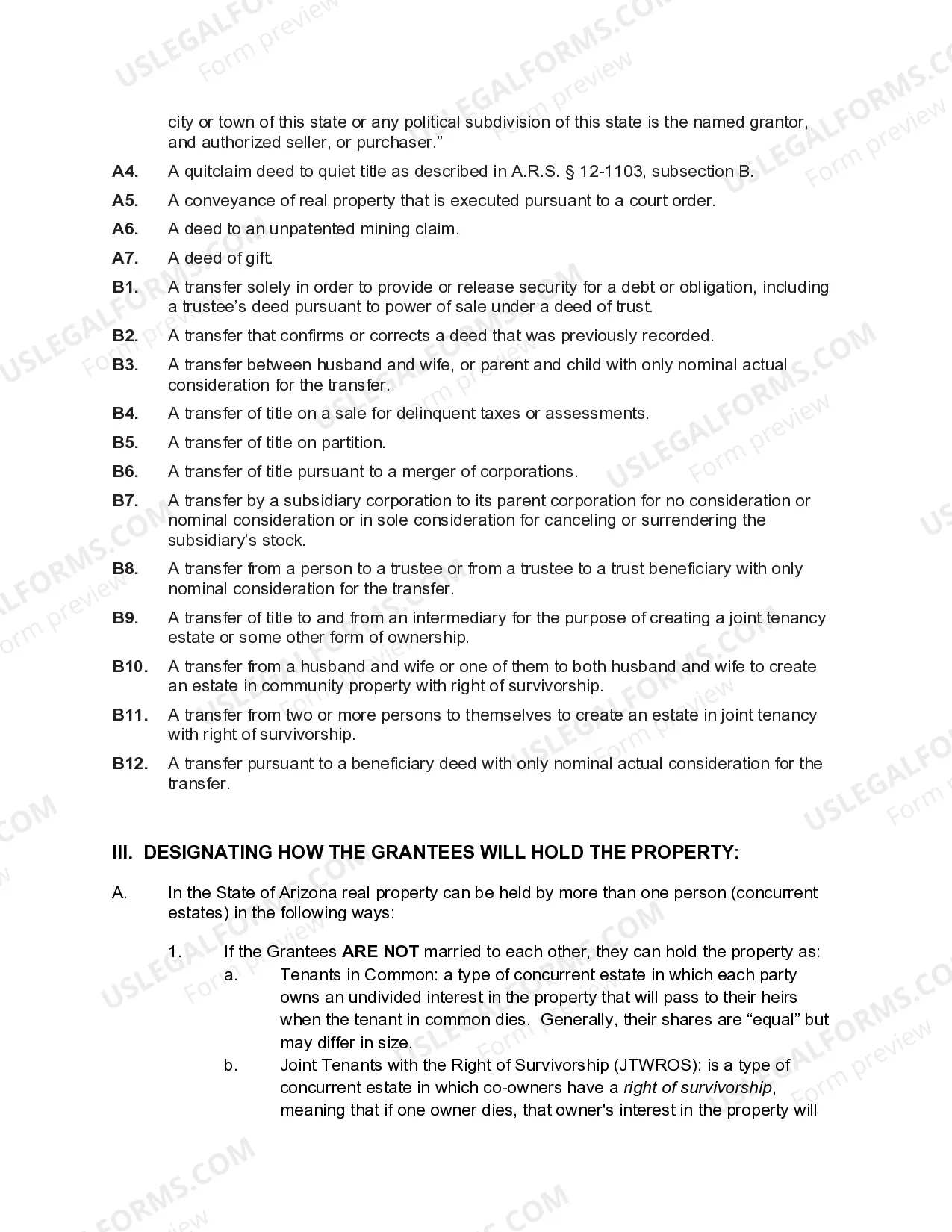
- For first-time users, start by examining the Preview mode and description of the form. Make sure it meets your needs and complies with your local jurisdiction’s requirements.
- If the form doesn’t suit your needs, utilize the Search tab at the top to find a more appropriate template.
- Once you find the right document, click on the Buy Now button and select your preferred subscription plan. You'll need to create an account to access the legal library.
- Complete your purchase by entering your credit card details or using your PayPal account.
- Download the completed form and save it on your device. You can access it anytime via the My Forms section of your profile.
The process above ensures you have exactly what you need for a beneficiary deed transfer on death. US Legal Forms simplifies legal documentation with its robust form collection and user-friendly resources.
Start streamlining your property transfer process today by visiting US Legal Forms!
Form popularity
FAQ
While both concepts involve designating a recipient for assets after death, they serve different purposes. A transfer on death (TOD) specifically relates to the transfer of real estate via a beneficiary deed transfer on death. Naming a beneficiary is generally broader and can apply to various assets, like bank accounts or insurance policies. Understanding these distinctions helps you organize your estate effectively.
Writing a beneficiary deed requires a clear understanding of your intent to transfer property upon death. You must include the property description, the name of the beneficiary, and your signature. It is also important to check your state’s laws regarding beneficiary deed transfer on death, as requirements can vary. Consider using platforms like US Legal Forms to access templates that ensure compliance with local regulations.
A transfer on death (TOD) deed may have some disadvantages as well. For instance, it does not provide any control over the property after your death, meaning beneficiaries can make decisions that may not align with your wishes. Additionally, a TOD deed transfer can also be contested in court, especially if family dynamics are complex or if other parties dispute the distribution of assets.
A house may remain in a deceased person's name until the estate is settled, which can vary based on state laws and circumstances. If a beneficiary deed transfer on death is in place, the property can automatically pass to the designated beneficiary upon death. This process often bypasses probate, enabling a quicker transition and preventing unnecessary delays.
The best way to leave property upon death often depends on your specific situation, but a beneficiary deed transfer on death is a popular choice. This type of deed allows for a smooth transition of property to your beneficiaries without the need for probate, thereby saving time and reducing hassle. However, you should always evaluate your options, including trusts or wills, to determine the best fit for your needs.
Yes, a non-attorney can prepare a deed, including a beneficiary deed transfer on death, as long as they follow the legal requirements set by their state. However, while doing so is possible, it's often beneficial to consult a legal professional to ensure accuracy and completeness. This helps avoid future disputes or challenges that could arise from improperly drafted documents.
A beneficiary deed transfer on death can have some disadvantages. First, it may not protect the property from creditors since the owner still holds title until death. Second, it may trigger gift tax implications if not handled correctly. Lastly, your beneficiaries might face complications if they are unaware of the deed's existence or if disagreements arise after your passing.
Writing a beneficiary deed transfer on death involves several important steps. First, you must clearly identify the property and the beneficiaries you wish to designate. Next, it's crucial to follow your state’s guidelines for drafting the deed, including required signatures and notarization. Utilizing platforms like USLegalForms can simplify this process, providing templates and legal assistance to ensure your deed is valid.
A beneficiary deed transfer on death does not automatically avoid inheritance tax. The tax implications depend on the state where the property is located and its specific laws. Consult with a tax professional to understand how a transfer on death deed might affect your heirs' tax responsibilities. Proper planning can help minimize any potential tax burden.
A beneficiary deed transfer on death does not inherently avoid capital gains tax. When the property is sold after your death, its appreciated value will be subject to taxes. However, heirs can benefit from a step-up in basis, which may reduce the taxable gain. It’s crucial to consult a tax professional to understand the full implications on your estate.