Transfer On Death Deed For Indiana
Description



Get your form ready online
Our built-in tools help you complete, sign, share, and store your documents in one place.
Make edits, fill in missing information, and update formatting in US Legal Forms—just like you would in MS Word.
Download a copy, print it, send it by email, or mail it via USPS—whatever works best for your next step.
Sign and collect signatures with our SignNow integration. Send to multiple recipients, set reminders, and more. Go Premium to unlock E-Sign.
If this form requires notarization, complete it online through a secure video call—no need to meet a notary in person or wait for an appointment.
We protect your documents and personal data by following strict security and privacy standards.

Make edits, fill in missing information, and update formatting in US Legal Forms—just like you would in MS Word.

Download a copy, print it, send it by email, or mail it via USPS—whatever works best for your next step.

Sign and collect signatures with our SignNow integration. Send to multiple recipients, set reminders, and more. Go Premium to unlock E-Sign.

If this form requires notarization, complete it online through a secure video call—no need to meet a notary in person or wait for an appointment.

We protect your documents and personal data by following strict security and privacy standards.
Looking for another form?







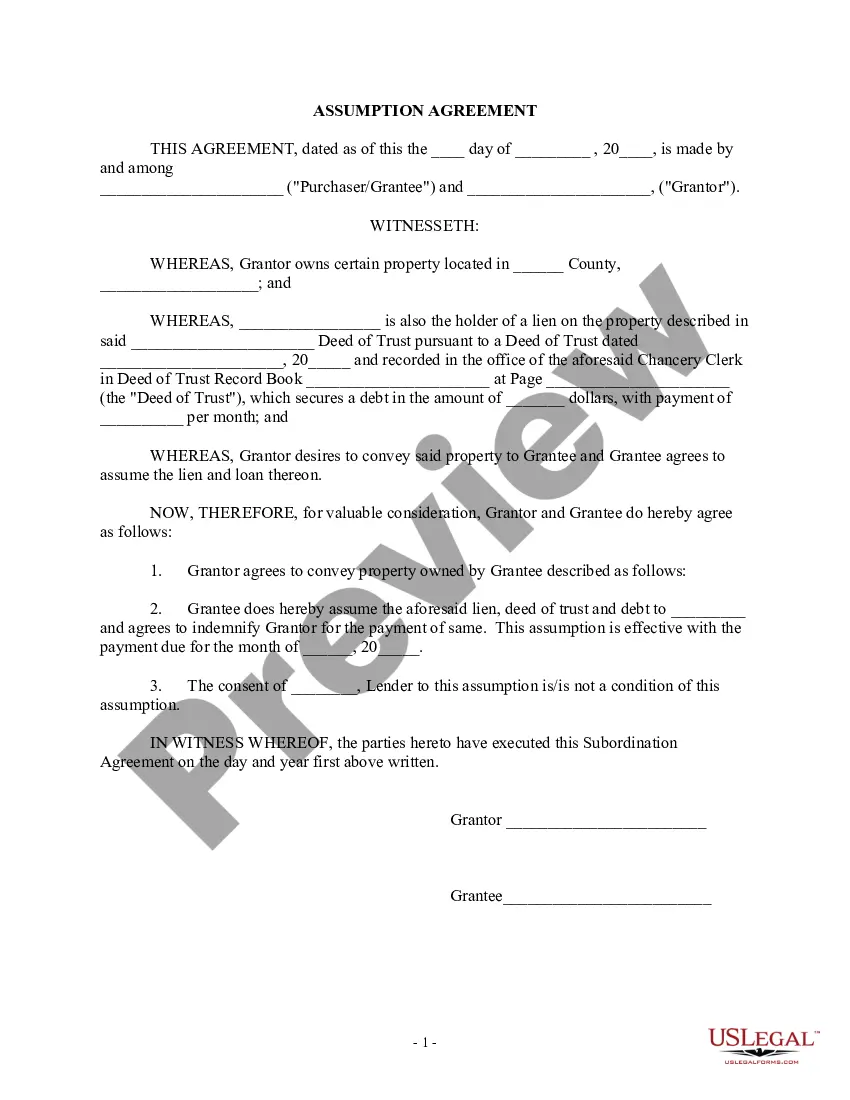
How to fill out Arizona Transfer On Death Or TOD - Beneficiary Deed - Individual Grantor To Three Individuals?
- Log in to your US Legal Forms account if you are a returning user. Click the Download button to save the necessary deed template onto your device. Ensure your subscription is active; if not, renew it according to your payment plan.
- If you’re new to US Legal Forms, begin by checking the Preview mode and ensure the deed corresponds to Indiana’s requirements. Verify that it's the correct form for your needs.
- In case of any inconsistencies, utilize the Search tab to explore alternative templates that fit your criteria and local regulations.
- Once you find the appropriate form, click the Buy Now button and select your preferred subscription plan. You will need to create an account to access their extensive library.
- Proceed with payment by entering your credit card information or using your PayPal account to finalize the transaction.
- Download your transfer on death deed and save it on your device. You can access it anytime under the My Forms menu in your profile.
In conclusion, US Legal Forms empowers users by providing a robust library of over 85,000 customizable legal forms, ensuring a quick and reliable way to execute legal documents. Their service is designed to help you navigate the legal landscape with ease.
Don't wait—visit US Legal Forms today to secure your transfer on death deed and make the process hassle-free!
Form popularity
FAQ
In Indiana, a transfer on death deed does not inherently avoid inheritance tax. While it facilitates direct property transfer, any potential tax liabilities still fall to the estate and its beneficiaries. Understanding how inheritance tax applies to your specific situation can help you navigate your estate planning effectively. Consulting resources like US Legal Forms can clarify these obligations.
Choosing between a transfer on death deed for Indiana or naming a beneficiary can depend on your specific situation. A TOD deed allows for direct transfer without probate, making it faster and often cheaper. However, a beneficiary designation might offer more flexibility in how assets are handled after death. It's important to evaluate your individual needs to determine the best option.
To establish a transfer on death deed for Indiana, you need to draft the deed correctly, sign it, and have it notarized. It is crucial to also record the deed in the appropriate county recorder's office. Additionally, ensuring the deed clearly identifies the property and the beneficiary is vital for a smooth transfer process. Proper guidance can help ensure your deed meets all state requirements.
Transfer on death (TOD) accounts can create confusion during the estate settlement process. If multiple beneficiaries exist, disagreements may arise about the distribution of assets. Furthermore, if a beneficiary is incapacitated, accessing the assets can become complicated. Considering these factors is essential when thinking about a TOD account for Indiana.
A transfer on death deed for Indiana can have its downsides. For instance, it may lead to complications if the beneficiary dies before the grantor. Additionally, this deed does not provide protection against creditors, meaning that debts might still affect the property. Understanding these potential issues can help you make a more informed decision.
In Indiana, certain assets are exempt from probate, including those held in a Trust, life insurance policies with named beneficiaries, and retirement accounts with designated beneficiaries. Additionally, property held under a Transfer on Death deed for Indiana is also exempt from probate. Understanding these exemptions allows you to plan effectively for your estate.
Yes, a Transfer on Death (TOD) account does bypass probate. When you set up a TOD account in Indiana, the assets will directly transfer to the designated beneficiaries upon your death. This means your beneficiaries can access the assets without going through the probate process, making it a streamlined option for estate planning.
To avoid probate in Indiana for beneficiaries, you can use a Transfer on Death deed. This deed allows property to transfer directly to beneficiaries upon your death, bypassing the lengthy probate process. It simplifies the transfer and ensures that your assets reach your loved ones quickly and efficiently without the need for court involvement.
The disadvantage of a Transfer on Death (TOD) deed for Indiana is that it cannot be changed after the property owner passes away. This means that if your circumstances change or if you want to update beneficiaries, you must create a new deed before your death. Additionally, some potential creditors may still make claims against the property, which could reduce what beneficiaries receive.
One disadvantage of a transfer on death deed for Indiana is that it does not protect the property from creditors of the deceased. Additionally, if the beneficiary predeceases the owner, the deed may become ineffective and complicate the transfer process. Furthermore, it cannot be used for property that is jointly owned, which may limit its applicability in certain situations.