Transfer On Death Deed For Illinois
Description



Get your form ready online
Our built-in tools help you complete, sign, share, and store your documents in one place.
Make edits, fill in missing information, and update formatting in US Legal Forms—just like you would in MS Word.
Download a copy, print it, send it by email, or mail it via USPS—whatever works best for your next step.
Sign and collect signatures with our SignNow integration. Send to multiple recipients, set reminders, and more. Go Premium to unlock E-Sign.
If this form requires notarization, complete it online through a secure video call—no need to meet a notary in person or wait for an appointment.
We protect your documents and personal data by following strict security and privacy standards.

Make edits, fill in missing information, and update formatting in US Legal Forms—just like you would in MS Word.

Download a copy, print it, send it by email, or mail it via USPS—whatever works best for your next step.

Sign and collect signatures with our SignNow integration. Send to multiple recipients, set reminders, and more. Go Premium to unlock E-Sign.

If this form requires notarization, complete it online through a secure video call—no need to meet a notary in person or wait for an appointment.

We protect your documents and personal data by following strict security and privacy standards.
Looking for another form?








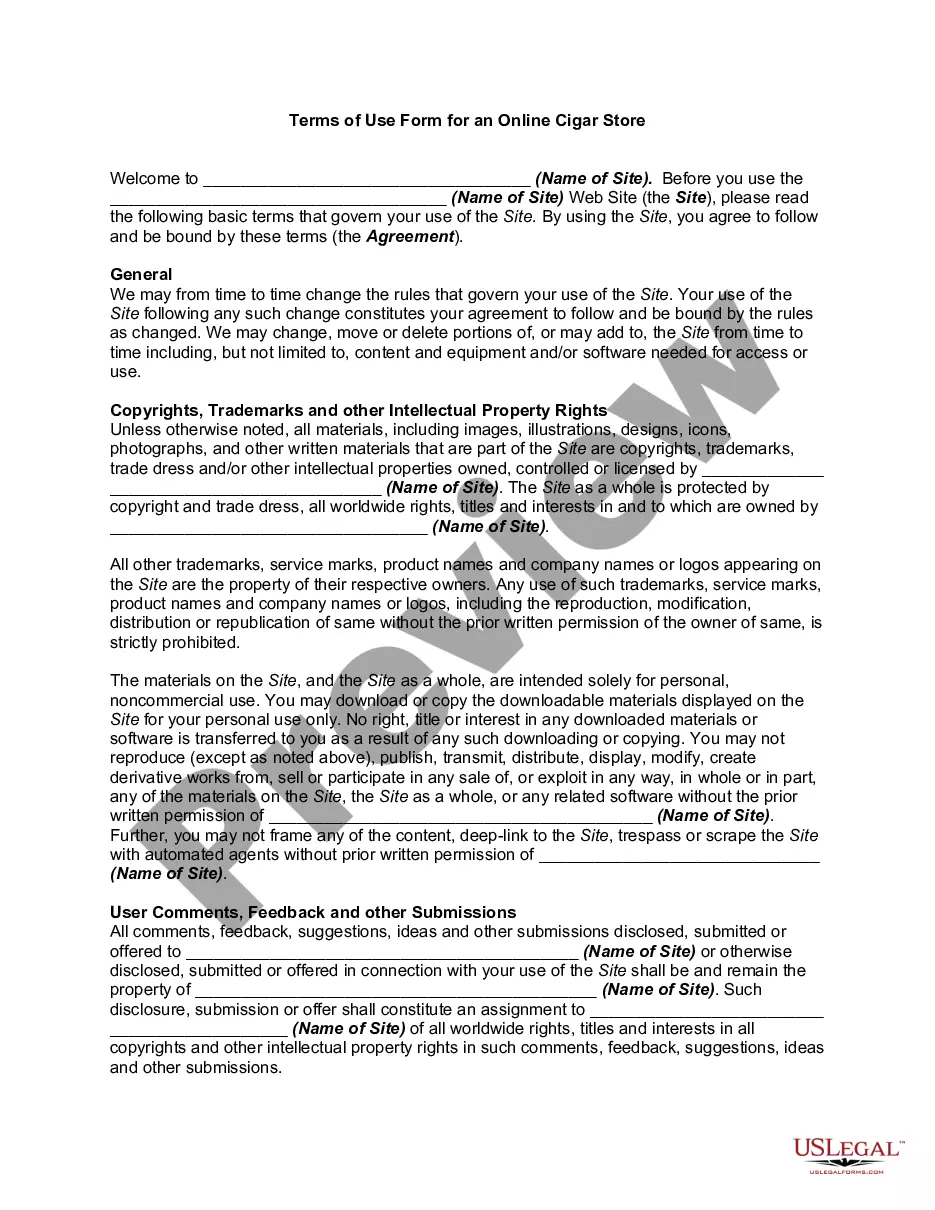

How to fill out Arizona Transfer On Death Or TOD - Beneficiary Deed - Individual Grantor To Three Individuals?
- Log in to your US Legal Forms account. If you're a new user, create an account to access our extensive library.
- Search for 'Transfer on Death Deed' in the preview mode. Review the form description to ensure it meets Illinois requirements.
- If necessary, use the search bar to find alternative templates that suit your specific needs.
- Select the appropriate form and click 'Buy Now.' Choose a subscription plan that aligns with your needs.
- Complete your purchase using your credit card or PayPal account.
- Download the completed template to your device, and access it anytime from the 'My Forms' section of your profile.
By following these steps, you can easily obtain your transfer on death deed and ensure your estate is managed according to your wishes. US Legal Forms not only offers a vast array of legal templates but also provides access to expert assistance, guaranteeing your documents are accurate and compliant.
Ready to take the first step? Visit US Legal Forms today and secure your transfer on death deed for Illinois!
Form popularity
FAQ
While a transfer on death deed for Illinois has many benefits, it can also pose risks. For example, if the property owner undergoes significant life changes such as marriage or divorce, the deed may not reflect current intentions. Furthermore, creditors may still pursue outstanding debts against the property, so it’s crucial to consult with a legal professional to understand the implications fully.
Transfer on death accounts can lead to potential issues such as lack of control over the account during your lifetime, which may complicate financial decisions. Additionally, if the beneficiary does not handle the asset responsibly, it could lead to disputes among family members. Carefully considering these factors is essential to making an informed decision about a transfer on death deed for Illinois.
To file a transfer on death deed for Illinois, you need to complete the form with the necessary information about the property and the beneficiaries. After filling it out, you must sign the deed in front of a notary public. Finally, file the completed deed with the county recorder's office where the property is located to ensure it becomes effective.
You do not necessarily need a lawyer to create a transfer on death deed for Illinois, but having one can be beneficial. A legal professional can provide clarity on the process, ensure compliance with state laws, and help address any unique circumstances regarding your property. Platforms like USLegalForms can also assist by providing the necessary forms.
While we focus on the transfer on death deed for Illinois, it's important to note that regulations vary by state, including Texas. In Texas, the rules allow for a TOD deed to transfer real property upon death, similar to Illinois. For specific state regulations, it is prudent to consult appropriate state guidelines or a legal professional.
One downside of a transfer on death deed for Illinois is that it does not provide for personal property or other assets not included in the deed. Additionally, if a beneficiary predeceases the owner and no alternate beneficiary is named, the property could go through probate. Hence, careful consideration is essential when naming beneficiaries.
While it is not legally required to hire a lawyer for a transfer on death deed in Illinois, consulting one is highly advisable. An attorney familiar with estate planning can help you navigate the complexities and ensure that the deed is properly executed. Using a resource like USLegalForms can also simplify the process and provide necessary templates.
While a transfer on death deed for Illinois offers many benefits, it has some drawbacks. For instance, once executed, the deed cannot be changed unless revoked, potentially causing issues if the beneficiary's circumstances change. Furthermore, it may not protect the property from creditors if the estate has outstanding debts.
Yes, a transfer on death deed for Illinois specifically avoids the probate process. When a property owner passes away, the property transfers directly to the named beneficiary, bypassing probate. This not only expedites the transfer but also minimizes the expenses related to the probate process.
A transfer on death deed for Illinois offers certain advantages over a traditional will. Unlike a will, which goes through probate, a TOD deed allows for a direct transfer of property to beneficiaries without court intervention. This streamlined process can save time and reduce costs associated with estate handling, making it an appealing option.