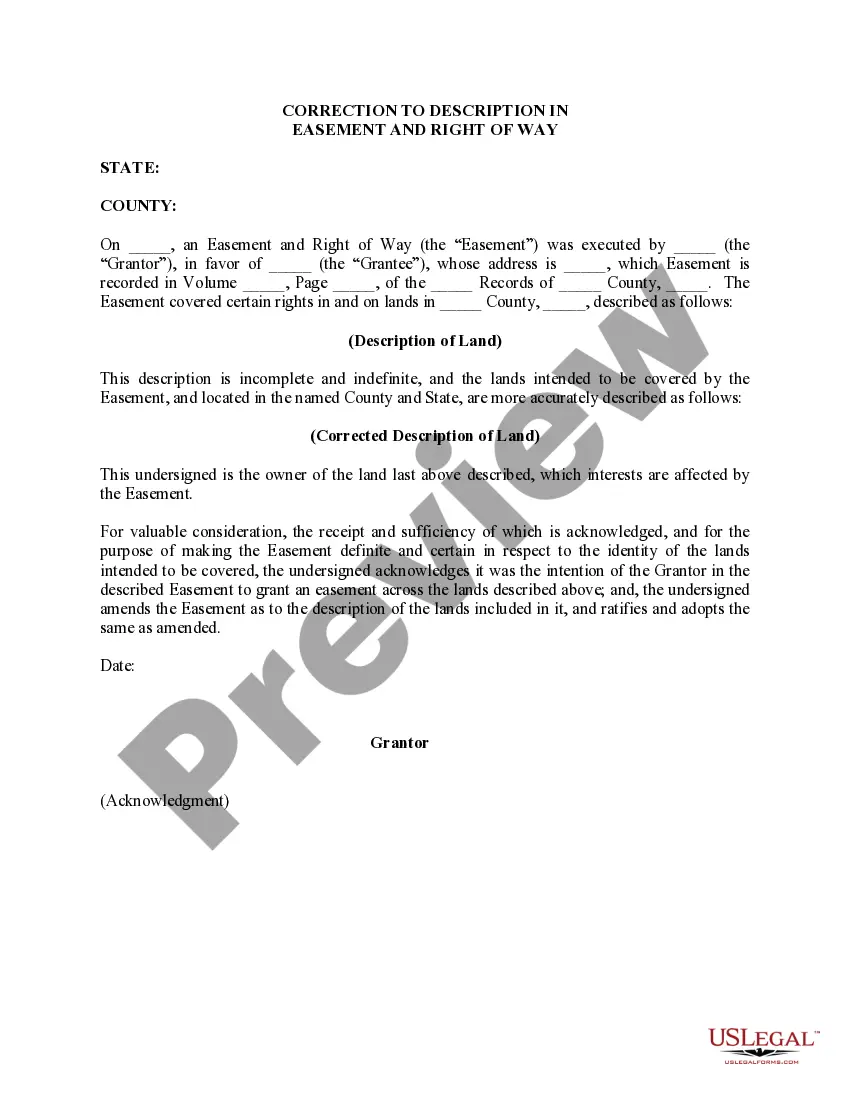
Reserve Easement Contract With Landlord
Description
Get your form ready online
Our built-in tools help you complete, sign, share, and store your documents in one place.
Make edits, fill in missing information, and update formatting in US Legal Forms—just like you would in MS Word.
Download a copy, print it, send it by email, or mail it via USPS—whatever works best for your next step.
Sign and collect signatures with our SignNow integration. Send to multiple recipients, set reminders, and more. Go Premium to unlock E-Sign.
If this form requires notarization, complete it online through a secure video call—no need to meet a notary in person or wait for an appointment.
We protect your documents and personal data by following strict security and privacy standards.

Make edits, fill in missing information, and update formatting in US Legal Forms—just like you would in MS Word.

Download a copy, print it, send it by email, or mail it via USPS—whatever works best for your next step.

Sign and collect signatures with our SignNow integration. Send to multiple recipients, set reminders, and more. Go Premium to unlock E-Sign.

If this form requires notarization, complete it online through a secure video call—no need to meet a notary in person or wait for an appointment.

We protect your documents and personal data by following strict security and privacy standards.
Looking for another form?









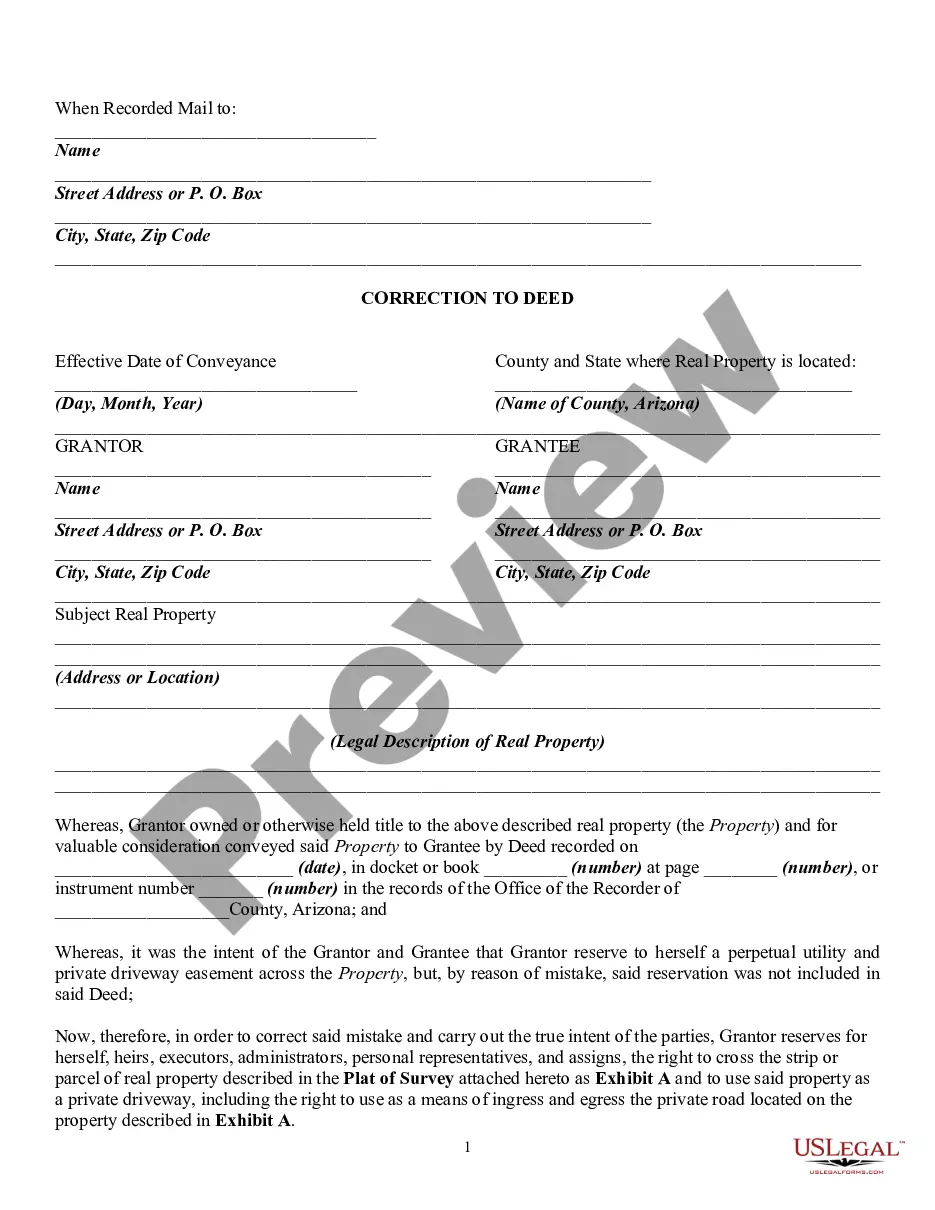
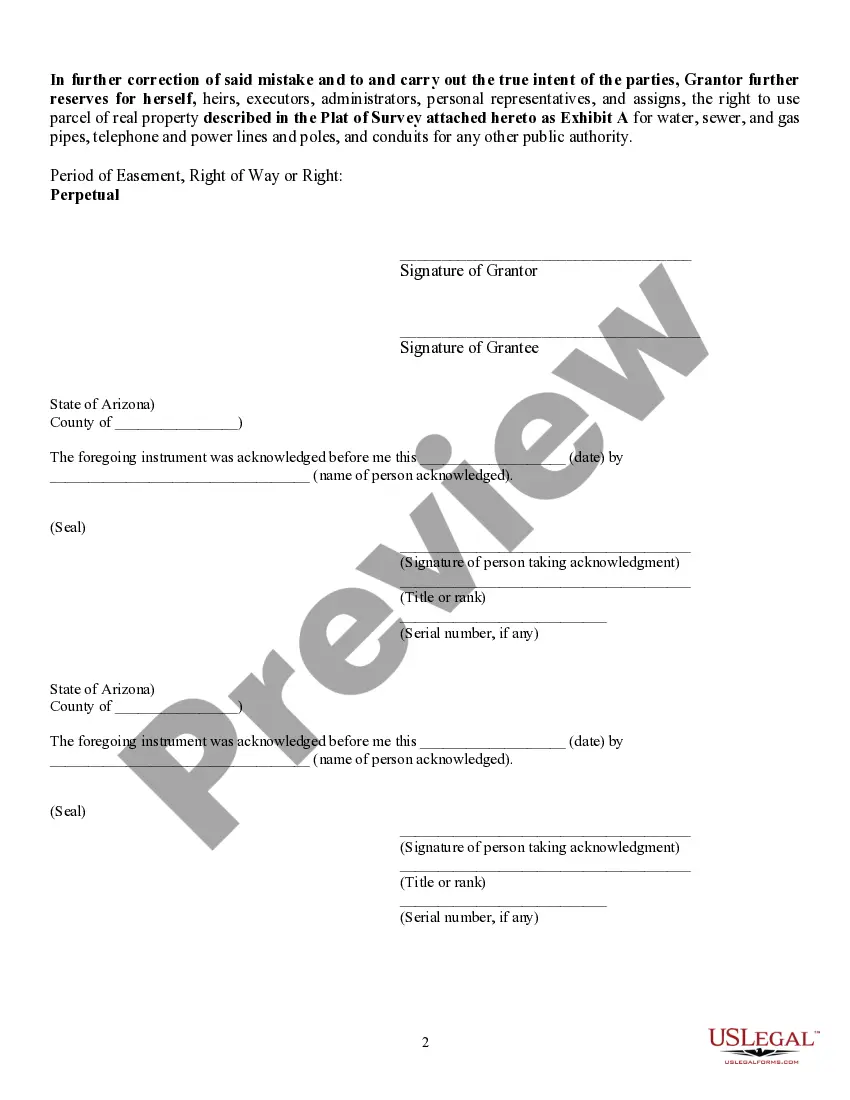
How to fill out Arizona Correction To Deed In Order To Reserve Perpetual Easement For Private Driveway And Utilities?
- If you're a returning user, log in to your account and download your required form by hitting the Download button. Ensure your subscription is active; renew it if necessary to access materials.
- For first-time users, start by reviewing the Preview mode and form description to confirm it's the right form that aligns with your needs and local regulations.
- If you need a different template, utilize the Search tab to find one that fits better. Proceed to the next step once you’ve found the suitable document.
- Purchase the document by clicking the Buy Now button. Select the subscription plan that works best for you and create an account for library access.
- Complete your purchase by entering your credit card information or through your PayPal account for subscription payment.
- Once your payment is processed, download your form to your device. Access it any time from your profile’s My Forms section.
In conclusion, US Legal Forms simplifies the process of obtaining legal documents, empowering you to manage your affairs efficiently. With access to over 85,000 fillable forms and expert assistance, you can ensure your reserve easement contract is both accurate and reliable.
Start your journey today by visiting US Legal Forms and gain peace of mind with expert-backed legal support!
Form popularity
FAQ
Eligibility for the Wetland Reserve Program includes private landowners, tribes, and certain governmental entities interested in restoring or protecting wetlands. If you have a reserve easement contract with your landlord, you may be able to incorporate your property into this program. The land must meet specific wetland criteria, and you must agree to maintain and restore these areas over time. It's beneficial to review program guidelines to confirm your eligibility.
Applying for a Wetland Reserve Easement (WRE) involves a few essential steps. First, gather necessary documentation to support your application, including the details of your reserve easement contract with your landlord. Then, submit your application to the appropriate government agency, often through their online portal or local office. Stay engaged during the review process, as additional information may be requested to facilitate your application.
To qualify for a Wetland Reserve Program (WRP) easement, you must own eligible land with wetland characteristics. Your reserved easement contract with a landlord should clearly define the wetland areas that you wish to enroll. Additionally, you must demonstrate a willingness to restore and maintain the wetland ecosystem in accordance with program requirements. It is advisable to consult resources or professionals who can guide you through the qualification process.
A preservation easement is a legal agreement that allows a property owner to restrict the use of their land to protect its ecological or historical value. When you reserve an easement contract with your landlord, you can ensure that any future development aligns with conservation goals. This agreement helps preserve land for future generations and can provide tax benefits. Understanding the terms of your preservation easement is crucial for maintaining its integrity.
In Texas, a property owner has some rights to block an easement unless it is established as a public necessity or has been legally deemed important for access. However, the specific details surrounding the easement, as defined in a reserve easement contract with landlord, will significantly influence the ability to block it. It is advisable to consult legal professionals and ensure that all agreements are clearly documented to protect against disputes.
In cases where someone gets injured on an easement, liability can depend on several factors, including the specific rights defined in the reserve easement contract with the landlord. Generally, the landowner may hold some responsibility if the injury occurred due to unsafe conditions they failed to address. It's essential for both parties to understand their legal obligations as outlined in the easement contract to avoid potential liabilities.
A property owner can generally refuse to grant an easement unless there is an existing legal obligation or necessity for one. It is important to consider that refusal may lead to disputes, especially if the easement serves critical purposes like access to utilities. Establishing a reserve easement contract with landlord can help resolve potential conflicts by detailing the terms of usage and expectations.
Yes, a landowner can refuse to grant an easement if it does not suit their interests or if it significantly impacts their property. However, if the easement is necessary for access or utility purposes, legal avenues could compel the landowner to allow it. To navigate these complexities efficiently, a reserve easement contract with landlord is crucial, clarifying both parties' intentions and protecting their rights.
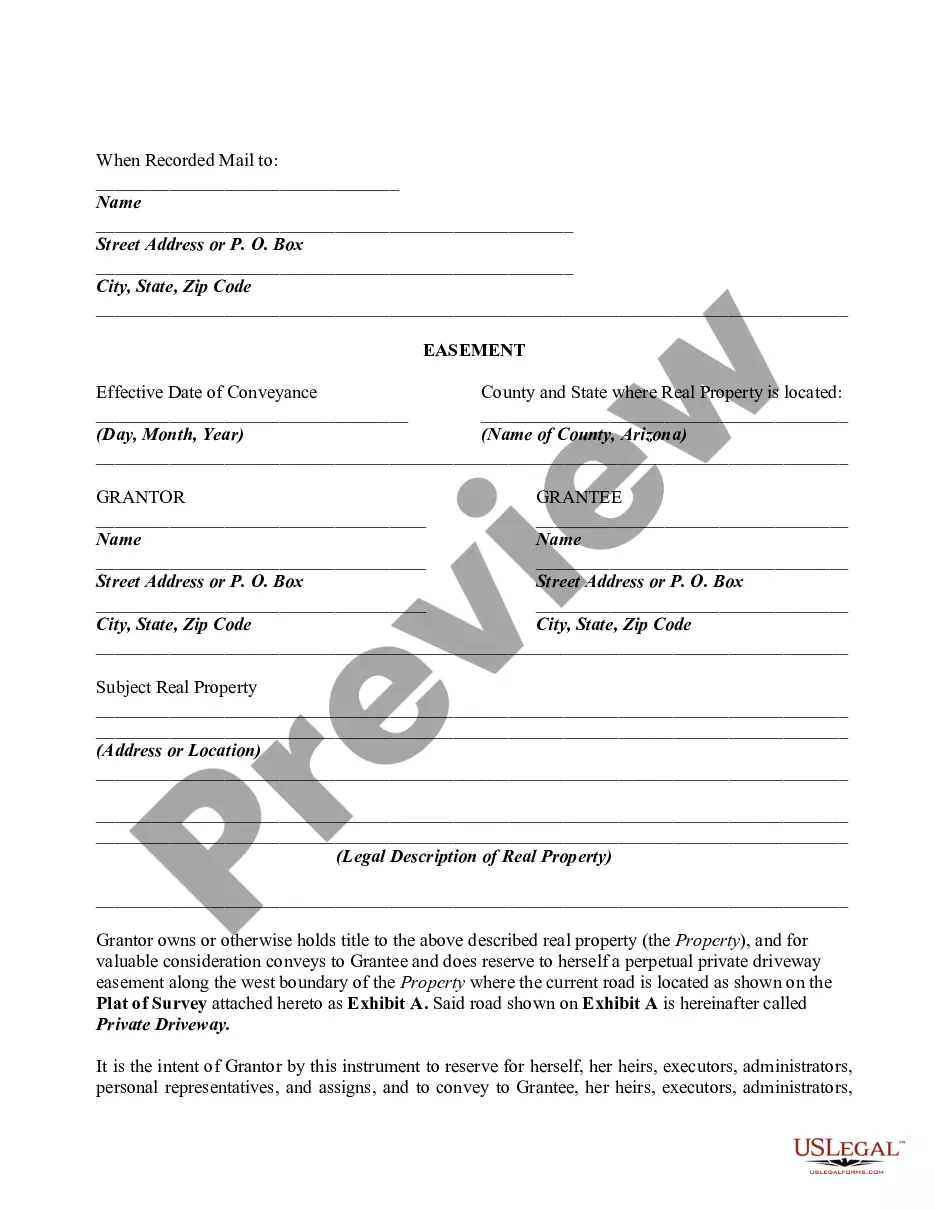
An easement by reservation occurs when a property owner grants another party the right to use a portion of their land while retaining the right to access that land in the future. For instance, if a landowner sells a parcel of land but reserves a pathway for personal access, this creates an easement by reservation. It is essential to create a clear reserve easement contract with the landlord to outline these rights, ensuring that both parties understand their obligations and privileges.
WRP land in Illinois refers to properties enrolled in the Wetlands Reserve Program, designed to restore and protect wetlands. These areas provide essential ecosystem services, enhance wildlife habitats, and improve water quality. While development is restricted, the land offers opportunities for conservation efforts. If you are considering negotiating a reserve easement contract with a landlord, understanding this designation is crucial for long-term planning.