Breach Landlord Tenant Without Lease
Description


Get your form ready online
Our built-in tools help you complete, sign, share, and store your documents in one place.
Make edits, fill in missing information, and update formatting in US Legal Forms—just like you would in MS Word.
Download a copy, print it, send it by email, or mail it via USPS—whatever works best for your next step.
Sign and collect signatures with our SignNow integration. Send to multiple recipients, set reminders, and more. Go Premium to unlock E-Sign.
If this form requires notarization, complete it online through a secure video call—no need to meet a notary in person or wait for an appointment.
We protect your documents and personal data by following strict security and privacy standards.

Make edits, fill in missing information, and update formatting in US Legal Forms—just like you would in MS Word.

Download a copy, print it, send it by email, or mail it via USPS—whatever works best for your next step.

Sign and collect signatures with our SignNow integration. Send to multiple recipients, set reminders, and more. Go Premium to unlock E-Sign.

If this form requires notarization, complete it online through a secure video call—no need to meet a notary in person or wait for an appointment.

We protect your documents and personal data by following strict security and privacy standards.
Looking for another form?
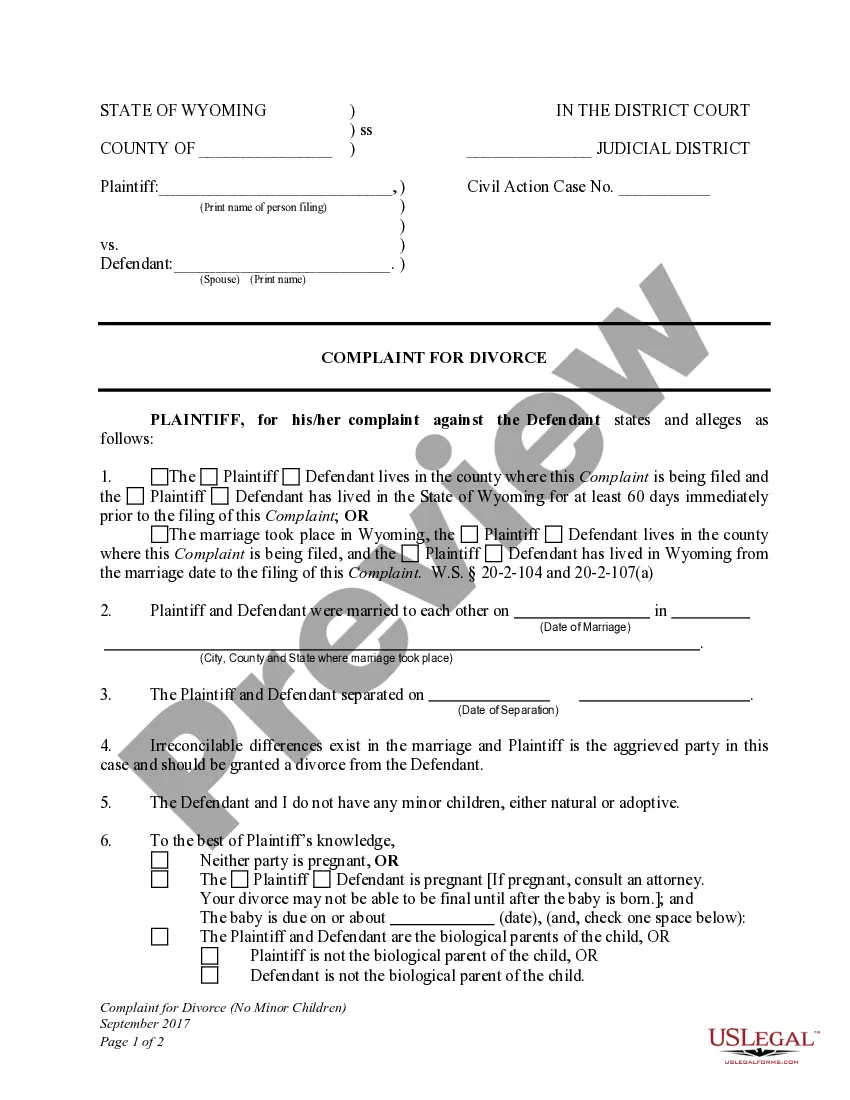
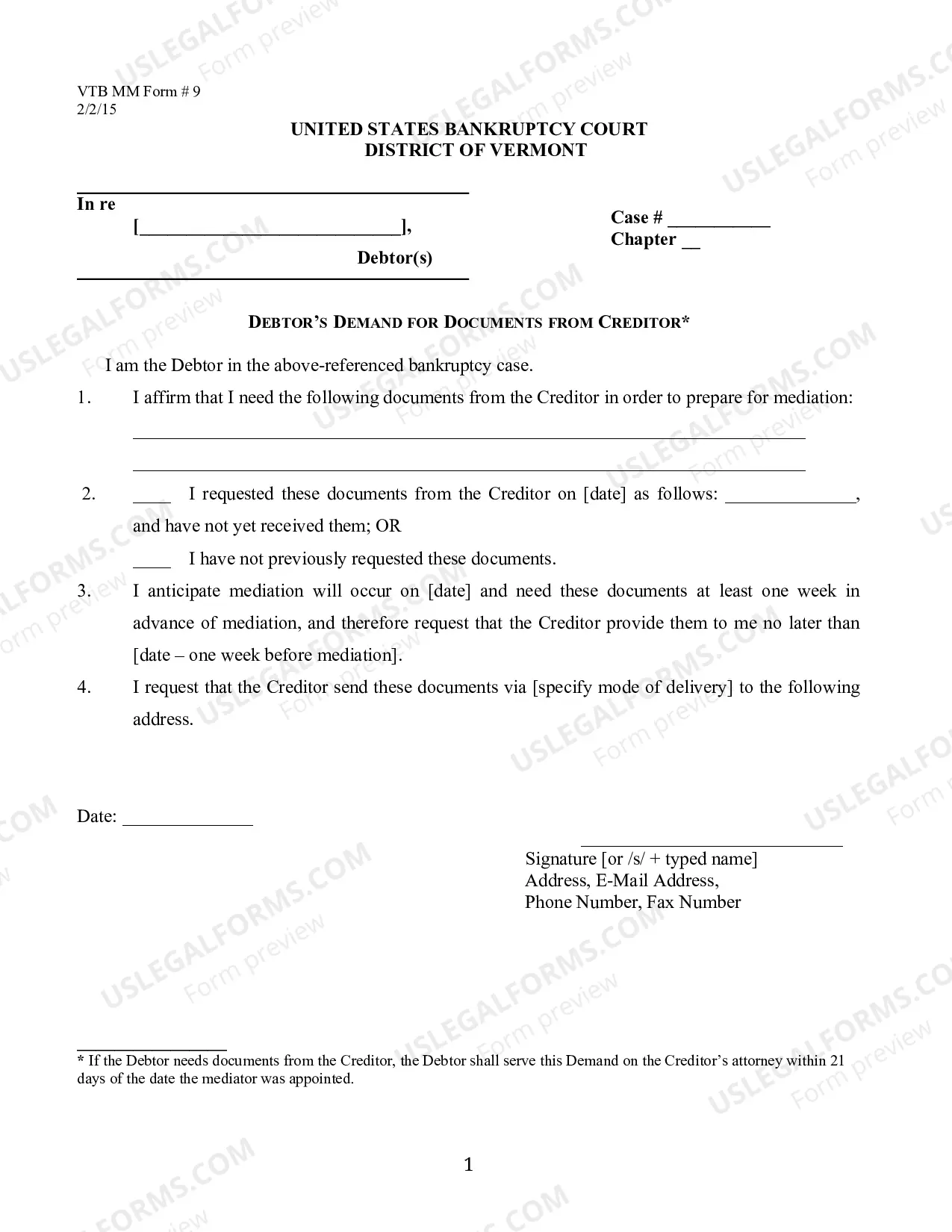
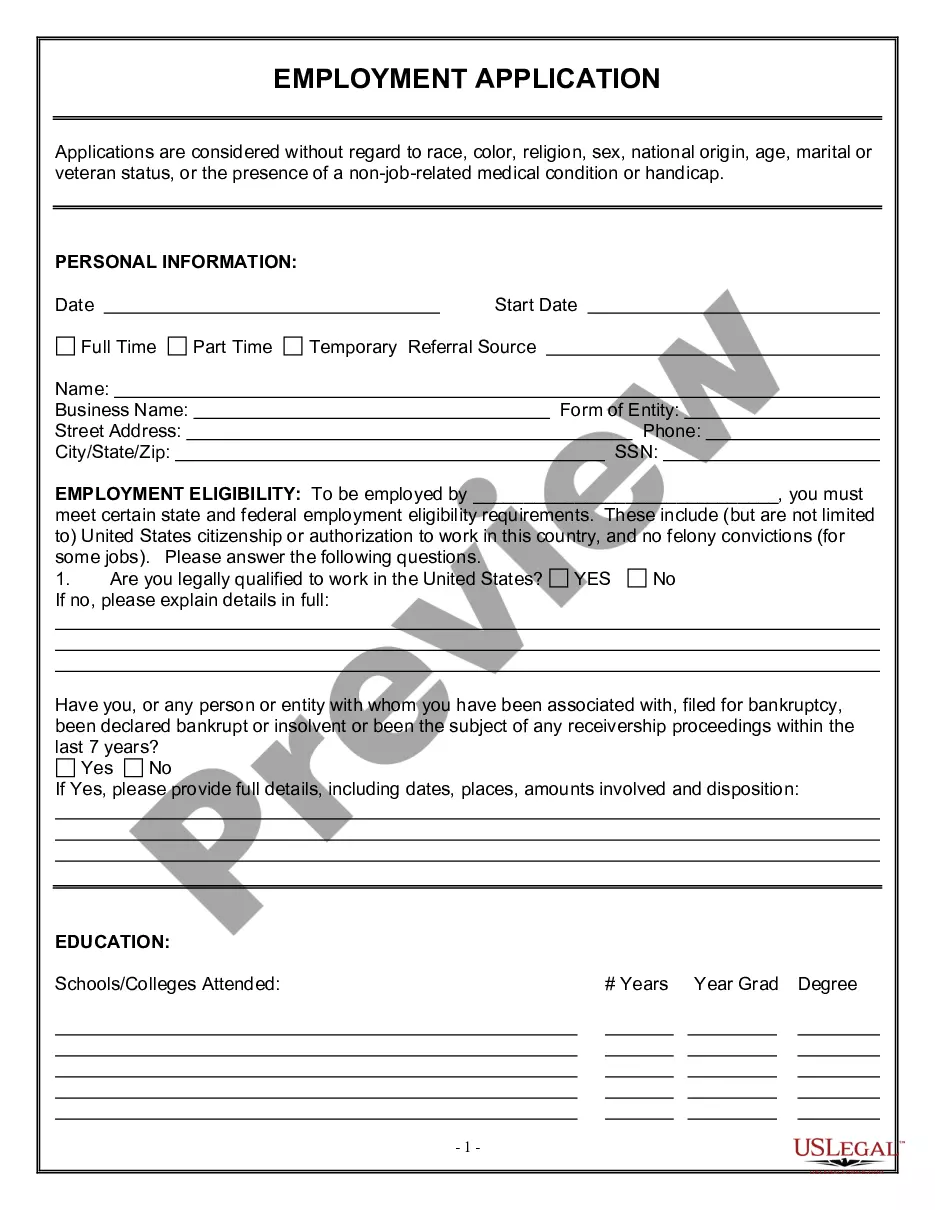
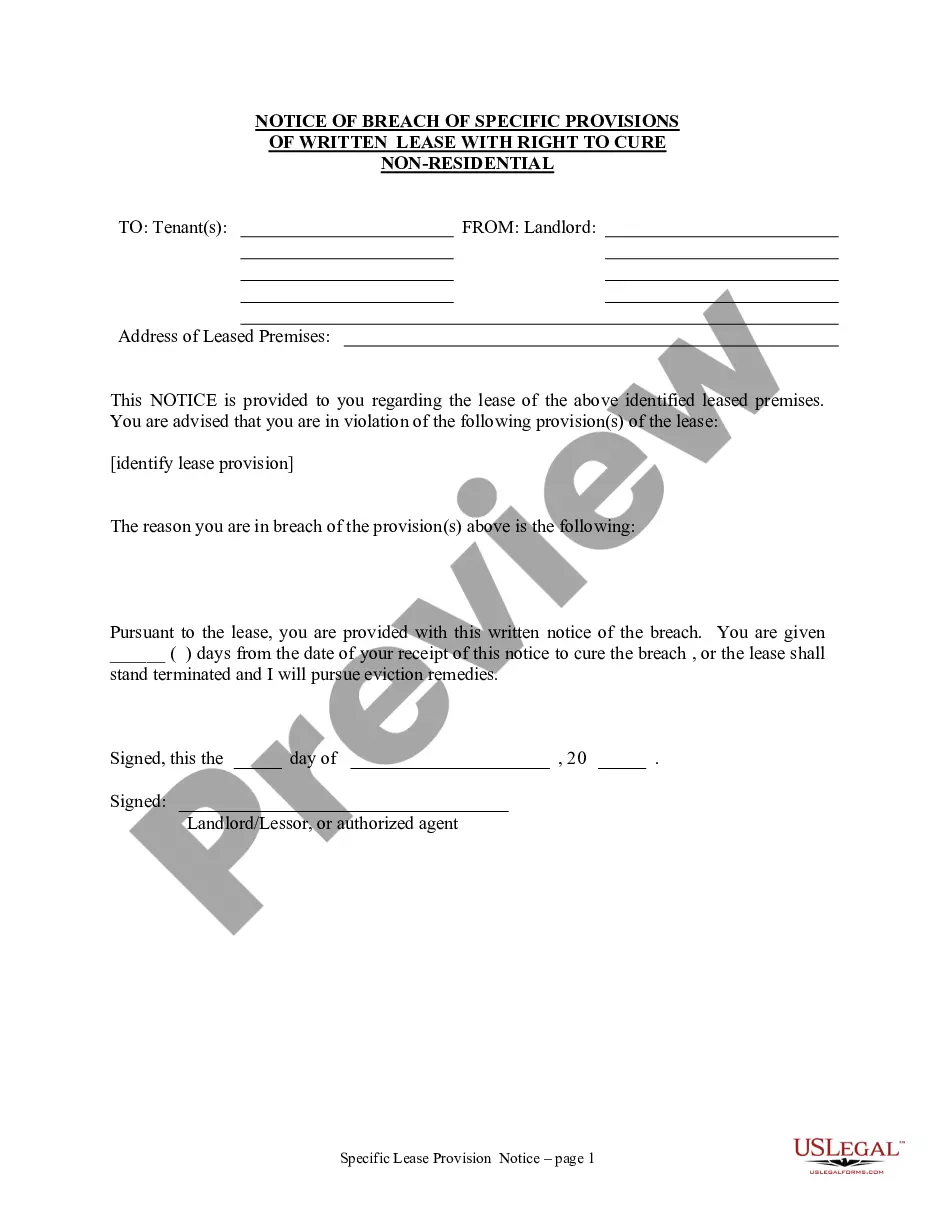
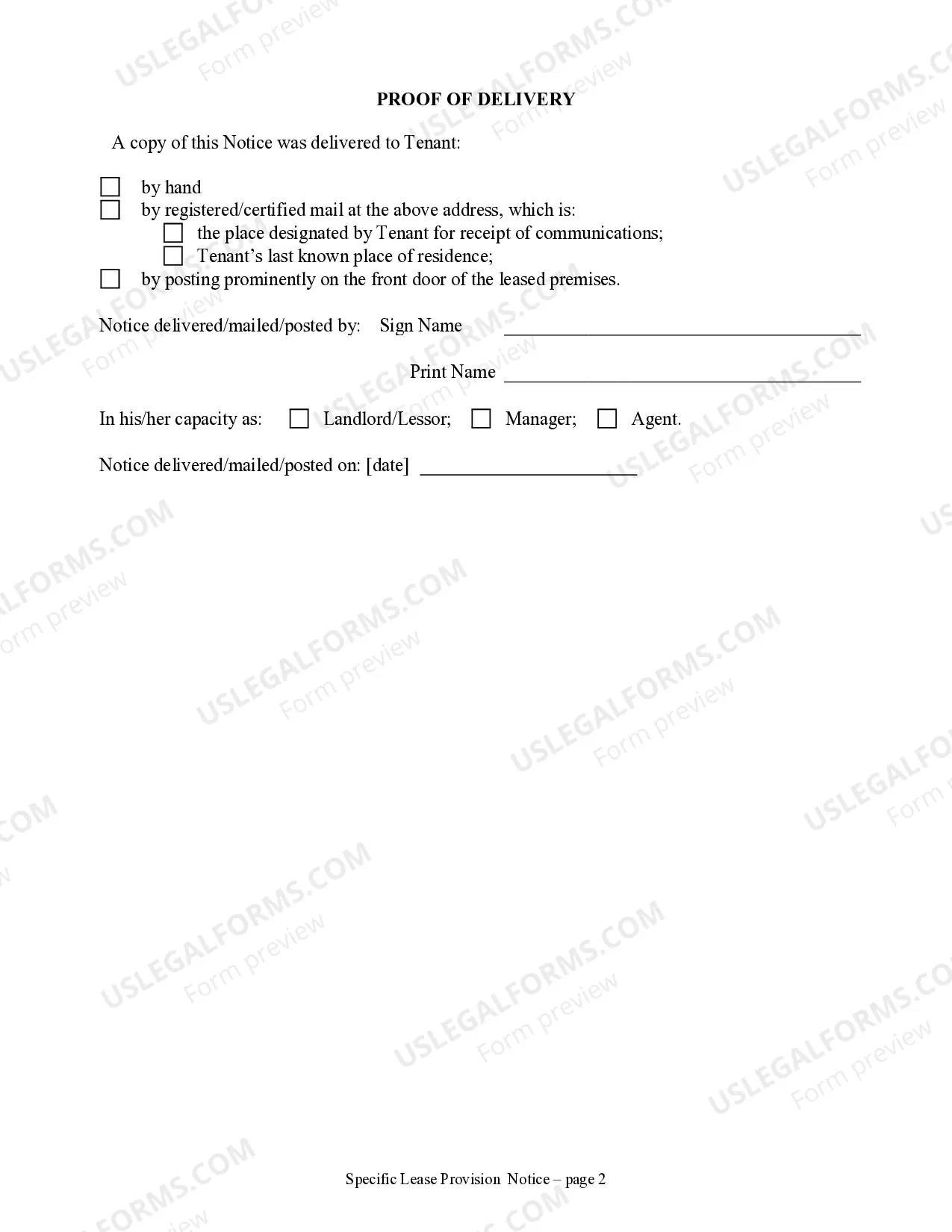
How to fill out Arkansas Notice Of Breach Of Written Lease For Violating Specific Provisions Of Lease With Right To Cure For Nonresidential Property From Landlord To Tenant?
Individuals frequently link legal documentation with something complex that solely an expert can manage.
In a particular sense, this is accurate, as formulating Breach Landlord Tenant Without Lease requires significant knowledge of subject criteria, including state and local laws.
However, with US Legal Forms, everything has become more straightforward: ready-made legal templates for any life and business scenario tailored to state regulations are compiled in a single online directory and are now accessible to everyone.
All templates in our catalog are reusable: once obtained, they remain saved in your profile. You can access them anytime needed via the My documents tab. Discover all the benefits of utilizing the US Legal Forms platform. Subscribe now!
- Scrutinize the webpage content thoroughly to ensure it fulfills your requirements.
- Examine the form details or verify it via the Preview option.
- Search for another example using the Search bar above if the previous one does not meet your expectations.
- Select Buy Now once you identify the appropriate Breach Landlord Tenant Without Lease.
- Choose a pricing plan that aligns with your needs and financial situation.
- Create an account or Log In to continue to the payment section.
- Complete your subscription payment using PayPal or your credit card.
- Select the format for your document and click Download.
- Print your document or upload it to an online editor for a faster completion.
Form popularity
FAQ
The very first step in evicting a tenant without a lease agreement is to serve a written notice to your tenant. This could be a 3 or 15 day notice for nonpayment of rent, 30 or 60 day notice to terminate the lease, etc.
In the absence of a lease or rental contract, California law treats someone renting as a periodic tenant. That means that the tenant pays rent at the beginning of a month for the right to occupy the premises for that month. If the landlord wishes the tenant to move out, she must give the tenant appropriate notice.
Even without a lease, you can evict a tenant. Because there is no lease or rental agreement, a landlord or property manager can evict a tenant for any reason. The only legal provision would be that a proper notice must be given to the tenant being evicted.
Even if you don't have a lease, a California landlord can't kick you to a curb without warning. If the landlord wants you gone, he's required to give you at least 30 days' notice on a month-to-month tenancy.
Landlords can also end a month-to-month lease for no-fault just cause reasons, like wanting to move into the unit themselves, substantially remodeling the unit, or taking the unit off the market. The reason for ending the lease must be stated in the written 60-day notice.