Failure Air Reasonable For The Following Conditions
Description
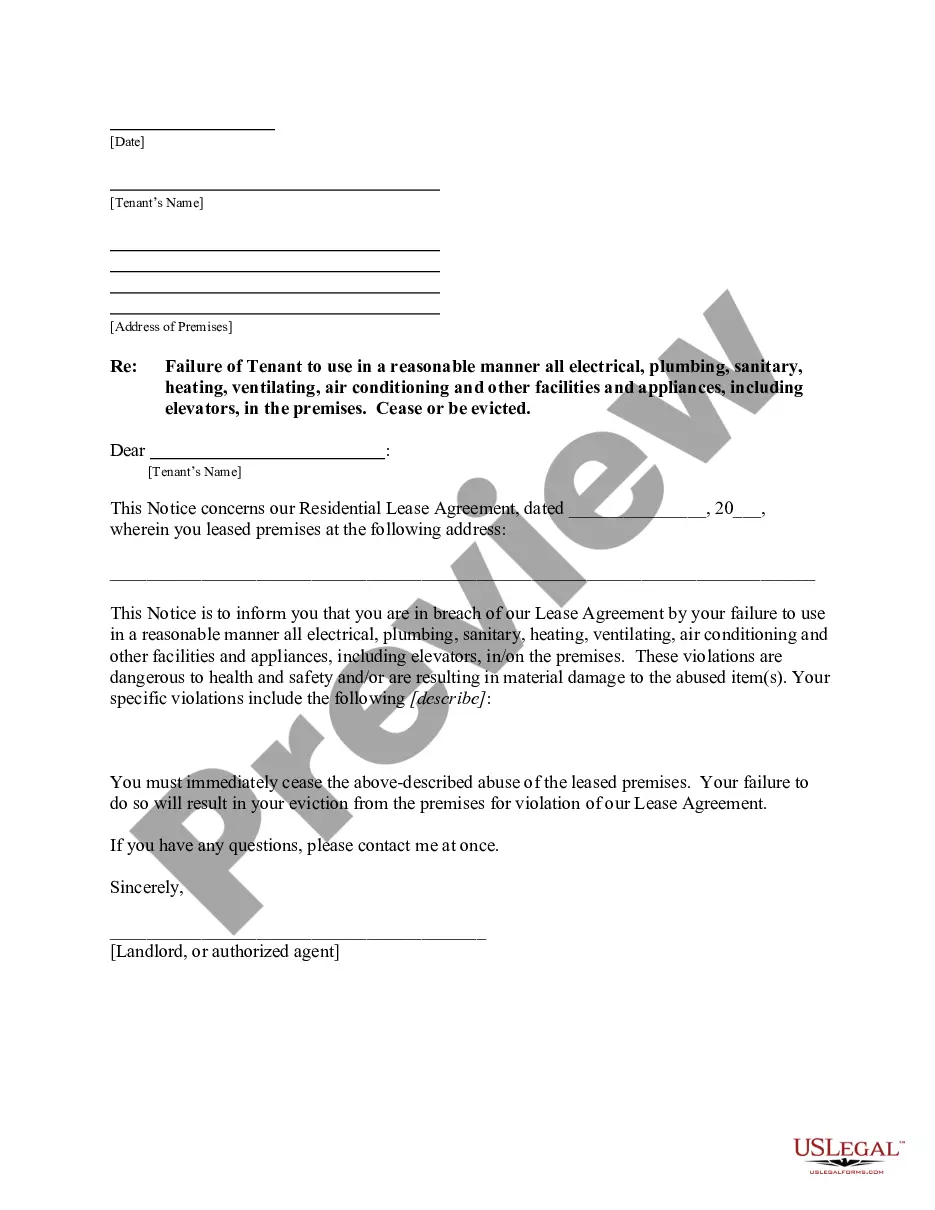
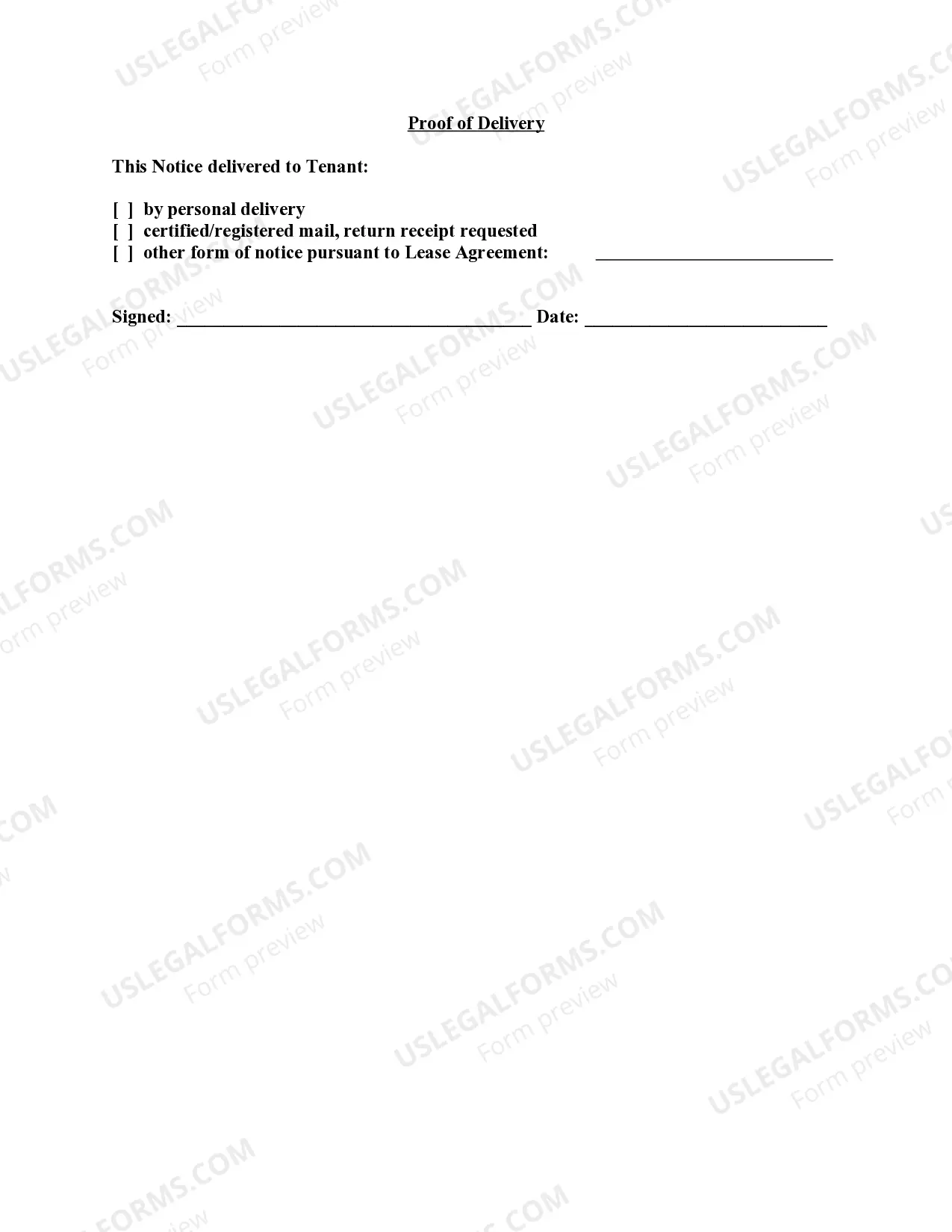


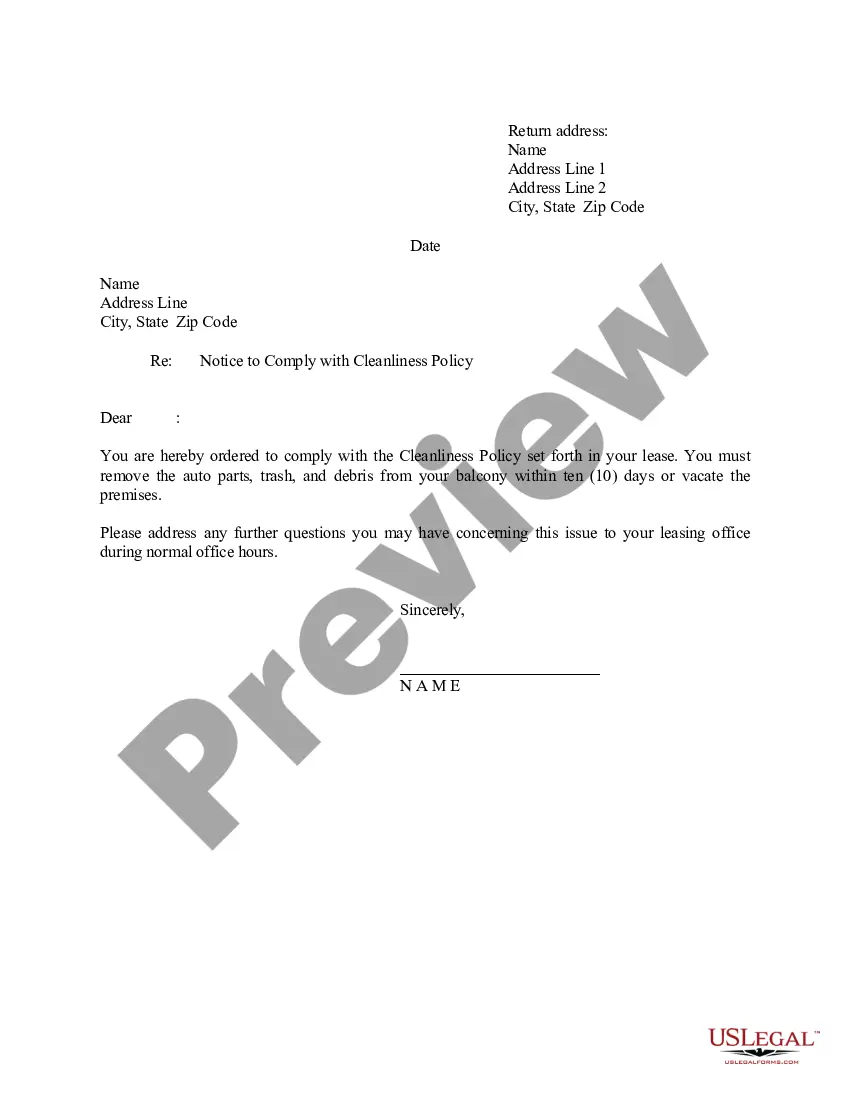

Get your form ready online
Our built-in tools help you complete, sign, share, and store your documents in one place.
Make edits, fill in missing information, and update formatting in US Legal Forms—just like you would in MS Word.
Download a copy, print it, send it by email, or mail it via USPS—whatever works best for your next step.
Sign and collect signatures with our SignNow integration. Send to multiple recipients, set reminders, and more. Go Premium to unlock E-Sign.
If this form requires notarization, complete it online through a secure video call—no need to meet a notary in person or wait for an appointment.
We protect your documents and personal data by following strict security and privacy standards.

Make edits, fill in missing information, and update formatting in US Legal Forms—just like you would in MS Word.

Download a copy, print it, send it by email, or mail it via USPS—whatever works best for your next step.

Sign and collect signatures with our SignNow integration. Send to multiple recipients, set reminders, and more. Go Premium to unlock E-Sign.

If this form requires notarization, complete it online through a secure video call—no need to meet a notary in person or wait for an appointment.

We protect your documents and personal data by following strict security and privacy standards.
Looking for another form?




How to fill out Arkansas Letter From Landlord To Tenant For Failure To Use Electrical, Plumbing, Sanitary, Heating, Ventilating, Air Conditioning And Other Facilities In A Reasonable Manner?
- If you are a returning user, log in to your account and click the Download button to retrieve the necessary form template. Ensure your subscription is current; if not, renew it according to your chosen payment plan.
- For first-time users, begin by checking the Preview mode and form description. This ensures that you select a template that meets your needs and adheres to your local jurisdiction’s requirements.
- If you find any discrepancies, utilize the Search tab to locate the correct template. Once you identify a suitable form, proceed to the next step.
- To purchase the document, click on the Buy Now button and select your preferred subscription plan. You will need to register an account to access US Legal Forms' extensive library.
- Complete your purchase by providing payment details through a credit card or your PayPal account to secure your subscription.
- Finally, download your form to your device for completion. You can also find it later in the My Forms section of your account.
By following these straightforward steps, you can ensure that you have the legal documents you need with minimal hassle. US Legal Forms is committed to making legal processes more accessible and efficient.
Don't wait any longer; visit US Legal Forms today to access the legal documents you need to stay informed and compliant.
Form popularity
FAQ
Emergency descent procedures should be executed for various reasons, including cabin depressurization, smoke or fire in the cabin, or other critical situations requiring immediate altitude adjustments. These rapid descents are essential for maintaining safety and ensuring that passengers are out of harm's way. Always remember that understanding failure air reasonable for the following conditions can improve your response to emergencies.
While it is not always mandatory to fly an Obstacle Departure Procedure (ODP), it is highly recommended for safety. ODPs are designed to help pilots navigate safely from airports that have obstacles nearby, ensuring that they maintain a safe altitude. Familiarizing yourself with ODPs can aid in understanding failure air reasonable for the following conditions and prevent accidents.
An aircraft in distress is one that is experiencing critical issues that pose a risk to its safety or the safety of its occupants. This could stem from mechanical failures, navigational problems, or adverse weather conditions. Recognizing these circumstances is vital for pilots, as swift action can mitigate the risks associated with failure air reasonable for the following conditions.
After an engine failure in flight, pilots should first maintain control of the aircraft and establish the best glide speed. Next, they should identify a suitable landing area and notify air traffic control about the situation. It's crucial to follow established procedures and protocols, as addressing failure air reasonable for the following conditions will improve the chances of a safe landing.
An aircraft is considered in distress if it has a problem that may require immediate assistance to maintain a safe operation. This could include situations like engine failure, fuel emergencies, or other critical malfunctions. It is essential for pilots to recognize these conditions early, as addressing failure air reasonable for the following conditions can significantly affect flight safety.
When building an aircraft, designers must consider four key stresses: tensile, compressive, shear, and torsional. These stresses affect how an aircraft performs during flight and how it withstands various forces. Properly addressing these stresses ensures structural integrity and safety, which is vital when you think about the implications of failure air reasonable for the following conditions.
The right of way rule states that an aircraft in distress has the priority over other aircraft. This prioritization is crucial because the safety of the distressed aircraft is paramount. Pilots should always be prepared to yield to an aircraft in distress, ensuring a safe resolution to potentially dangerous situations. It's important to understand how failure air reasonable for the following conditions can apply in these situations.
An example of reasonable cause for the late filing of Form 8832 could be if an unforeseen circumstance, such as a natural disaster, interrupted your business operations significantly. Additionally, if you relied on a tax professional who failed to file on time, you may present this fact as part of your justification. Gathering supporting documents can strengthen your position when addressing the IRS.
Writing a reasonable cause letter to the IRS involves clearly stating your reasons for the late filing. Include your factors, such as any unexpected life events, along with relevant details that support your claim. It's essential to provide your tax identification number, the tax year in question, and any attachments that corroborate your situation.
Failure to file is defined as not submitting your tax return by the required deadline, which may result in penalties imposed by the IRS. It generally applies when taxpayers fail to meet filing obligations without valid justification. The consequences can range from financial penalties to potential legal action, making it vital to understand your responsibilities.