Failure Dwelling Remedy For A House
Description
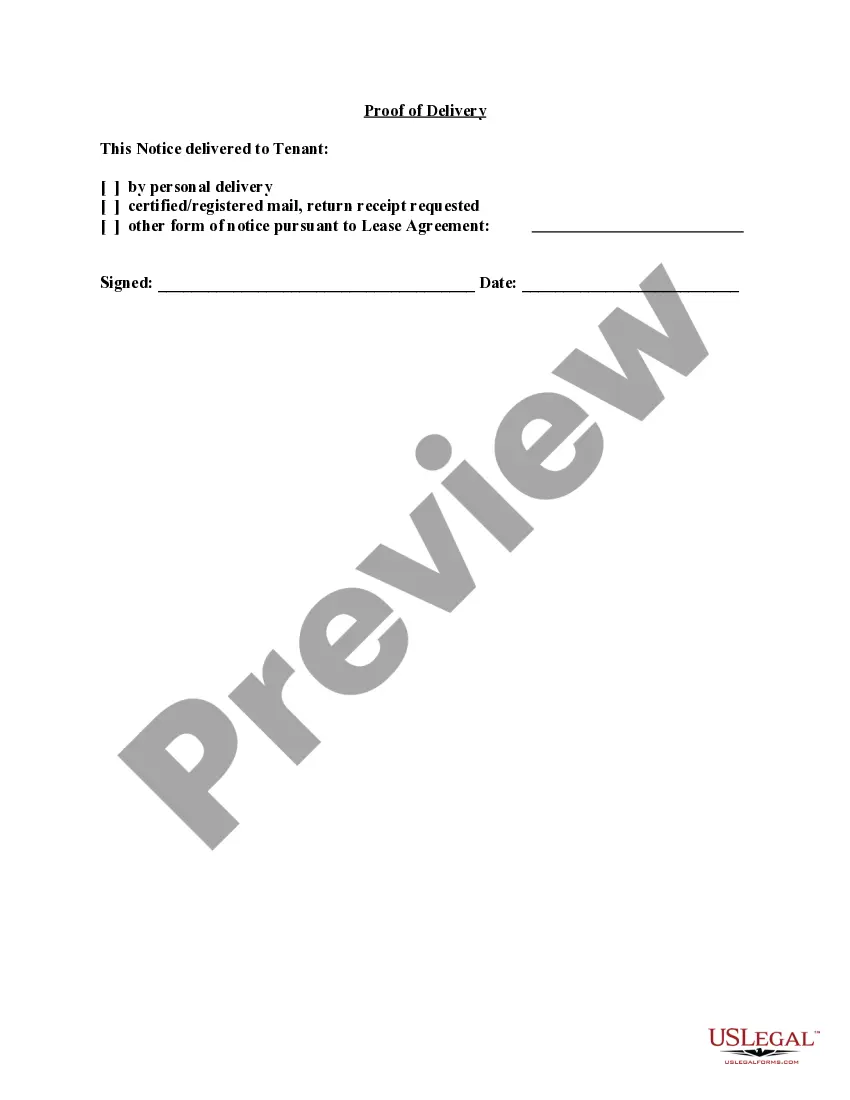

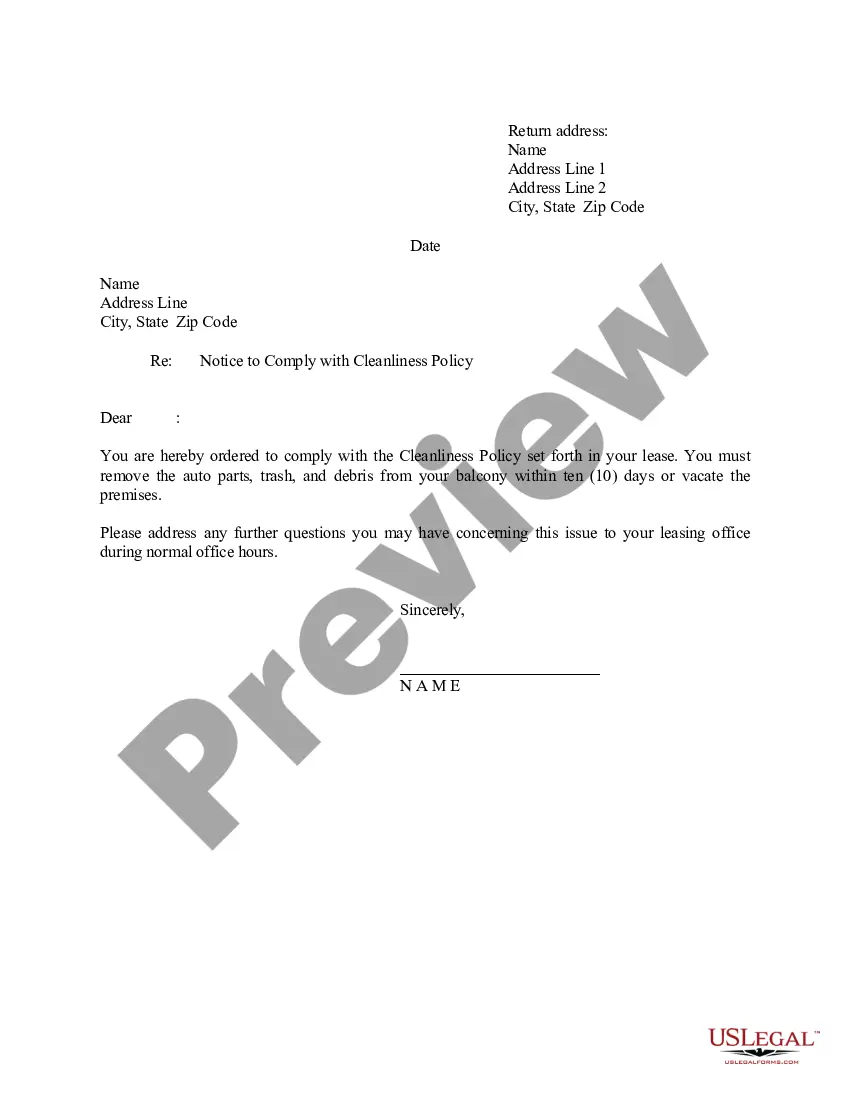

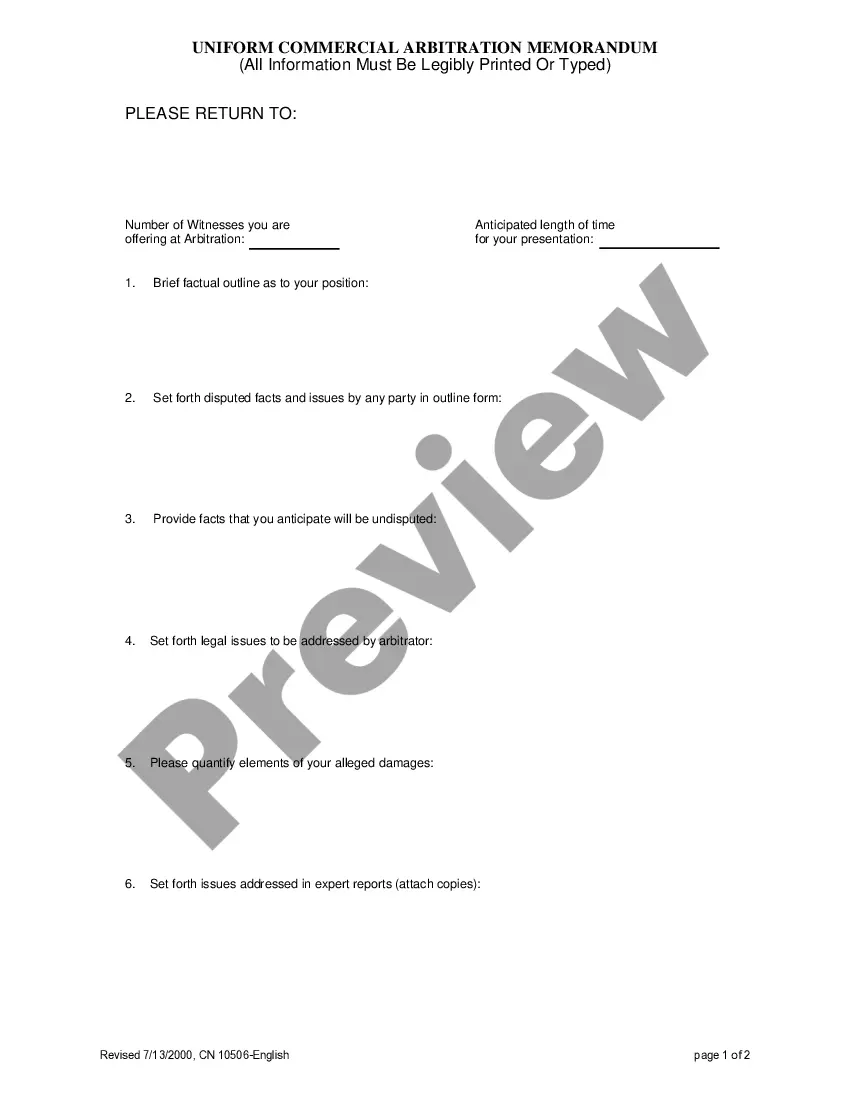
Get your form ready online
Our built-in tools help you complete, sign, share, and store your documents in one place.
Make edits, fill in missing information, and update formatting in US Legal Forms—just like you would in MS Word.
Download a copy, print it, send it by email, or mail it via USPS—whatever works best for your next step.
Sign and collect signatures with our SignNow integration. Send to multiple recipients, set reminders, and more. Go Premium to unlock E-Sign.
If this form requires notarization, complete it online through a secure video call—no need to meet a notary in person or wait for an appointment.
We protect your documents and personal data by following strict security and privacy standards.

Make edits, fill in missing information, and update formatting in US Legal Forms—just like you would in MS Word.

Download a copy, print it, send it by email, or mail it via USPS—whatever works best for your next step.

Sign and collect signatures with our SignNow integration. Send to multiple recipients, set reminders, and more. Go Premium to unlock E-Sign.

If this form requires notarization, complete it online through a secure video call—no need to meet a notary in person or wait for an appointment.

We protect your documents and personal data by following strict security and privacy standards.
Looking for another form?
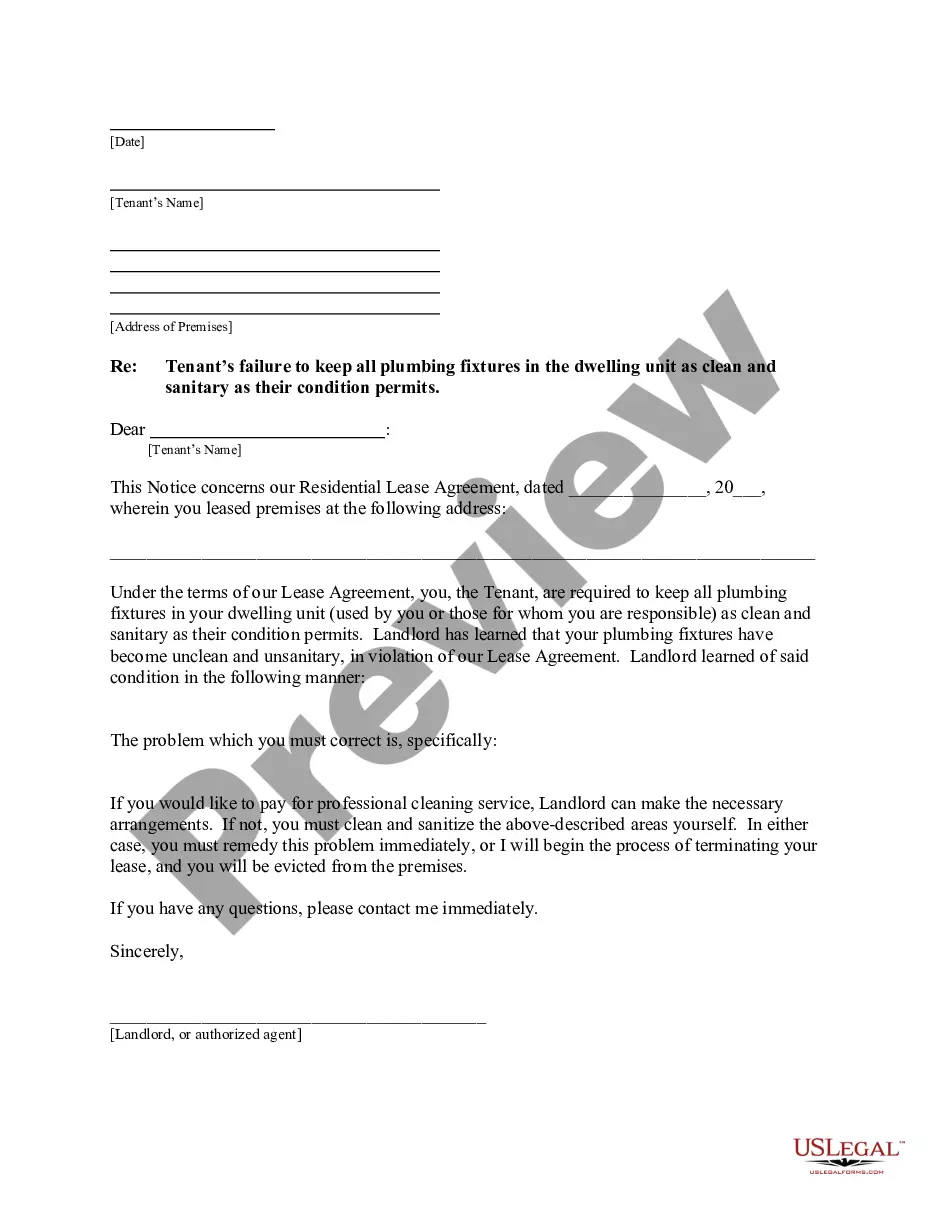
How to fill out Arkansas Letter From Landlord To Tenant For Failure To Keep All Plumbing Fixtures In The Dwelling Unit As Clean As Their Condition Permits - Remedy Or Lease Terminates?
- Log in to your US Legal Forms account if you're a returning user. Ensure your subscription is current; renew if necessary.
- If you're new to the service, start by checking the form preview and description. Make sure it’s suitable for your needs and complies with local laws.
- Utilize the Search tab to find alternate templates if your needs change or if discrepancies arise.
- Purchase the document by clicking on the Buy Now button and selecting a subscription plan that fits your requirements.
- Complete your purchase by entering your payment details, using either a credit card or PayPal.
- Once the payment is processed, download the form to your device and access it any time from the My Forms section of your profile.
With US Legal Forms, you gain access to a vast array of over 85,000 legal documents, ensuring you have the tools necessary for effective legal remedy.
Don’t let legal challenges linger. Start using US Legal Forms today for a quick and reliable solution to your failure dwelling issues!
Form popularity
FAQ
Proving a house is uninhabitable requires thorough documentation of the living conditions. You can collect evidence such as photographs, repair records, and witness statements. This information is essential for any claims you may pursue under the Failure dwelling remedy for a house. Resources like USLegalForms can help you organize and present your documentation effectively.
If a tenant refuses to allow access for necessary repairs, it's important to communicate your need for entry clearly and politely. Document all interactions and consider providing ample notice before attempting repairs. If the issue escalates, you may explore the Failure dwelling remedy for a house. Platforms like USLegalForms can assist in creating legal notices and forms to address this situation appropriately.
In North Carolina, you can withhold rent for repairs if your landlord does not address significant maintenance issues that affect habitability. Before doing so, ensure you have documented the needed repairs and communicated your concerns. This process can strengthen your position when seeking a Failure dwelling remedy for a house. Legal resources, such as USLegalForms, can provide the necessary forms and information to assist you.
Uninhabitable living situations in North Carolina can include severe plumbing issues, lack of heat, mold, or structural problems. A property must be safe and meet basic living standards according to state laws. If you encounter such conditions, you may be eligible for a Failure dwelling remedy for a house. You can use tools like USLegalForms to better understand your rights and options.
Yes, North Carolina allows rent withholding under specific circumstances, particularly when a unit is uninhabitable or your landlord has not made repairs. However, it's crucial to notify your landlord in writing before withholding rent, detailing the repairs needed. Keeping thorough documentation will help in asserting your rights under the Failure dwelling remedy for a house. Consider consulting resources like USLegalForms for guidance.
To file for rent abatement, you must demonstrate that your landlord has violated the lease agreement through failure to maintain the property. Document the issues and communicate with your landlord about your concerns first. If they do not respond positively, gather the necessary forms from sources like USLegalForms and submit your request to the appropriate court. This step is essential in pursuing a Failure dwelling remedy for a house.
If your landlord fails to make necessary repairs in North Carolina, you may have options under the Failure dwelling remedy for a house. First, you should notify your landlord in writing, specifying the issues. If the problems persist, you can seek legal remedies, which may include filing for rent abatement or terminating the lease. Consider using platforms like USLegalForms to navigate the process effectively.
To have a house deemed uninhabitable, you need to document the issues that affect its safety and livability, such as severe structural damage, hazardous conditions, or lack of essential utilities. Next, contact your local housing authority, as they can inspect the property and confirm if it qualifies under local building codes. If you'll be filing a claim based on the failure dwelling remedy for a house, keep thorough records of all communications and findings. For a streamlined process, consider using the resources from US Legal Forms to help you gather necessary documentation and legal forms.
If your landlord in Georgia will not fix necessary repairs, you may start by contacting your local housing authority or health department. They can help assess the conditions and may guide you on next steps. Additionally, pursuing a failure dwelling remedy for a house could lead you to consult legal services, such as those offered by US Legal Forms, to explore your options effectively.
To prove a house is uninhabitable, collect evidence such as photographs, repair requests, and written communications with your landlord. Additionally, document any impacts on your health and safety. This information can support your claim for a failure dwelling remedy for a house when seeking legal action or negotiating with your landlord.