Arkansas Quitclaim Deed With Life Estate Clause
Description
Get your form ready online
Our built-in tools help you complete, sign, share, and store your documents in one place.
Make edits, fill in missing information, and update formatting in US Legal Forms—just like you would in MS Word.
Download a copy, print it, send it by email, or mail it via USPS—whatever works best for your next step.
Sign and collect signatures with our SignNow integration. Send to multiple recipients, set reminders, and more. Go Premium to unlock E-Sign.
If this form requires notarization, complete it online through a secure video call—no need to meet a notary in person or wait for an appointment.
We protect your documents and personal data by following strict security and privacy standards.

Make edits, fill in missing information, and update formatting in US Legal Forms—just like you would in MS Word.

Download a copy, print it, send it by email, or mail it via USPS—whatever works best for your next step.

Sign and collect signatures with our SignNow integration. Send to multiple recipients, set reminders, and more. Go Premium to unlock E-Sign.

If this form requires notarization, complete it online through a secure video call—no need to meet a notary in person or wait for an appointment.

We protect your documents and personal data by following strict security and privacy standards.
Looking for another form?
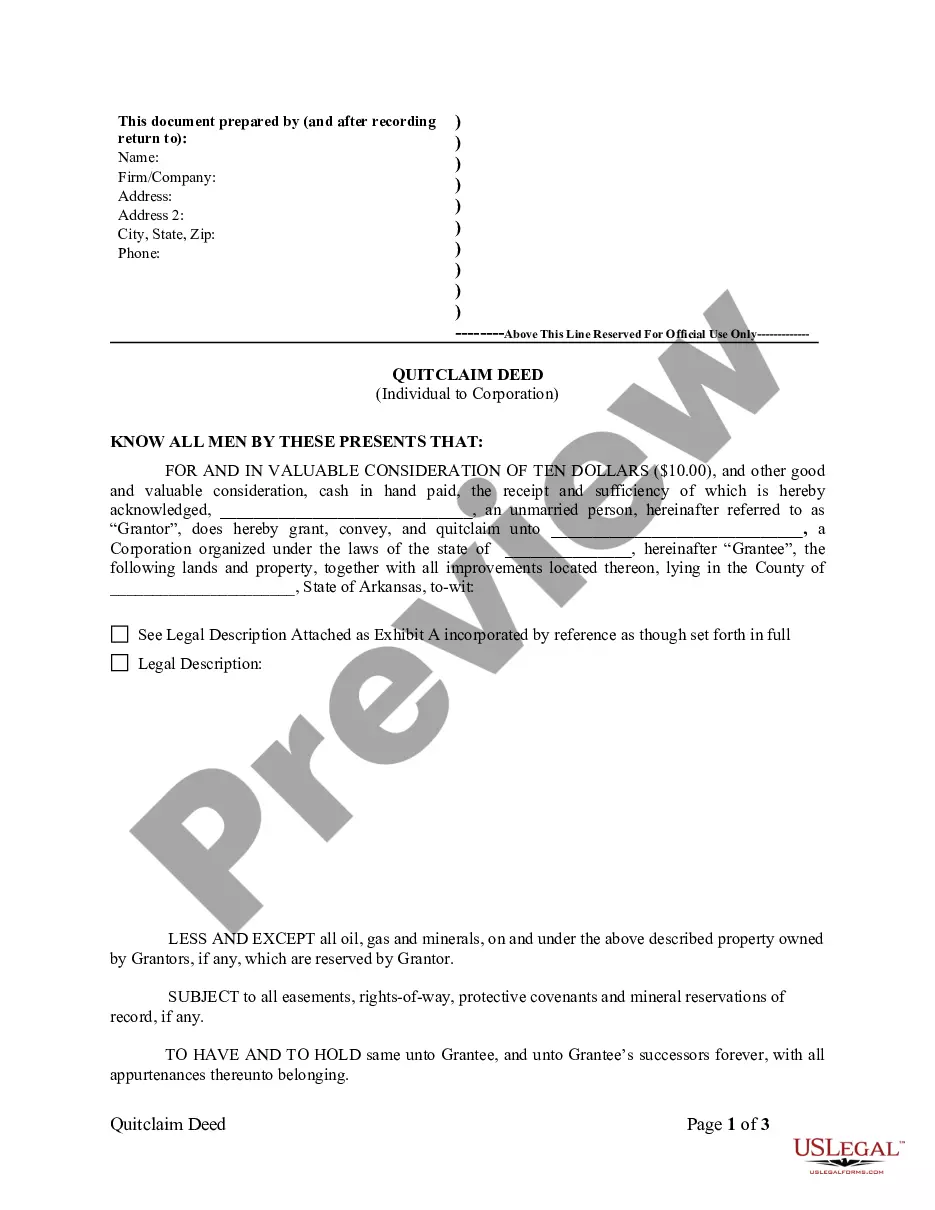
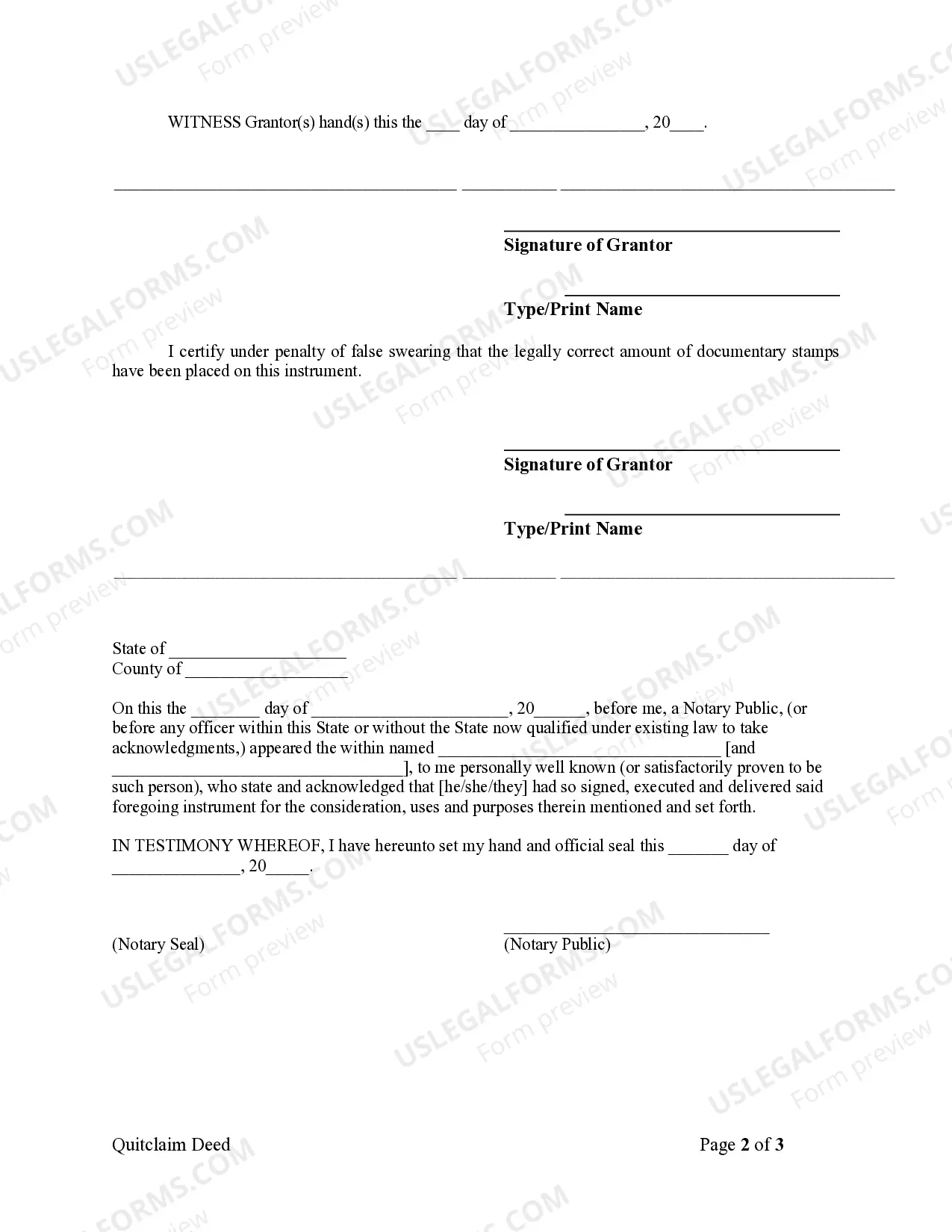
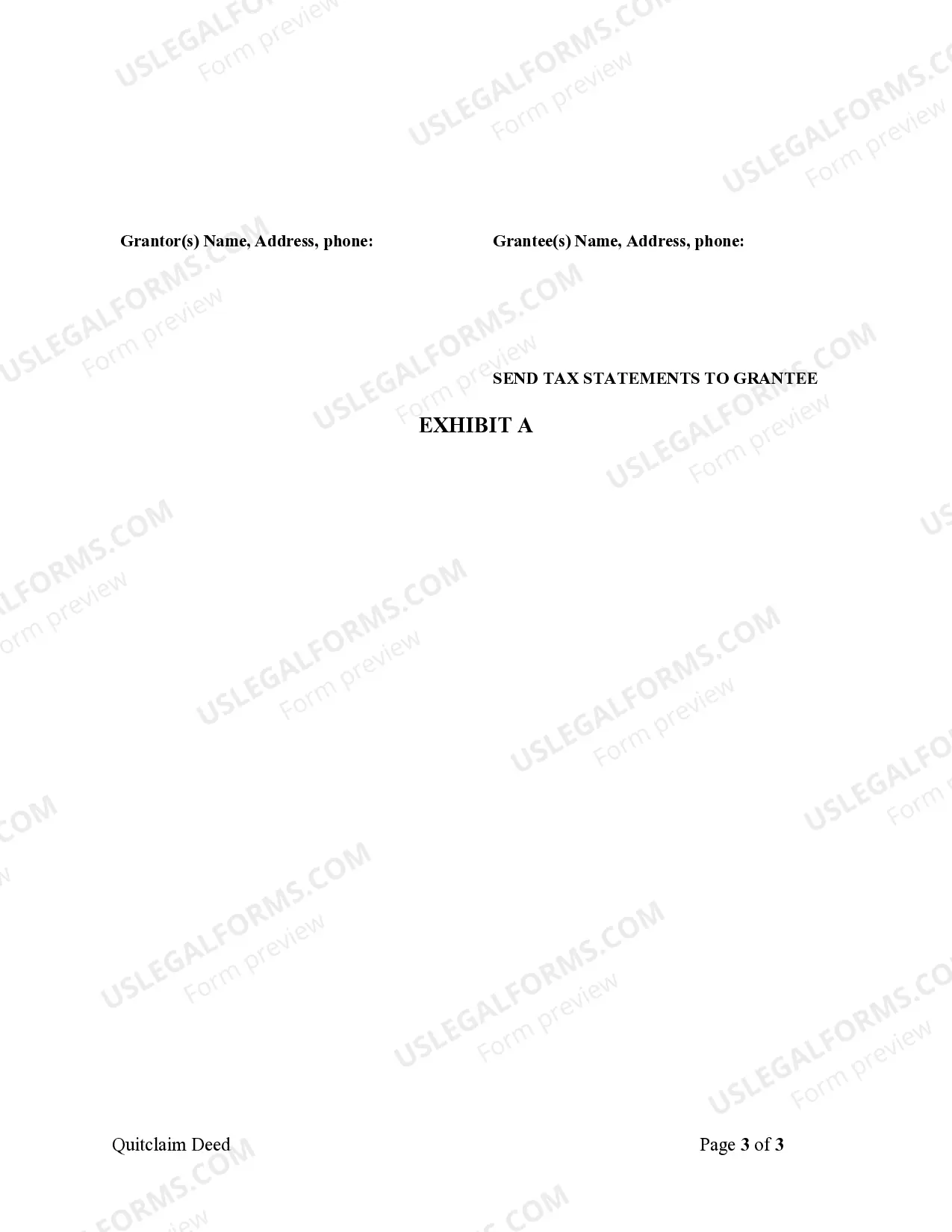
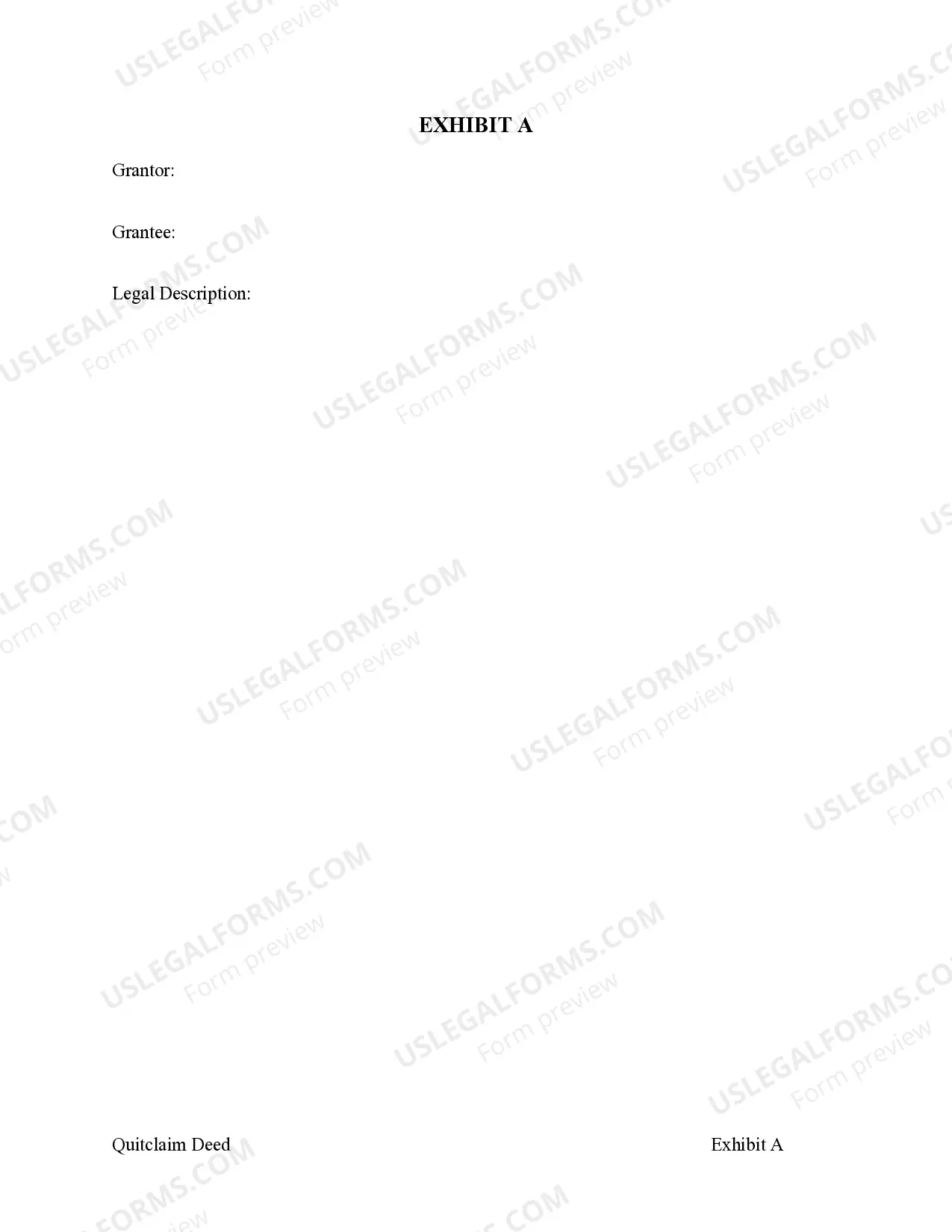
How to fill out Arkansas Quitclaim Deed From Individual To Corporation?
There's no longer a need to spend time searching for legal documents to meet your local state standards.
US Legal Forms has gathered all of them in one location and simplified their availability.
Our platform provides over 85k templates for any business and personal legal situations organized by state and area of use. All forms are accurately crafted and authenticated for validity, ensuring you receive a current Arkansas Quitclaim Deed With Life Estate Clause.
Preparing official documents under federal and state regulations is quick and easy with our library. Try US Legal Forms now to keep your paperwork organized!
- If you are acquainted with our service and already possess an account, please ensure your subscription is active before obtaining any templates.
- Log In to your account, select the document, and click Download.
- You can also access all saved documents whenever necessary by visiting the My documents tab in your profile.
- If you have not used our service before, the process will require a few more steps to complete.
- Here's how new users can find the Arkansas Quitclaim Deed With Life Estate Clause in our catalog.
- Examine the page content closely to ensure it contains the sample you need.
- Use the form description and preview options if available.
- Utilize the search bar above to find another template if the previous one did not fit your needs.
- Click Buy Now next to the template title once you locate the correct one.
- Choose the preferred pricing plan and either register for an account or sign in.
- Make payment for your subscription using a card or PayPal to continue.
- Select the file format for your Arkansas Quitclaim Deed With Life Estate Clause and download it to your device.
- Print your form to fill it out manually or upload the sample if you wish to use an online editor.
Form popularity
FAQ
To transfer ownership of property in Arkansas, you need to execute a deed that explicitly states your intentions regarding the transfer. A quitclaim deed is a common choice for this process, allowing for quick and straightforward property transfers. If you want to include a life estate clause, consider how this Arkansas quitclaim deed with life estate clause will affect your rights and the rights of the grantee. Platforms like US Legal Forms can simplify the process by providing the necessary documents and guidance for your property transfer.
Yes, a quitclaim deed can be contested in Arkansas if there are valid grounds such as fraud, lack of capacity, or undue influence. Since quitclaim deeds offer no guarantees about ownership, it’s crucial to provide clear documentation when transferring property. Understanding the implications of an Arkansas quitclaim deed with life estate clause can provide added security in estate transfers, as it allows the grantor to retain some rights during their lifetime.
To create a beneficiary deed in Arkansas, you need to prepare a legal document that specifically names the beneficiary who will receive the property upon your passing. This deed must be signed by you and acknowledged by a notary. Afterward, file the deed with the county clerk's office where the property is located. If you're considering how it relates to an Arkansas quitclaim deed with life estate clause, ensure to evaluate the benefits of each option based on your estate planning needs.
In Arkansas, creating a quitclaim deed requires several key elements, including the names of the grantor and the grantee, a clear property description, and the signature of the grantor. It is essential to have the document notarized to validate the transfer legally. Additionally, if you plan to incorporate an Arkansas quitclaim deed with life estate clause, outlining the life estate terms is crucial for clarity. Platforms like US Legal Forms provide templates and guidance, making compliance easier.
If you wish to address a quitclaim deed, it's essential to understand that the process typically requires legal measures. The Arkansas quitclaim deed with life estate clause can complicate matters if the occupant has rights to the property. However, options like negotiating with the parties involved or seeking a legal remedy may help you navigate this issue. Consulting a legal expert is often the best course of action to ensure your rights are protected.
An Arkansas quitclaim deed functions by transferring whatever interest the grantor has in the property to the grantee, with no guarantees. This means that if the grantor owns the property, the grantee receives it; if they do not, nothing may be transferred. It is a simple and effective way to handle property conveyance, especially when the Arkansas quitclaim deed with a life estate clause is used. It enables a person to retain the right to live in the property while passing it on.
In Arkansas, a life estate deed is a legal document that gives someone the right to use and occupy a property for their lifetime. After the individual passes away, the property goes directly to the designated beneficiaries, bypassing the probate process. When combined with an Arkansas quitclaim deed with life estate clause, it ensures efficient transfer while providing security and clarity for all parties involved. This can be especially beneficial for estate planning.
Typically, the person transferring their property, known as the grantor, benefits the most from an Arkansas quitclaim deed with life estate clause. This deed allows them to pass their interest in the property to another person without warranties. It can simplify the transfer process, especially in cases like gifting property to family members. Additionally, the recipient can obtain immediate interest in the property.
The best deed to transfer property often depends on the circumstances and the level of security you desire. For a secure transaction, many prefer using a warranty deed, as it minimizes risks associated with title disputes. However, if your situation calls for a quick transfer, an Arkansas quitclaim deed with life estate clause might be appropriate, especially when both parties trust each other.
The main difference between a warranty deed and a quitclaim deed in Arkansas lies in the protection each provides. A warranty deed guarantees that the seller holds a clear title to the property, while a quitclaim deed, like the Arkansas quitclaim deed with life estate clause, transfers property interests without any warranties regarding the title. Understanding these differences is essential for effective property transfer.