Arkansas Transfer On Death Form With Bank Account
Description


Get your form ready online
Our built-in tools help you complete, sign, share, and store your documents in one place.
Make edits, fill in missing information, and update formatting in US Legal Forms—just like you would in MS Word.
Download a copy, print it, send it by email, or mail it via USPS—whatever works best for your next step.
Sign and collect signatures with our SignNow integration. Send to multiple recipients, set reminders, and more. Go Premium to unlock E-Sign.
If this form requires notarization, complete it online through a secure video call—no need to meet a notary in person or wait for an appointment.
We protect your documents and personal data by following strict security and privacy standards.

Make edits, fill in missing information, and update formatting in US Legal Forms—just like you would in MS Word.

Download a copy, print it, send it by email, or mail it via USPS—whatever works best for your next step.

Sign and collect signatures with our SignNow integration. Send to multiple recipients, set reminders, and more. Go Premium to unlock E-Sign.

If this form requires notarization, complete it online through a secure video call—no need to meet a notary in person or wait for an appointment.

We protect your documents and personal data by following strict security and privacy standards.
Looking for another form?
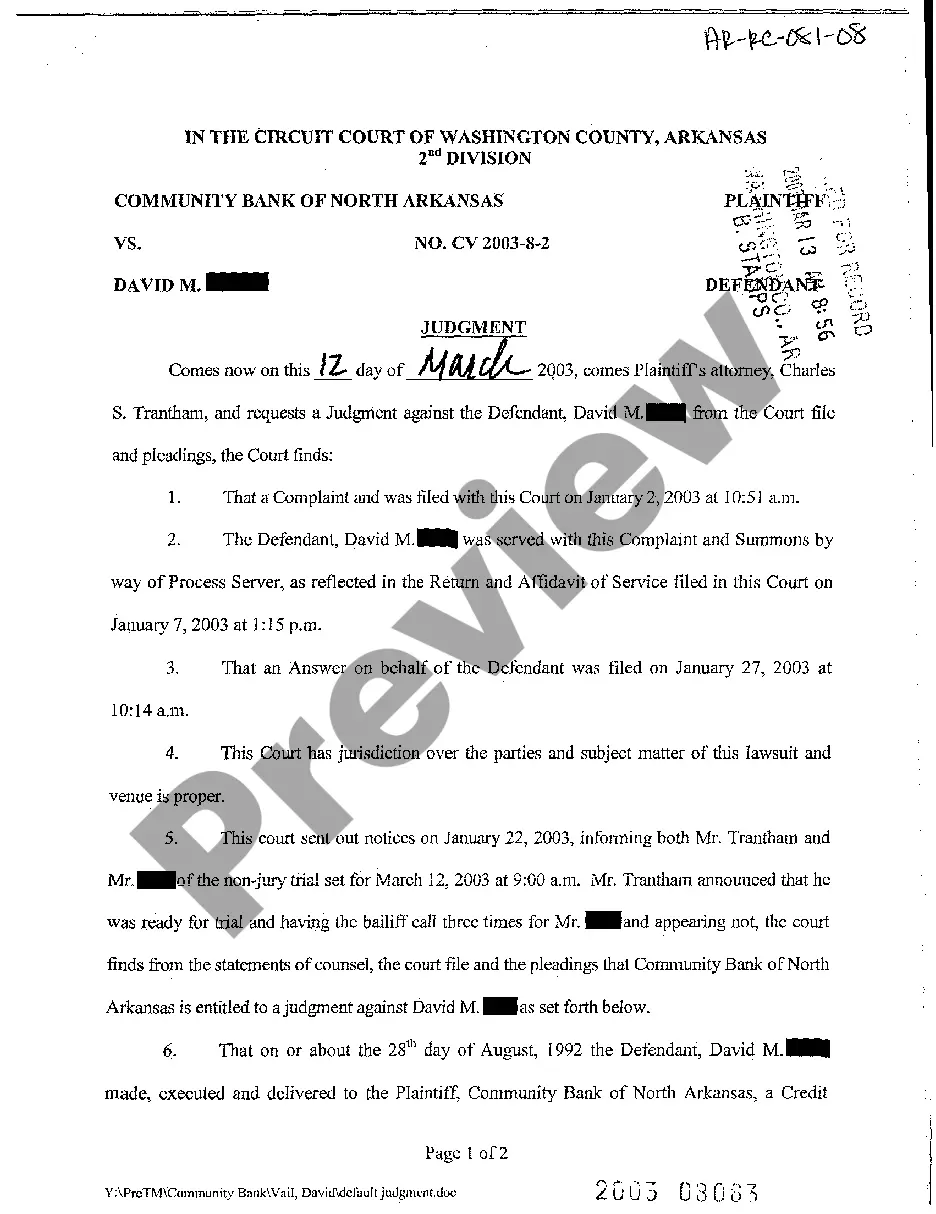
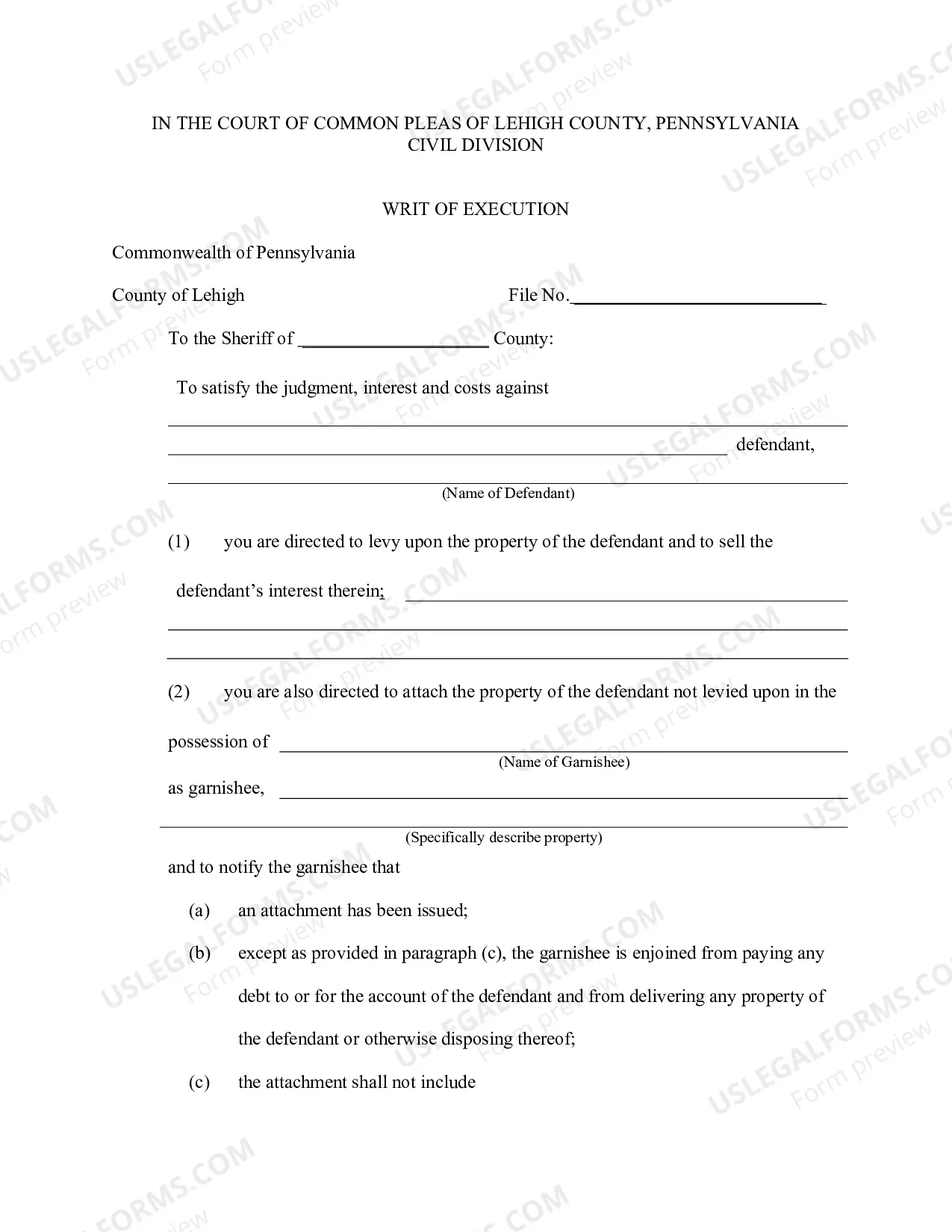
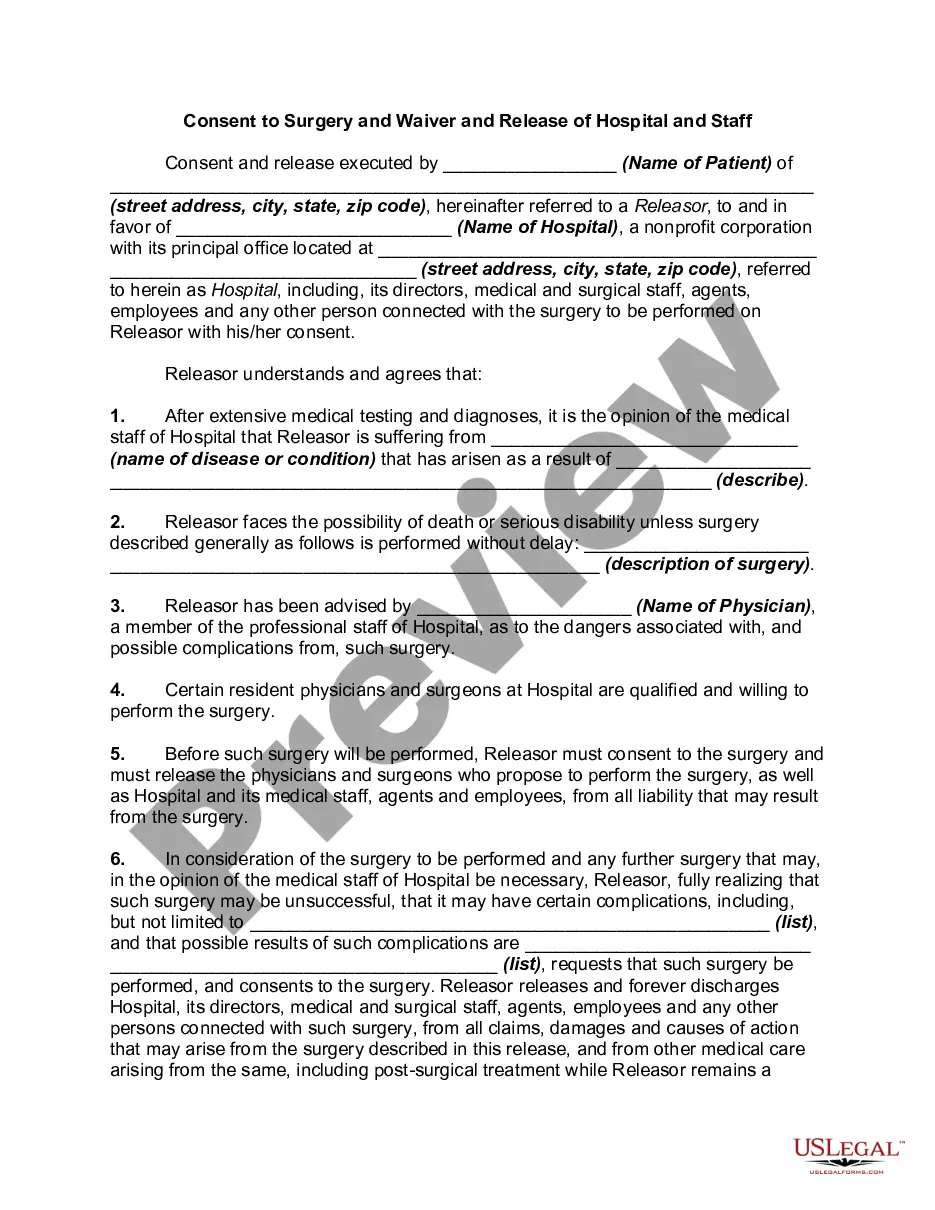

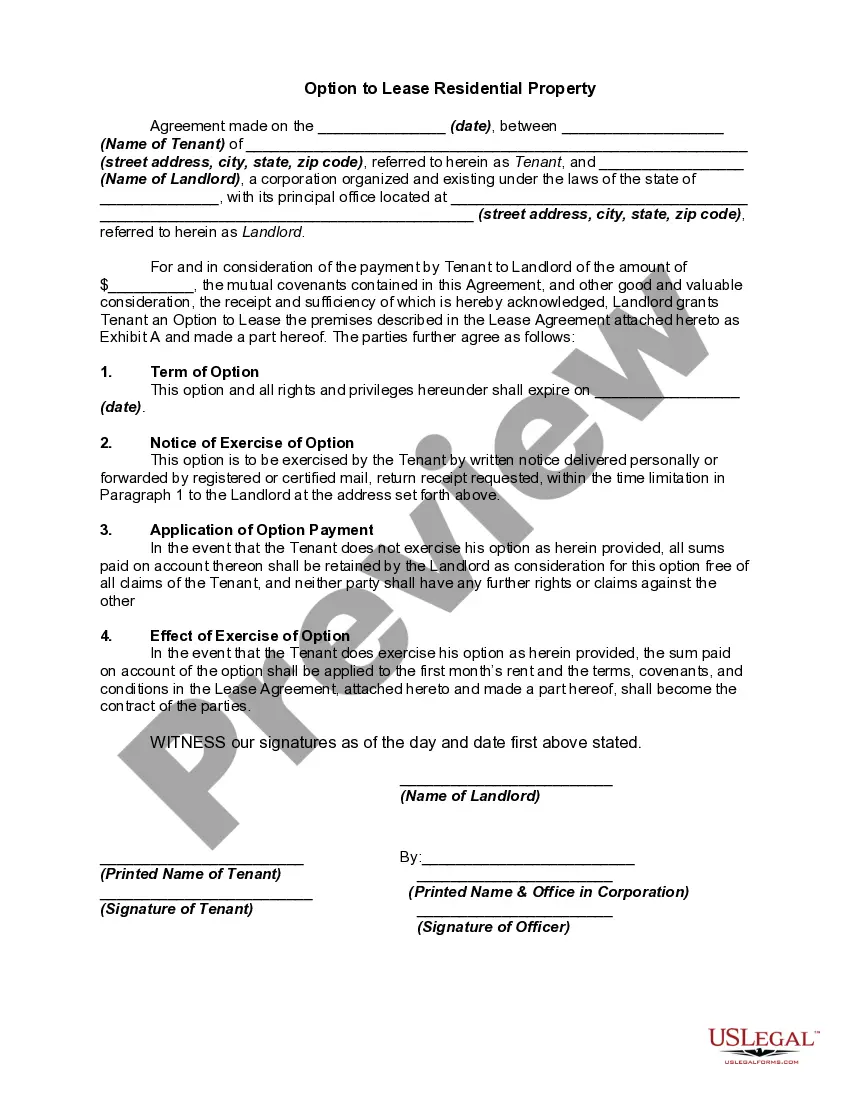
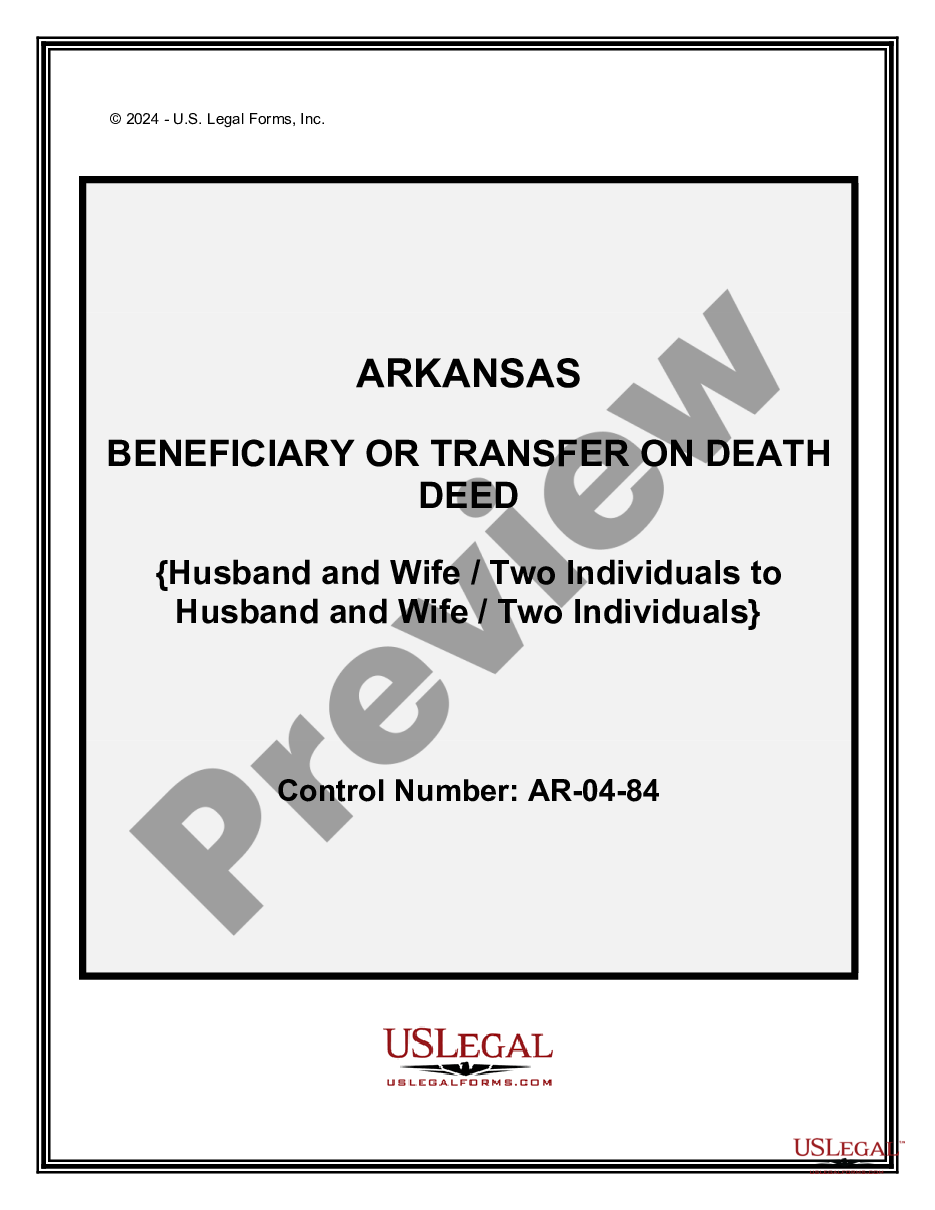
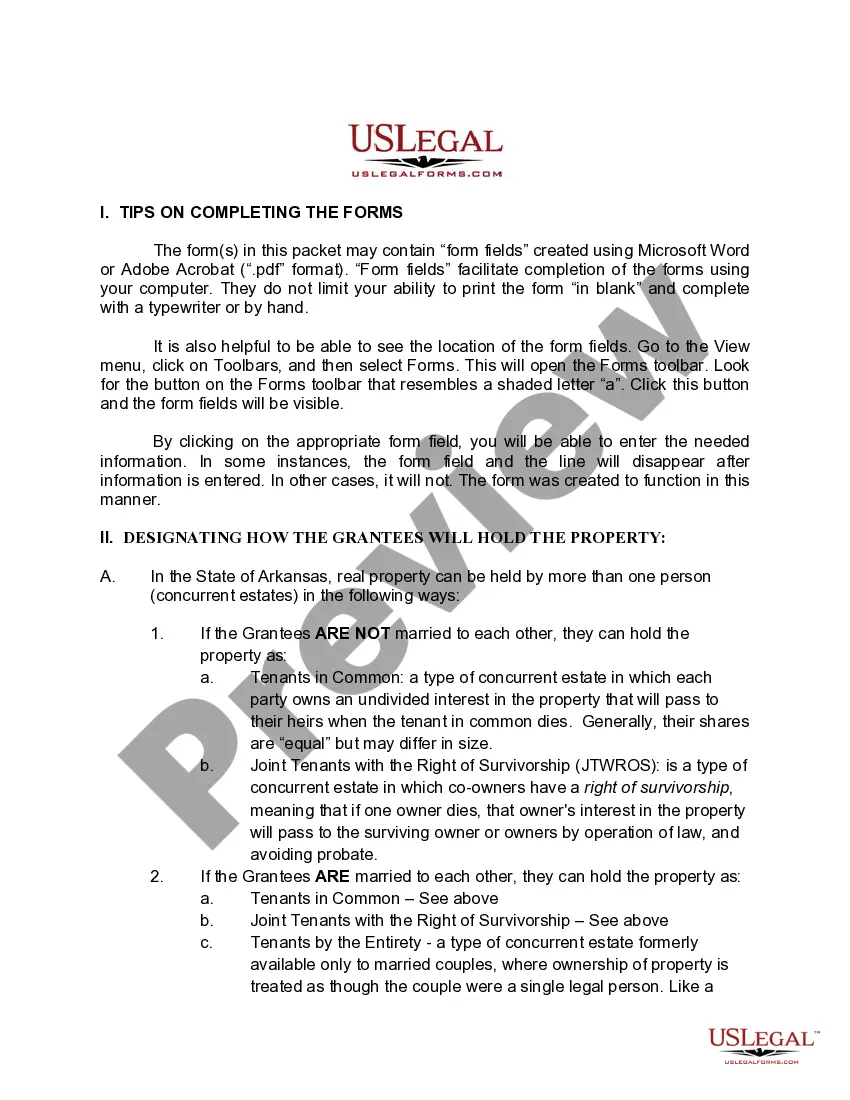
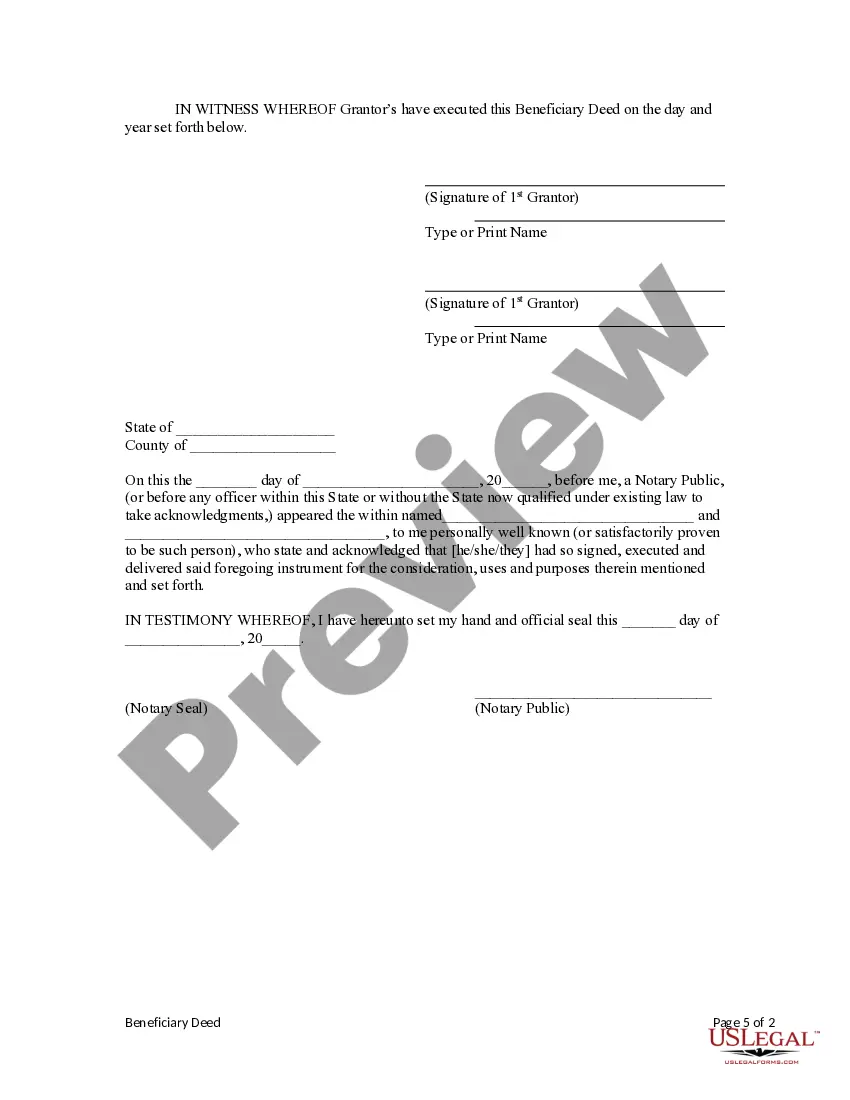
How to fill out Arkansas Beneficiary Or Transfer On Death Deed Or TOD - Husband And Wife Or Two Individuals To Husband And Wife Or Two Individuals?
Whether for commercial reasons or for personal affairs, everyone must handle legal matters at some point in their lives. Filling out legal documents necessitates meticulous attention, starting from selecting the appropriate form template. For example, if you opt for an incorrect version of an Arkansas Transfer On Death Form With Bank Account, it will be rejected upon submission. Thus, it is vital to find a reliable source of legal forms like US Legal Forms.
If you need to acquire an Arkansas Transfer On Death Form With Bank Account template, follow these simple steps.
With an extensive US Legal Forms catalog available, you won’t need to waste time searching for the appropriate template across the internet. Utilize the library’s user-friendly navigation to find the correct form for any situation.
- Locate the template you require using the search bar or catalog browsing.
- Review the form’s description to ensure it aligns with your circumstances, state, and county.
- Click on the form’s preview to review it.
- If it is not the correct form, return to the search option to find the Arkansas Transfer On Death Form With Bank Account template you require.
- Download the template when it meets your criteria.
- If you possess a US Legal Forms account, simply click Log in to access previously stored documents in My documents.
- In case you do not yet have an account, you may download the form by clicking Buy now.
- Choose the appropriate pricing option.
- Fill out the account registration form.
- Select your payment method: you can use a credit card or PayPal account.
- Choose the document format you desire and download the Arkansas Transfer On Death Form With Bank Account.
- Once downloaded, you can complete the form using editing software or print it out and fill it in by hand.
Form popularity
FAQ
Yes, you can execute a transfer on death deed in Arkansas, which allows you to transfer real estate to a beneficiary upon your passing. This deed operates similarly to an Arkansas transfer on death form with bank account, providing a straightforward method to ensure your property goes to your chosen heir. To create a transfer on death deed, it's advisable to consult with a legal expert or use platforms like uslegalforms to ensure proper execution and compliance with state laws.
While Arkansas transfer on death forms with bank accounts offer a simple way to transfer assets, they come with some disadvantages. For instance, if the account holder has debts, creditors may still access the funds before they transfer to the beneficiary. Additionally, the beneficiary has no control over the account until the account holder passes away, which can create complications. It's essential to weigh these factors before proceeding.
To fill out an Arkansas transfer on death form with bank account, start by gathering the necessary information about the bank account and the beneficiary. Clearly indicate the name of the account holder and the intended beneficiary on the form. Ensure you provide accurate details, as any mistakes could delay the process. After completing the form, sign it and submit it to your bank to finalize the transfer.
Yes, Arkansas recognizes a transfer on death (TOD) form for bank accounts. This legal document allows you to designate a beneficiary who will receive your bank account assets upon your death, avoiding the probate process. Using an Arkansas transfer on death form with bank account ensures that your financial wishes are honored efficiently and effectively. To create this form, you can use the services offered by USLegalForms, which provides easy access to necessary documents tailored to Arkansas regulations.
If the deceased has named a payable-on-death (POD) beneficiary for the account, the person named will get access to it immediately. They will simply need to show a death certificate and identification to the bank.
Creditors can still go after assets in a TOD account. TOD accounts are also subject to inheritance tax and capital gains tax, as well as taxes on withdrawals from pre-tax investments including IRAs and 401(k) plans.
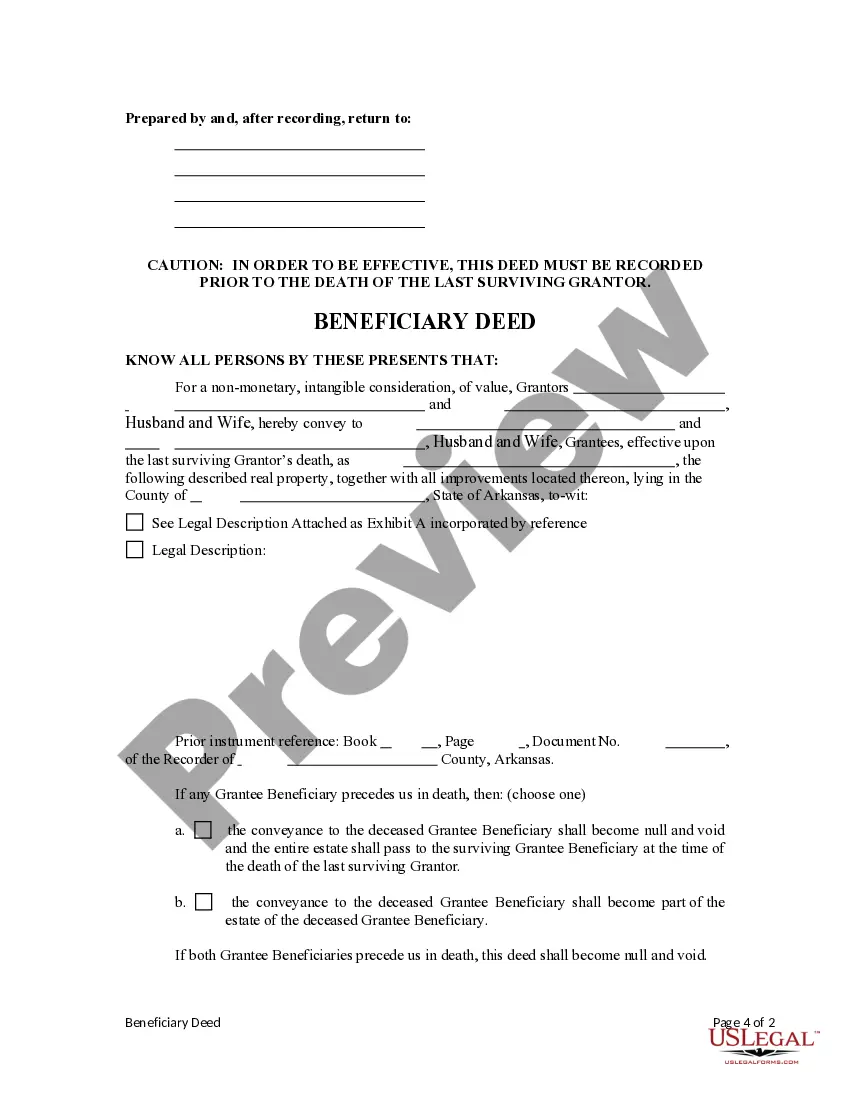
Yes. An Arkansas beneficiary deed is valid only if it is recorded before the death of the owner or the last surviving owner. It must be recorded in the Office of the County Recorder in the county where the real estate is located.
(Ark. Code Ann. § 18-12-608.) You must sign the deed and get your signature notarized, and then record (file) the deed before your death with the county clerk, circuit clerk, or recorder's office (the name varies by county) in the county where the real estate is located.
What Is the Difference Between TOD and Beneficiary? A transfer on death is an instrument that transfers ownership of specific accounts and assets to someone. A beneficiary is someone that is named to receive something of value.