Transfer Deed Beneficiary For Sale
Description
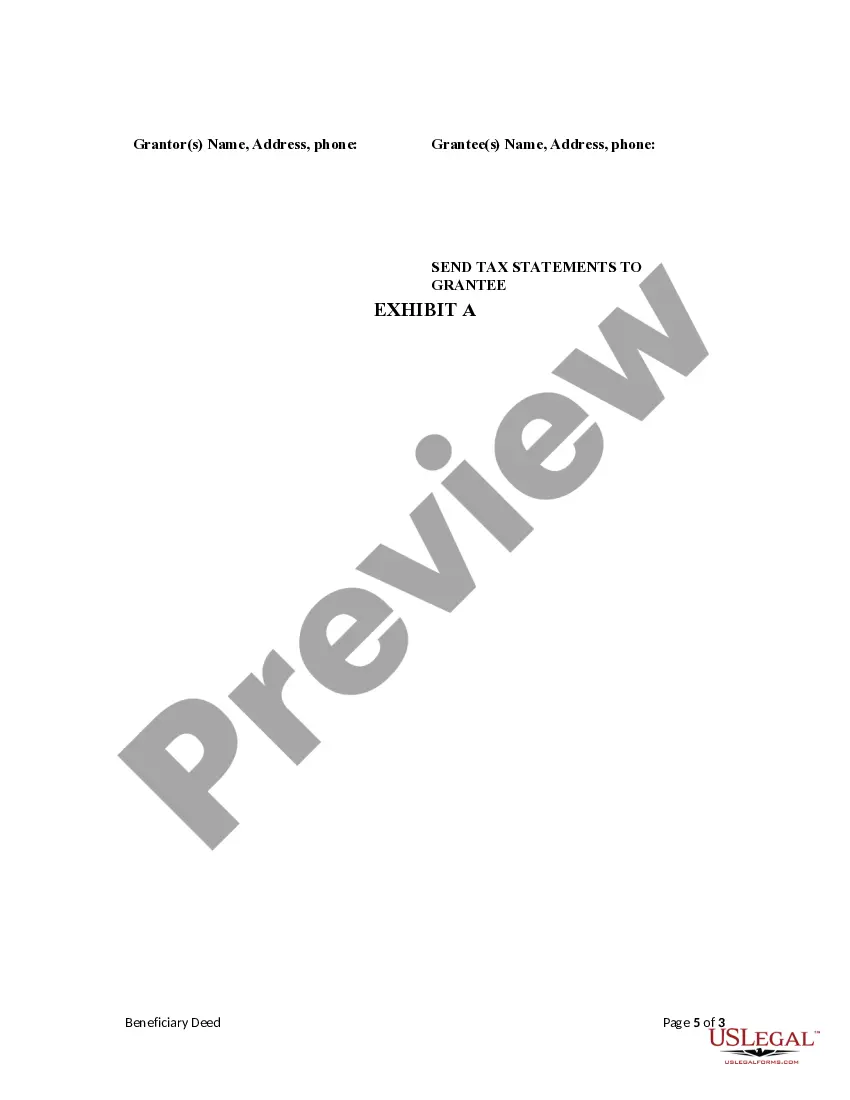
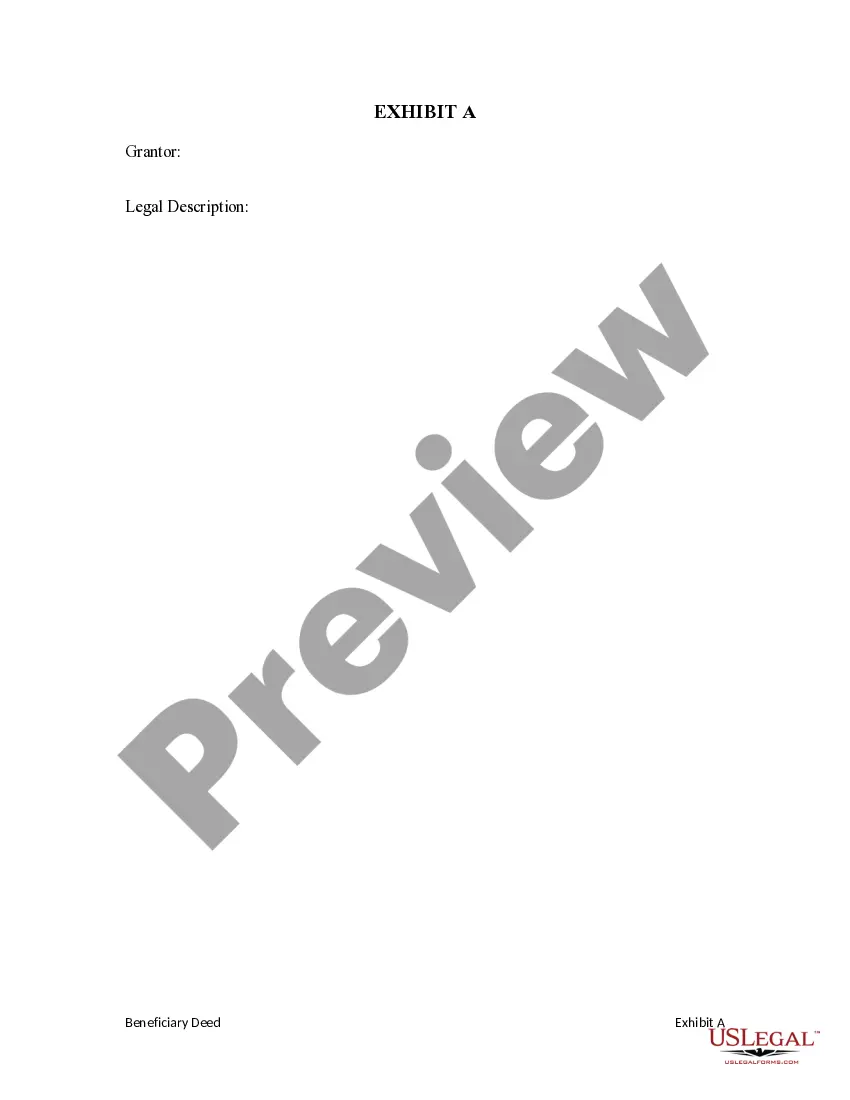

Get your form ready online
Our built-in tools help you complete, sign, share, and store your documents in one place.
Make edits, fill in missing information, and update formatting in US Legal Forms—just like you would in MS Word.
Download a copy, print it, send it by email, or mail it via USPS—whatever works best for your next step.
Sign and collect signatures with our SignNow integration. Send to multiple recipients, set reminders, and more. Go Premium to unlock E-Sign.
If this form requires notarization, complete it online through a secure video call—no need to meet a notary in person or wait for an appointment.
We protect your documents and personal data by following strict security and privacy standards.

Make edits, fill in missing information, and update formatting in US Legal Forms—just like you would in MS Word.

Download a copy, print it, send it by email, or mail it via USPS—whatever works best for your next step.

Sign and collect signatures with our SignNow integration. Send to multiple recipients, set reminders, and more. Go Premium to unlock E-Sign.

If this form requires notarization, complete it online through a secure video call—no need to meet a notary in person or wait for an appointment.

We protect your documents and personal data by following strict security and privacy standards.
Looking for another form?





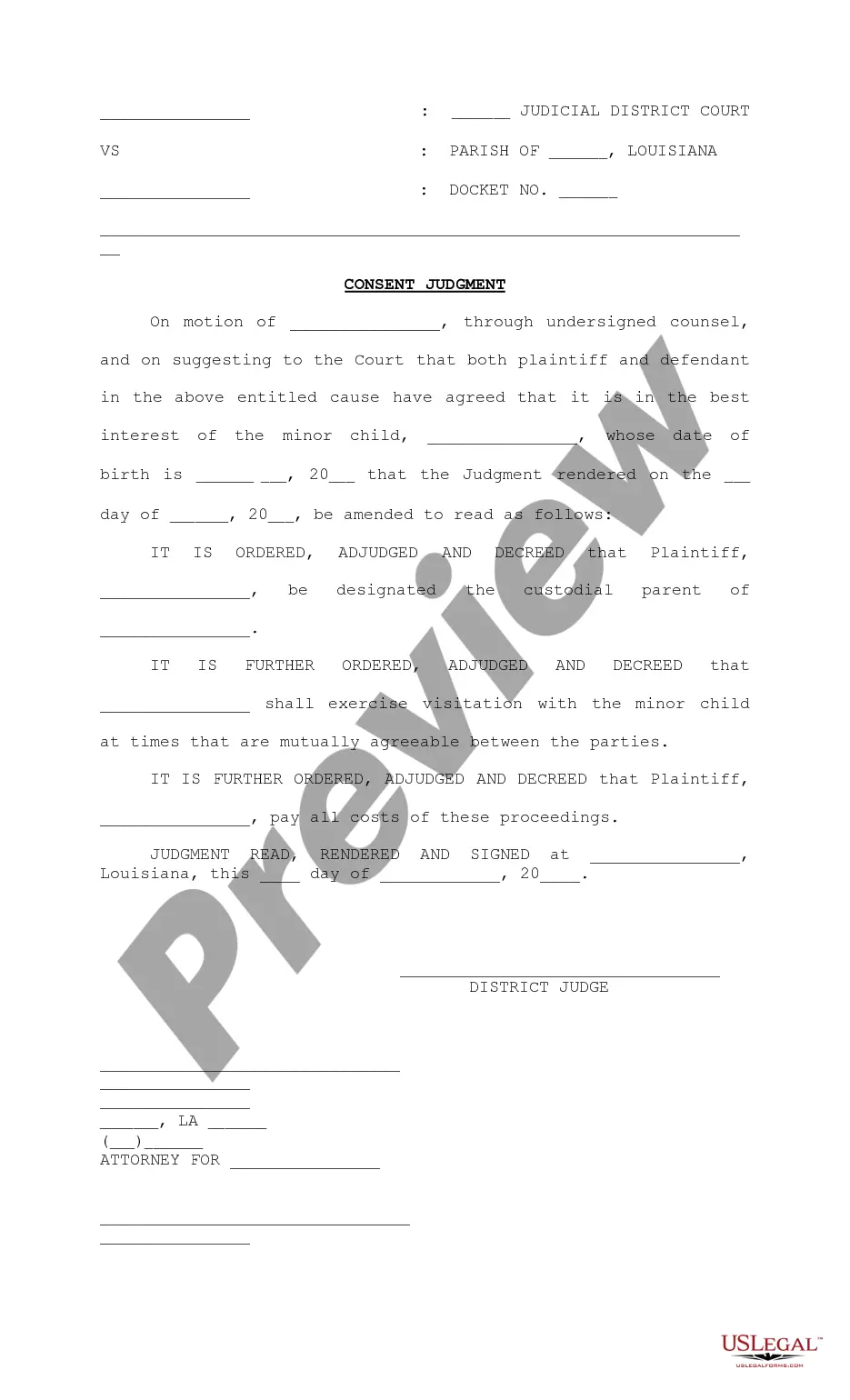


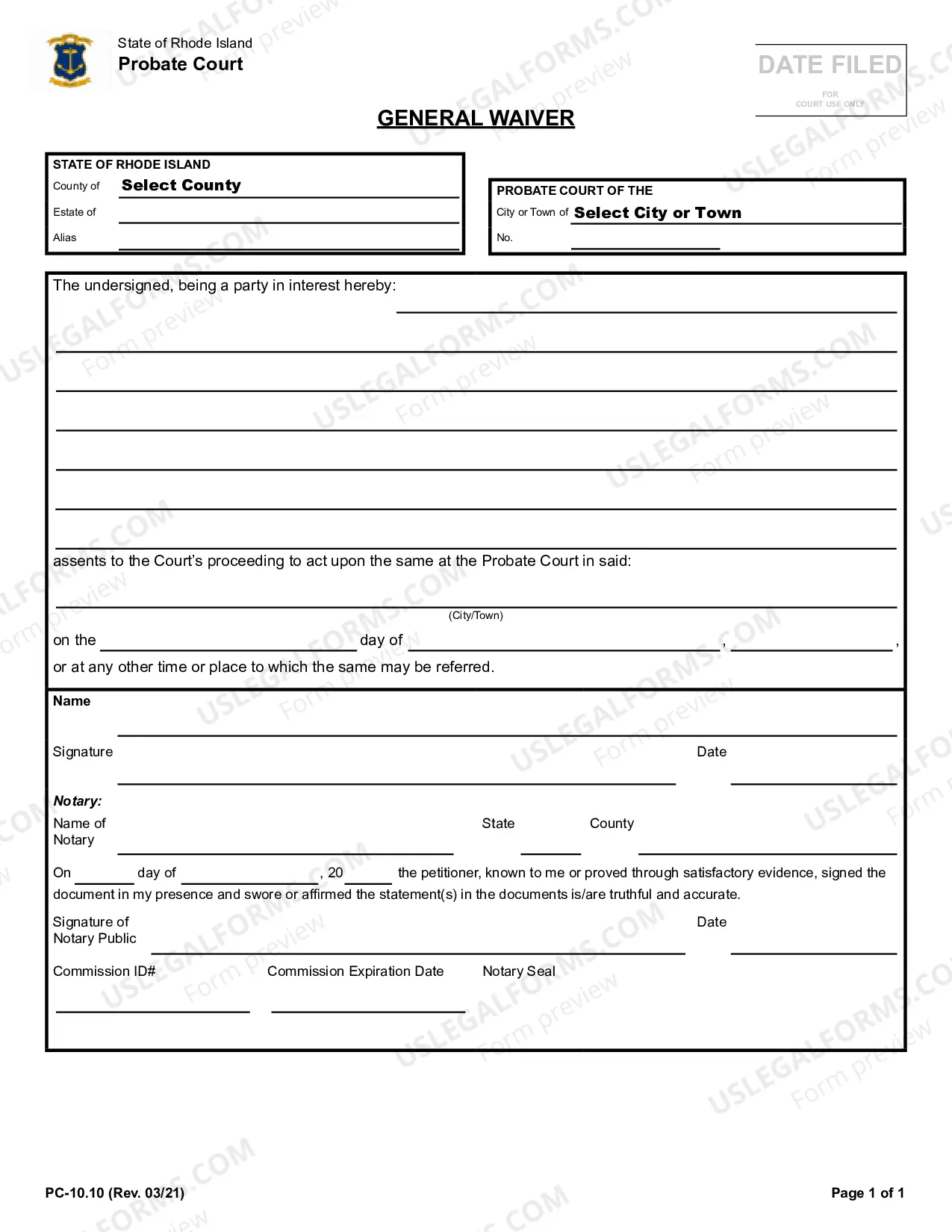

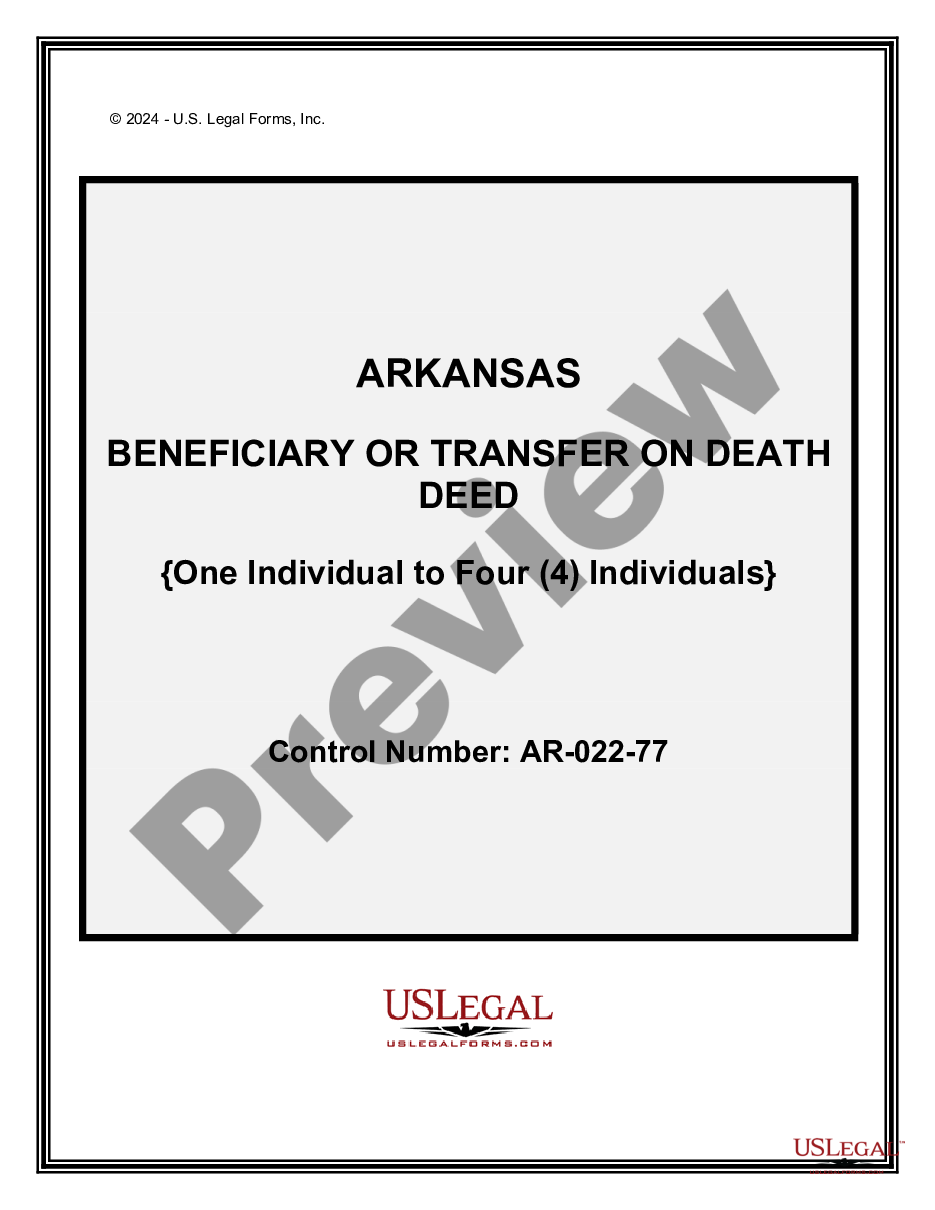
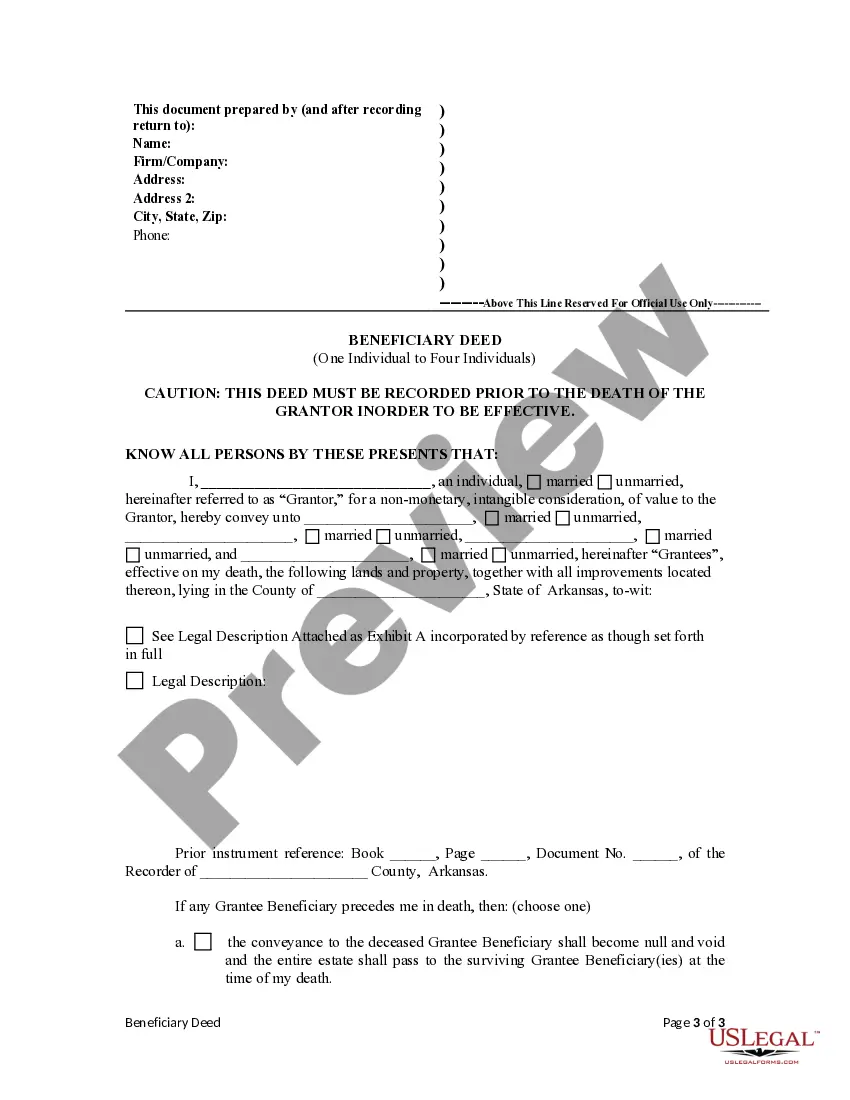
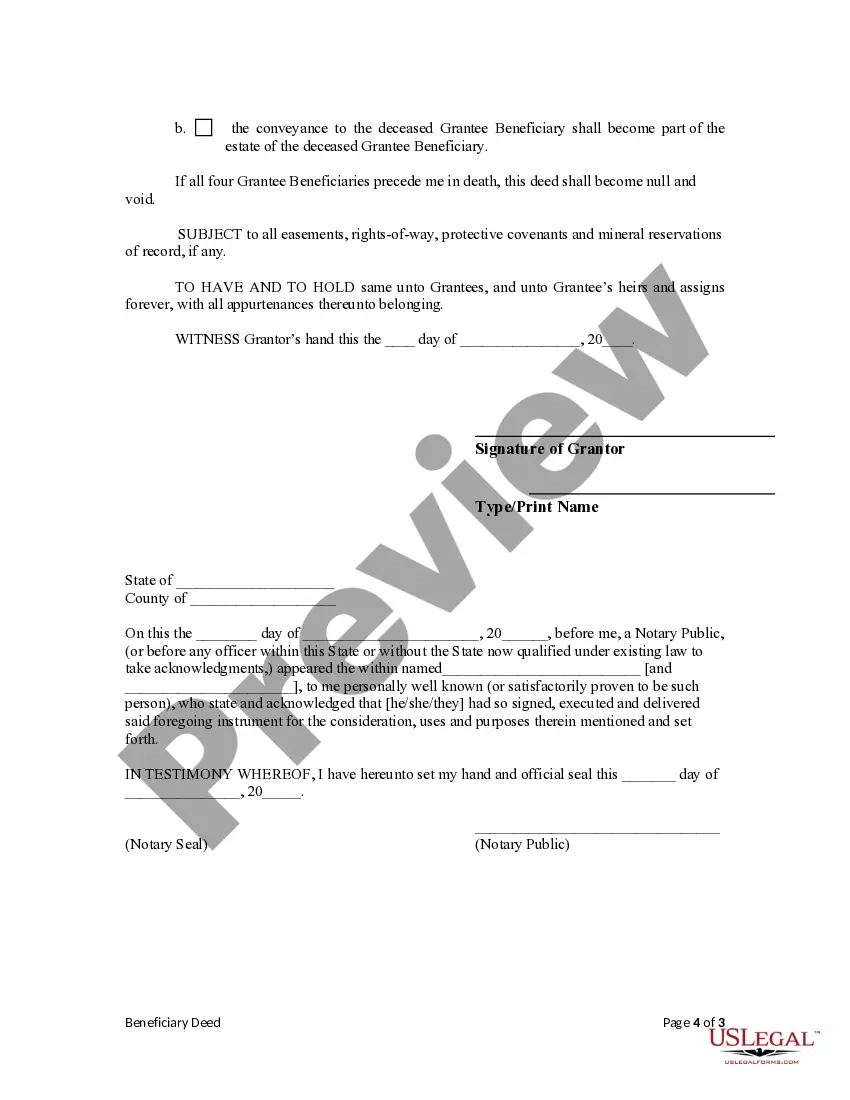
How to fill out Arkansas Transfer On Death Deed Or TOD - Beneficiary Deed For One Individual To Four Individuals?
- Log in to your US Legal Forms account if you're a returning user. Click the Download button to retrieve your selected form template, ensuring your subscription is active.
- For first-time users, start by previewing forms in the library. Carefully review the description and ensure it suits your needs and meets local jurisdiction requirements.
- If necessary, utilize the Search feature to find alternate templates that might better fit your transaction. Verify that the selected form aligns with your requirements before proceeding.
- Purchase the document by clicking the Buy Now button and selecting a subscription plan. You will need to create an account for complete access.
- Complete your purchase by entering your payment details, either by credit card or through your PayPal account.
- Finally, download the completed form and save it on your device. You can access it anytime in the My Forms section of your profile.
In conclusion, US Legal Forms simplifies the process of transferring deed beneficiaries for sale by providing users with a wealth of resources and support. The easy-to-use platform ensures you can execute your legal documents quickly and correctly.
Don't hesitate to start your journey by visiting US Legal Forms today for all your legal document needs!
Form popularity
FAQ
Naming a beneficiary on your house can simplify the transfer process through a transfer deed beneficiary for sale. This step often allows your property to bypass probate, making it easier for your loved ones to inherit it. It’s essential to consider your family dynamics and financial implications before making this decision. For further clarity, exploring platforms like uslegalforms can provide valuable resources to help you navigate this process.
Yes, there can be downsides to being a beneficiary under a transfer deed beneficiary for sale. One concern is the potential tax implications, which could impact your financial situation. Additionally, you might face complications if the property requires maintenance or if there are outstanding debts linked to it. Understanding these factors can help you make informed decisions about your role as a beneficiary.
A Transfer on Death arrangement can be a good idea for straightforward estate transfers. It simplifies the transfer process and bypasses probate, making it an attractive option. However, every situation varies, so it is essential to evaluate your assets and family dynamics. Using the US Legal Forms platform will help ensure you understand and execute a transfer deed beneficiary for sale effectively.
Choosing between a transfer on death and a trust often depends on your unique needs. While a TOD can be simpler and less costly upfront, a trust provides a more robust framework for managing your estate. Trusts often break down complexity, offer more control, and can be structured to address specific goals. Assessing these factors within your estate plan is crucial.
The main drawbacks of a transfer on death arrangement include the lack of flexibility and potential conflicts among heirs. If a named beneficiary passes away before you, the property could be subject to probate. Additionally, a transfer deed beneficiary for sale does not allow for specific conditions on how the property should be managed or distributed.
Transfer on Death (TOD) accounts may lead to disputes among beneficiaries if expectations are unclear. They also may not provide for situations like incapacity, where a general power of attorney would be more effective. Furthermore, using a transfer deed beneficiary for sale in your estate plan requires careful coordination with other financial documents for optimal effectiveness.
One disadvantage of a transfer deed beneficiary for sale is that it may not offer comprehensive estate planning. At times, it can create complications in cases of divorce or if multiple beneficiaries cannot agree. Moreover, it does not provide protection against creditors, so it’s essential to weigh these factors before deciding on a TOD.
A transfer deed beneficiary for sale does not automatically avoid capital gains tax. When the property is sold, the gain may still be taxable. However, using a beneficiary deed can help shield your heirs from immediate tax implications, providing they retain the property until death. Consulting with a tax professional can clarify the tax impacts on your specific situation.
To write a beneficiary deed, start by clearly identifying yourself as the property owner and include the property details. You must name the beneficiary who will receive the property upon your passing, and you should ensure the deed is signed and notarized as required by law. Utilizing online resources like uslegalforms can provide you with templates and guidance to create a valid transfer deed beneficiary for sale. This ensures your intentions are clear and legally enforceable.
While a beneficiary deed, such as a transfer deed beneficiary for sale, offers advantages, it also has some drawbacks. One important disadvantage is that it does not protect your property from creditors, which may become a concern after your death. Additionally, if your beneficiary predeceases you without an alternative beneficiary listed, the property may need to go through probate. It's wise to review your options with uslegalforms to ensure your estate plans align with your goals.