Transfer Death Tod With A Life
Description
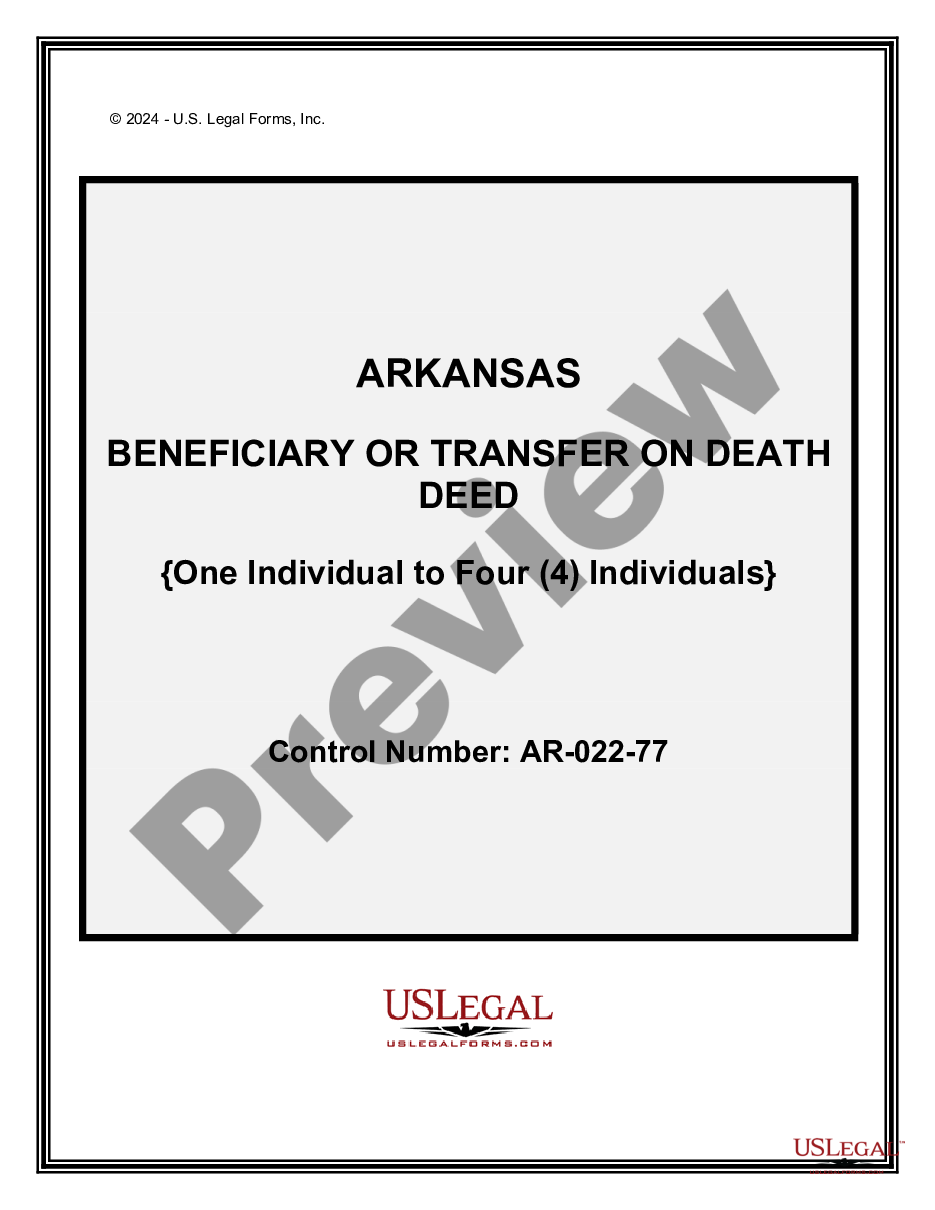
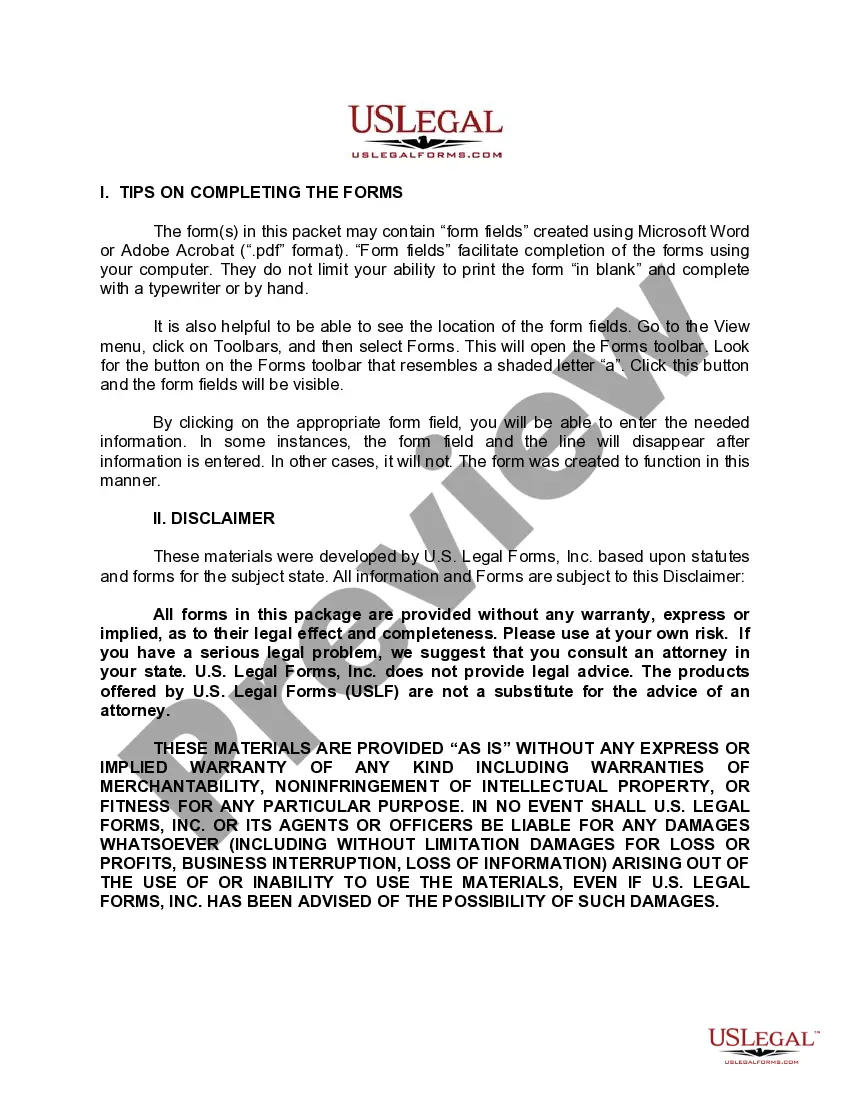
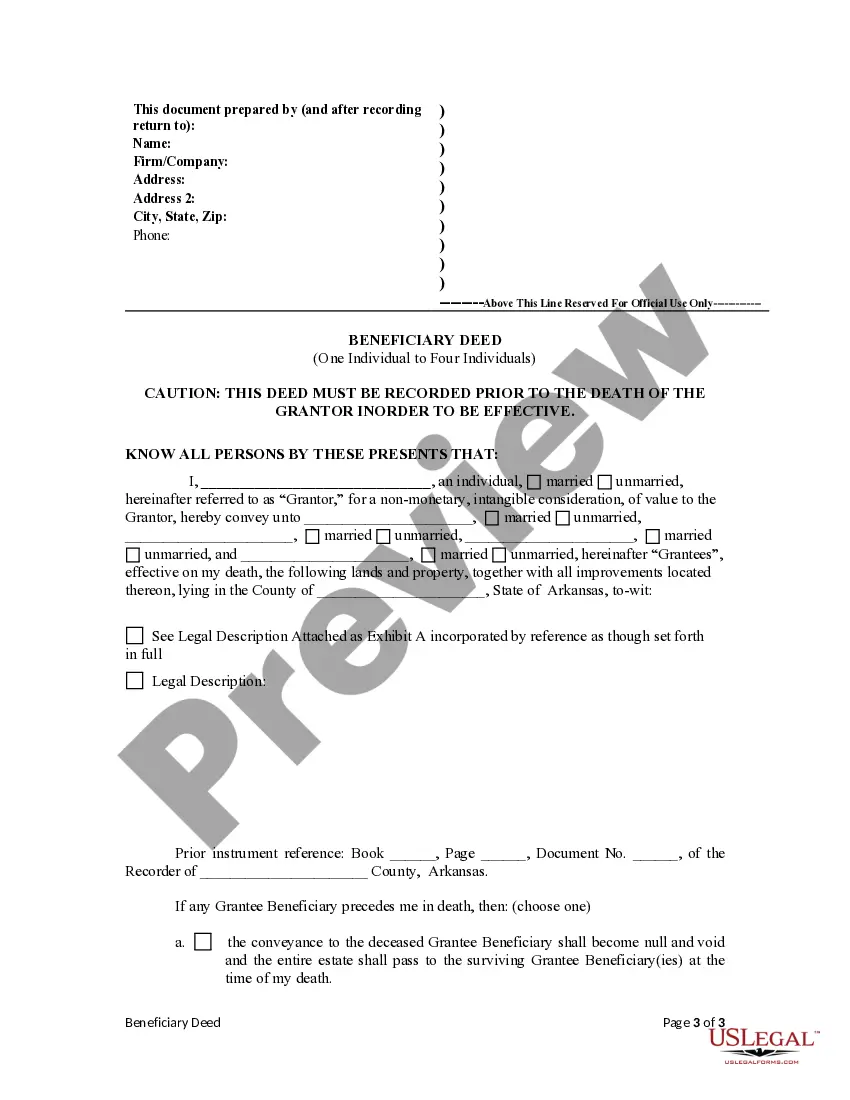
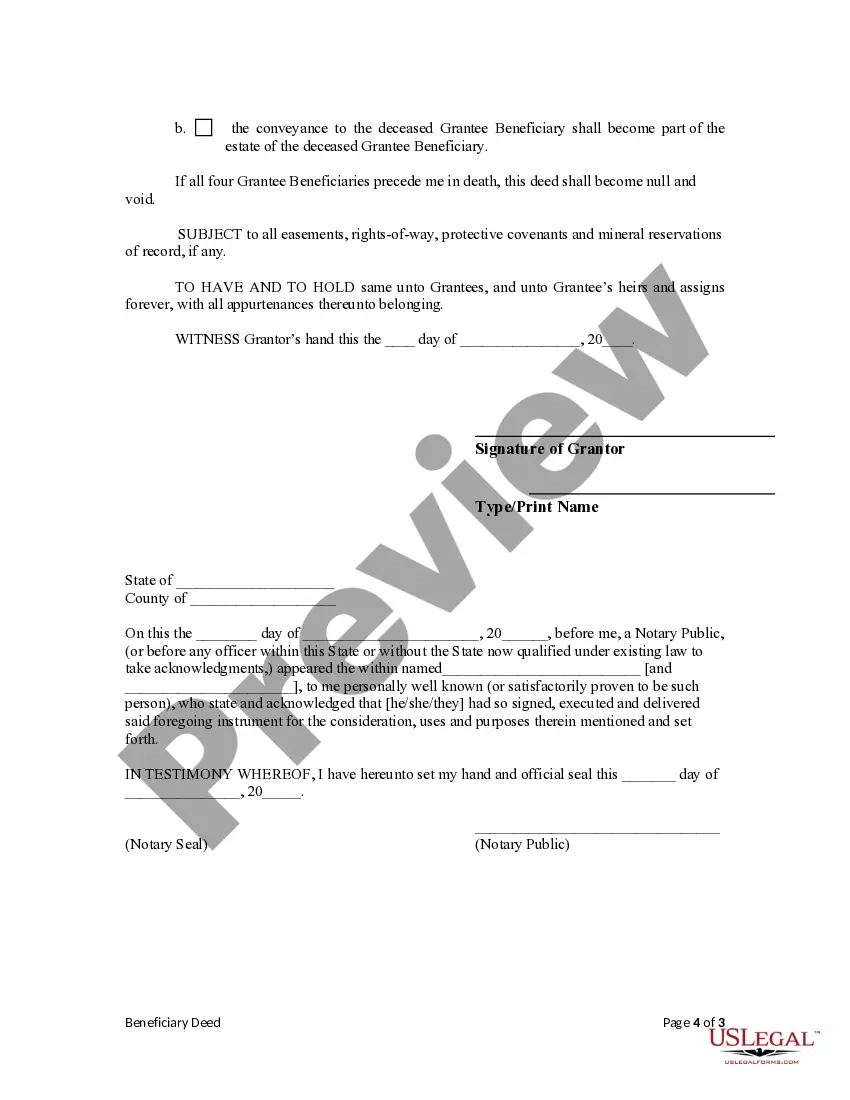



Get your form ready online
Our built-in tools help you complete, sign, share, and store your documents in one place.
Make edits, fill in missing information, and update formatting in US Legal Forms—just like you would in MS Word.
Download a copy, print it, send it by email, or mail it via USPS—whatever works best for your next step.
Sign and collect signatures with our SignNow integration. Send to multiple recipients, set reminders, and more. Go Premium to unlock E-Sign.
If this form requires notarization, complete it online through a secure video call—no need to meet a notary in person or wait for an appointment.
We protect your documents and personal data by following strict security and privacy standards.

Make edits, fill in missing information, and update formatting in US Legal Forms—just like you would in MS Word.

Download a copy, print it, send it by email, or mail it via USPS—whatever works best for your next step.

Sign and collect signatures with our SignNow integration. Send to multiple recipients, set reminders, and more. Go Premium to unlock E-Sign.

If this form requires notarization, complete it online through a secure video call—no need to meet a notary in person or wait for an appointment.

We protect your documents and personal data by following strict security and privacy standards.
Looking for another form?









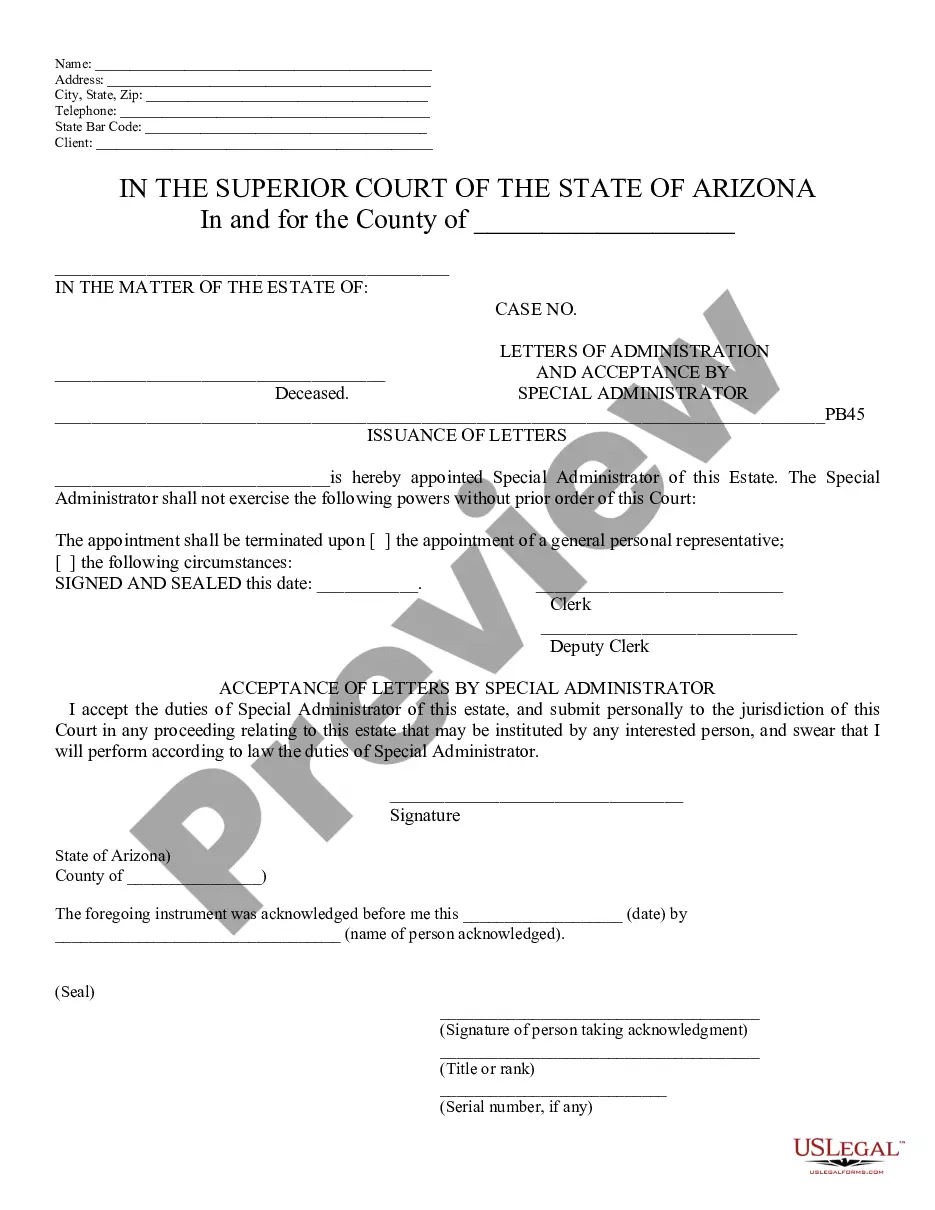
How to fill out Arkansas Transfer On Death Deed Or TOD - Beneficiary Deed For One Individual To Four Individuals?
- Check if you already have a subscription to US Legal Forms. If so, log in to your account and search for the applicable document.
- If you're new to the service, browse the collection for the form you need, ensuring it aligns with your local jurisdiction requirements.
- Utilize the preview and description features to verify that the form meets your specific needs before proceeding.
- Purchase the necessary document by clicking the Buy Now button and selecting your preferred subscription plan.
- Complete your purchase by entering your payment details, whether via credit card or PayPal.
- Download the completed template to your device for future use. Access it anytime in the My Forms section of your profile.
By utilizing US Legal Forms, you'll benefit from a comprehensive array of legal documents and the option to connect with experts for assistance, ensuring your transfer death TOD is executed accurately.
Don’t hesitate to start your legal documentation journey today. Visit US Legal Forms and get your document now!
Form popularity
FAQ
An attorney is not required to set up a Transfer on Death (TOD) deed, but seeking legal advice can be beneficial. Each state's laws vary, and understanding them can lead to better outcomes for your estate plan. Using US Legal Forms, you can create a TOD deed on your own while also having access to expert guidance if needed. This approach empowers you to make informed choices about transferring your property.
The best way to leave property depends on your specific circumstances and goals. A Transfer on Death (TOD) deed can be an excellent option for many, as it allows direct and immediate transfer without going through probate. Alternatively, you may consider a will or living trust based on your assets and family dynamics. US Legal Forms provides comprehensive resources to help you determine the optimal method for your situation.
You do not necessarily need a lawyer to create a Transfer on Death (TOD) deed, but it can be very helpful. Using US Legal Forms, you can access resources and templates designed to facilitate this process. It is essential to ensure that you understand your state's specific laws regarding TODs to avoid potential pitfalls. Working with a professional can provide additional peace of mind.
Typically, you must transfer the deed after death promptly to comply with state laws regarding the transfer death TOD with a life. While some states may provide specific time frames, acting sooner rather than later is advisable to ensure a smooth transfer for beneficiaries. Using platforms like USLegalForms can simplify this process by providing the necessary documents and guidance.
A transfer death TOD with a life does not inherently avoid inheritance tax; that depends on individual state laws. While the TOD can simplify the transfer and avoid probate, it’s important to understand the tax implications that may arise. Seeking advice from a qualified professional can help clarify these details for your situation.
Generally, properties transferred via TOD are not subject to income tax. However, state inheritance taxes may apply depending on the value and specific laws in your area. It's wise to consult with a tax professional to fully understand how a transfer death TOD with a life may affect your tax situation.
While it is not legally required to have a lawyer for a transfer death TOD with a life, consulting one can be beneficial. A lawyer can help you navigate any complexities related to the deed and provide guidance tailored to your specific situation. This can ensure that the transfer aligns with your intentions and state laws.
Yes, transfer death TOD with a life allows beneficiaries to inherit assets without going through probate. This process saves time and reduces costs associated with probate court. Overall, it streamlines the transfer of property, ensuring that your loved ones receive their inheritance more efficiently.
A significant downside of a life estate is the lack of flexibility in property usage. The person holding the life estate cannot sell, mortgage, or alter the property without the consent of the remainderman. Additionally, if unexpected circumstances arise, like financial needs, it can become challenging to manage your assets effectively.
Choosing between a TOD and a beneficiary designation depends on your specific circumstances and goals. A TOD allows for a smooth transition of property without probate, while a beneficiary designation may apply to various financial accounts. Evaluating your situation can help determine which option serves your needs best.