Transfer Death Deed Beneficiary With The Inheritance Payment
Description
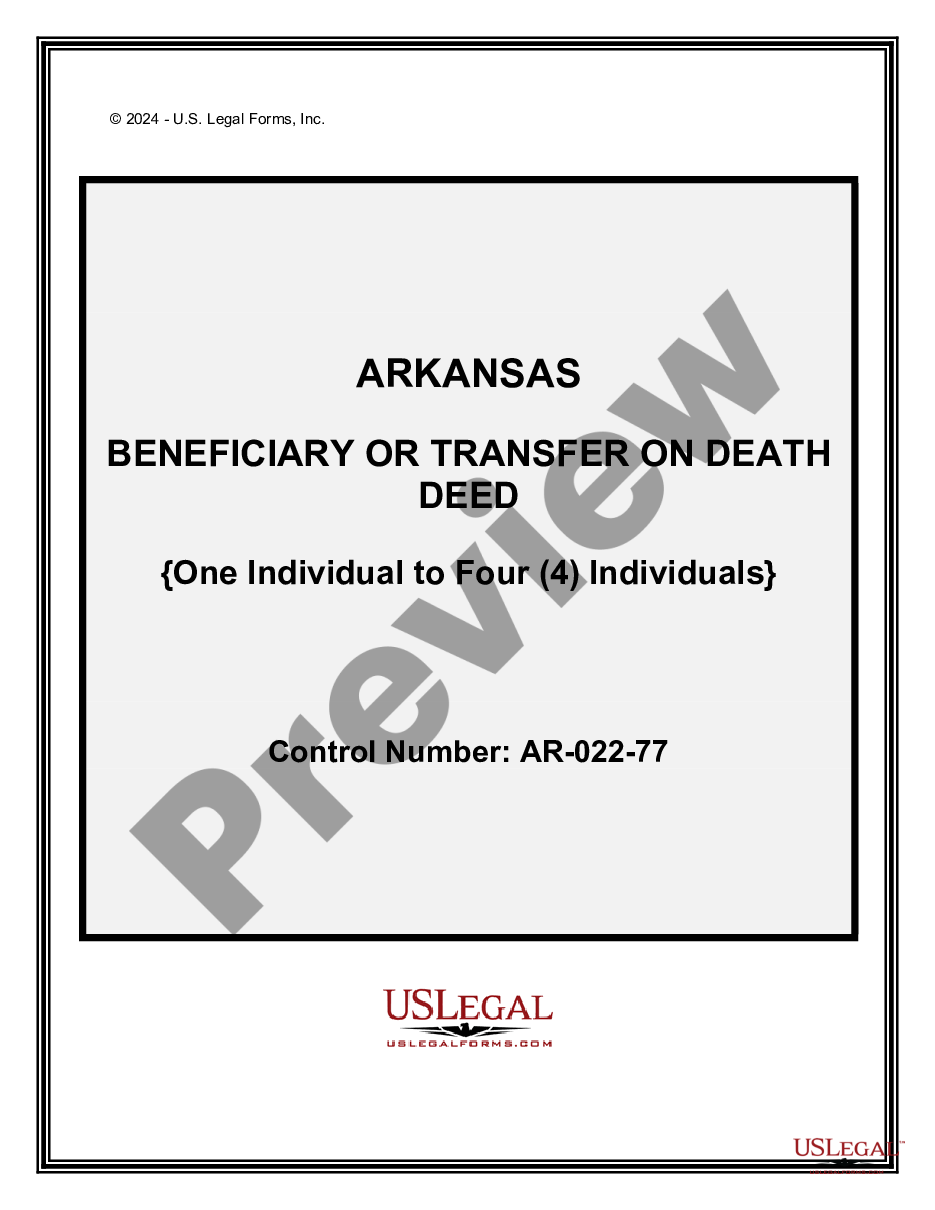
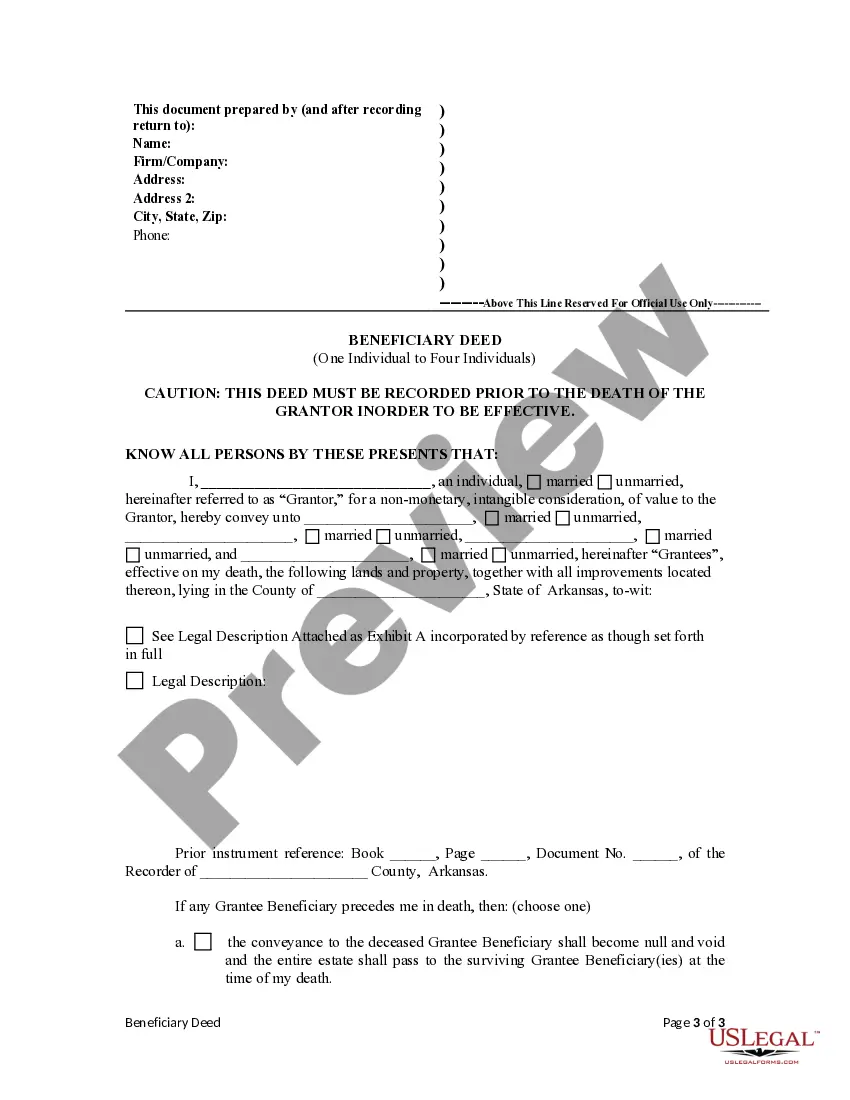
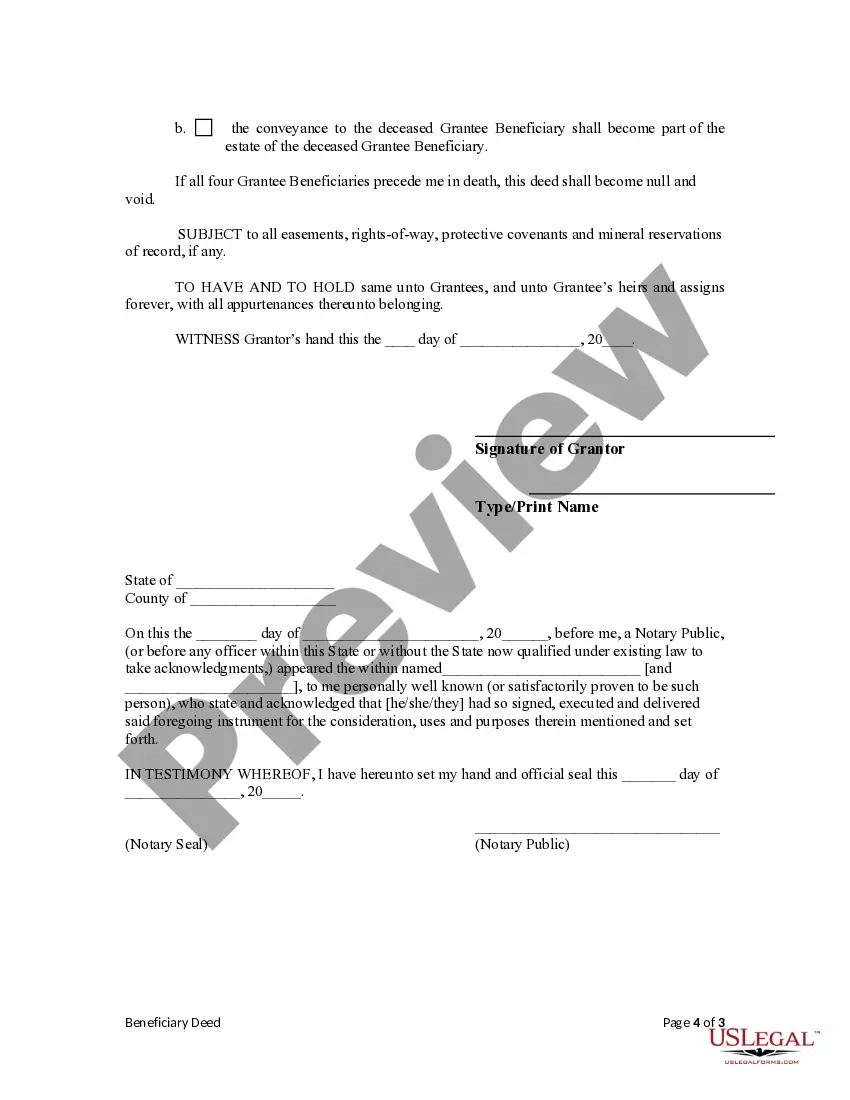


Get your form ready online
Our built-in tools help you complete, sign, share, and store your documents in one place.
Make edits, fill in missing information, and update formatting in US Legal Forms—just like you would in MS Word.
Download a copy, print it, send it by email, or mail it via USPS—whatever works best for your next step.
Sign and collect signatures with our SignNow integration. Send to multiple recipients, set reminders, and more. Go Premium to unlock E-Sign.
If this form requires notarization, complete it online through a secure video call—no need to meet a notary in person or wait for an appointment.
We protect your documents and personal data by following strict security and privacy standards.

Make edits, fill in missing information, and update formatting in US Legal Forms—just like you would in MS Word.

Download a copy, print it, send it by email, or mail it via USPS—whatever works best for your next step.

Sign and collect signatures with our SignNow integration. Send to multiple recipients, set reminders, and more. Go Premium to unlock E-Sign.

If this form requires notarization, complete it online through a secure video call—no need to meet a notary in person or wait for an appointment.

We protect your documents and personal data by following strict security and privacy standards.
Looking for another form?










How to fill out Arkansas Transfer On Death Deed Or TOD - Beneficiary Deed For One Individual To Four Individuals?
- Log into your US Legal Forms account. If you're a returning user, simply log in and download your required form template by clicking the Download button.
- If this is your first visit, assess the Preview mode and form descriptions to choose the correct legal document that meets your specific needs and complies with local jurisdiction.
- Utilize the Search tab to find any additional templates if necessary. Ensure the selected form fulfills all your requirements before proceeding.
- Purchase the document by clicking the Buy Now button and selecting a preferred subscription plan. You will need to register an account for full access.
- Complete the payment process by entering your credit card information or using your PayPal account to finalize the subscription.
- Download your completed form. Save it on your device for easy access, which you can revisit anytime from the My Forms section of your profile.
With US Legal Forms, you’re not just getting a document; you're gaining access to a vast collection of over 85,000 fillable and editable legal forms. Their library is more robust than many competitors, ensuring you find what you need efficiently.
In conclusion, transferring a death deed beneficiary with the inheritance payment is simplified with US Legal Forms. Experience convenience and accuracy in legal documentation by signing up today!
Form popularity
FAQ
The primary difference between a Transfer on Death (TOD) and a beneficiary designation lies in their application. A TOD primarily concerns real estate, enabling direct transfers of property to beneficiaries without probate. Conversely, a beneficiary designation may apply to various assets, such as bank accounts and insurance policies. Understanding how to transfer death deed beneficiary with the inheritance payment is crucial in selecting the best option for your estate plan.
To write a beneficiary deed, start by clearly defining the property you wish to transfer and the intended beneficiary. Include necessary legal language that specifies how the transfer will occur upon your death. As you transfer the death deed beneficiary with the inheritance payment in mind, consider consulting a legal professional or using the resources provided by uslegalforms to ensure your deed meets all state requirements.
TOD accounts can be a good idea for some individuals looking for a way to simplify the transfer of assets after death. They allow you to transfer your death deed beneficiary with the inheritance payment seamlessly, bypassing the complex probate process. However, it's important to evaluate your situation, as TOD accounts may not be suitable for everyone, especially if you have varying beneficiary needs or desire greater control over your assets.
Choosing between a Transfer on Death (TOD) and a designated beneficiary often comes down to your specific circumstances. While a TOD allows for direct property transfer to a beneficiary without going through probate, naming a beneficiary after death may provide more flexibility in handling your assets. Carefully consider how you wish to transfer death deed beneficiaries with the inheritance payment, as each option has its unique advantages.
One disadvantage of a Transfer on Death (TOD) deed is that it may limit your control over the property during your lifetime. If you transfer the death deed beneficiary with the inheritance payment in mind, any transfer of ownership occurs automatically at your death. This means, if circumstances change, it might not be easy to revoke or modify the agreement, leading to fixed outcomes that may not reflect your current wishes.
A transfer death deed beneficiary with the inheritance payment does not automatically exempt the beneficiary from inheritance tax. The property may still be subject to state inheritance laws. Therefore, it's vital to check local regulations and make well-informed decisions regarding tax obligations linked to the transfer of property.
After a person's death, the transfer of a deed usually needs to occur within a specific time frame, often extending up to a few months. According to the law, you should act promptly to ensure the transfer is in line with estate planning goals. Delaying may complicate or affect the inheritance payment. Consulting services like US Legal Forms can provide guidance on timely transfers.
Yes, transfer death deed beneficiary with the inheritance payment typically allows you to bypass probate. This process can save time and reduce legal fees since the property automatically goes to the beneficiary upon death. However, handles must be alert as not all assets transfer this way. Clarifying such details can enhance your estate planning.
While a transfer on death (TOD) deed offers advantages, it also has downsides. For instance, once you designate a beneficiary, you lose control over the property's future transfers. Additionally, the deed does not protect against creditors, meaning any debts owed by the deceased may still affect the property. Understanding these aspects helps in making informed decisions.
Transfer death deed beneficiary with the inheritance payment may lead to tax implications. Generally, the value of the property transferred is not considered income for the beneficiary. However, inheritance tax rules can differ by state. Therefore, it's important to consult with a tax professional to understand specific obligations.