Legal Fees For Settlement Agreement
Description


Get your form ready online
Our built-in tools help you complete, sign, share, and store your documents in one place.
Make edits, fill in missing information, and update formatting in US Legal Forms—just like you would in MS Word.
Download a copy, print it, send it by email, or mail it via USPS—whatever works best for your next step.
Sign and collect signatures with our SignNow integration. Send to multiple recipients, set reminders, and more. Go Premium to unlock E-Sign.
If this form requires notarization, complete it online through a secure video call—no need to meet a notary in person or wait for an appointment.
We protect your documents and personal data by following strict security and privacy standards.

Make edits, fill in missing information, and update formatting in US Legal Forms—just like you would in MS Word.

Download a copy, print it, send it by email, or mail it via USPS—whatever works best for your next step.

Sign and collect signatures with our SignNow integration. Send to multiple recipients, set reminders, and more. Go Premium to unlock E-Sign.

If this form requires notarization, complete it online through a secure video call—no need to meet a notary in person or wait for an appointment.

We protect your documents and personal data by following strict security and privacy standards.
Looking for another form?






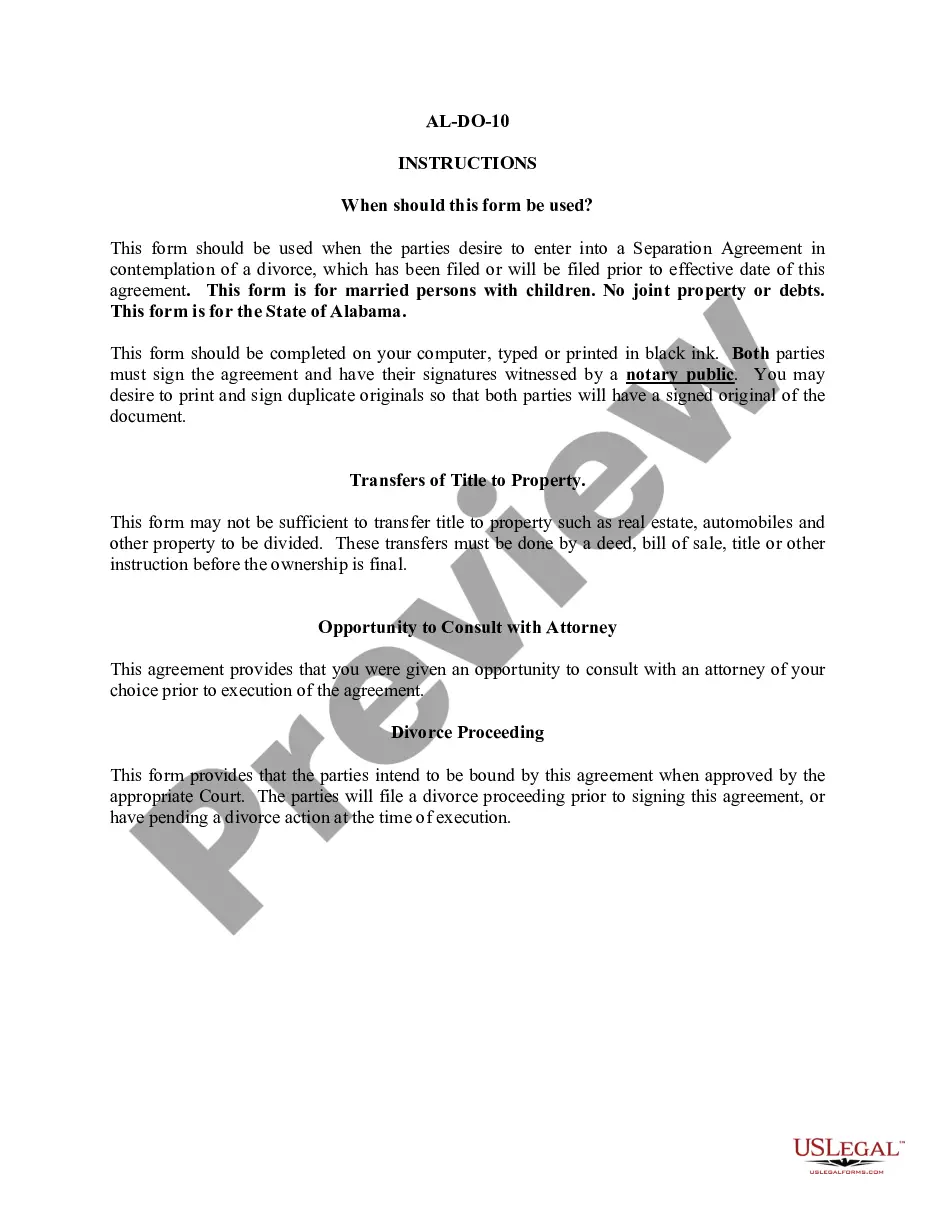
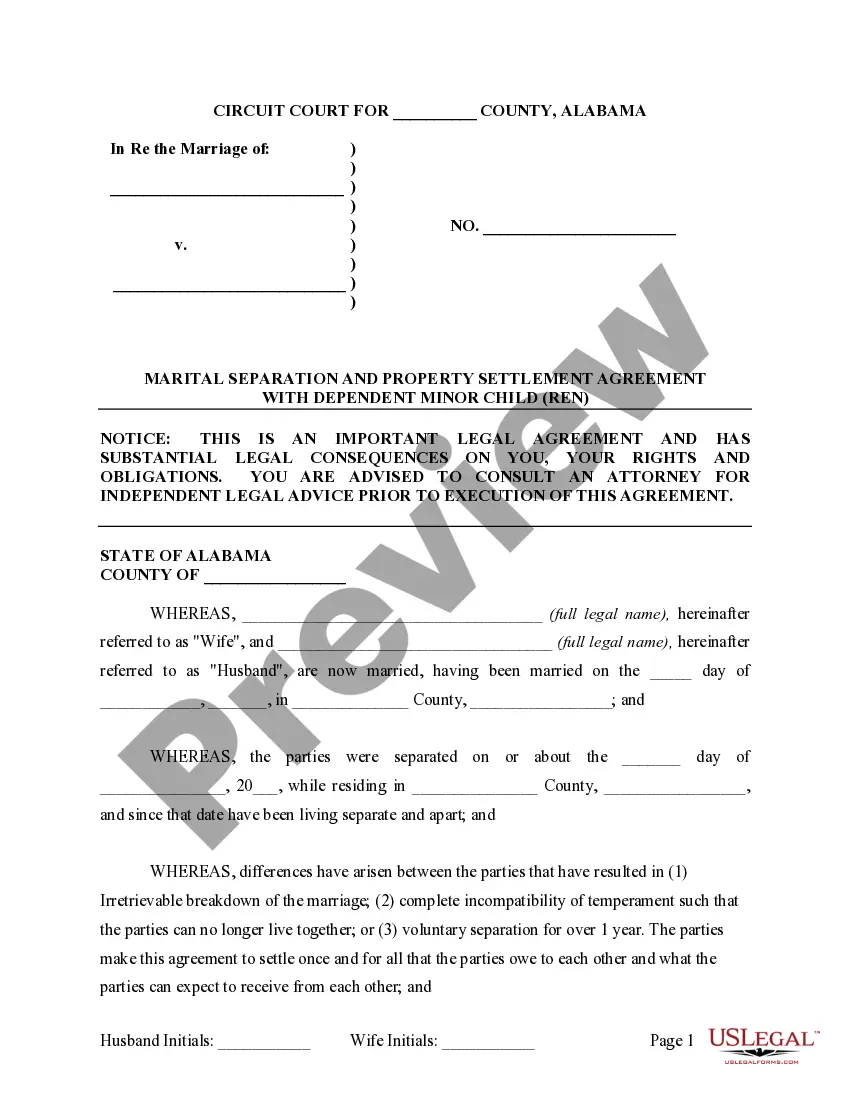
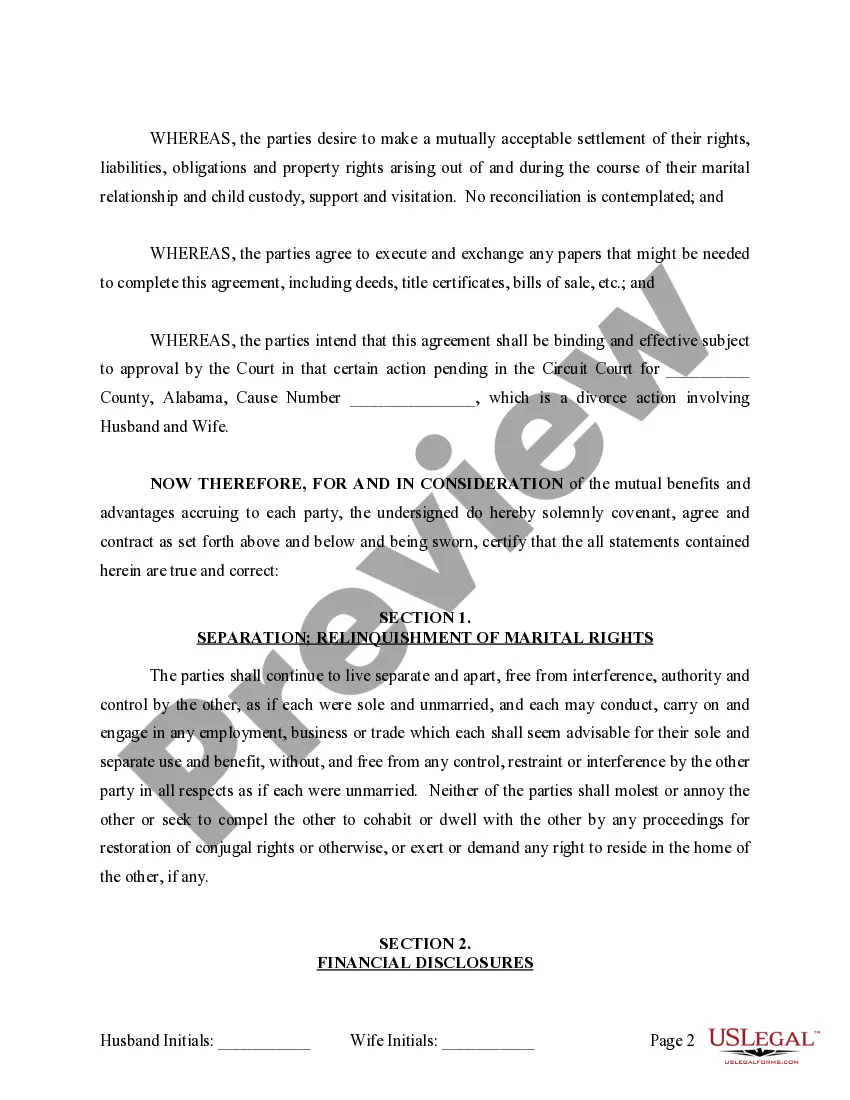
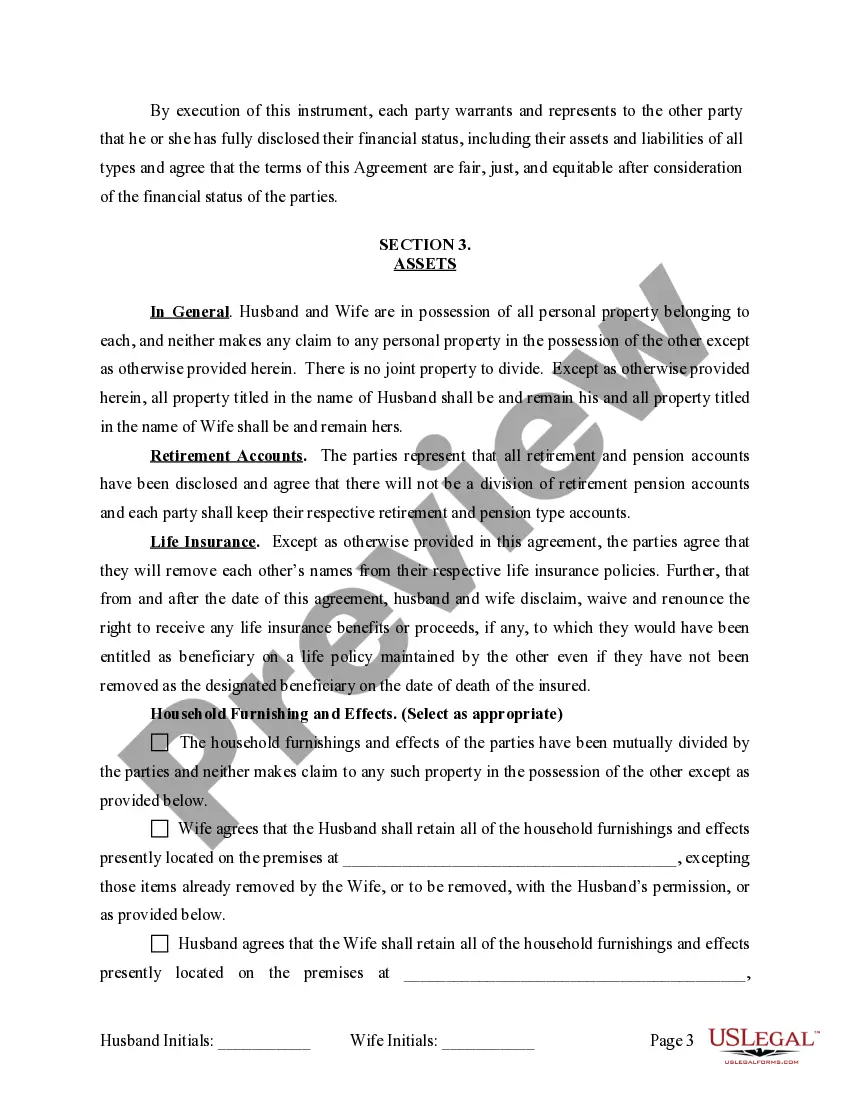
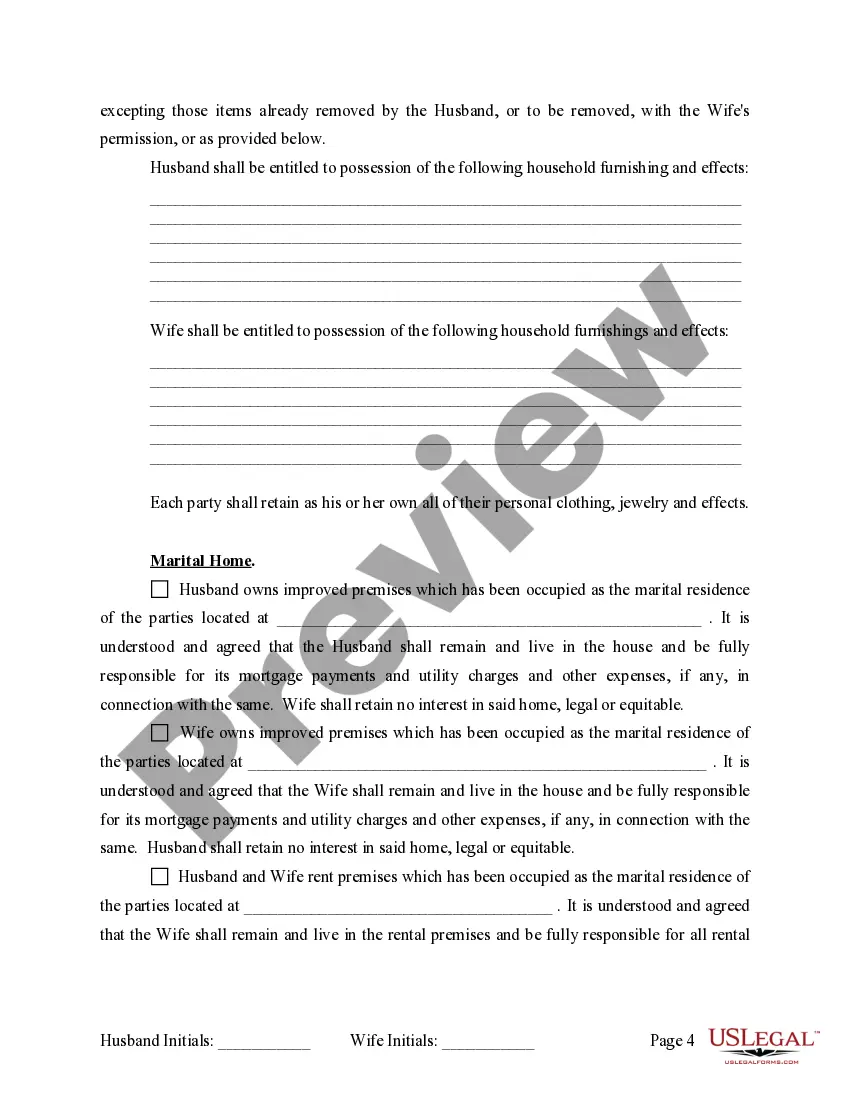
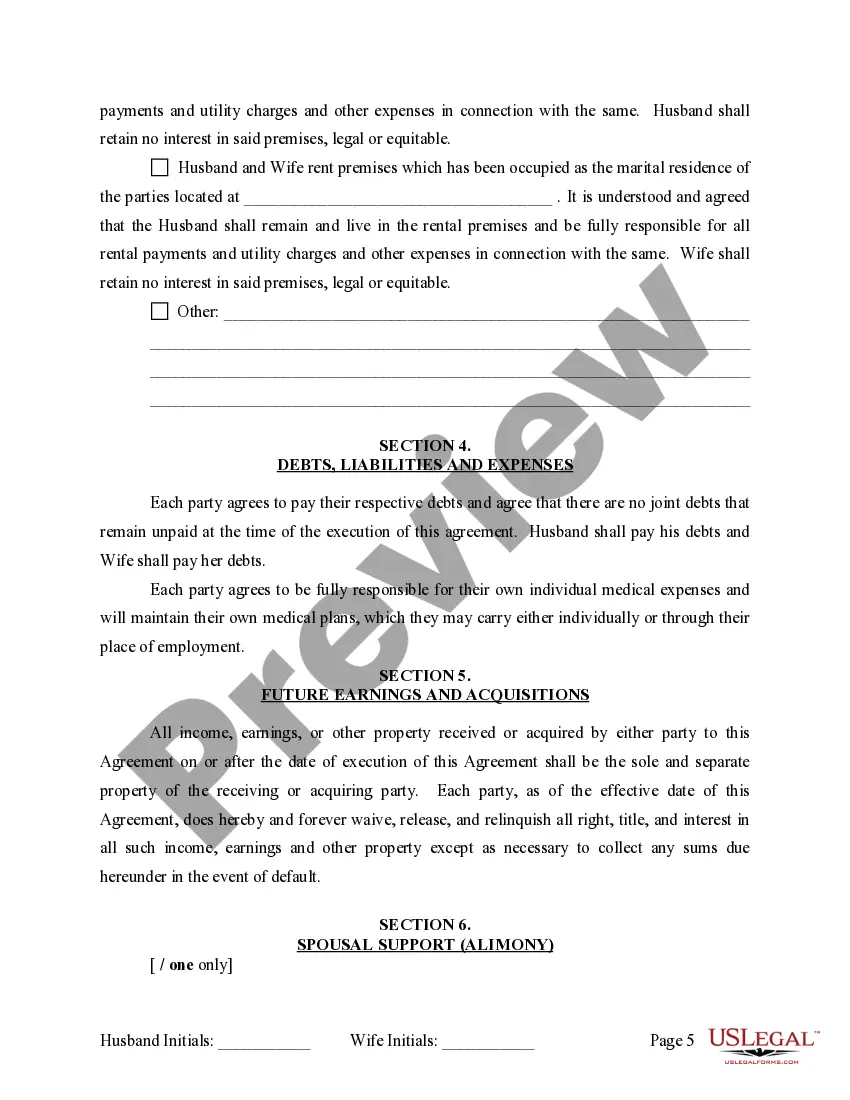
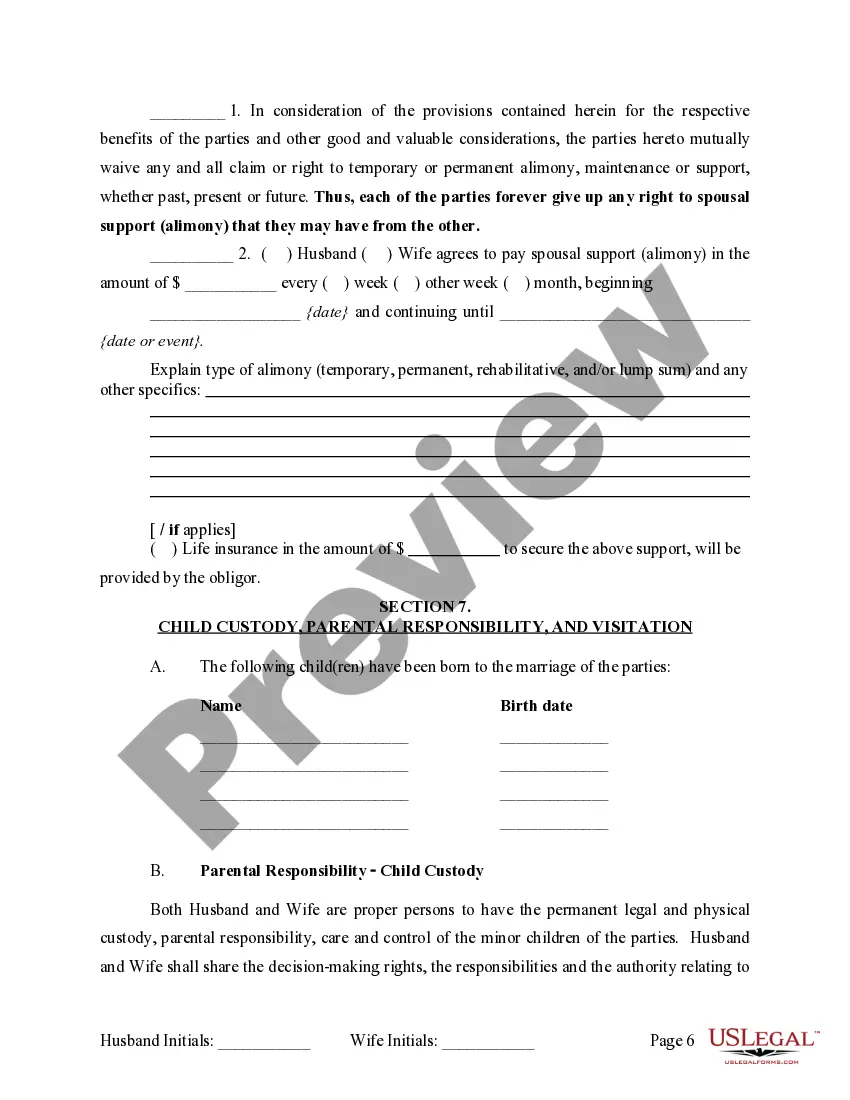
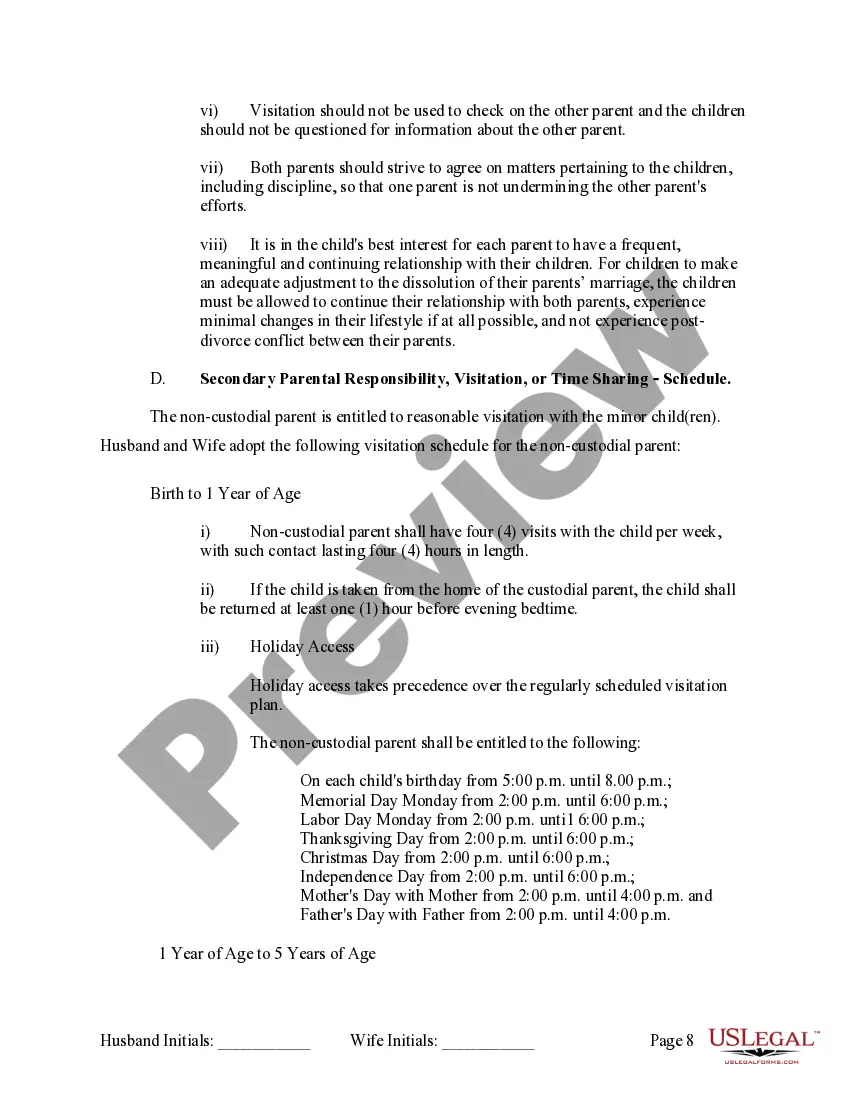
How to fill out Alabama Marital Legal Separation And Property Settlement Agreement Where Minor Children And No Joint Property Or Debts And Divorce Action Filed?
- If you are a returning user, log in to your account to access and download the needed template. Ensure your subscription is active, or renew it as required.
- For first-time users, start by browsing the Preview mode and reviewing the form description. Confirm that you have selected a form that suits your needs and adheres to local jurisdiction requirements.
- If the current form doesn’t meet your needs, utilize the Search tab above to find the appropriate template. Once you identify a suitable option, proceed to the next step.
- Purchase the necessary document by clicking the Buy Now button and selecting your desired subscription plan. You will need to register an account to access the resources available.
- Complete your purchase by entering your credit card information or using your PayPal account for payment.
- Once your transaction is confirmed, download the form to your device and save it for completion. You can also access it through the My Forms section of your profile whenever needed.
By leveraging US Legal Forms, you ensure that your documents are legally sound and tailored to your needs, supported by a team of premium experts available to assist with form completion.
Don’t hesitate to start your journey today; access the comprehensive library of US Legal Forms to simplify your legal processes!
Form popularity
FAQ
Yes, settlements often need to be reported to the IRS. This requirement can vary based on the type and amount of the settlement. If legal fees for a settlement agreement influence your taxable income, it’s essential to assist your tax professional with necessary documentation to ensure accurate reporting.
When you receive a settlement check, it’s important to report it appropriately on your taxes. Depending on the nature of the settlement, you may need to include it as income. Consult IRS guidelines or a tax advisor to determine how to report legal fees for settlement agreements effectively and ensure you meet all requirements.
To expense legal fees for a settlement agreement, you should categorize the costs under business expenses if applicable. Make sure to keep detailed records and receipts to support these expenses during tax season. If you're uncertain about the correct categorization, using a platform like uslegalforms can help ensure you follow the right procedures.
Legal fees for settlement agreements can be tax deductible, depending on your situation. If you incur these fees as part of a business expense, you may be able to deduct them from your taxable income. However, personal legal fees usually don't qualify for deductions. Always consult a tax professional for advice tailored to your specific circumstances.
Yes, in many cases, you can deduct attorney fees from a settlement, but specific rules apply. The IRS allows you to deduct these fees if the settlement is taxable, which is often the case for personal injury settlements. Understanding the implications of legal fees for settlement agreement is crucial, as it can impact your overall tax situation. Always consult with a tax professional to navigate this properly.
When documenting attorney fees, be clear and straightforward. Specify the services rendered, the amounts charged, and include all legal fees for settlement agreements, as these are often significant. Proper documentation ensures transparency and can aid in potential tax reporting down the line.
Yes, legal settlements can be reportable on a 1099, particularly if they result in taxable income. If you receive a settlement amount that includes legal fees for settlement agreements, you will likely receive a 1099 for any fees over the applicable reporting threshold. Always consult with a tax professional for guidance specific to your case.
Certain payments are not reportable on a 1099. For instance, personal payments made to individuals, payments for services not exceeding $600, and transactions involving corporations typically fall outside this reporting requirement. However, when it comes to legal fees for settlement agreements, these may be reportable depending on the specific circumstances.
Recording legal fees for settlement agreements involves keeping detailed records of all billable hours and expenses incurred. This can be achieved through accounting software or detailed spreadsheets, ensuring transparency in the billing process. Make sure to categorize your fees clearly and retain copies of invoices and communications with clients. Accurate records not only reflect professionalism but also help in managing finances effectively.
To collect legal fees for settlement agreements, you should first send a formal invoice outlining the services provided. If the fees remain unpaid, you may need to follow up with reminders and communicate openly with your client to resolve any issues. Should these efforts fail, consulting a collections agency may be necessary to recover the funds. Leveraging platforms like USLegalForms can streamline invoicing and tracking of legal fees.