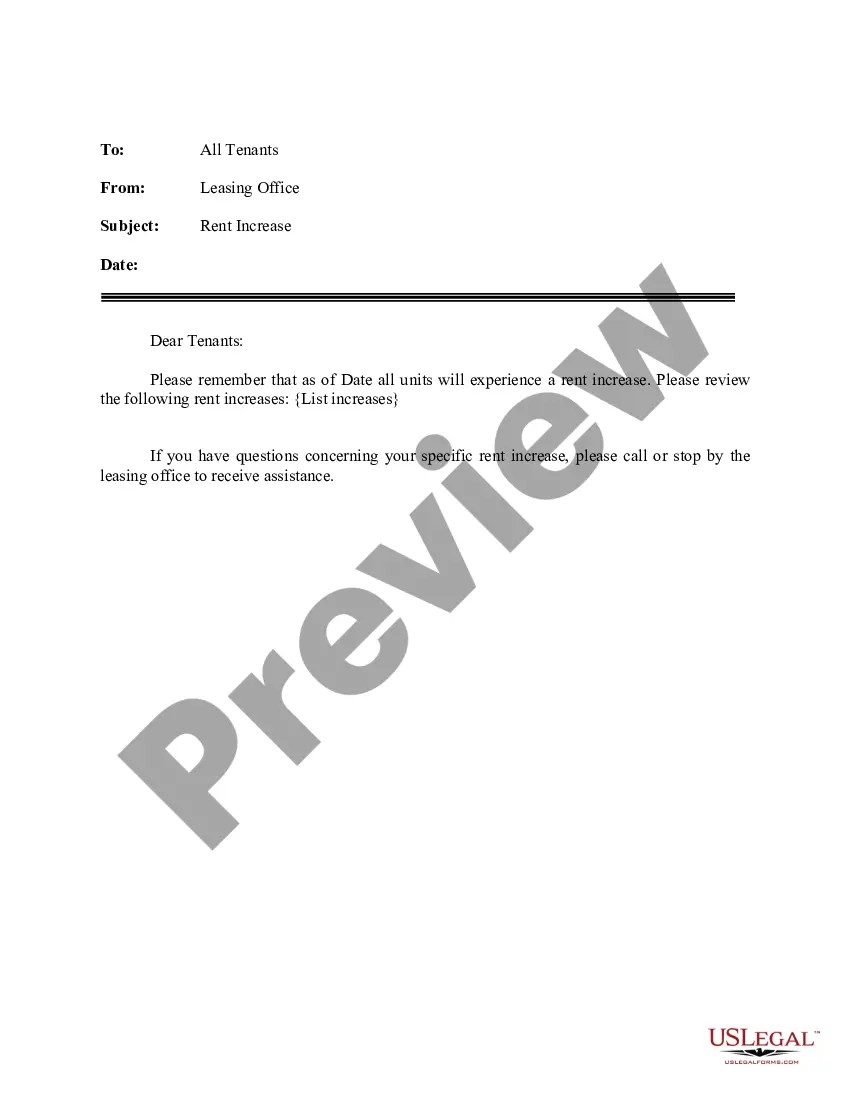
Rent Increase Letter For Commercial Property
Description
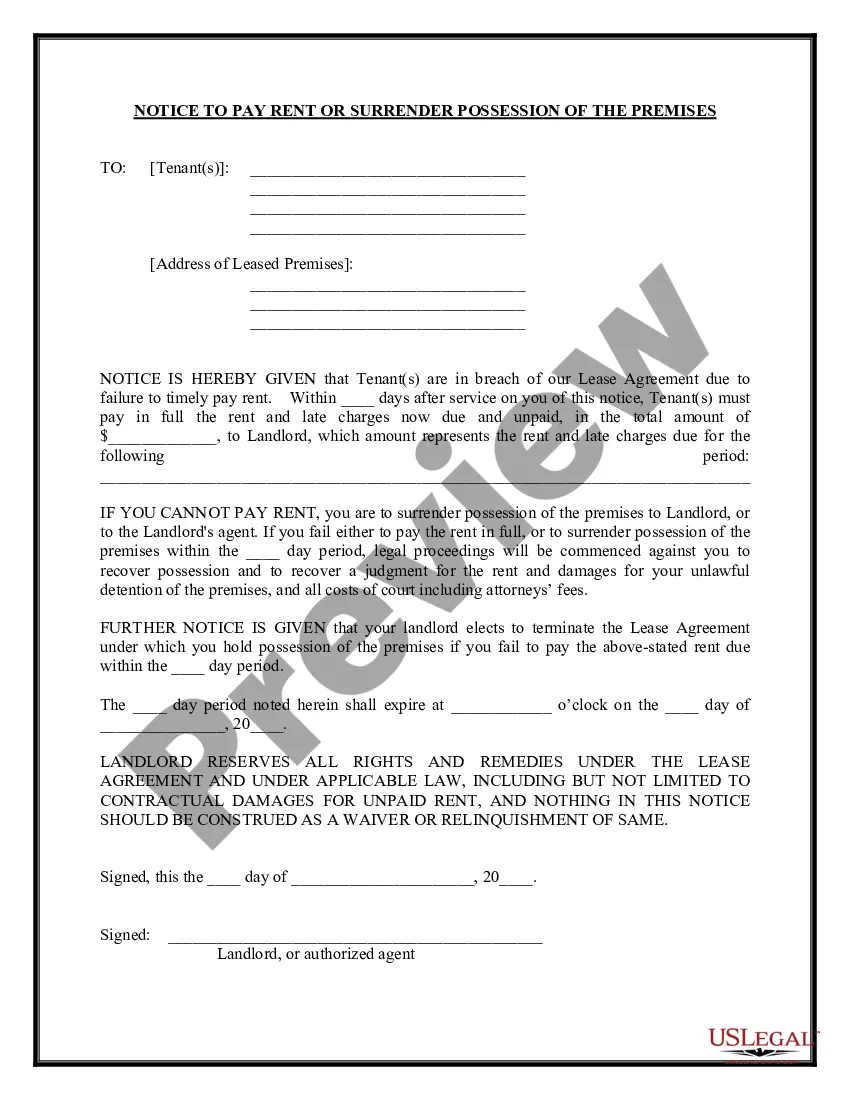
Get your form ready online
Our built-in tools help you complete, sign, share, and store your documents in one place.
Make edits, fill in missing information, and update formatting in US Legal Forms—just like you would in MS Word.
Download a copy, print it, send it by email, or mail it via USPS—whatever works best for your next step.
Sign and collect signatures with our SignNow integration. Send to multiple recipients, set reminders, and more. Go Premium to unlock E-Sign.
If this form requires notarization, complete it online through a secure video call—no need to meet a notary in person or wait for an appointment.
We protect your documents and personal data by following strict security and privacy standards.

Make edits, fill in missing information, and update formatting in US Legal Forms—just like you would in MS Word.

Download a copy, print it, send it by email, or mail it via USPS—whatever works best for your next step.

Sign and collect signatures with our SignNow integration. Send to multiple recipients, set reminders, and more. Go Premium to unlock E-Sign.

If this form requires notarization, complete it online through a secure video call—no need to meet a notary in person or wait for an appointment.

We protect your documents and personal data by following strict security and privacy standards.
Looking for another form?


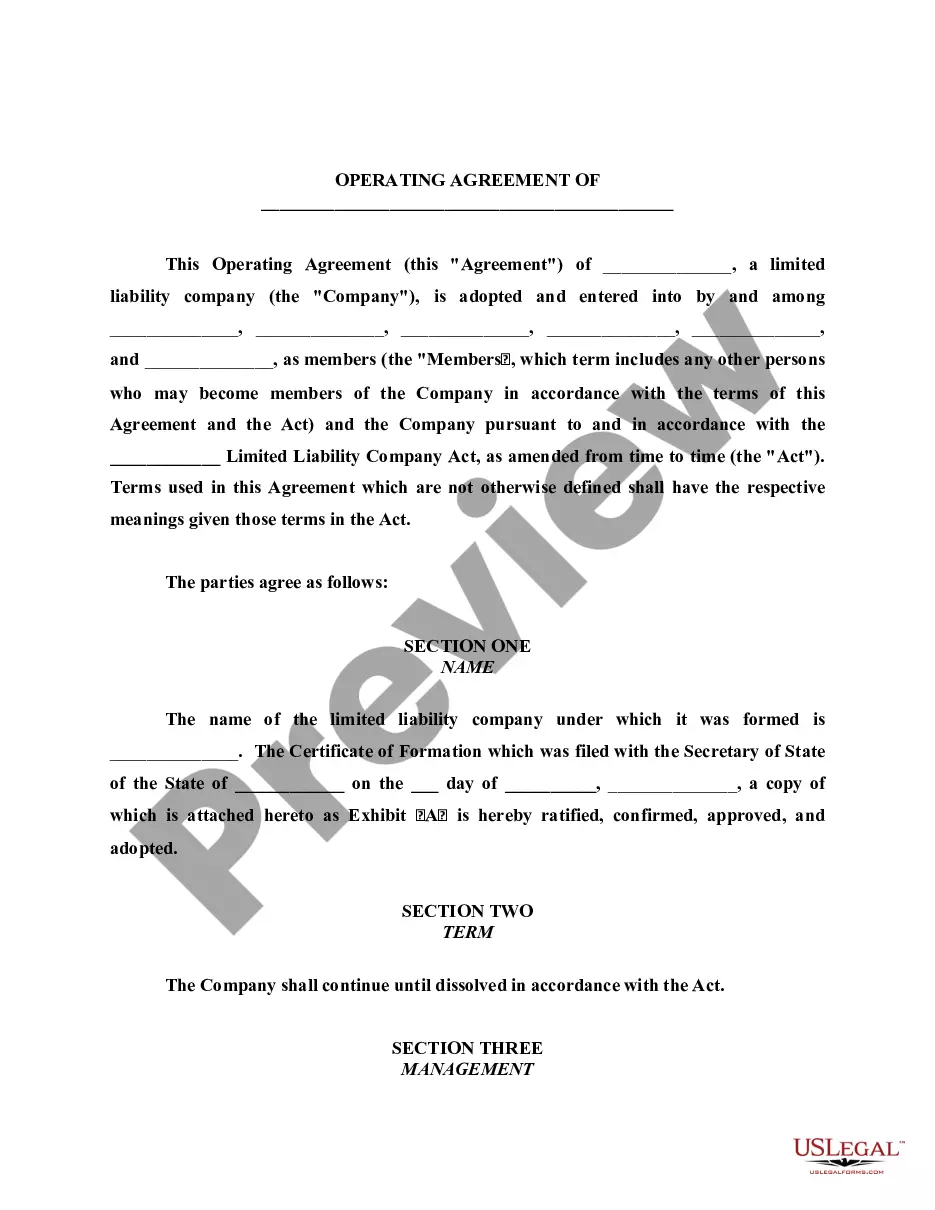
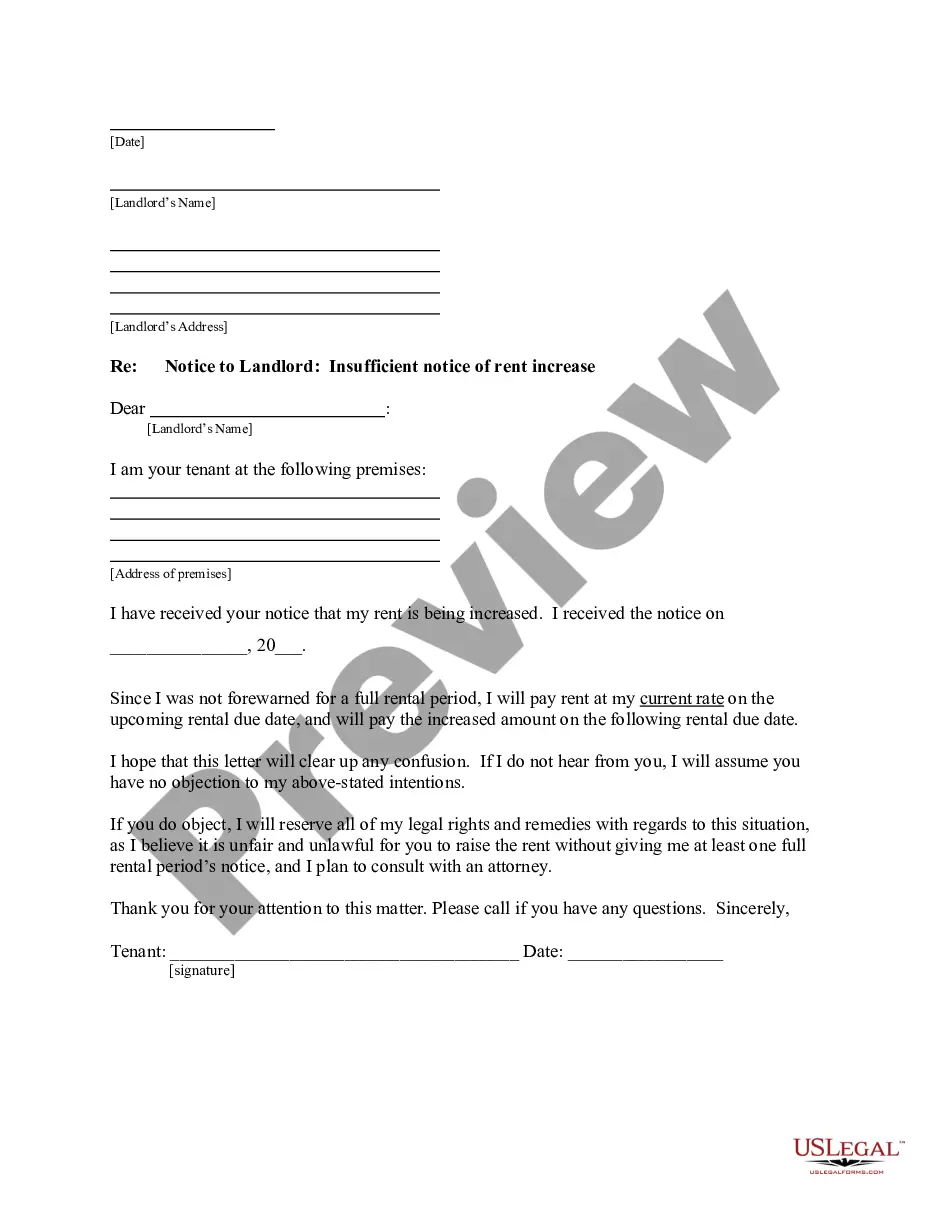
How to fill out Alabama Letter From Tenant To Landlord About Insufficient Notice Of Rent Increase?
- Log in to your US Legal Forms account. If it's your first time, create a new account and explore our vast library of templates.
- Search for the rent increase letter template that fits your specific commercial property needs. Use the description and preview mode to confirm its suitability.
- Purchase the document by selecting the Buy Now option and choosing a subscription plan that fits your requirements. Ensure your account is set up to gain access.
- Complete your transaction using either your credit card or PayPal to secure your subscription.
- Download the rent increase letter template directly to your device, and find it at any time in the My Forms section of your profile.
By following these steps, you can swiftly generate a rent increase letter that adheres to legal standards, giving you peace of mind in your commercial dealings.
Explore the advantages of US Legal Forms today and take control of your legal documentation process! Start by finding the right template to meet your needs.
Form popularity
FAQ
Writing a letter of intent to lease commercial property is straightforward. Begin by outlining your business information and the property details, including location and size. Clearly state your intentions and any specific terms you would like, such as rental rates and lease duration. If you need guidance, using our platform can help you draft a rent increase letter for commercial property, providing you with templates and examples to ensure clarity and professionalism.
When asking your landlord to reduce commercial rent, it is crucial to present your case clearly and respectfully. Highlight any challenges your business faces and different market conditions impacting your rental situation. Documenting your request formally can strengthen your position, so consider drafting a well-thought-out rent increase letter for commercial property that supports your request.
In California, the allowable rent increase for commercial properties generally follows the terms laid out in the lease agreement. There are no strict state regulations capping increases, but market conditions and local ordinances may apply. Therefore, document any changes using a rent increase letter for commercial property to maintain transparent communication.
The average annual increase in commercial rent can vary based on location and market conditions. National trends indicate increases can range from 2% to 6% depending on property type and business conditions. For tailored guidance on how to manage your commercial property agreements, consider utilizing a rent increase letter for commercial property.
Writing a letter about increasing rent involves being direct yet professional. Begin by addressing the tenant and explaining the circumstances leading to the increase. Incorporate gratitude for their tenancy and assure them that the decision aims to align with market rates, bringing clarity around your rent increase letter for commercial property.
When writing a commercial rent increase letter, start with your business name and contact information followed by the recipient's details. Clearly outline the current rent, the new rent amount, and the date the increase will take effect. Ending with a polite invitation for any questions can further assure transparency and understanding regarding the rent increase letter for commercial property.
To write a notice letter for a rent increase, begin by including your details and the tenant’s information. Clearly state the new rental amount, the effective date, and the reason for the increase if applicable. Additionally, a well-crafted rent increase letter for commercial property should be formal and comply with local laws to ensure clarity and legally binding communication.
The average commercial lease increase per year generally falls between 3% and 4%. Factors such as demand, location, and property type can influence this rate. Crafting a rent increase letter for commercial property that reflects current averages can help keep tenants informed and promote a transparent relationship.
The maximum rent increase per year is often dictated by local laws or lease agreements. Many jurisdictions have regulations that limit increases to a specific percentage, ensuring affordability for tenants. Always refer to local regulations when drafting a rent increase letter for commercial property, as compliance is vital.
A fair annual rent increase typically ranges from 2% to 5%, depending on various factors such as location and market conditions. It's crucial to consider inflation, property maintenance costs, and market trends. Including this information in your rent increase letter for commercial property enhances clarity and maintains goodwill with your tenants.