How Do You Respond To A Rent Increase Letter
Description
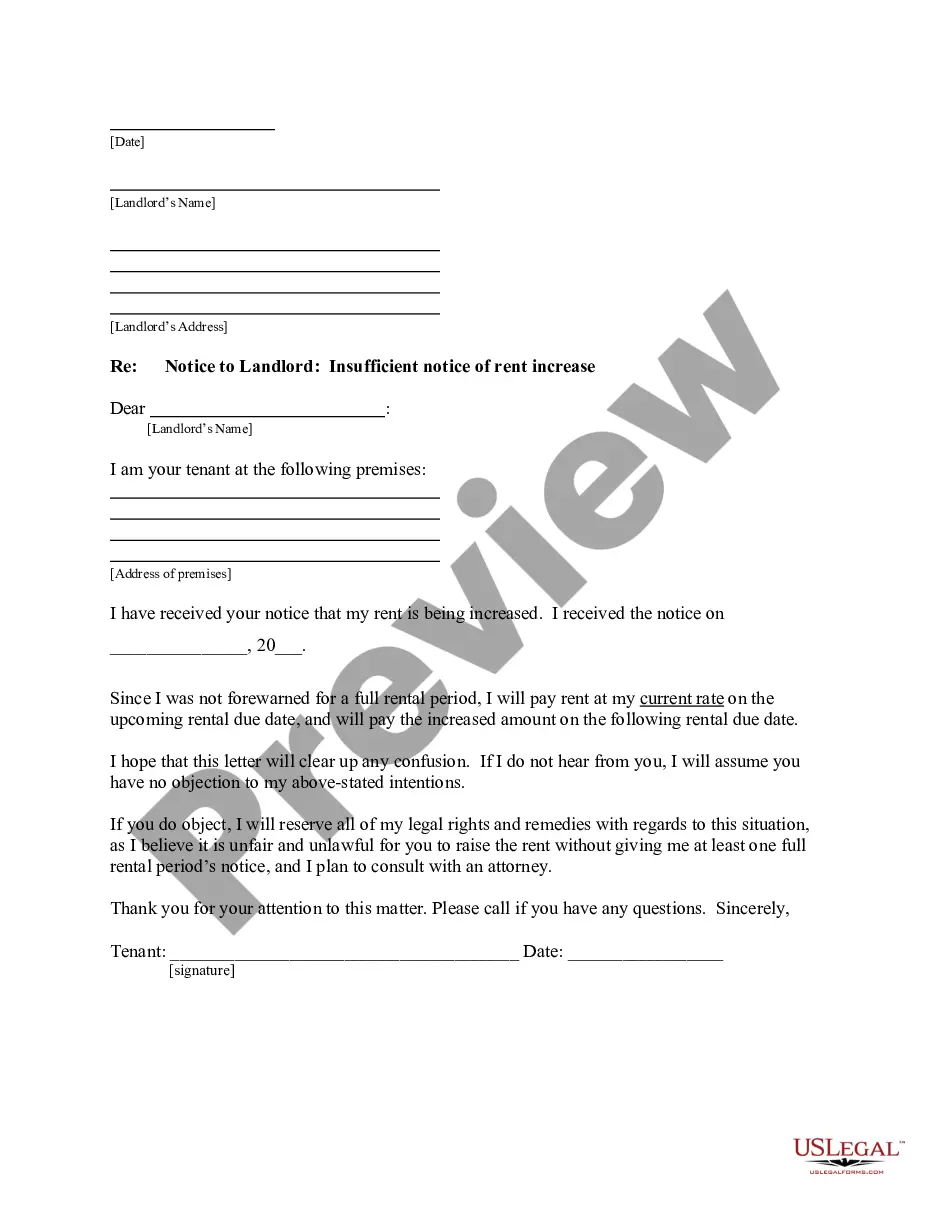
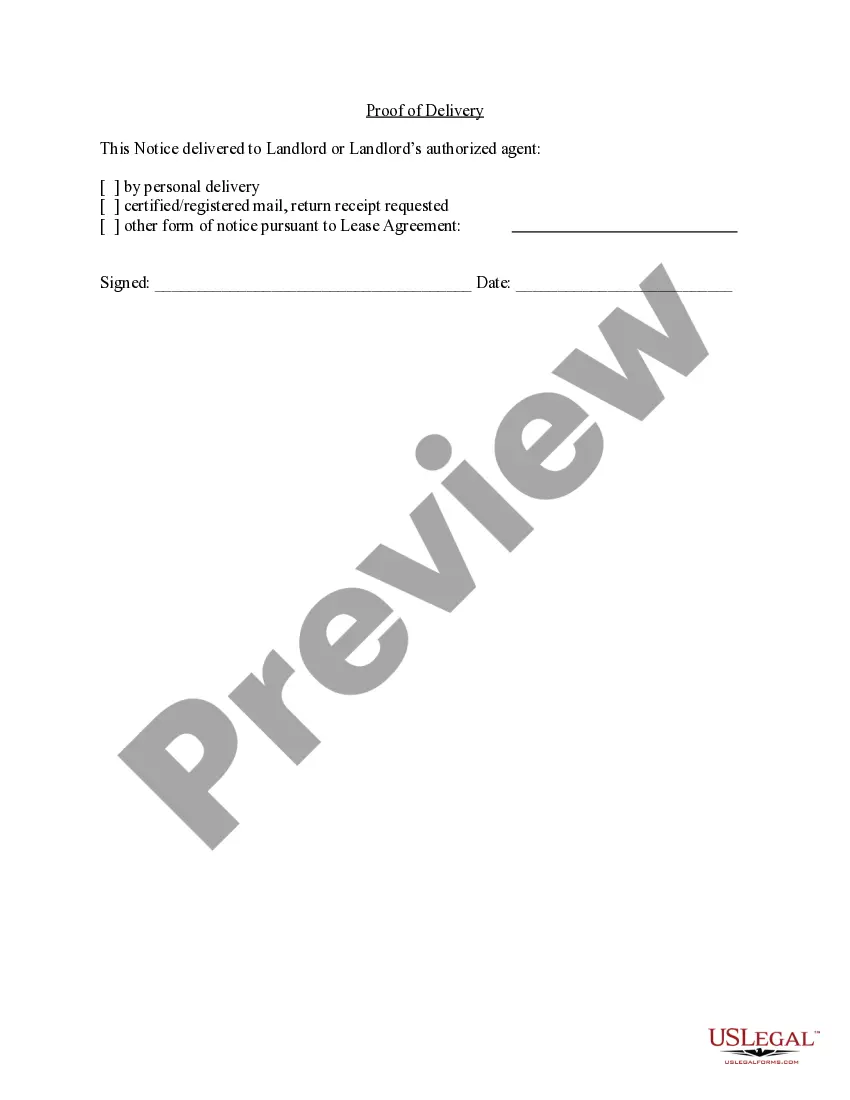
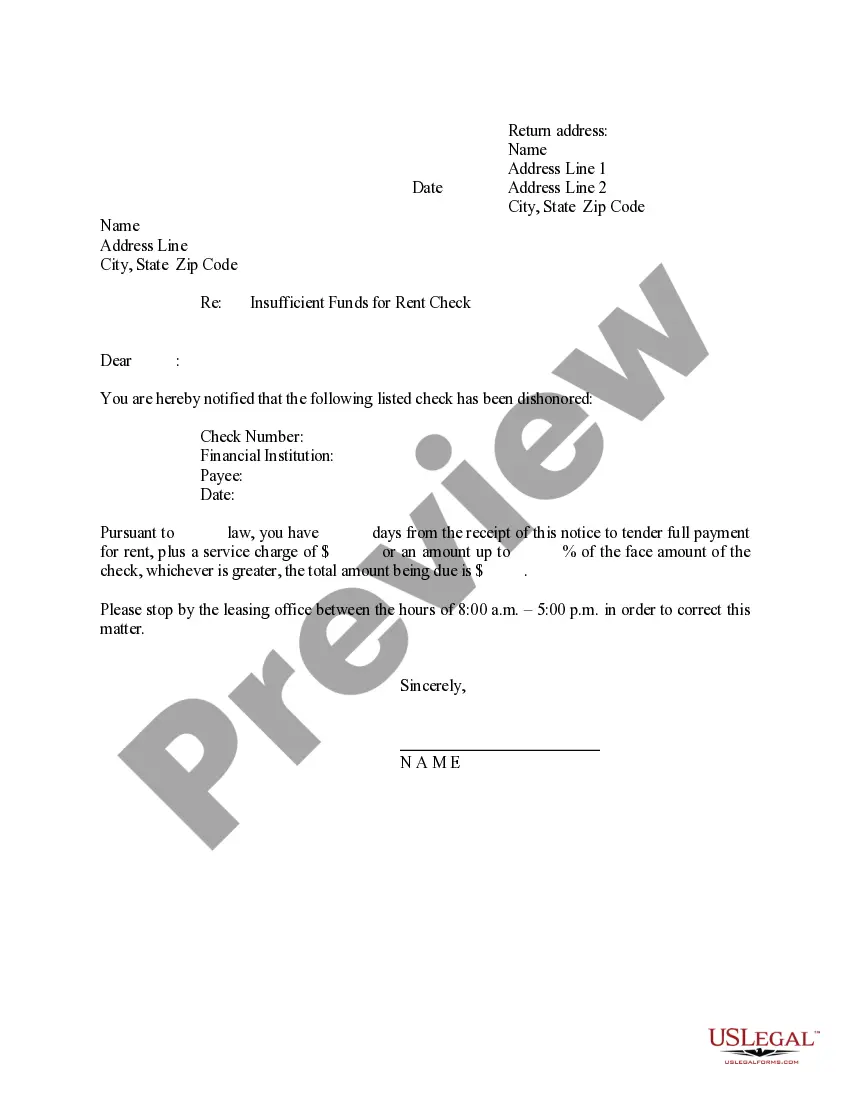
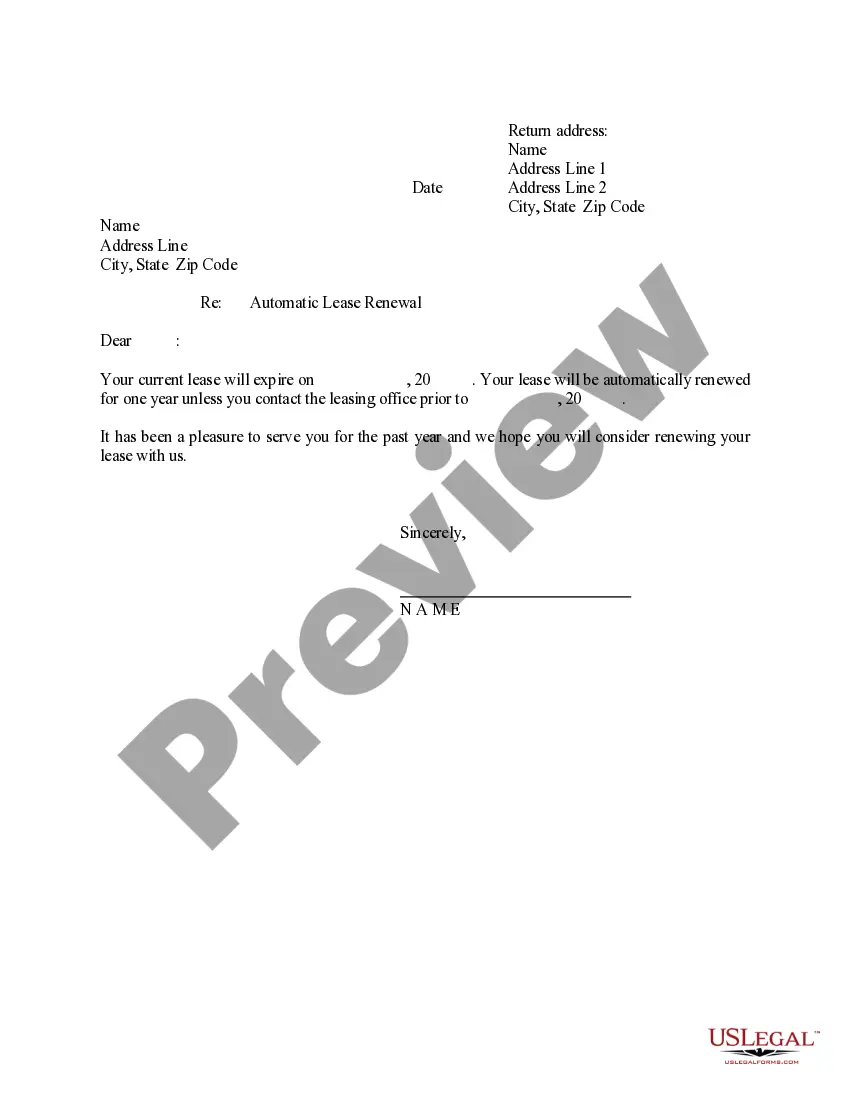
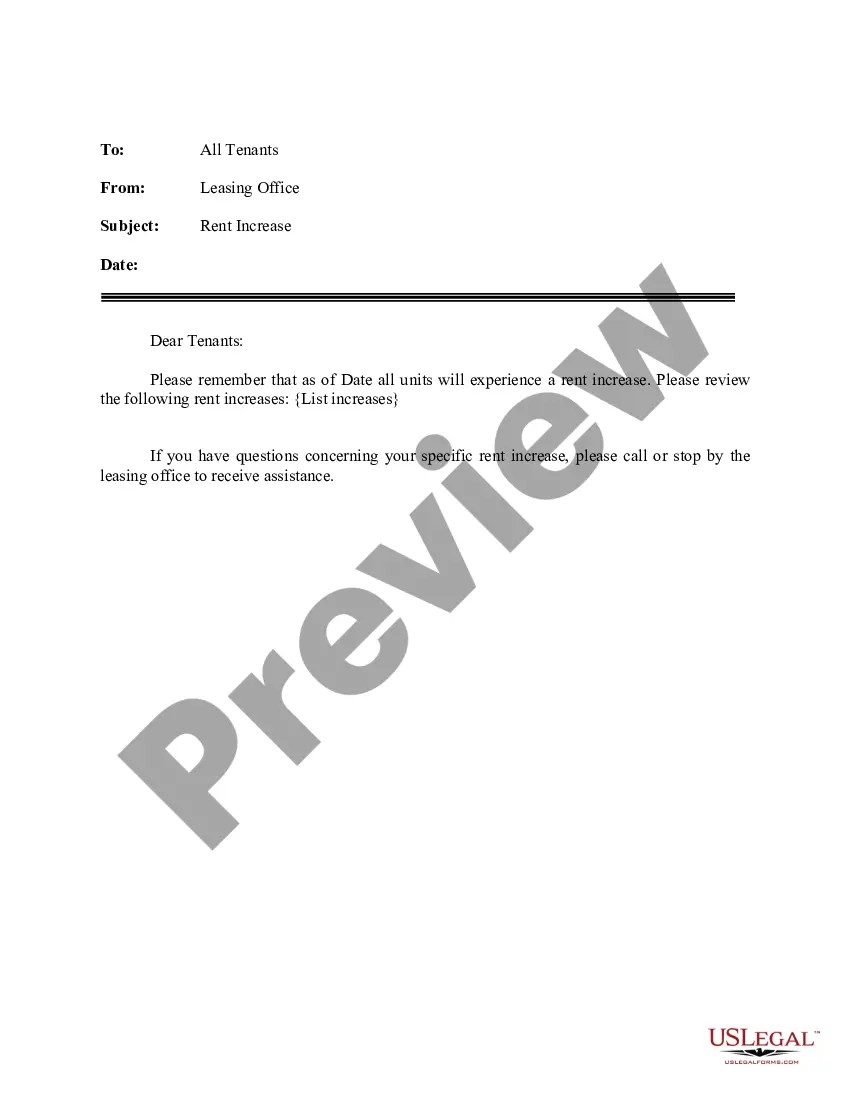

Get your form ready online
Our built-in tools help you complete, sign, share, and store your documents in one place.
Make edits, fill in missing information, and update formatting in US Legal Forms—just like you would in MS Word.
Download a copy, print it, send it by email, or mail it via USPS—whatever works best for your next step.
Sign and collect signatures with our SignNow integration. Send to multiple recipients, set reminders, and more. Go Premium to unlock E-Sign.
If this form requires notarization, complete it online through a secure video call—no need to meet a notary in person or wait for an appointment.
We protect your documents and personal data by following strict security and privacy standards.

Make edits, fill in missing information, and update formatting in US Legal Forms—just like you would in MS Word.

Download a copy, print it, send it by email, or mail it via USPS—whatever works best for your next step.

Sign and collect signatures with our SignNow integration. Send to multiple recipients, set reminders, and more. Go Premium to unlock E-Sign.

If this form requires notarization, complete it online through a secure video call—no need to meet a notary in person or wait for an appointment.

We protect your documents and personal data by following strict security and privacy standards.
Looking for another form?
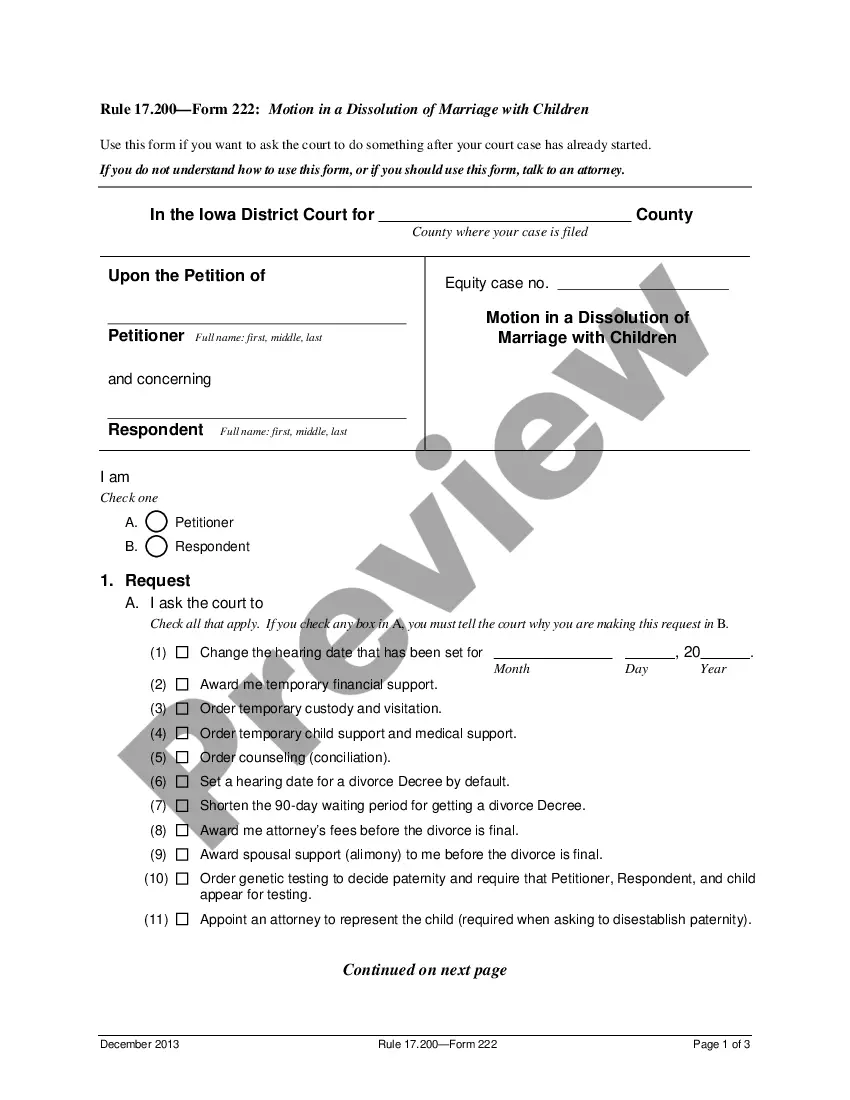
How to fill out Alabama Letter From Tenant To Landlord About Insufficient Notice Of Rent Increase?
- Review the rent increase letter carefully to understand the reasons and terms proposed by your landlord.
- Check your lease agreement to see whether the proposed increase complies with its terms.
- Gather all necessary documentation that supports your perspective, including previous rent amounts and any comparable rental rates in your area.
- Draft a written response, clearly stating your position on the increase. Make sure to express your appreciation for good communication.
- Consider suggesting a counter-offer or alternative negotiation terms if you believe the increase is too high.
- Finalize and send your response. Make sure to keep a copy for your records and send it to your landlord through a reliable method.
Involving US Legal Forms can provide you with the necessary templates to respond correctly and legally to any rent increase letters. Their extensive library ensures that you will find the appropriate document tailored to your situation.
By utilizing US Legal Forms, you not only access a myriad of legal documents but also benefit from expert assistance for precise completion. Start today to safeguard your rental rights!
Form popularity
FAQ
To effectively rebut a rent increase, start by gathering evidence supporting your case, such as comparable rental prices in your area or details of lease violations. Prepare a well-crafted letter where you clearly outline your concerns and reference any relevant legal regulations. If you seek additional support, platforms like uslegalforms can provide helpful resources to guide you on how to respond to a rent increase letter.
The maximum amount a landlord can raise rent often depends on jurisdiction and specific lease agreements. Most states allow landlords to raise rents at a specified percentage or require specific notice periods. To protect yourself and ensure an appropriate response to a rent increase letter, consult your lease and local regulations for guidance.
In Texas, there are no statewide limits on how much a landlord can raise the rent, but some local jurisdictions may impose their own regulations. This means that it's crucial to familiarize yourself with local laws. Understanding these can significantly aid you when you need to respond to a rent increase letter, ensuring that you communicate correctly with your landlord.
The most a landlord can raise the rent varies by location and is influenced by factors such as local rent control laws. Typically, many areas will have guidelines on percentage increases allowable in a given year. It’s essential to check your local housing authority for specific limits. Knowing this information will empower you to respond effectively to a rent increase letter.
The maximum rent increase allowed often depends on local laws and regulations. Many states and cities have specific rules regarding rent increases. When you receive a rent increase letter, it's vital to review these regulations to determine what your landlord can legally impose. By understanding these limits, you can better prepare your response to a rent increase letter.
Disputing a rent increase letter requires understanding your rights and the laws in your area. Start by contacting your landlord and formally presenting your concerns about the increase. If needed, you can provide evidence, such as similar rentals or proof of your on-time payments. Utilizing platforms like US Legal Forms can help you find the right forms and guidance to formally dispute the increase, ensuring your response is clear and effective.
To effectively negotiate against a rent increase, begin by reviewing your lease agreement and researching local rental rates. Gather evidence on comparable properties to strengthen your case. When you communicate with your landlord, clearly express your concerns and suggest a reasonable increase, if any. This approach demonstrates your willingness to compromise while advocating for your rights.
To explain a rent increase to a tenant in a sample letter, begin with a friendly greeting and a positive note about their tenancy. Clearly state the reasons for the increase, including any market conditions or property improvements. Offer to discuss their concerns to ensure they feel heard and valued.
When talking to your landlord about increasing rent, express your understanding of their position while also sharing your perspective. It’s helpful to explain any financial constraints you’re facing. This approach promotes dialogue and can lead to negotiating a more suitable outcome for both parties.
The amount a landlord can raise rent varies by location. Many states have laws that limit increases to a specific percentage within a given time frame. To navigate this situation effectively, you should research local regulations and consider how they relate to your rights as a tenant.