Home Inspector Texas
Description
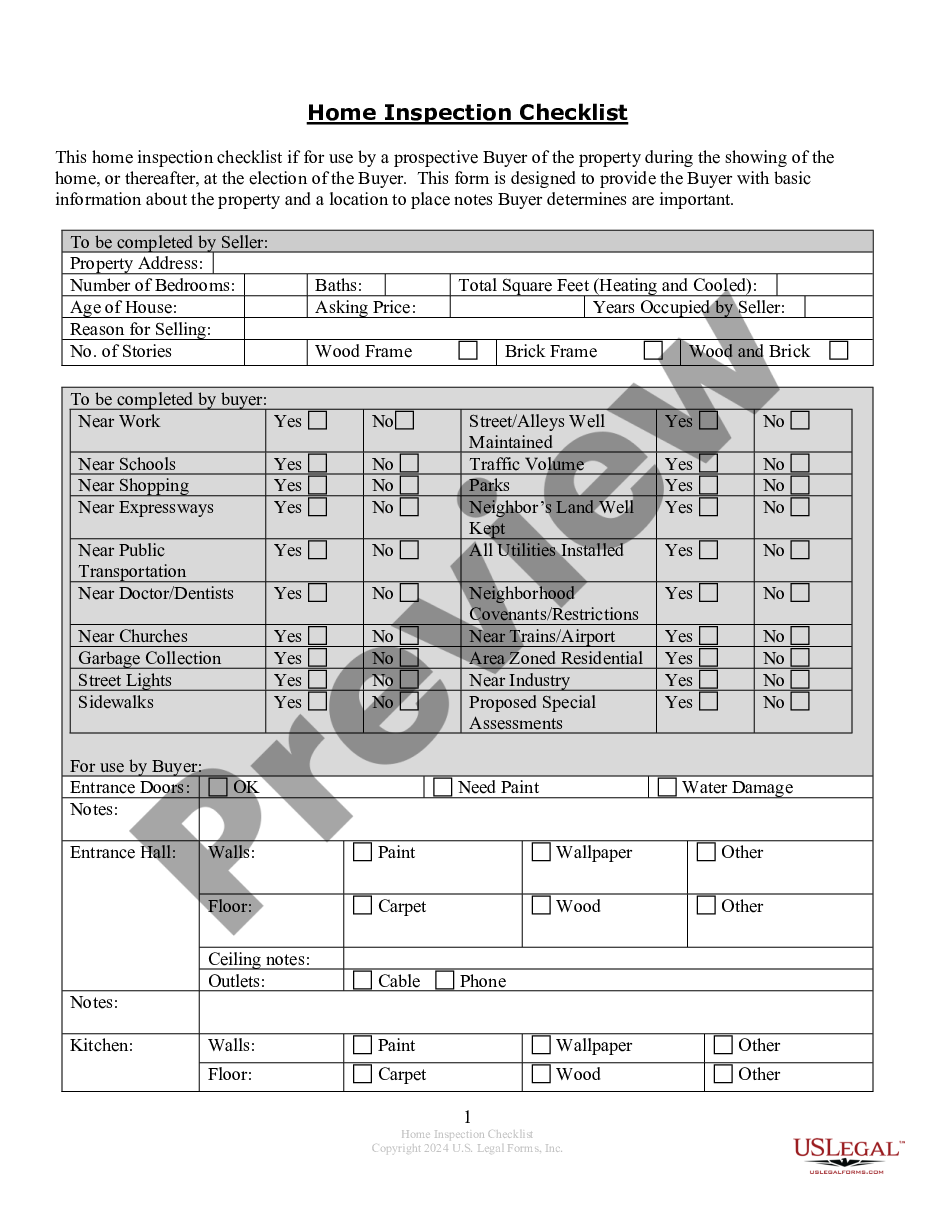
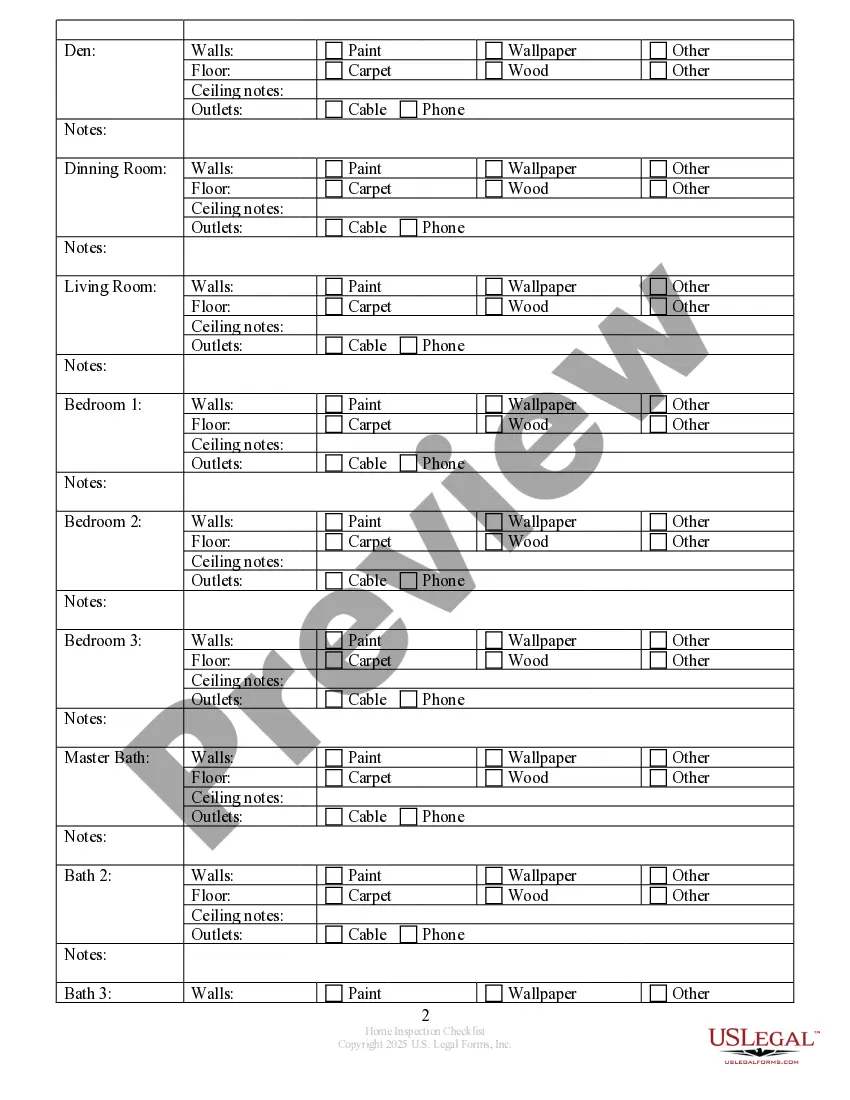
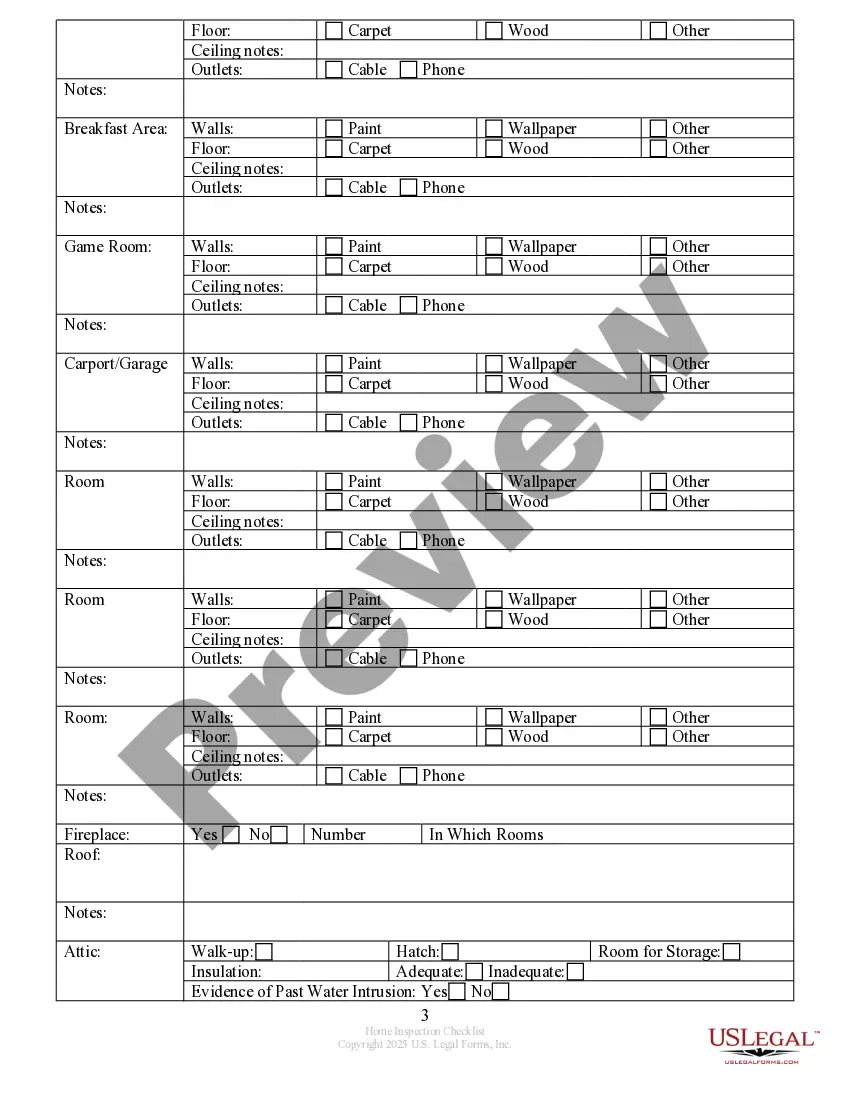
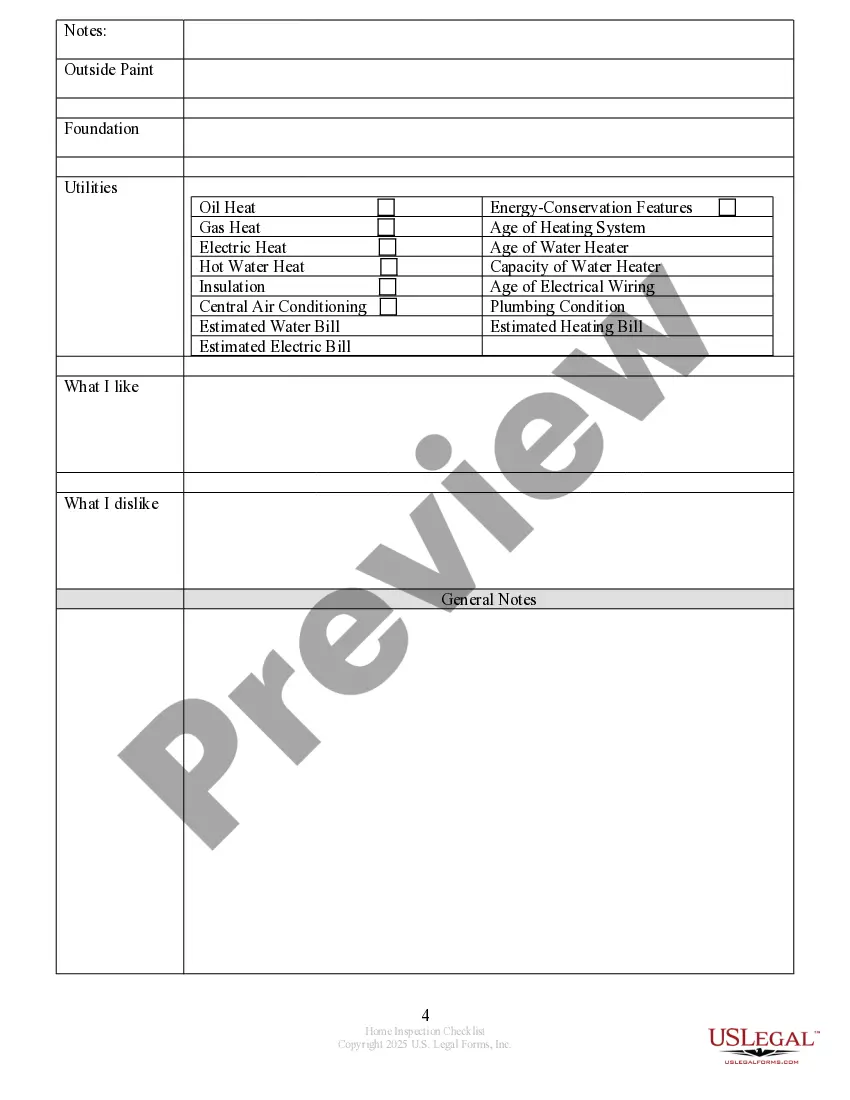
Get your form ready online
Our built-in tools help you complete, sign, share, and store your documents in one place.
Make edits, fill in missing information, and update formatting in US Legal Forms—just like you would in MS Word.
Download a copy, print it, send it by email, or mail it via USPS—whatever works best for your next step.
Sign and collect signatures with our SignNow integration. Send to multiple recipients, set reminders, and more. Go Premium to unlock E-Sign.
If this form requires notarization, complete it online through a secure video call—no need to meet a notary in person or wait for an appointment.
We protect your documents and personal data by following strict security and privacy standards.

Make edits, fill in missing information, and update formatting in US Legal Forms—just like you would in MS Word.

Download a copy, print it, send it by email, or mail it via USPS—whatever works best for your next step.

Sign and collect signatures with our SignNow integration. Send to multiple recipients, set reminders, and more. Go Premium to unlock E-Sign.

If this form requires notarization, complete it online through a secure video call—no need to meet a notary in person or wait for an appointment.

We protect your documents and personal data by following strict security and privacy standards.
Looking for another form?

How to fill out Alabama Buyer's Home Inspection Checklist?
- If you are a returning user, log in to your account and download your required form by clicking on the Download button, ensuring your subscription is current.
- For first-time users, start by previewing the form and its description to confirm that it aligns with your local jurisdiction and needs.
- If necessary, perform a search using the tab above to locate a more suitable template that meets your specifications.
- Once satisfied, click the Buy Now button and select your desired subscription plan, registering for an account to gain full access.
- Complete your purchase using your credit card or PayPal, allowing you to receive further documents.
- Finally, download the form and save it on your device for completion; it can also be accessed later from your My Forms section.
US Legal Forms provides individuals and lawyers with a user-friendly solution to quickly generate legal documents. With over 85,000 customizable templates, you're equipped to create legally sound paperwork tailored to your needs.
Don’t wait to simplify your legal process. Start today and experience the benefits of US Legal Forms!
Form popularity
FAQ
The income for home inspectors in Texas varies widely, but most earn between $50,000 and $80,000 annually. Factors such as experience, location, and the number of inspections performed each month can impact earnings. Typically, inspectors who establish a good reputation and broaden their client base can see increased income. If you're considering a career as a home inspector in Texas, it's important to research local market conditions.
Becoming a home inspector in Texas typically takes about six months to a year. You will need to complete 128 hours of training, followed by hands-on experience. After gaining the necessary knowledge, you must pass the state exam to receive your license. By following the right steps, you can quickly embark on your journey as a home inspector in Texas.
The four steps of a home inspection usually include: an initial exterior inspection, an assessment of the structural components, an evaluation of the interior systems, and lastly, a final report discussion. Each step allows the home inspector in Texas to identify potential problems and maintenance needs. This systematic approach ensures a thorough examination of the property, helping buyers or sellers understand their investment completely. Comprehensive findings lead to informed decisions about purchasing or selling a home.
The process to obtain a Home Inspector license in Texas typically takes a few months. You must complete a state-approved training program, pass the licensing exam, and submit the necessary documentation. This ensures you possess the skills and knowledge required for effective home inspections. Engaging with a reputable education program will provide the guidance required to become a qualified home inspector in Texas.
Completing your home inspection involves several steps, starting with scheduling your inspection with a qualified home inspector in Texas. You should prepare by ensuring that all areas of the home are accessible, including attics and crawl spaces. After the inspection, carefully review the report provided by the inspector, as it contains crucial information about the home’s condition. This thorough process will help you understand any necessary repairs or maintenance.
One of the biggest red flags in a home inspection is water damage, which can indicate issues with the roof or plumbing. Mold growth resulting from untreated water leaks can pose serious health risks and lead to expensive repairs. It's essential to address such issues promptly. A certified home inspector in Texas will help you identify these potential threats and ensure you make informed decisions.
Several critical issues can lead to failure during a home inspection, especially in Texas. Problems like significant plumbing leaks, electrical hazards, or structural damage are common deal-breakers. Ensuring proper maintenance and addressing any visible issues before the inspection can help you avoid these pitfalls. A knowledgeable home inspector in Texas can guide you through potential issues.
If defects are found after a home inspection in Texas, the liability typically rests with the seller, unless the home inspector failed to report a significant issue. Home inspectors are responsible for uncovering visible problems but cannot disclose hidden defects. Buyers should ensure they have a thorough inspection to minimize risks. For legal insights regarding home inspections, the US Legal Forms platform can provide valuable assistance.
Home inspectors in Texas cannot perform repairs on properties they inspect, as this would create a conflict of interest. They are also prohibited from giving opinions on market value or suggesting specific contractors. Such restrictions are in place to maintain the integrity of the inspection process and protect the interests of homeowners and buyers. For detailed guidelines, the US Legal Forms platform is a great resource to explore.
While not all repairs are mandatory, some issues identified during a home inspection may require immediate attention, especially those related to safety or building codes. Common mandatory fixes could include serious electrical, plumbing, or structural issues that can jeopardize the safety of the home. It’s crucial to know that the seller is typically responsible for these repairs before finalizing the sale. For further insights on home inspections, visit the US Legal Forms platform.