Funeral All Black
Description
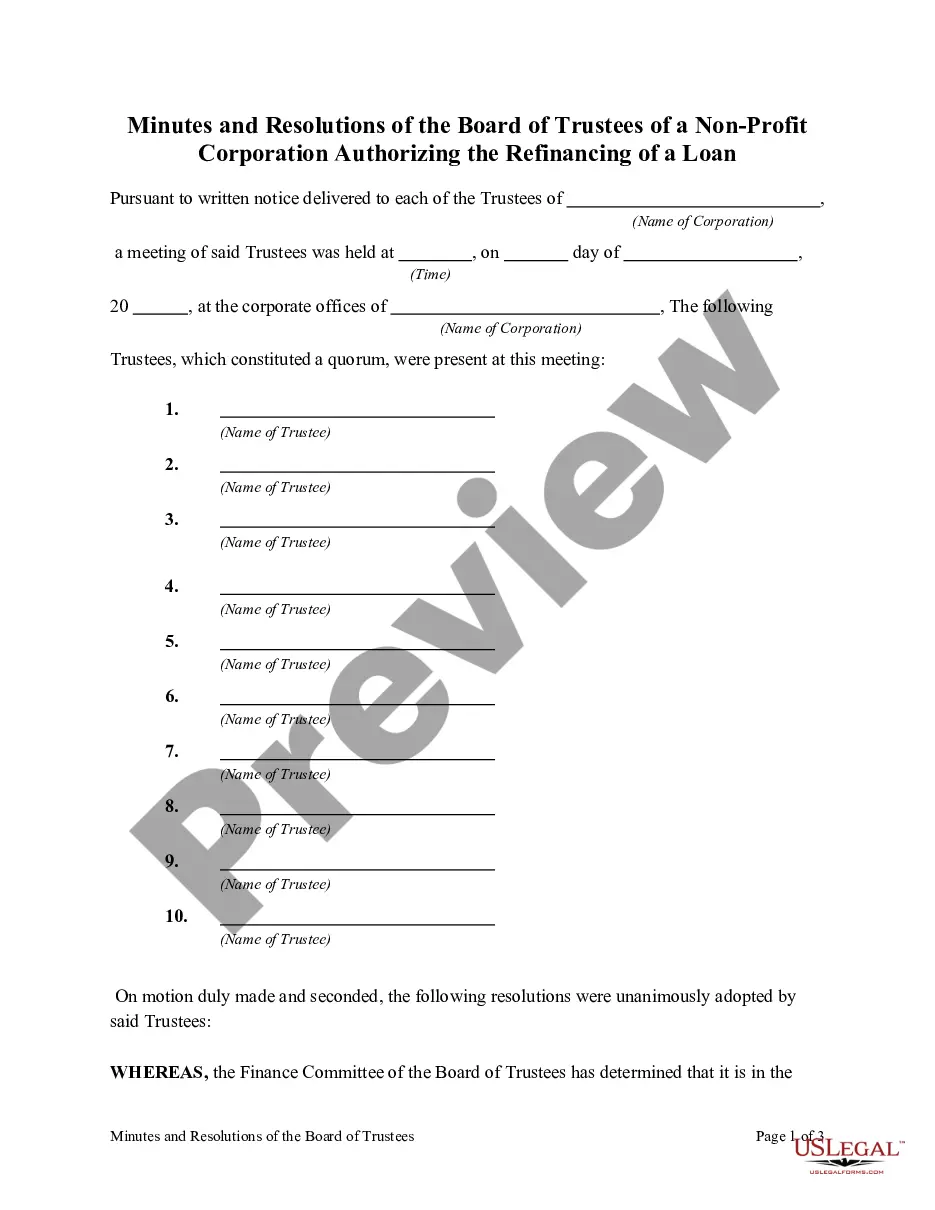
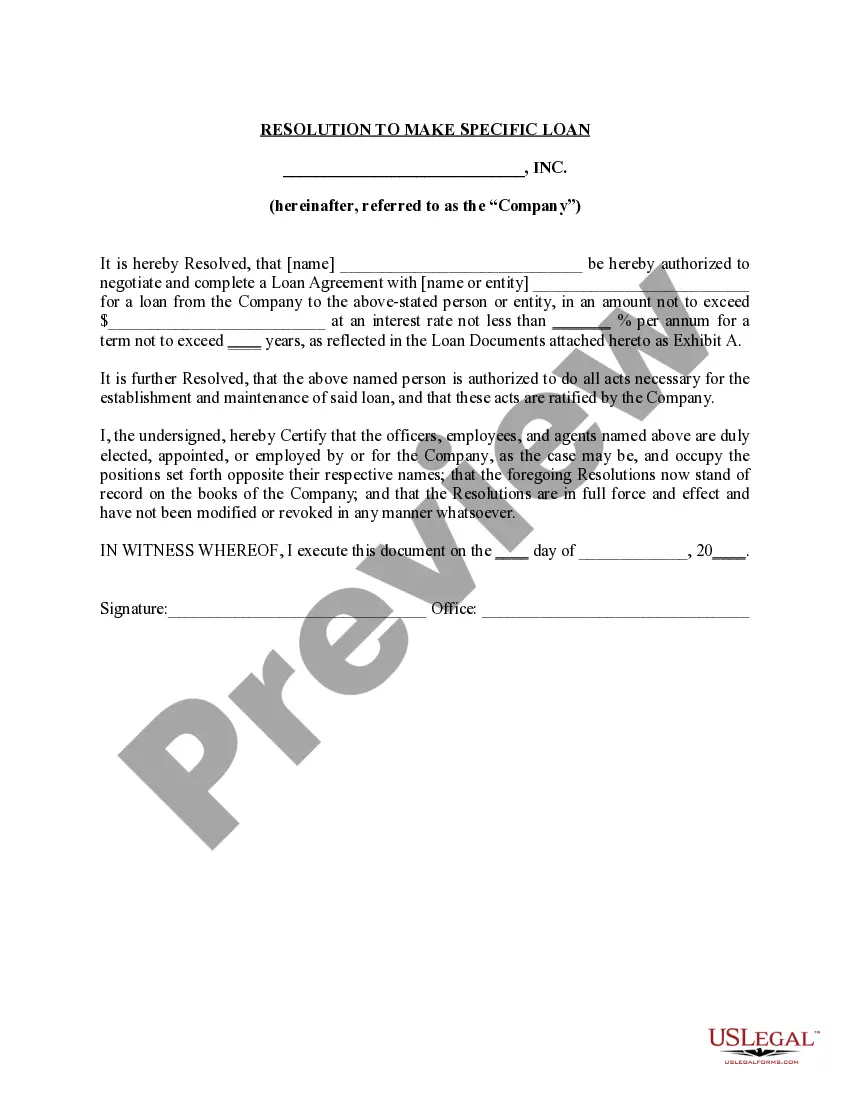
Get your form ready online
Our built-in tools help you complete, sign, share, and store your documents in one place.
Make edits, fill in missing information, and update formatting in US Legal Forms—just like you would in MS Word.
Download a copy, print it, send it by email, or mail it via USPS—whatever works best for your next step.
Sign and collect signatures with our SignNow integration. Send to multiple recipients, set reminders, and more. Go Premium to unlock E-Sign.
If this form requires notarization, complete it online through a secure video call—no need to meet a notary in person or wait for an appointment.
We protect your documents and personal data by following strict security and privacy standards.

Make edits, fill in missing information, and update formatting in US Legal Forms—just like you would in MS Word.

Download a copy, print it, send it by email, or mail it via USPS—whatever works best for your next step.

Sign and collect signatures with our SignNow integration. Send to multiple recipients, set reminders, and more. Go Premium to unlock E-Sign.

If this form requires notarization, complete it online through a secure video call—no need to meet a notary in person or wait for an appointment.

We protect your documents and personal data by following strict security and privacy standards.
Looking for another form?










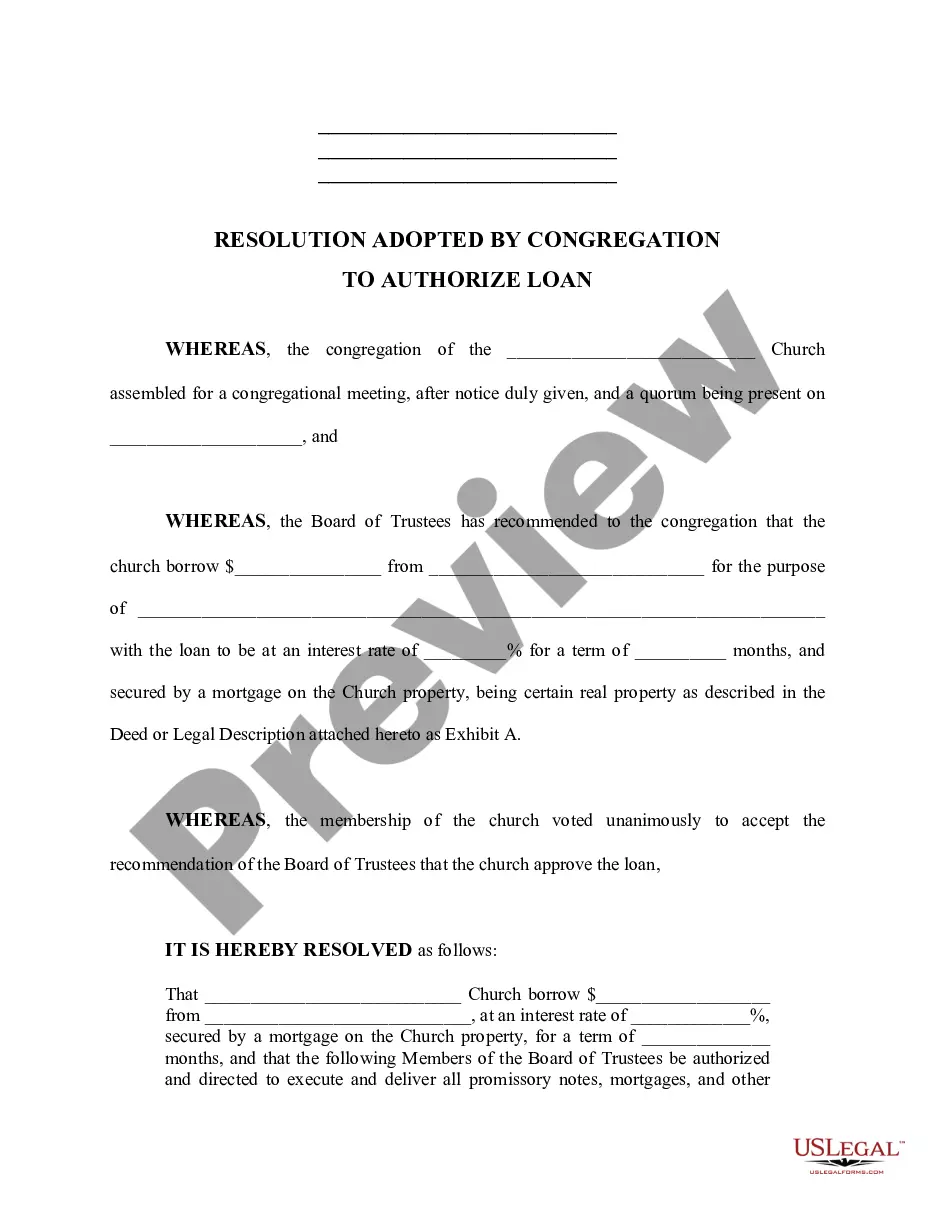
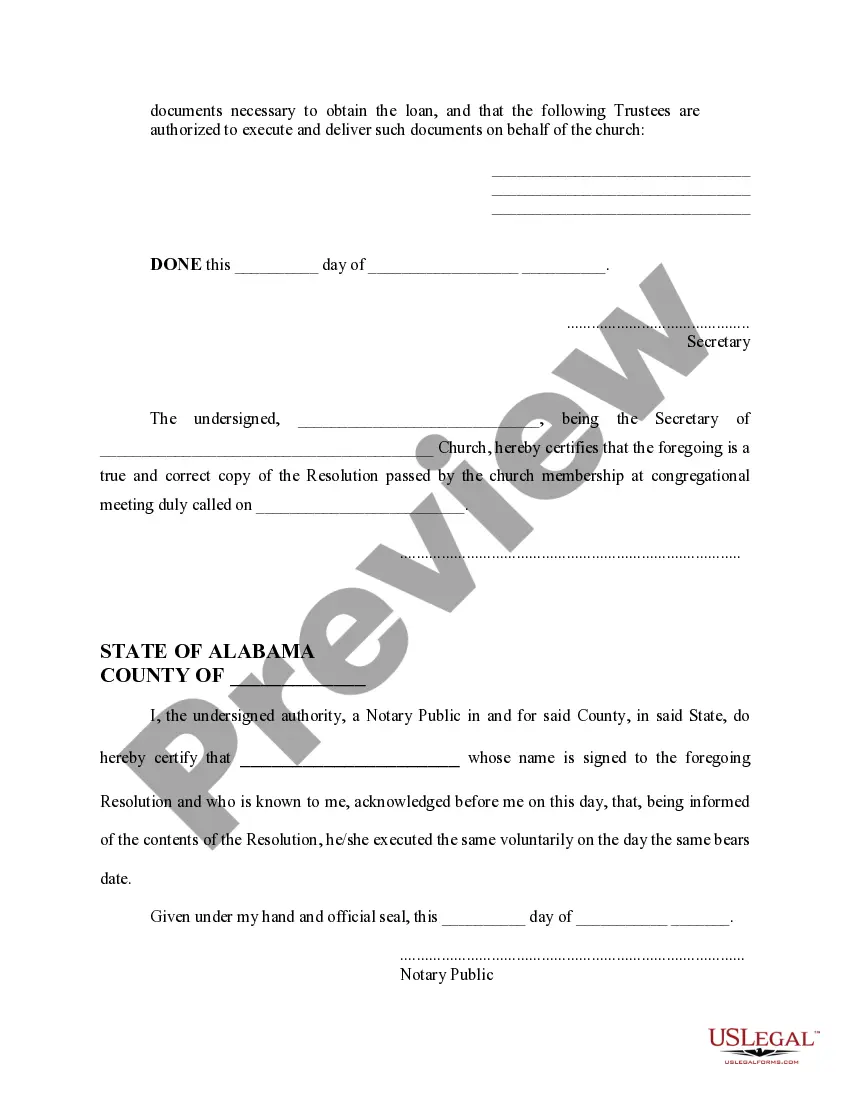
How to fill out Alabama Church Resolution To Authorize Loan?
- If you’re a returning user, log in to your account and access the required form template by clicking the Download button. Ensure your subscription is current; otherwise, renew it as per your payment plan.
- For first-time users, check the Preview mode to review form descriptions. Make sure you select the correct document based on your needs and local jurisdiction.
- If the initial template isn’t suitable, utilize the Search tab at the top to find the correct form. Once you identify the right one, proceed to the next step.
- To purchase the document, click on the Buy Now button and select your preferred subscription plan. You'll need to create an account to access the form library.
- Complete your purchase by providing credit card details or using your PayPal account to finalize the subscription payment.
- Download the form onto your device, which allows you to fill it out as needed. You can also access it anytime in the My Forms section of your profile.
With US Legal Forms, you can navigate the legal aspects surrounding a funeral with confidence. Their extensive library and expert support ensure you find the appropriate documentation without hassle.
Ready to simplify your legal document needs? Explore US Legal Forms today!
Form popularity
FAQ
Black is indeed recognized as a mourning color in many cultures, symbolizing loss and grief. Wearing black during a funeral all black reflects the gravity of the occasion and is a traditional way to honor the deceased. Many people choose this color to express their sorrow and respect for the deceased. Thus, wearing black connects you to a broader cultural understanding of mourning.
Yes, wearing all black is widely accepted and often expected at funerals. This color signifies mourning and shows respect for the deceased. If you are unsure about what to wear, opting for a funeral all black style is a safe choice. When everyone dresses similarly, it unites attendees in their expression of grief.
While a funeral all black is traditional, it is advisable to avoid bright and vibrant colors like red, yellow, and neon shades. These colors can be seen as disrespectful or distracting during such a solemn event. Generally, stick to neutral or muted tones that convey respect and mourning. Selecting appropriate colors helps create an atmosphere of remembrance.
To maintain the solemnity of a funeral all black, avoid wearing bright colors, casual clothing, and overly flashy accessories. Clothing that distracts from the ceremony is generally considered inappropriate. Instead, opt for simple, understated styles that reflect the occasion's seriousness. Proper attire shows respect for the family and the departed.
Funerals that emphasize wearing all black attire are often referred to simply as black funerals. In various communities, they may also be called traditional funerals or somber funerals. Regardless of the name, the focus remains on honoring the deceased with dignity and respect. A funeral all black helps to convey the seriousness of the occasion.
At a funeral all black, it is customary to wear somber colors to show respect for the deceased. The family may set specific guidelines, so checking with them is beneficial. Generally, attendees should arrive on time and keep conversations quiet and respectful during the service. Understanding this protocol demonstrates your support and compassion.
The tradition of a funeral all black signifies respect and mourning in many African American communities. Typically, friends and family wear black attire to honor their loved ones and express their grief. This practice reflects a sense of unity and reverence during the service. If you're navigating this tradition, US Legal Forms can help you find the necessary documents to ensure a respectful farewell.
A funeral often focuses on grief and loss, while a homegoing celebrates the life and journey of the deceased, marking their return to their ancestral home. In a funeral all black, the homegoing service may include uplifting music, testimonies, and a more joyous atmosphere, honoring the legacy left behind. Understanding this difference can help attendees engage more meaningfully with the ceremonies and provide support to grieving families. Both services serve essential roles in the grieving process, allowing communities to come together.
Etiquette at a funeral all black usually involves showing respect through appropriate clothing, typically in dark colors. Attendees should arrive punctually, offer condolences to the grieving family, and participate in any rituals or prayers. It is also respectful to listen and share stories about the deceased, fostering a sense of unity among mourners. Being mindful of these customs can help you navigate a black funeral with grace and compassion.
A traditional African funeral varies greatly across cultures and regions but often includes unique rituals and practices that honor the deceased. Generally, it emphasizes respect for ancestors and the community's collective mourning. Elements like music, dance, and communal meals feature prominently, creating a strong support network among attendees. Participating in a traditional African funeral can enrich your understanding of cultural practices surrounding death and remembrance.