North Dakota Estate Planning

Estate planning helps you manage your assets and care decisions. Attorney-drafted templates are quick and simple to use.
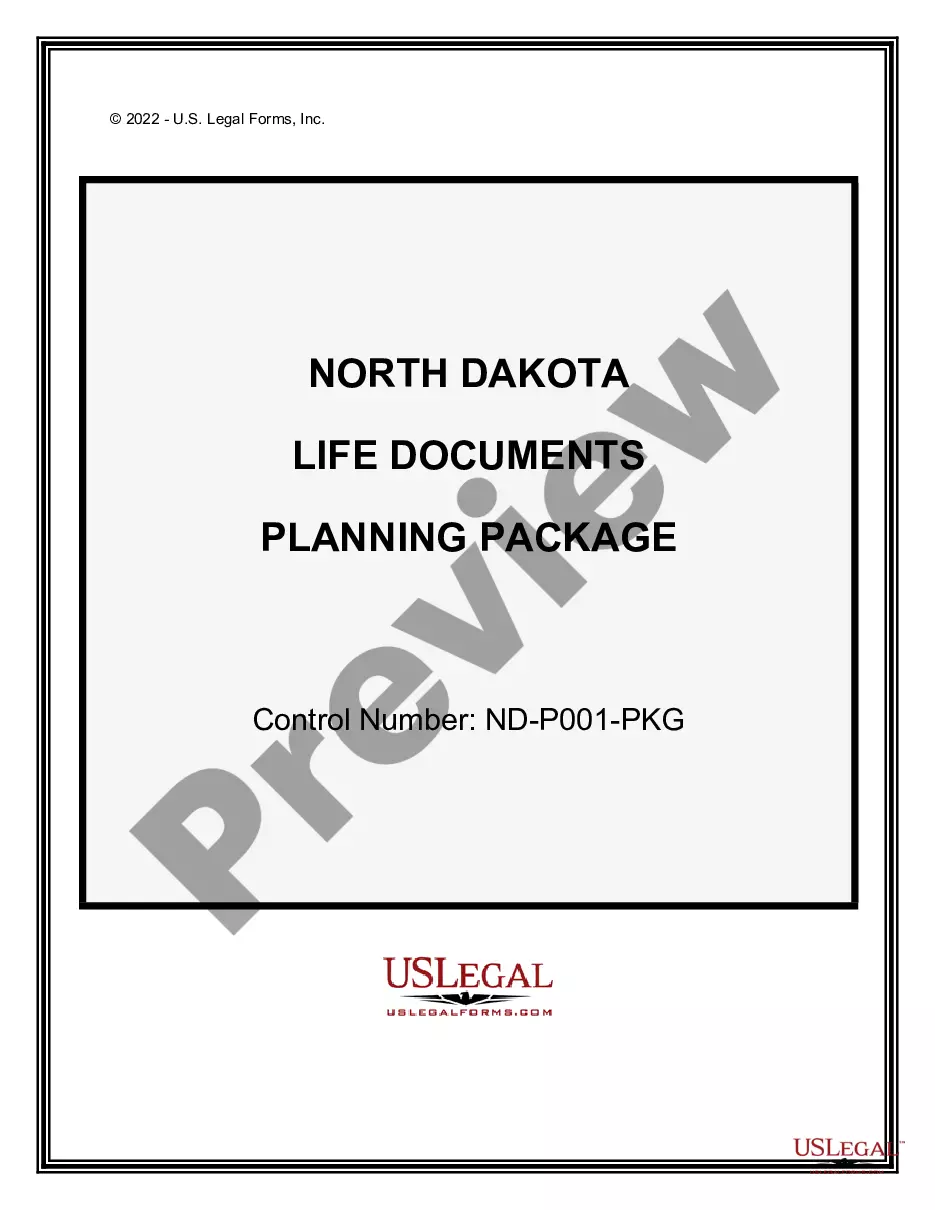
intro Estate Planning

Common North Dakota Estate Planning documents

  • Last Will and Testament — outlines asset distribution after death.
  • Power of Attorney — designates someone to make decisions on your behalf.
  • Living Will — specifies your healthcare preferences in critical situations.
  • Living Trust — manages your assets during and after your lifetime.
  • Healthcare Directive — outlines your wishes for medical treatment.
  • Probate Documents — facilitate the legal process for asset distribution.

Similar documents: key differences

  • Will vs. Trust — a will distributes assets after death, while a trust manages assets during life.
  • Power of Attorney vs. Healthcare Directive — a power of attorney grants decision-making authority, while a healthcare directive specifies medical preferences.
  • Living Will vs. Healthcare Directive — often interchangeable, but living wills focus on end-of-life decisions.
  • Probate vs. Non-Probate Assets — probate assets go through court, while non-probate assets transfer directly.

How to get started

Start in minutes with these steps.

  • Find a template or package that suits your needs.
  • Review the description, preview, and signing requirements.
  • Get full access with a subscription.
  • Complete it using the online editor.
  • Export or send: download, email, or notarize online.

FAQs

Estate planning allows you to manage your assets and healthcare decisions proactively.

It's wise to review and update your estate plan after major life events.

Without a will, state laws dictate how your assets are distributed.

Yes, you can modify your estate planning documents whenever needed.

A healthcare directive outlines your medical treatment preferences in emergencies.

Glossary

  • Estate - All assets owned by an individual at death.
  • Will - Legal document outlining asset distribution post-death.
  • Trust - Arrangement to manage assets for beneficiaries.
  • Power of Attorney - Authority to act on someone else's behalf.
  • Living Will - Document specifying medical care preferences.
  • Probate - Legal process for validating a will.
  • Beneficiary - Person designated to receive assets from a will.
  • Healthcare Directive - Document outlining medical treatment wishes.
  • Executor - Person responsible for managing the estate.
  • Asset - Any item of value owned by an individual.

Trusted by over 3 million people of the world’s leading companies