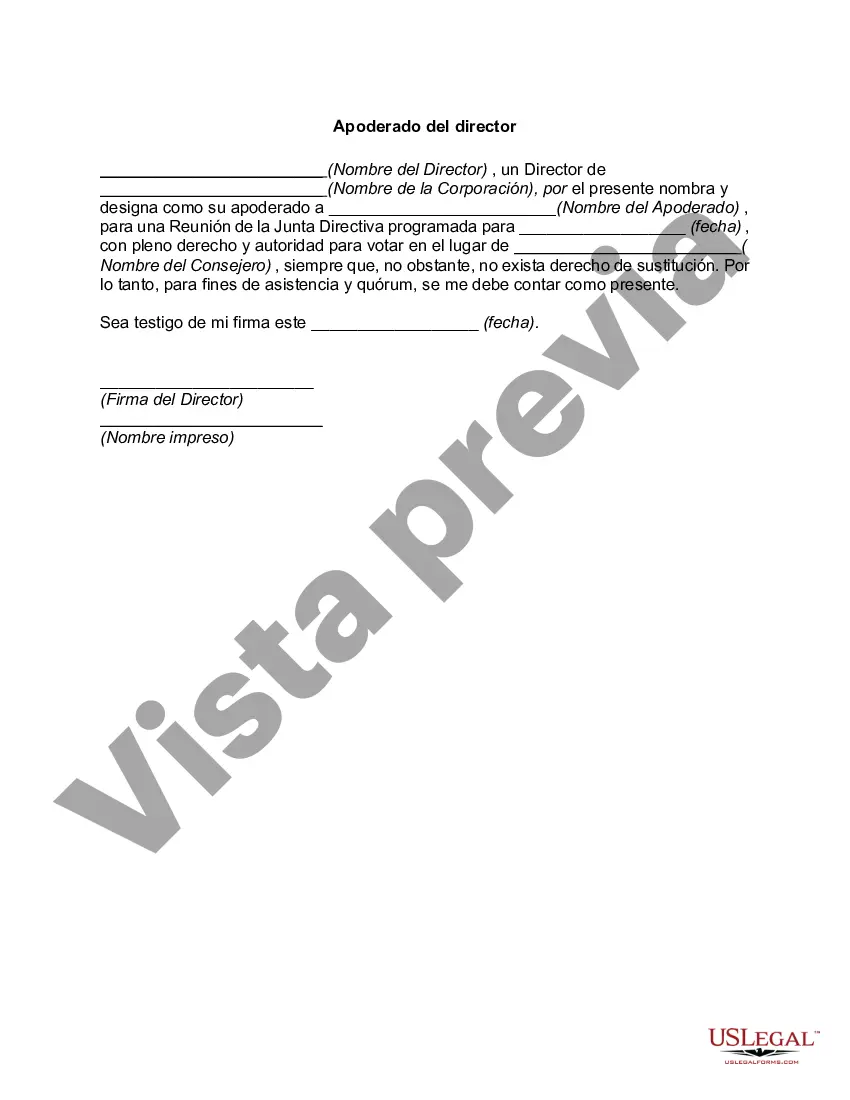
Your Director's Proxy document should include the name of the person you're appointing, the specific meeting or meetings they’ll represent you at, and your signature. It’s like making sure everyone has their ducks in a row.
It's generally a good idea to let the organization or the board know that you’re using a proxy. Transparency goes a long way, and it's polite to keep everyone in the loop.
Yes, a Director's Proxy can vote on your behalf, as long as they're given the authority to do so in the proxy document. It's like letting them take the reins for the day.
Typically, one person can have multiple proxies, but only one proxy can speak for them at a time during the meeting. Think of it as having a backup, but you can’t call in the entire team at once.
To appoint a Director's Proxy, you'll usually need to fill out a specific form that clearly states who you’re giving permission to and for which meetings. It's like giving someone a temporary power of attorney for that event.
People use a Director's Proxy when they can't attend a meeting but still want their opinions and votes counted. It's a way to ensure that voices are heard, even if you're not in the room.
A Director's Proxy is a document that allows someone to act on behalf of a director, especially at meetings. It's like giving your friend a note that lets them speak for you when you can't be there.
Trusted and secure by over 3 million people of the world’s leading companies