Source code is the list of human readable instructions that a programmer writes when developing a program. The source code is run through a compler to turn it into machine code, also called object code that a computer can unerstand and execute.
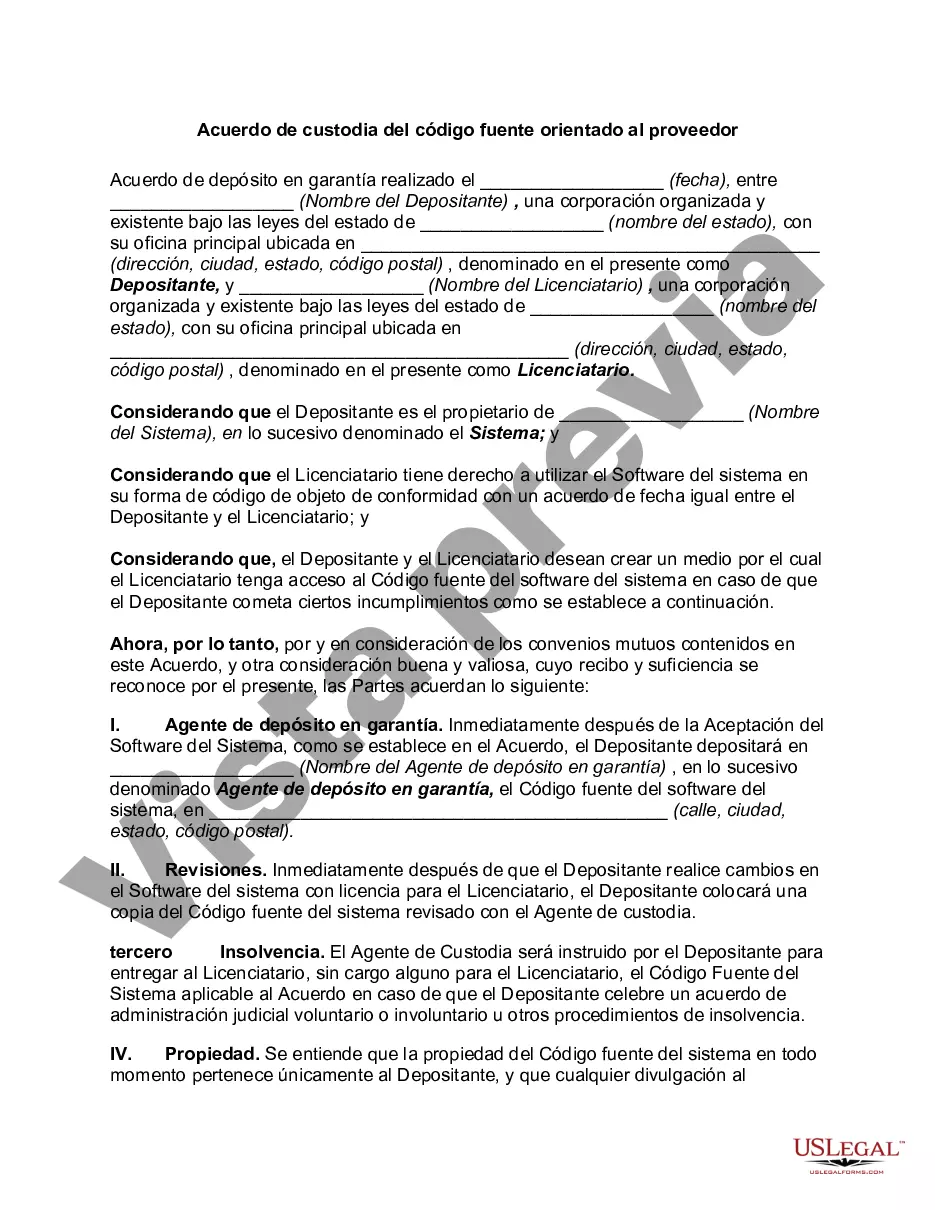
Para su conveniencia, debajo del texto en español le brindamos la versión completa de este formulario en inglés.
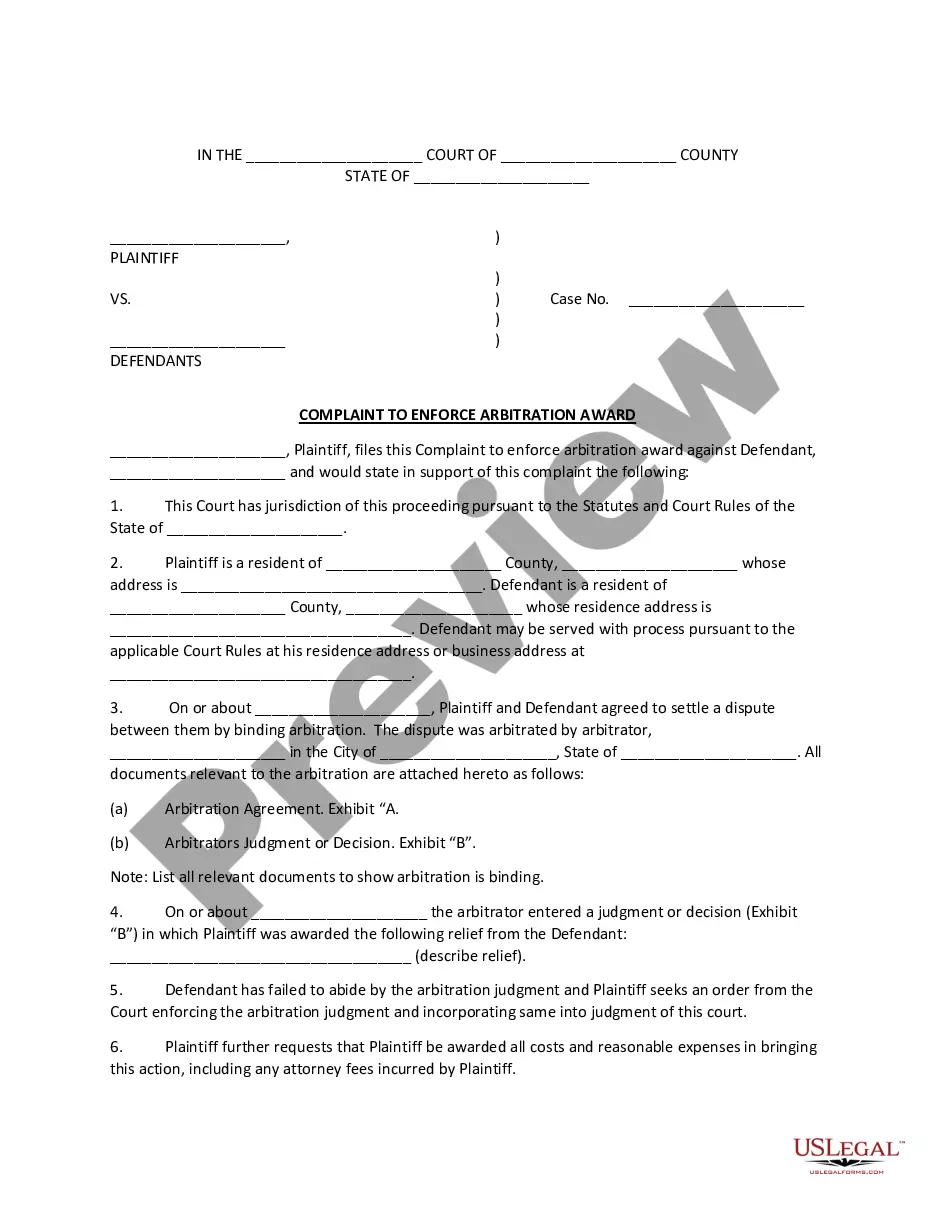
For your convenience, the complete English version of this form is attached below the Spanish version.
If things get sticky, it usually goes to arbitration or mediation. The aim is to sort it out without turning it into a courtroom showdown. Better to keep things friendly!
Generally speaking, that depends on the terms of the agreement. Some contracts allow it, while others put the brakes on any alterations. Always good to read the fine print!
Not at all! While it sounds like legal mumbo jumbo, setting it up is pretty straightforward with the right support. It's mostly about writing up an agreement that meets everyone's needs.
Usually, it's things like the vendor declaring bankruptcy or failing to support the software as promised. If those red flags pop up, the client may get a key to the vault!
Simple as pie! The vendor deposits their source code with a trusted third party. If certain conditions are met, like the vendor going out of business, the client can get access to that code.
Both the vendor and the client benefit! It gives the client peace of mind knowing they can access the source code if needed, while the vendor shows they're serious about maintaining customer trust.
It's a legal arrangement where a vendor holds a copy of their software's source code in trust, just in case something goes south and they can't provide support anymore.
Trusted and secure by over 3 million people of the world’s leading companies
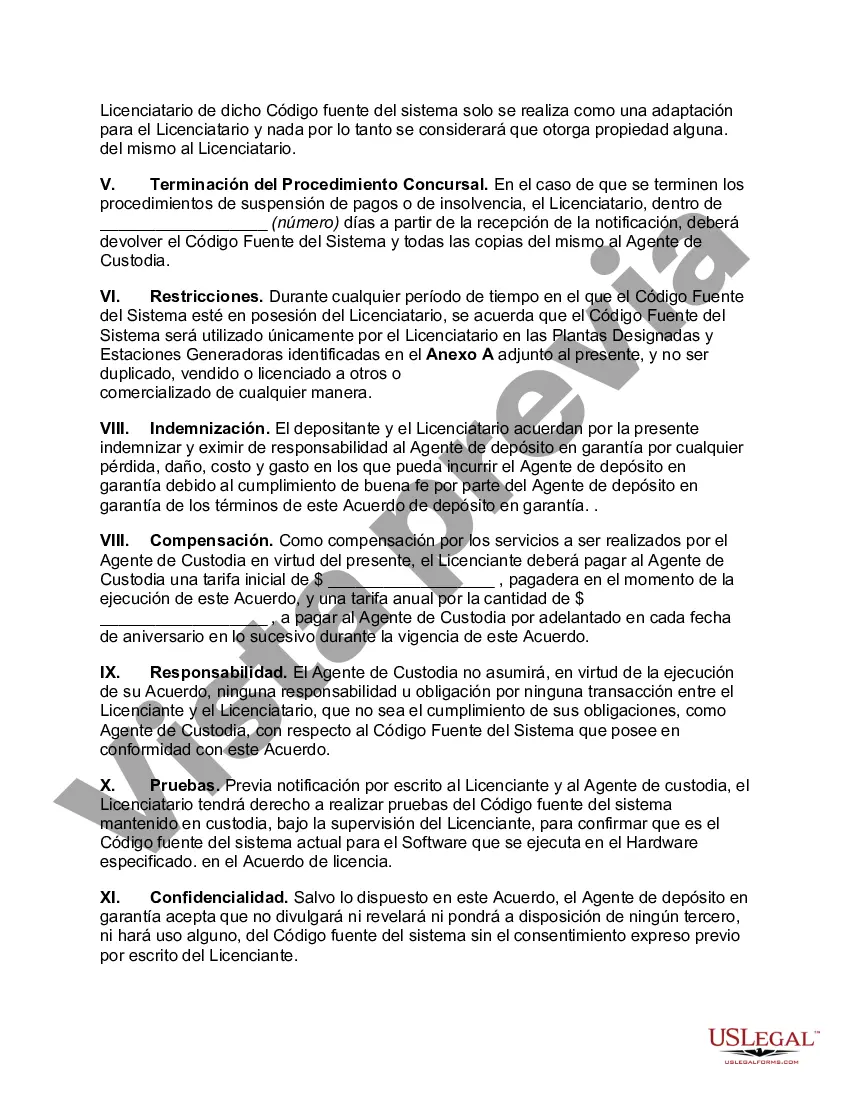
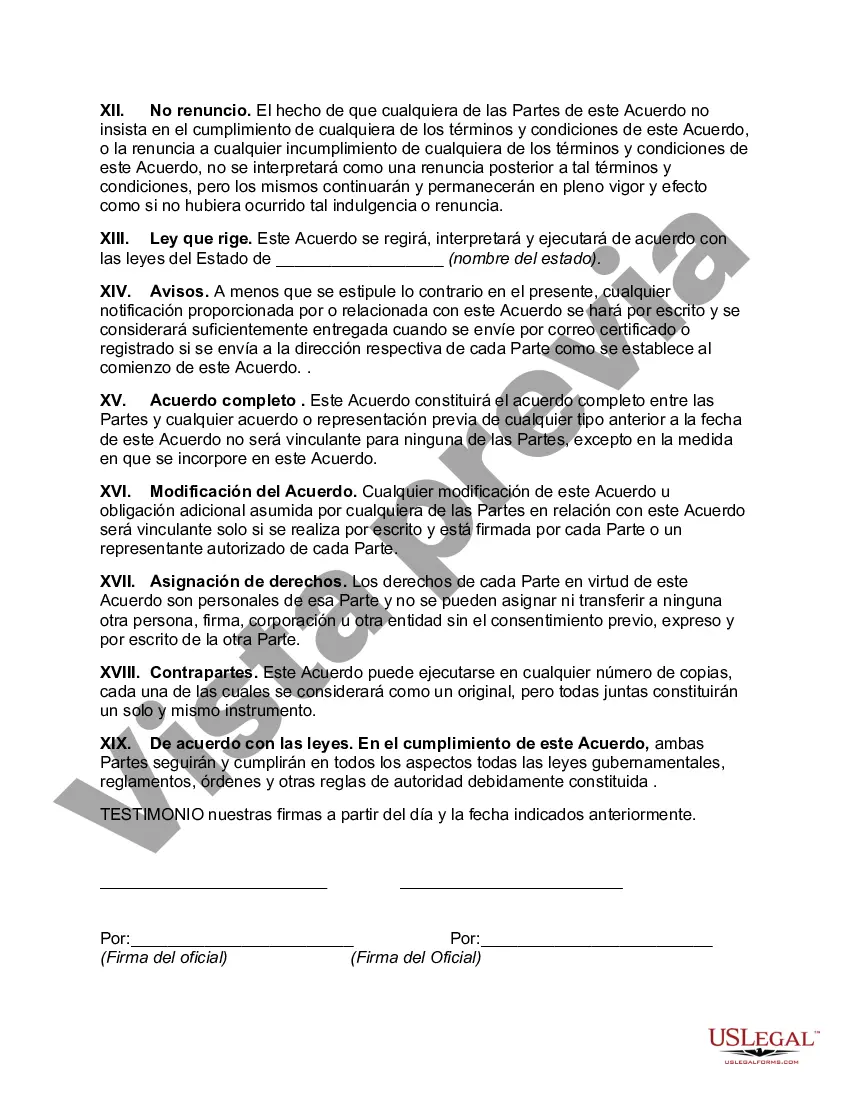
Las Vegas Nevada Acuerdo de custodia del código fuente orientado al proveedor