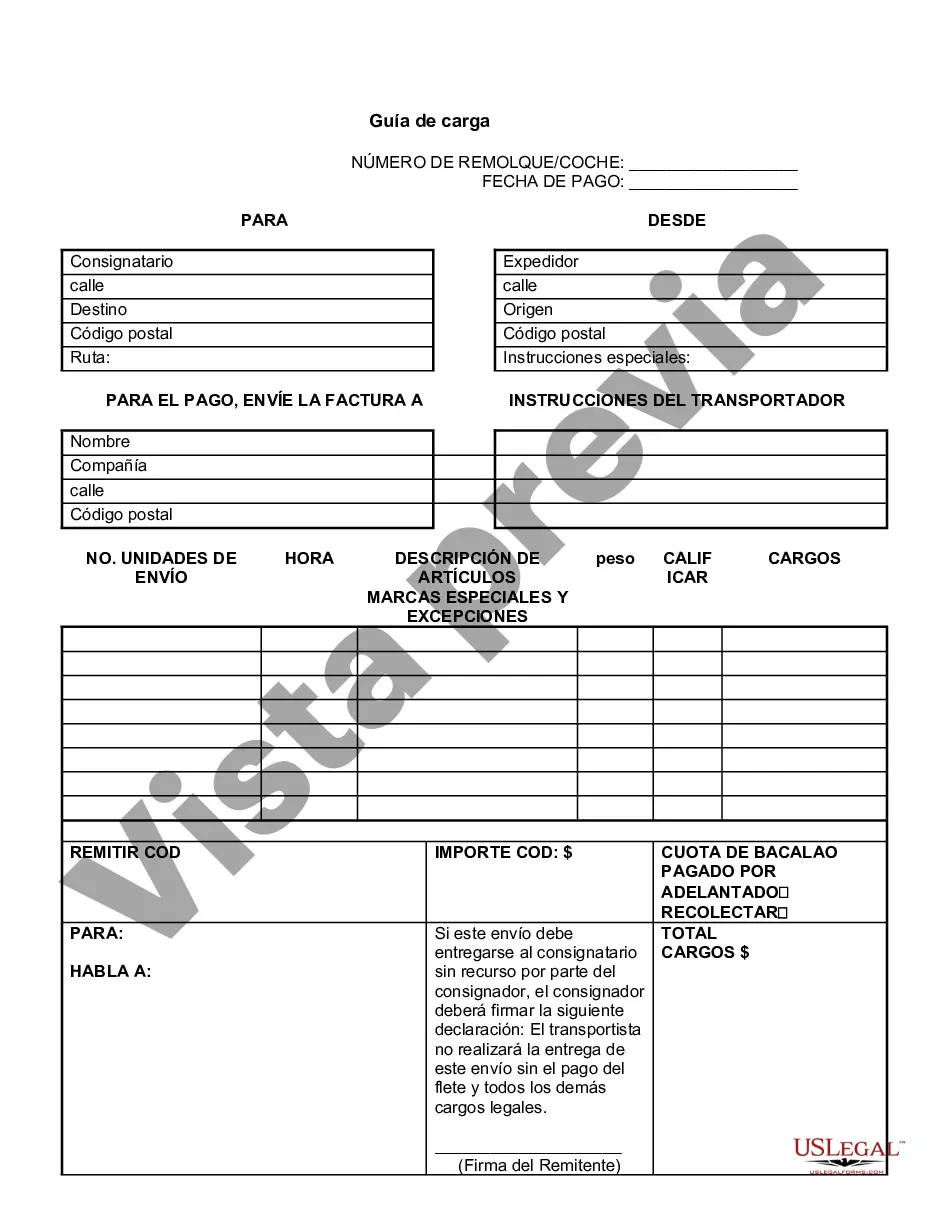
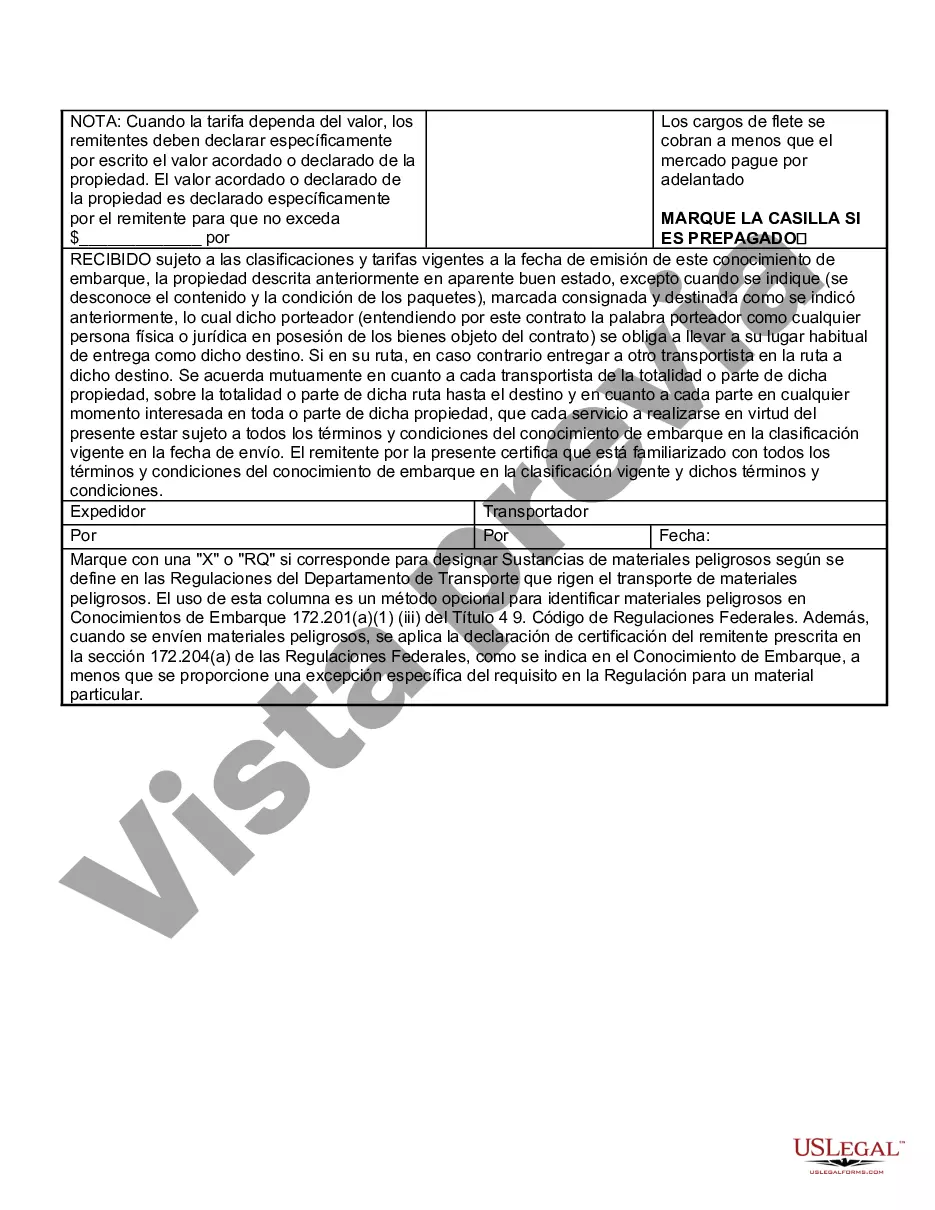
Bill of Lading
Para su conveniencia, debajo del texto en español le brindamos la versión completa de este formulario en inglés.
For your convenience, the complete English version of this form is attached below the Spanish version.
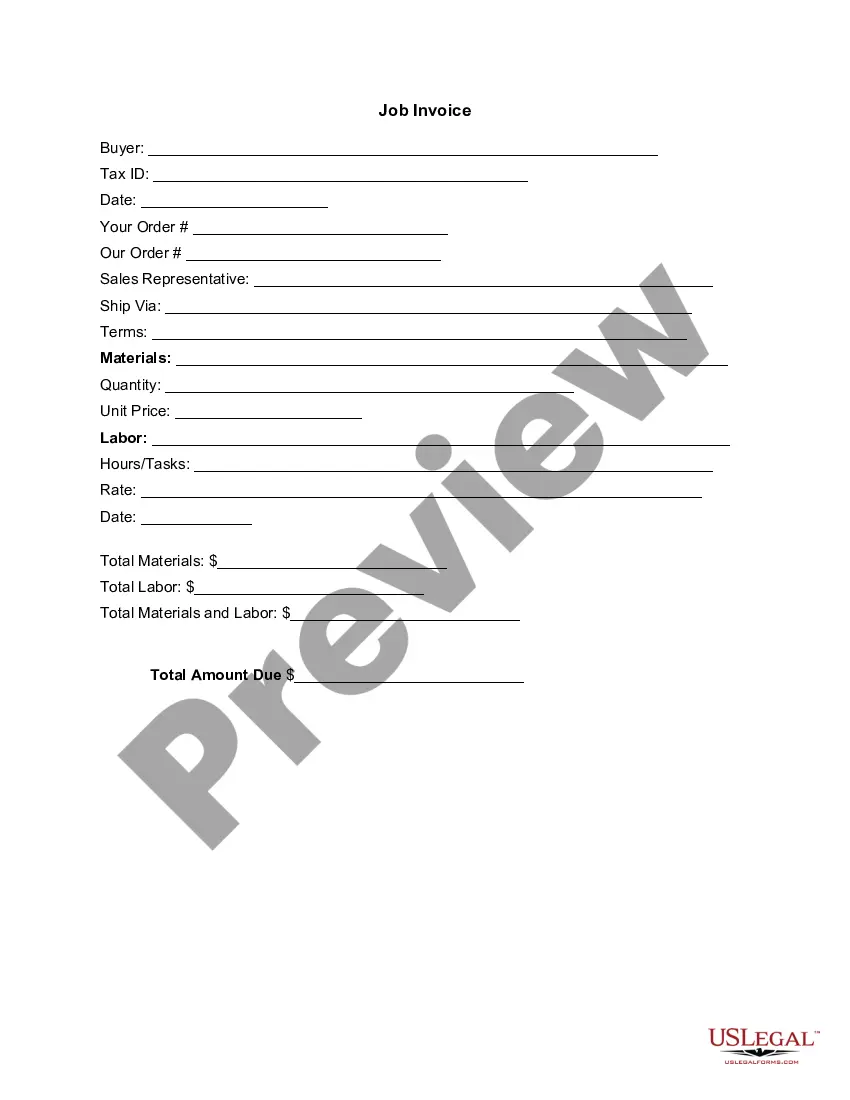
Not quite! A Bill of Lading is primarily a shipping document, while a freight invoice is a request for payment for services rendered. They each play a different role in the shipping process.
Generally, once a Bill of Lading is issued, it shouldn't be changed lightly. If modifications are needed, it often requires a new document to avoid confusion and keep things on the up and up.
If your Bill of Lading is lost or damaged, you may face some bumps along the road. You'll need to work with the carrier to obtain a duplicate or replacement so your shipment doesn’t get held up.
To fill out a Bill of Lading, include details like the shipper’s and receiver’s information, description of the goods, weight, and any special instructions. Think of it as filling out a checklist to keep everything straight.
Typically, the seller or the shipper creates the Bill of Lading, but it can also be prepared by the carrier. Either way, it's crucial that the information is accurate.
You need a Bill of Lading to ensure that both the sender and the carrier are on the same page. It helps protect your interests by detailing the goods and setting the terms of the shipment.
A Bill of Lading is a document that acts like a receipt for goods being shipped. It outlines what is being transported and serves as proof that the goods have been received by a carrier.
Trusted and secure by over 3 million people of the world’s leading companies