Changing your mind is tricky—once you’ve made your exit clear, it’s up to your employer whether they’ll take you back, so think long and hard before you jump ship.
Once you submit your resignation letter, you may want to consult a lawyer to discuss your situation more deeply, but generally, it’s your last step in that job.
Your resignation can be valid if you show you had a good reason for leaving, like your work conditions pushing you to the edge; it’s all about painting the right picture.
While it’s good to outline your reasons, detailed proof usually comes later in discussions with legal advisors or during any potential disputes, so focus on clarity rather than getting bogged down.
Make sure to clearly state your reasons for leaving, the date of your last day, and keep a respectful tone—after all, you never know when you might cross paths again.
You should think about it if you feel like you have no choice but to resign because your employer has made your job unbearable, like a boiling pot that’s about to overflow.
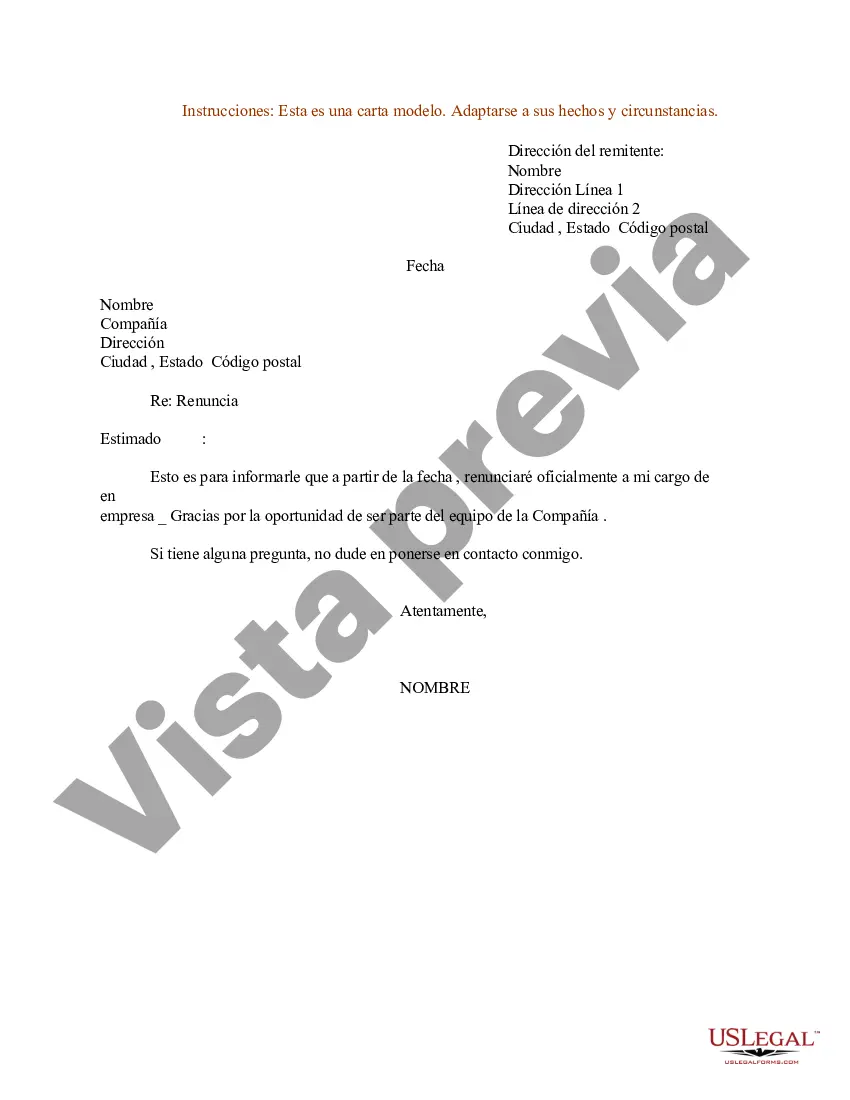
A resignation letter for constructive dismissal is a formal way to say you’re leaving because your workplace has become really tough to handle, often due to unfair treatment or unpleasant conditions.
Trusted and secure by over 3 million people of the world’s leading companies
Gilbert Arizona Carta de renuncia por despido constructivo