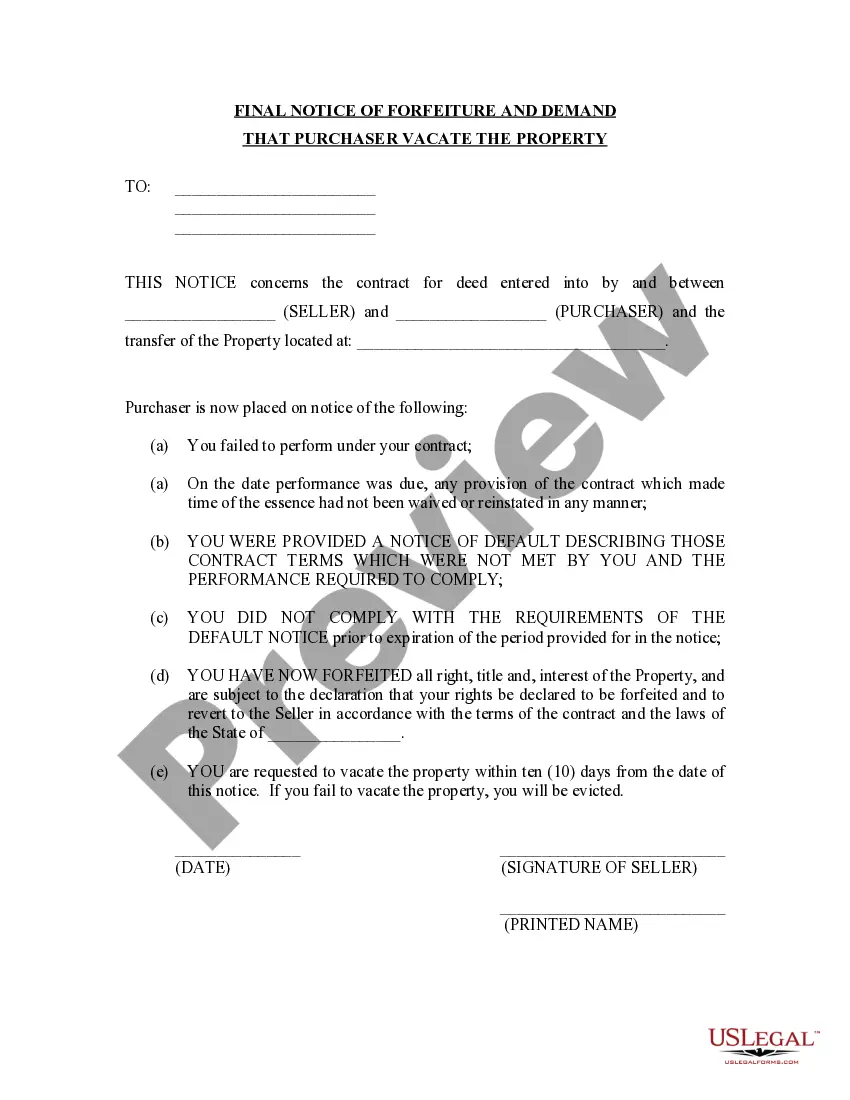
Loan Agreement
Understanding this form
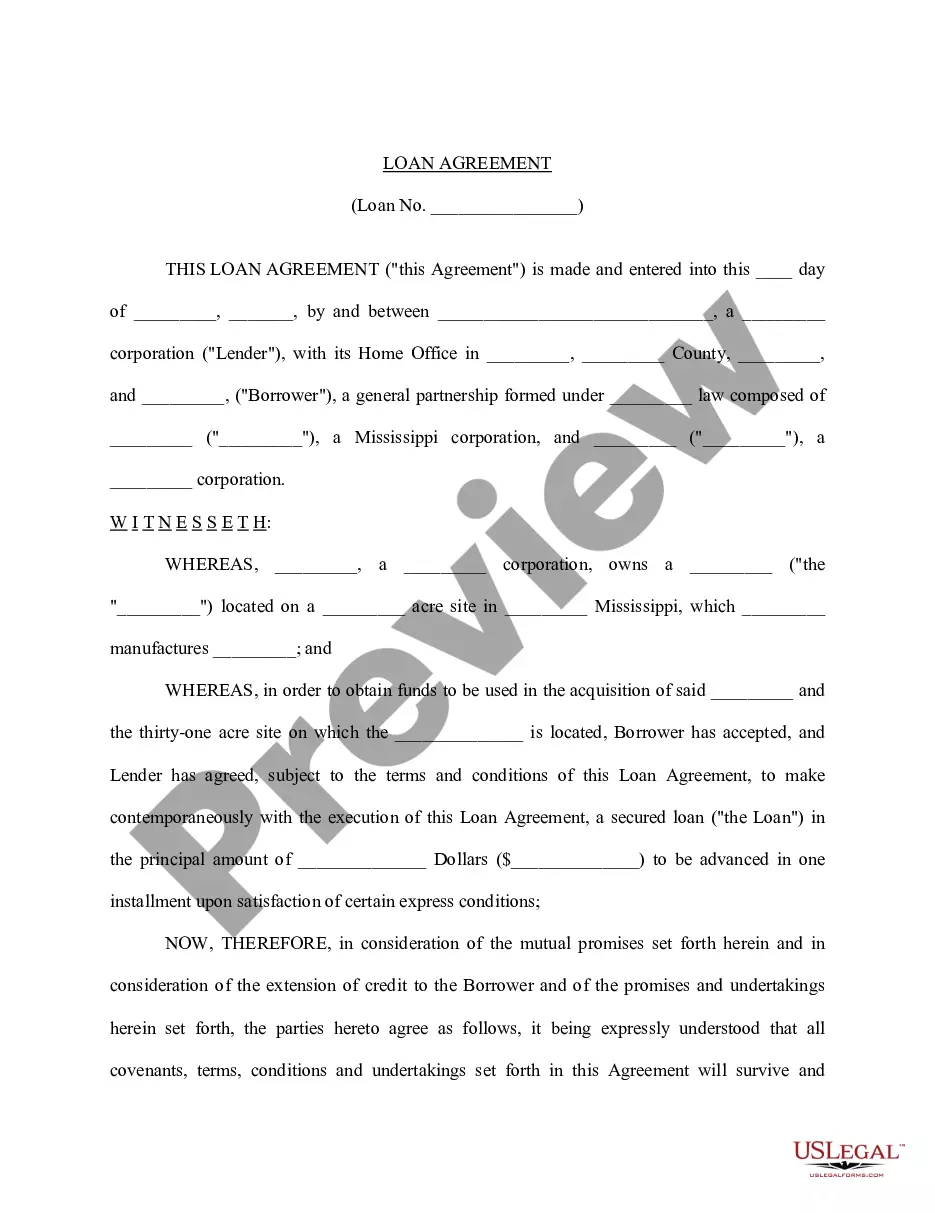
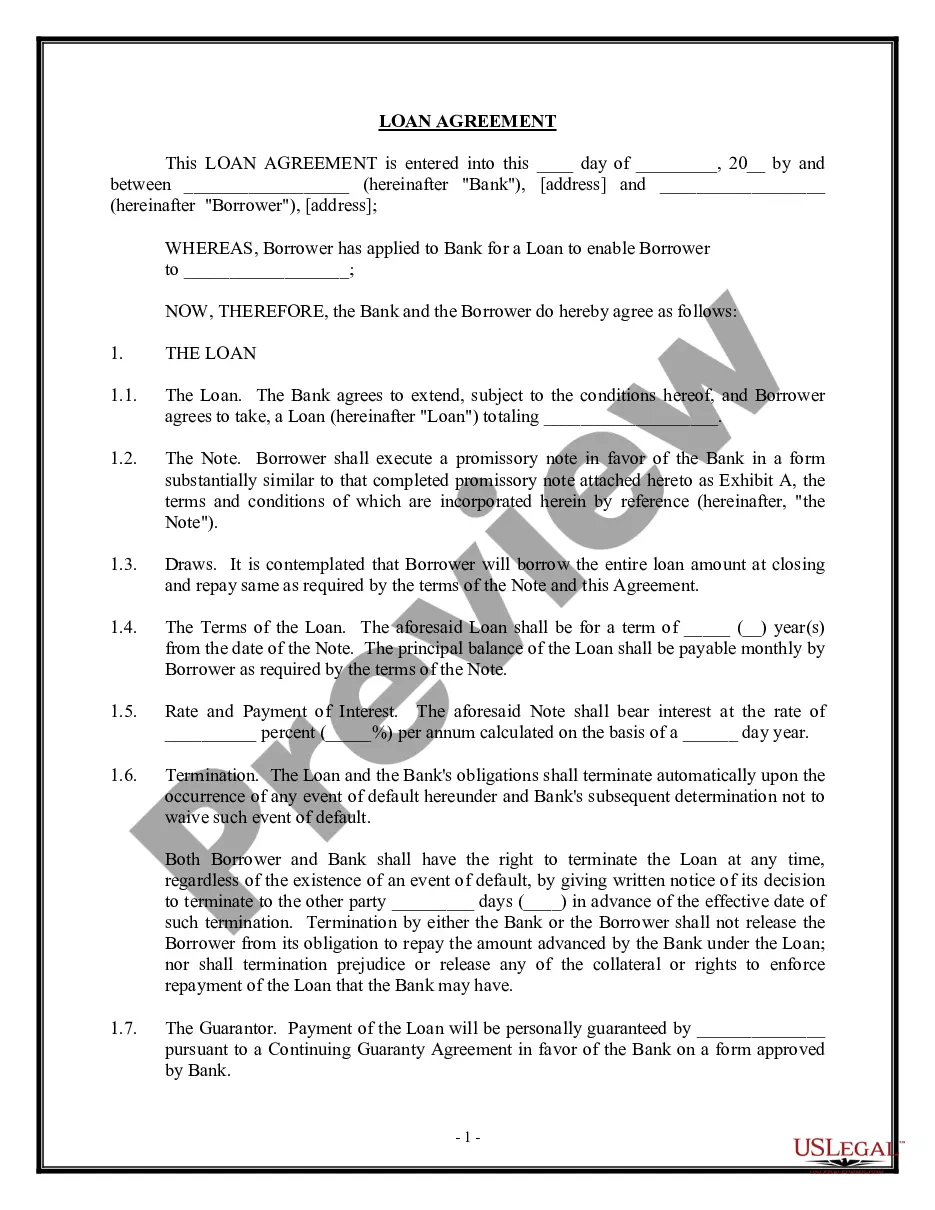
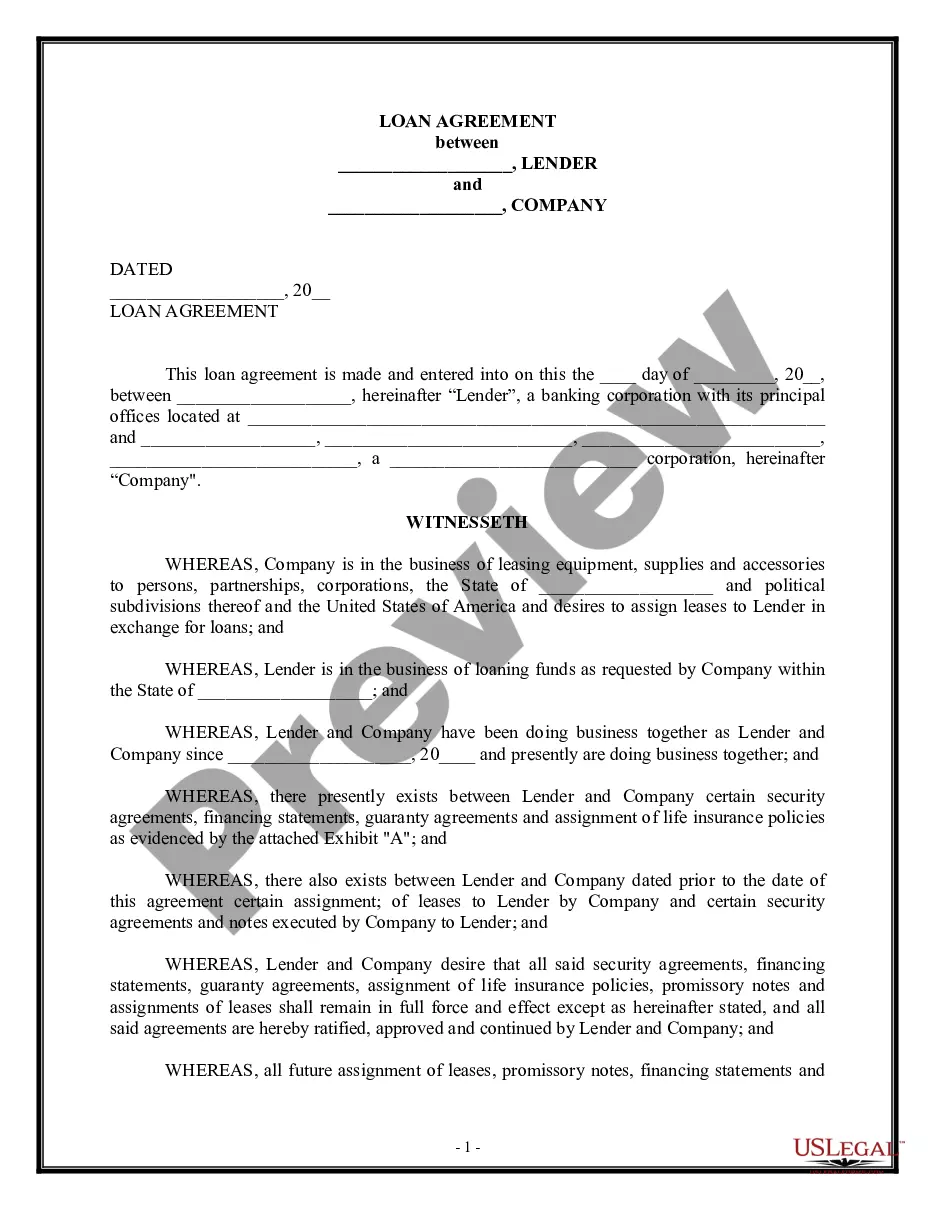
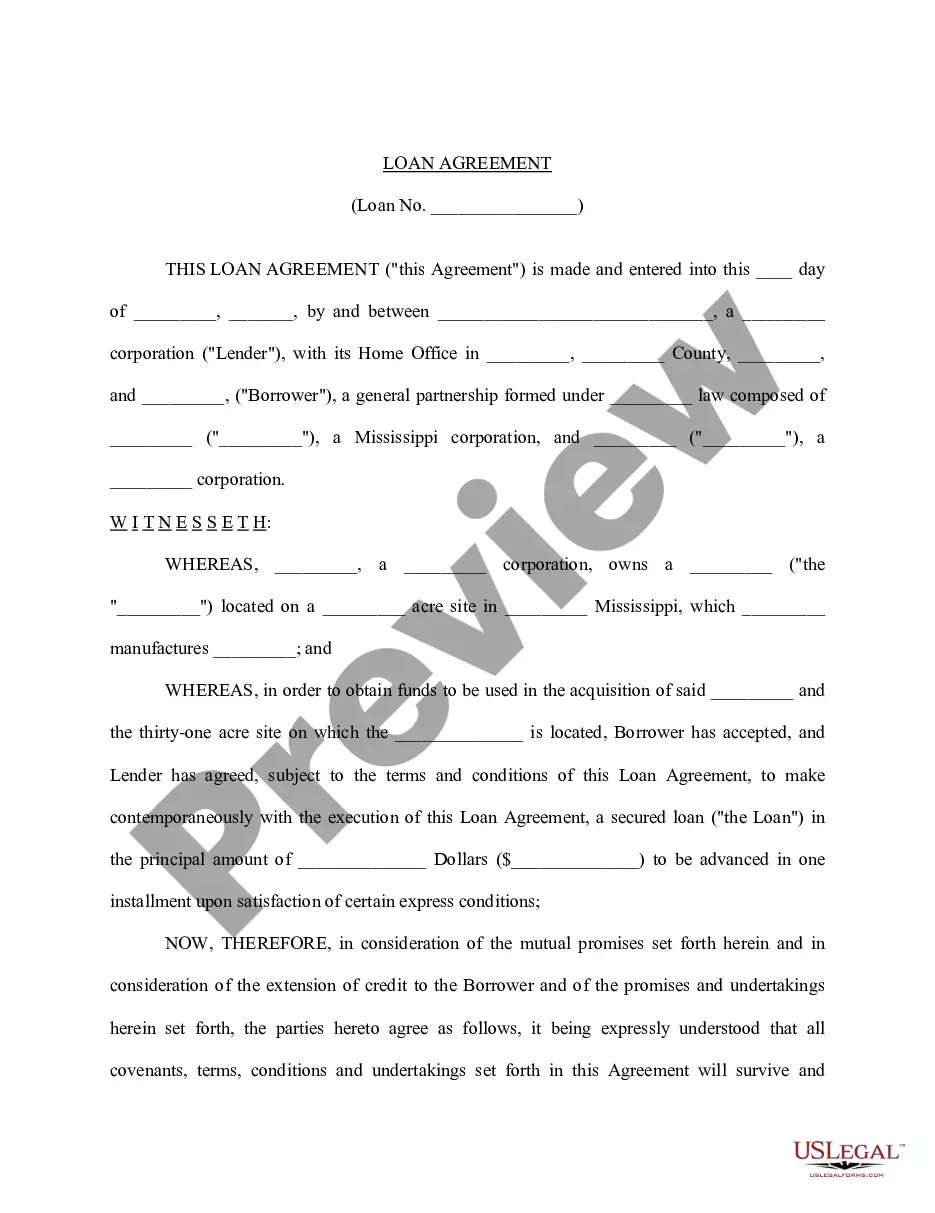
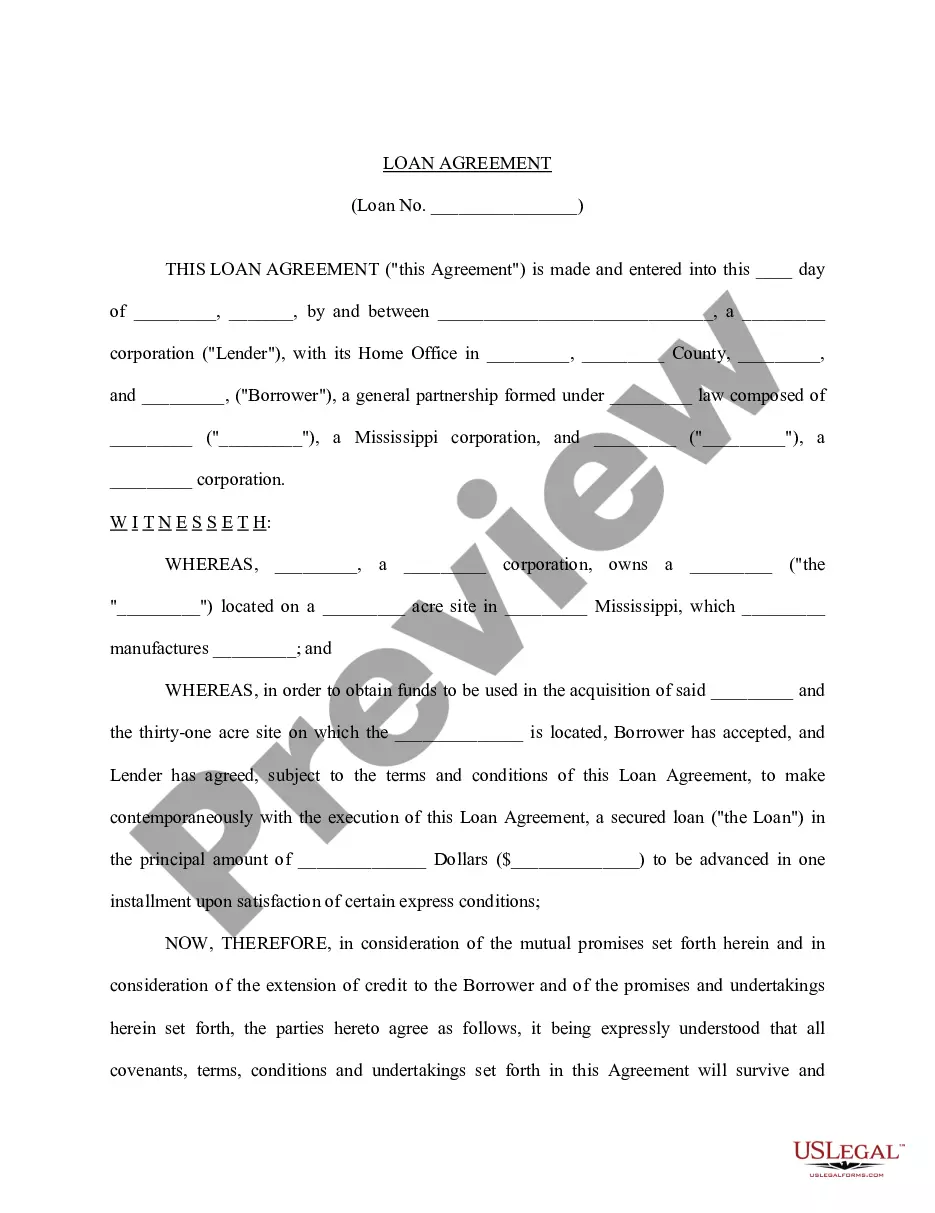
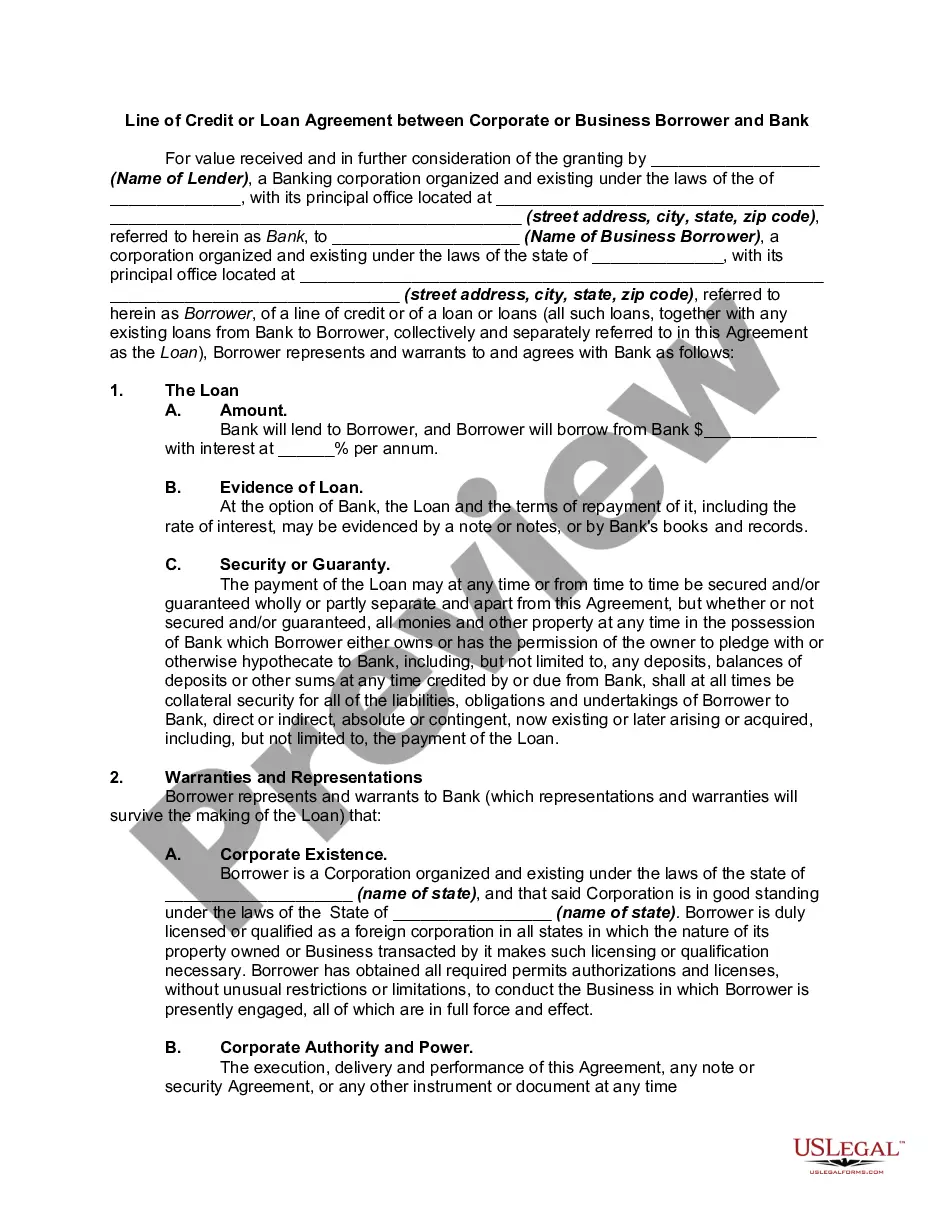
A Loan Agreement is a formal contract between a lender and a borrower that outlines the terms of a loan. It specifies the obligations, rights, and responsibilities of both parties involved in the loan transaction. This agreement is essential for clearly defining the expectations and procedures regarding repayment, interest rates, and other crucial details, setting it apart from other financial agreements.
Key components of this form
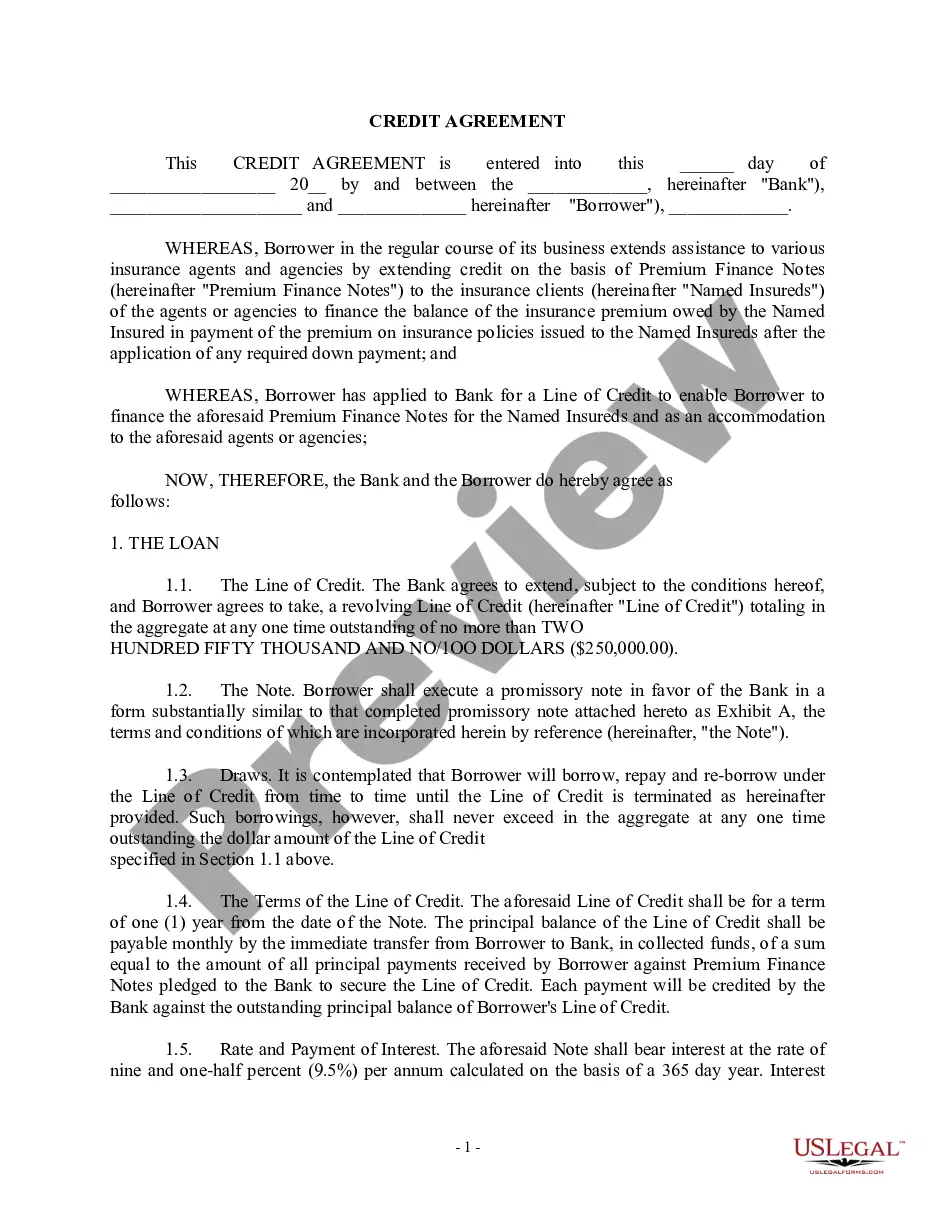
- Loan amount and terms are clearly outlined, specifying the principal and interest rates.
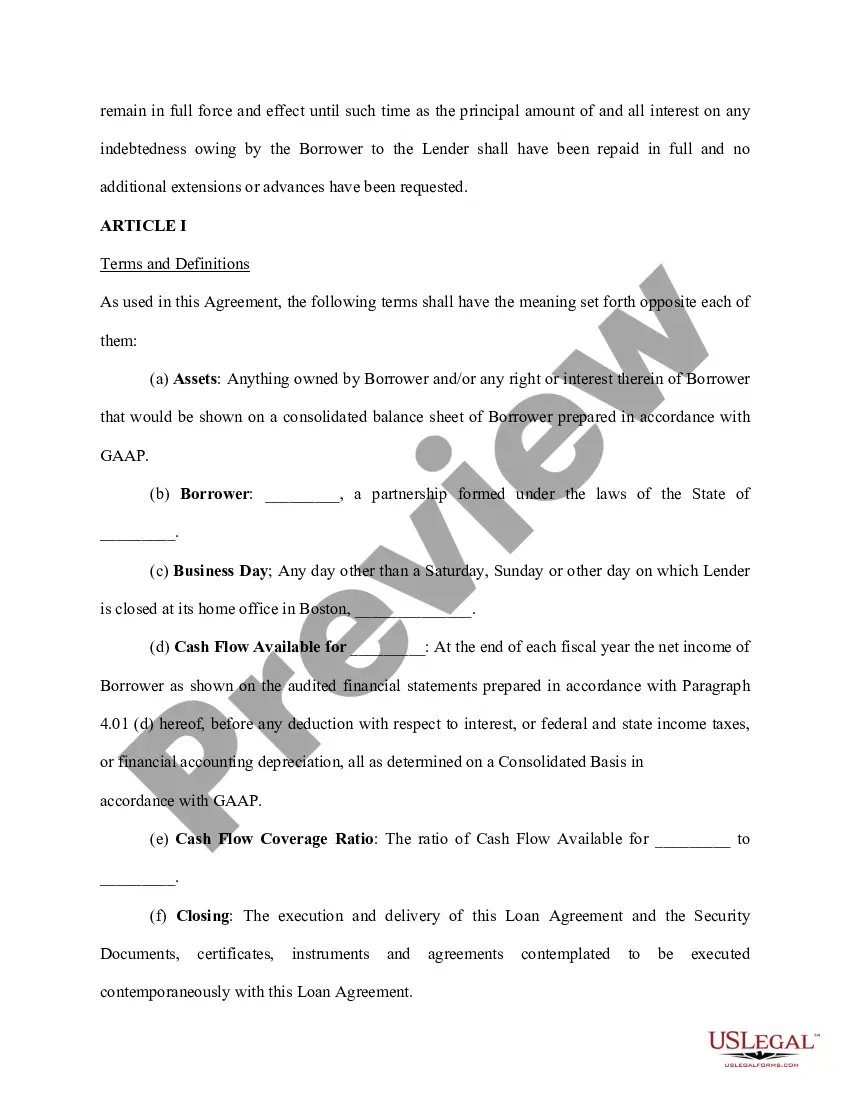
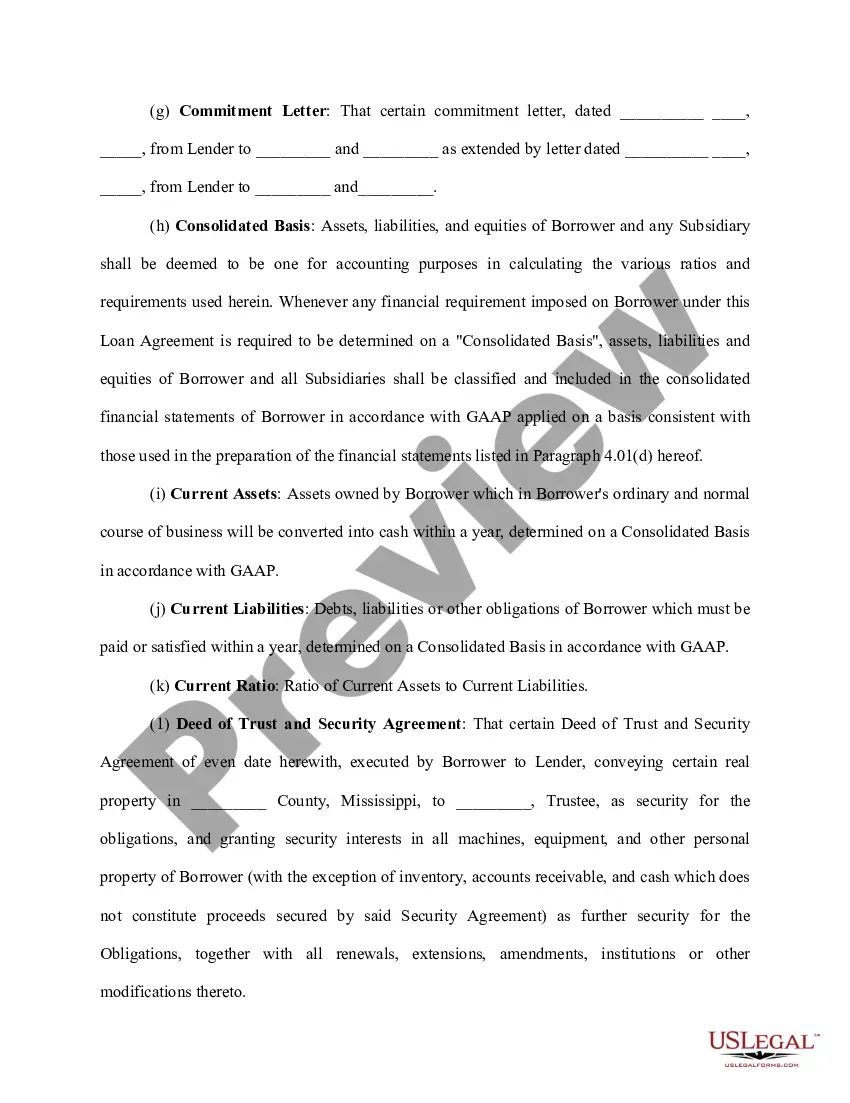
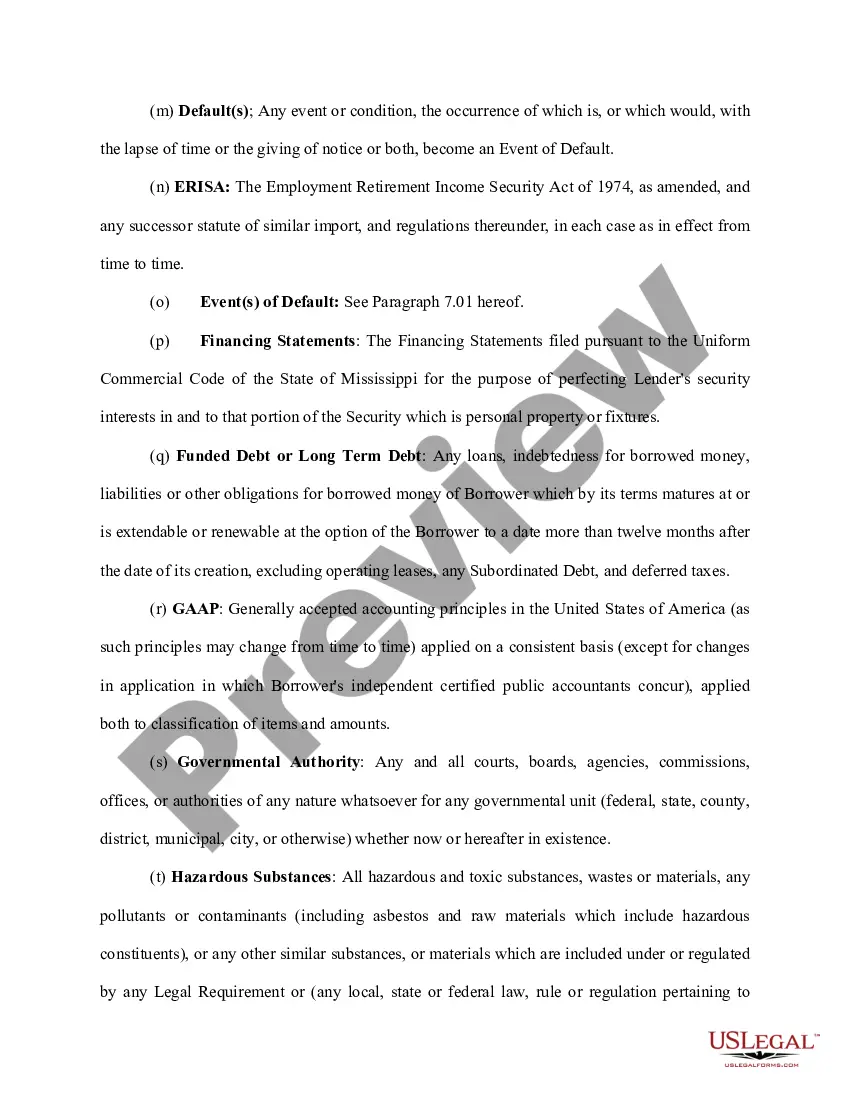
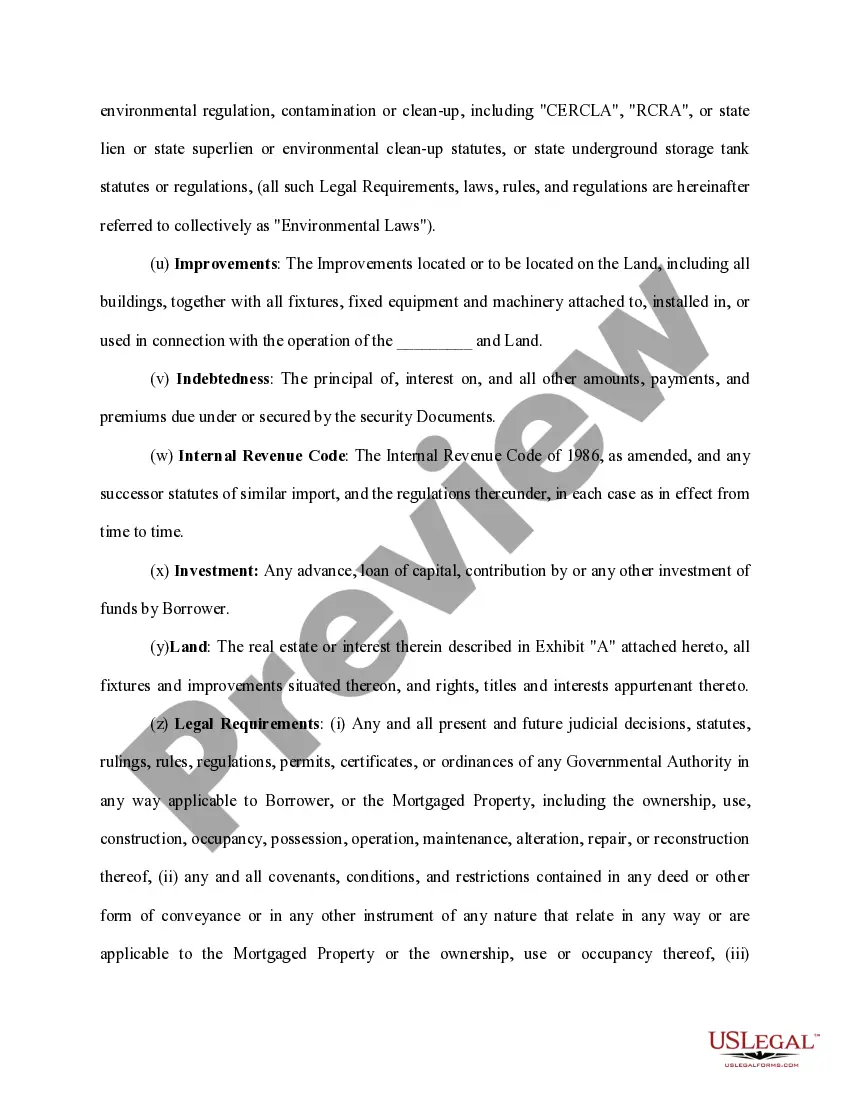
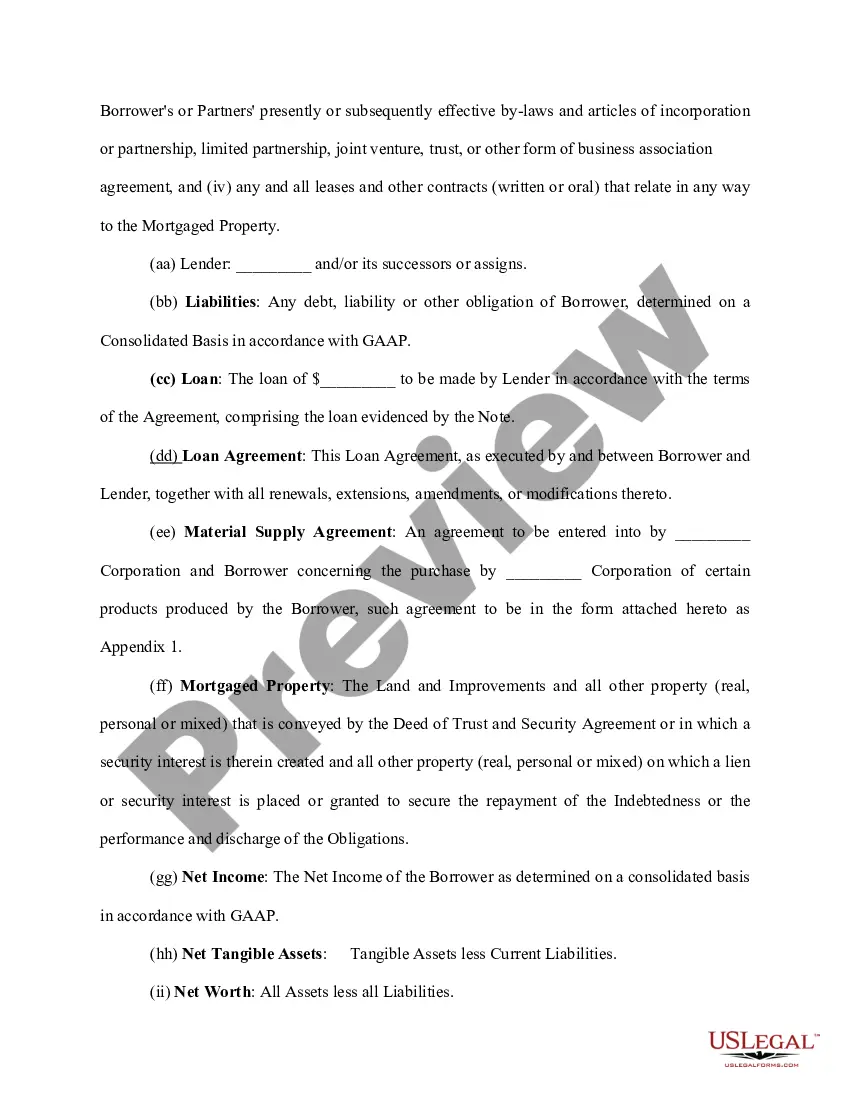
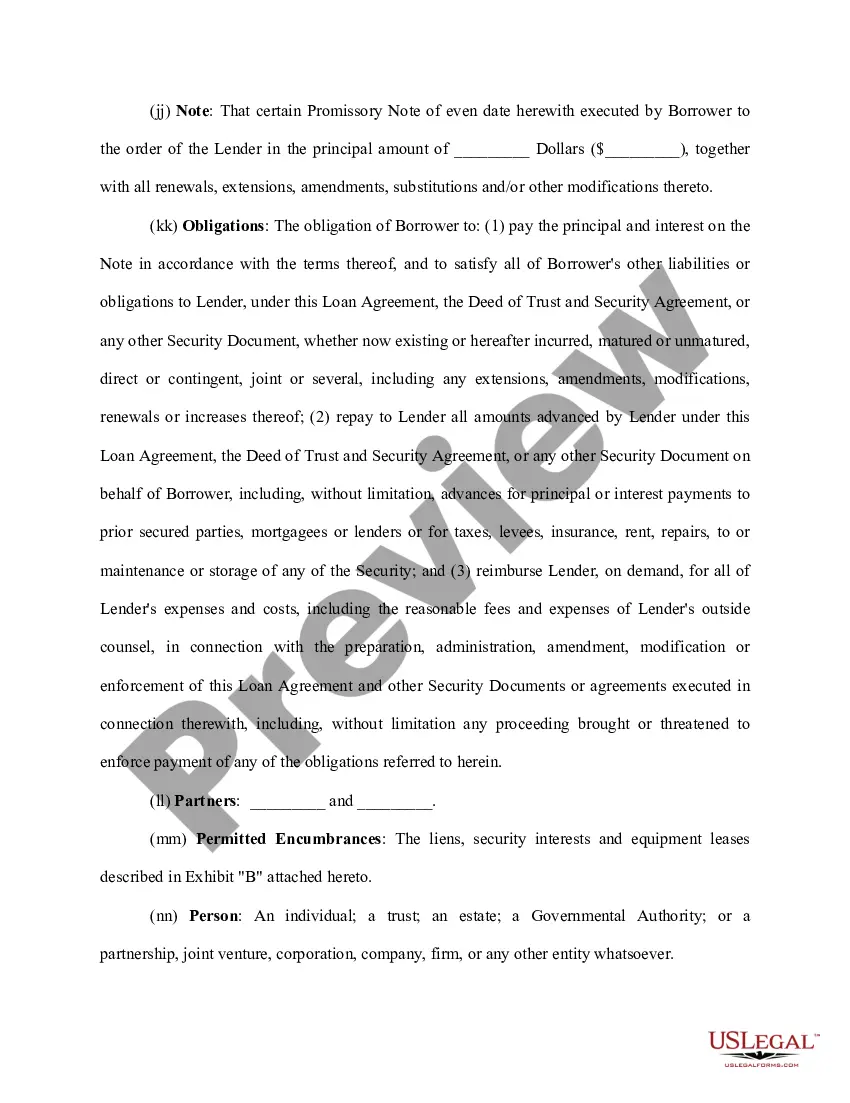
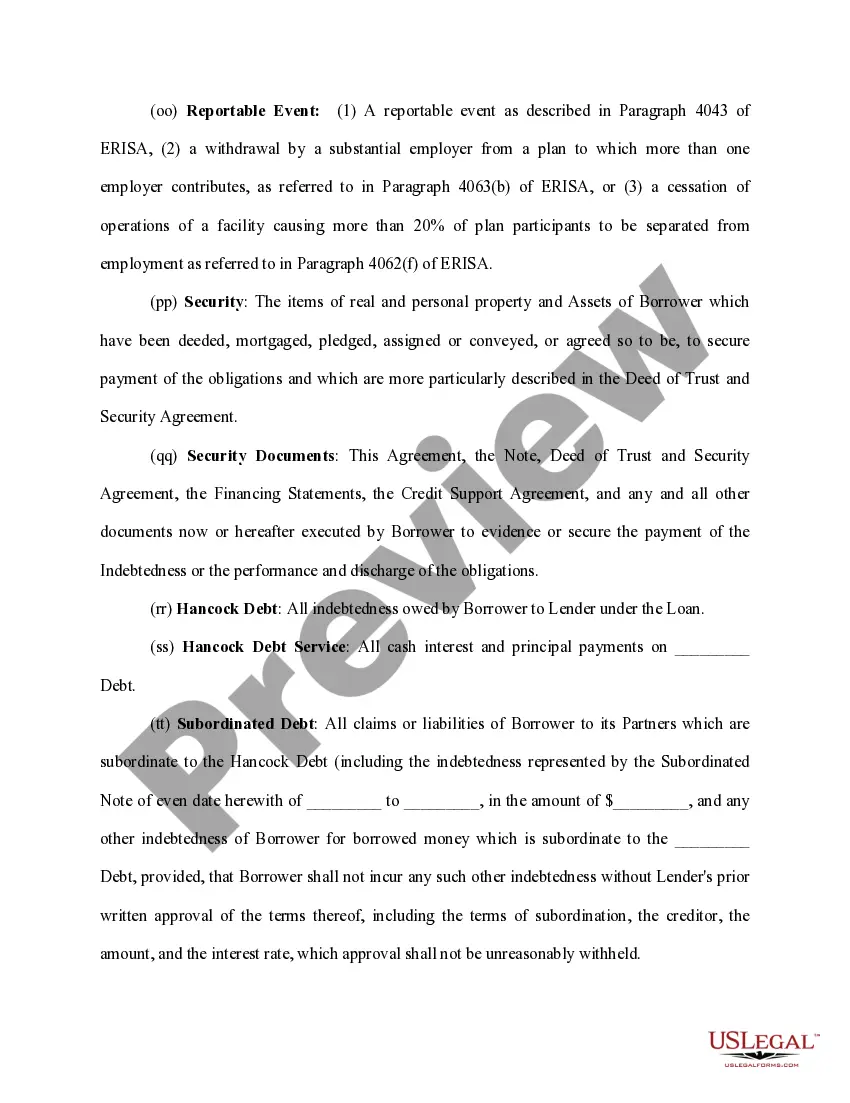
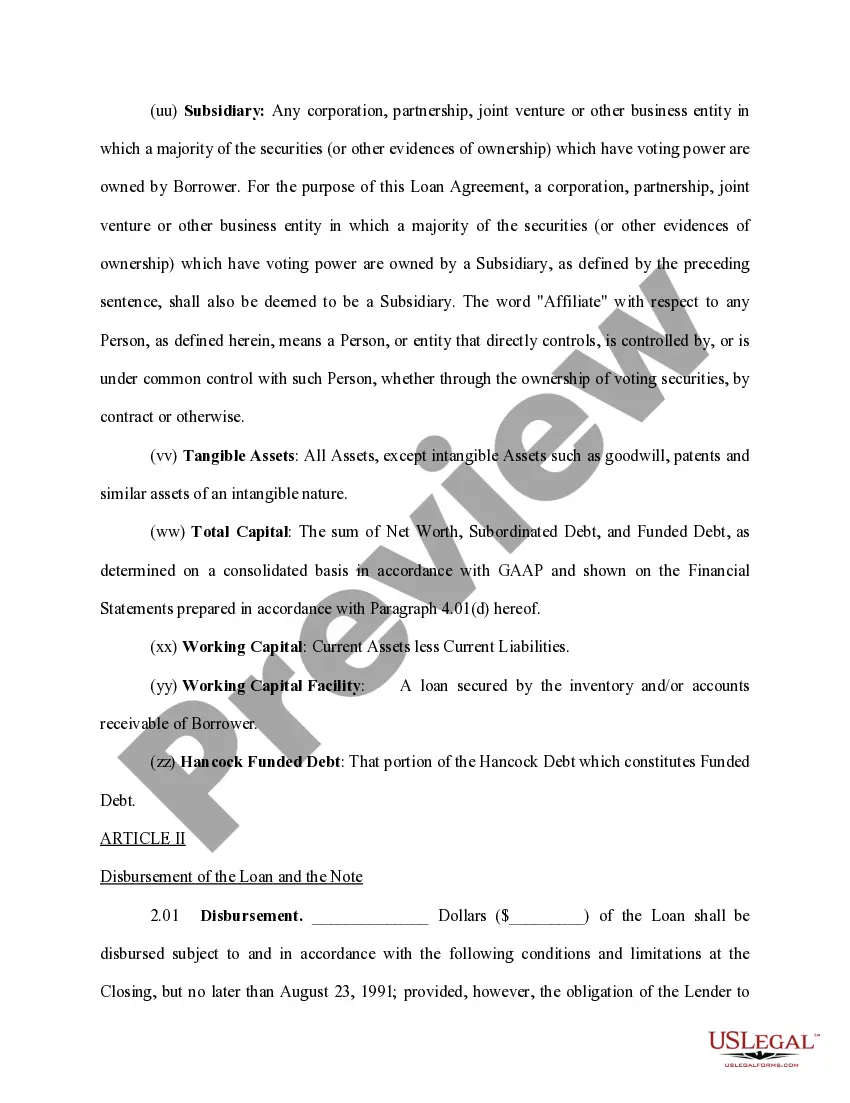
- Definitions of key terms that establish the framework for the agreement.
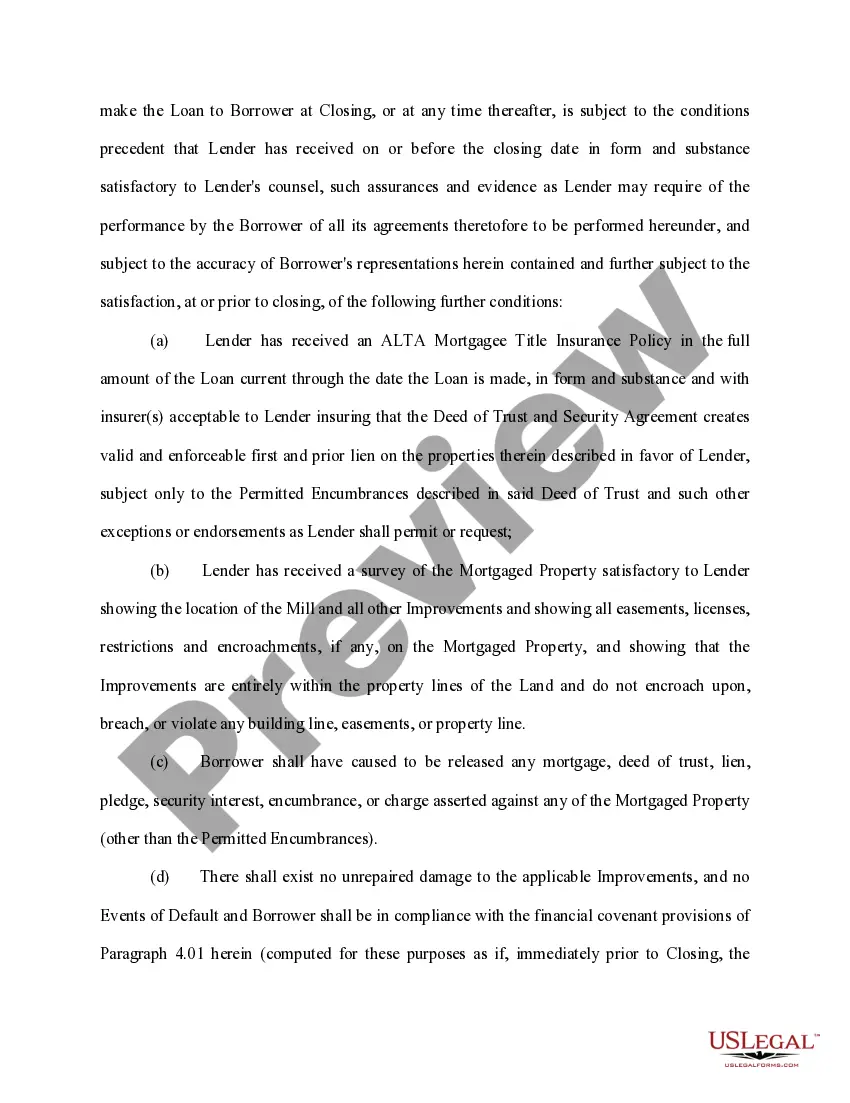
- Details about the collateral or security for the loan are specified.
- Covenants that bind both parties to their obligations, including payment schedules.
- Conditions for default and the associated remedies for the lender.

Situations where this form applies
This Loan Agreement should be used when an individual or organization wishes to borrow money and requires a formalized contract to govern the loan transaction. It is applicable in scenarios such as purchasing property, funding a business expansion, or personal loans among family and friends.
Who needs this form
- Individuals borrowing money for personal purposes.
- Businesses needing financing for operational expenses or capital investment.
- Financial institutions or private lenders providing loans to individuals or businesses.
- Partners in a business requiring clarity on financial responsibilities.
How to prepare this document
- Identify the parties involved: ensure accurate names and addresses of both the lender and borrower are included.
- Specify the amount of the loan and interest rate: detail the total amount being borrowed and the agreed-upon interest rate.
- Outline the repayment schedule: clearly indicate when payments are due and the method of payment.
- Define the terms for default and remedies available to the lender if payments are not made as agreed.
- Sign and date the agreement: ensure all parties sign the document to indicate their acceptance of the terms.
Is notarization required?
This form does not typically require notarization unless specified by local law. However, obtaining a notarized document can add an extra layer of security and authenticity to the agreement.
Get your form ready online
Our built-in tools help you complete, sign, share, and store your documents in one place.
Make edits, fill in missing information, and update formatting in US Legal Forms—just like you would in MS Word.
Download a copy, print it, send it by email, or mail it via USPS—whatever works best for your next step.
Sign and collect signatures with our SignNow integration. Send to multiple recipients, set reminders, and more. Go Premium to unlock E-Sign.
If this form requires notarization, complete it online through a secure video call—no need to meet a notary in person or wait for an appointment.
We protect your documents and personal data by following strict security and privacy standards.

Make edits, fill in missing information, and update formatting in US Legal Forms—just like you would in MS Word.

Download a copy, print it, send it by email, or mail it via USPS—whatever works best for your next step.

Sign and collect signatures with our SignNow integration. Send to multiple recipients, set reminders, and more. Go Premium to unlock E-Sign.

If this form requires notarization, complete it online through a secure video call—no need to meet a notary in person or wait for an appointment.

We protect your documents and personal data by following strict security and privacy standards.
Common mistakes
- Failing to include the interest rate or repayment schedule.
- Not clearly defining the terms of default and the corresponding remedies.
- Neglecting to have both parties sign the agreement, which can render it unenforceable.
- Using vague language that may lead to misunderstandings regarding obligations.
Why use this form online
- Convenient: Access and fill out the form from anywhere at any time.
- Editability: Easily customize the form to suit the specific needs of the borrower and lender.
- Reliability: Forms are drafted by licensed attorneys to ensure legal compliance.
Understanding the legal context of a Loan Agreement is crucial. It is an enforceable document that binds both parties to their obligations and stipulates the consequences of default. In case of misunderstandings, the Loan Agreement provides clarity and legal recourse. However, local laws may vary, impacting how this agreement is interpreted and enforced.
Quick recap
Key takeaways regarding the Loan Agreement:
- A Loan Agreement outlines the terms, rights, and obligations of a loan.
- It is essential for avoiding disputes between lenders and borrowers.
- Filling in the agreement accurately and completely is crucial for enforceability.
- Always consider local laws that may affect the Loan Agreement's terms.
Looking for another form?

Form popularity
FAQ
A Loan Agreement is a formal contract between a lender and a borrower that sets the rights, duties, and liabilities of the loan. It specifies repayment terms, interest, maturity, and any collateral. Use this form when borrowing or lending significant funds, especially with property as security, to create a clear, enforceable agreement and reduce disputes.
Yes, you can draft your own Loan Agreement using a template like this, which lays out sections for the lender and borrower, loan amount, interest, repayment terms, maturity, collateral, definitions, and covenants. For enforceability and state-specific rules, consult a licensed attorney to tailor the document to your transaction.
It is not required, but advisable. A standard template like this Loan Agreement provides a solid framework for identifying parties, loan amount, interest, repayment terms, and collateral. For complex loans or multi-state transactions, consulting a licensed attorney helps tailor terms, ensure compliance, and address state-specific requirements.
The appropriate legal document for loaning money is a Loan Agreement. It functions as a formal contract between lender and borrower, detailing identification of parties, loan amount, interest, repayment terms, maturity, collateral, and covenants. This form provides those provisions to establish a binding, enforceable loan arrangement.
A Loan Agreement becomes legal by creating a binding contract that clearly defines the rights, duties, and remedies of both parties. In this form, key elements include identification of parties, loan amount, interest, repayment terms, maturity, collateral, definitions (Default, Event of Default), conditions precedent for disbursement, and covenants to ensure compliance.
This Loan Agreement is more comprehensive than a simple promissory note. It includes collateral details and a security interest, defined terms such as Default and Event of Default, conditions precedent for disbursement, and covenants governing compliance and taxes, creating a full, enforceable contract beyond basic payment terms.