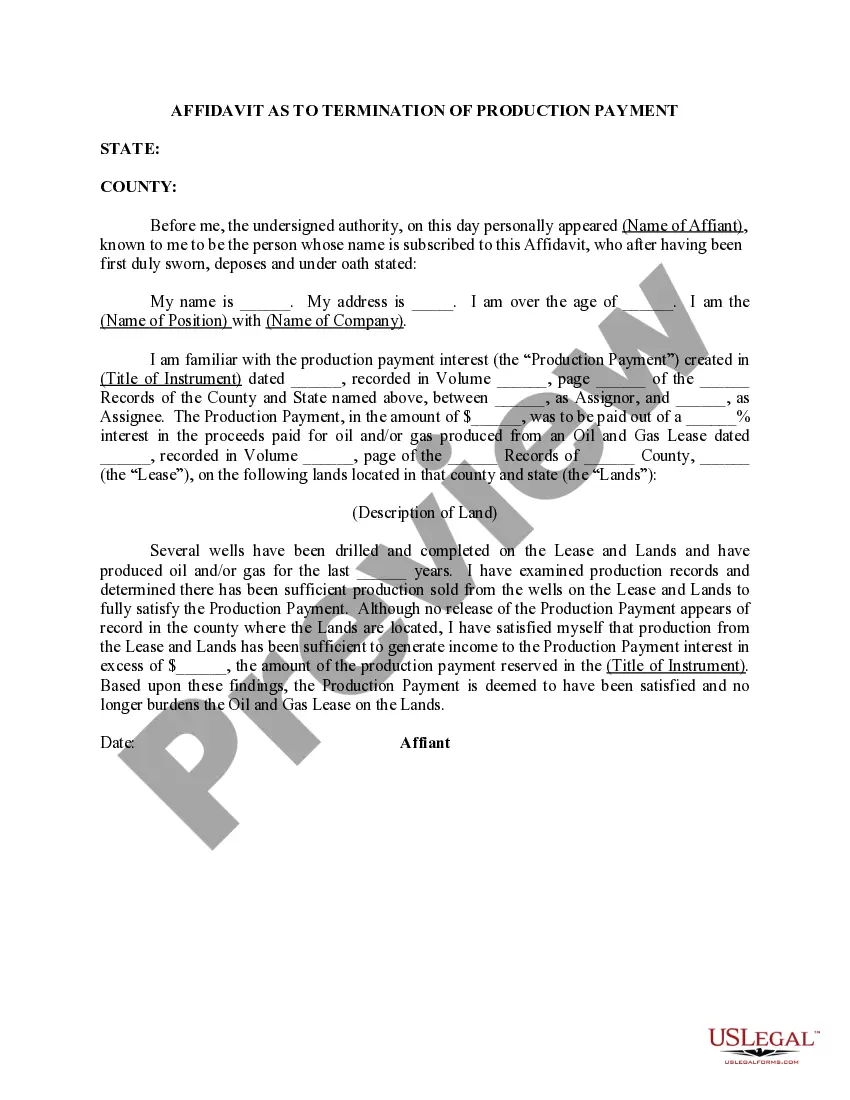
Asset Purchase Agreement - More Complex
What is this form?
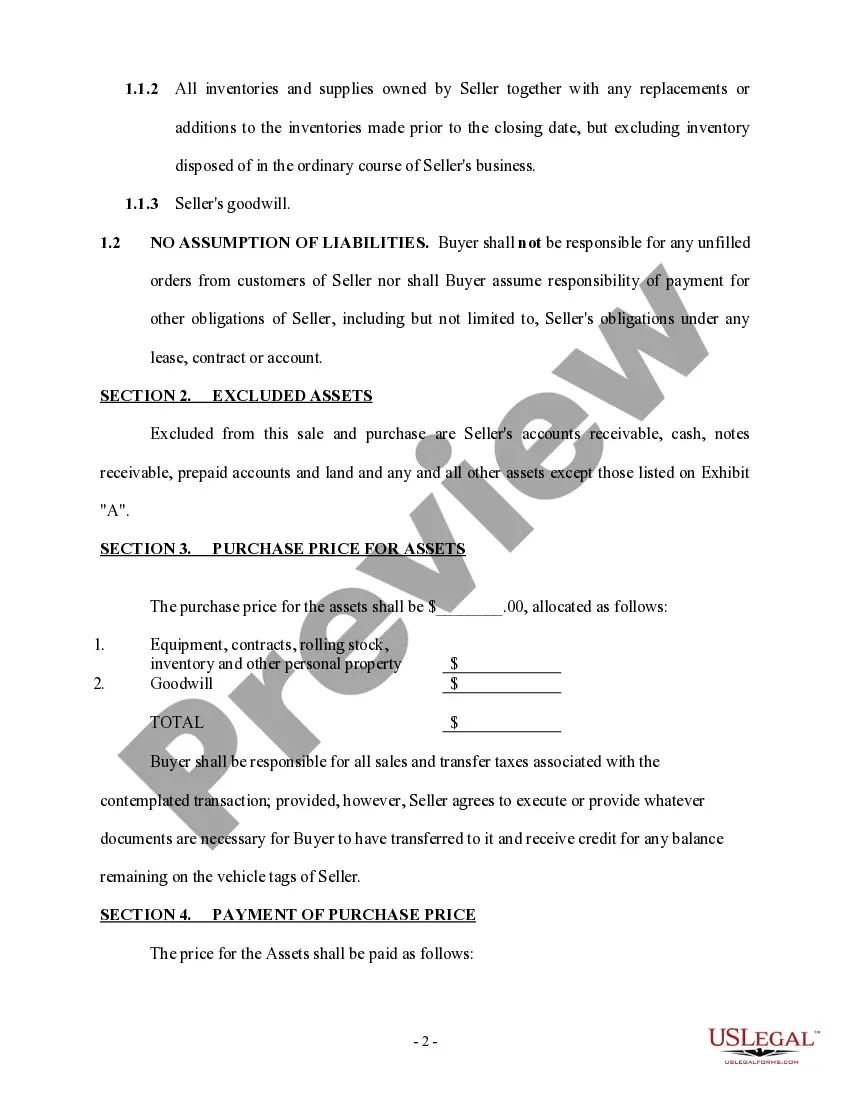
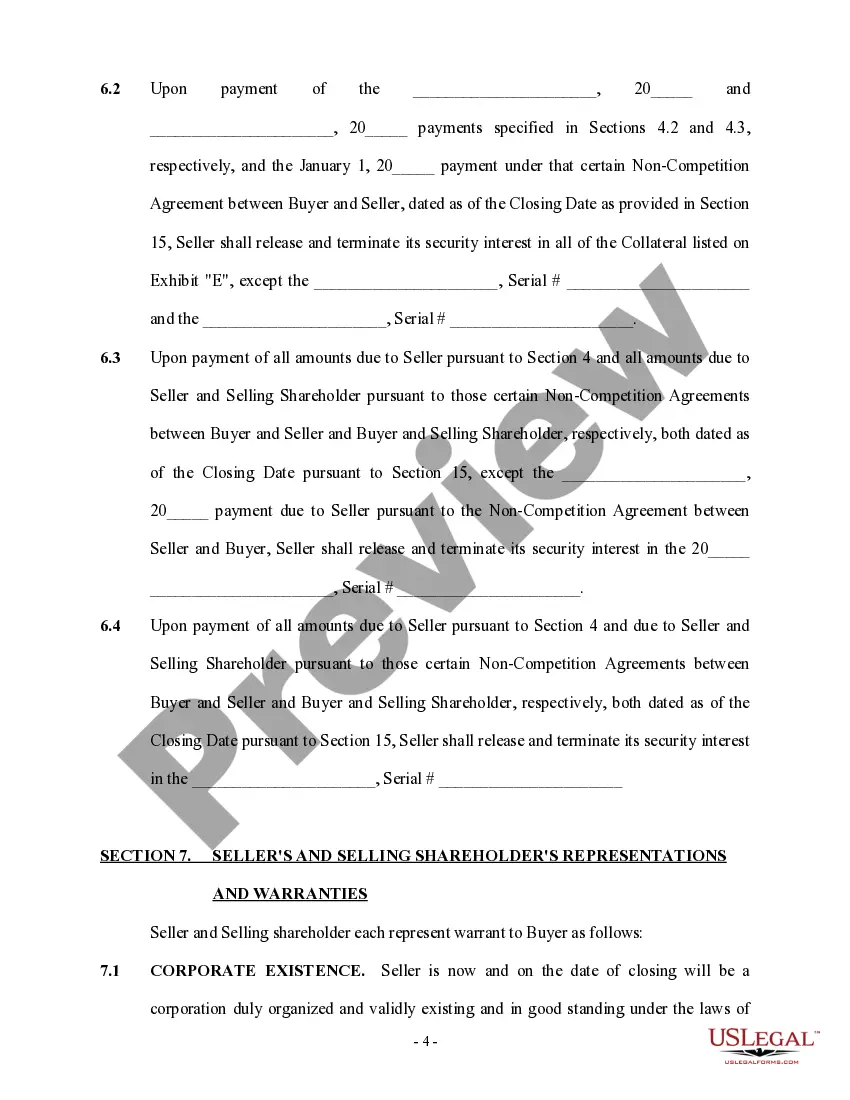
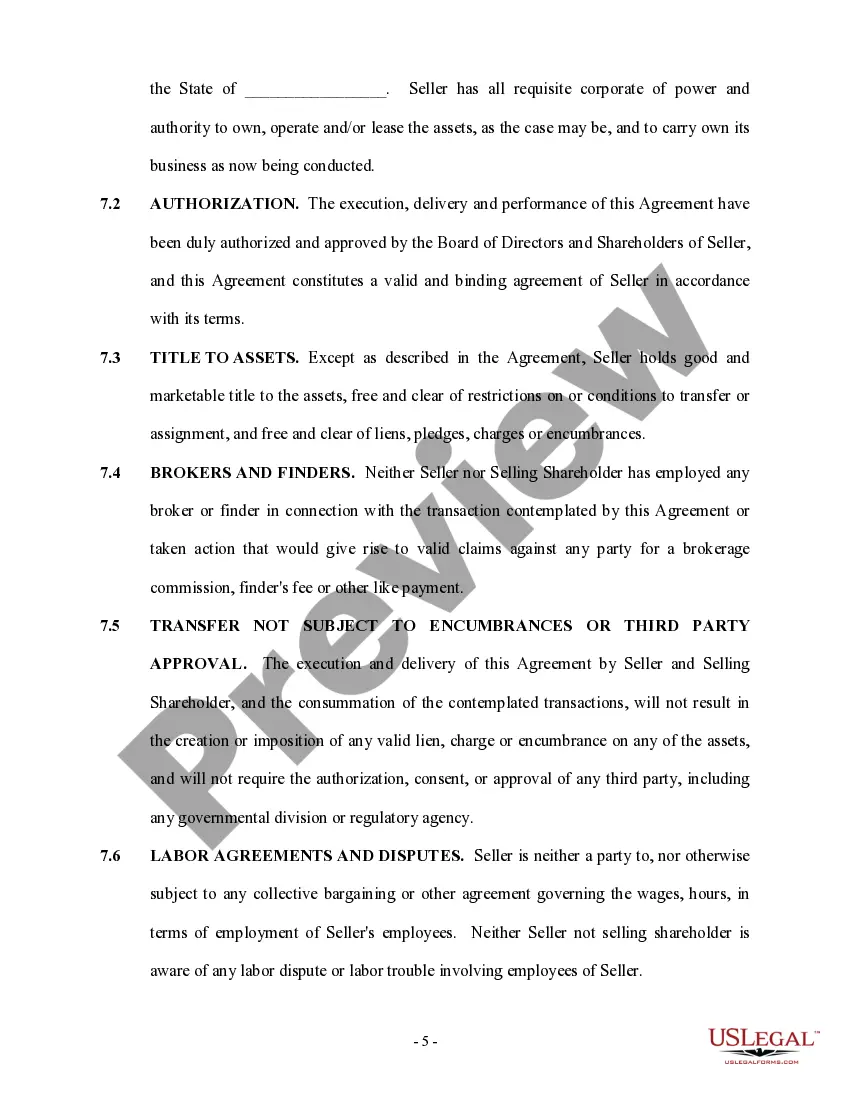
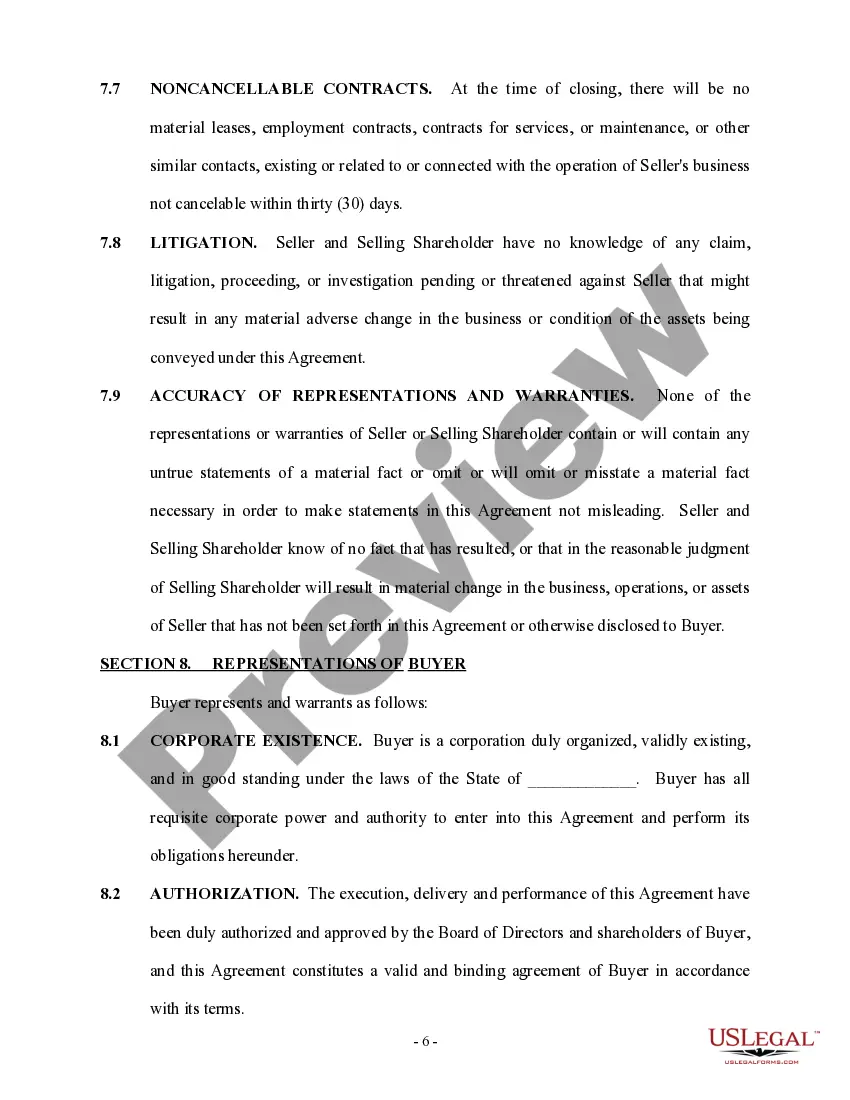
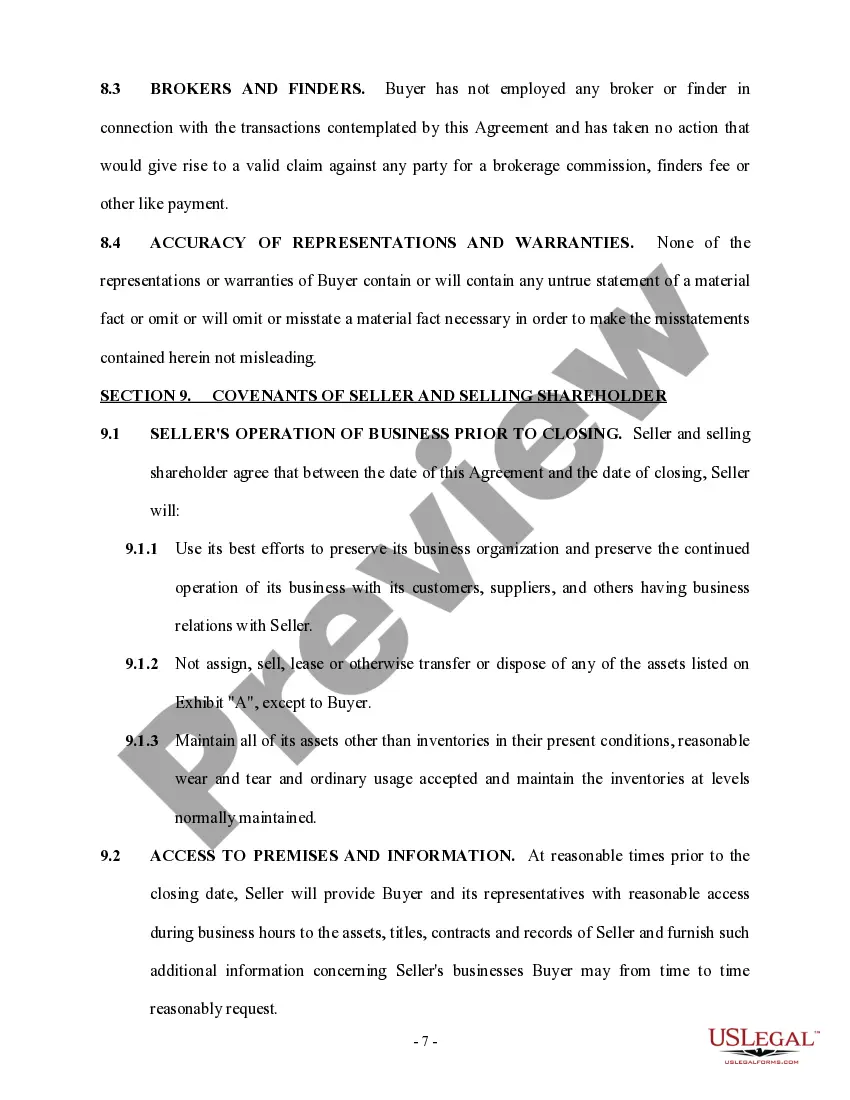
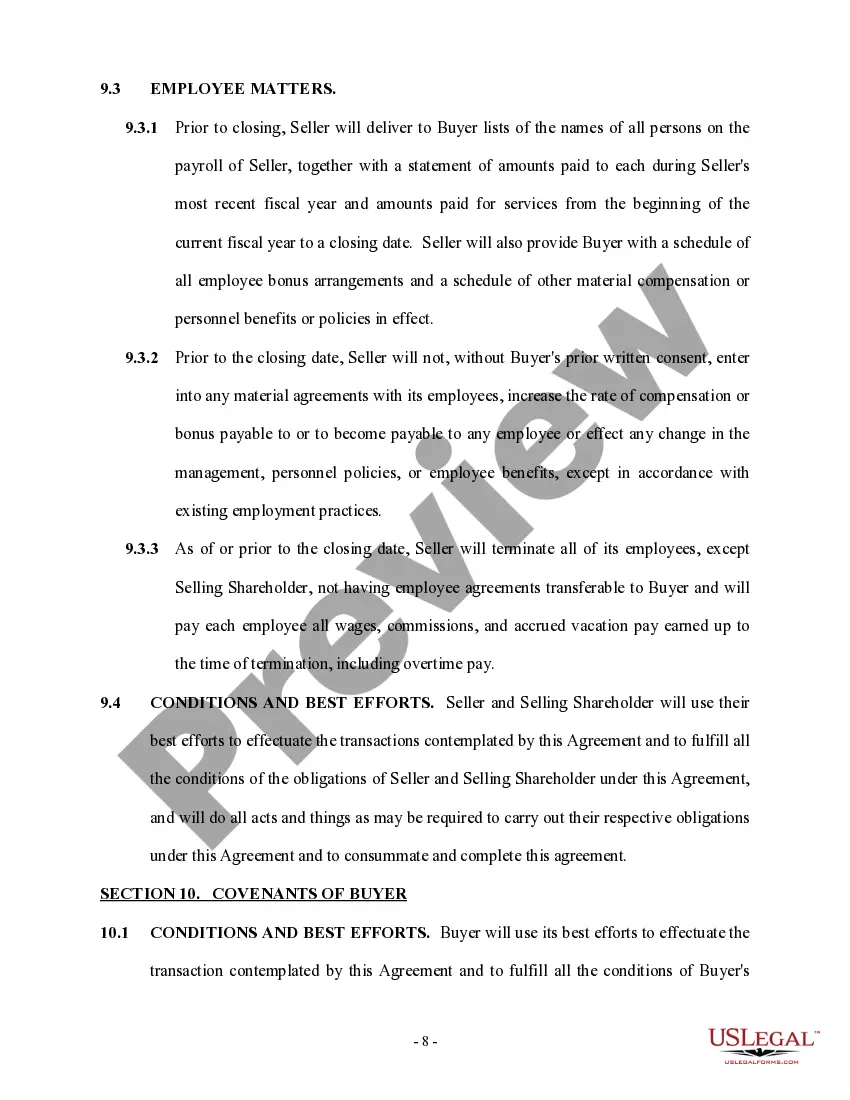
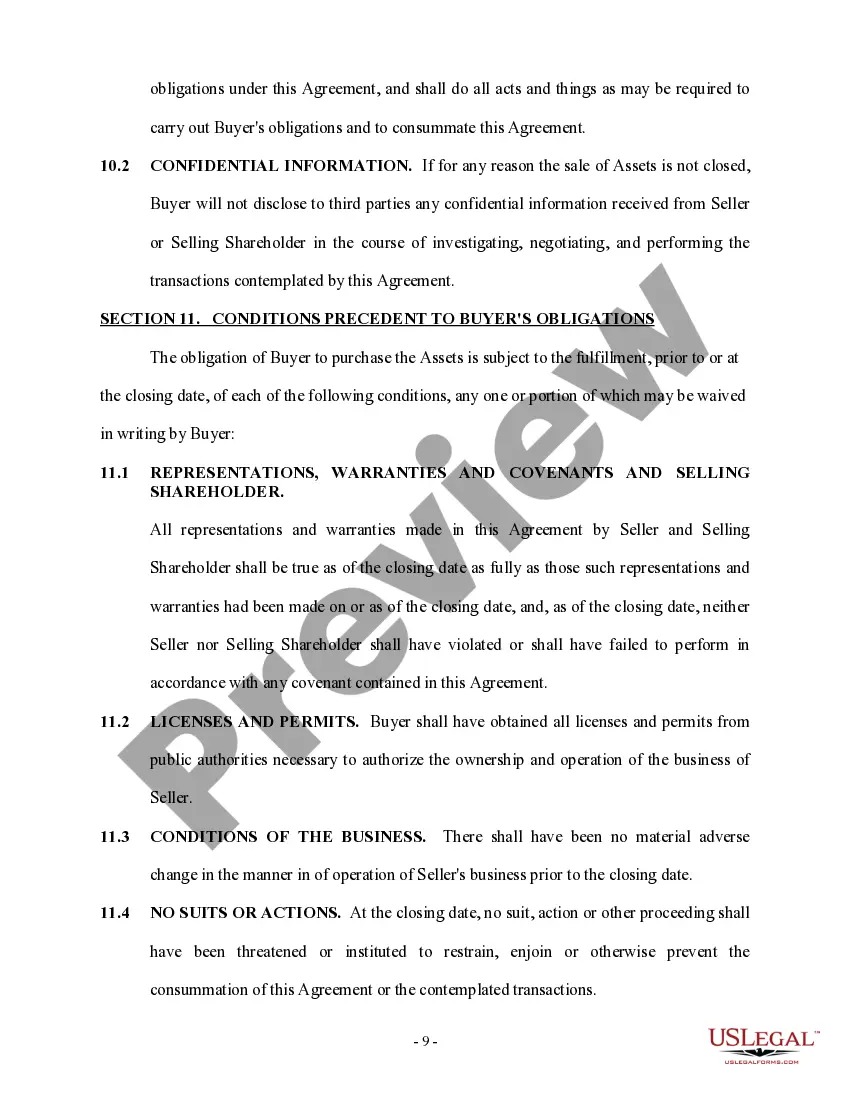
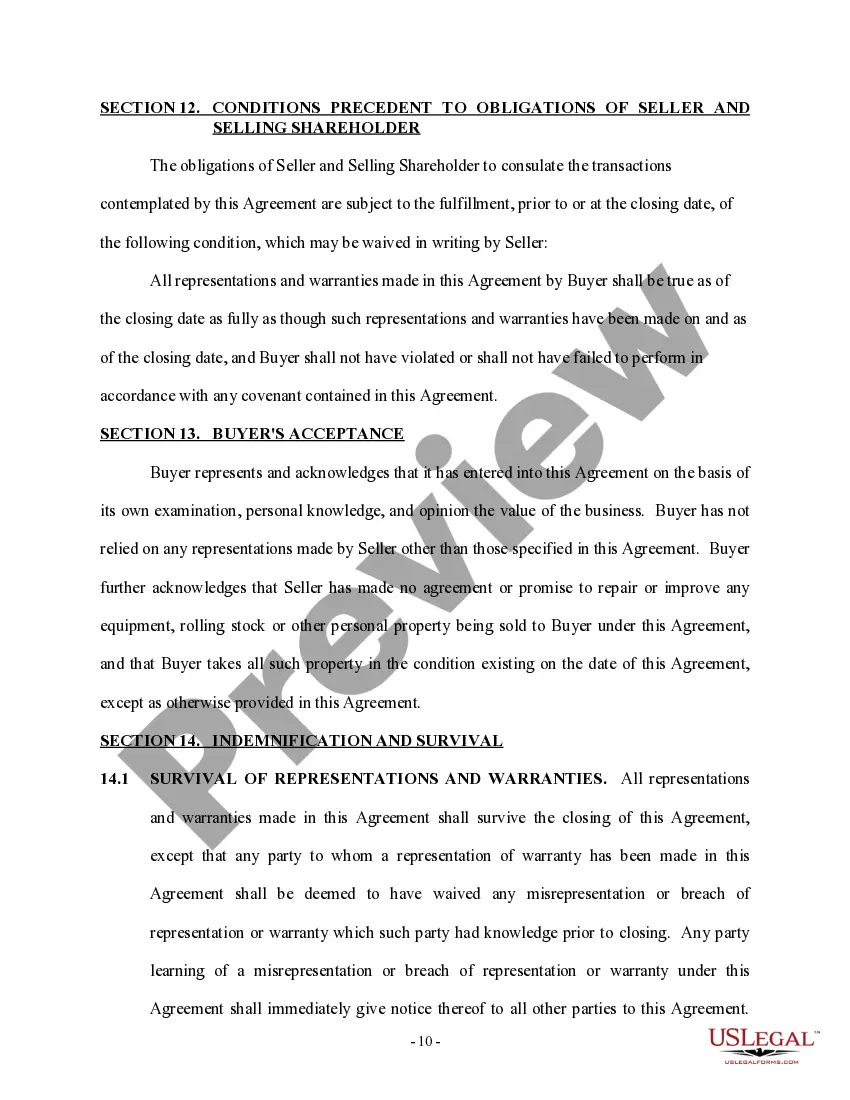
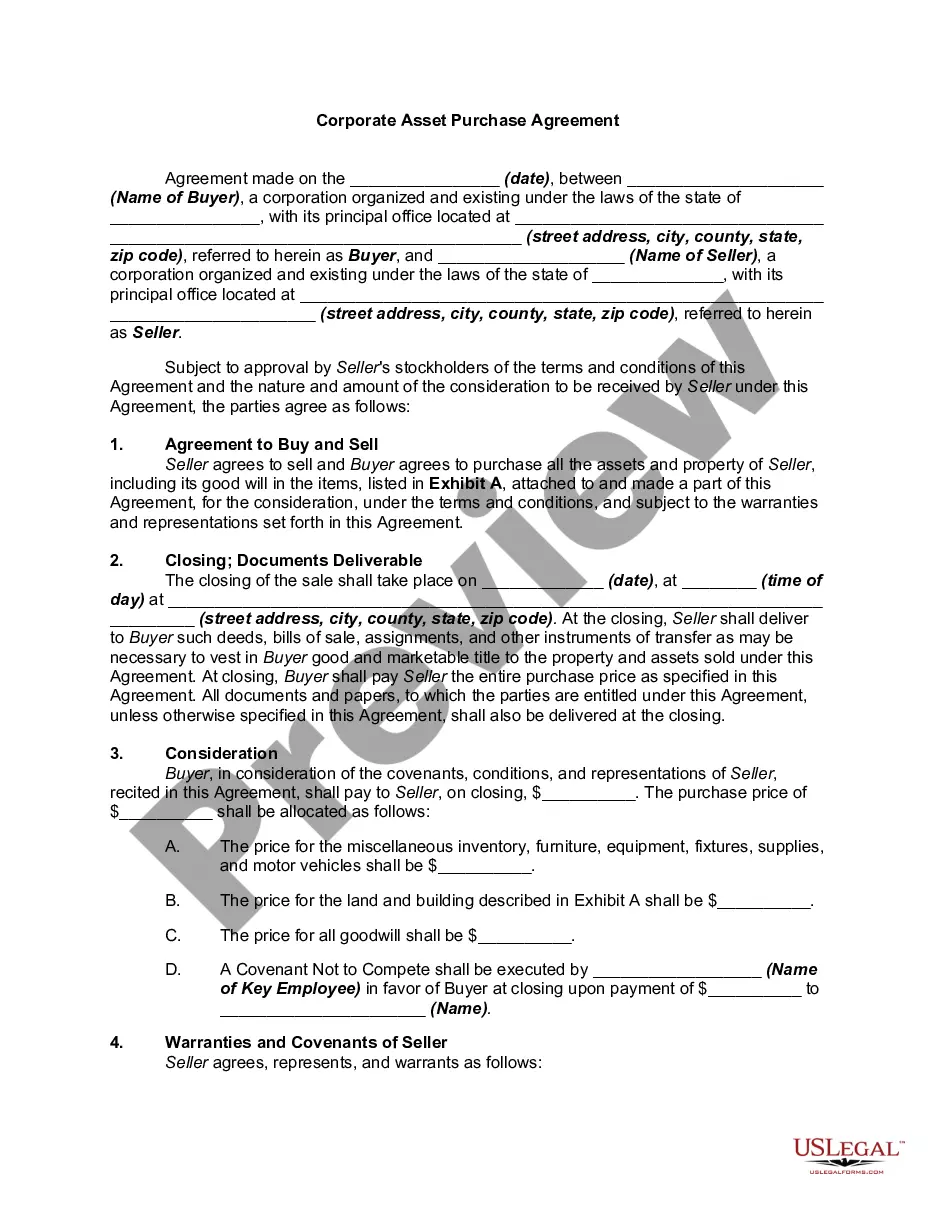
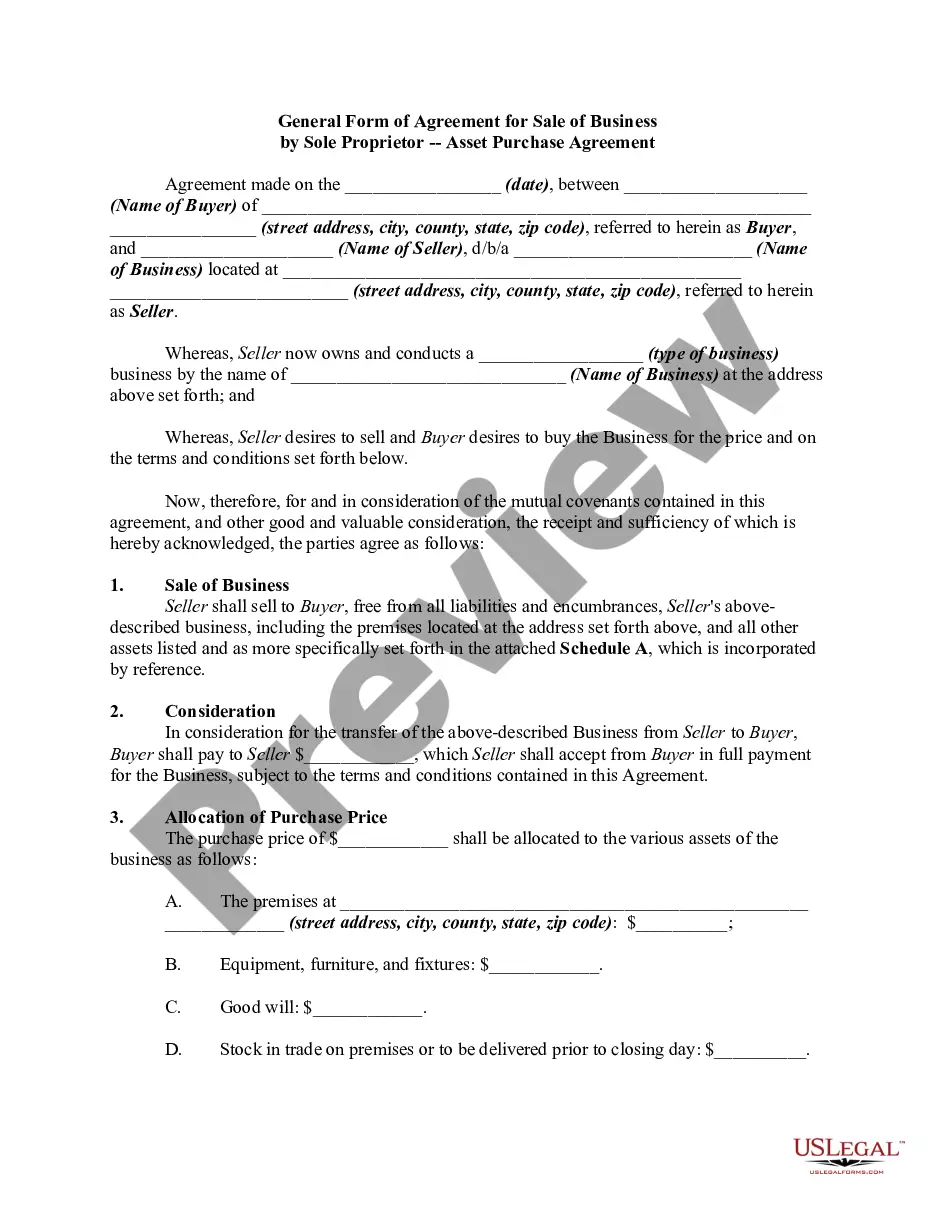
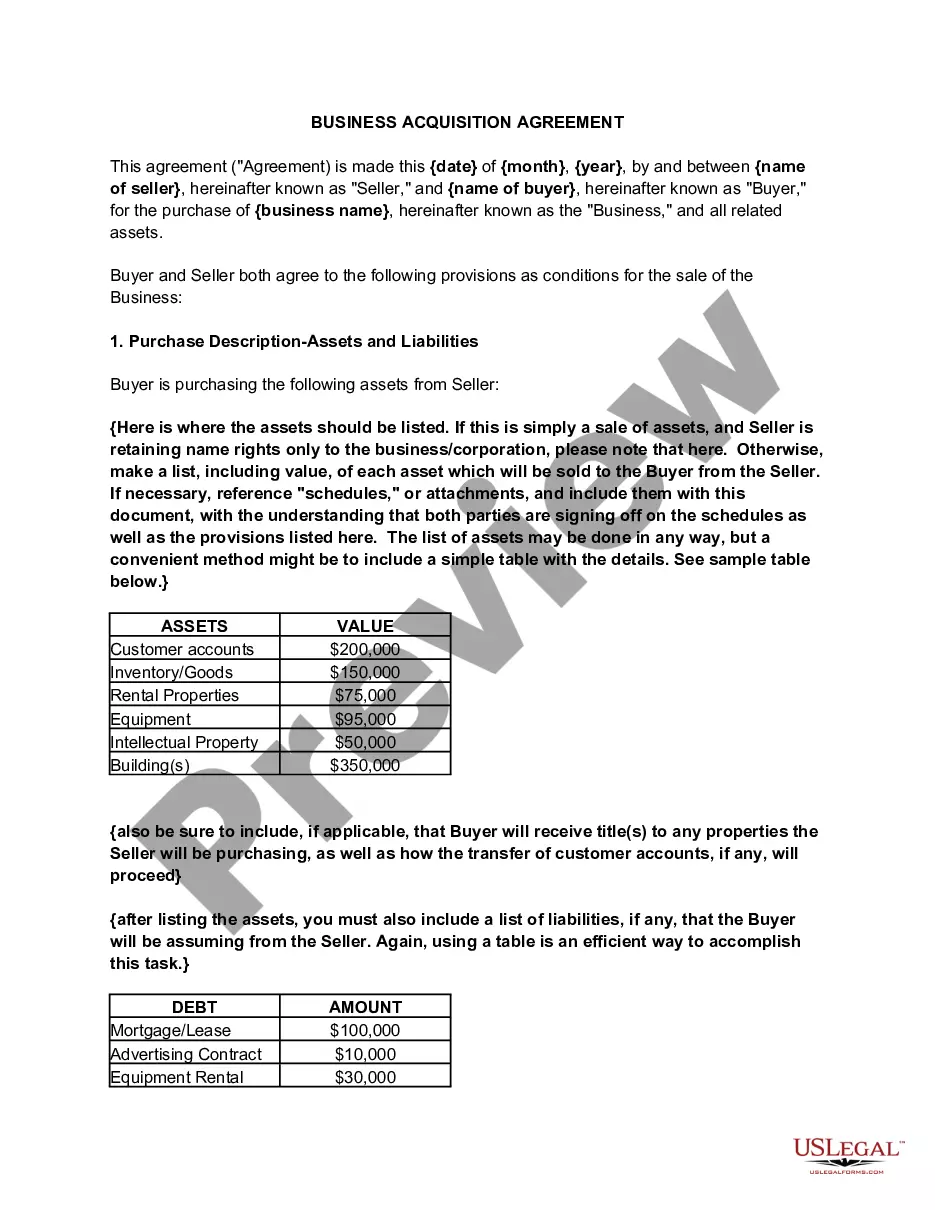
The Asset Purchase Agreement (More Complex) is a legal document that outlines the terms under which a seller agrees to sell specific assets to a buyer. This agreement is designed to protect both parties through clear definitions of the assets being sold and the responsibilities of each party. It distinguishes itself by detailing not only the assets included in the sale but also by clarifying that the buyer will not be held responsible for any outstanding liabilities of the seller, such as unfilled customer orders.
Key components of this form
- Identification of Seller, Selling Shareholders, and Buyer.
- List of assets being purchased, detailed in Exhibit A.
- Explicit clauses regarding liabilities that the buyer will not assume.
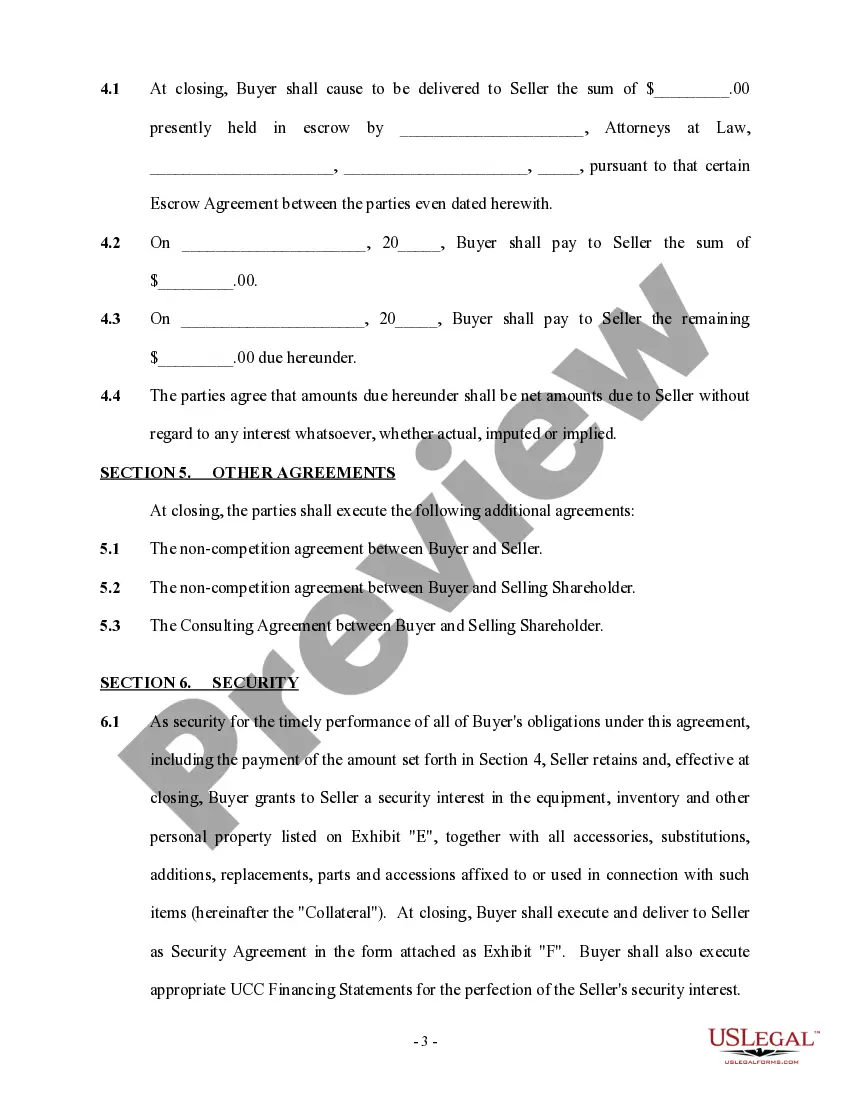
- Payment terms and schedule for the purchase price.
- Provisions for additional agreements, such as non-competition and consulting agreements.
- Representations and warranties made by both seller and buyer, ensuring transparency.



When to use this form
This form is typically used in business transactions where a buyer intends to purchase substantial assets from a seller, such as equipment, inventory, and goodwill, while avoiding any liabilities associated with the seller's business operations. It is relevant in scenarios such as mergers, acquisitions, or divestitures, where asset transfer is crucial for the new business arrangement.
Intended users of this form
This form is intended for:
- Business owners looking to sell their operational assets to another company.
- Buyers seeking to acquire specific assets of a company without acquiring its liabilities.
- Shareholders involved in the transaction who may need to agree to additional terms.
Completing this form step by step
- Identify the parties involved: Seller, Selling Shareholders, and Buyer.
- Detail the assets being sold in Exhibit A and specify any exclusions.
- Outline the purchase price and payment terms, including any escrow arrangements.
- Include necessary legal agreements as referenced in the document, such as non-competition and consulting agreements.
- Ensure all parties sign and date the document to finalize the agreement.
Does this document require notarization?
Notarization is required for this form to take effect. Our online notarization service, powered by Notarize, lets you verify and sign documents remotely through an encrypted video session, available 24/7.
Get your form ready online
Our built-in tools help you complete, sign, share, and store your documents in one place.
Make edits, fill in missing information, and update formatting in US Legal Forms—just like you would in MS Word.
Download a copy, print it, send it by email, or mail it via USPS—whatever works best for your next step.
Sign and collect signatures with our SignNow integration. Send to multiple recipients, set reminders, and more. Go Premium to unlock E-Sign.
If this form requires notarization, complete it online through a secure video call—no need to meet a notary in person or wait for an appointment.
We protect your documents and personal data by following strict security and privacy standards.

Make edits, fill in missing information, and update formatting in US Legal Forms—just like you would in MS Word.

Download a copy, print it, send it by email, or mail it via USPS—whatever works best for your next step.

Sign and collect signatures with our SignNow integration. Send to multiple recipients, set reminders, and more. Go Premium to unlock E-Sign.

If this form requires notarization, complete it online through a secure video call—no need to meet a notary in person or wait for an appointment.

We protect your documents and personal data by following strict security and privacy standards.
Mistakes to watch out for
- Failing to accurately list all assets being sold, which may lead to disputes later.
- Overlooking the liabilities that the buyer is explicitly not assuming.
- Not adhering to the payment terms outlined in the agreement.
- Neglecting to include necessary additional agreements like non-competition clauses.
- Forgetting to have all parties sign and date the agreement, which can invalidate it.
Why use this form online
- Convenience of downloading the form at any time without needing to visit a law office.
- Editability allows users to personalize the agreement to their specific needs.
- Reliability of a form drafted by licensed attorneys for legal accuracy.
- Immediate access to necessary legal documents saves time in transactions.
Looking for another form?
Form popularity
FAQ
Provisions of an APA may include payment of purchase price, monthly installments, liens and encumbrances on the assets, condition precedent for the closing, etc. An APA differs from a stock purchase agreement (SPA) where company shares, title to assets, and title to liabilities are also sold.
Does a Real Estate Purchase Agreement have to be notarized in order to be valid? No, this document does not have to be signed by a notary public since it does not get filed with the County Recorder's Office.
Once an asset purchase is complete, the assets and liabilities that have been purchased are moved to the new entity and the old entity (and any assets or liabilities it still owns) must be wound down. In a stock purchase, the buyer purchases the entire company, including all assets and liabilities.
These will include the purchase price, of course, and bills of sale, assignment and assumption agreements, intellectual property assignments, real property transfer documents and so on, as well as any legal opinions, employment agreements, escrow agreement and other ancillary documents.
An asset purchase agreement or APA is a legally binding document that outlines the terms and conditions of the purchase and sale of some or all of a company's assets.
Buyers often prefer asset sales because they can avoid inheriting potential liability that they would inherit through a stock sale. They may want to avoid potential disputes such as contract claims, product warranty disputes, product liability claims, employment-related lawsuits and other potential claims.
A purchase agreement is a legal document that is signed by both the buyer and the seller. Once it is signed by both parties, it is a legally binding contract. The seller can only accept the offer by signing the document, not by just providing the goods.
When you sign a purchase agreement for real estate, you're legally bound to the contract terms, and you'll give the seller an upfront deposit called earnest money.But having contingencies in place makes backing out of an accepted offer perfectly legal while ensuring you get your earnest money back in most cases.
An asset purchase involves the purchase of the selling company's assets -- including facilities, vehicles, equipment, and stock or inventory. A stock purchase involves the purchase of the selling company's stock only.