Wisconsin 28 Day Form With Decimals
Description

Get your form ready online
Our built-in tools help you complete, sign, share, and store your documents in one place.
Make edits, fill in missing information, and update formatting in US Legal Forms—just like you would in MS Word.
Download a copy, print it, send it by email, or mail it via USPS—whatever works best for your next step.
Sign and collect signatures with our SignNow integration. Send to multiple recipients, set reminders, and more. Go Premium to unlock E-Sign.
If this form requires notarization, complete it online through a secure video call—no need to meet a notary in person or wait for an appointment.
We protect your documents and personal data by following strict security and privacy standards.

Make edits, fill in missing information, and update formatting in US Legal Forms—just like you would in MS Word.

Download a copy, print it, send it by email, or mail it via USPS—whatever works best for your next step.

Sign and collect signatures with our SignNow integration. Send to multiple recipients, set reminders, and more. Go Premium to unlock E-Sign.

If this form requires notarization, complete it online through a secure video call—no need to meet a notary in person or wait for an appointment.

We protect your documents and personal data by following strict security and privacy standards.
Looking for another form?



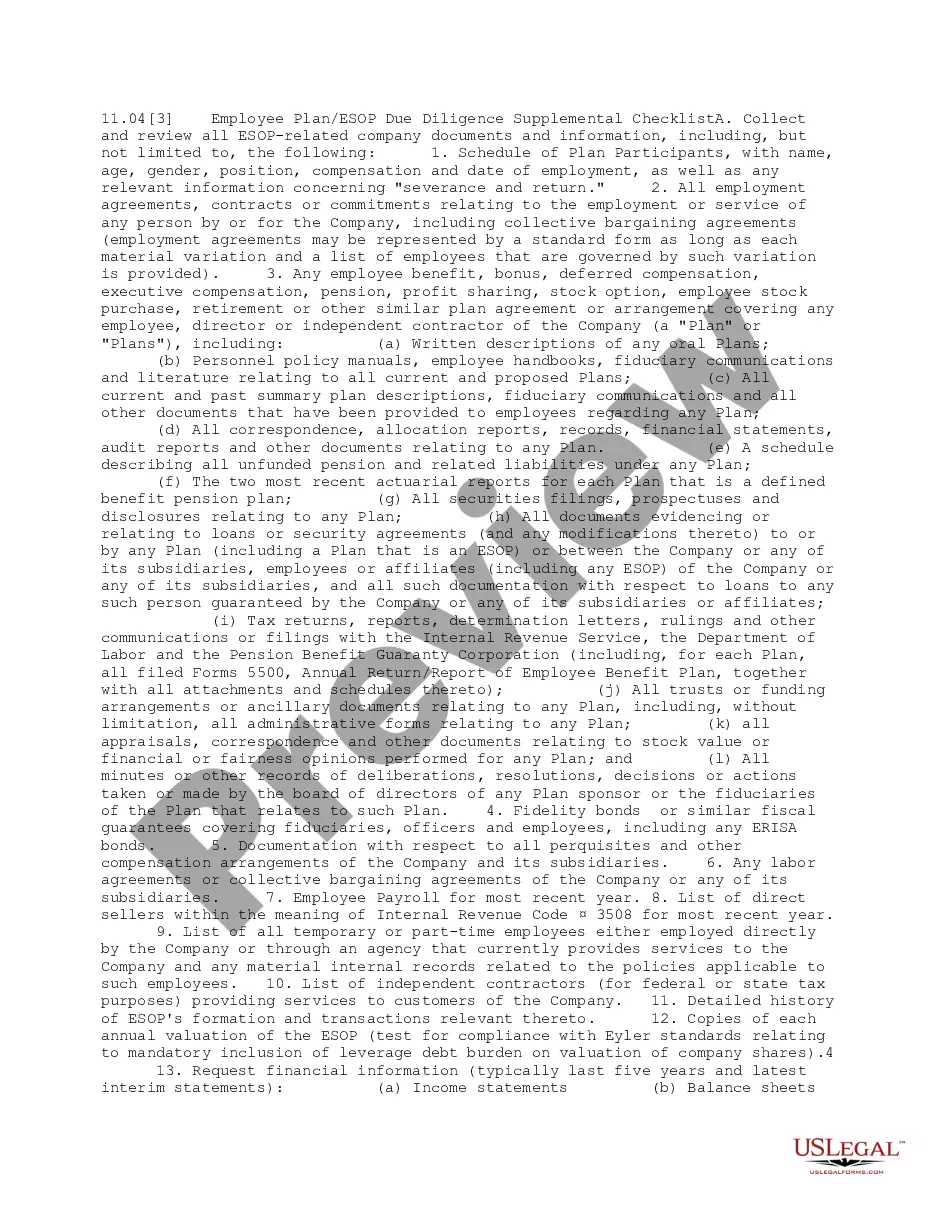

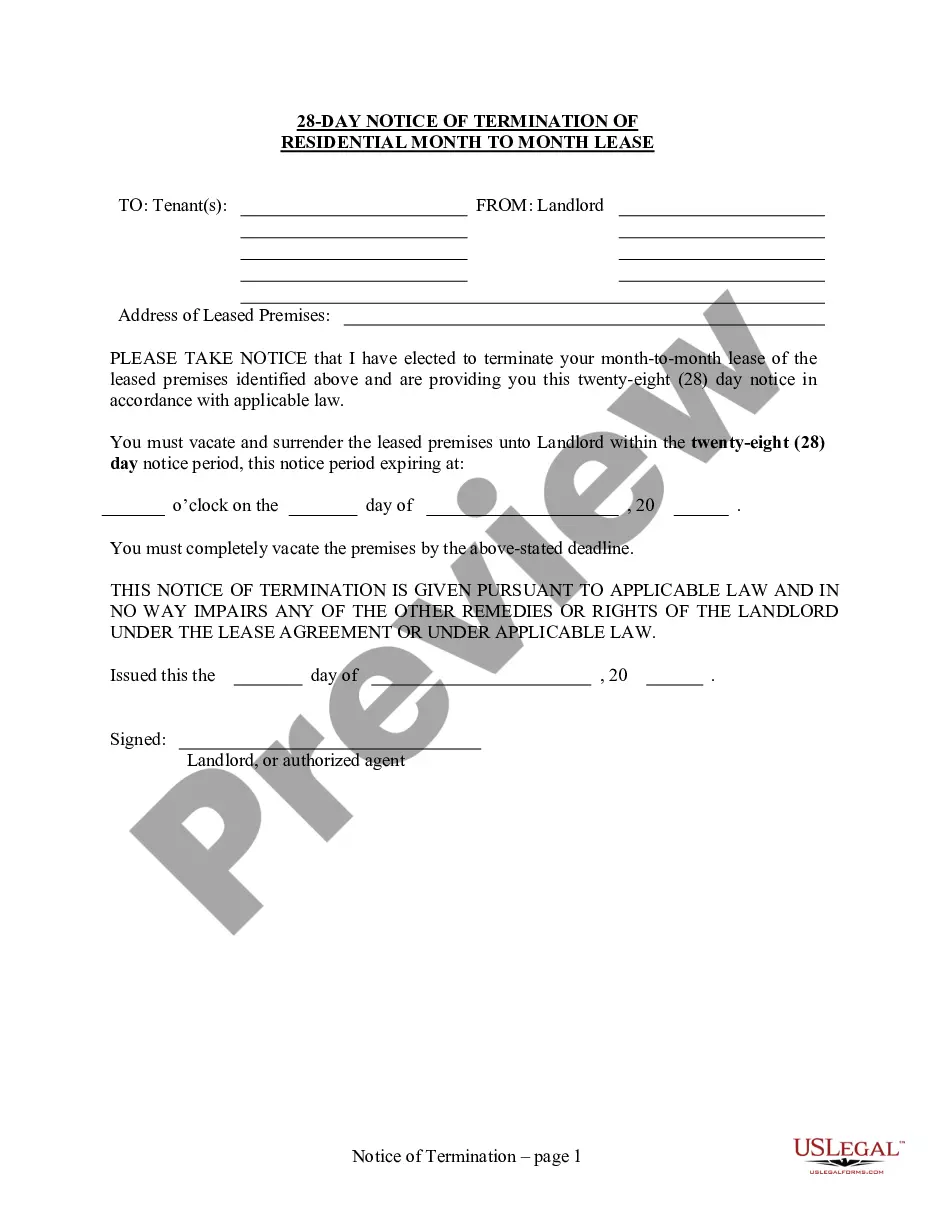
How to fill out Wisconsin 28 Day Notice To Terminate Month To Month Lease - No Right To Cure - Residential?
Whether for corporate reasons or personal issues, all individuals must confront legal matters at some point in their lives.
Completing legal documentation requires meticulous care, starting with the selection of the appropriate form template.
With an extensive catalog available at US Legal Forms, there is no need to waste time searching for the right template online. Take advantage of the library’s user-friendly navigation to find the perfect template for any situation.
- Locate the template you require by using the search bar or navigating the catalog.
- Review the form’s description to ensure it corresponds to your circumstance, jurisdiction, and district.
- Select the form’s preview to inspect it closely.
- If it is the incorrect form, return to the search functionality to find the Wisconsin 28 Day Form With Decimals template you seek.
- Download the document once it fulfills your specifications.
- If you already possess a US Legal Forms account, simply click Log in to retrieve saved templates in My documents.
- If you do not have an account yet, you can acquire the form by clicking Buy now.
- Select the appropriate pricing option.
- Fill out the account registration form.
- Choose your payment method: utilize a credit card or PayPal account.
- Pick the file format you desire and download the Wisconsin 28 Day Form With Decimals.
- Once saved, you can complete the form using editing software or print it and fill it out by hand.
Form popularity
FAQ
To calculate a 60-day notice, begin from the date you deliver the notice to the recipient. Count each day, including weekends and holidays, until you reach 60 days. This method ensures you fulfill the legal requirements for proper notice. The Wisconsin 28 day form with decimals can assist you in designing a notice that adheres to these guidelines.
Wisconsin offers taxpayers the opportunity to take a standard deduction. Standard deduction amounts are based on your taxable income and filing status.
1 adjustments: reconciliation of book and taxable income (income and deductions.) Differences exist because of the difference in GAAP and tax law. Deferred tax assets and deferred tax liabilities: book assets or book liabilities involving deferred tax amounts.
Schedule M is used to report differences between federal and Wisconsin income. These differences are called modifications and may affect the amount you report on lines 15 and 28 of Form 1NPR.
For the latest information about developments related to Schedule I and its instructions, such as legislation enacted after they were published, go to IRS.gov/Form1041.
As shown in Table 1, for 2022, a single tax- payer with Wisconsin AGI less than $16,990 has a standard deduction of $11,790; for single tax- payers with AGI in excess of $115,240, no standard deduction is provided.