Gag Order For Court
Description
Get your form ready online
Our built-in tools help you complete, sign, share, and store your documents in one place.
Make edits, fill in missing information, and update formatting in US Legal Forms—just like you would in MS Word.
Download a copy, print it, send it by email, or mail it via USPS—whatever works best for your next step.
Sign and collect signatures with our SignNow integration. Send to multiple recipients, set reminders, and more. Go Premium to unlock E-Sign.
If this form requires notarization, complete it online through a secure video call—no need to meet a notary in person or wait for an appointment.
We protect your documents and personal data by following strict security and privacy standards.

Make edits, fill in missing information, and update formatting in US Legal Forms—just like you would in MS Word.

Download a copy, print it, send it by email, or mail it via USPS—whatever works best for your next step.

Sign and collect signatures with our SignNow integration. Send to multiple recipients, set reminders, and more. Go Premium to unlock E-Sign.

If this form requires notarization, complete it online through a secure video call—no need to meet a notary in person or wait for an appointment.

We protect your documents and personal data by following strict security and privacy standards.
Looking for another form?
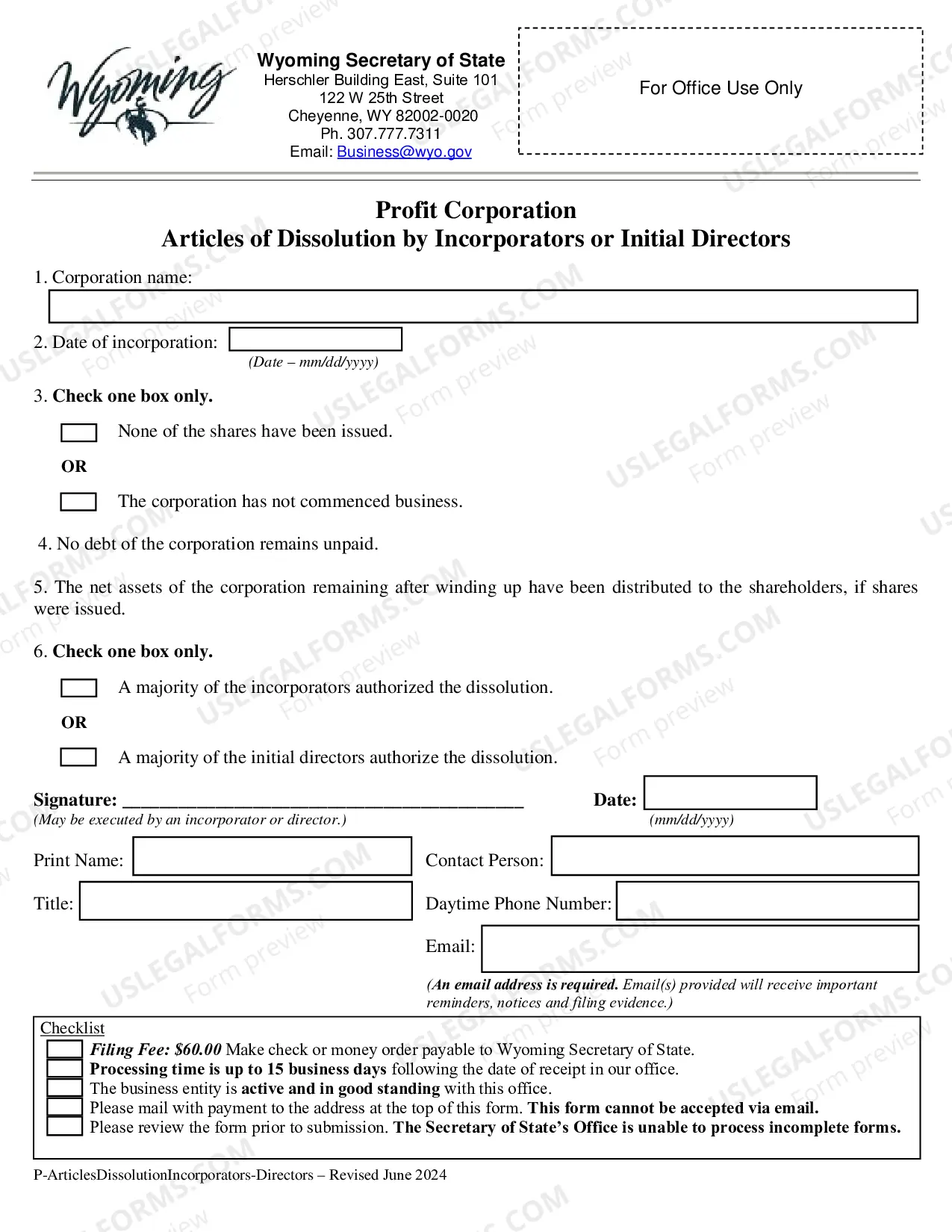
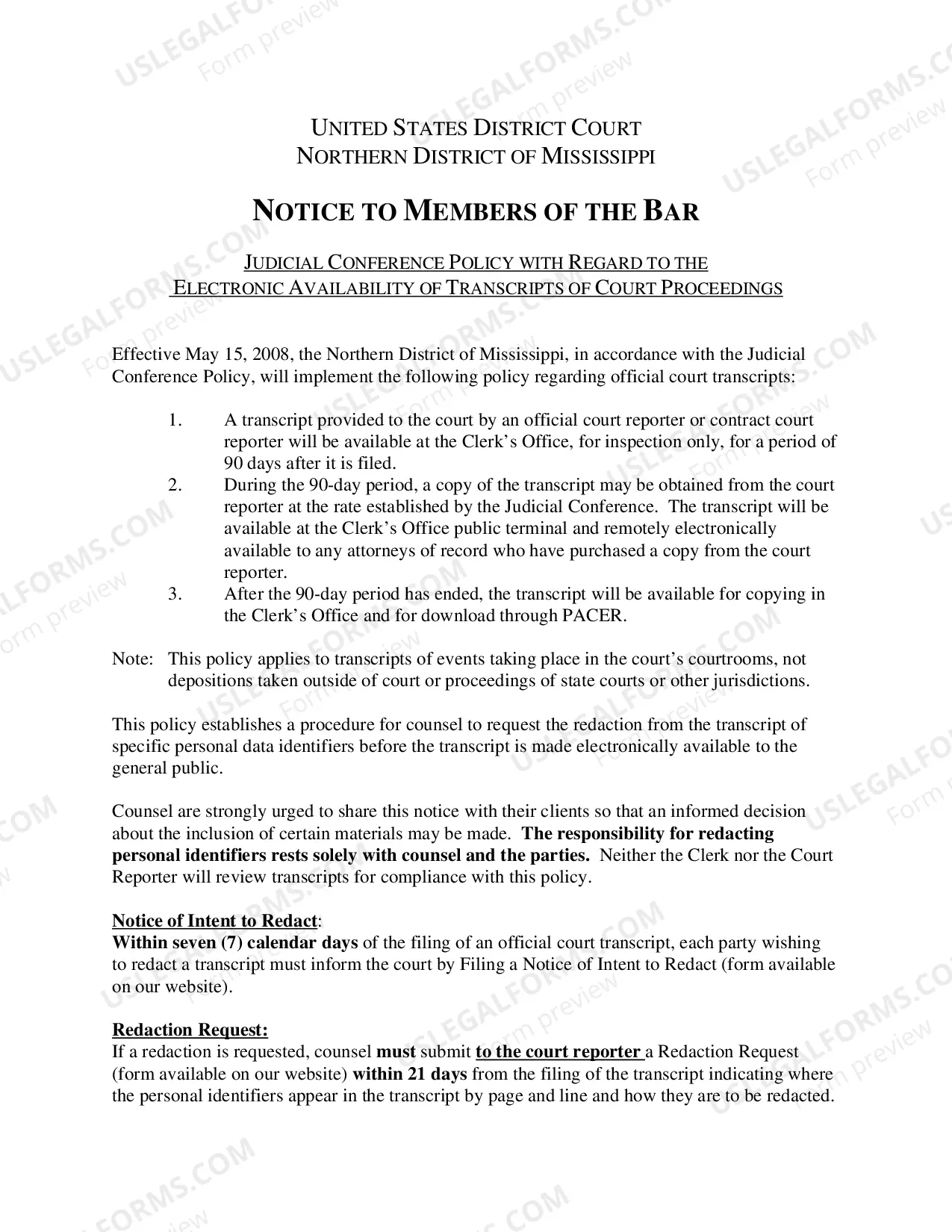

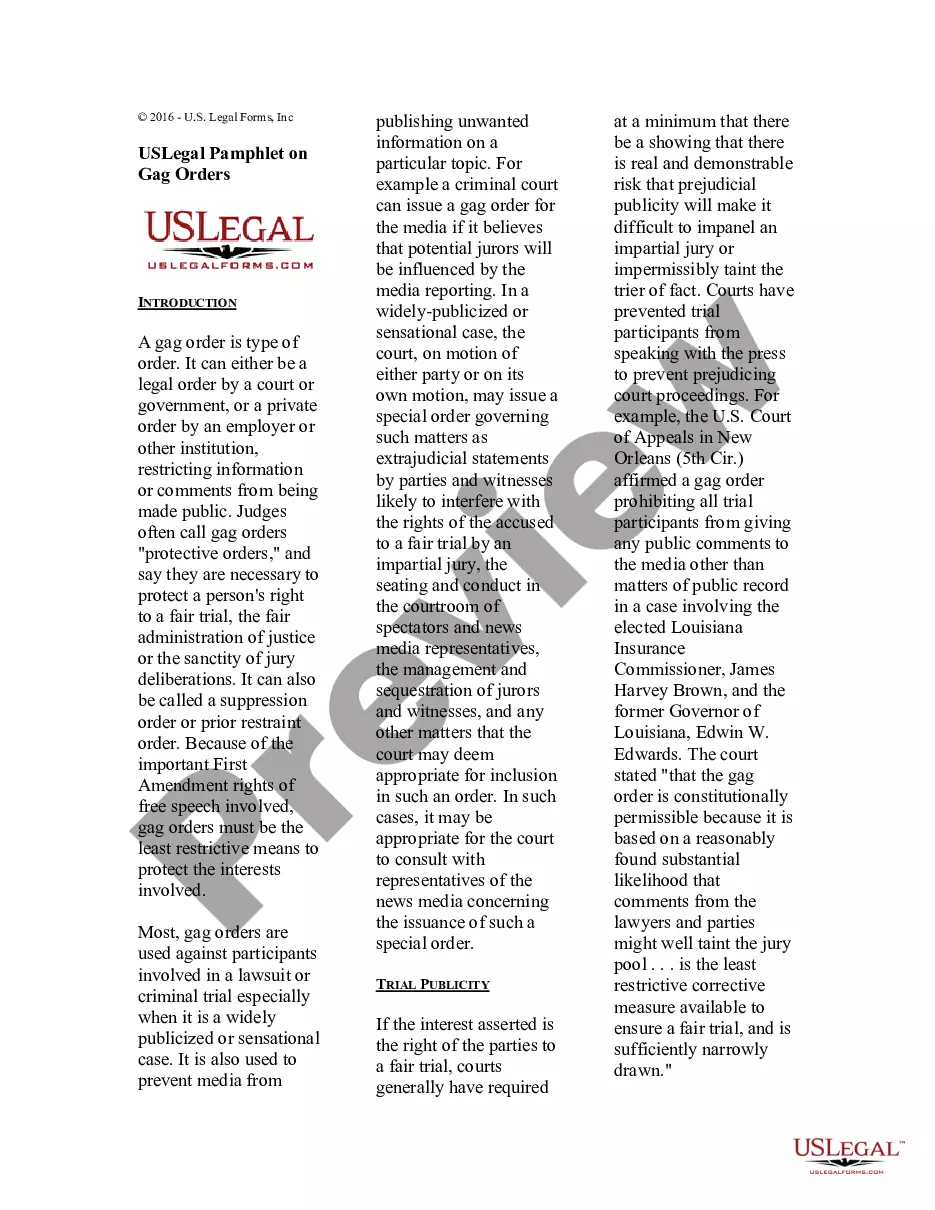
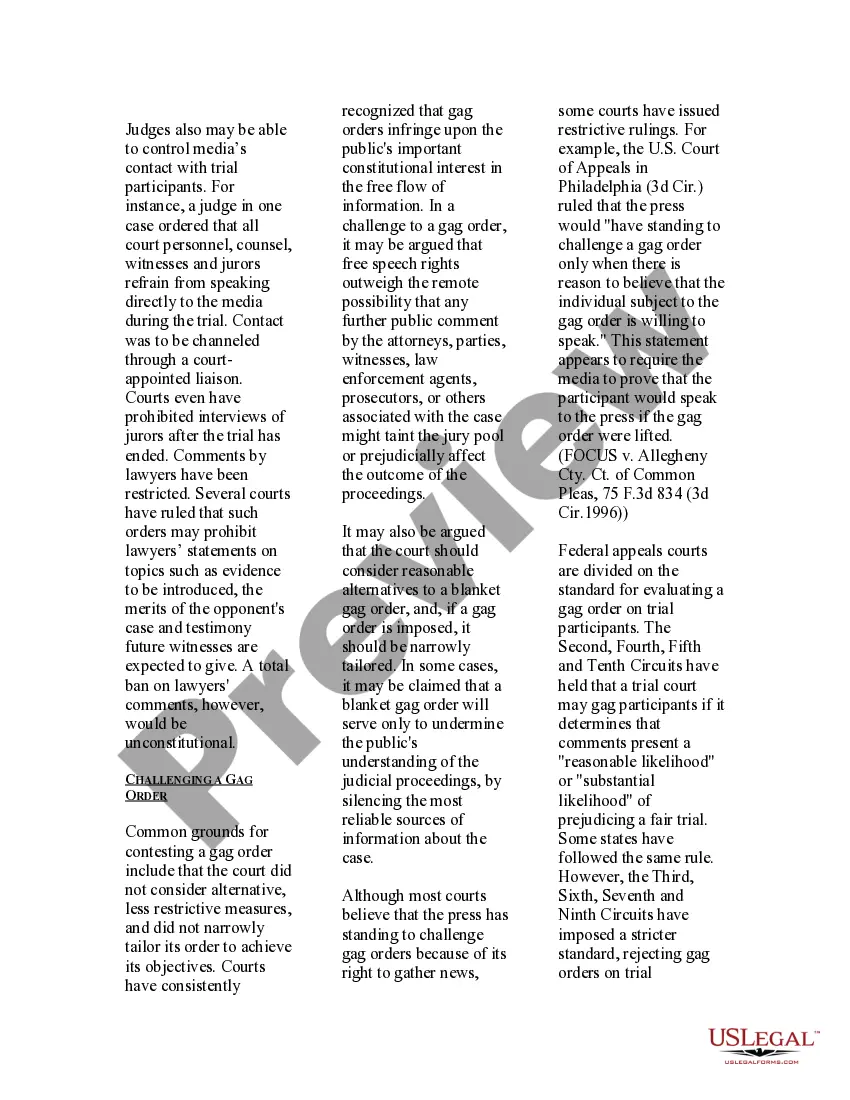
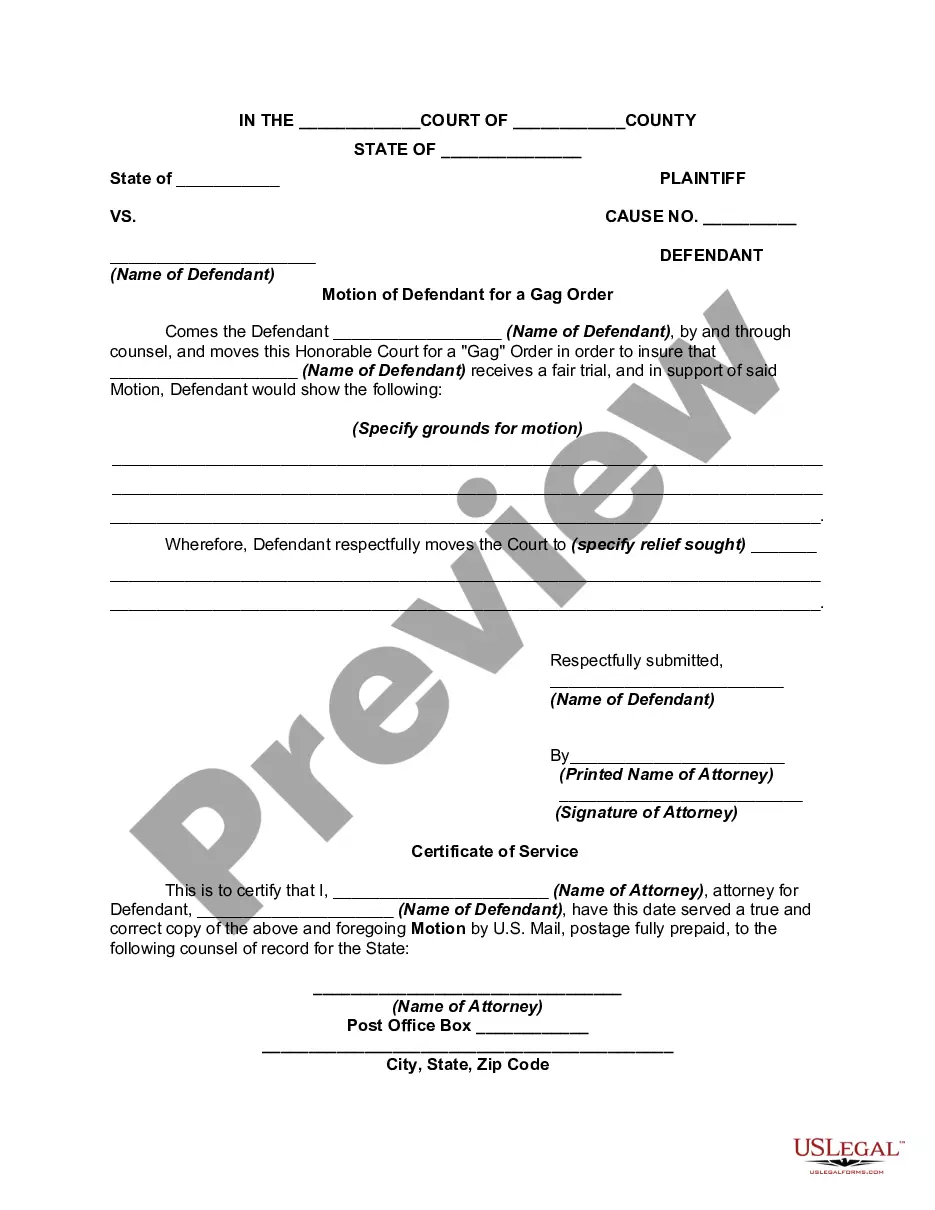
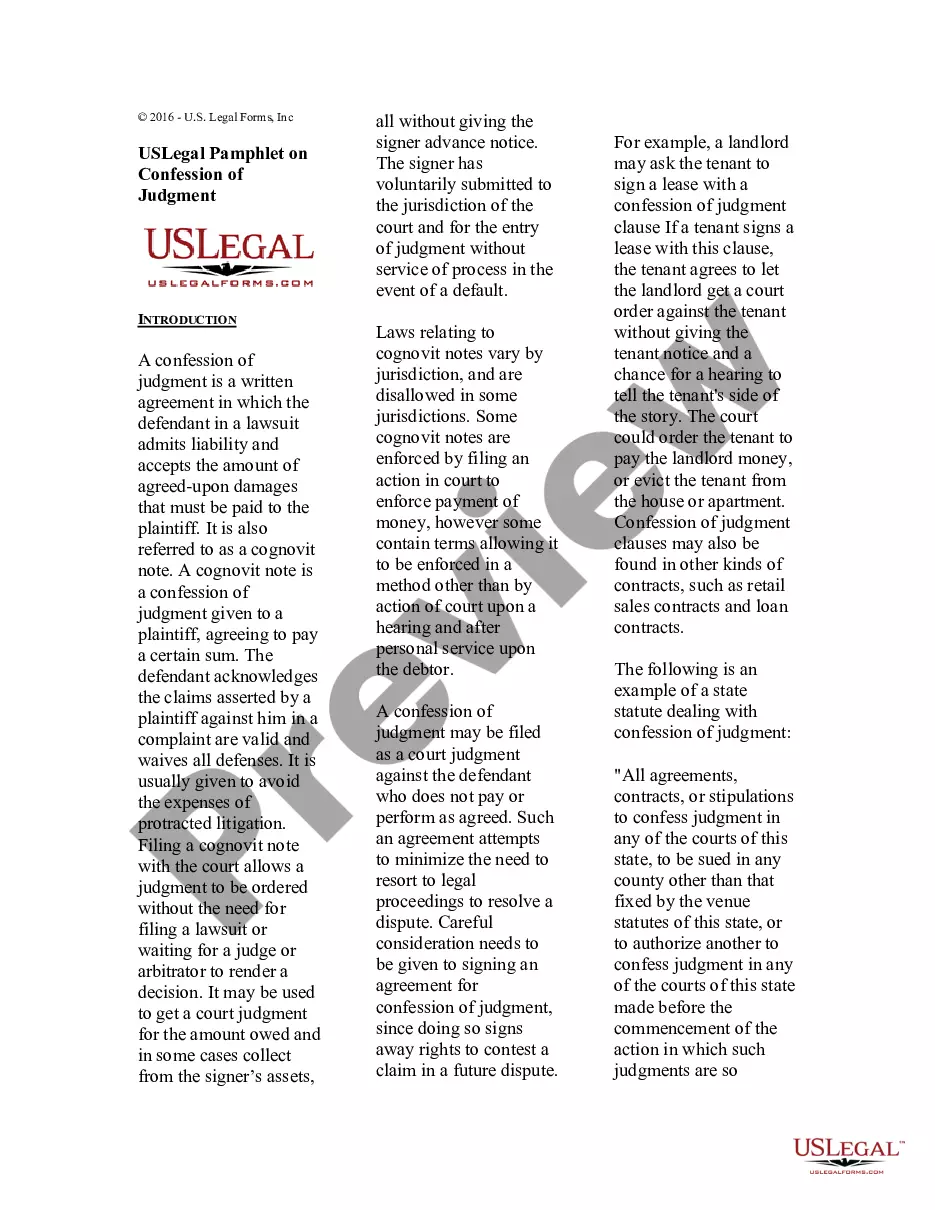
How to fill out USLegal Pamphlet On Gag Orders?
Securing a reliable location to obtain the latest and most suitable legal samples is half the battle when navigating bureaucracy.
Selecting the correct legal documents requires accuracy and meticulousness, which is why it is essential to acquire Gag Order For Court samples solely from trustworthy sources, such as US Legal Forms. An incorrect template could waste your time and prolong your current situation.
Once you have the document on your device, you can edit it with the editor or print it out and fill it in manually. Eliminate the hassle associated with your legal paperwork. Explore the extensive US Legal Forms library, where you can find legal samples, evaluate their suitability for your situation, and download them immediately.
- Use the library navigation or search function to locate your sample.
- Review the form’s description to verify it meets the criteria of your state and region.
- If available, preview the form to confirm it is indeed the template you need.
- If the Gag Order For Court does not meet your criteria, return to the search to find the correct template.
- If you are confident in the form’s appropriateness, proceed to download it.
- For authorized users, click Log in to verify your identity and access your selected templates in My documents.
- If you haven't created an account yet, click Buy now to acquire the template.
- Choose a pricing plan that aligns with your preferences.
- Proceed with the registration process to finalize your purchase.
- Complete your purchase by selecting a payment option (credit card or PayPal).
- Choose the file format for downloading the Gag Order For Court.
Form popularity
FAQ
Yes, gag orders for court are legal under certain circumstances. These orders aim to maintain the integrity of court proceedings by limiting public commentary on a case. Courts may issue gag orders to prevent undue influence on jurors and to protect sensitive information. If you are navigating legal matters that might involve a gag order, consider using US Legal Forms to access templates and guidance tailored to your needs.
An example of a gagging order is a court ruling that prohibits journalists from reporting on details of a high-profile trial. This order helps safeguard the rights of defendants and maintain impartiality during legal proceedings. A gag order for court may apply to involve parties, witnesses, and even attorneys to ensure a level playing field. Utilizing legal resources can help you understand how these orders function.
Yes, you can request a gag order on someone through the court system. This involves filing a motion to the court, explaining why such an order is necessary. A gag order for court can help protect sensitive information or prevent prejudicial statements that could impact a trial's fairness. Engaging with legal experts can simplify this process.
Another name for a gag order is a restraint order. This term refers to any legal restriction preventing individuals from discussing specific information publicly. A gag order for court is enacted to protect sensitive data, ensuring that the proceedings remain fair and unbiased. Knowing these terms can help clarify communication around legal restrictions.
Yes, a judge can overrule an NDA in certain circumstances, especially if it conflicts with public interest or legal requirements. For example, if a gag order for court is in place, the judge may prioritize transparency in the judicial process. It's essential to recognize that while NDAs provide confidentiality, legal orders can supersede these agreements to uphold justice.
A gag order related to Blake Lively pertains to court-imposed restrictions on discussing specific legal matters involving her. These orders often aim to protect the privacy of individuals or ensure a fair trial. In such cases, legal representatives may seek a gag order for court to prevent media speculation or public disclosure of sensitive information. This helps maintain the integrity of the legal process.
No, a non-disclosure agreement (NDA) is not the same as a gag order for court. While both aim to limit the sharing of information, an NDA is a private contract between parties. In contrast, a gag order is a directive from a court to restrict public discussion on a particular case or matter. Understanding these differences can help you navigate legal situations more effectively.