Wrongful Conception
Description
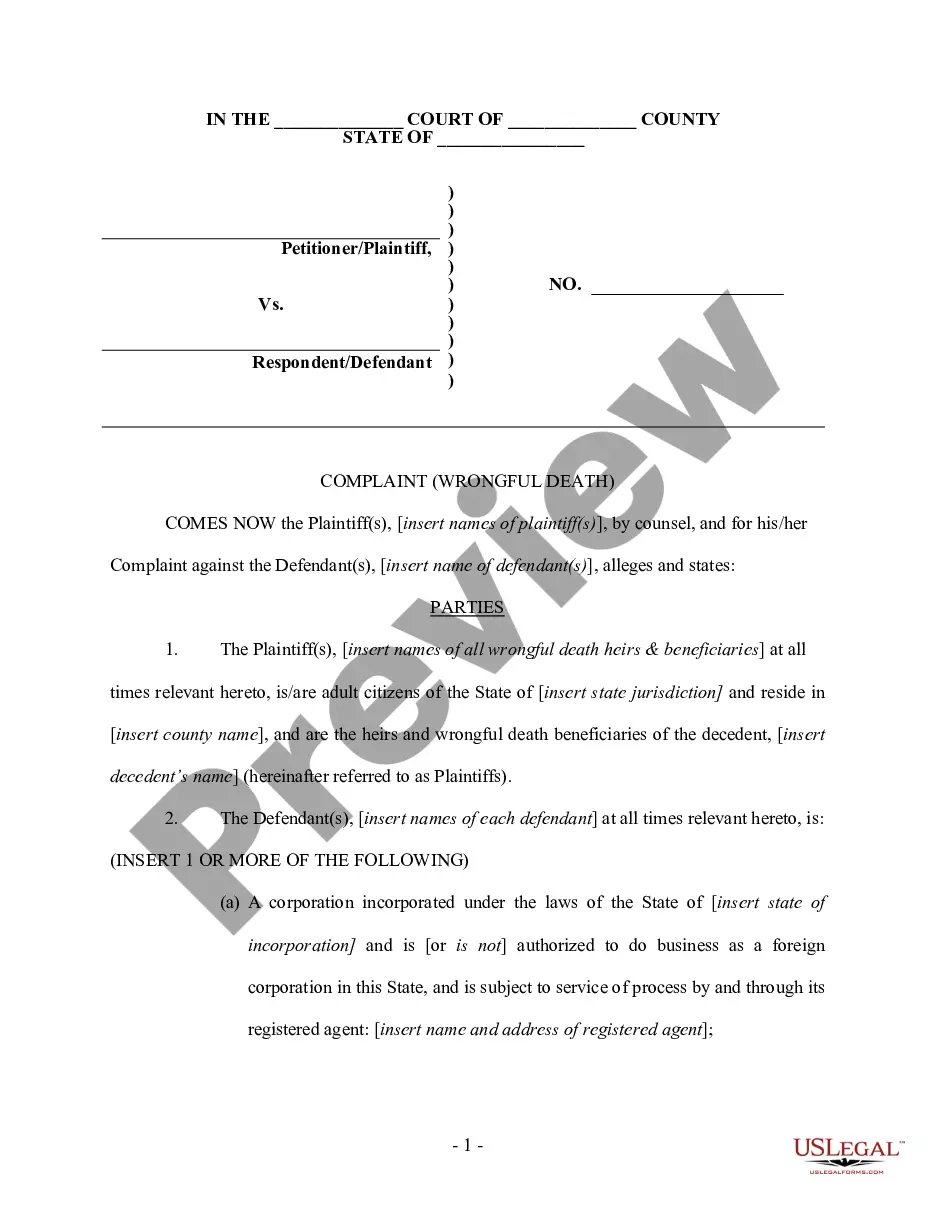
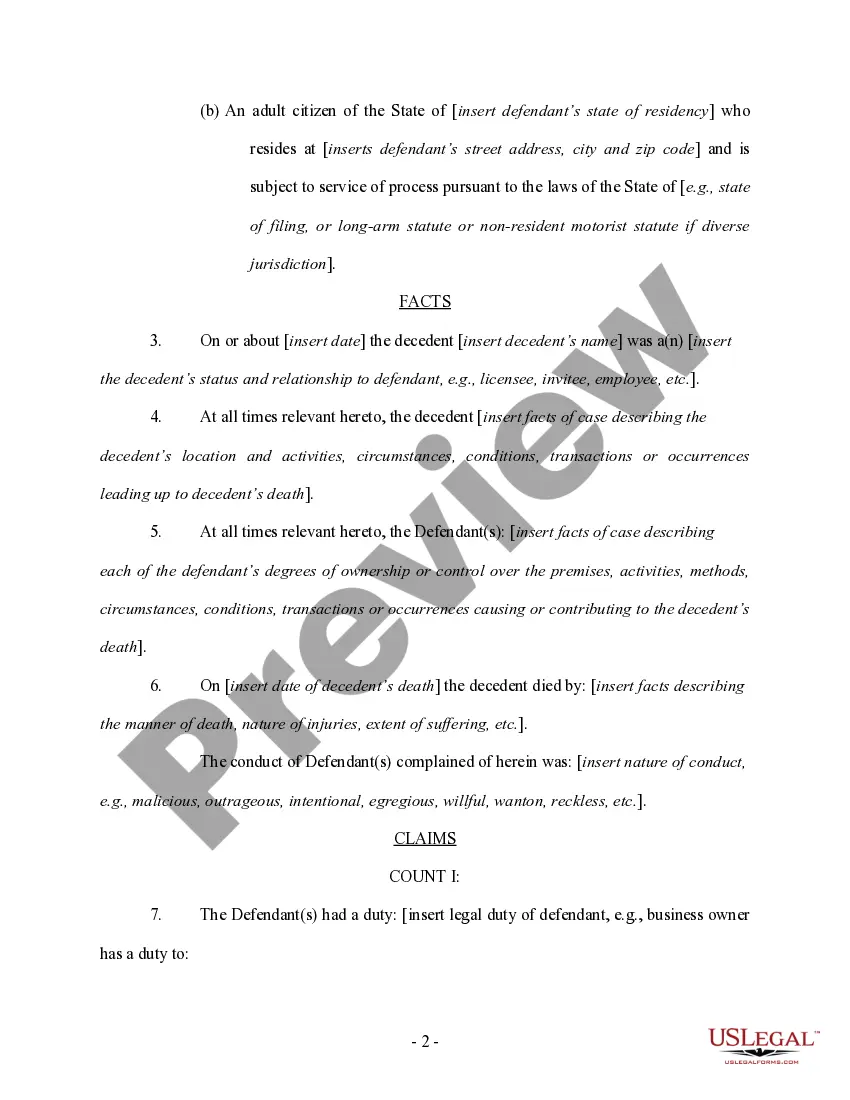
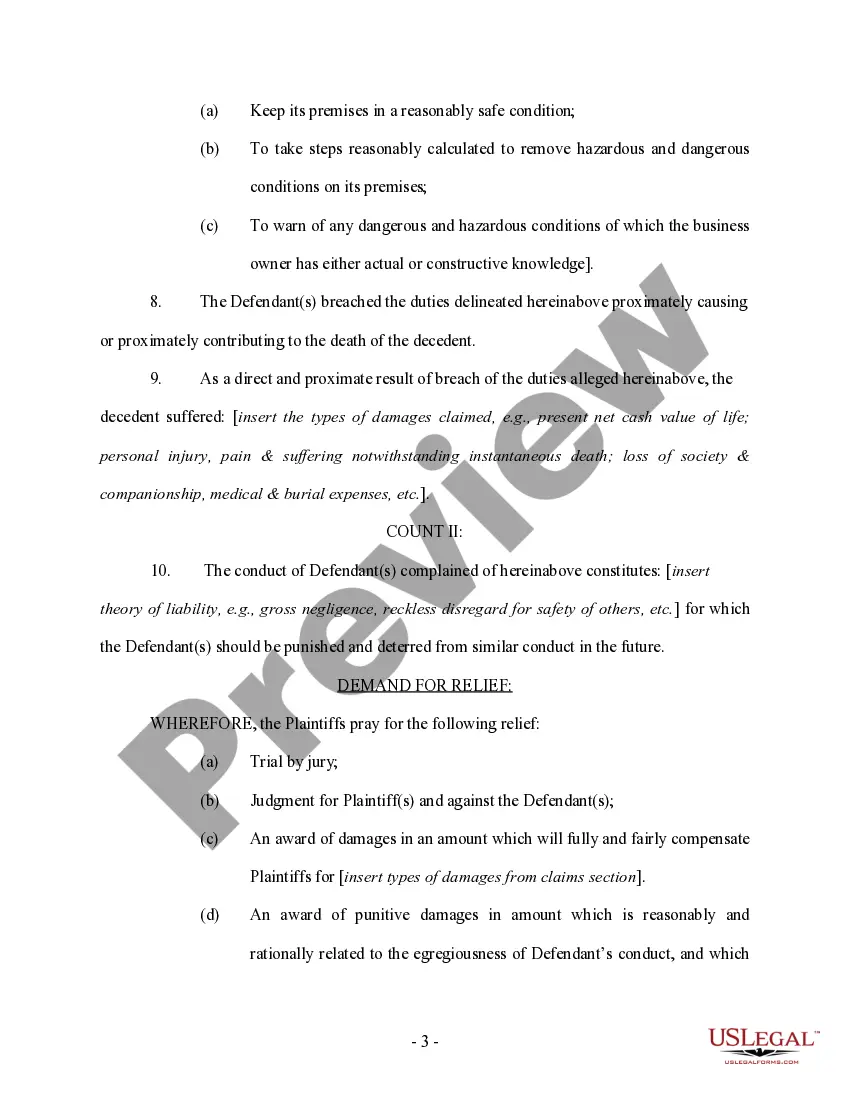
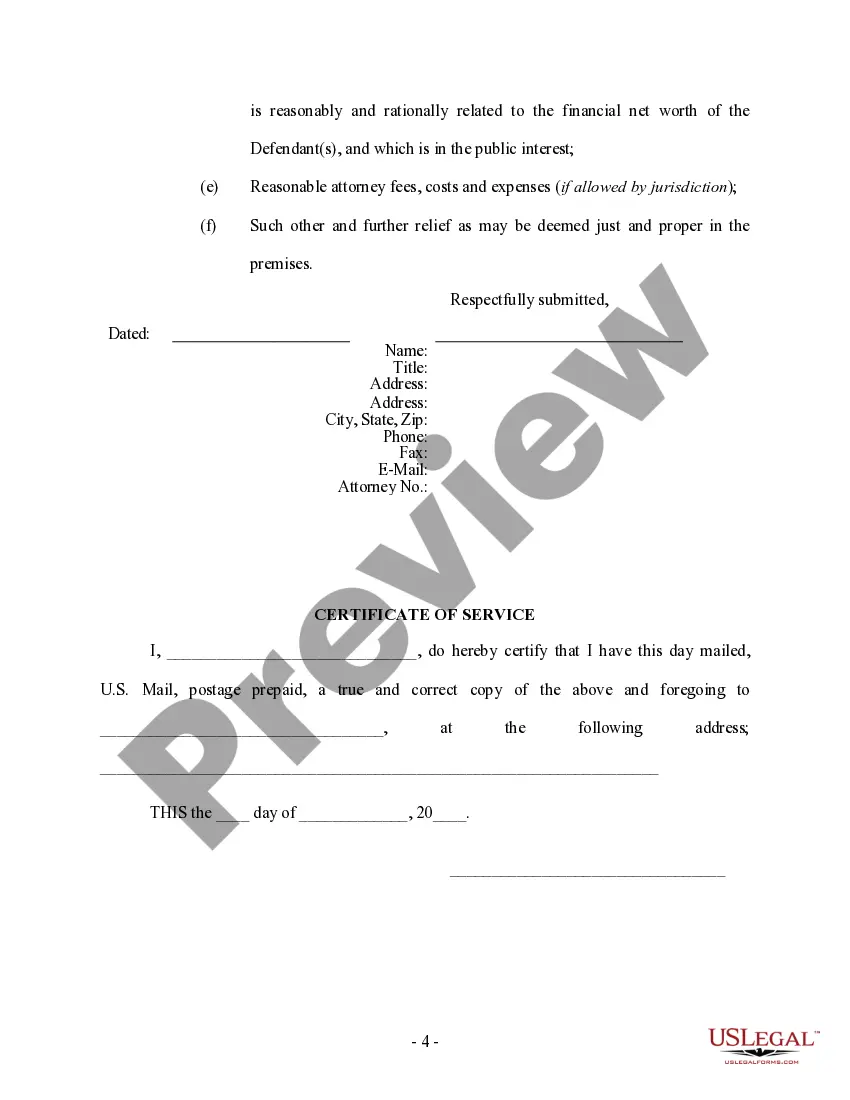
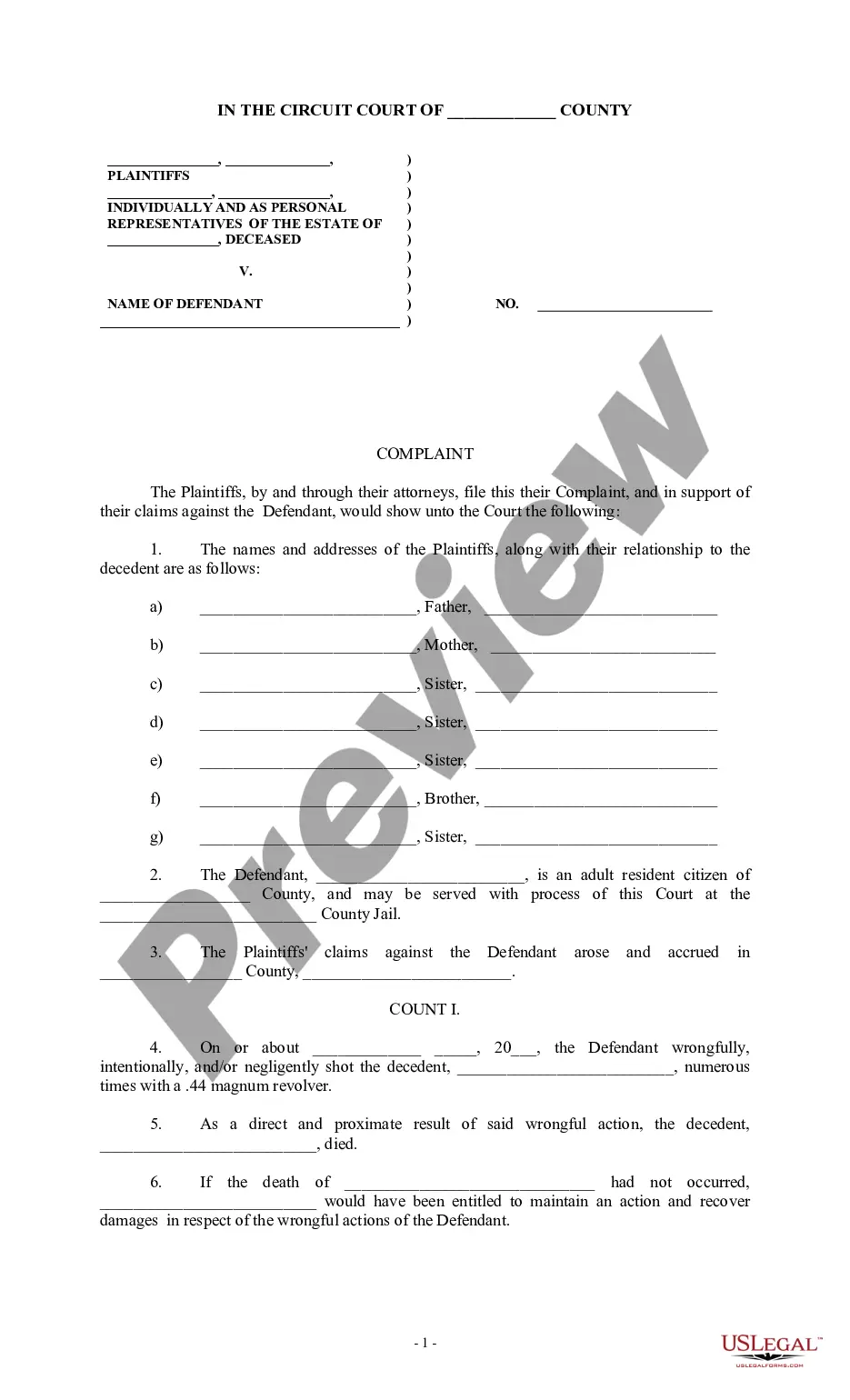
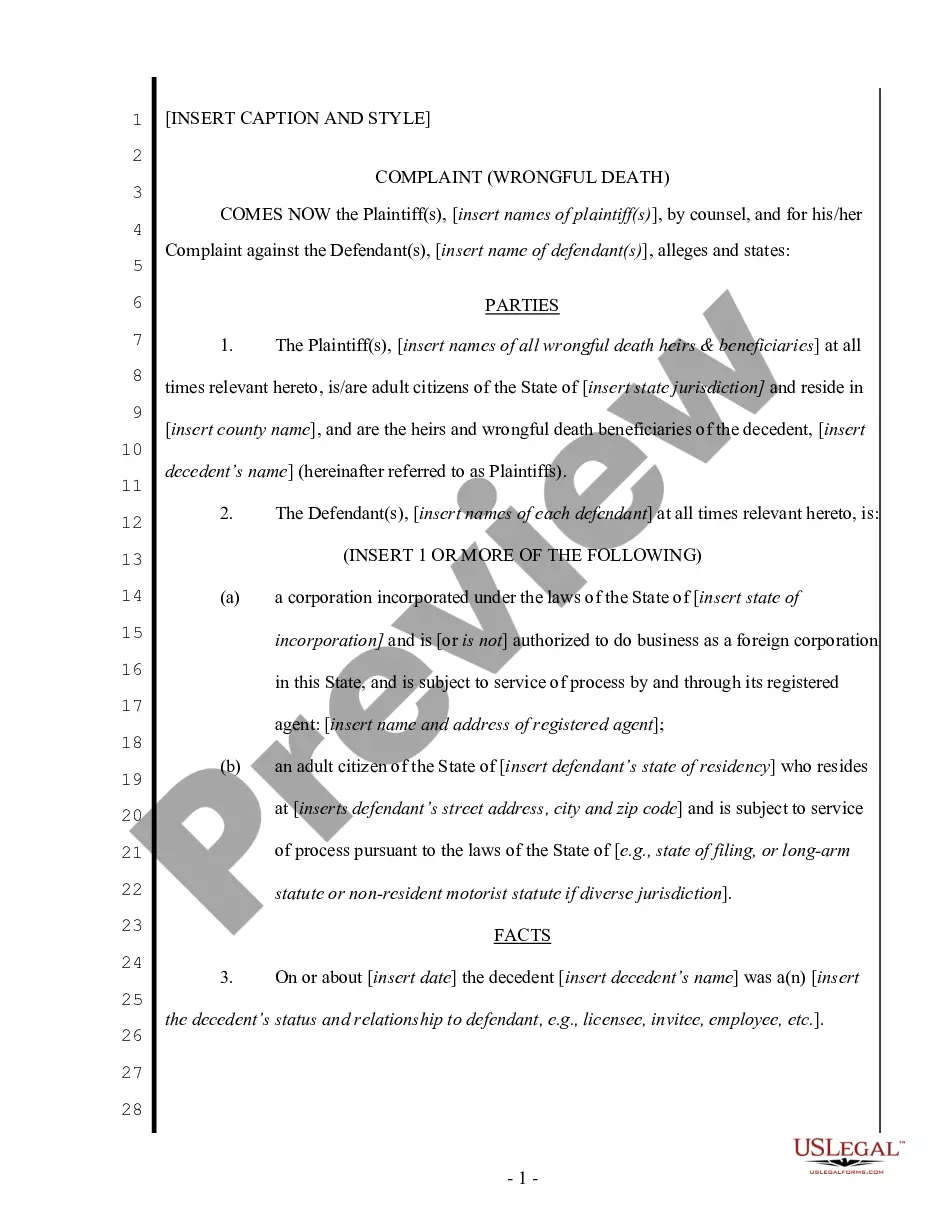
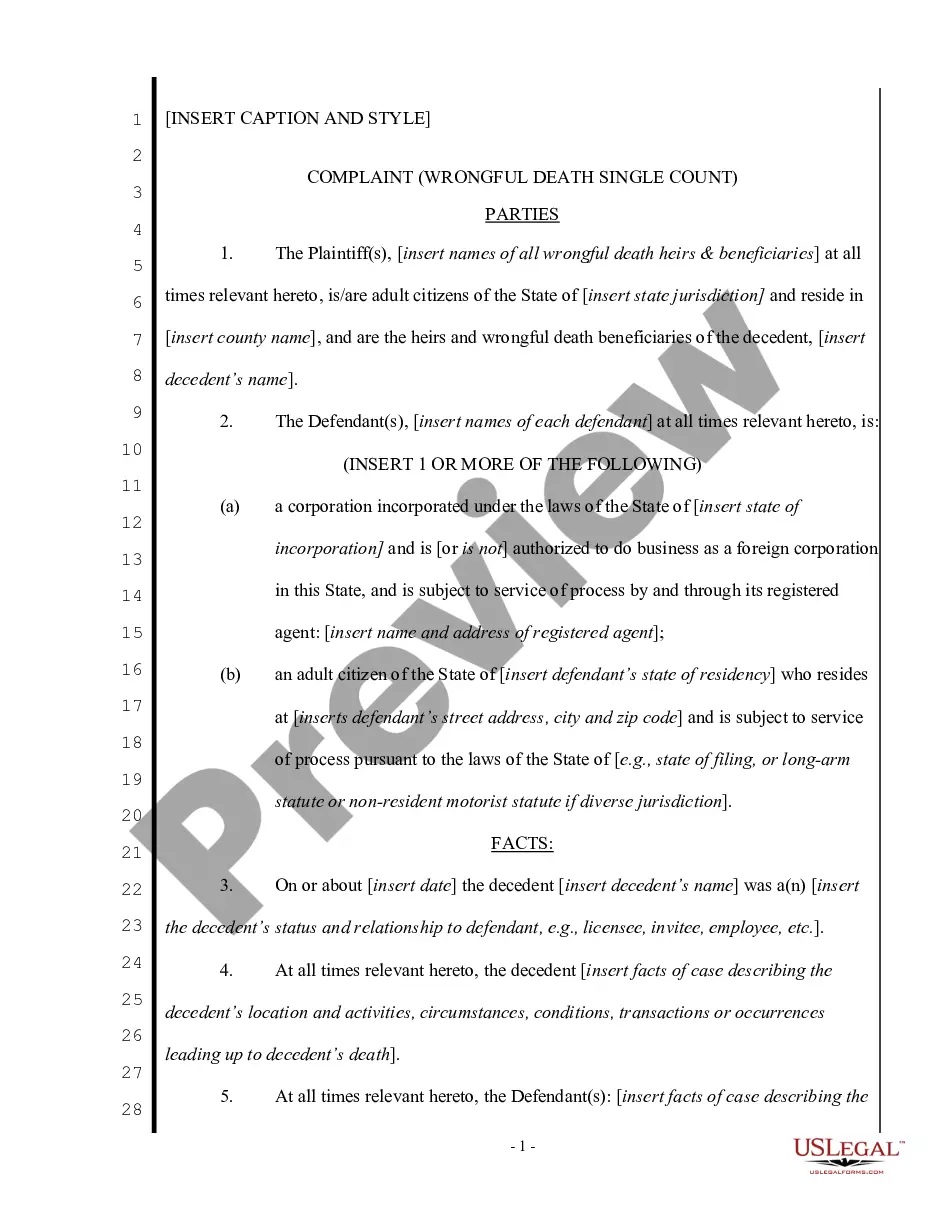

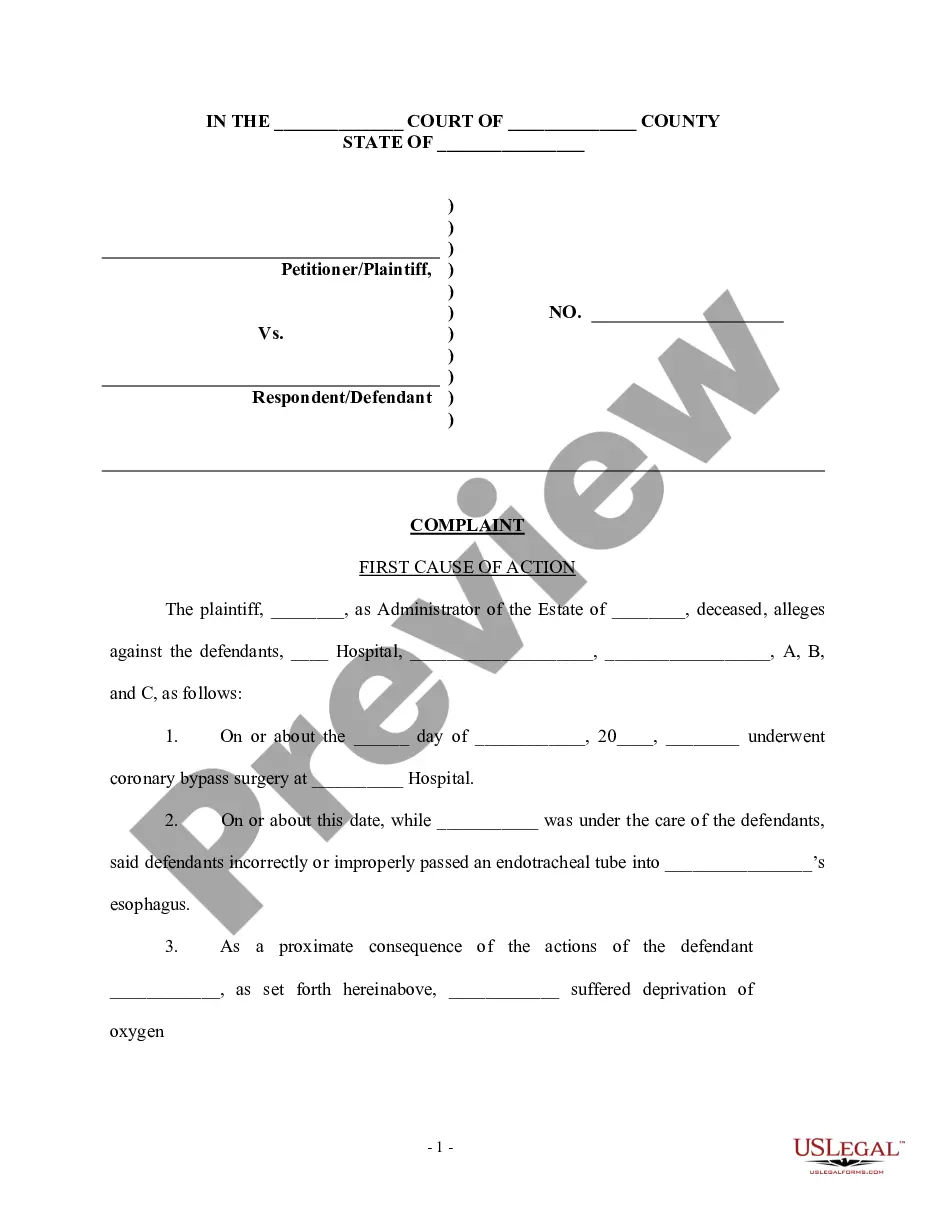
Get your form ready online
Our built-in tools help you complete, sign, share, and store your documents in one place.
Make edits, fill in missing information, and update formatting in US Legal Forms—just like you would in MS Word.
Download a copy, print it, send it by email, or mail it via USPS—whatever works best for your next step.
Sign and collect signatures with our SignNow integration. Send to multiple recipients, set reminders, and more. Go Premium to unlock E-Sign.
If this form requires notarization, complete it online through a secure video call—no need to meet a notary in person or wait for an appointment.
We protect your documents and personal data by following strict security and privacy standards.

Make edits, fill in missing information, and update formatting in US Legal Forms—just like you would in MS Word.

Download a copy, print it, send it by email, or mail it via USPS—whatever works best for your next step.

Sign and collect signatures with our SignNow integration. Send to multiple recipients, set reminders, and more. Go Premium to unlock E-Sign.

If this form requires notarization, complete it online through a secure video call—no need to meet a notary in person or wait for an appointment.

We protect your documents and personal data by following strict security and privacy standards.
Looking for another form?

How to fill out Complaint Regarding Wrongful Death?
- Log in to your US Legal Forms account if you are a returning user, and ensure your subscription is active. If it’s expired, renew it based on your payment preference.
- Explore the Preview mode and read the form description to confirm it suits your wrongful conception case and complies with local jurisdiction.
- If necessary, use the Search feature to find alternative templates. Make sure to check for any discrepancies.
- Select your preferred subscription plan by clicking the Buy Now button and register for an account to access the comprehensive library.
- Complete your purchase by entering your payment information, including credit card or PayPal details.
- Once purchased, download your form to your device. You can also revisit your documents anytime from the My Forms section in your profile.
In conclusion, US Legal Forms provides a robust collection of over 85,000 legal forms that empower individuals facing wrongful conception cases. By following these steps, you can easily navigate the process of obtaining the necessary documents.
Start your journey towards legal clarity today by visiting US Legal Forms and accessing your rightful documents.
Form popularity
FAQ
Wrongful conception refers to a legal claim where parents argue that they would not have conceived a child due to negligent actions taken by medical professionals, such as failing to provide effective birth control. This situation can lead to emotional and financial repercussions for the parents, who may seek compensation for these unexpected consequences. Understanding wrongful conception is crucial for those dealing with related legal matters. For assistance, consider utilizing resources available at US Legal Forms to navigate your options effectively.
A wrongful birth claim asserts that parents would have avoided conceiving a child if they had been properly informed about genetic or health risks. This legal action often arises from negligence in providing advice regarding birth control or prenatal health issues. In these cases, parents seek compensation for the emotional and financial burdens associated with raising a child with unexpected challenges. If you face this situation, platforms like US Legal Forms may provide guidance on the necessary documentation and procedures.
Wrongful conception refers to a case where parents argue they would not have conceived a child due to negligent medical advice, such as failure to provide proper contraception. Wrongful life, however, is focused on the perspective of the child, claiming they should not have been born due to medical negligence. Both wrongful conception and wrongful life revolve around the outcomes of unplanned pregnancies, but they address the situations from different viewpoints. Being aware of these distinctions can guide individuals navigating such claims.
Wrongful birth involves parents claiming that they would have chosen not to conceive a child if they had known about potential health issues. In contrast, wrongful life is a claim brought by the child, arguing they would not have been born if proper medical advice had been provided. Both concepts relate to the broader issue of wrongful conception. Understanding these differences helps clarify the legal complexities surrounding life-related claims.
The Pregnancy Discrimination Act mandates that women should not face discrimination due to pregnancy, childbirth, or related medical conditions. For instance, if an employer fails to accommodate a pregnant employee’s request for temporary modifications to her duties, it can be deemed discriminatory. Understanding your rights under this act is essential, especially in cases related to wrongful conception. Platforms like uslegalforms can offer valuable resources and guidance.
Yes, you can pursue a lawsuit for emotional distress during pregnancy if healthcare negligence caused significant psychological harm. Emotional distress claims may arise from wrongful conception or mishandling of pregnancy-related issues. In these cases, proving the connection between the distress and the healthcare provider’s actions is crucial. Consulting with uslegalforms can help you navigate the legal complexities and advocate for your rights.
Wrongful pregnancy occurs when a healthcare provider fails to adequately inform or protect a patient from unintended pregnancy. This failure may involve improper sterilization procedures or miscommunication regarding contraceptive methods. As a result, parents contend with unexpected costs and emotional strains. If you find yourself in this situation, it’s vital to explore legal avenues through platforms like uslegalforms to understand your options.
Negligence in birth defects refers to cases where medical professionals fail to take proper care during pregnancy, which leads to harmful outcomes for the child. This can include inadequate prenatal care or misdiagnosis of genetic conditions. In such situations, parents may consider pursuing wrongful conception claims due to the negligence they experienced. By seeking legal assistance, you can understand your rights and potential compensations.
The acceptance of wrongful life claims varies by state, with some regions allowing such lawsuits under specific circumstances, while others do not recognize them. States like California and New Jersey have seen wrongful life claims succeed, generally around medical malpractice cases that result in disabled children. Therefore, individuals considering such actions should consult local legal resources or services like US Legal Forms for clarity on state-specific laws.
A wrongful pregnancy action is a specific type of legal claim where parents assert that they would not have conceived a child if not for a healthcare provider's negligence, such as in failed birth control or medical procedures. This claim focuses on the financial, emotional, and social implications of an unexpected child. Individuals exploring these options can benefit from platforms like US Legal Forms, which guide them through the necessary legal processes.