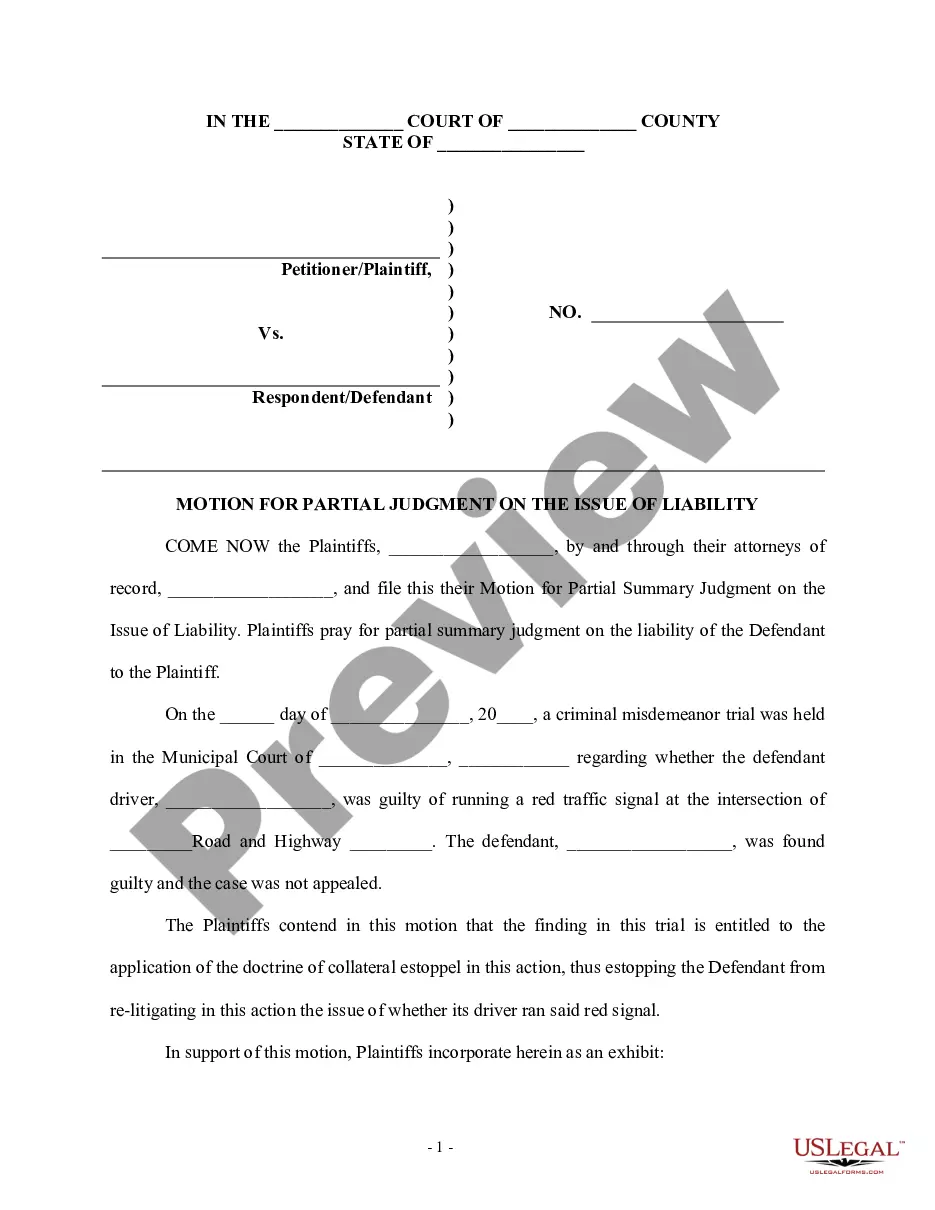
Summary Judgment For Plaintiff
Description
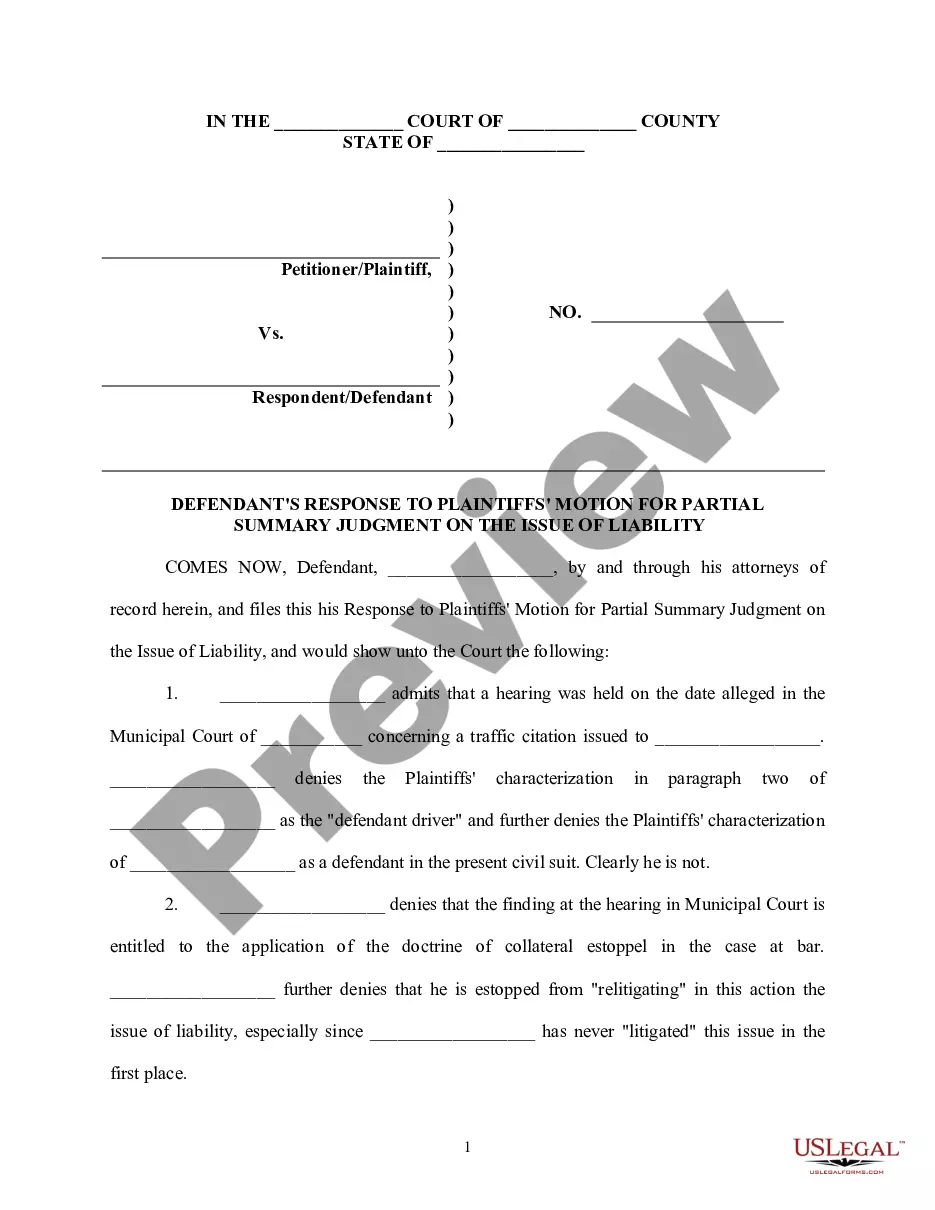
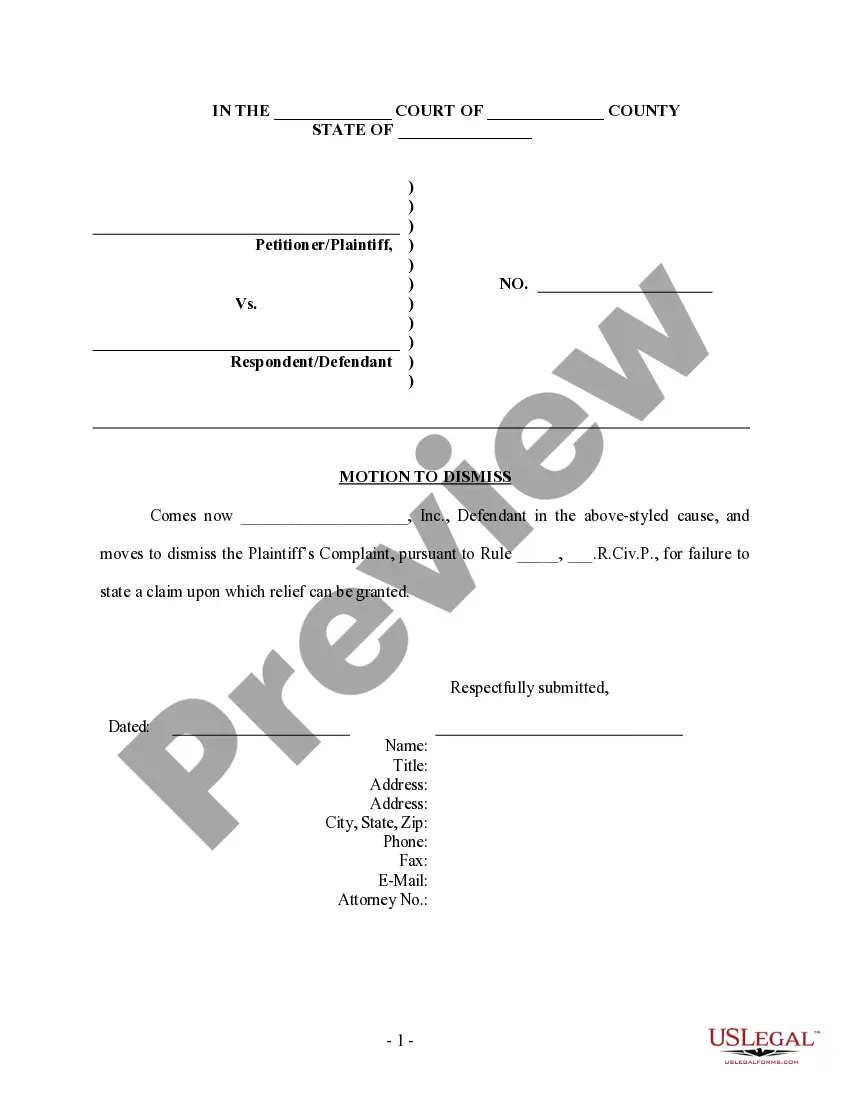
Get your form ready online
Our built-in tools help you complete, sign, share, and store your documents in one place.
Make edits, fill in missing information, and update formatting in US Legal Forms—just like you would in MS Word.
Download a copy, print it, send it by email, or mail it via USPS—whatever works best for your next step.
Sign and collect signatures with our SignNow integration. Send to multiple recipients, set reminders, and more. Go Premium to unlock E-Sign.
If this form requires notarization, complete it online through a secure video call—no need to meet a notary in person or wait for an appointment.
We protect your documents and personal data by following strict security and privacy standards.

Make edits, fill in missing information, and update formatting in US Legal Forms—just like you would in MS Word.

Download a copy, print it, send it by email, or mail it via USPS—whatever works best for your next step.

Sign and collect signatures with our SignNow integration. Send to multiple recipients, set reminders, and more. Go Premium to unlock E-Sign.

If this form requires notarization, complete it online through a secure video call—no need to meet a notary in person or wait for an appointment.

We protect your documents and personal data by following strict security and privacy standards.
Looking for another form?
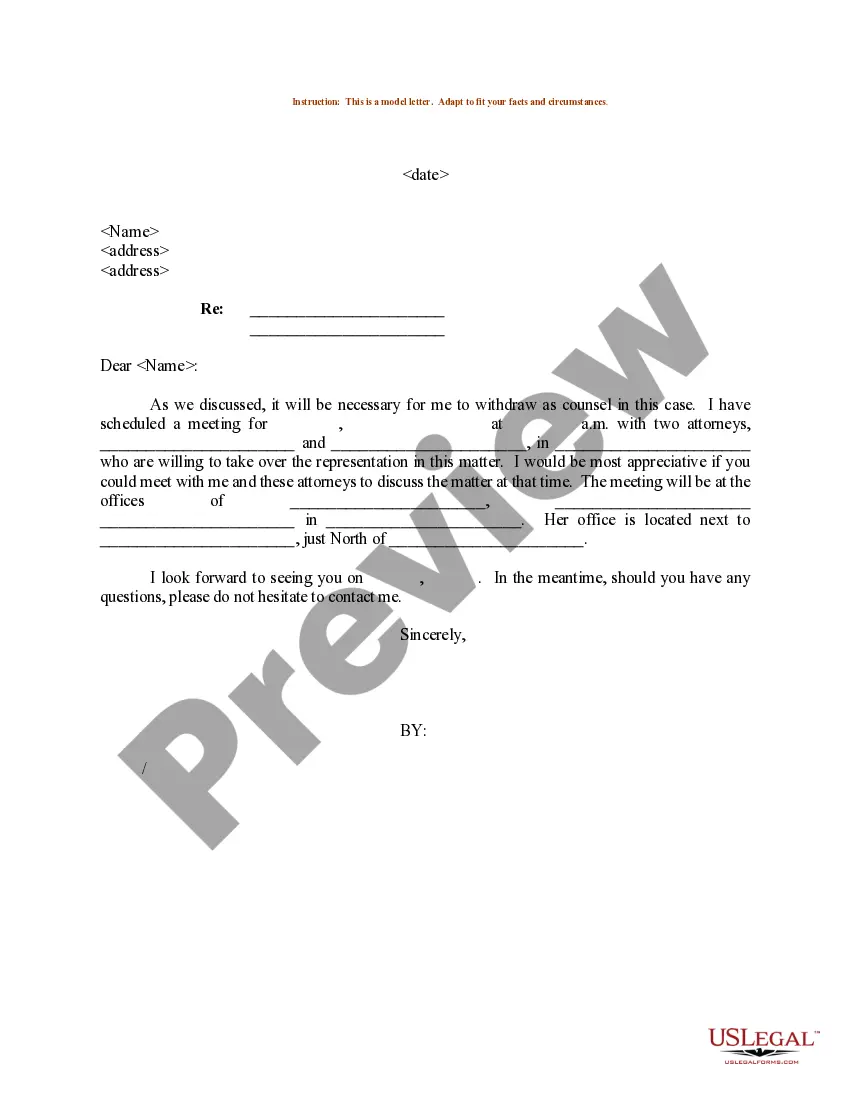


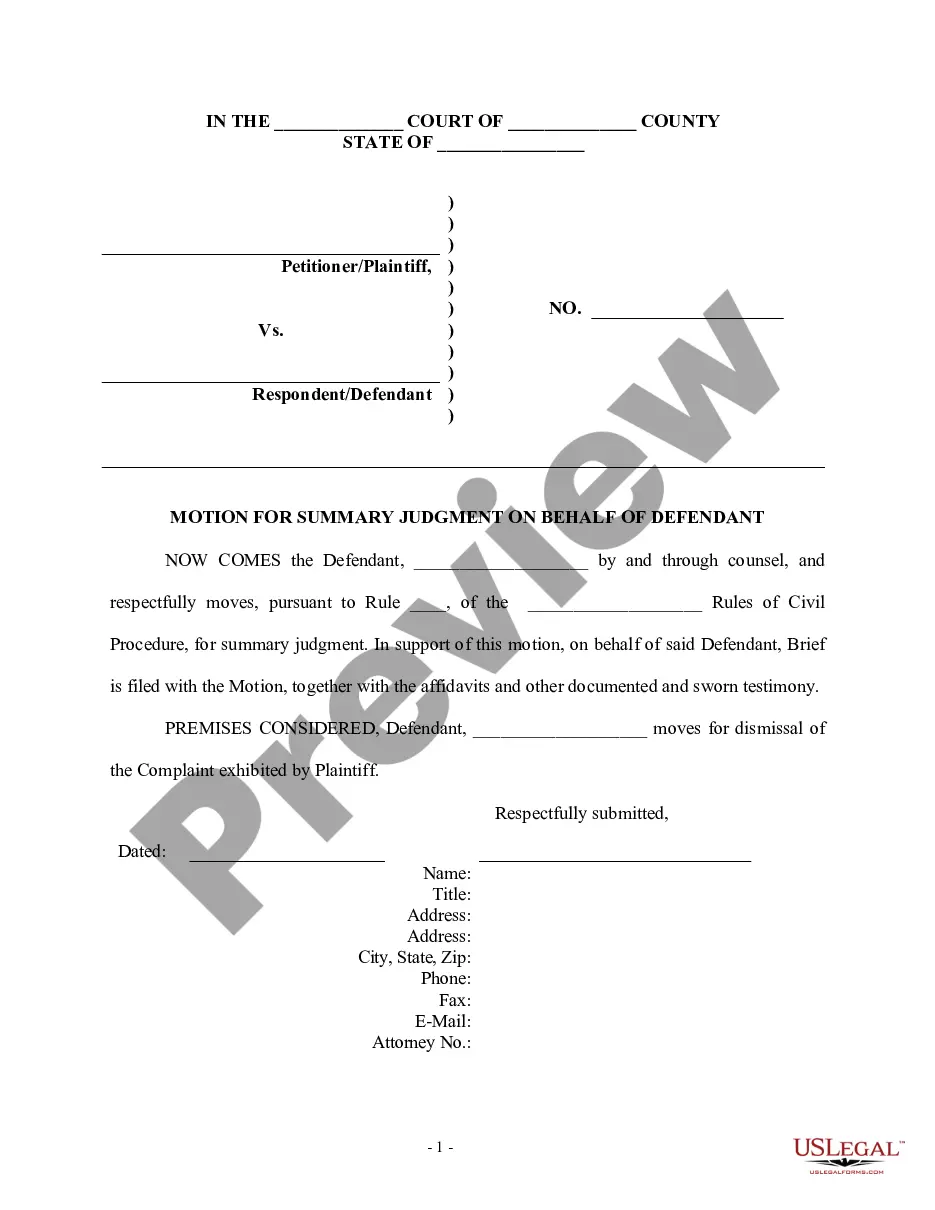
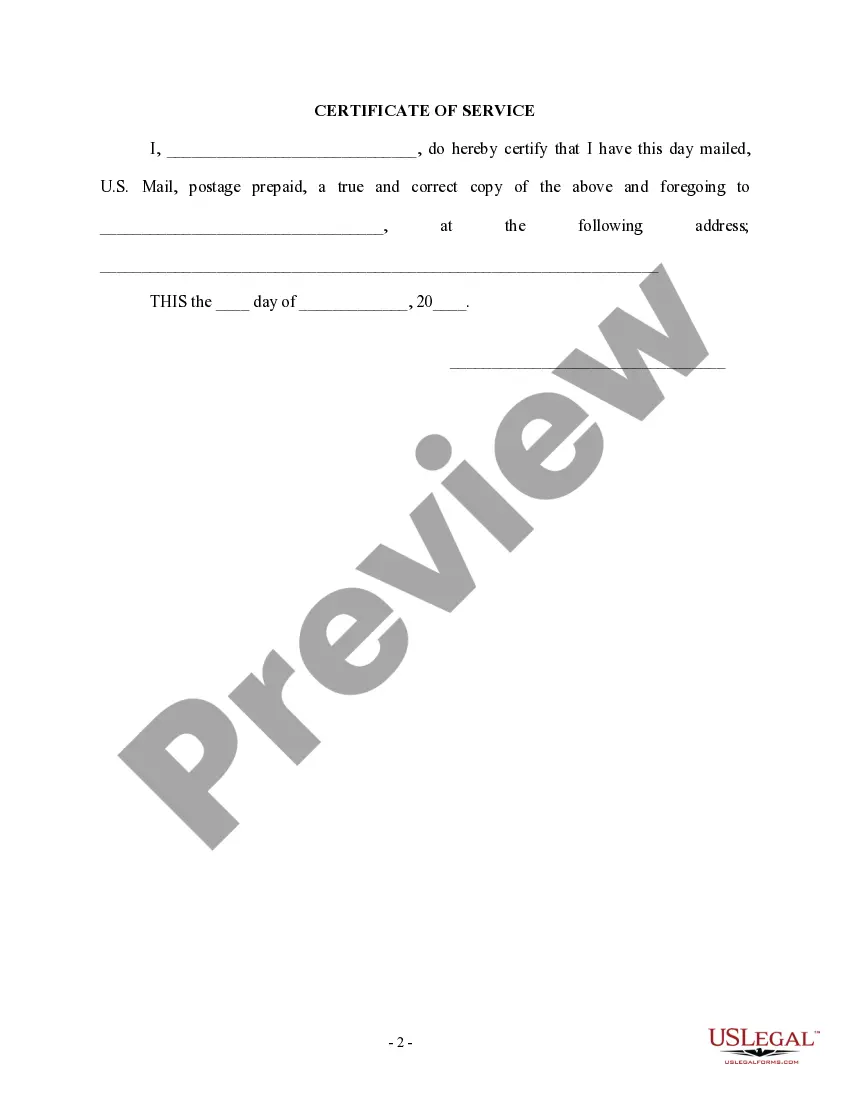
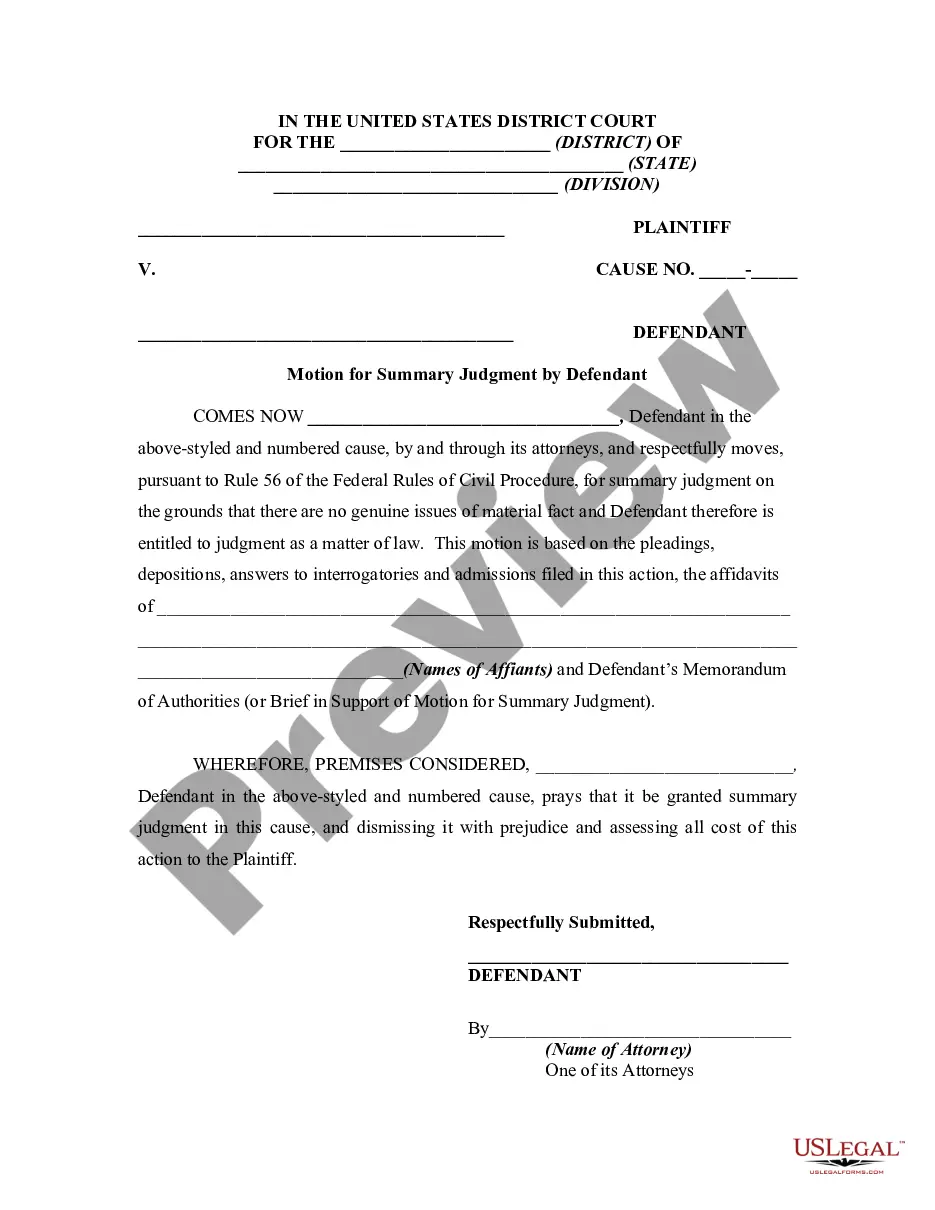
How to fill out Motion For Summary Judgment On Behalf Of Defendant?
- Log in to your US Legal Forms account if you're a returning user. Make sure your subscription is active; if not, renew it based on your payment plan.
- If you're a new user, start by browsing the Preview mode and form descriptions to choose the correct summary judgment form that aligns with your local requirements.
- If you need a different template, use the Search feature to find the appropriate legal form that meets your criteria.
- Once you've found the right document, click on the 'Buy Now' button and select your preferred subscription plan, creating an account as needed.
- Complete your purchase by entering your payment details via credit card or PayPal.
- Finally, download your summary judgment form directly to your device and access it anytime from the 'My Forms' section in your profile.
Using US Legal Forms not only simplifies the process of acquiring legal documents but also guarantees access to a vast collection of forms and expert assistance. With over 85,000 editable templates, you can ensure that your documents are legally sound.
Start your journey towards efficient legal document management today with US Legal Forms. Unlock the resources you need for your legal success!
Form popularity
FAQ
A summary judgment for a plaintiff is a legal determination made by the court that favors the plaintiff without a full trial. Essentially, it means the court finds sufficient evidence indicating that the plaintiff is entitled to a favorable judgment based on undisputed facts. This process helps save time and resources by swiftly resolving cases where there is no significant disagreement on key issues. Understanding how summary judgment works can empower you, as a plaintiff, to pursue your case more effectively.
To write a good summary judgment for a plaintiff, begin by clearly stating the facts of the case and outline the legal standards that apply. Include compelling evidence that supports your claims, such as affidavits, documents, and deposition transcripts. Ensure you articulate why there are no genuine disputes about the material facts, which justifies the summary judgment. Lastly, emphasize the legal grounds for the decision, guiding the court to a favorable conclusion.
The odds of winning a summary judgment for plaintiff vary based on the case facts and the quality of evidence presented. Generally, cases with strong legal arguments and clear-cut evidence tend to have higher success rates. Engaging an experienced attorney or utilizing resources like US Legal Forms can significantly enhance your chances. Ultimately, preparing a solid motion and making effective legal arguments will boost your odds of winning.
Yes, a plaintiff can file for summary judgment when they believe that the evidence supports their case without needing a trial. This motion requests the court to rule in the plaintiff's favor based on the presented evidence. Filing for summary judgment can expedite the legal process while also reducing costs. It's important to thoroughly prepare your motion to increase the likelihood of achieving a favorable ruling.
To make a motion for summary judgment, begin by drafting a formal motion that outlines your argument and supporting evidence. Clearly identify the material facts that demonstrate there is no dispute. You must also cite relevant laws and precedents that support your request. Additionally, you may consider using platforms like US Legal Forms to streamline the documentation process and ensure compliance with filing requirements.
Summary judgments are granted in a significant portion of cases, often depending on the jurisdiction and specific circumstances. Statistically, studies show that about 60% to 70% of summary judgment motions may be granted. However, factors such as the strength of your evidence and the effectiveness of your argument play a critical role. It's essential to leverage the right legal tools and resources to maximize your chances of success in a summary judgment for plaintiff.
To succeed in a summary judgment for plaintiff, you must present clear evidence showing there are no genuine disputes about material facts. This includes gathering relevant documents, affidavits, and other supporting materials. Additionally, crafting a solid legal argument that aligns with the applicable laws is crucial. You should also ensure your motion is timely and properly filed in accordance with court rules.
Summary judgment is typically filed by the plaintiff but can also be requested by the defendant in certain cases. When a plaintiff believes they have strong evidence backing their claims, they often move for summary judgment to secure a favorable ruling without going to trial. Understanding the right time and conditions for filing a summary judgment for plaintiffs can significantly benefit case outcomes.
To request a summary judgment, a plaintiff must file a motion with the court that outlines the facts and evidence supporting their claim. This motion typically includes affidavits, documents, and a legal argument demonstrating that there is no need for a trial. Platforms like US Legal Forms provide easy-to-use templates and guides to assist plaintiffs in preparing their motions correctly.
Yes, a plaintiff can request a summary judgment when they believe there is no genuine dispute over material facts in their case. Summary judgment for plaintiffs allows them to resolve their case quickly without the need for a lengthy trial. It is an effective tool to expedite the judicial process, especially when the evidence strongly supports the plaintiff’s claim.