6 Plus 6 Forecast
Description
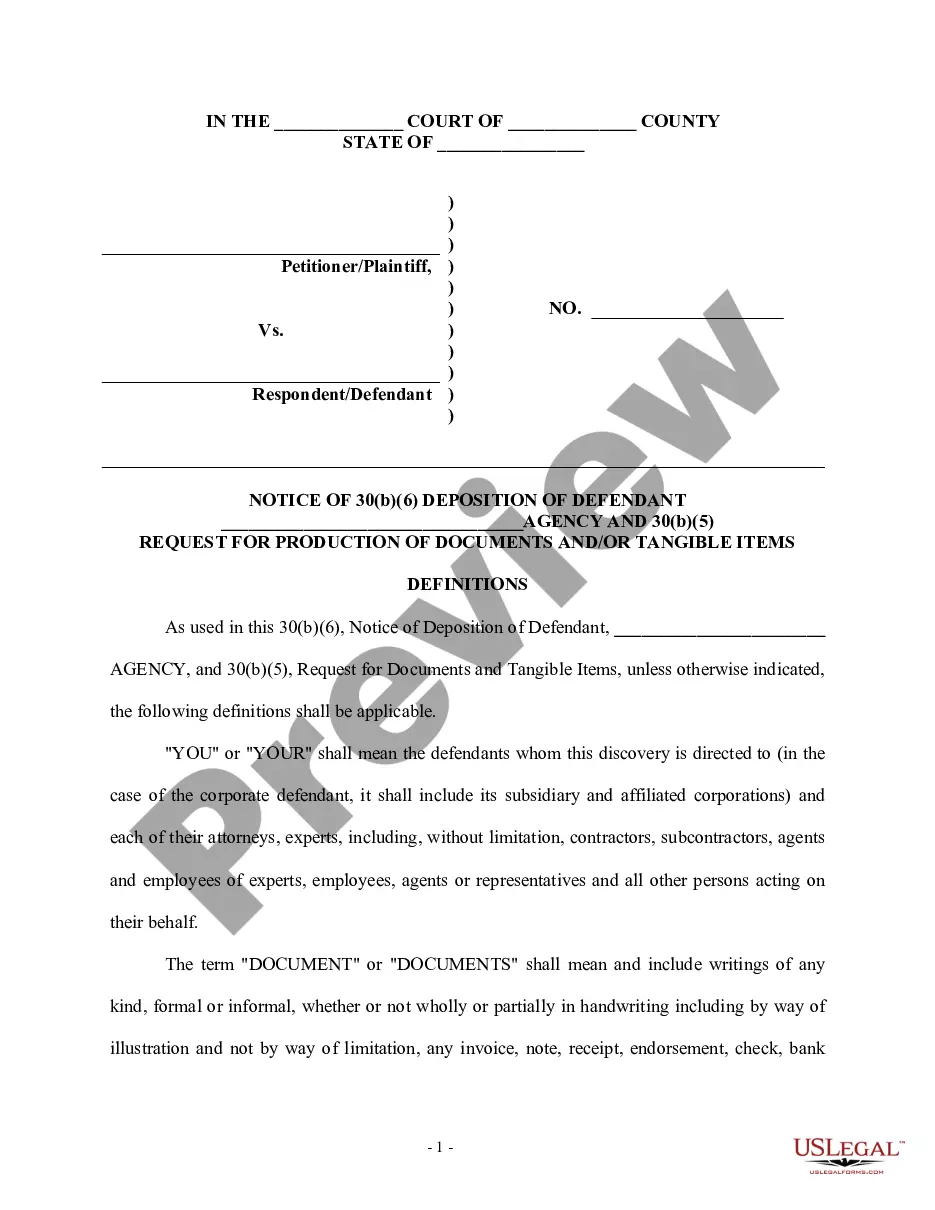
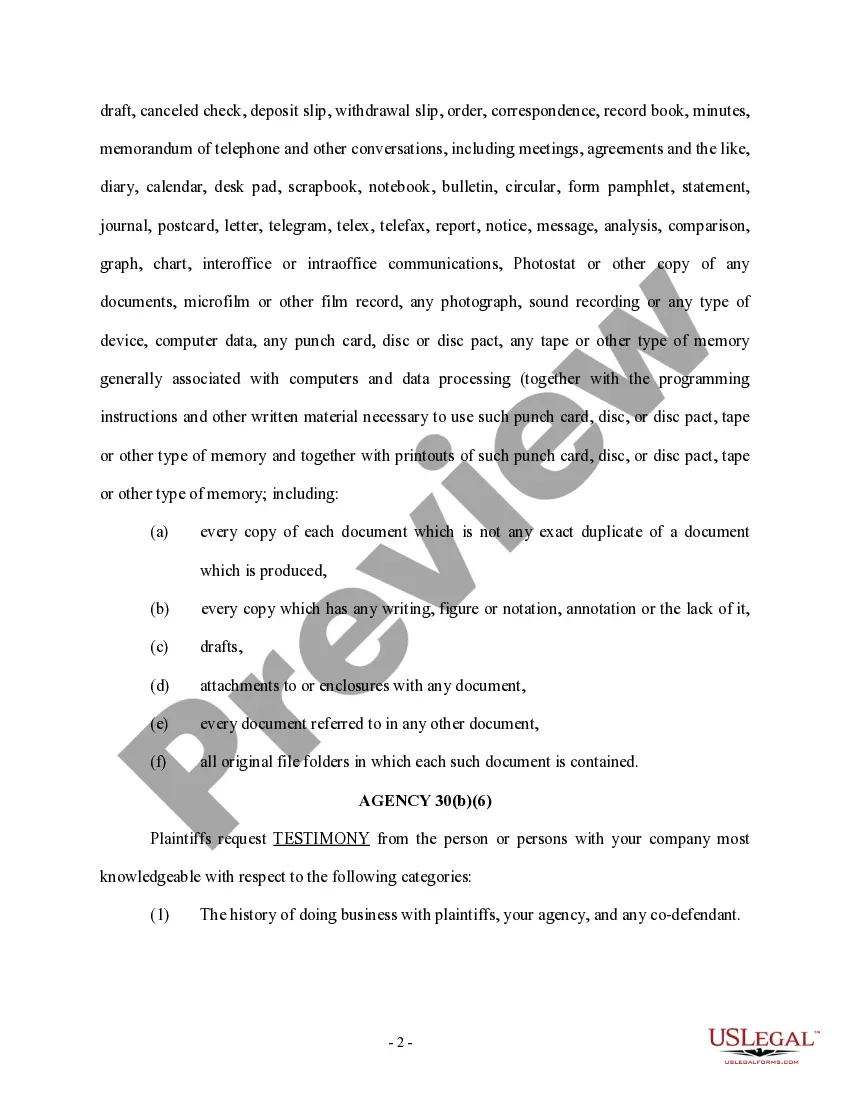
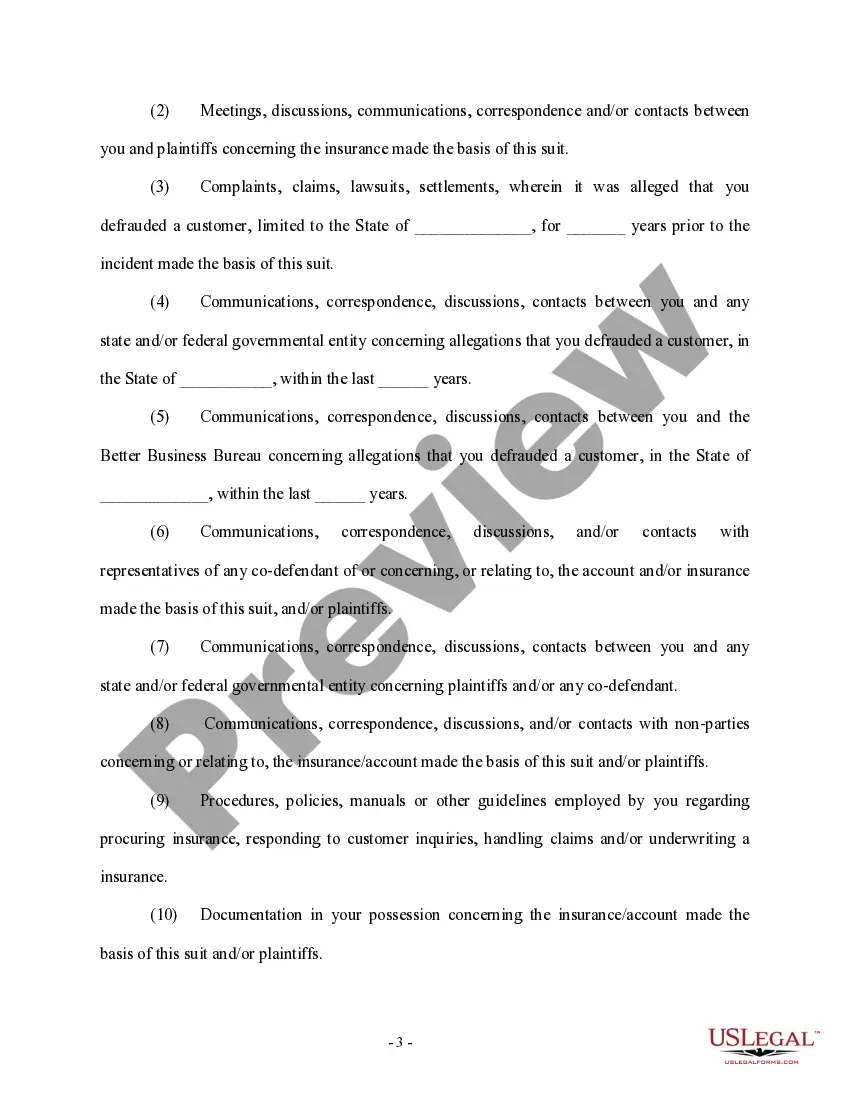
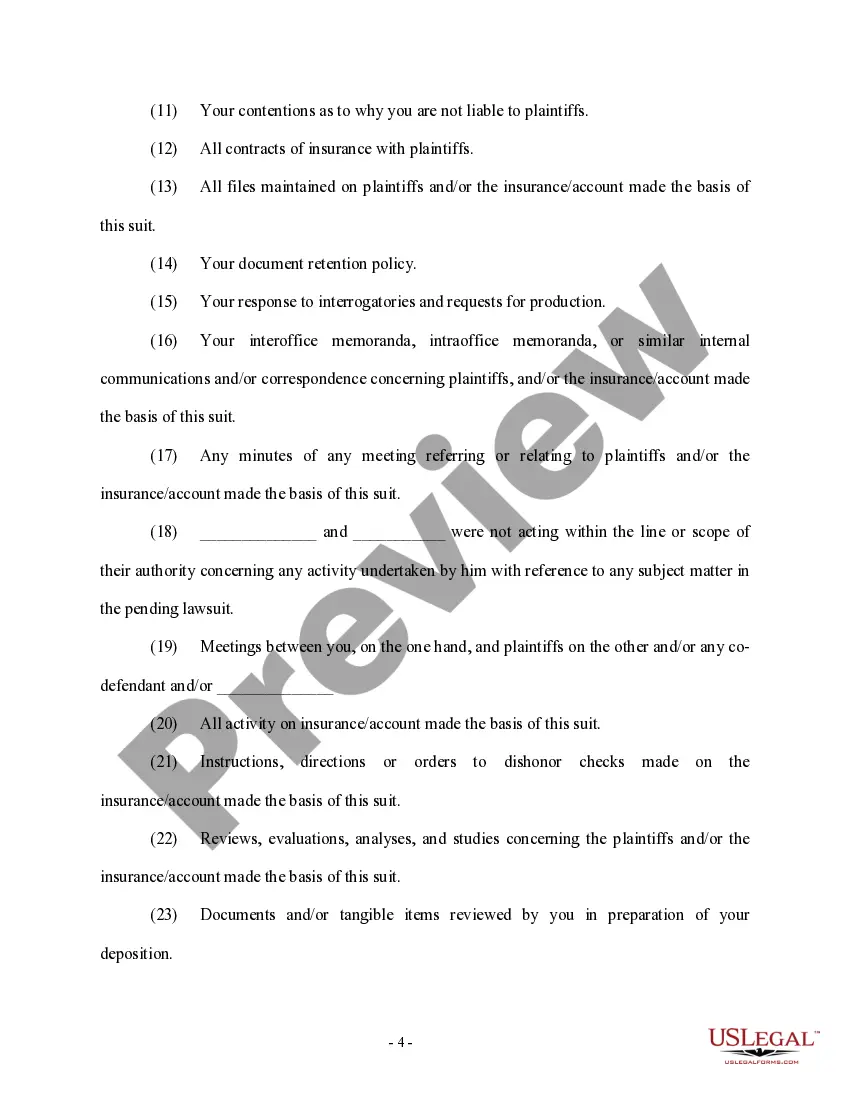
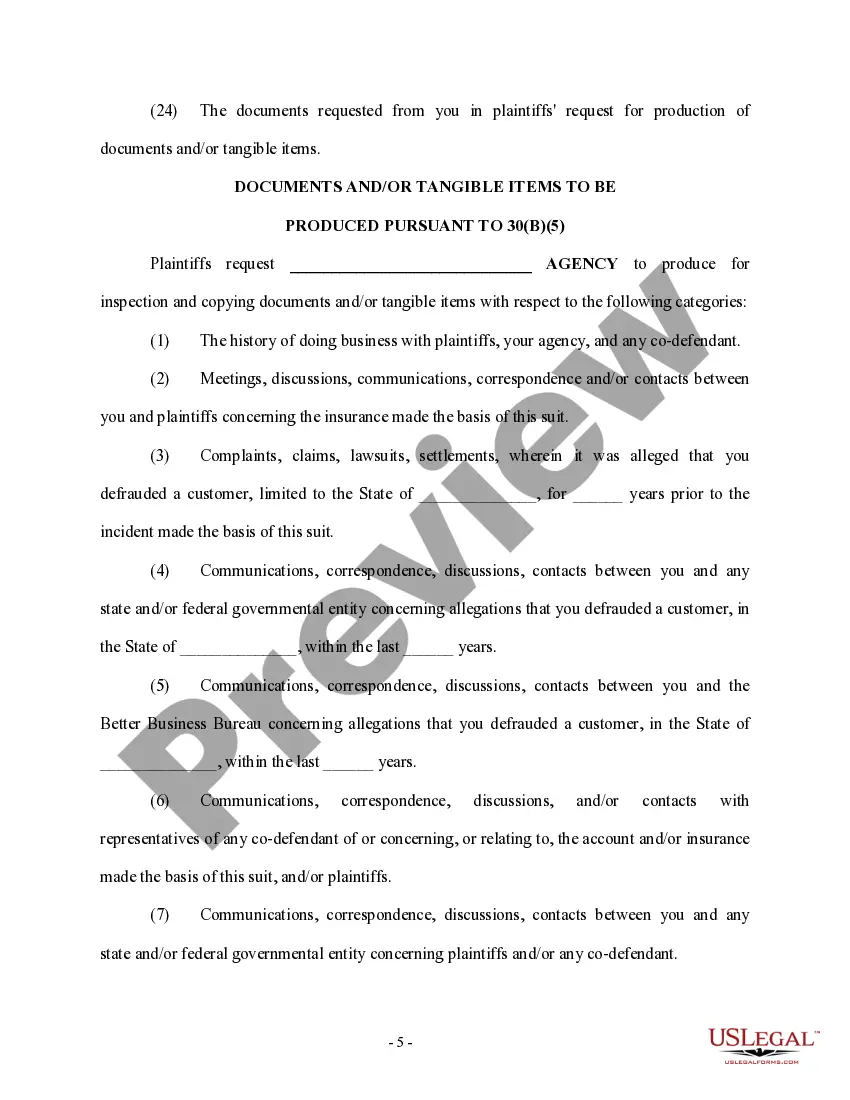
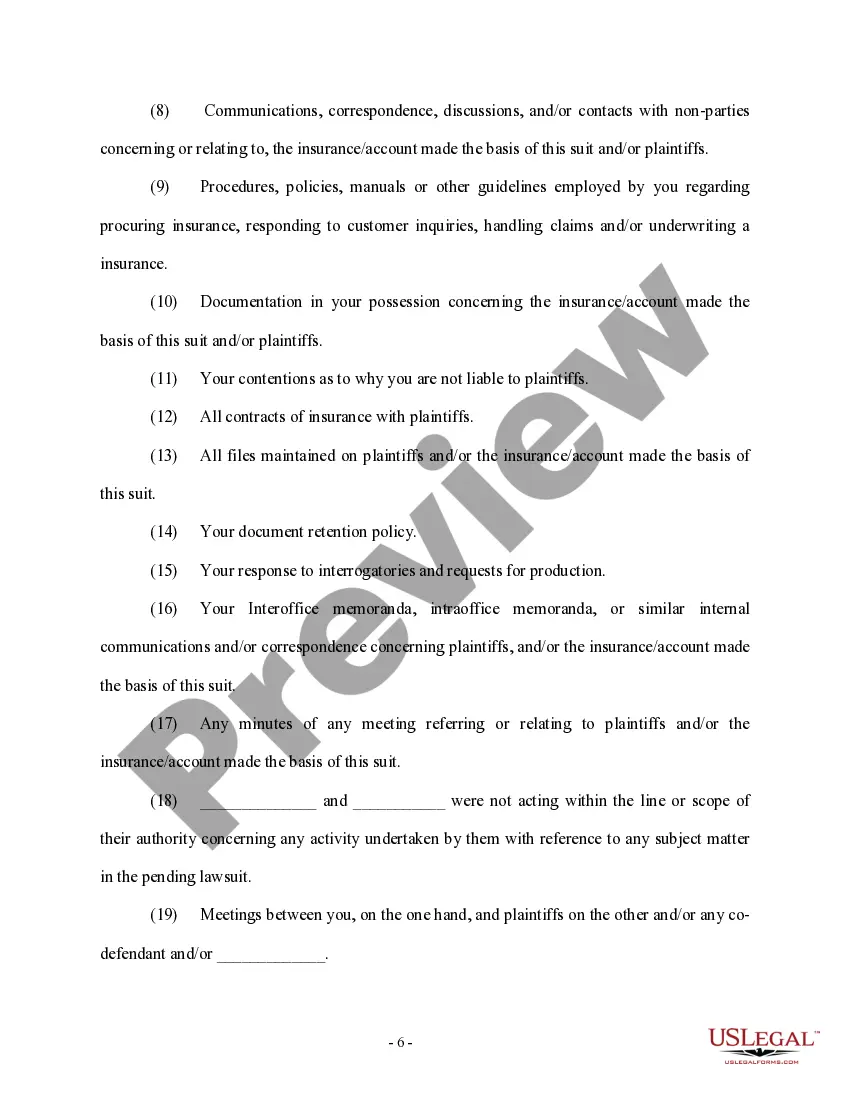
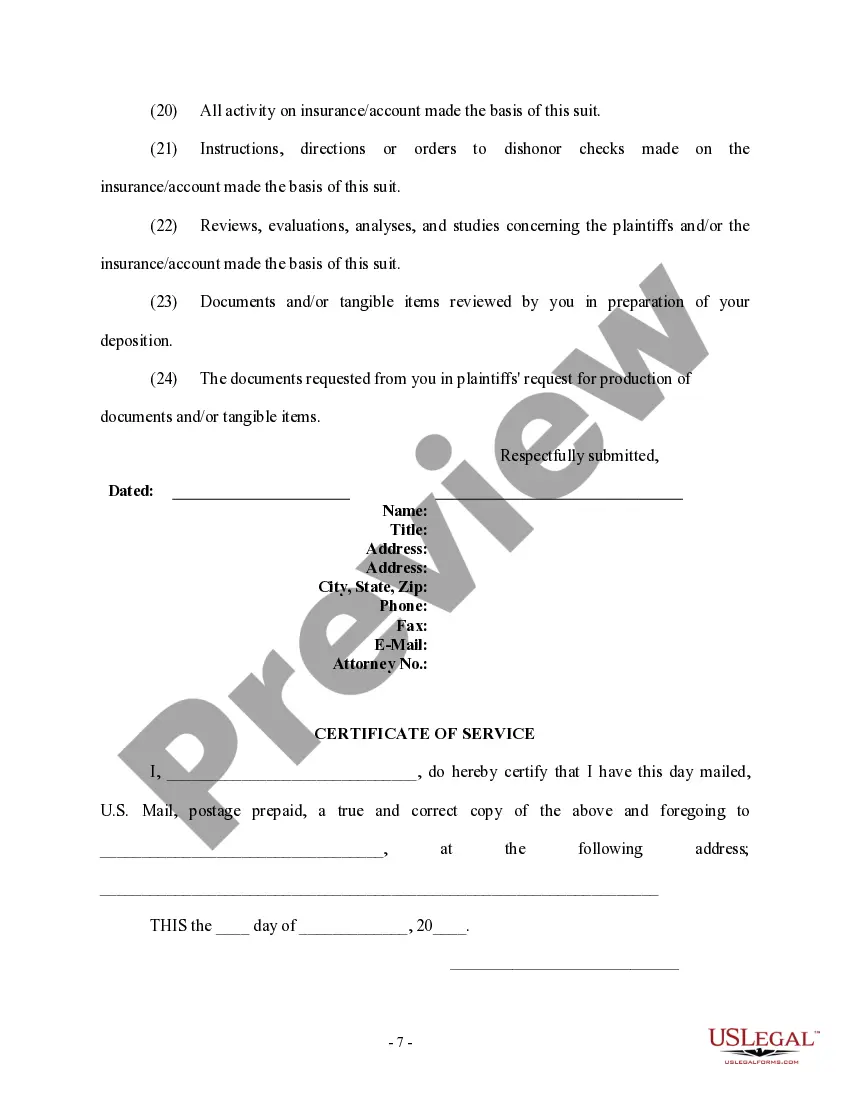
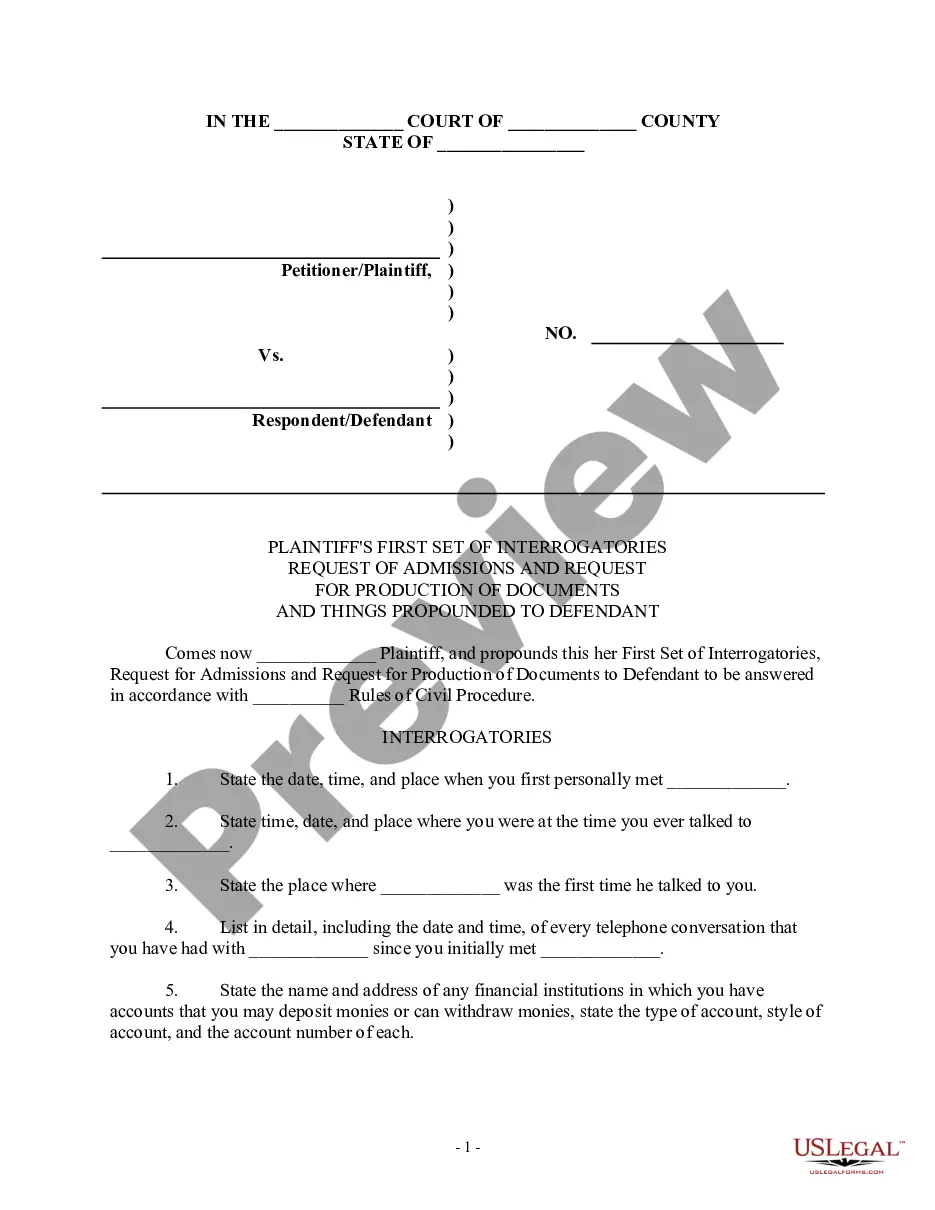

How to fill out Notice Of 30(b)(6) Deposition Of Defendant And 30(b)(5) Request For Production Of Documents And Or Things - Discovery?
Obtaining legal document examples that comply with federal and state laws is essential, and the web provides countless alternatives to choose from.
However, why spend time looking for the correctly formatted 6 Plus 6 Forecast example online when the US Legal Forms digital library already has those templates gathered in one location.
US Legal Forms is the largest online legal repository featuring over 85,000 editable templates created by lawyers for any corporate and personal circumstances. They are easy to navigate with all documents categorized by state and intended use.
Search for another sample using the search tool at the top of the page if necessary. Click Buy Now when you've found the appropriate form and select a subscription option. Create an account or sign in and process a payment via PayPal or a credit card. Choose the format for your 6 Plus 6 Forecast and download it. All templates available through US Legal Forms are reusable. To re-download and complete previously acquired forms, access the My documents section in your account. Experience the most comprehensive and user-friendly legal document service!
- Our experts stay updated with legal modifications, ensuring your documents are always current and compliant when you acquire a 6 Plus 6 Forecast from our platform.
- Getting a 6 Plus 6 Forecast is swift and straightforward for both existing and new users.
- If you already possess an account with an active subscription, Log In and download the document example you require in the correct format.
- If you are a new visitor to our site, follow the steps outlined below.
- Review the template using the Preview feature or through the text outline to ensure it fulfills your needs.
Form popularity
FAQ
The most common in my practice is a 6+6 budget; that is, create a new budget that shows six months of actuals and six months of forecasts. If expectations built into the budget aren't materializing, then it's time to recalibrate.
The future forecast period can extend to the end of the fiscal year, but in most cases, the rolling forecast period typically extends out 4 to 6 quarters into the future. The technique relies on an add/drop approach to financial forecasting that creates new forecast periods on a rolling basis.
For example, a ?3+9? RF, uses 3 months' actual data and 9 months' forecasted data. Any rolling forecast planning process requires revisions to accommodate the latest strategy decisions from a top-down approach. The rolling forecast is prepared regularly throughout the year to reflect changes in the industry or economy.
Often known as ?3+9,? ?6+6,? and ?9+3,? the first number represents months of actual results completed while the second number represents the months remaining until the accounting year-end.
How to do financial forecasting in 7 steps Define the purpose of a financial forecast. ... Gather past financial statements and historical data. ... Choose a time frame for your forecast. ... Choose a financial forecast method. ... Document and monitor results. ... Analyze financial data. ... Repeat based on the previously defined time frame.