Accident Plaintiff Defendant Without Consent
Description
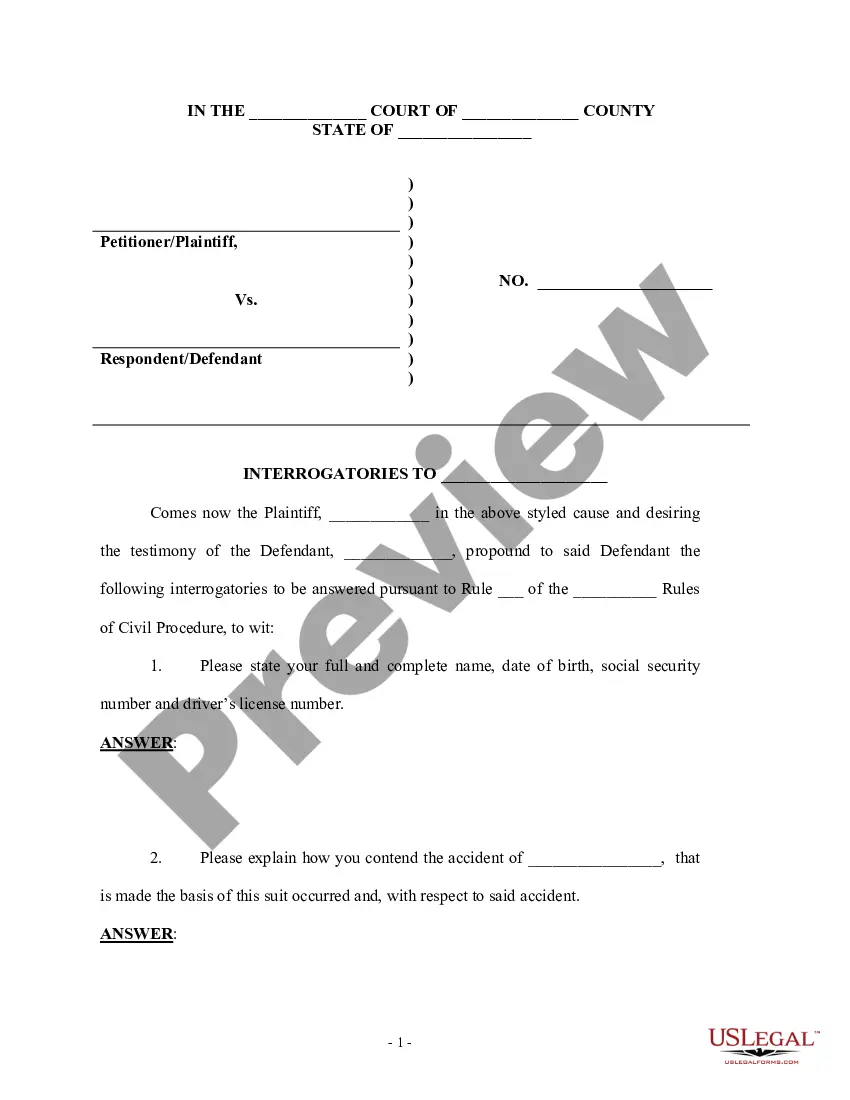
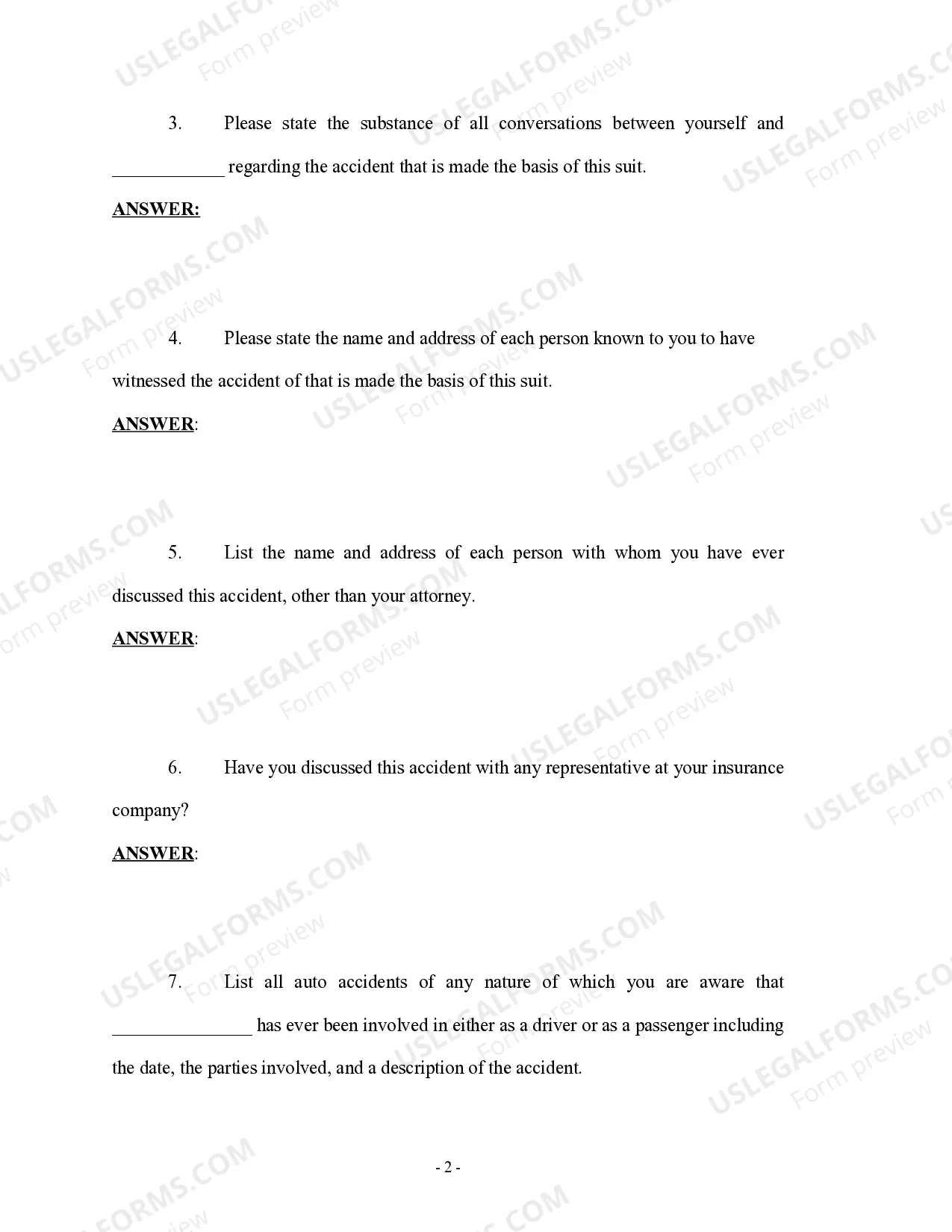
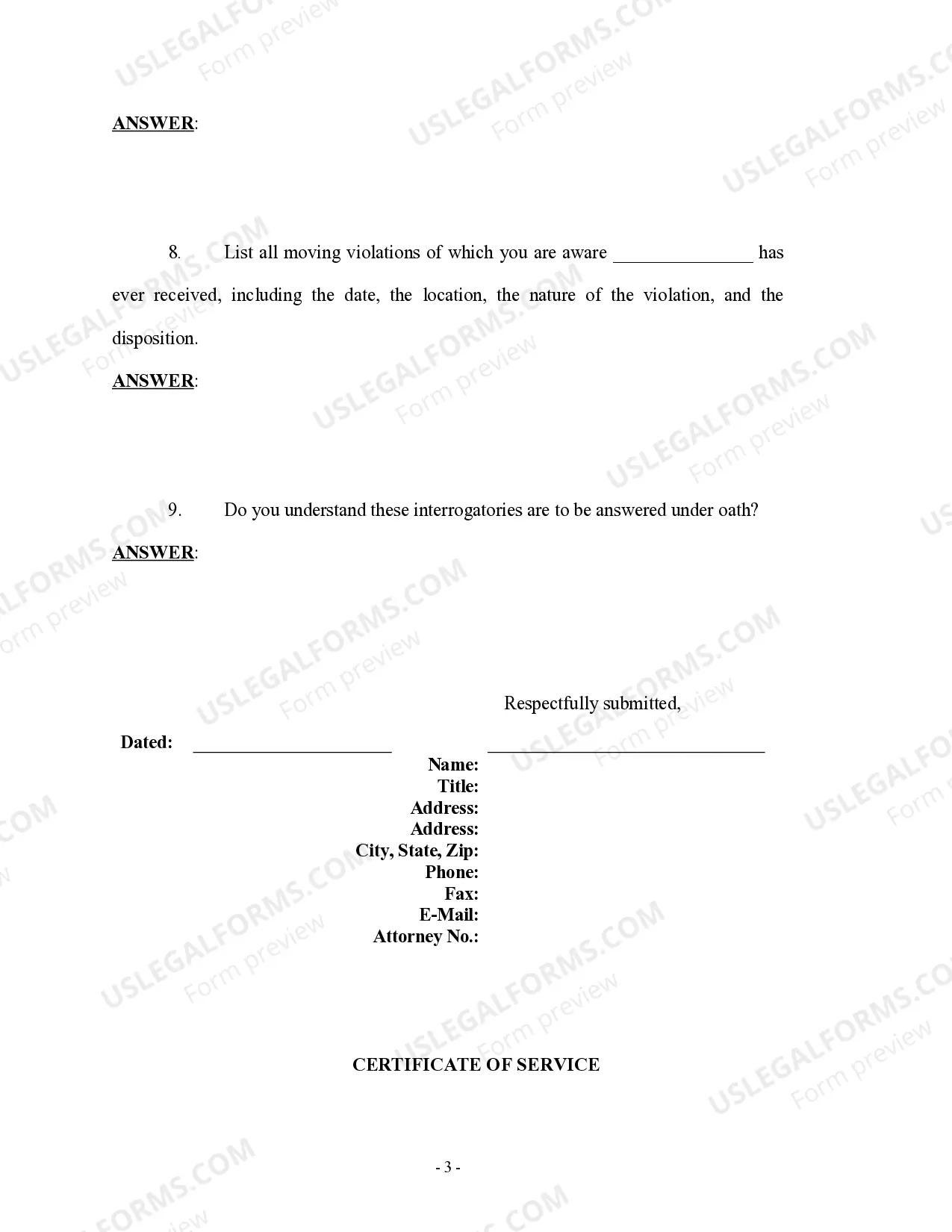
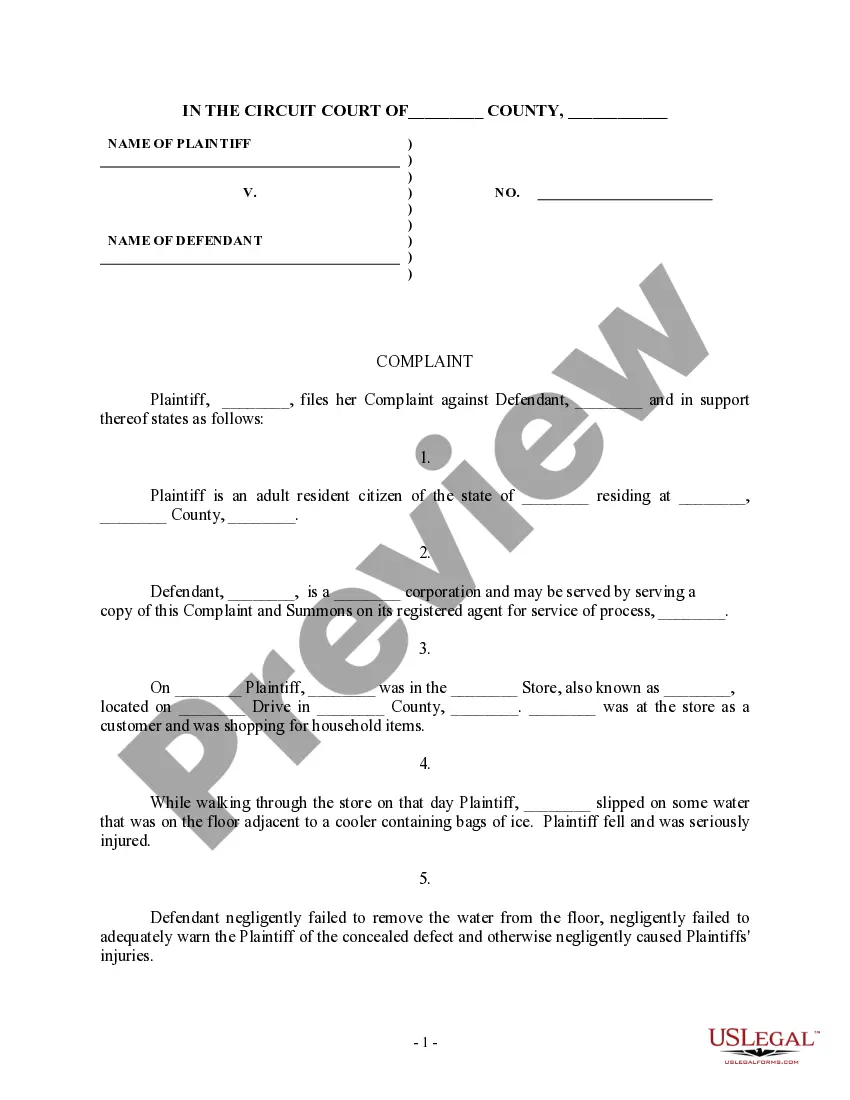
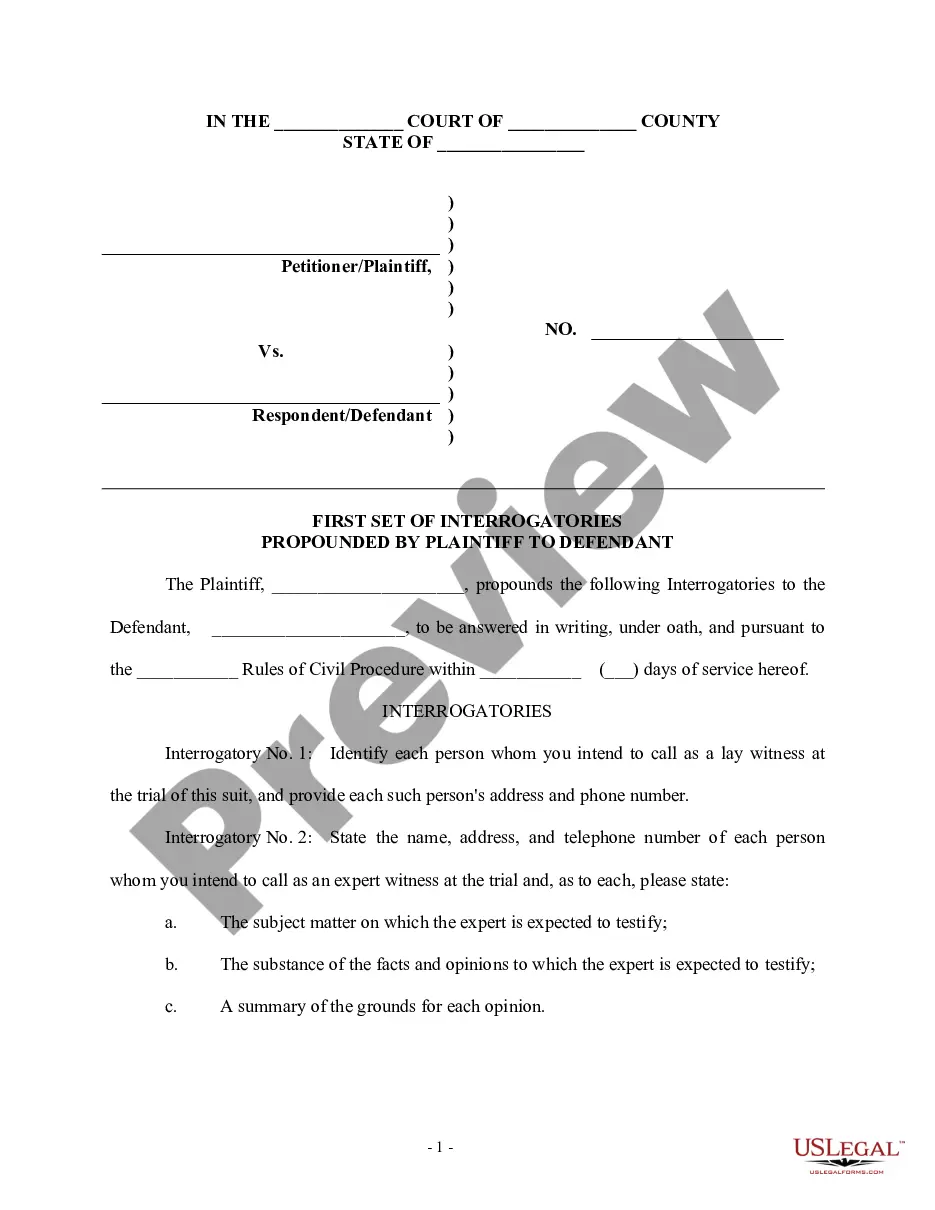
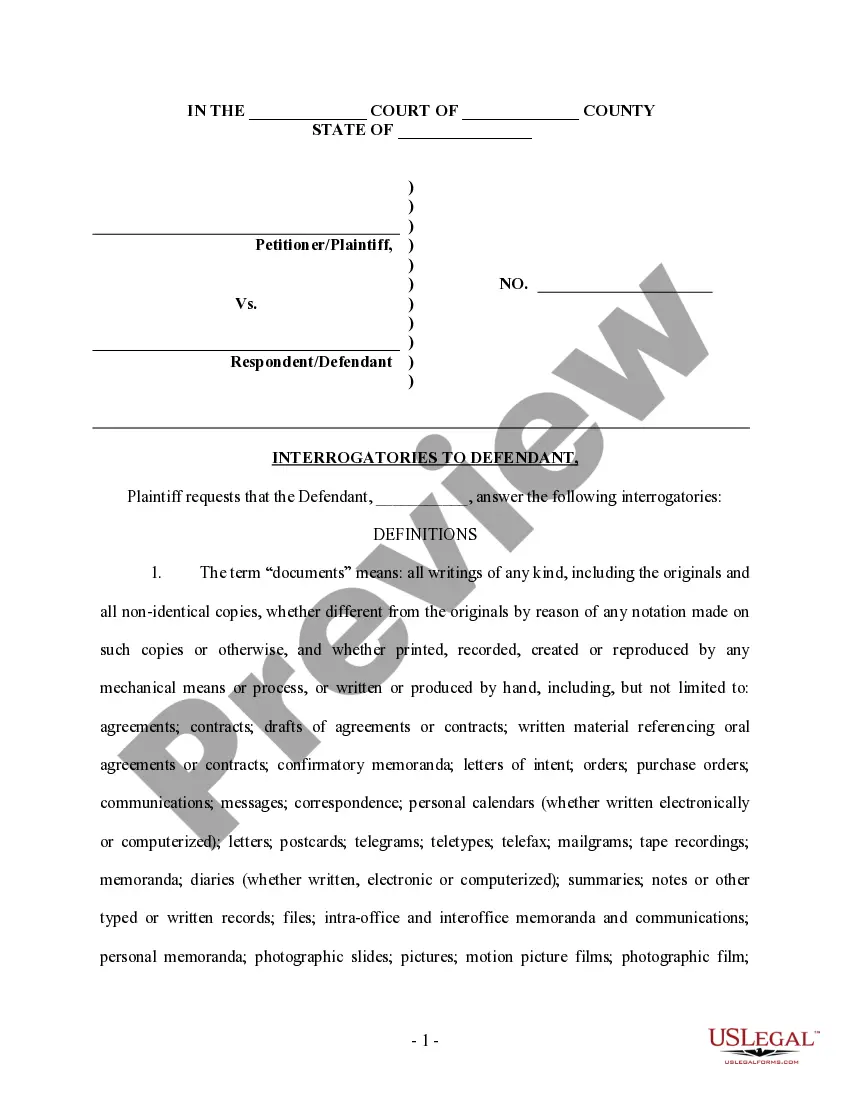
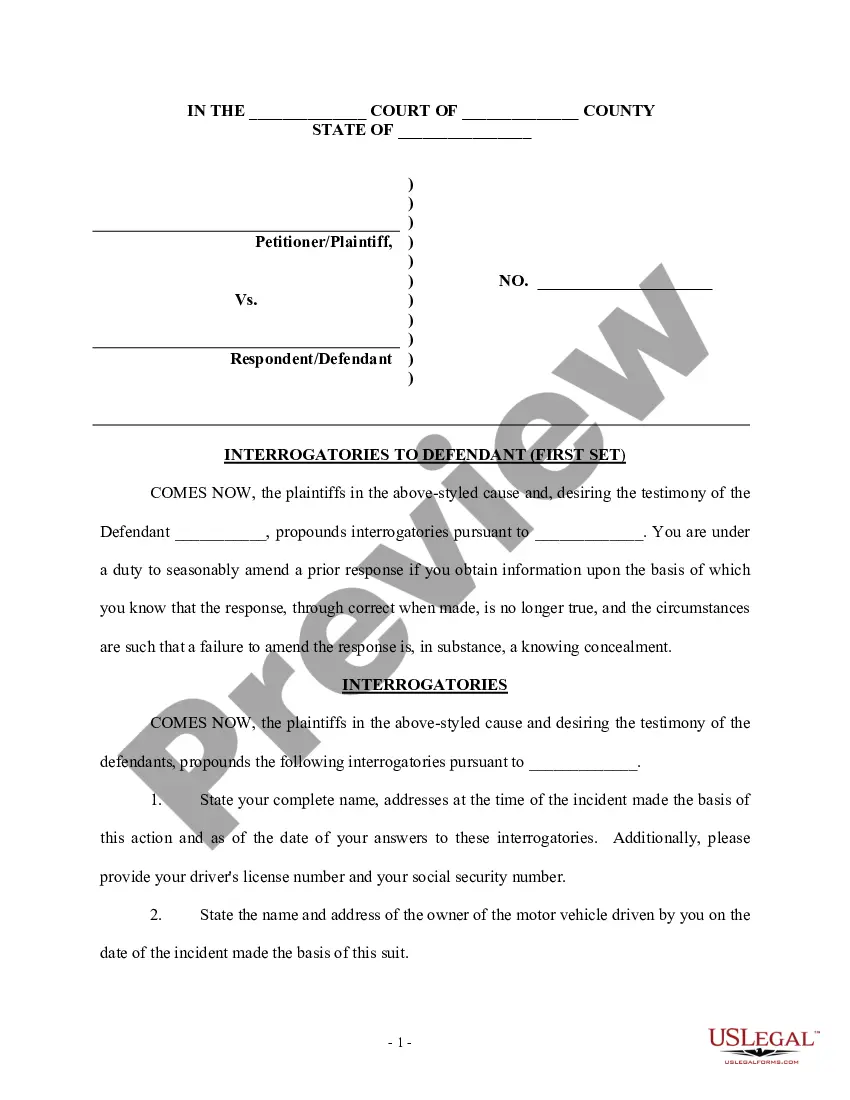
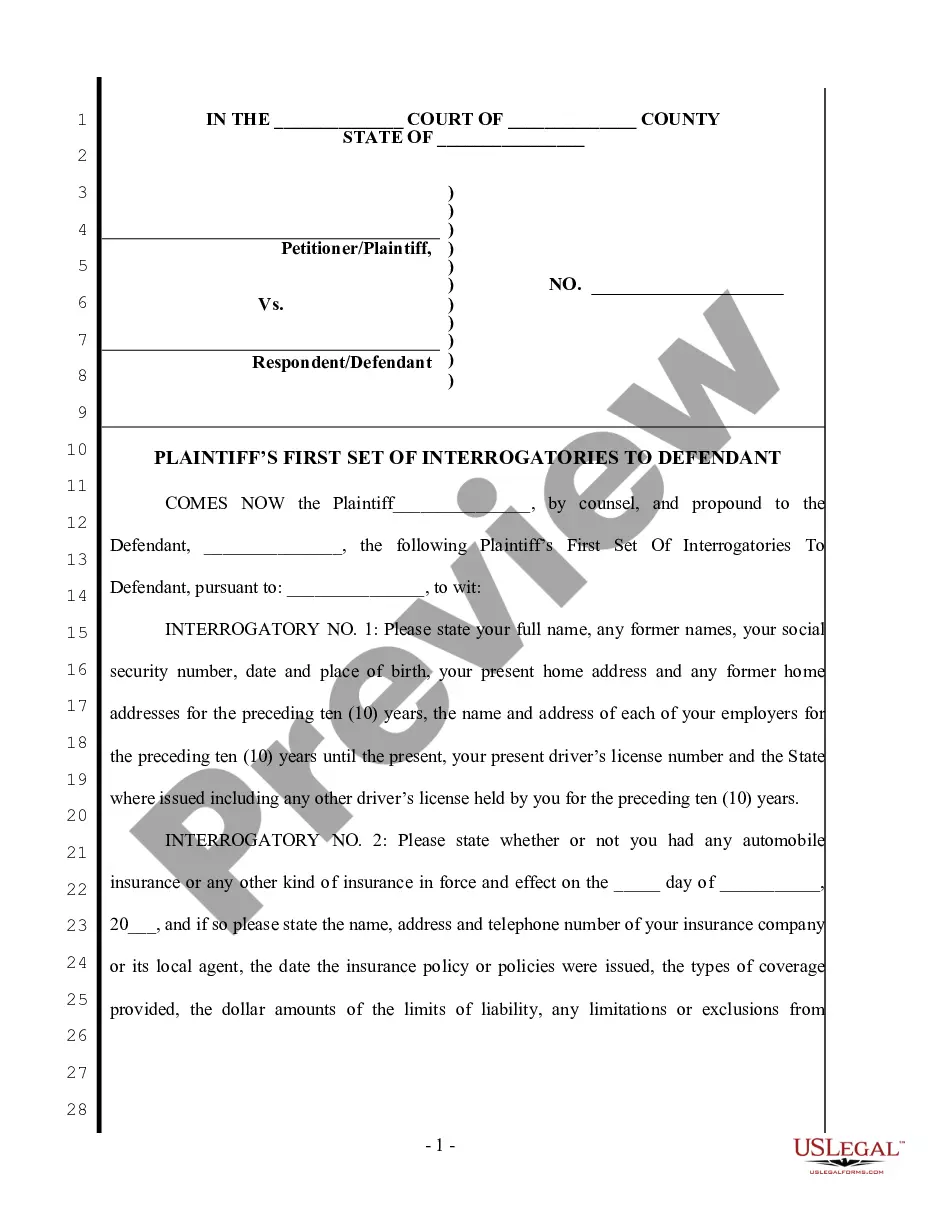
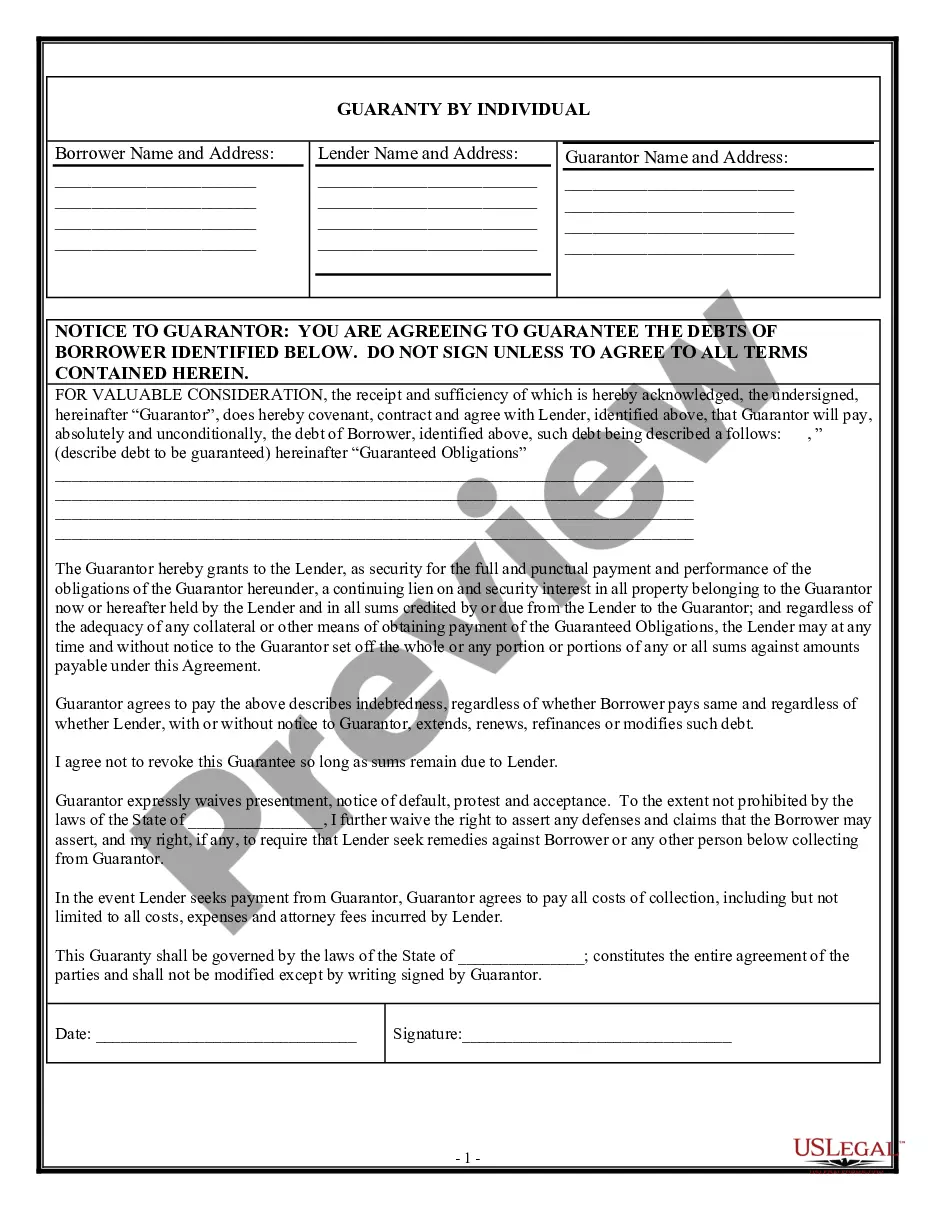

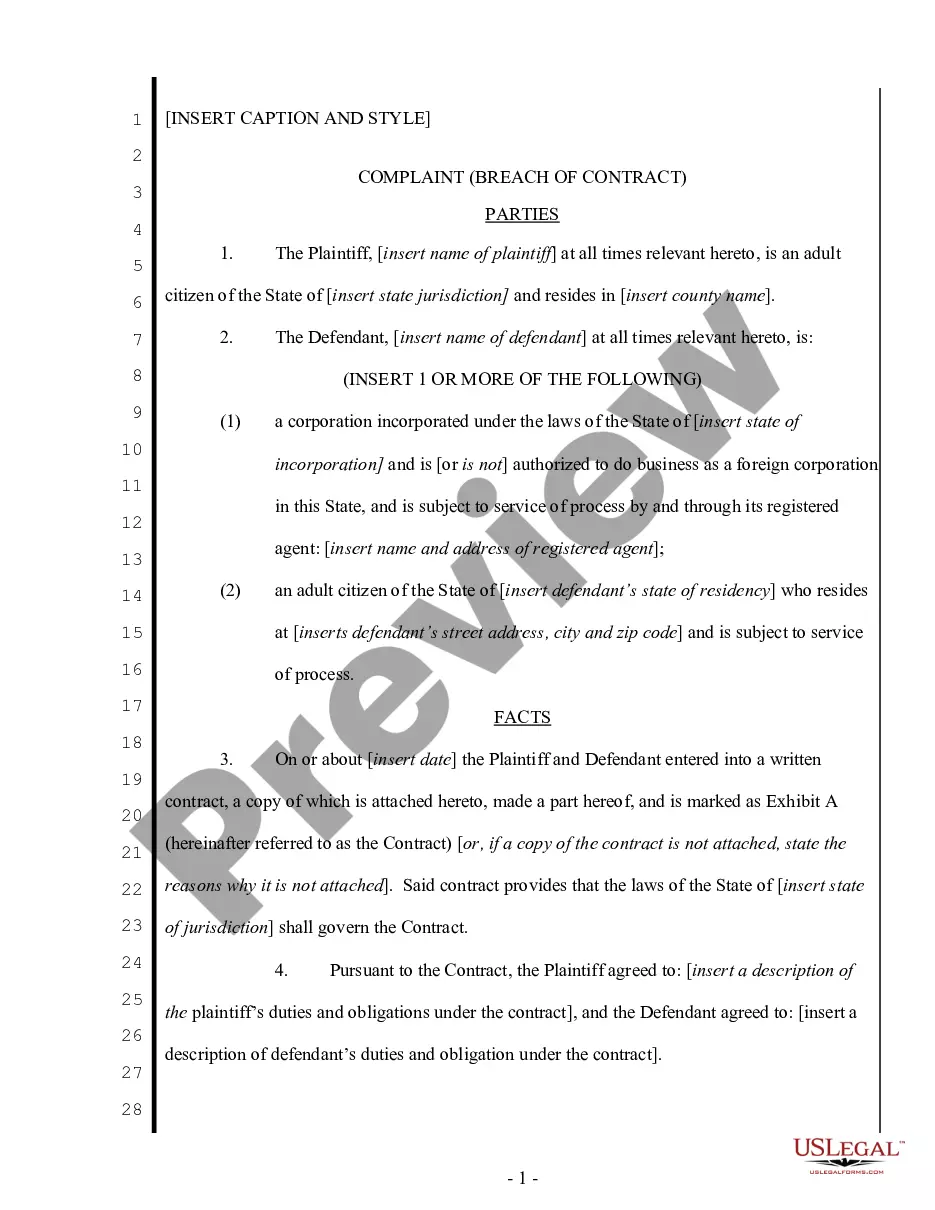
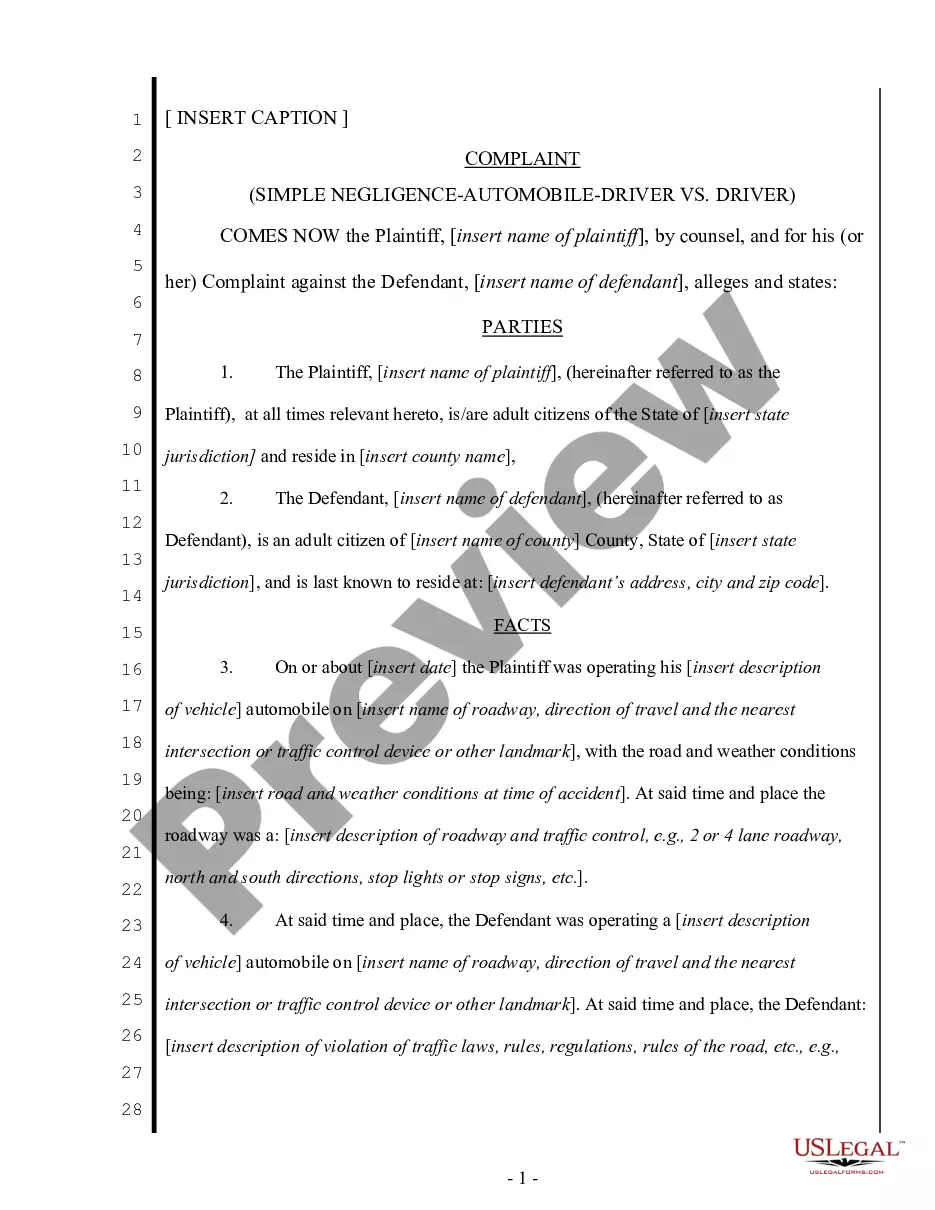
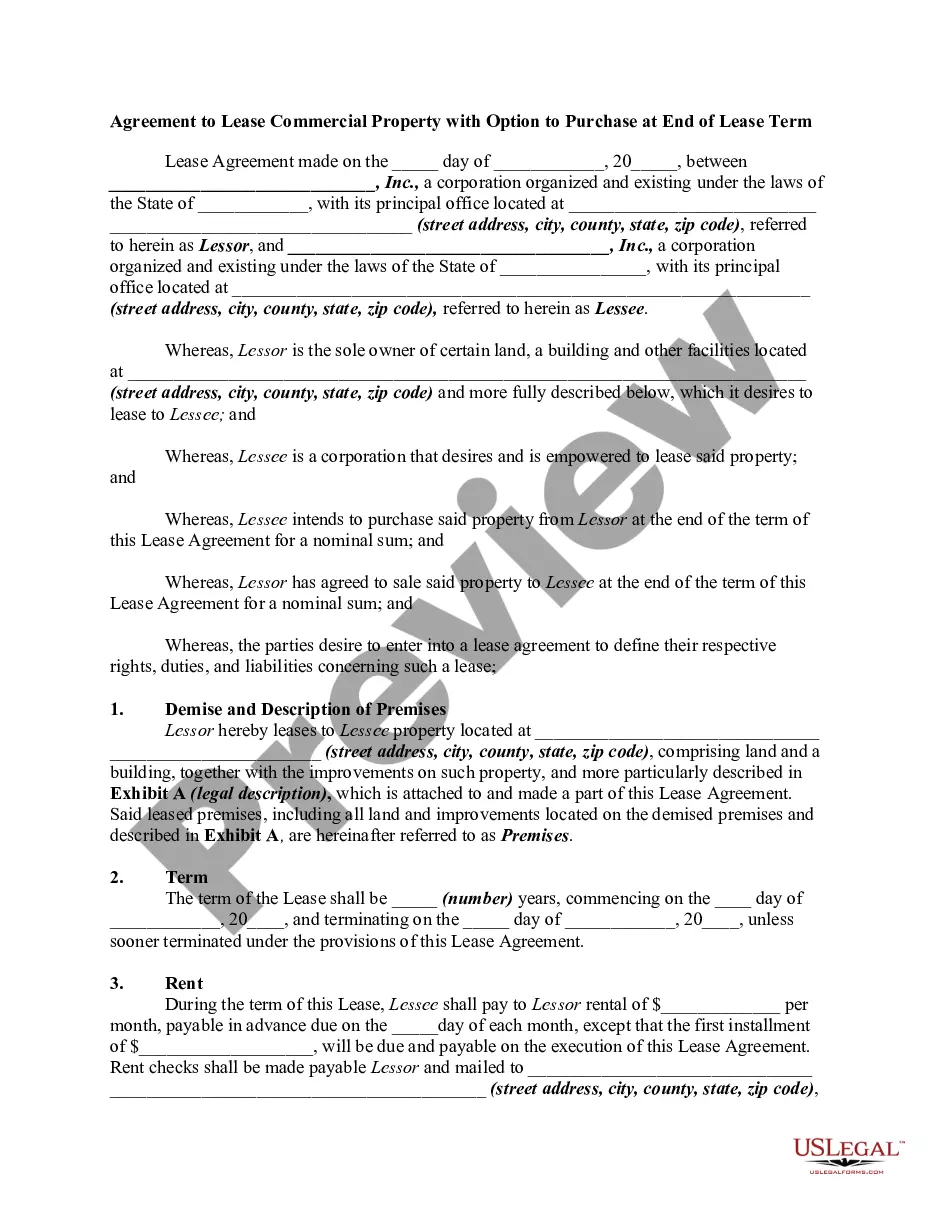
How to fill out Plaintiff's Interrogatories To Defendant - Personal Injury?
Getting a go-to place to access the most recent and appropriate legal samples is half the struggle of dealing with bureaucracy. Discovering the right legal papers demands accuracy and attention to detail, which is why it is crucial to take samples of Accident Plaintiff Defendant Without Consent only from reliable sources, like US Legal Forms. A wrong template will waste your time and delay the situation you are in. With US Legal Forms, you have little to worry about. You may access and see all the details concerning the document’s use and relevance for the situation and in your state or region.
Consider the following steps to complete your Accident Plaintiff Defendant Without Consent:
- Make use of the catalog navigation or search field to locate your template.
- View the form’s description to see if it fits the requirements of your state and area.
- View the form preview, if there is one, to ensure the form is the one you are interested in.
- Get back to the search and look for the correct document if the Accident Plaintiff Defendant Without Consent does not fit your needs.
- When you are positive regarding the form’s relevance, download it.
- If you are a registered customer, click Log in to authenticate and gain access to your selected forms in My Forms.
- If you do not have an account yet, click Buy now to get the form.
- Pick the pricing plan that fits your needs.
- Proceed to the registration to finalize your purchase.
- Complete your purchase by picking a transaction method (bank card or PayPal).
- Pick the document format for downloading Accident Plaintiff Defendant Without Consent.
- Once you have the form on your device, you can change it using the editor or print it and complete it manually.
Eliminate the hassle that comes with your legal documentation. Discover the comprehensive US Legal Forms catalog to find legal samples, check their relevance to your situation, and download them immediately.
Form popularity
FAQ
Affirmative defense?Examples On [Date], after making the contract and the alleged breach, and before this action was commenced, defendant paid to the plaintiff the sum of [specify amount], which was accepted by the plaintiff in full satisfaction and discharge of the damages claimed in the petition.
This ?irreducible constitutional minimum? of standing has three elements: (1) the plaintiff has suffered a concrete injury; (2) that injury is fairly traceable to actions of the defendant; and (3) it must be likely?not merely speculative?that the injury will be redressed by a favorable decision.
There are three main types of defenses to negligence: contributory negligence, comparative negligence, and assumption of risk. The contributory negligence defense shifts blame to the plaintiff and bars them from recovering damages from the defendant.
If you file an Answer to the lawsuit and defend yourself in court, you can state an affirmative defense. You can deny what the plaintiff says you did without saying anything else. But you can also have affirmative defenses. You must raise it in your Answer or you may give up your right to bring it up later.
A defendant of a civil liability is either ?liable? or ?not liable?. If a defendant is liable, the court will order the defendant to pay or follow another remedy to the plaintiff, not to face the risk of prison as in many criminal cases.