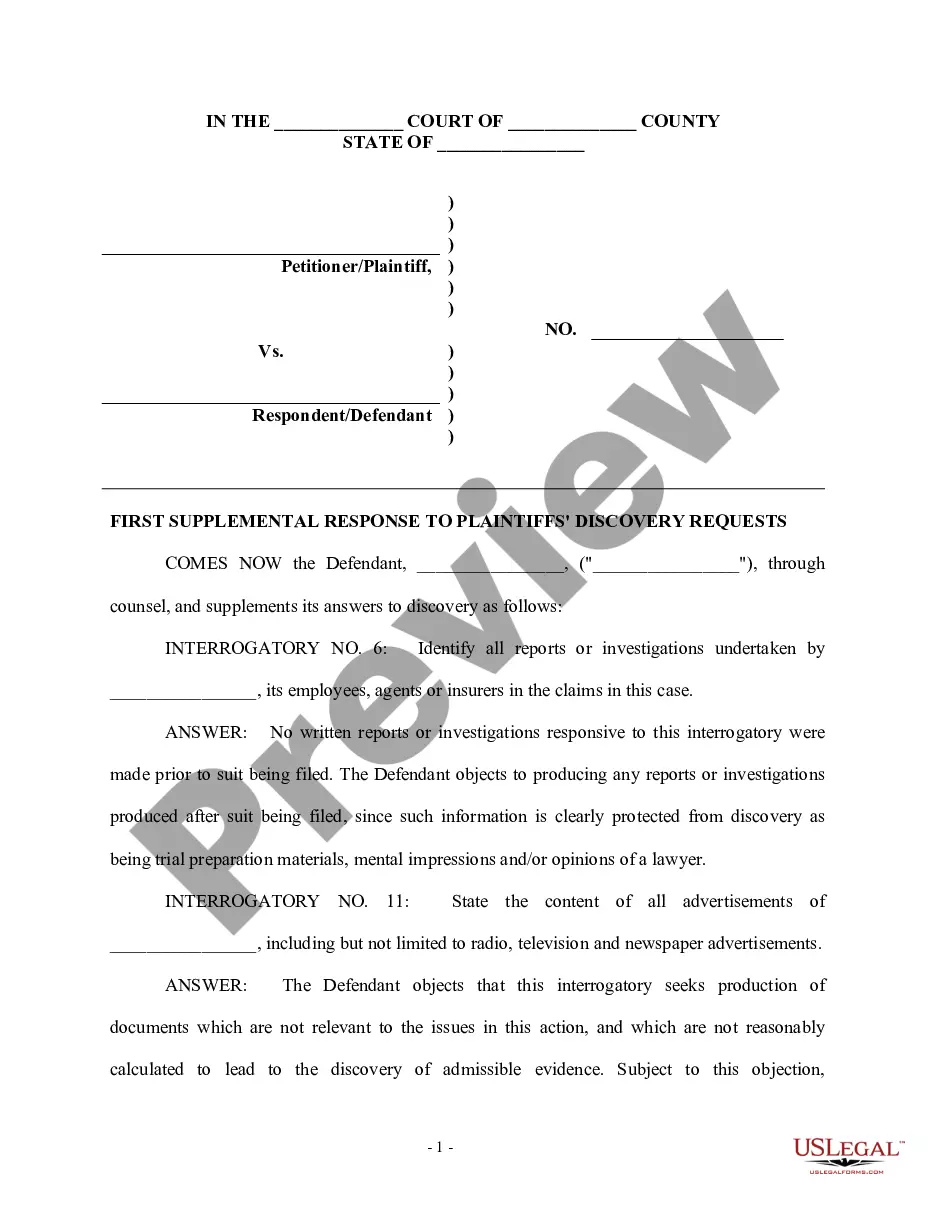
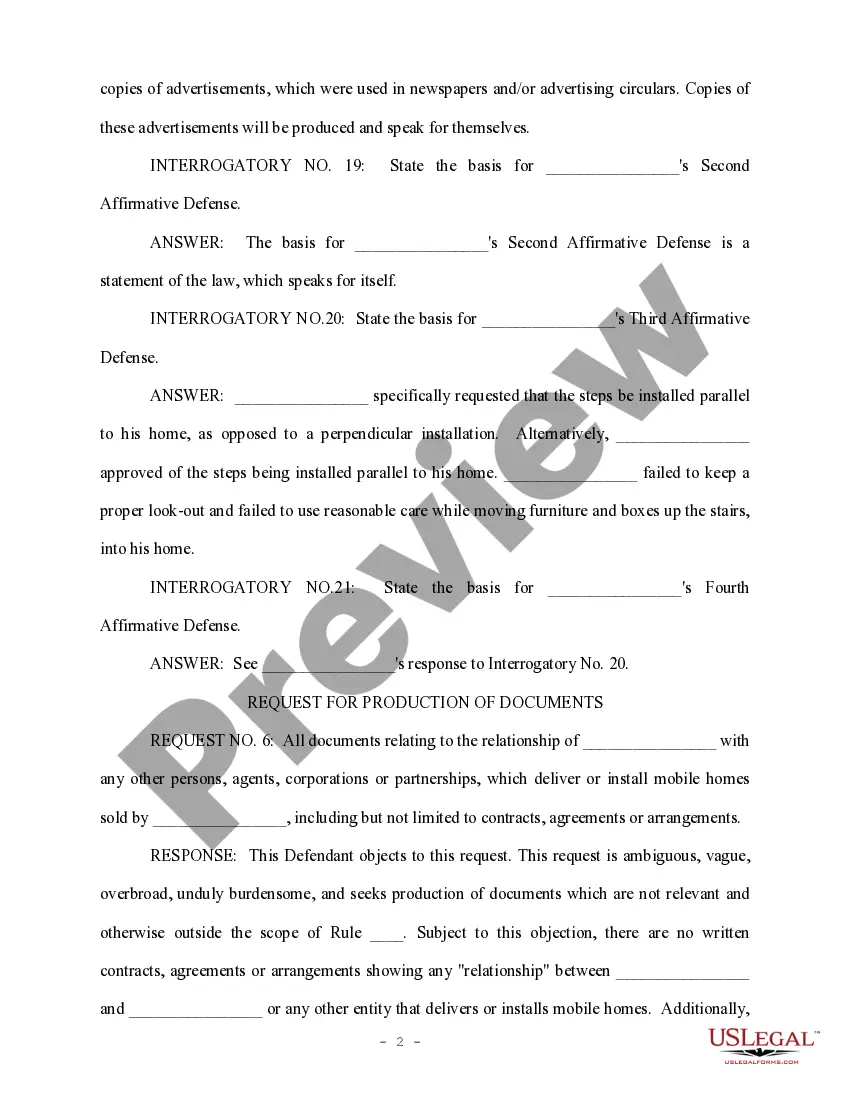
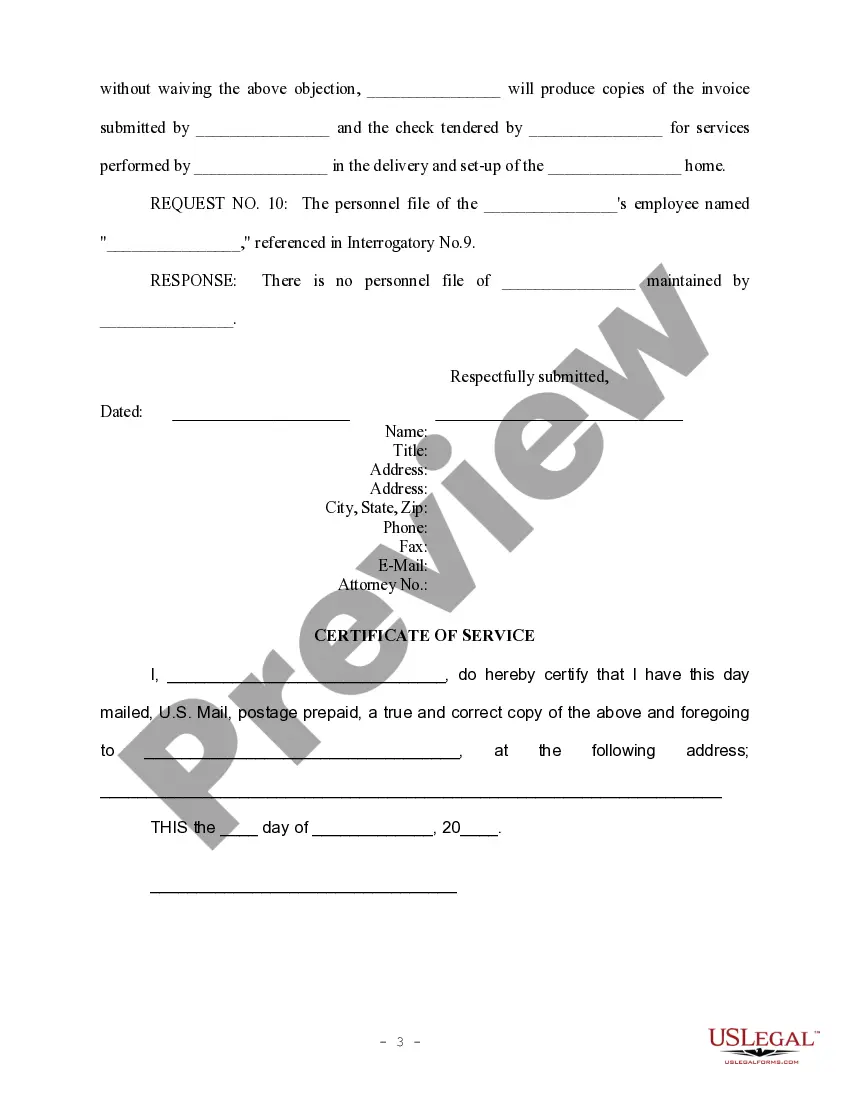
Supplemental Discovery Example For Request For Discovery
Description
Get your form ready online
Our built-in tools help you complete, sign, share, and store your documents in one place.
Make edits, fill in missing information, and update formatting in US Legal Forms—just like you would in MS Word.
Download a copy, print it, send it by email, or mail it via USPS—whatever works best for your next step.
Sign and collect signatures with our SignNow integration. Send to multiple recipients, set reminders, and more. Go Premium to unlock E-Sign.
If this form requires notarization, complete it online through a secure video call—no need to meet a notary in person or wait for an appointment.
We protect your documents and personal data by following strict security and privacy standards.

Make edits, fill in missing information, and update formatting in US Legal Forms—just like you would in MS Word.

Download a copy, print it, send it by email, or mail it via USPS—whatever works best for your next step.

Sign and collect signatures with our SignNow integration. Send to multiple recipients, set reminders, and more. Go Premium to unlock E-Sign.

If this form requires notarization, complete it online through a secure video call—no need to meet a notary in person or wait for an appointment.

We protect your documents and personal data by following strict security and privacy standards.
Looking for another form?
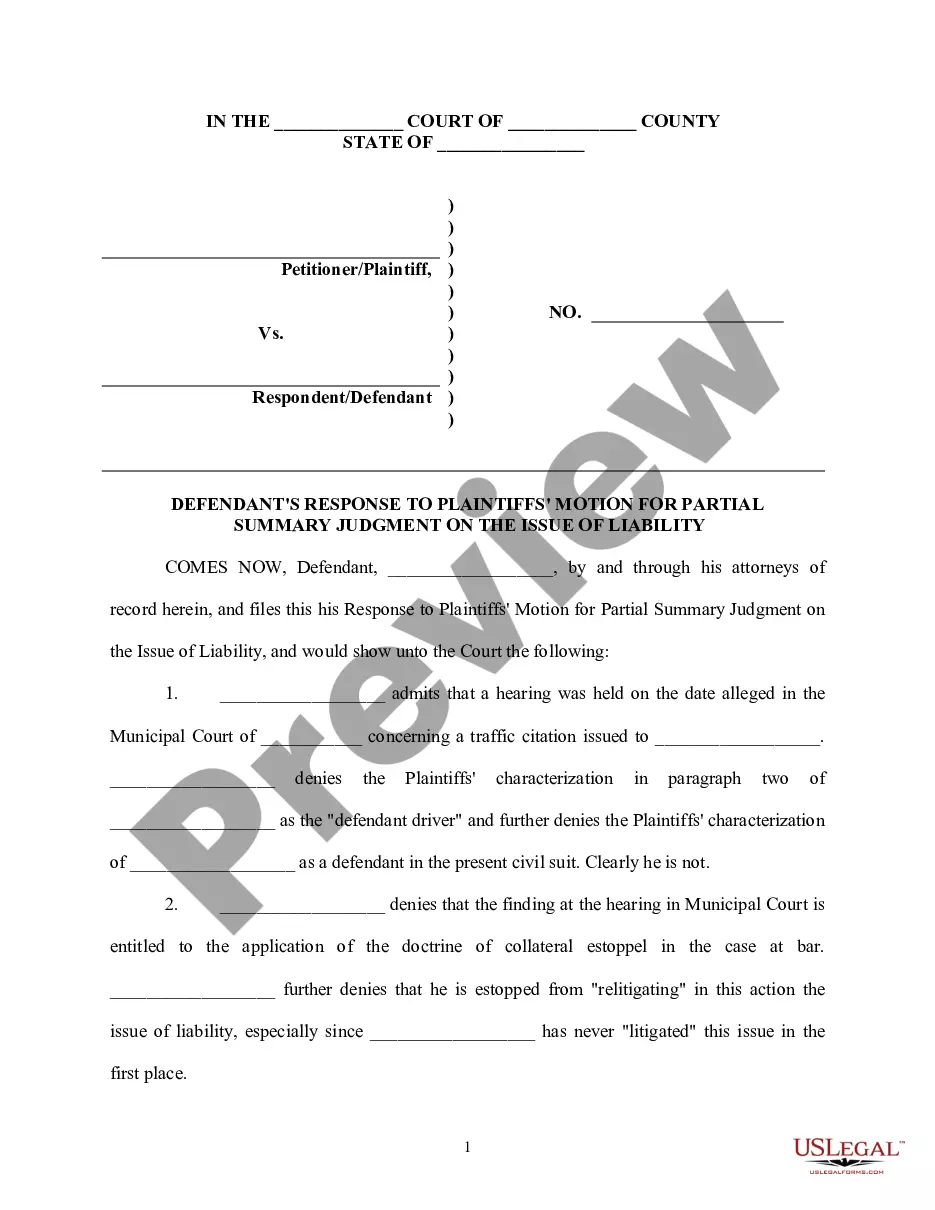
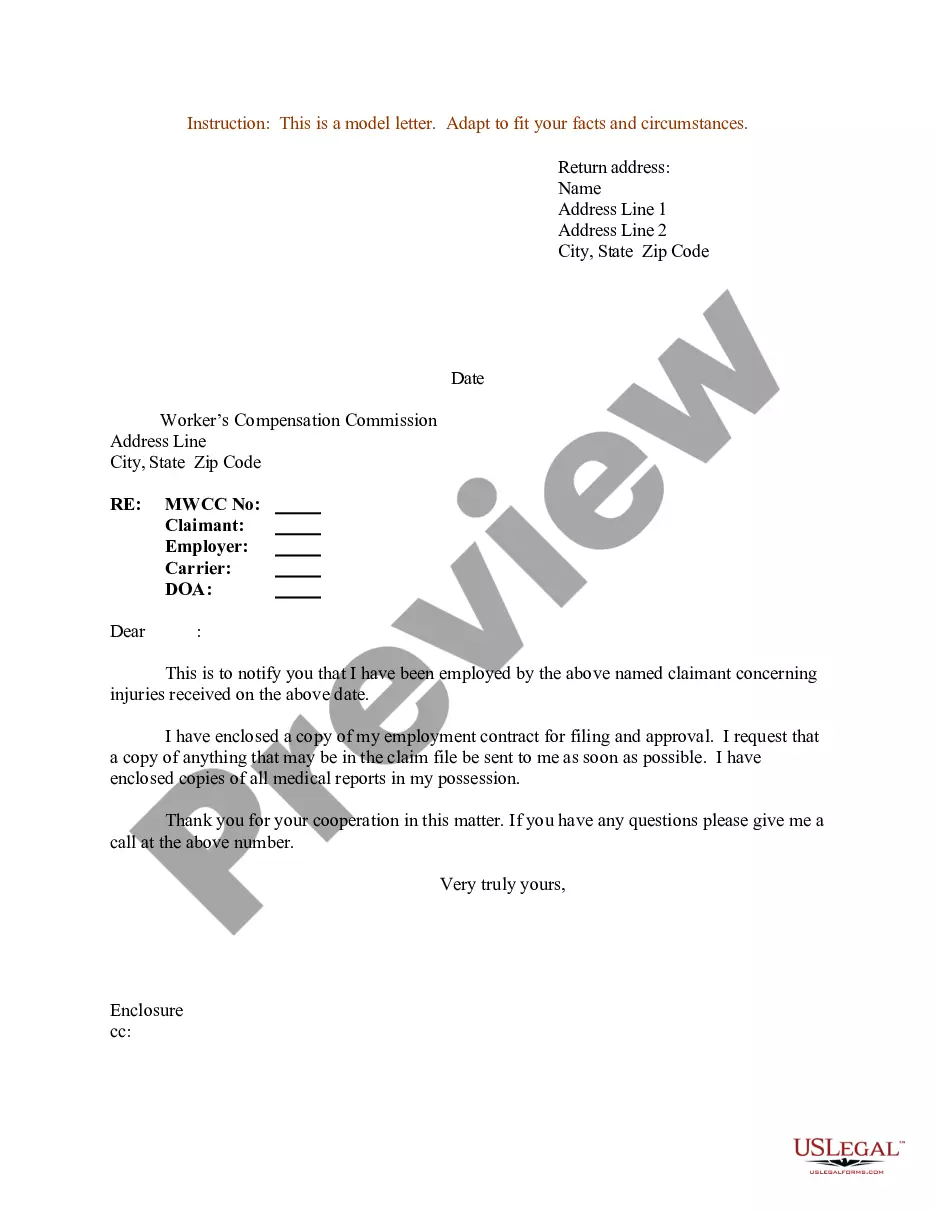
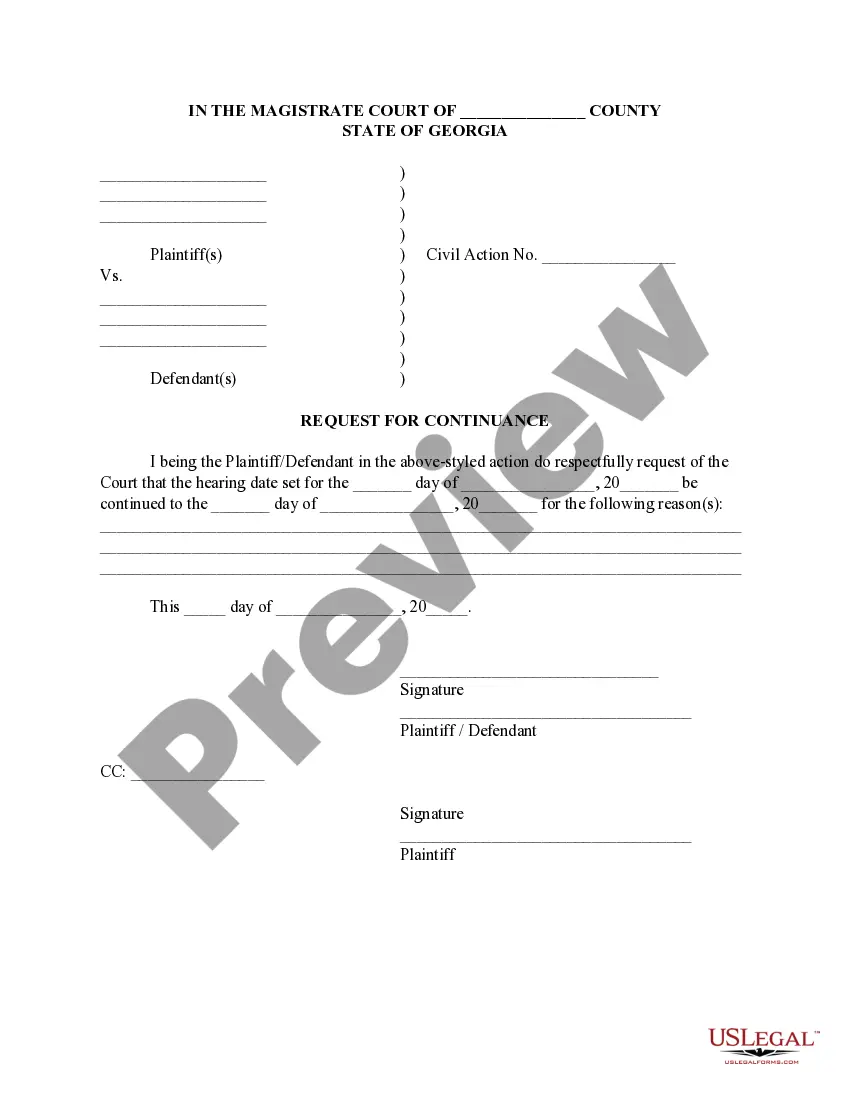
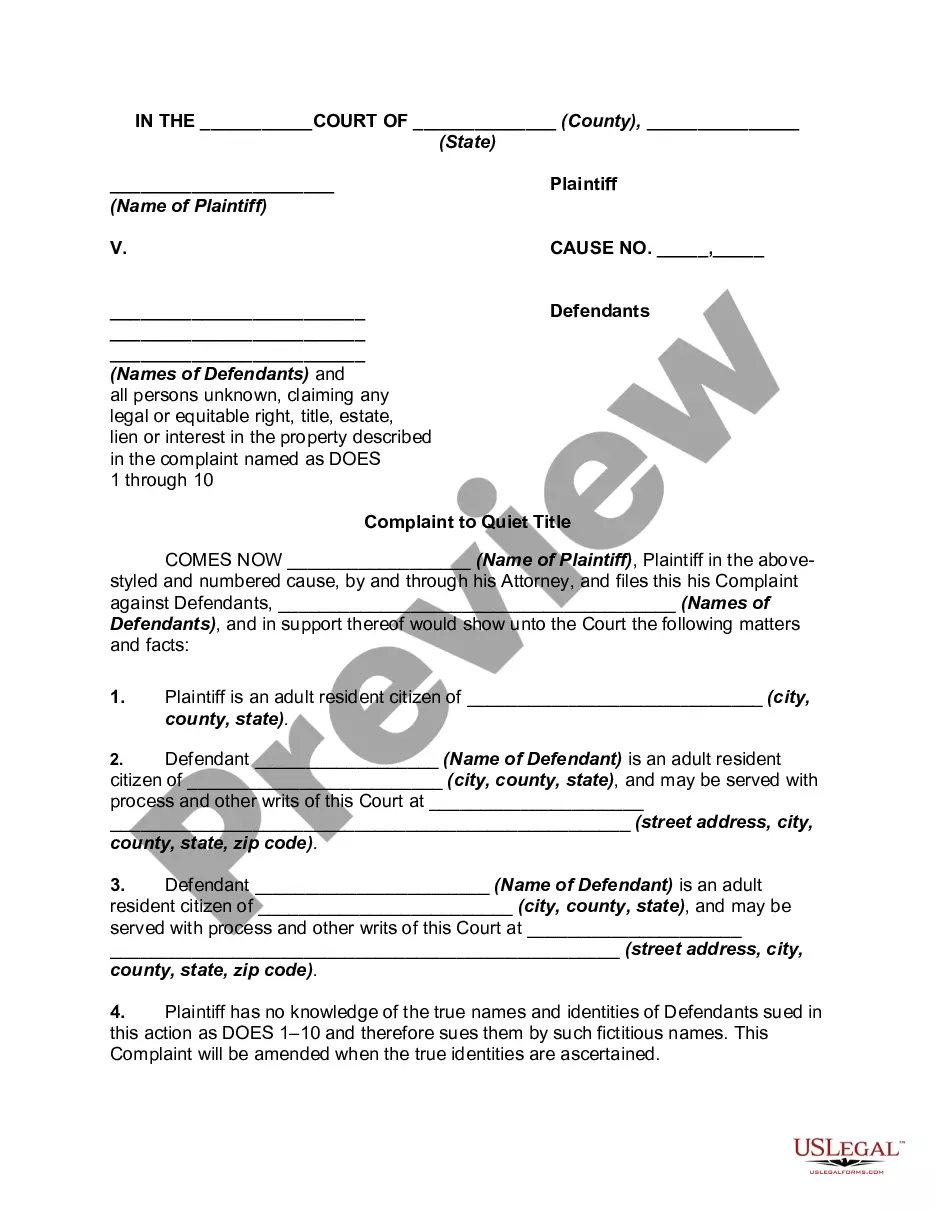

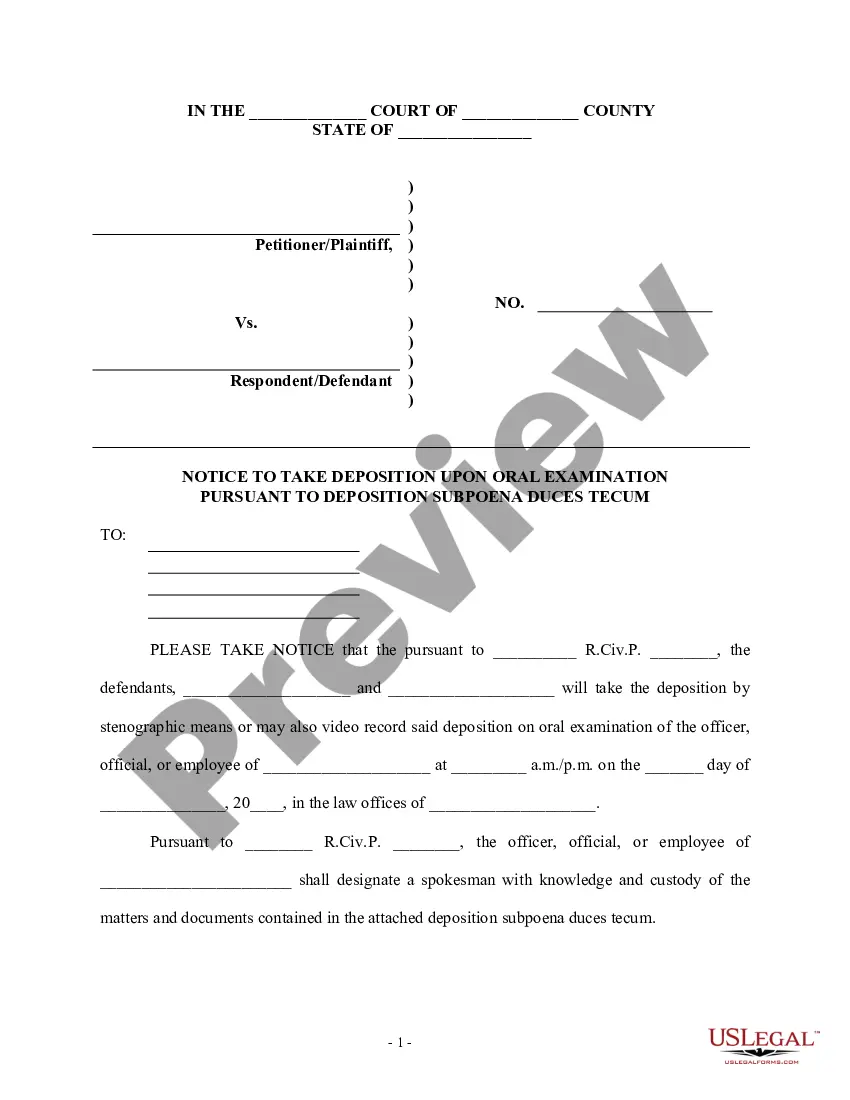
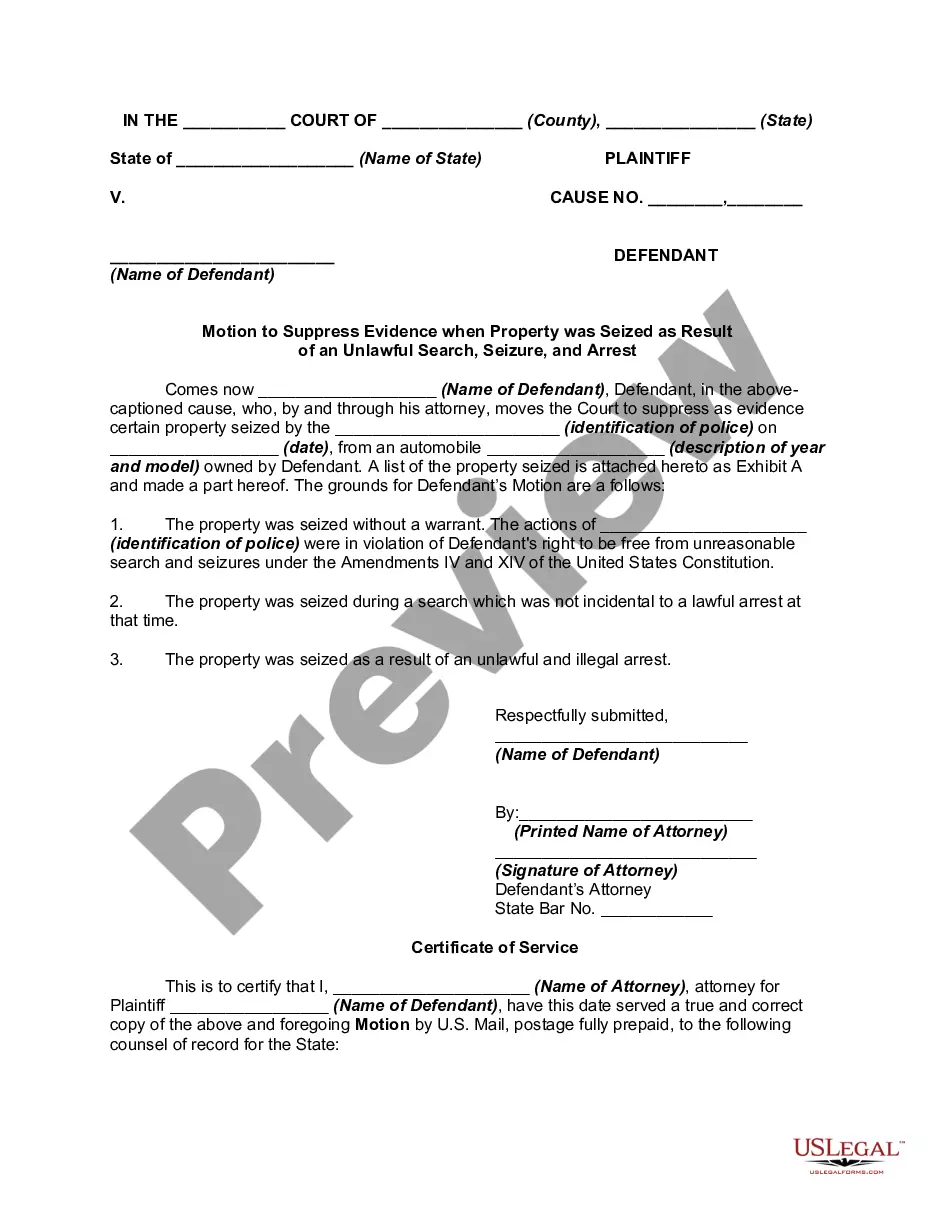
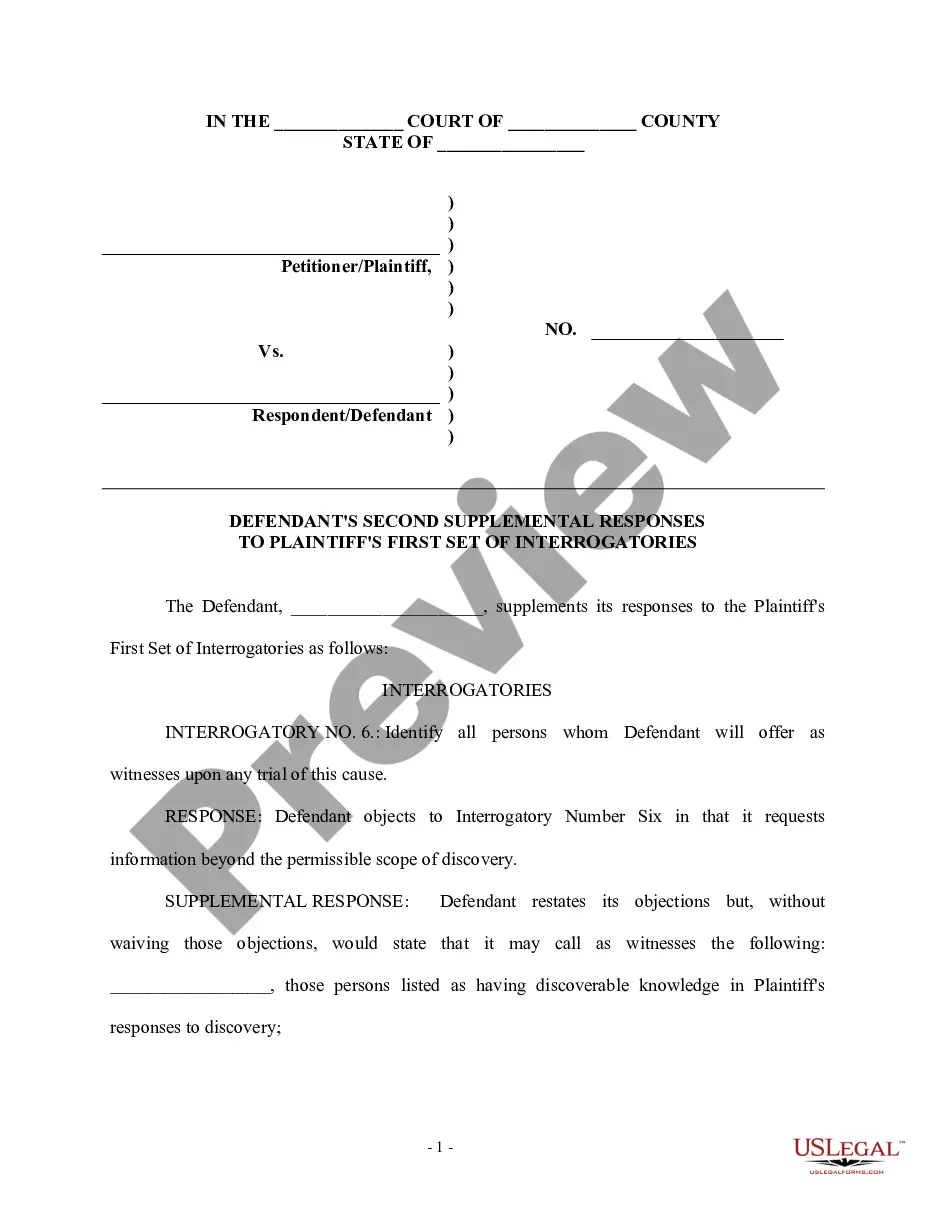
How to fill out Defendant's First Supplemental Response To Plaintiff's Discovery Request?
- Log in to your US Legal Forms account if you're a returning user. Ensure your subscription is up to date; if not, renew it through your account settings.
- For first-time users, start by browsing the extensive online library. Use the Preview mode to assess the form's description and confirm it matches your jurisdiction's requirements.
- If you can't find the right form, utilize the Search tab to explore additional templates. Select the one that meets your specifications.
- Click the 'Buy Now' button once you've identified the correct document. Choose your desired subscription plan and register an account for full access.
- Complete your purchase by entering your payment details. You can opt for credit card processing or use PayPal to finalize your transaction.
- Download your chosen form and save it on your device. Access it easily later through the 'My Forms' menu in your account.
In conclusion, US Legal Forms offers an unmatched selection of more than 85,000 legal templates, helping you complete documents efficiently and confidently. With access to expert assistance, you can be sure your documents are both accurate and compliant.
Start your journey with US Legal Forms today, and simplify your discovery requests!
Form popularity
FAQ
Process discovery involves analyzing and documenting workflows and procedures, especially in a business or organizational context. For instance, if a business faces litigation, understanding how processes function could reveal vital information relevant to the case. A supplemental discovery example for request for discovery could arise when additional process maps are requested to clarify operations. Utilizing platforms like US Legal Forms can help streamline this discovery process effectively.
In court, discovery may manifest as a deposition, where one party questions a witness in a formal setting, with recorded testimony. This process allows insight into a witness's knowledge and can reveal critical information ahead of trial. Additionally, a supplemental discovery example for request for discovery might include requesting additional evidence after initial disclosures. By utilizing effective discovery methods, you prepare for a more robust argument.
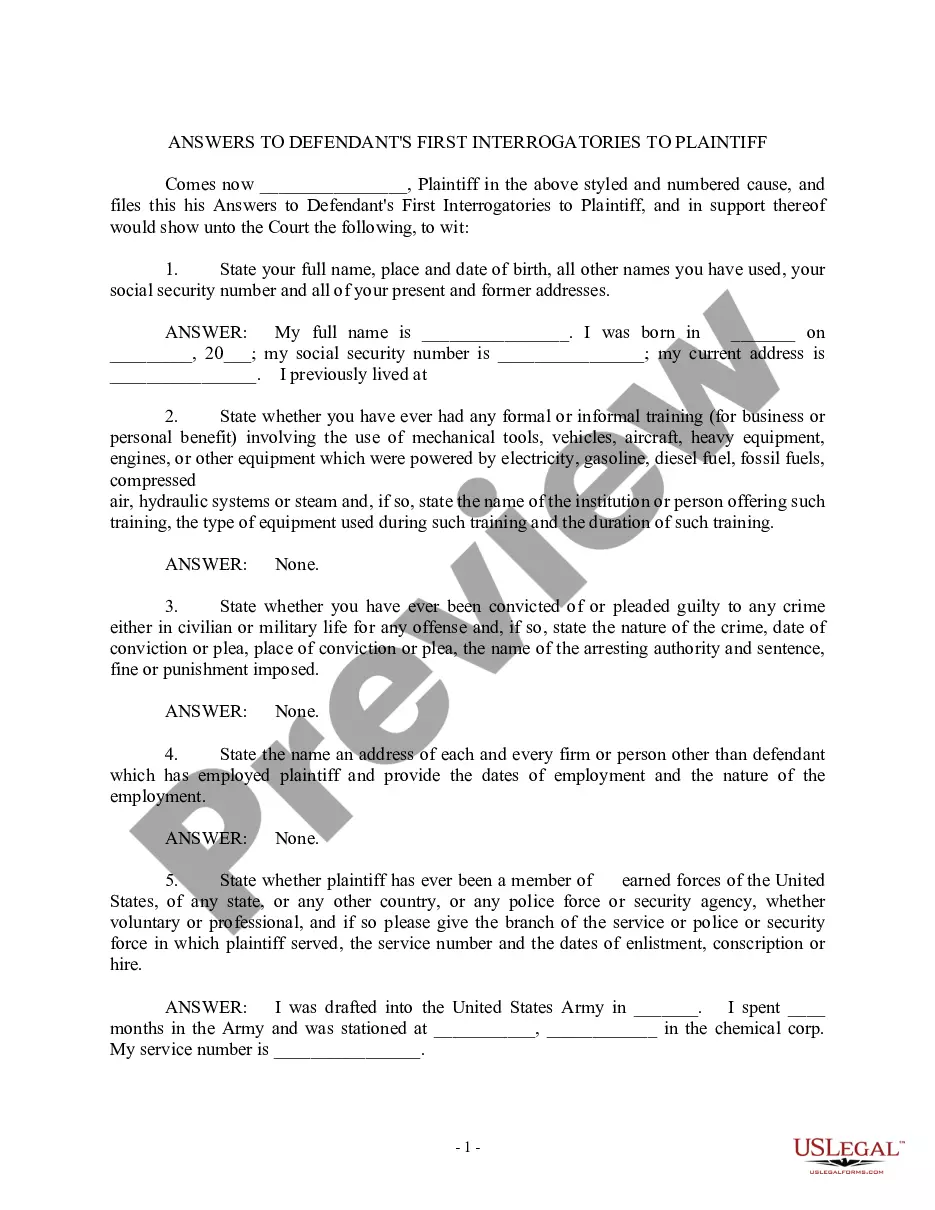
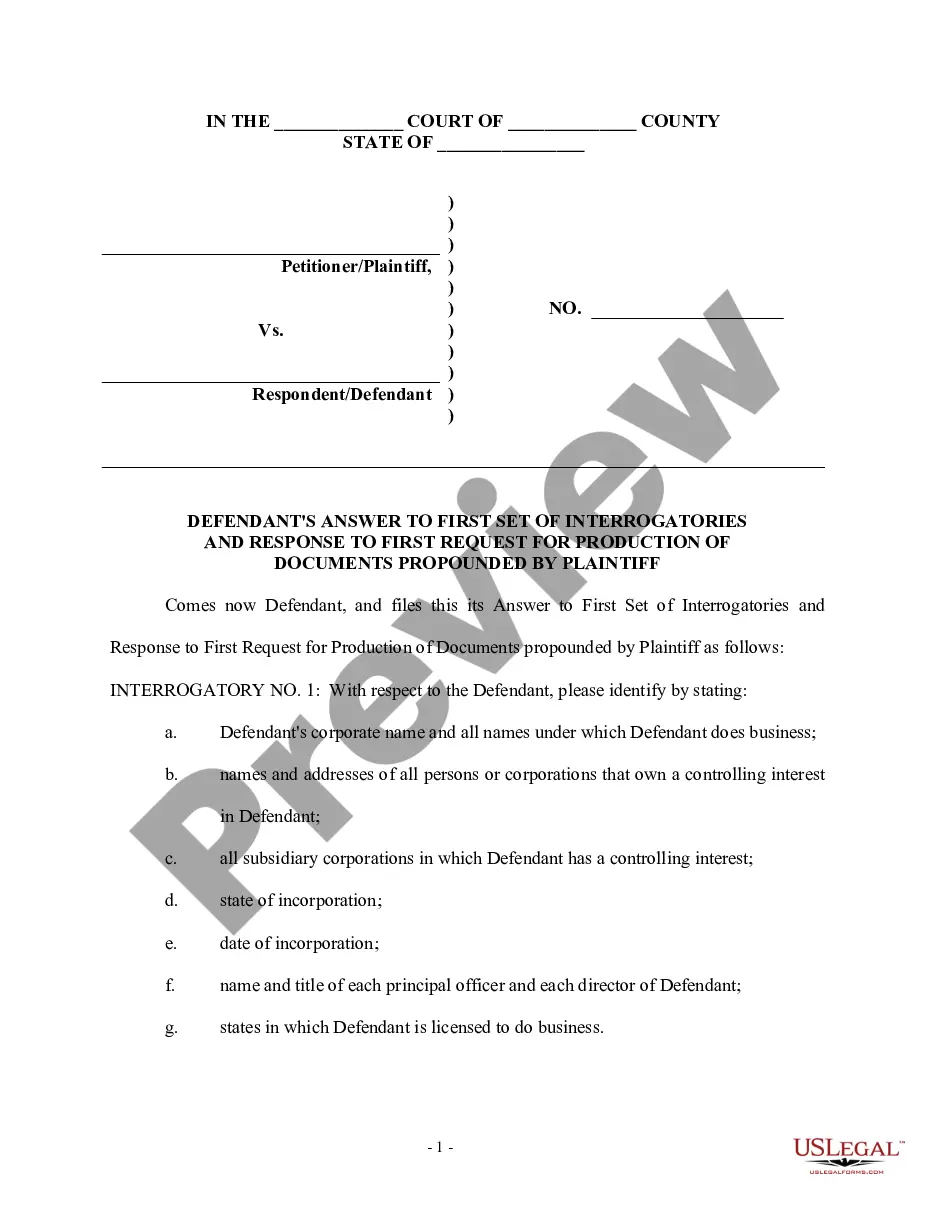
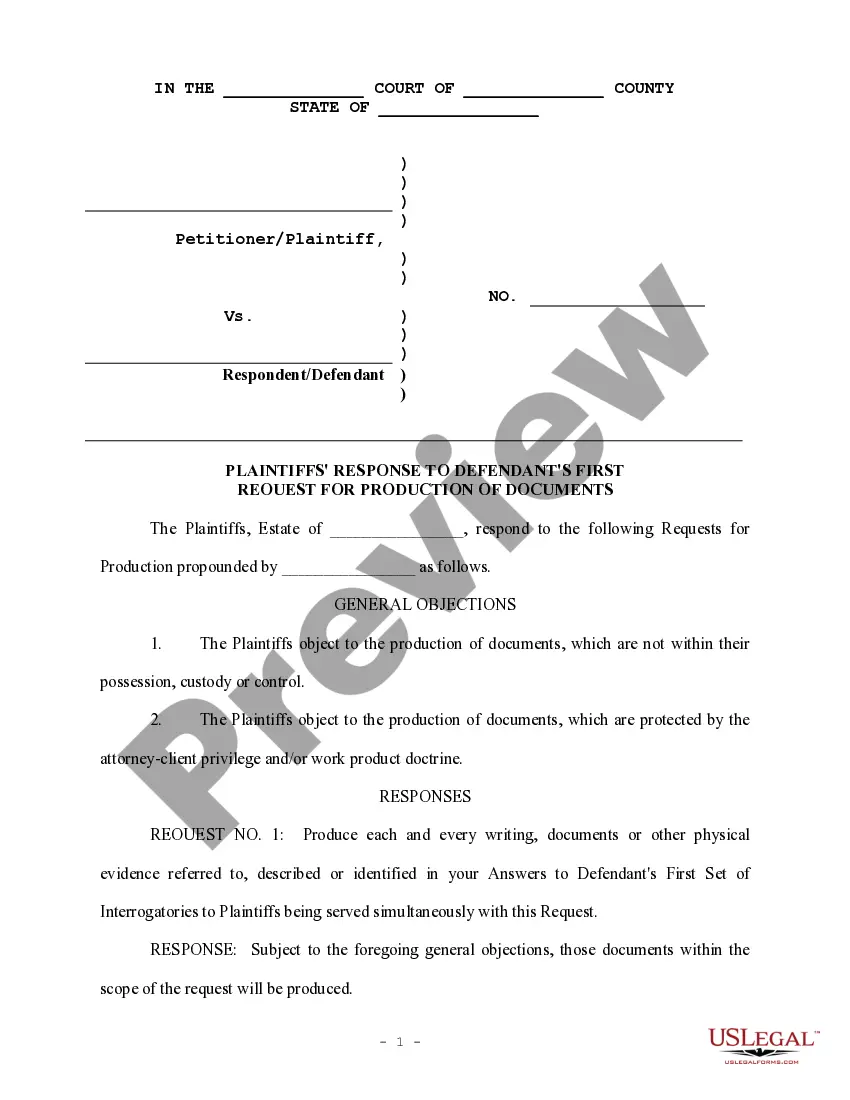
An example of a discovery often involves interrogatories, where one party submits written questions to another party. The receiving party must answer these questions under oath, providing insight into their position on the case. Another supplemental discovery example for request for discovery would be a request for production of documents, where one party seeks access to specific records. Such examples are fundamental in building a solid foundation for legal arguments.
Evidence discovery is the phase in which parties gather and exchange information relevant to a case. This process includes the identification and sharing of documents, testimonies, and other materials that may support one’s legal arguments. A supplemental discovery example for request for discovery could involve further requests for additional documents uncovered during initial investigations. By facilitating transparency, evidence discovery ensures both sides can effectively prepare for court.
When you receive a request for supplemental discovery, you typically have 30 days to respond. It is crucial to adhere to this timeline to avoid any delays in your case. The deadline can vary based on the court rules or specific agreements between parties, so always review the applicable jurisdiction guidelines. Ensuring timely responses to supplemental discovery requests sets a positive tone for the proceedings.
Discovery compliance supplemental relates to ensuring all requested information is complete and adheres to legal standards during the discovery process. It indicates that a party has provided additional information to comply with discovery obligations. A supplemental discovery example for request for discovery serves as a useful reference in achieving compliance. By utilizing platforms like uslegalforms, you can streamline the compliance process and ensure all necessary submissions are accurate and timely.
A state's supplemental response to a request for discovery refers to the additional information provided by a party in response to discovery requests from the opposing side. This may include new documents, evidence, or clarifications that enhance or modify the initial discovery response. Using a supplemental discovery example for request for discovery can guide you in drafting effective responses. An organized response helps maintain transparency and promotes fair legal practices.
The main difference between amended and supplemental discovery lies in their purpose and timing. Amended discovery alters or updates previous requests, while supplemental discovery provides additional information after the initial discovery process. For example, a supplemental discovery example for request for discovery might include new documents or updated evidence that were not available earlier. Understanding these distinctions helps ensure effective legal communication and compliance.
Supplemental discovery compliance refers to the adherence to legal rules governing the provision of updated information during the discovery phase of a lawsuit. It ensures that parties comply with their obligations to disclose all relevant evidence in a timely manner. Familiarity with a supplemental discovery example for request for discovery can provide clarity on how to navigate compliance effectively. Utilizing platforms like US Legal Forms can simplify the process by offering tools and resources for proper documentation and submission.
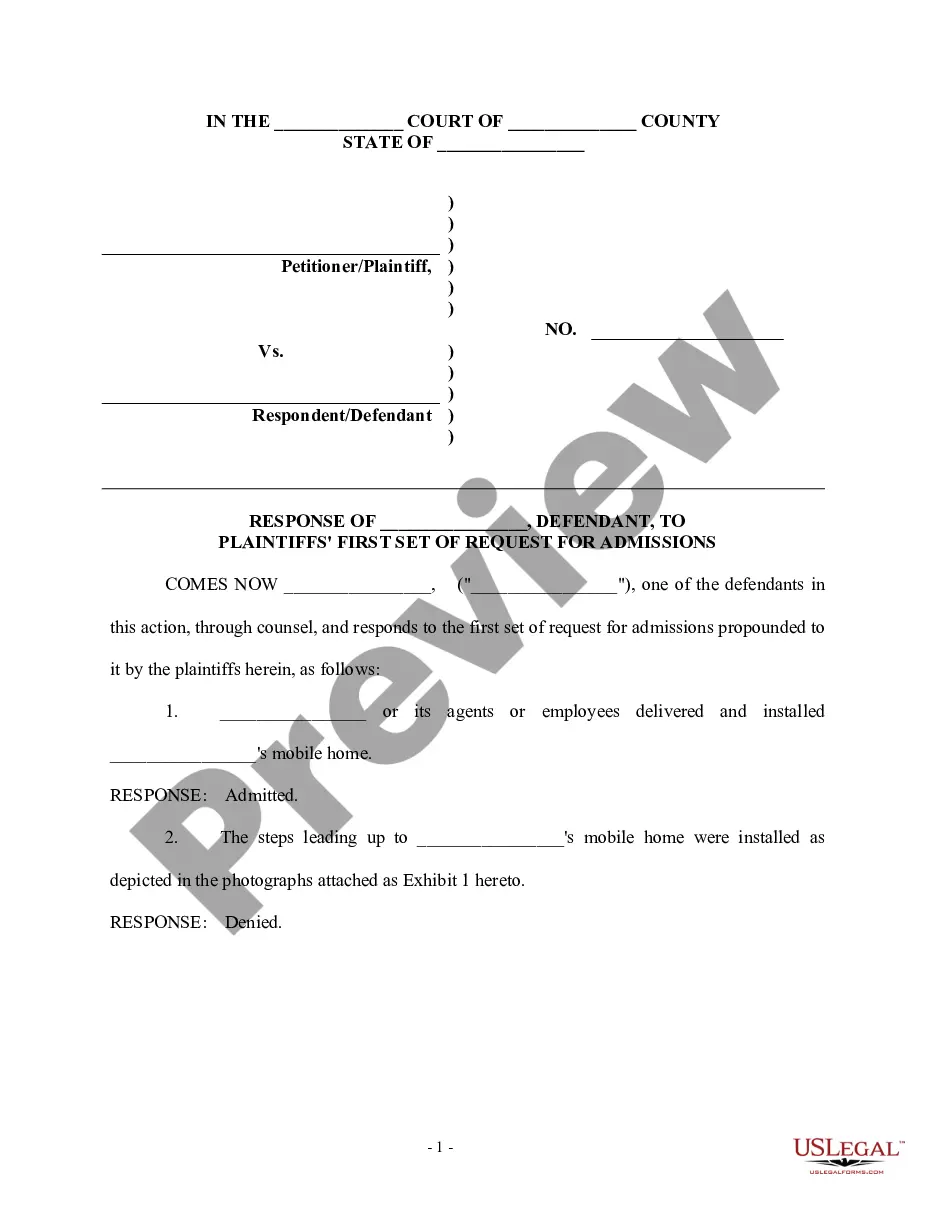
Yes, supplemental discovery responses generally must be verified to ensure their accuracy and authenticity. Verification serves as a declaration that the information is true and that the responding party has made a diligent effort to provide complete responses. When you review a supplemental discovery example for request for discovery, understanding the need for verification is critical to ensuring compliance and trust in the information shared during the process.