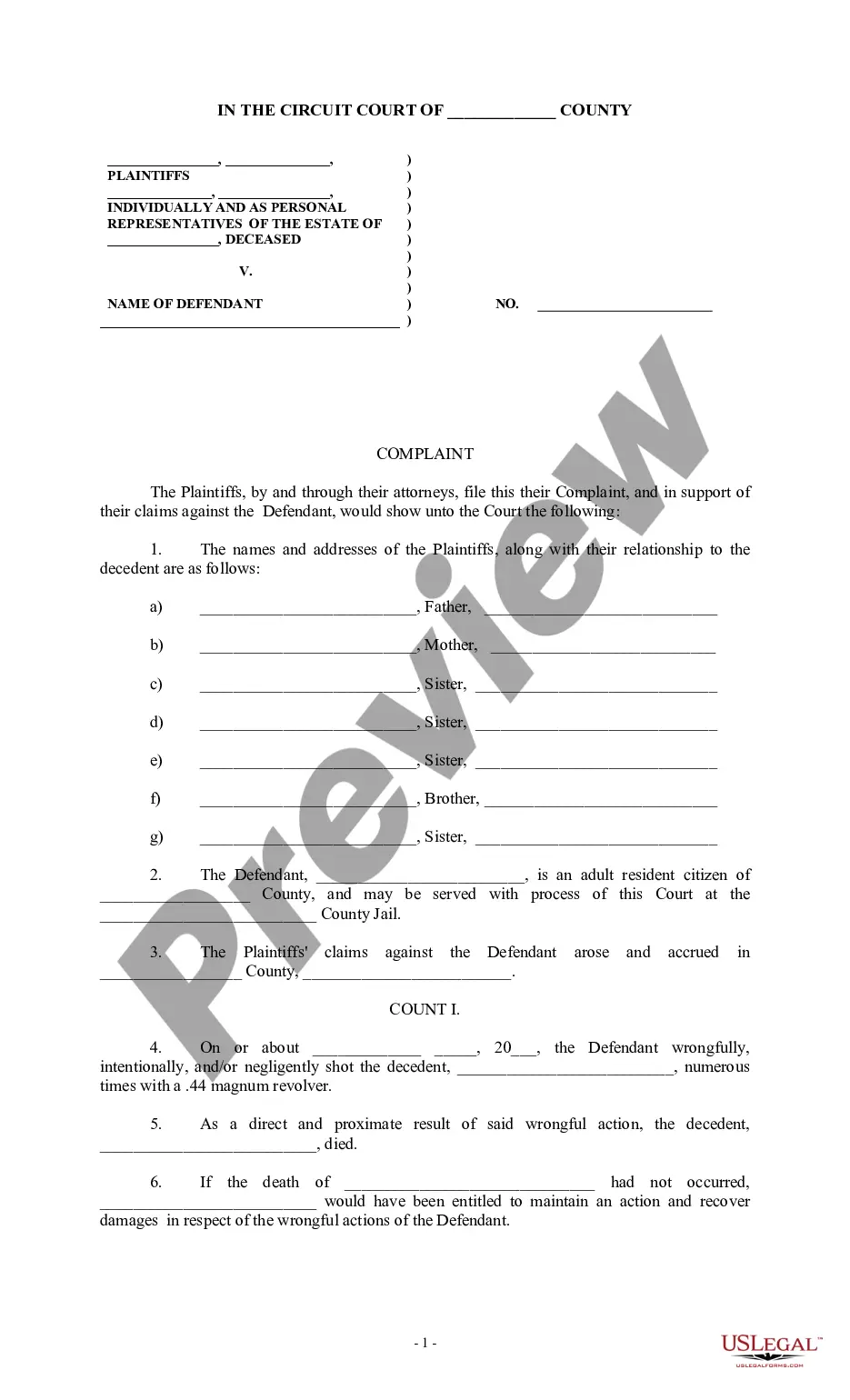
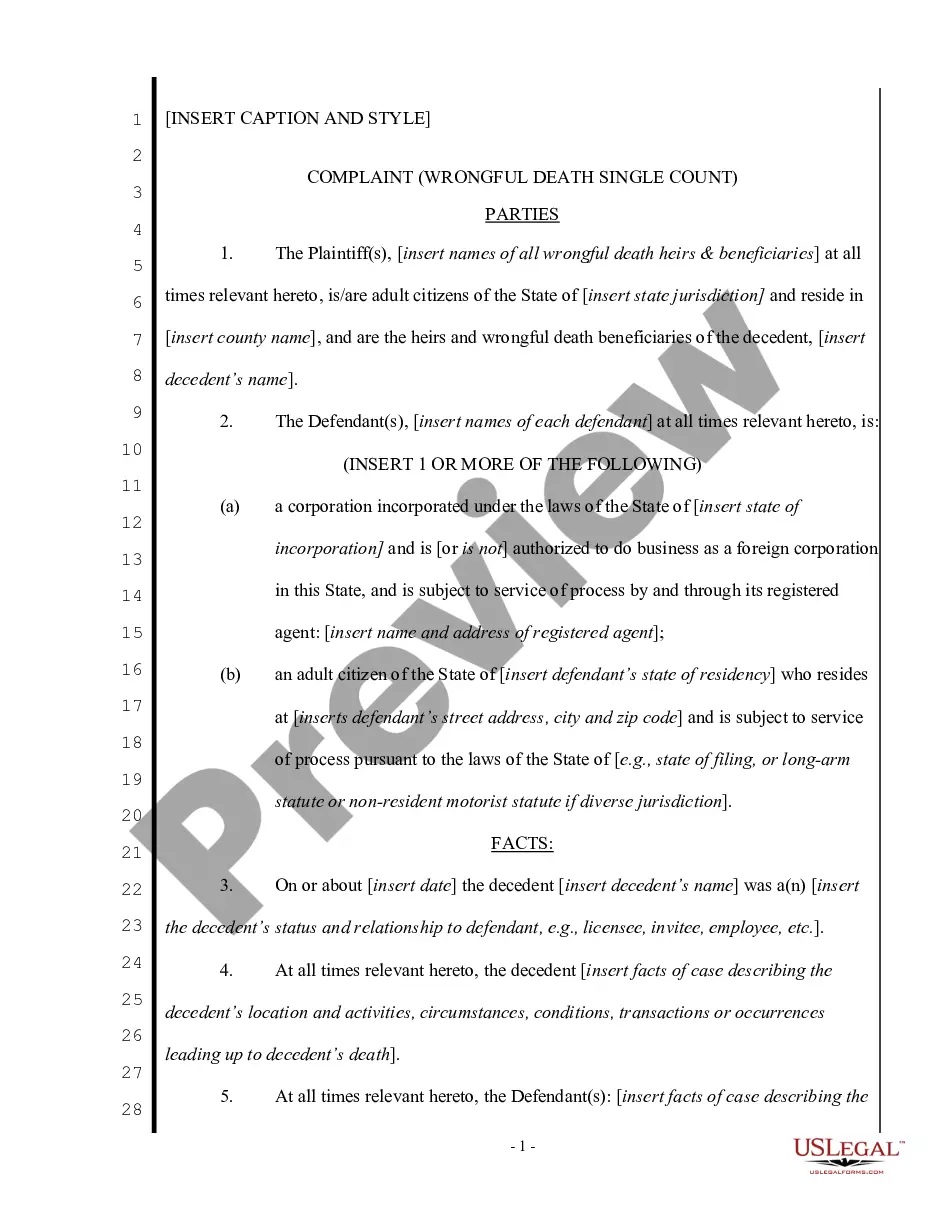
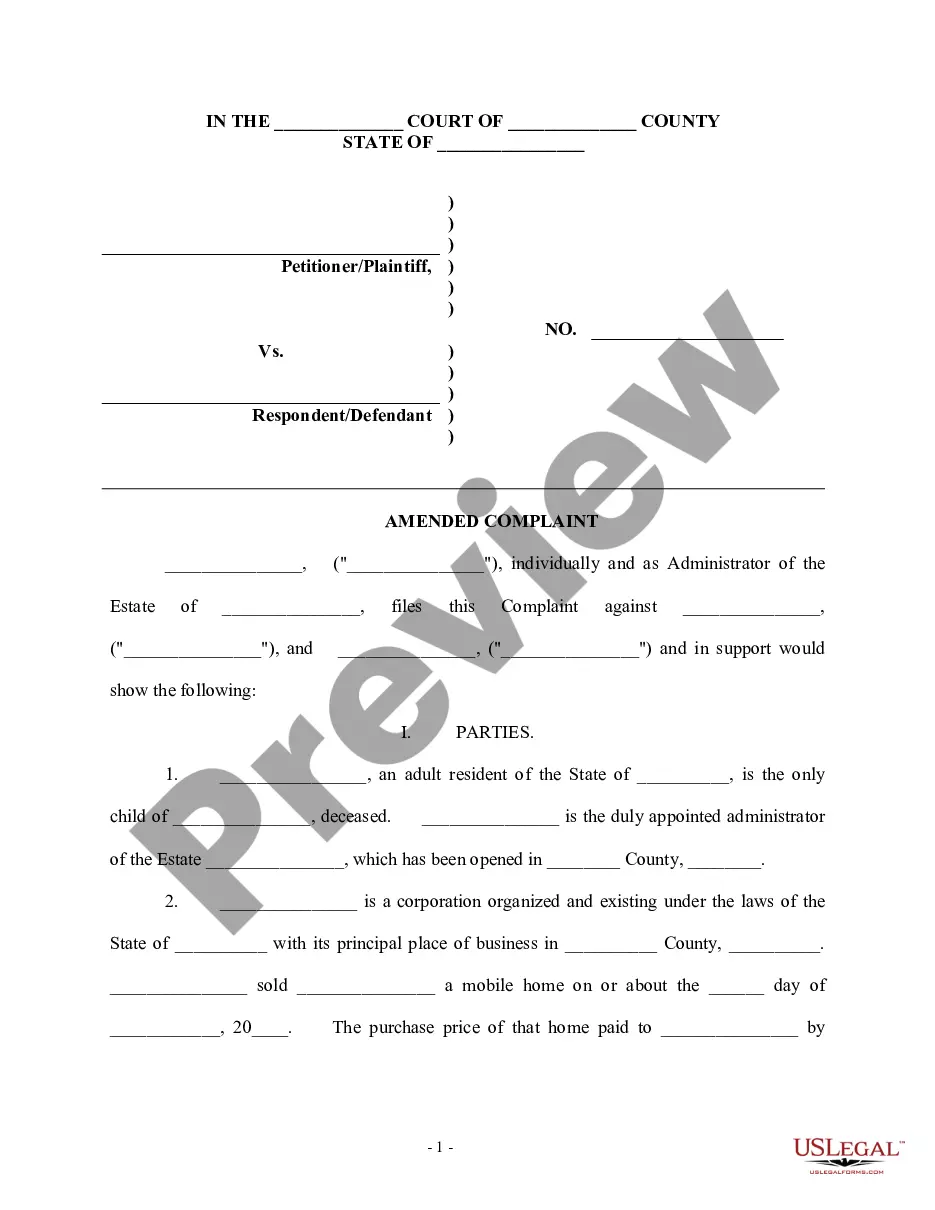
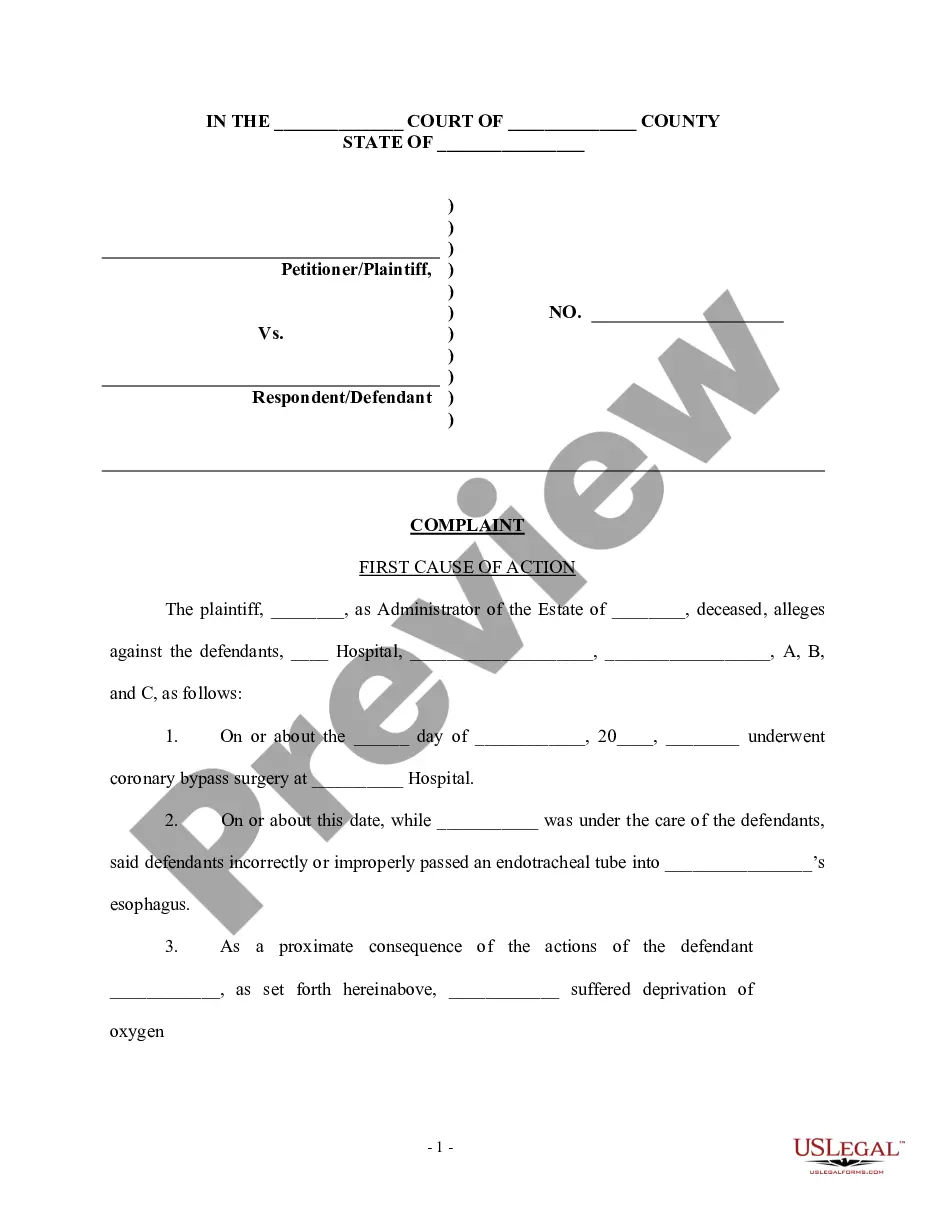
Wrongful Form Death Without Will
Description

Get your form ready online
Our built-in tools help you complete, sign, share, and store your documents in one place.
Make edits, fill in missing information, and update formatting in US Legal Forms—just like you would in MS Word.
Download a copy, print it, send it by email, or mail it via USPS—whatever works best for your next step.
Sign and collect signatures with our SignNow integration. Send to multiple recipients, set reminders, and more. Go Premium to unlock E-Sign.
If this form requires notarization, complete it online through a secure video call—no need to meet a notary in person or wait for an appointment.
We protect your documents and personal data by following strict security and privacy standards.

Make edits, fill in missing information, and update formatting in US Legal Forms—just like you would in MS Word.

Download a copy, print it, send it by email, or mail it via USPS—whatever works best for your next step.

Sign and collect signatures with our SignNow integration. Send to multiple recipients, set reminders, and more. Go Premium to unlock E-Sign.

If this form requires notarization, complete it online through a secure video call—no need to meet a notary in person or wait for an appointment.

We protect your documents and personal data by following strict security and privacy standards.
Looking for another form?
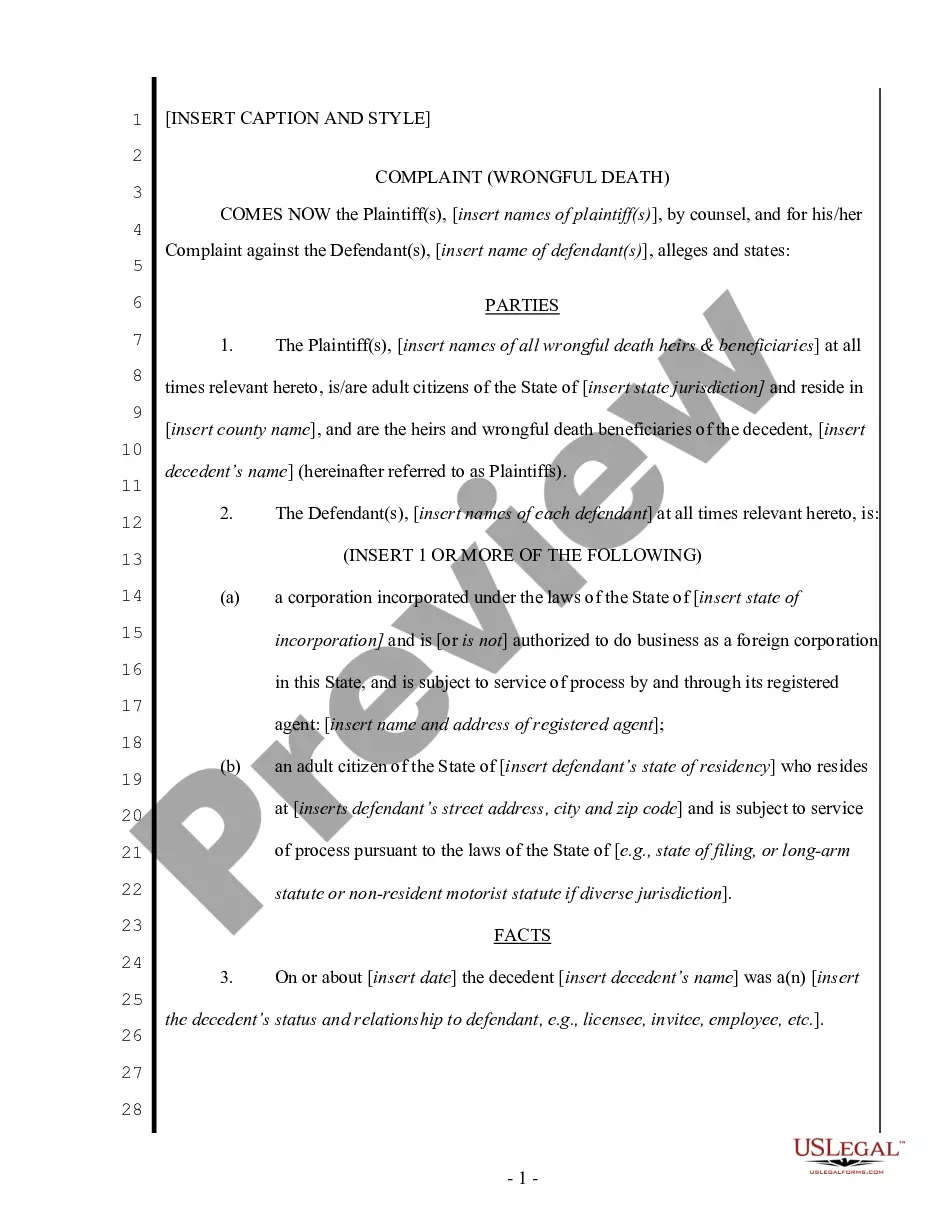
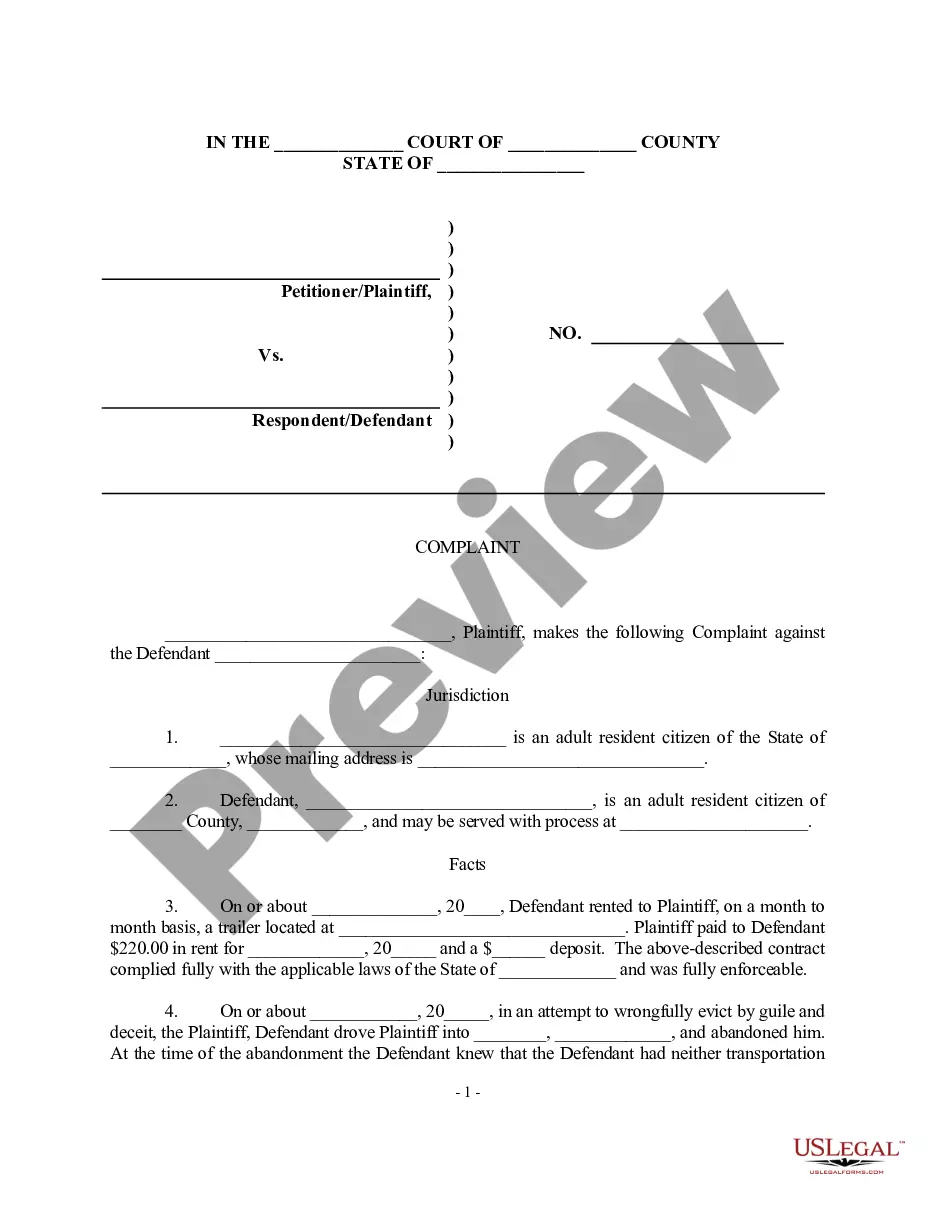

How to fill out Complaint For Negligence And Wrongful Death?
Whether for business purposes or for personal matters, everybody has to manage legal situations at some point in their life. Filling out legal paperwork requires careful attention, starting with selecting the appropriate form template. For example, when you pick a wrong version of the Wrongful Form Death Without Will, it will be declined when you send it. It is therefore essential to have a trustworthy source of legal files like US Legal Forms.
If you have to obtain a Wrongful Form Death Without Will template, stick to these simple steps:
- Get the template you need by utilizing the search field or catalog navigation.
- Examine the form’s information to ensure it fits your case, state, and county.
- Click on the form’s preview to see it.
- If it is the wrong form, get back to the search function to locate the Wrongful Form Death Without Will sample you need.
- Get the template when it meets your requirements.
- If you already have a US Legal Forms account, just click Log in to gain access to previously saved files in My Forms.
- If you do not have an account yet, you can obtain the form by clicking Buy now.
- Choose the proper pricing option.
- Finish the account registration form.
- Pick your transaction method: you can use a bank card or PayPal account.
- Choose the document format you want and download the Wrongful Form Death Without Will.
- After it is saved, you are able to complete the form by using editing applications or print it and finish it manually.
With a large US Legal Forms catalog at hand, you never need to spend time searching for the appropriate template across the web. Use the library’s simple navigation to get the correct form for any occasion.
Form popularity
FAQ
For an intestate estate, a person must formally file a petition for the grant of Letters of Administration. An attorney can assist the individual with the preparation of a petition only after it is determined that he or she is able to serve as the Administrator pursuant to Pennsylvania law.
Probate is the legal process for reviewing the assets of a deceased person and determining inheritors. Probate proceedings typically focus on the existence, authenticity, and validity of a will. Probate can be initiated with or without a will.
If the estate is small and has a reasonable amount of debt, six to eight months is a fair expectation. With a larger estate, it will likely be more than a year before everything settles. This is especially true if there's a lot of debt or real estate in multiple states.
It depends on the nature of the Estate. Many assets pass outside of Probate and Estate Administration. For example, assets with Beneficiary designations such as retirement accounts and life insurance may pass outside of Probate. Many individuals opt to use Trusts to keep assets out of Probate.
Simple estates might be settled within six months. Complex estates, those with a lot of assets or assets that are complex or hard to value can take several years to settle. If an estate tax return is required, the estate might not be closed until the IRS indicates its acceptance of the estate tax return.