Supplemental Discovery Requests California For Couples
Description
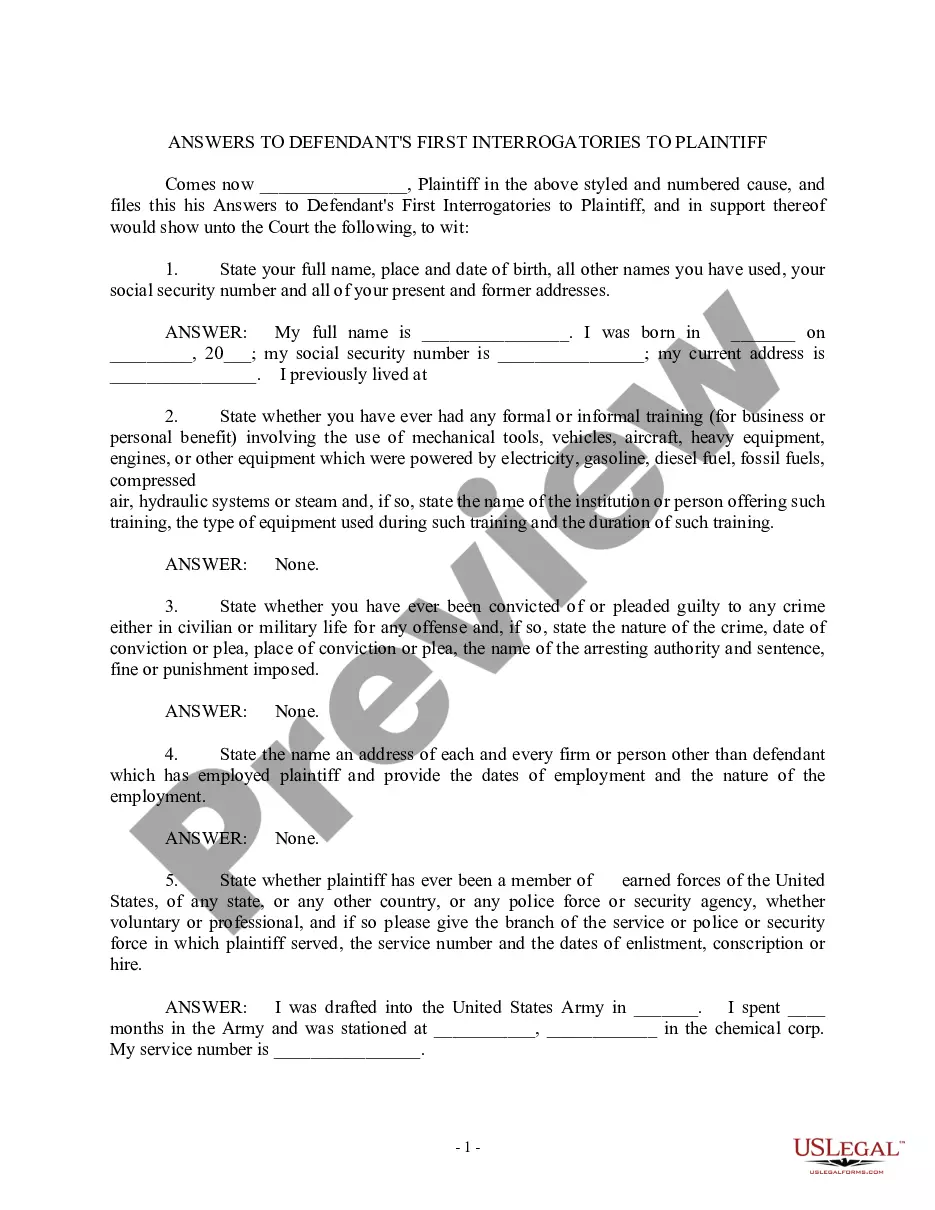
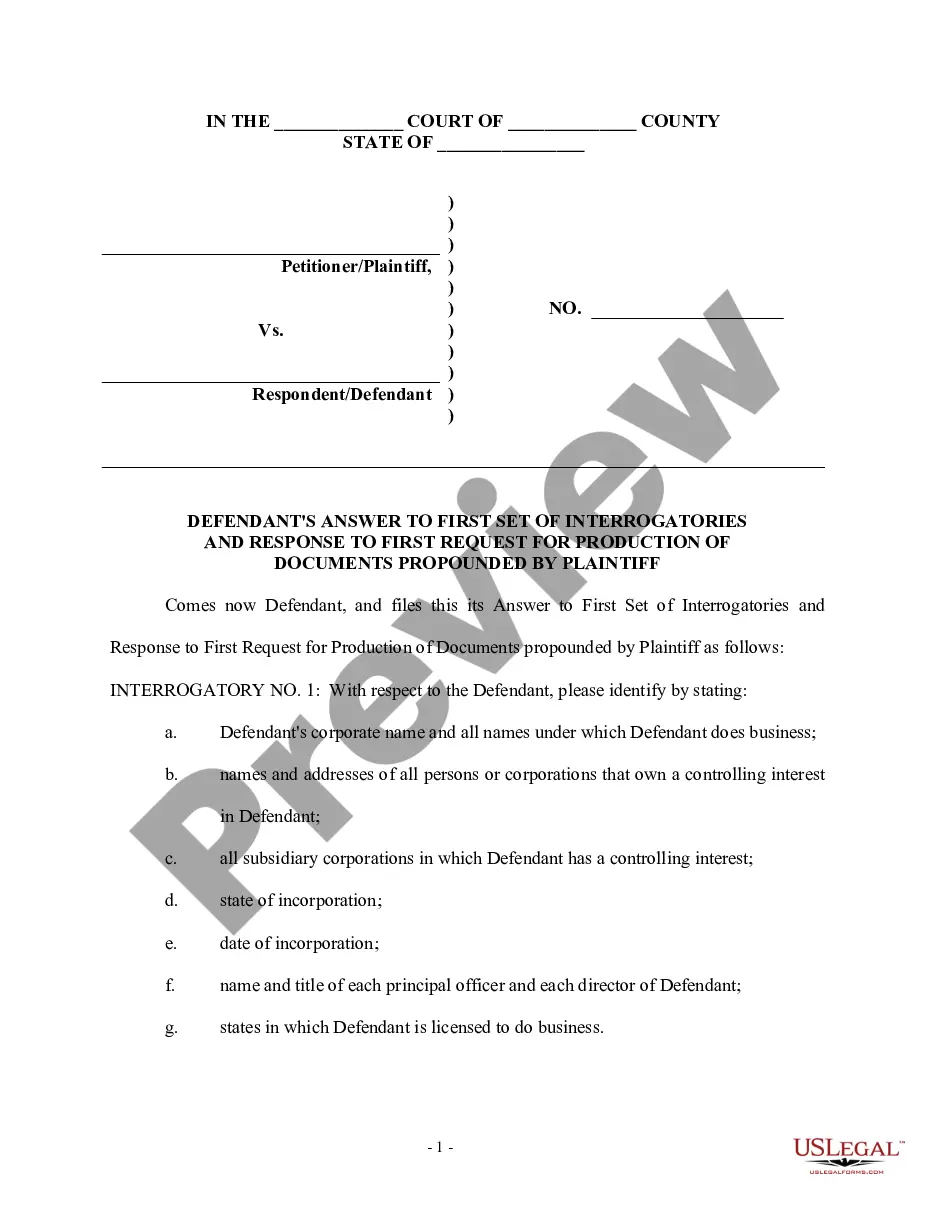
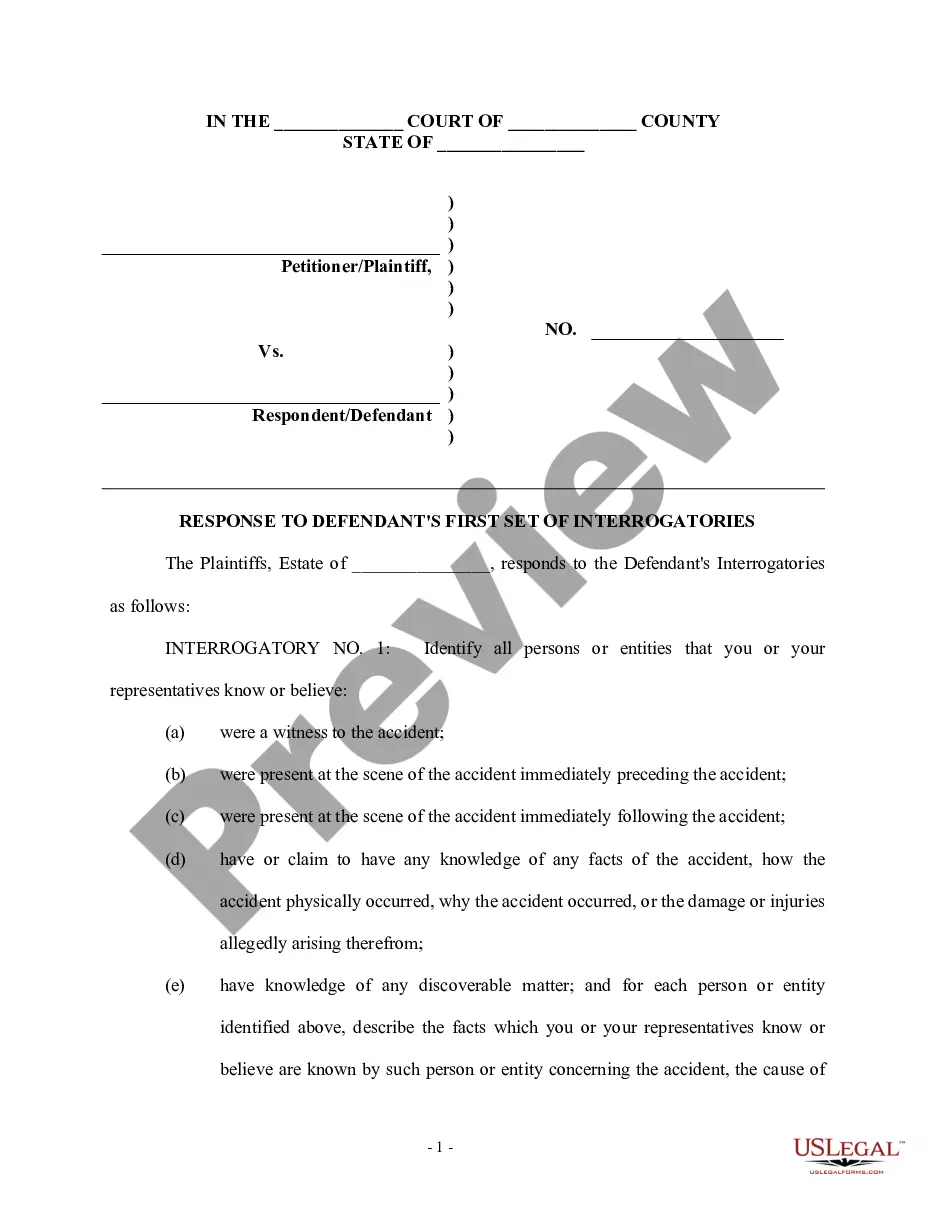
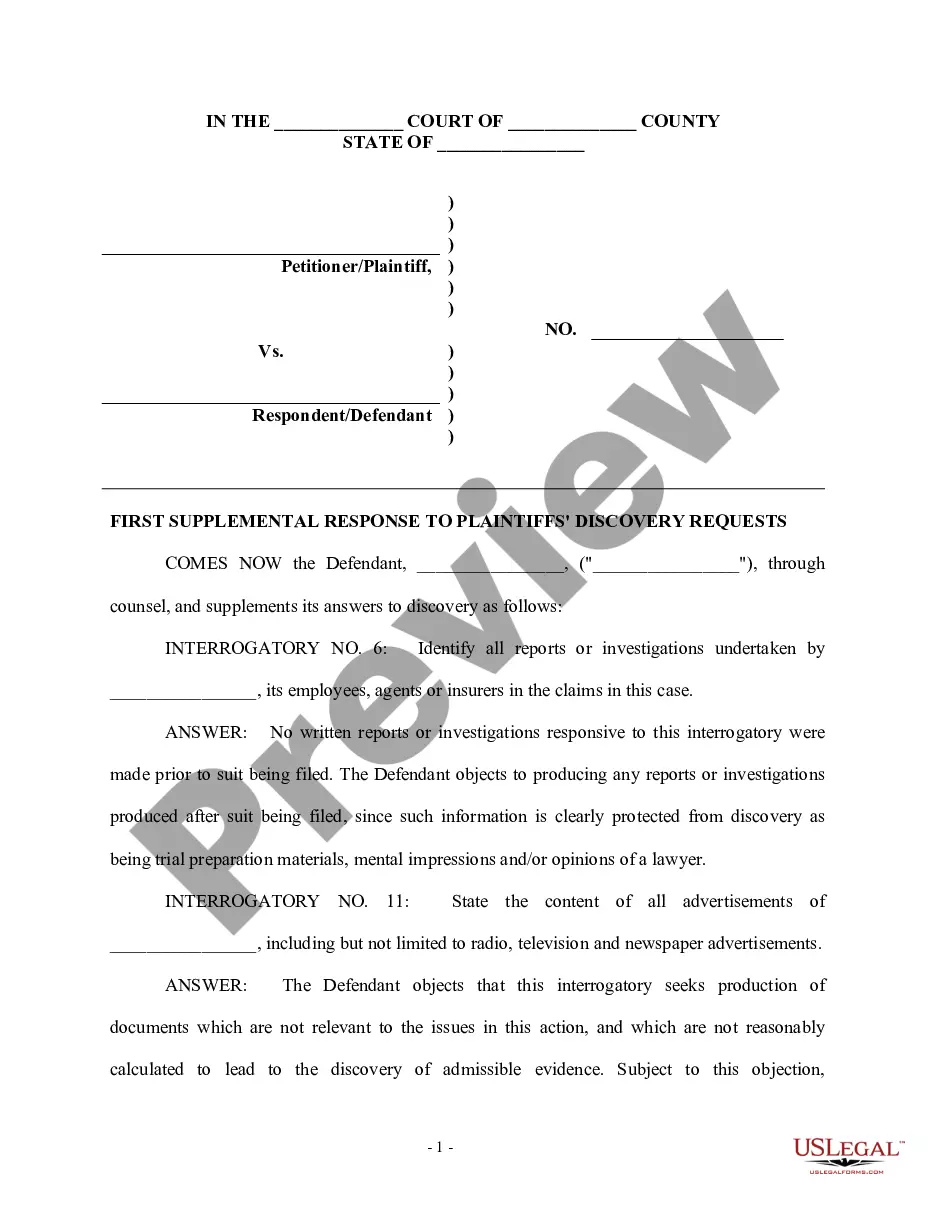
Get your form ready online
Our built-in tools help you complete, sign, share, and store your documents in one place.
Make edits, fill in missing information, and update formatting in US Legal Forms—just like you would in MS Word.
Download a copy, print it, send it by email, or mail it via USPS—whatever works best for your next step.
Sign and collect signatures with our SignNow integration. Send to multiple recipients, set reminders, and more. Go Premium to unlock E-Sign.
If this form requires notarization, complete it online through a secure video call—no need to meet a notary in person or wait for an appointment.
We protect your documents and personal data by following strict security and privacy standards.

Make edits, fill in missing information, and update formatting in US Legal Forms—just like you would in MS Word.

Download a copy, print it, send it by email, or mail it via USPS—whatever works best for your next step.

Sign and collect signatures with our SignNow integration. Send to multiple recipients, set reminders, and more. Go Premium to unlock E-Sign.

If this form requires notarization, complete it online through a secure video call—no need to meet a notary in person or wait for an appointment.

We protect your documents and personal data by following strict security and privacy standards.
Looking for another form?
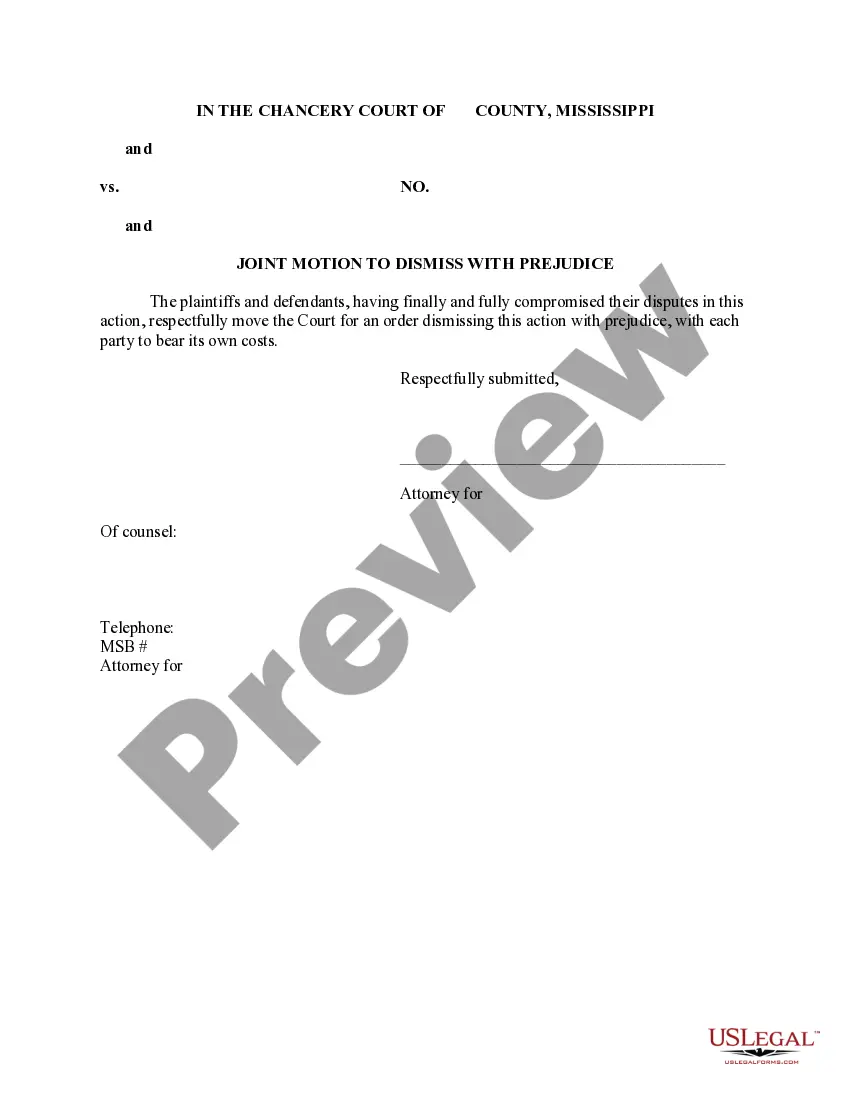
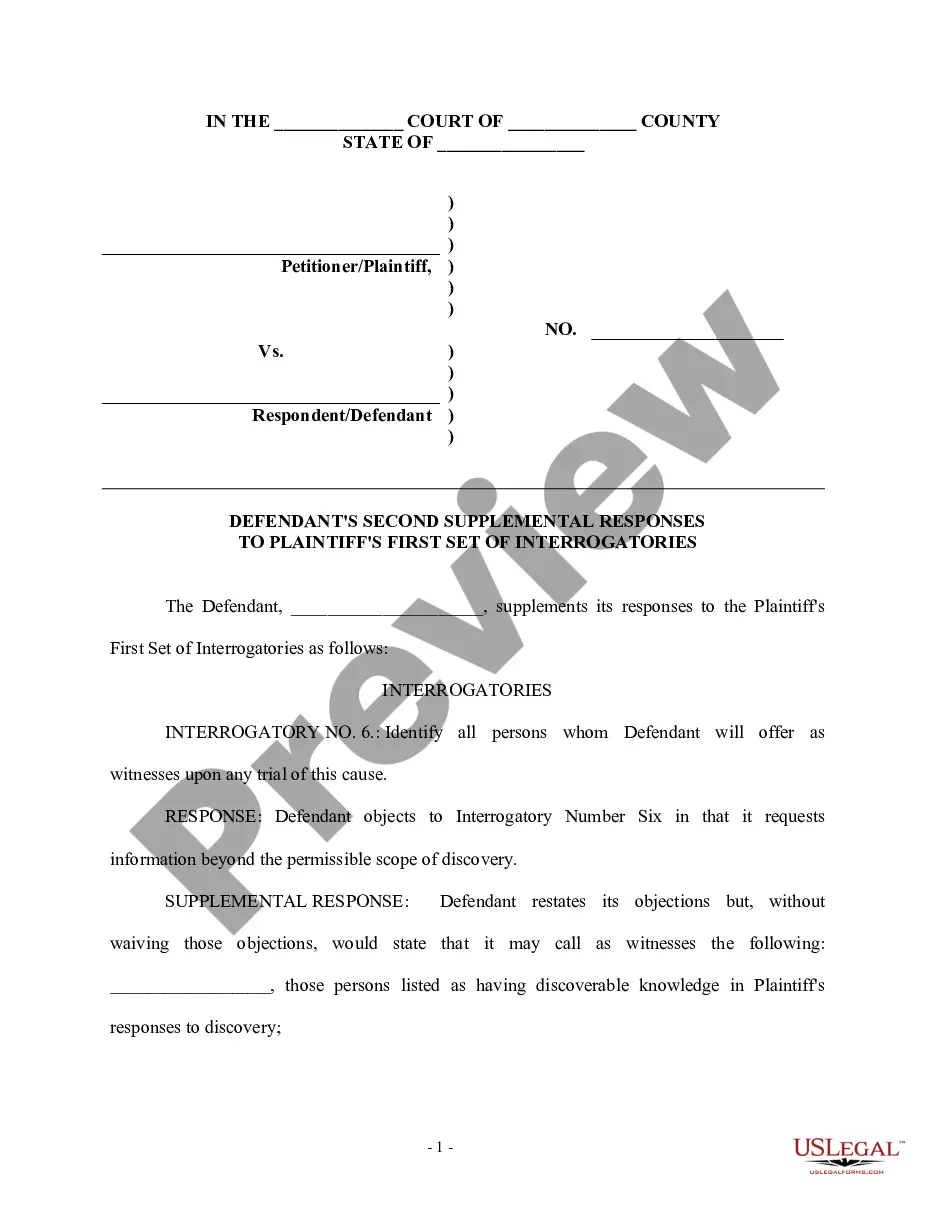
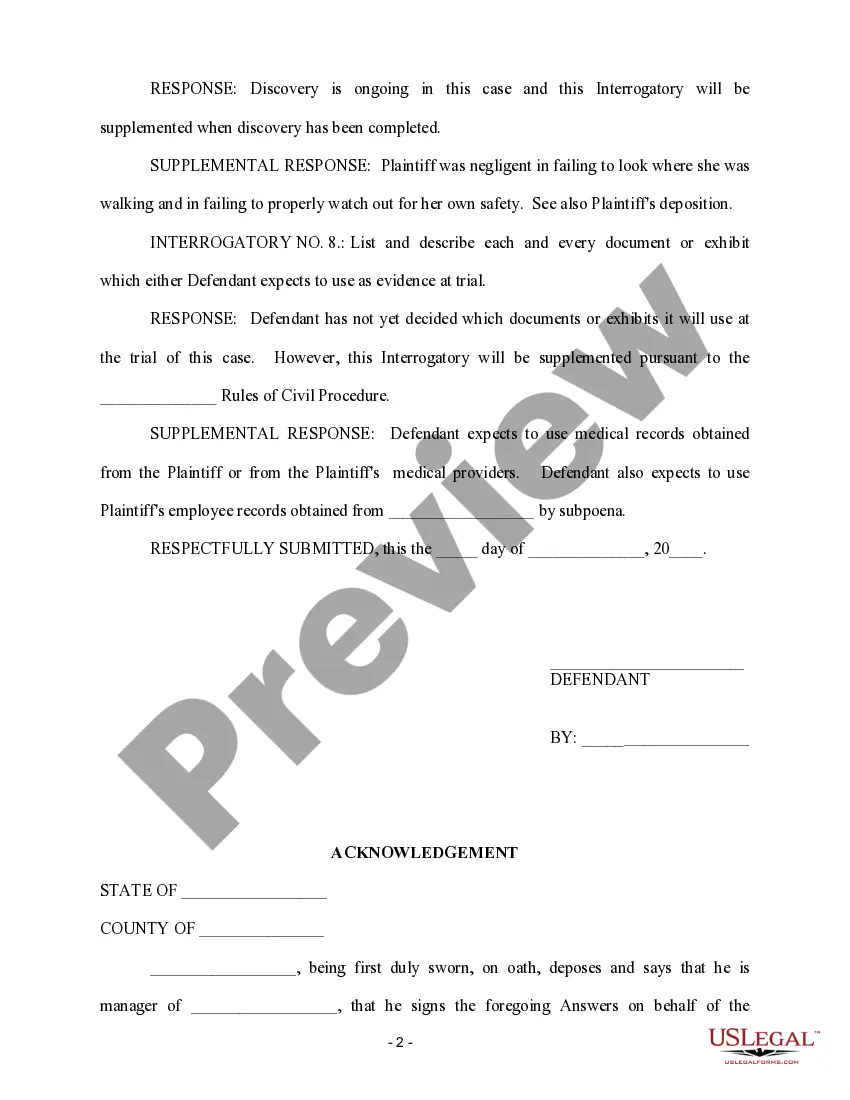
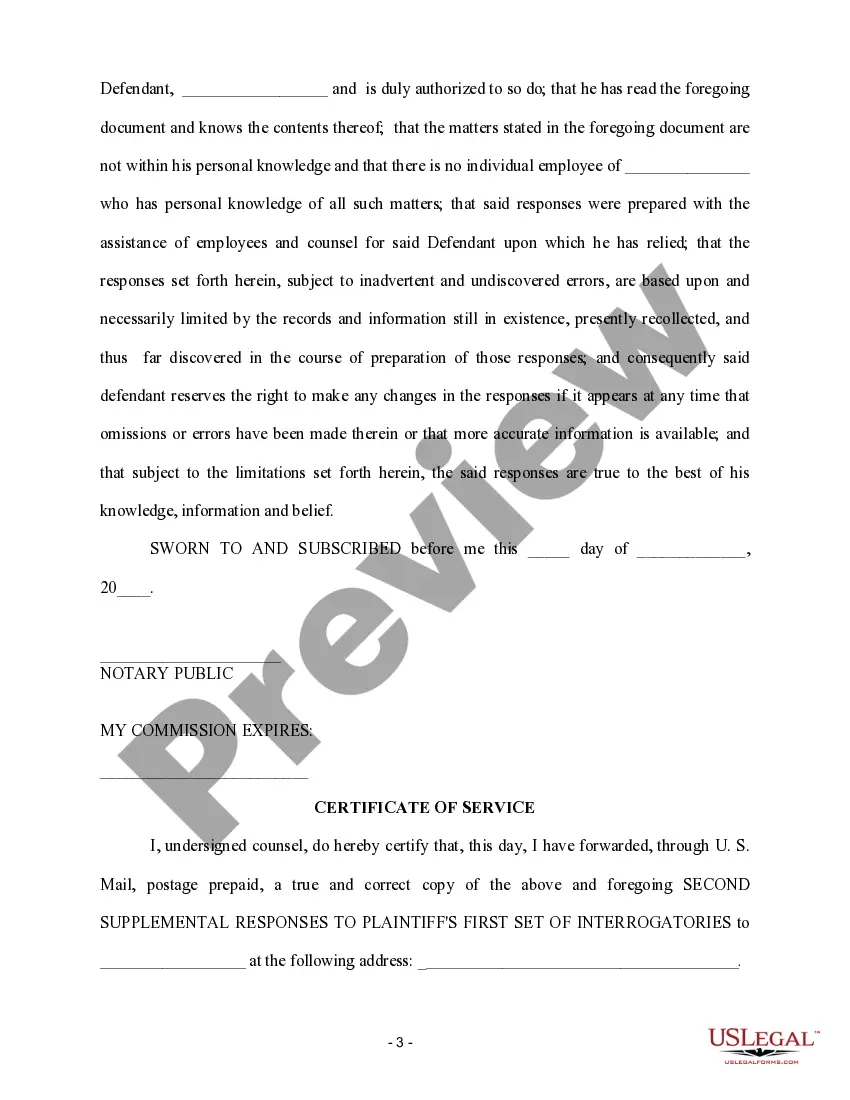
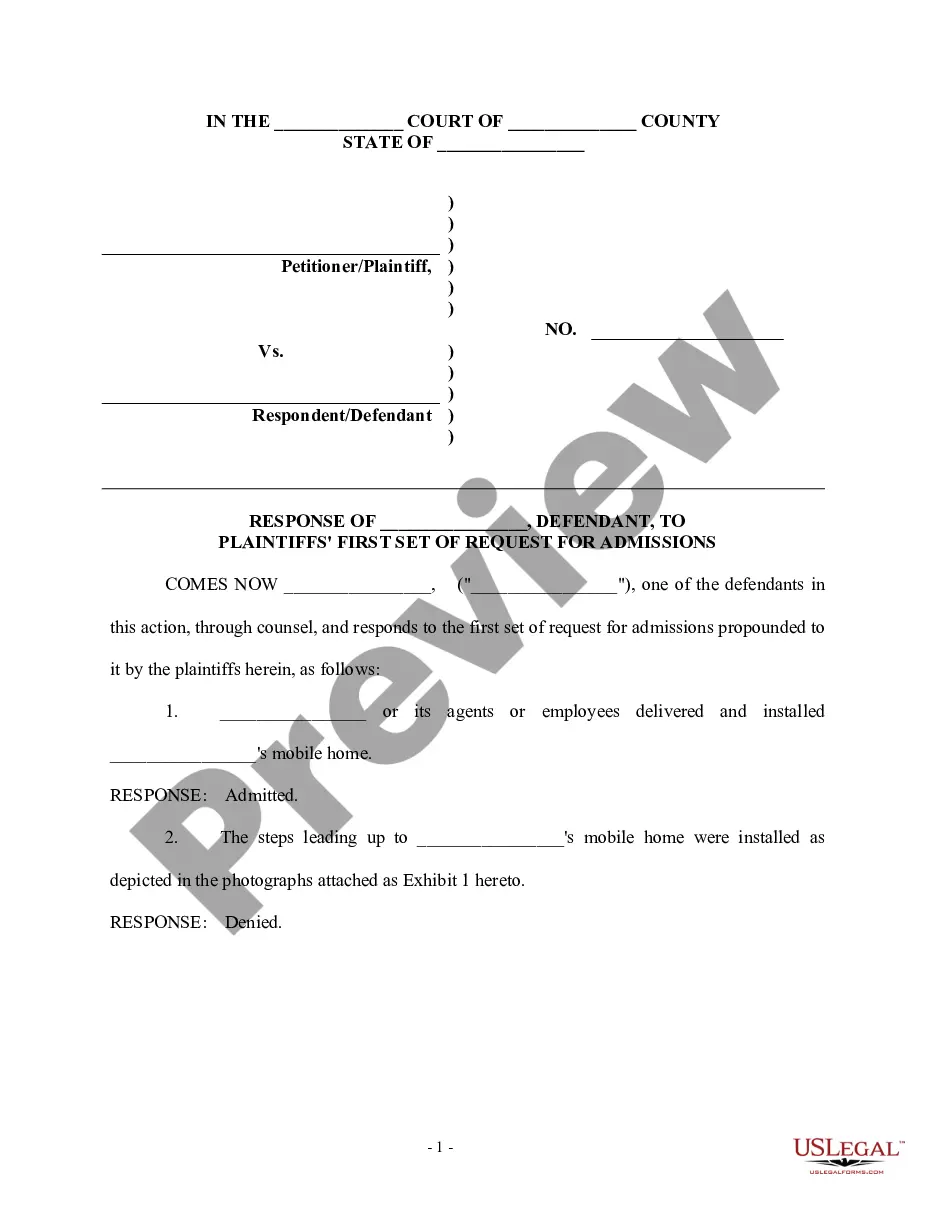
How to fill out Second Supplemental Responses To Plaintiff's First Set Of Interrogatories?
Finding a primary location to obtain the most up-to-date and suitable legal documents is a significant part of managing bureaucracy. Identifying the correct legal paperwork requires accuracy and meticulousness, which is why acquiring samples of Supplemental Discovery Requests California For Couples only from trustworthy sources, such as US Legal Forms, is essential. An incorrect template can squander your time and prolong your situation. With US Legal Forms, you don’t have much to worry about. You can access and examine all the details pertaining to the document’s application and suitability for your situation and in your area.
Follow these steps to complete your Supplemental Discovery Requests California For Couples.
Eliminate the complications that come with your legal documentation. Explore the vast US Legal Forms catalog to discover legal templates, verify their applicability to your needs, and download them immediately.
- Utilize the catalogue navigation or search bar to find your sample.
- Check the form’s description to determine if it meets the requirements of your area.
- Preview the form, if available, to ensure it is the one you wish to use.
- Return to the search to find the correct template if the Supplemental Discovery Requests California For Couples does not fulfill your needs.
- If you are confident about the form’s appropriateness, download it.
- As an authorized user, click Log in to verify and access your chosen forms in My documents.
- If you do not yet have an account, click Buy now to acquire the template.
- Select the pricing option that fits your needs.
- Proceed to the registration to complete your order.
- Conclude your order by selecting a payment method (credit card or PayPal).
- Choose the document format for downloading Supplemental Discovery Requests California For Couples.
- Once you have the form on your device, you can edit it with the editor or print it and complete it by hand.
Form popularity
FAQ
The 45-day rule in California refers to the timeframe for completing discovery, which typically includes all aspects of information exchange, including supplemental requests. This rule states that all discovery must be completed 45 days before the trial date. For couples, understanding this rule is crucial to avoid any surprises during litigation. Utilizing platforms like US Legal Forms can help you manage these timelines effectively and stay organized.
A supplemental response is a response that contains newly discovered information and is typically served in response to a supplemental interrogatory. See §7.59. There is no duty under California law to supplement responses unless specifically requested by the propounding party.
The party has a duty to supplement ?in a timely manner? if: (1) it learns that the disclosure or response is incomplete or incorrect in some material respect; and (2) the additional or corrective information has not otherwise been made known to the other parties during the discovery process or in writing.
(b) A party may propound a supplemental demand for inspection, copying, testing, or sampling twice before the initial setting of a trial date, and, subject to the time limits on discovery proceedings and motions provided in Chapter 8 (commencing with Section 2024.010), once after the initial setting of a trial date.
Each supplemental or further response and each amended answer must be identified by the same number or letter and be in the same sequence as the corresponding interrogatory, inspection demand, or admission request, but the text of the interrogatory, demand, or request need not be repeated.
Each supplemental or further response and each amended answer must be identified by the same number or letter and be in the same sequence as the corresponding interrogatory, inspection demand, or admission request, but the text of the interrogatory, demand, or request need not be repeated.