Supplemental Discovery Example With Explanation
Description

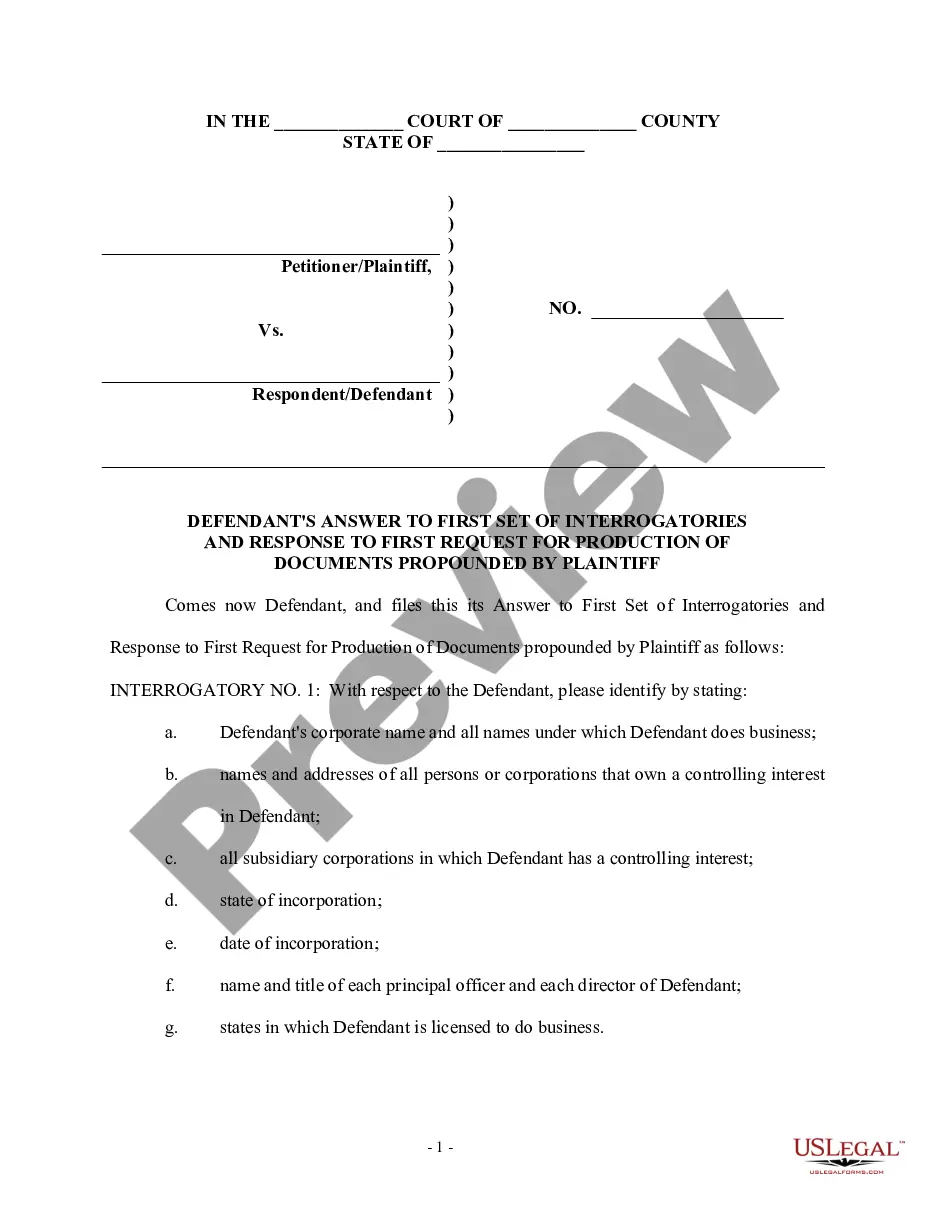
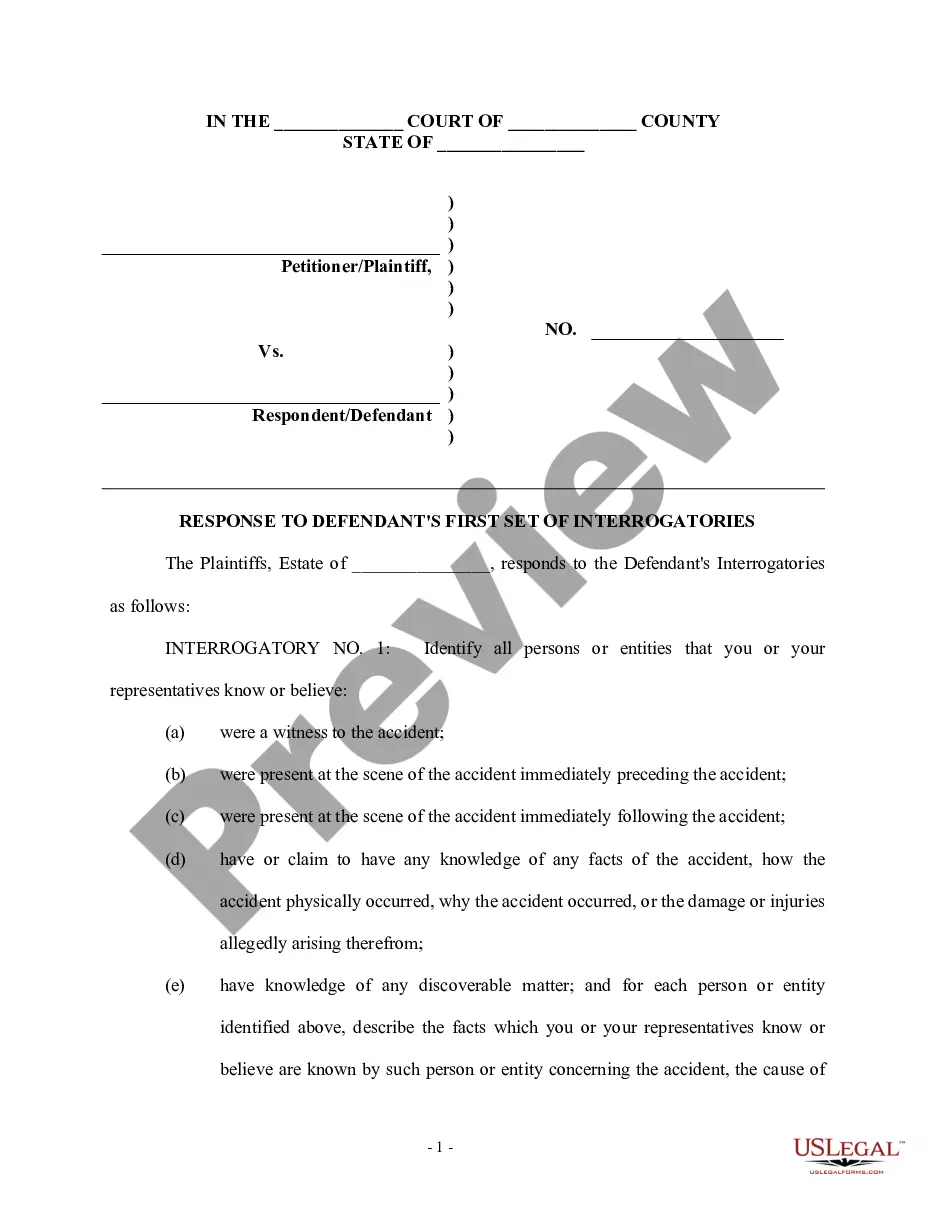
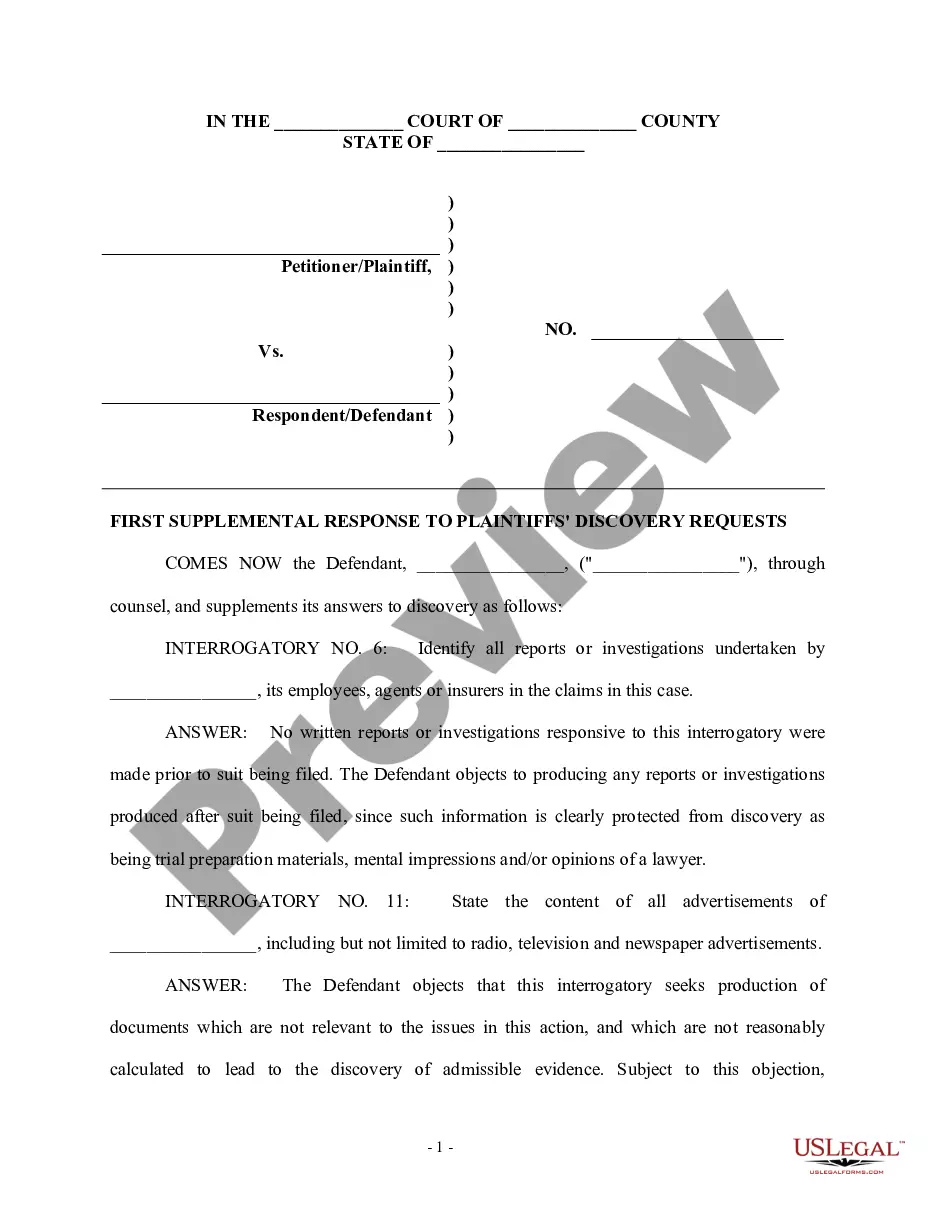
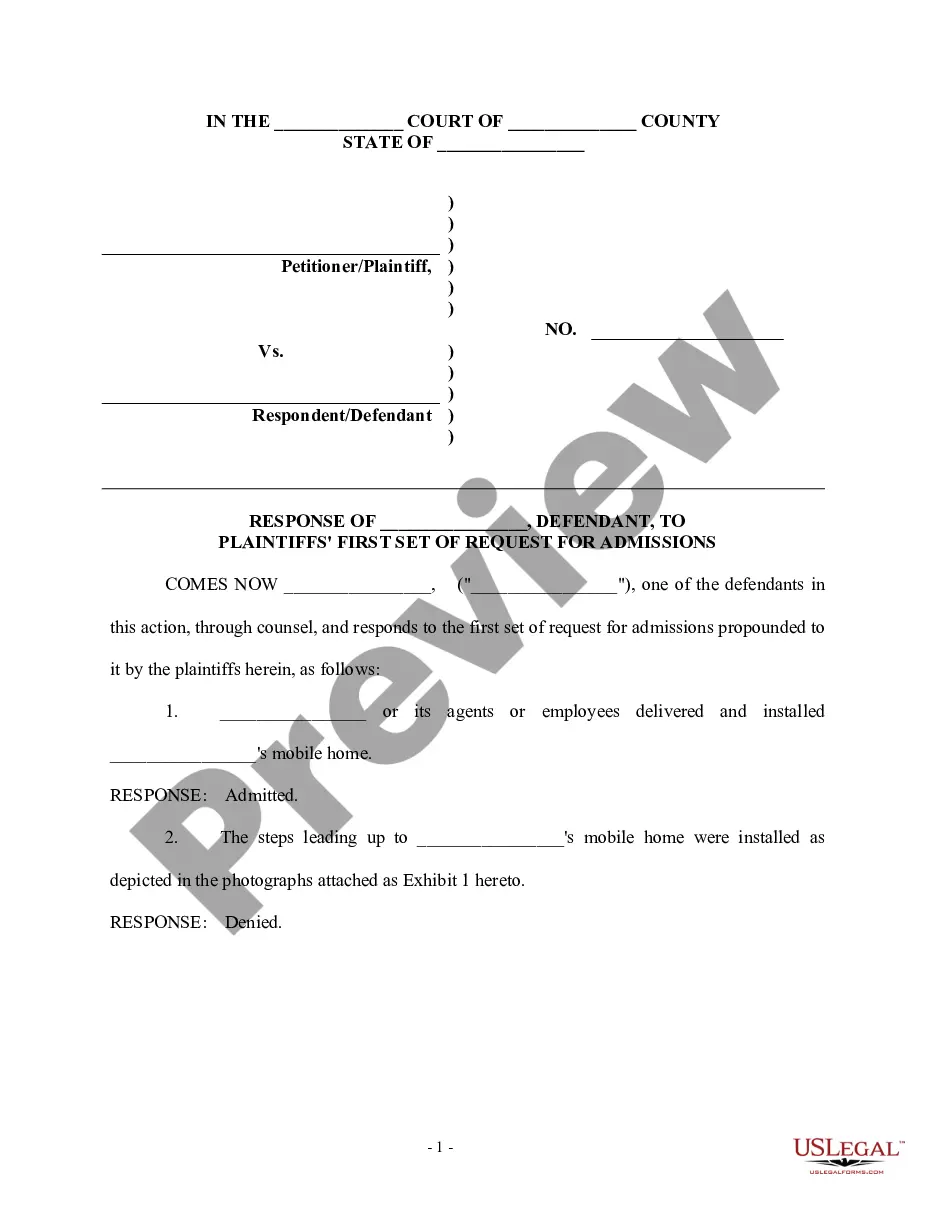
Get your form ready online
Our built-in tools help you complete, sign, share, and store your documents in one place.
Make edits, fill in missing information, and update formatting in US Legal Forms—just like you would in MS Word.
Download a copy, print it, send it by email, or mail it via USPS—whatever works best for your next step.
Sign and collect signatures with our SignNow integration. Send to multiple recipients, set reminders, and more. Go Premium to unlock E-Sign.
If this form requires notarization, complete it online through a secure video call—no need to meet a notary in person or wait for an appointment.
We protect your documents and personal data by following strict security and privacy standards.

Make edits, fill in missing information, and update formatting in US Legal Forms—just like you would in MS Word.

Download a copy, print it, send it by email, or mail it via USPS—whatever works best for your next step.

Sign and collect signatures with our SignNow integration. Send to multiple recipients, set reminders, and more. Go Premium to unlock E-Sign.

If this form requires notarization, complete it online through a secure video call—no need to meet a notary in person or wait for an appointment.

We protect your documents and personal data by following strict security and privacy standards.
Looking for another form?


How to fill out Second Supplemental Responses To Plaintiff's First Set Of Interrogatories?
- Log into your US Legal Forms account if you are a returning user. Ensure your subscription is active to access the required templates.
- Preview the form description and mode to verify that it meets your specific legal needs. Check that the form aligns with your local jurisdiction's requirements.
- If the form does not meet your needs, utilize the Search feature to find a more suitable document.
- Select the desired document and click on the 'Buy Now' button to choose your preferred subscription plan. You will need to create an account to access the full library of forms.
- Complete the payment process by entering your credit card information or using your PayPal account for the subscription.
- Once your purchase is complete, download your form and save it on your device. You can also access it anytime from the 'My Forms' section in your profile.
In conclusion, US Legal Forms is designed to empower users by providing an extensive library of over 85,000 editable legal forms, allowing for quick and easy document preparation. With premium expert assistance available, you can ensure your forms are completed accurately and legally sound.
Start your hassle-free legal document journey today by visiting US Legal Forms!
Form popularity
FAQ
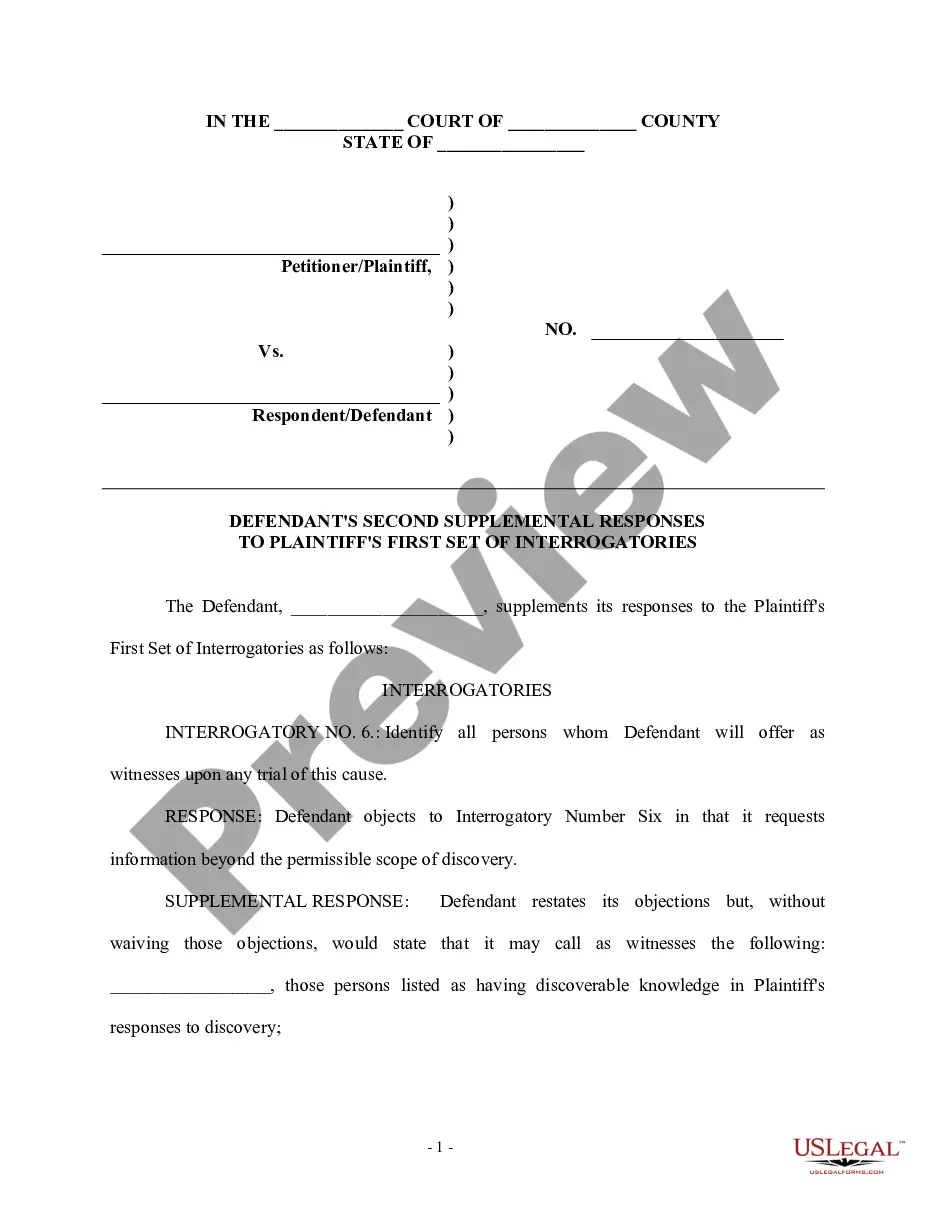
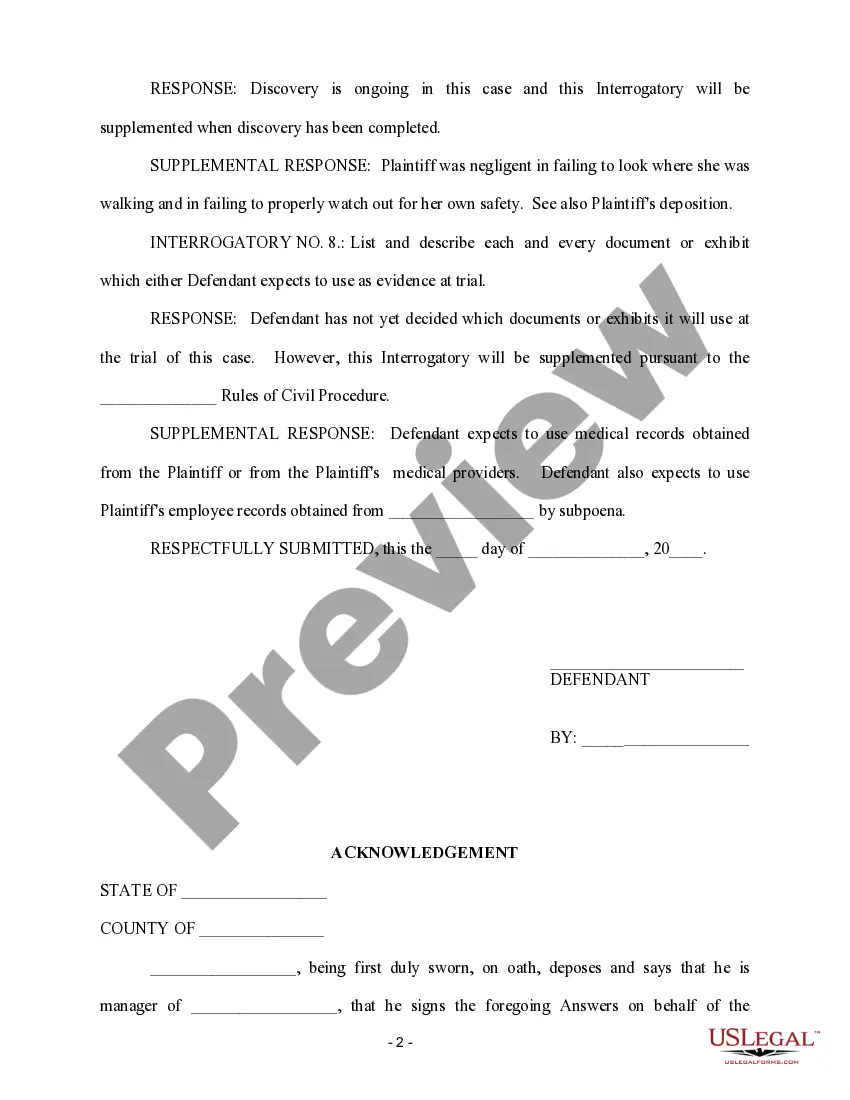
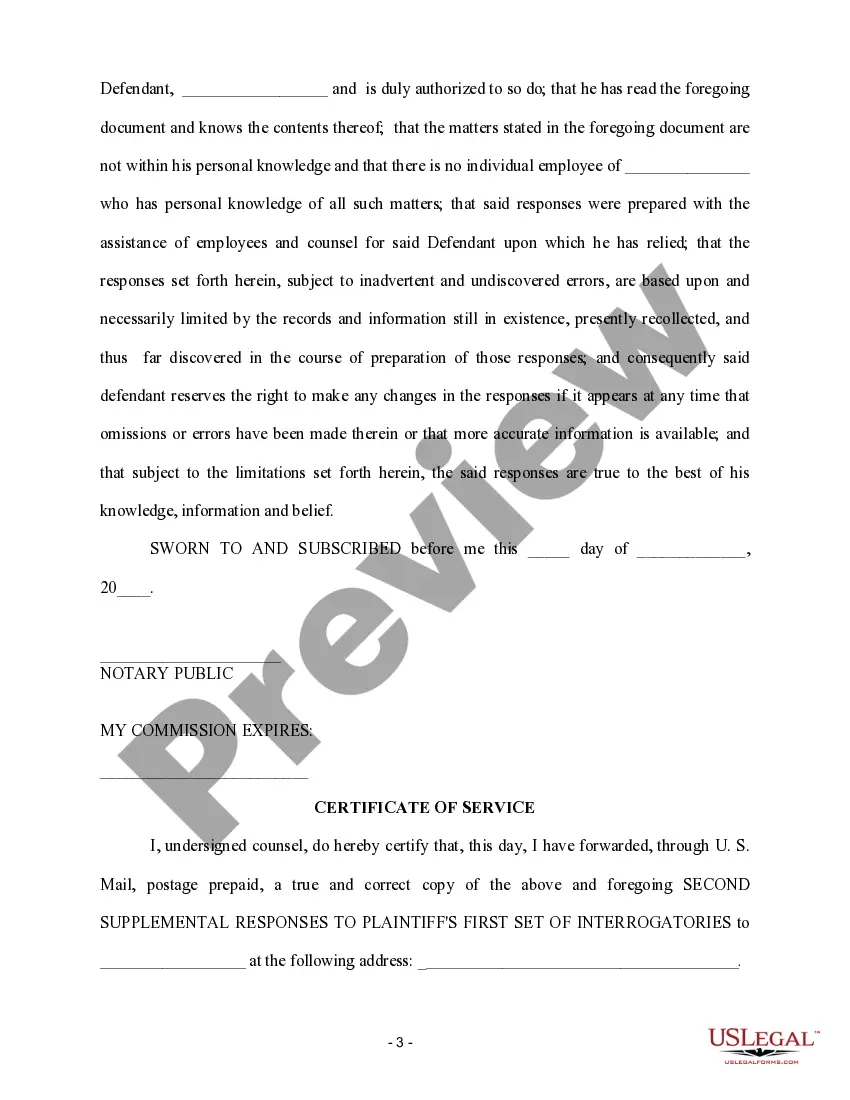
The obligation to supplement discovery means that parties must provide updated information as it becomes available. This requirement promotes fairness and transparency, ensuring all information is current throughout the litigation process. A supplemental discovery example with explanation can effectively demonstrate this obligation and its implications in legal proceedings.
An example of discovery in court could involve the sharing of medical records to support a personal injury claim. These documents can provide critical insights into the plaintiff's condition and treatment. Through a supplemental discovery example with explanation, you can see how the court addresses and handles such evidence requests.
An example of discovery of evidence is when one party requests access to emails that may contain information pertinent to a case. This process allows legal teams to build a strong foundation for their arguments. A supplemental discovery example with explanation can illustrate how evidence is sourced and what to expect during the process.
Evidence discovery is the process of obtaining and examining evidence relevant to a legal issue. This phase may include collecting documents, electronic files, or witness statements. To better understand this, reviewing a supplemental discovery example with explanation can illuminate the methods used in gathering crucial evidence.
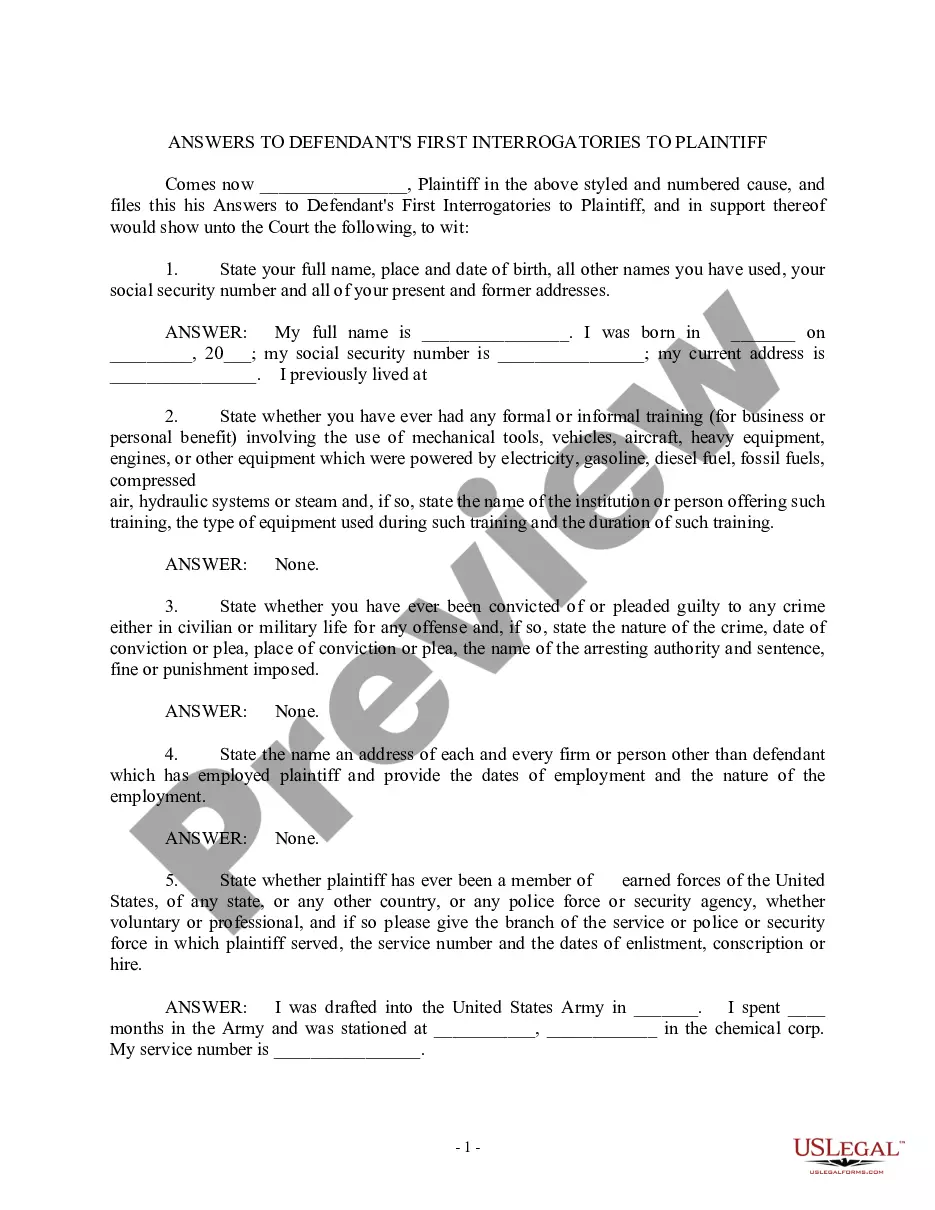
An example of a discovery is the formal request for documents or evidence from the opposing party during a legal case. This process helps parties collect vital information to support their claims or defenses. Utilizing a supplemental discovery example with explanation can give further insight into how these requests are made and fulfilled.
To supplement interrogatories, you must provide additional information or amend your previous responses. This process allows you to clarify or correct facts that may have changed since your initial answer. Implementing a supplemental discovery example with explanation helps ensure that the answers remain complete and accurate, serving the interests of justice.
Process discovery involves the collection and examination of data to identify how information flows within an organization. An example includes analyzing communication records to uncover how decisions were made. This aspect of discovery is crucial, and using a supplemental discovery example with explanation can further illustrate how to effectively gather and present findings.
A supplemental answer to discovery filed is a response to previously submitted discovery requests, which updates the information based on new evidence or developments. This ensures that all parties have access to the most current and relevant information. Providing a supplemental discovery example with explanation helps clarify the importance of transparency in legal matters.
Supplemental discovery compliance involves adhering to legal requirements to provide updated evidence or responses during litigation. This compliance ensures that all relevant information is shared among parties, creating fairness in the legal process. Being compliant in supplemental discovery can significantly influence the outcome of a case.
A supplemental answer refers to an updated response given to address new evidence or clarify previous statements. It is crucial for keeping the court informed and ensuring all parties are on the same page regarding case details. This process can be explained well with a supplemental discovery example that emphasizes its importance.