Supplemental Discovery Example With Evidence
Description
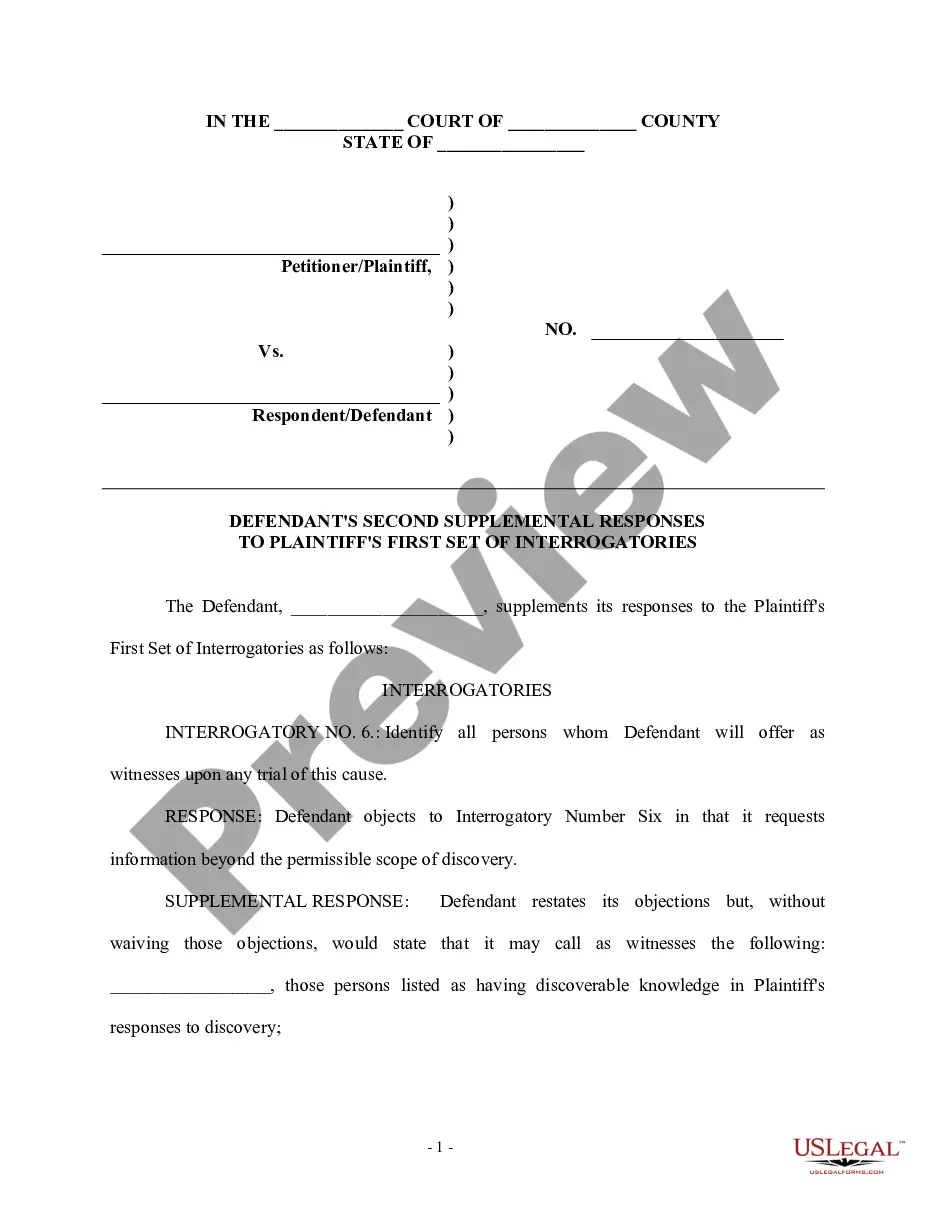
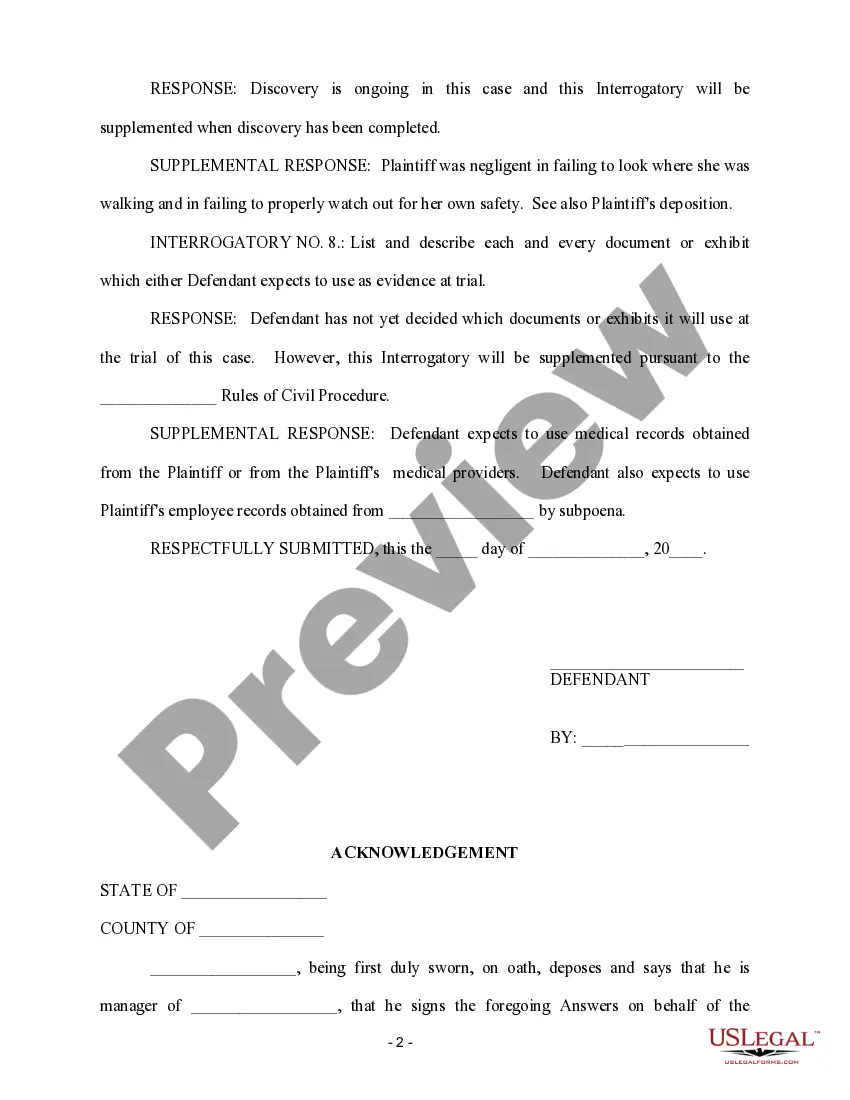
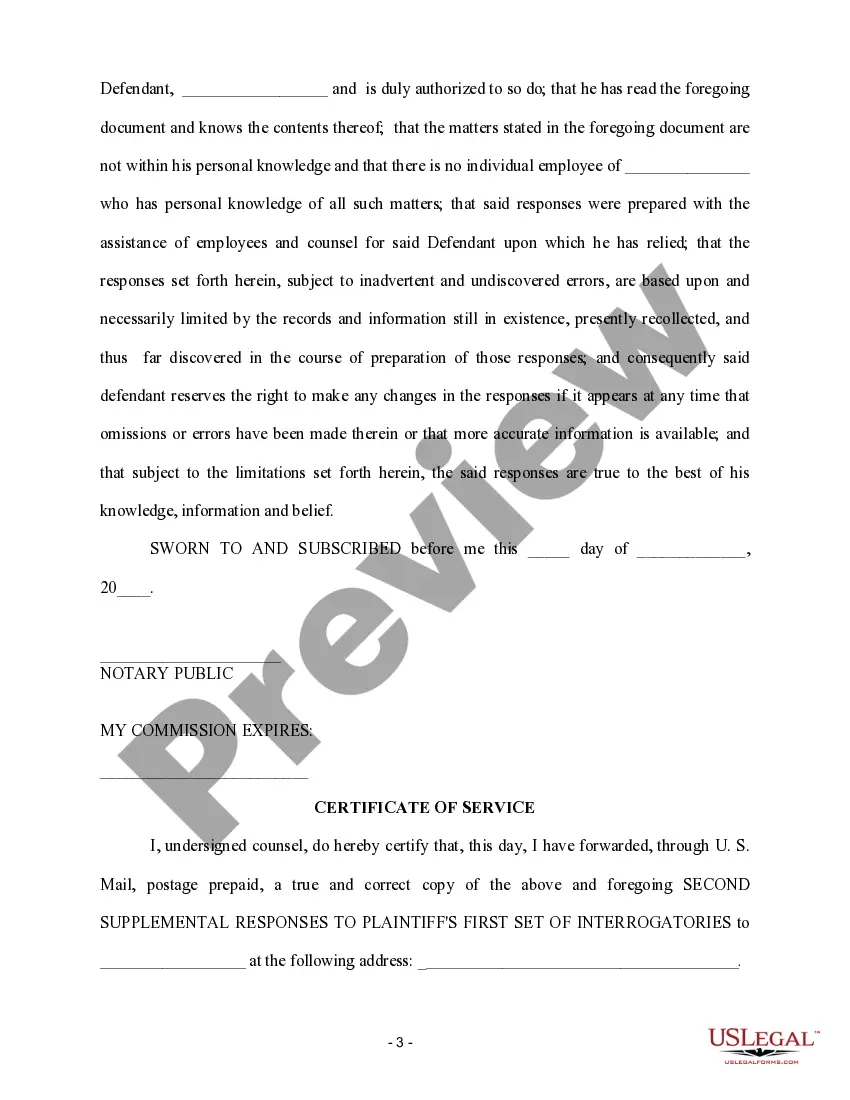
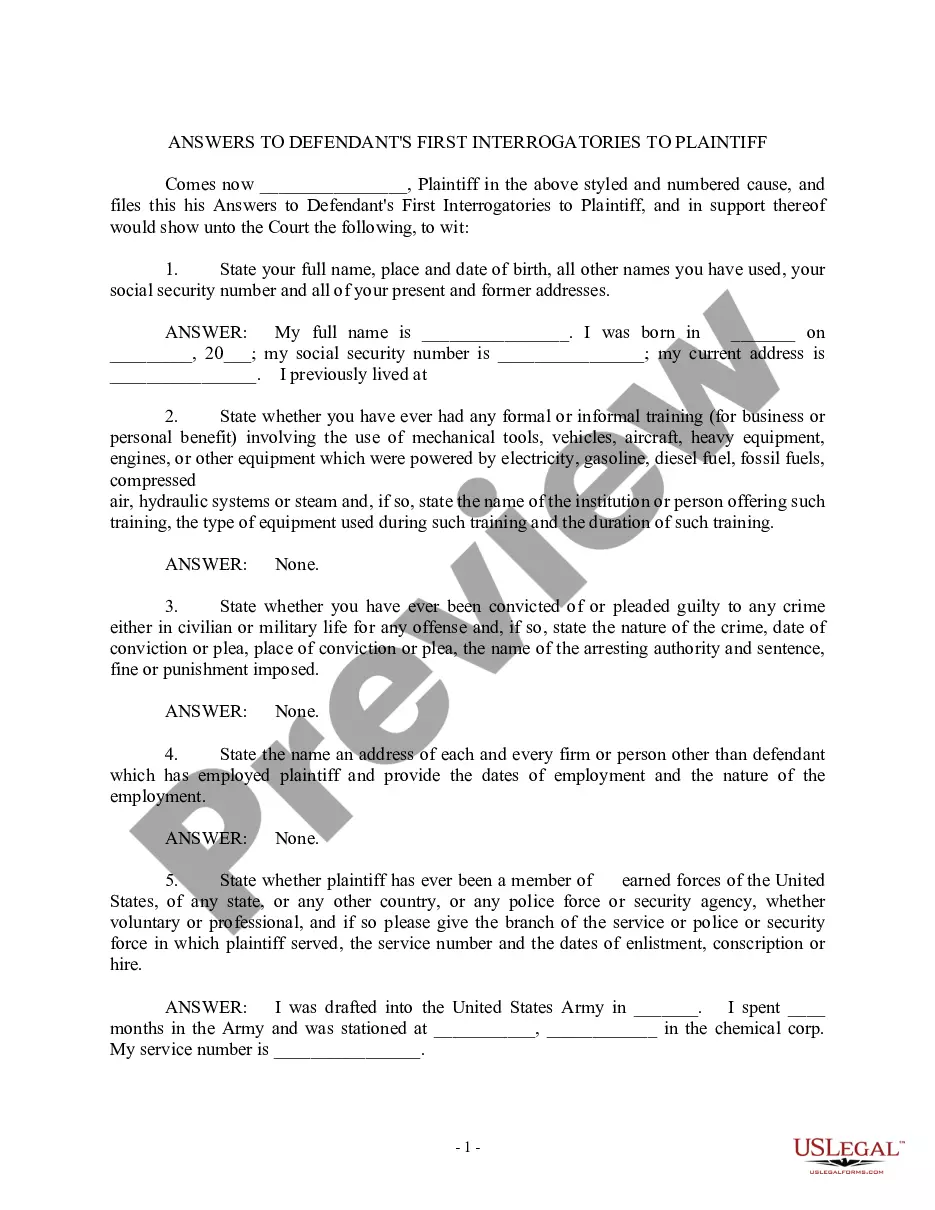
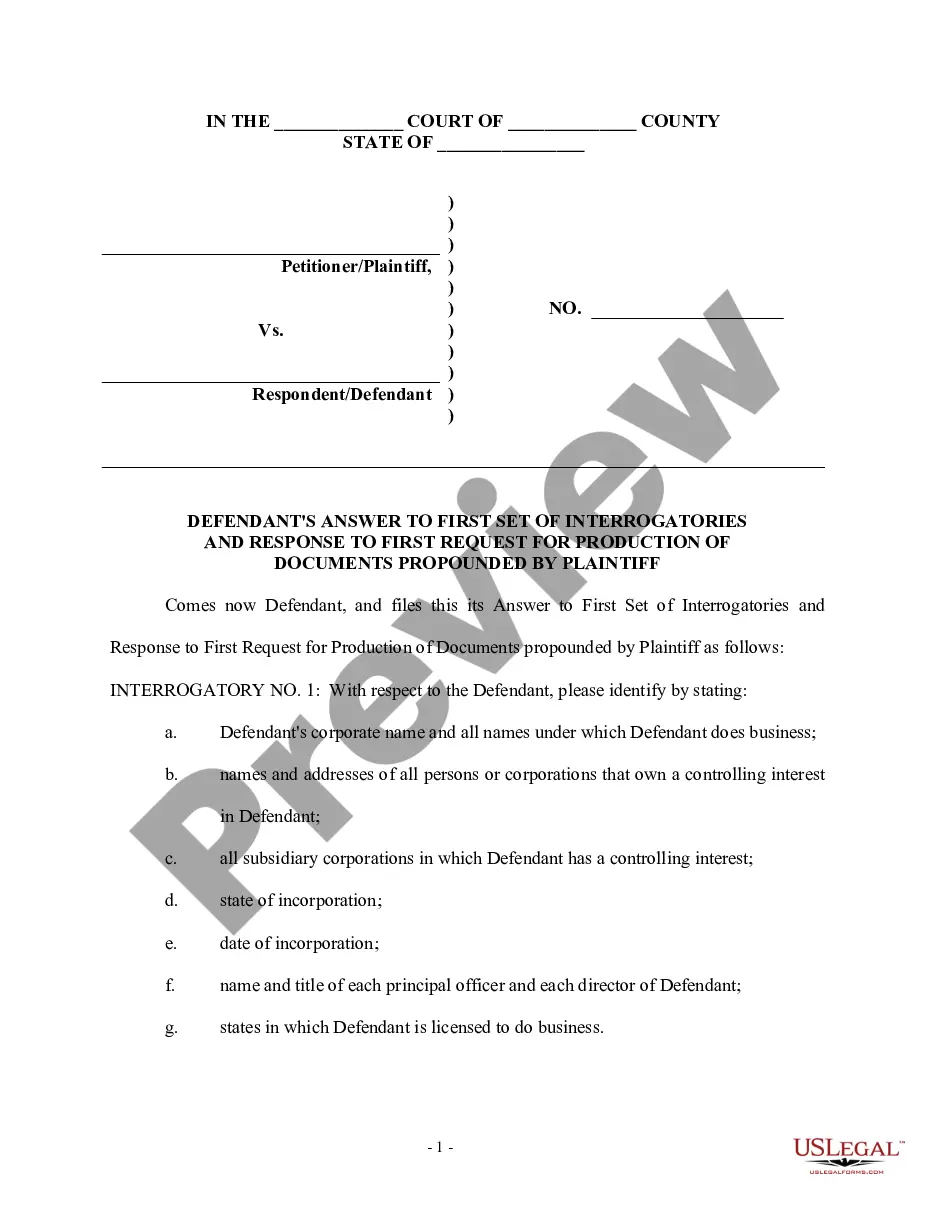
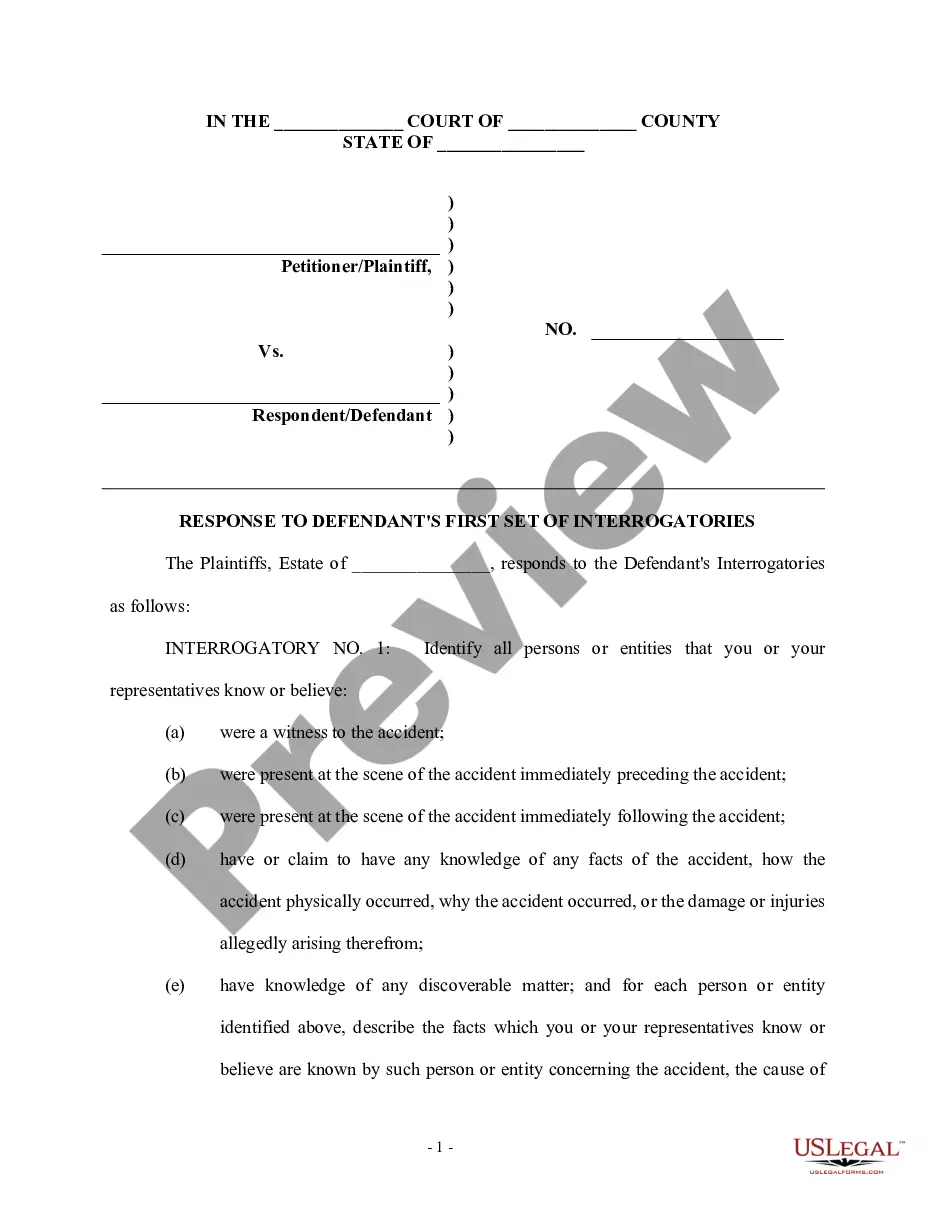
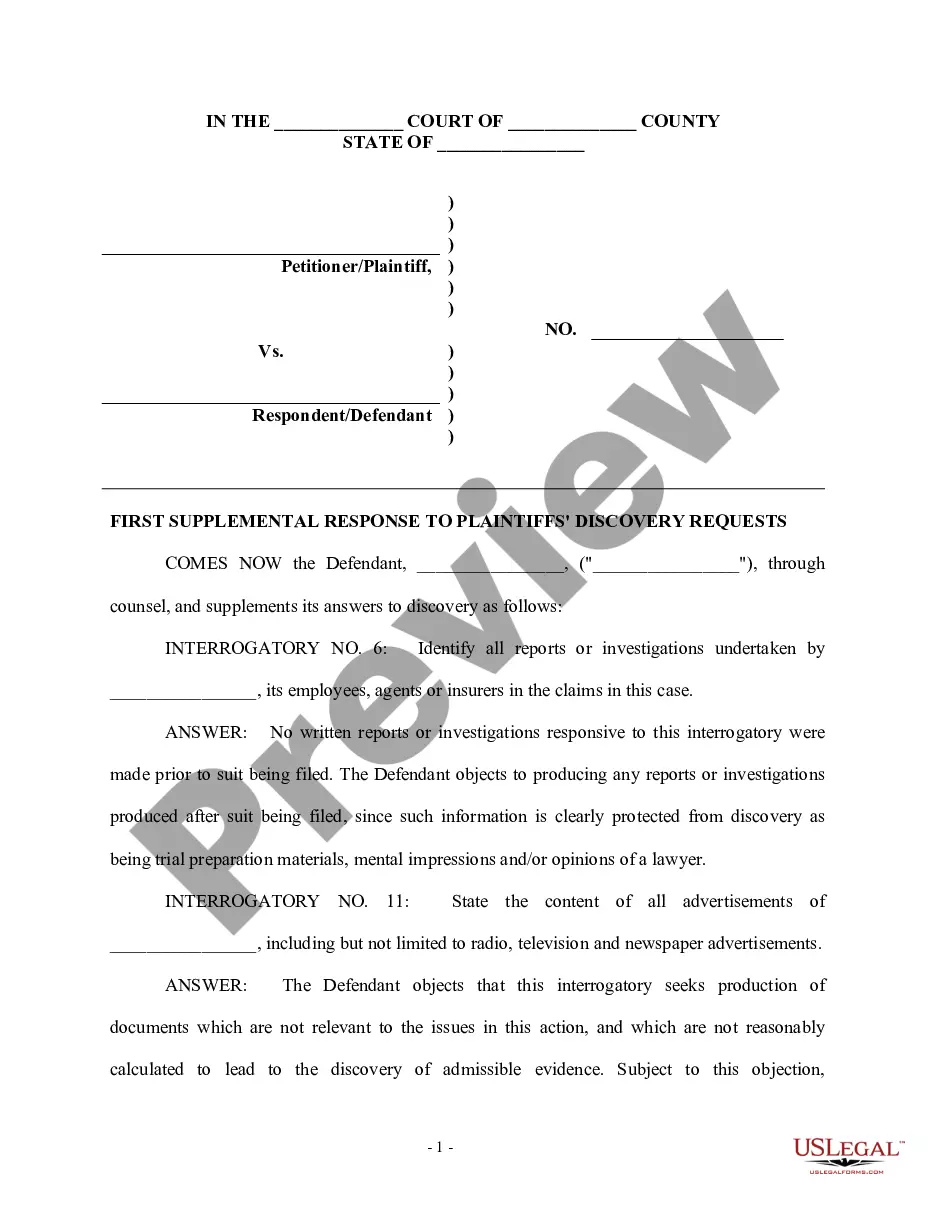
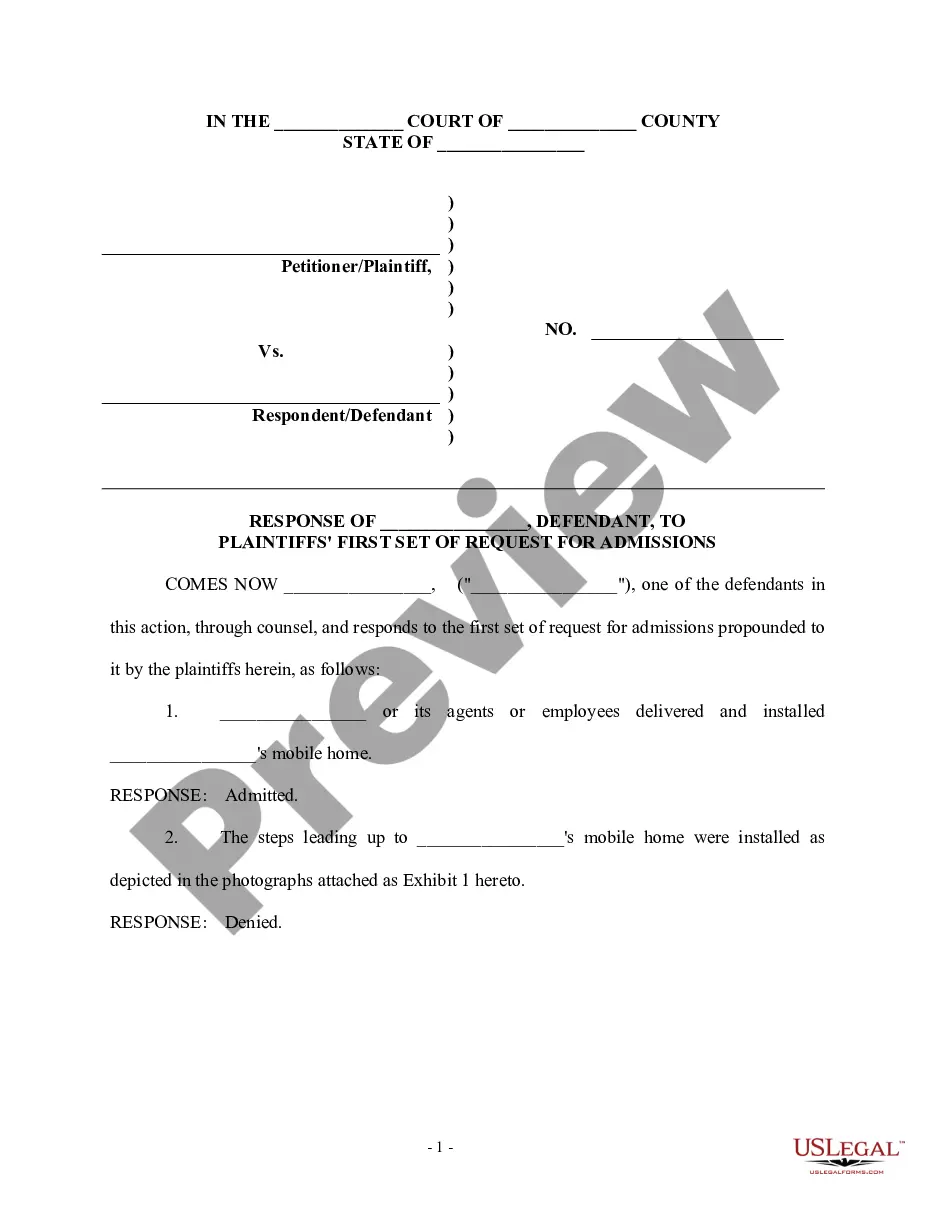
Get your form ready online
Our built-in tools help you complete, sign, share, and store your documents in one place.
Make edits, fill in missing information, and update formatting in US Legal Forms—just like you would in MS Word.
Download a copy, print it, send it by email, or mail it via USPS—whatever works best for your next step.
Sign and collect signatures with our SignNow integration. Send to multiple recipients, set reminders, and more. Go Premium to unlock E-Sign.
If this form requires notarization, complete it online through a secure video call—no need to meet a notary in person or wait for an appointment.
We protect your documents and personal data by following strict security and privacy standards.

Make edits, fill in missing information, and update formatting in US Legal Forms—just like you would in MS Word.

Download a copy, print it, send it by email, or mail it via USPS—whatever works best for your next step.

Sign and collect signatures with our SignNow integration. Send to multiple recipients, set reminders, and more. Go Premium to unlock E-Sign.

If this form requires notarization, complete it online through a secure video call—no need to meet a notary in person or wait for an appointment.

We protect your documents and personal data by following strict security and privacy standards.
Looking for another form?


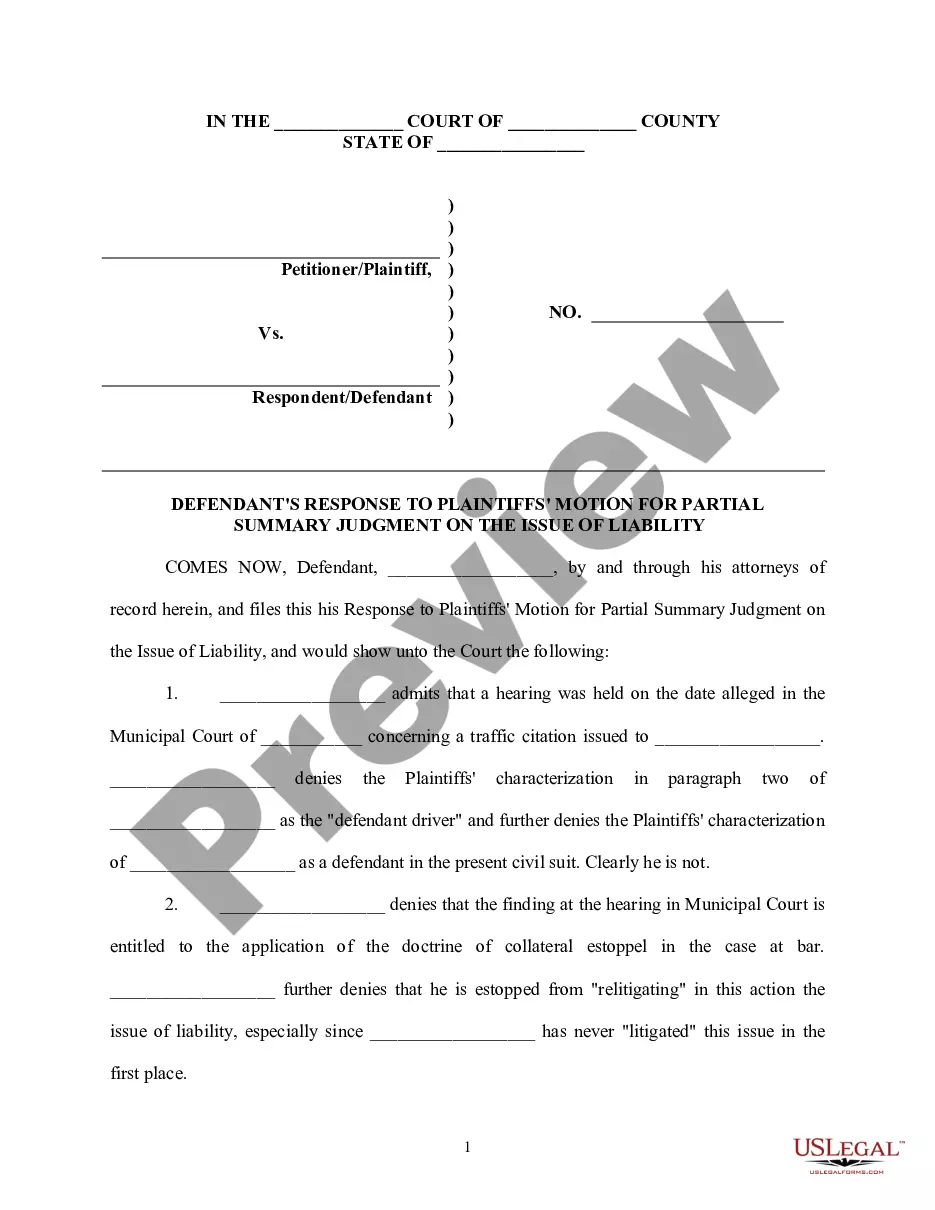
How to fill out Second Supplemental Responses To Plaintiff's First Set Of Interrogatories?
- If you are a returning user, log in to your account to download your required form template by selecting the Download option. Ensure your subscription is active; if needed, renew it according to your chosen payment plan.
- For first-time users, start by previewing the available forms. Examine the description carefully to ensure it aligns with your specific needs and complies with local jurisdiction requirements.
- If the form does not meet your needs, use the search feature at the top to find another template that is more suitable. It's essential that the template you select meets all your criteria before proceeding.
- Select your document by clicking on the Buy Now button and choose your preferred subscription plan. Register for an account to gain access to the extensive library of legal resources.
- Finalize your purchase by entering your payment details, either through a credit card or PayPal, to complete the transaction.
- Once your purchase is confirmed, download your legal form and save it on your device. You can access it anytime through the My Forms section in your profile.
In conclusion, US Legal Forms provides users with a comprehensive platform, filled with a vast array of legal documents that cater to various needs. Its robust features ensure that whether you are a new user or a seasoned pro, you can easily navigate the complexities of legal paperwork.
Take advantage of US Legal Forms today, and streamline your legal document preparation process!
Form popularity
FAQ
Yes, evidence can be submitted after the discovery phase, but it typically requires a valid justification. If evidence emerges post-discovery relevance, it's necessary to follow proper legal procedures to introduce it. Supplemental discovery examples with evidence can illustrate scenarios where late submissions are appropriate and how to manage them. It’s always best to consult a legal expert to navigate these situations effectively and ensure compliance with court rules.
A supplemental response to discovery is an updated response that includes newly discovered information after the initial discovery phase. This type of response is crucial when the landscape of evidence changes or when new insights come to light. Utilizing supplemental discovery examples with evidence can clarify how to formulate these responses effectively. It’s essential to communicate these updates promptly to prevent any misunderstandings in your legal proceedings.
The duty to supplement discovery responses ensures that all parties have access to accurate and current information relevant to the case. If you receive new evidence after your initial responses, you are required to update those responses accordingly. By adhering to this duty, you help maintain transparency and avoid disputes over missing information. Examples of supplemental discovery with evidence illustrate the importance of this process and how it affects your case’s outcome.
Under FRCP 26, parties have a duty to supplement their disclosures and discovery responses when they learn that their previous responses are incomplete or incorrect. This means, for instance, if you discover new evidence relevant to your case, you must inform the other parties promptly. Supplemental discovery examples with evidence can help clarify what this entails as you navigate your legal responsibilities. Consistently updating the court and your opponents ensures fairness in the litigation process.
The duty to preserve discovery refers to the obligation of parties in a legal case to keep evidence that might be relevant to the matter at hand. This includes documents, electronic files, and other information that may be used later. Understanding supplemental discovery examples with evidence can help illustrate what items need to be preserved. Failing to preserve such materials may lead to legal sanctions and complicate your case.
A supplemental discovery exhibit refers to additional documents or evidence included during the discovery phase of a legal case. These exhibits support the claims made by either party, describing evidence relevant to the arguments presented. By incorporating a supplemental discovery example with evidence, you can effectively illustrate your points. US Legal Forms can help you navigate the creation of these exhibits, ensuring compliance and completeness.
Yes, supplemental discovery responses typically need to be verified. This means that the person providing the information must confirm the truthfulness and accuracy of the details provided. A verified supplemental discovery is essential, especially when you are using a supplemental discovery example with evidence to strengthen your case. You can use our platform at US Legal Forms to find templates that ensure your responses meet verification standards.
A supplemental answer to discovery is an updated response that adds new information previously not disclosed. This is often crucial when additional evidence has come to light after initial responses were submitted. A supplemental discovery example with evidence might include new documents or clarification of prior statements that affect the case's direction. Always file these supplements in accordance with court guidelines to ensure they are consider valid.
To introduce discovery responses into evidence, ensure you follow proper courtroom procedures. This typically means referencing specific responses when relevant issues arise. A supplemental discovery example with evidence can guide you on utilizing these responses effectively during your arguments. Clear presentation can persuade the judge or jury about your case's validity.
Once you have received discovery responses, you should carefully review them for relevance and completeness. Organizing these responses can facilitate easier access during trial preparation. A supplemental discovery example with evidence shows that these responses might lead you to uncover additional information that could be beneficial. Use them strategically to support your case.