Summary Judgment Response With Prejudice
Description
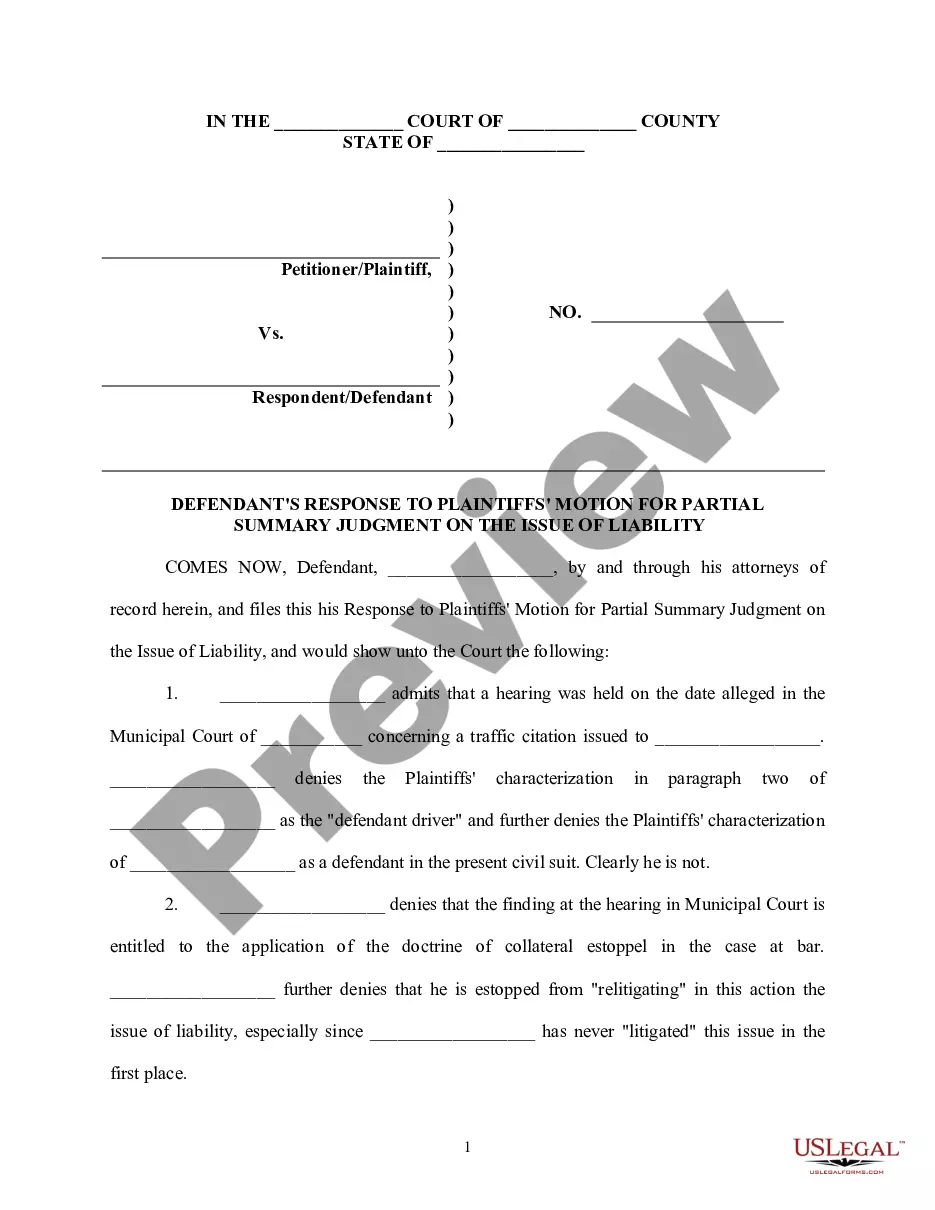
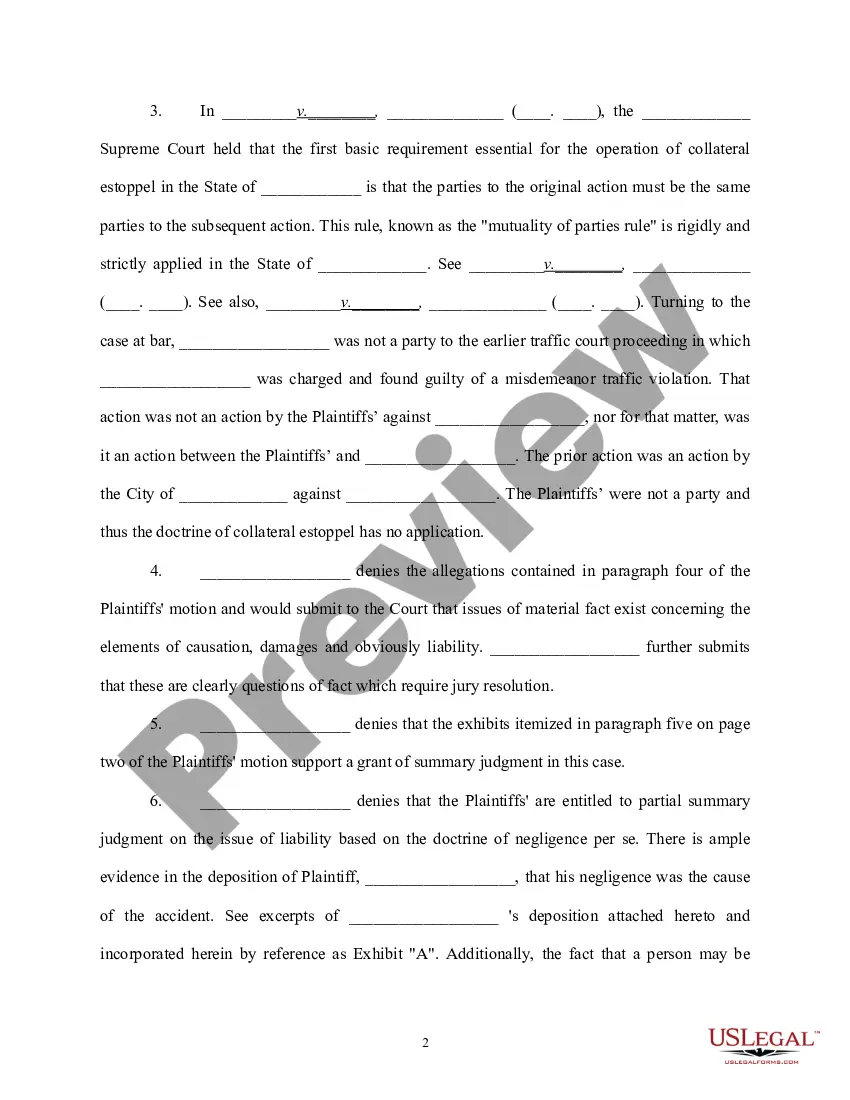
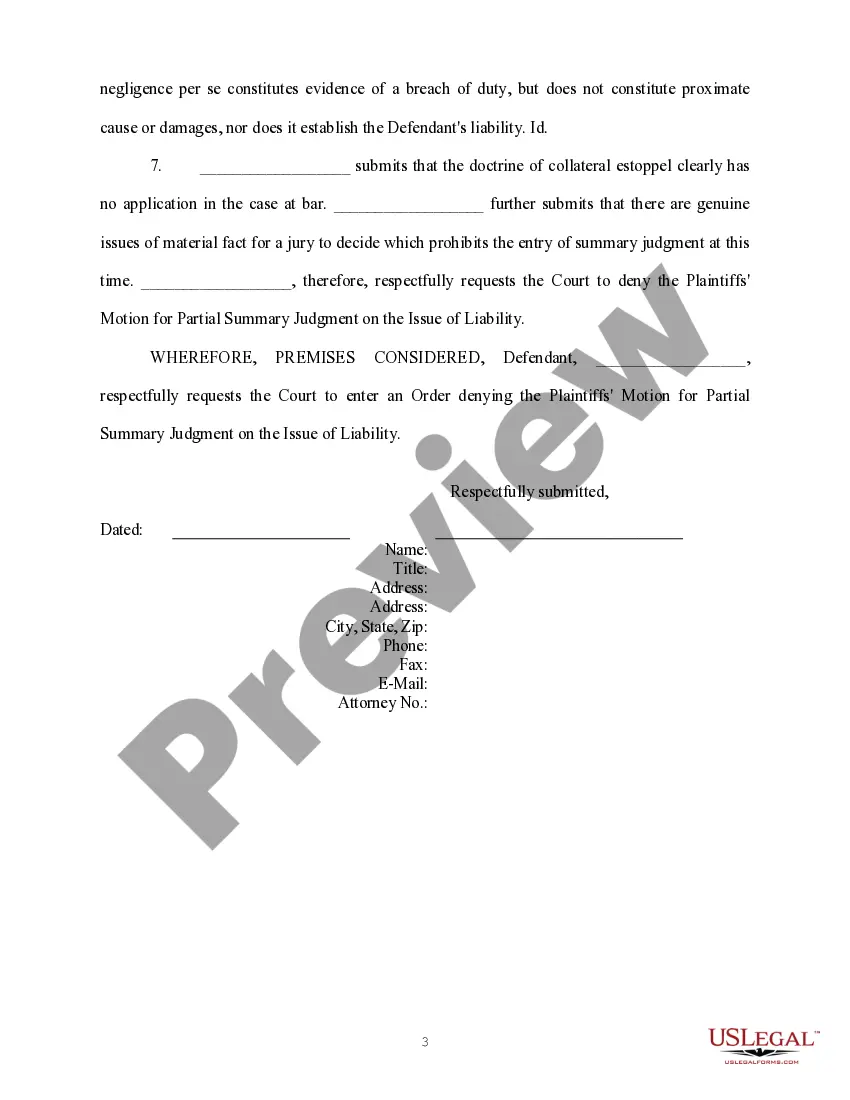
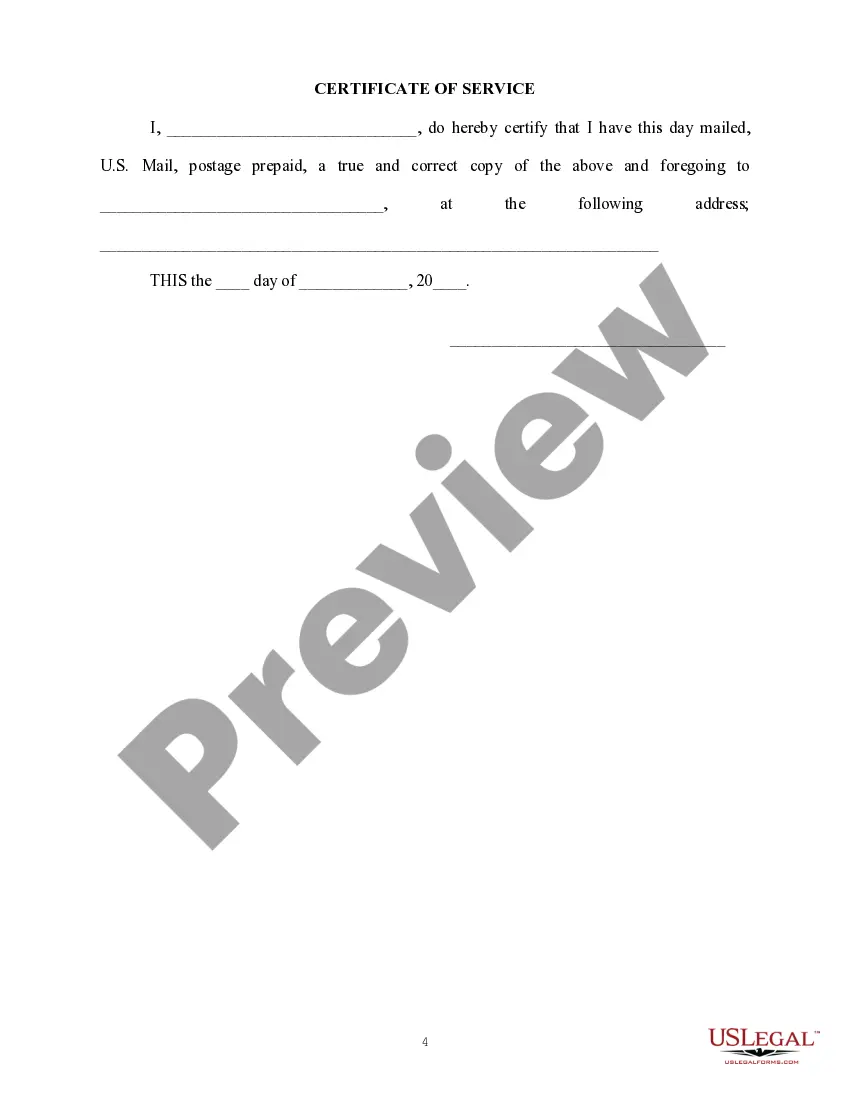
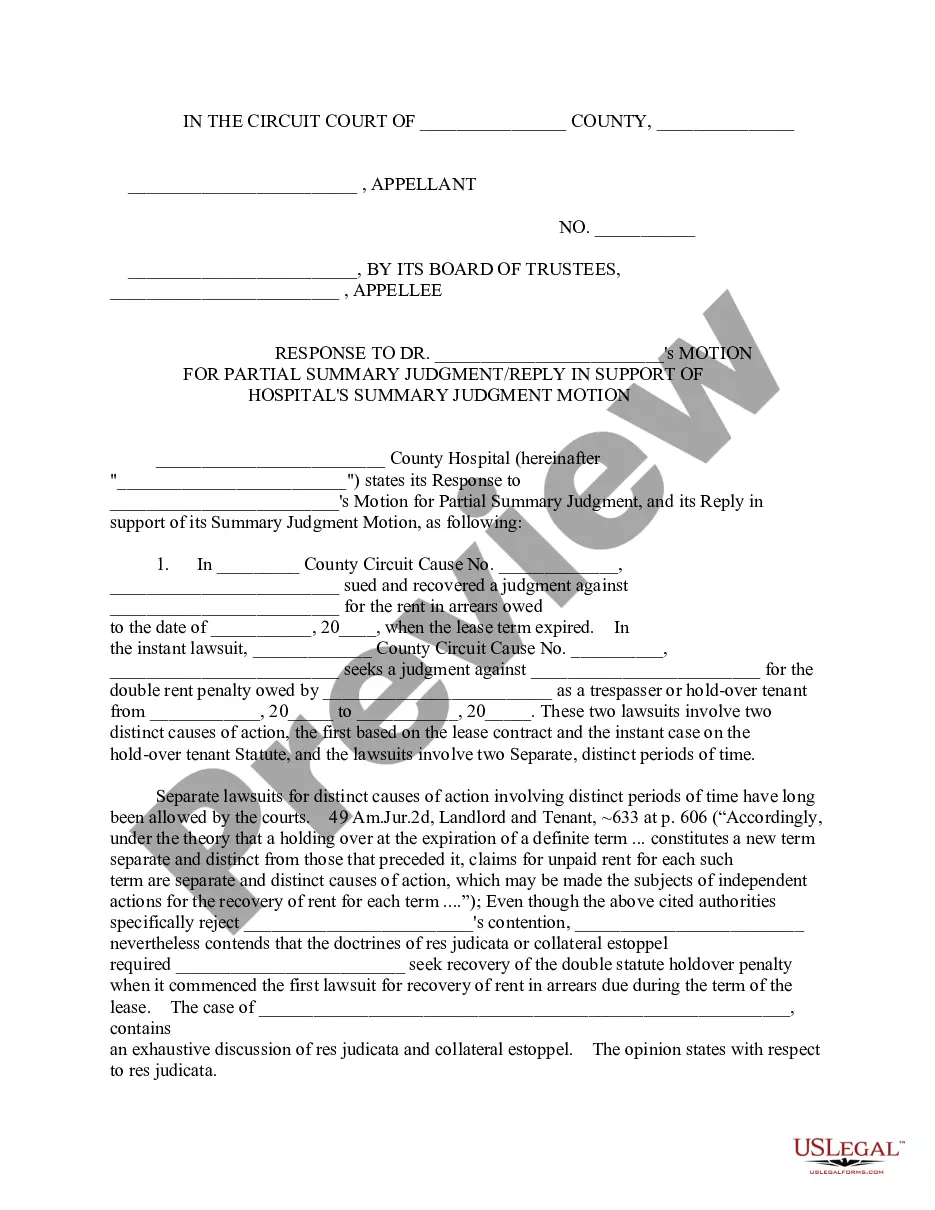
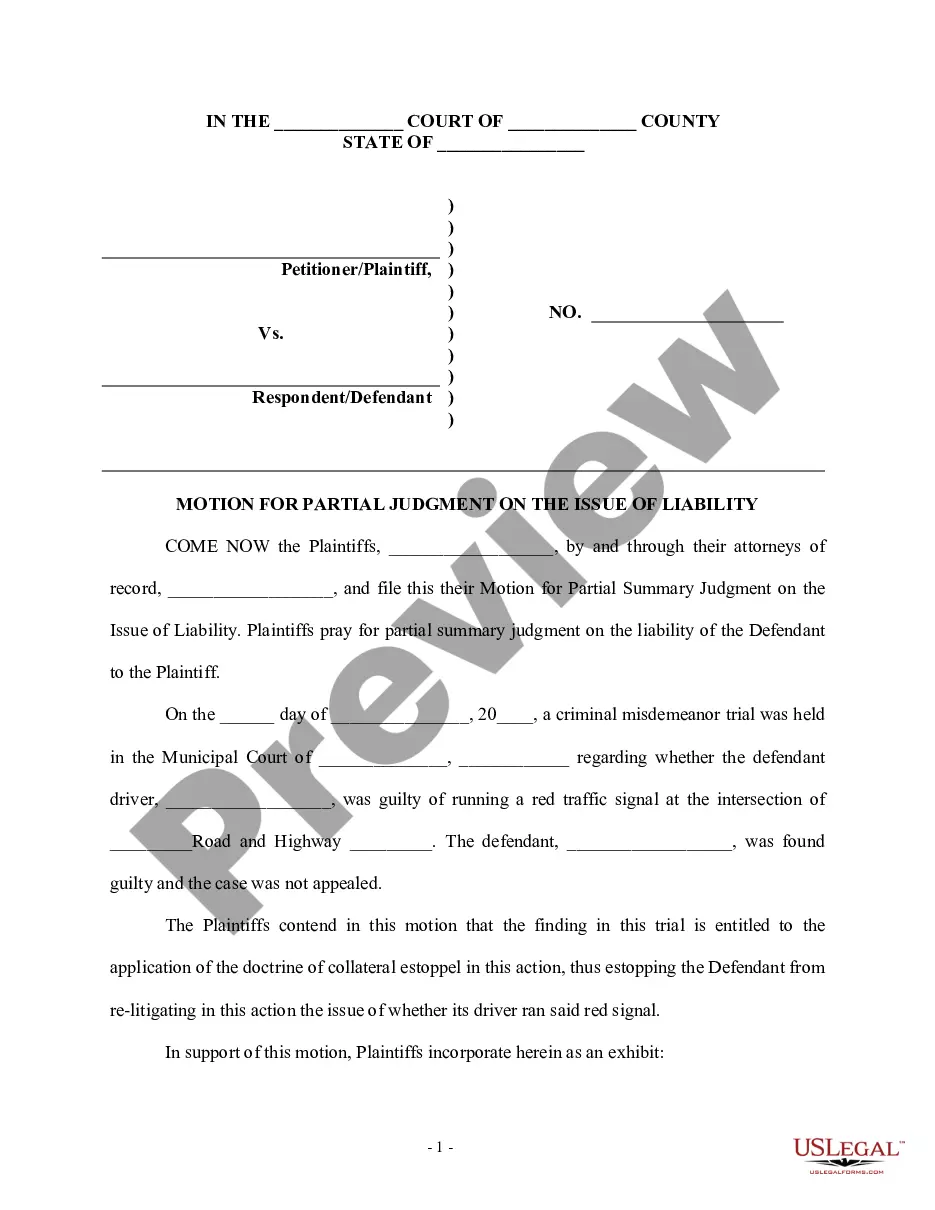
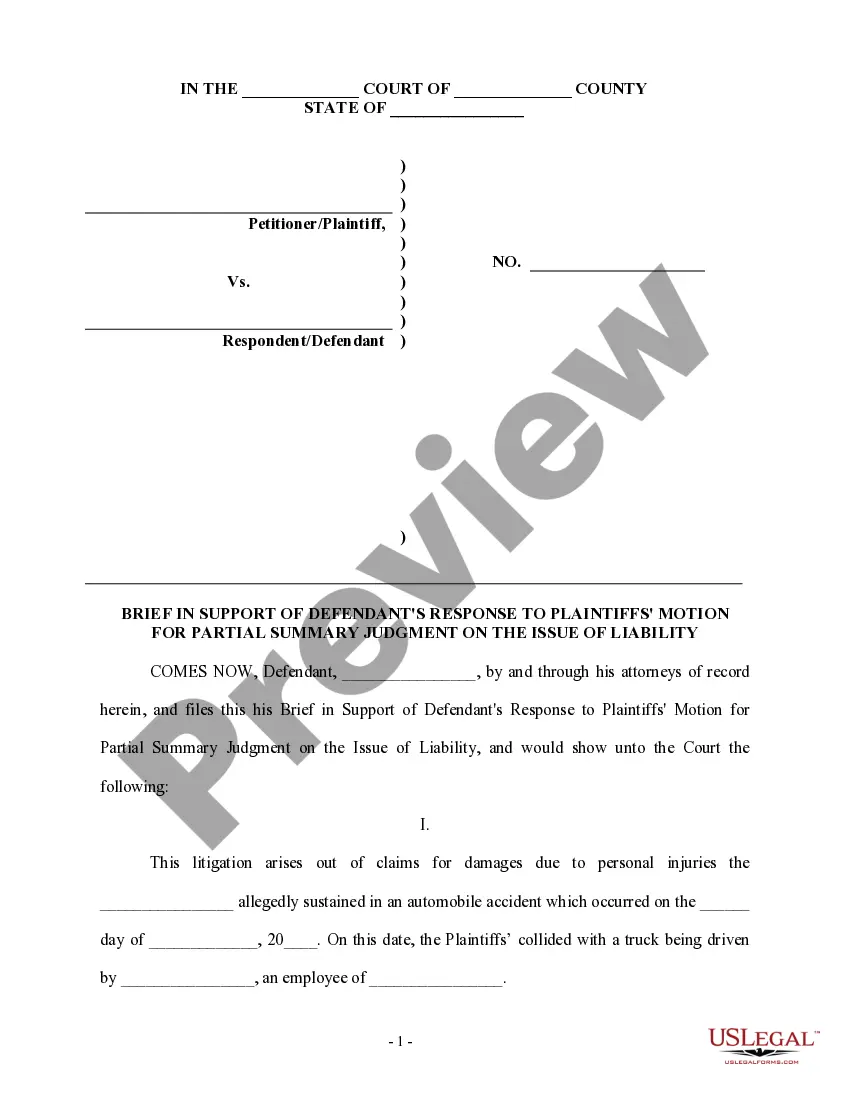
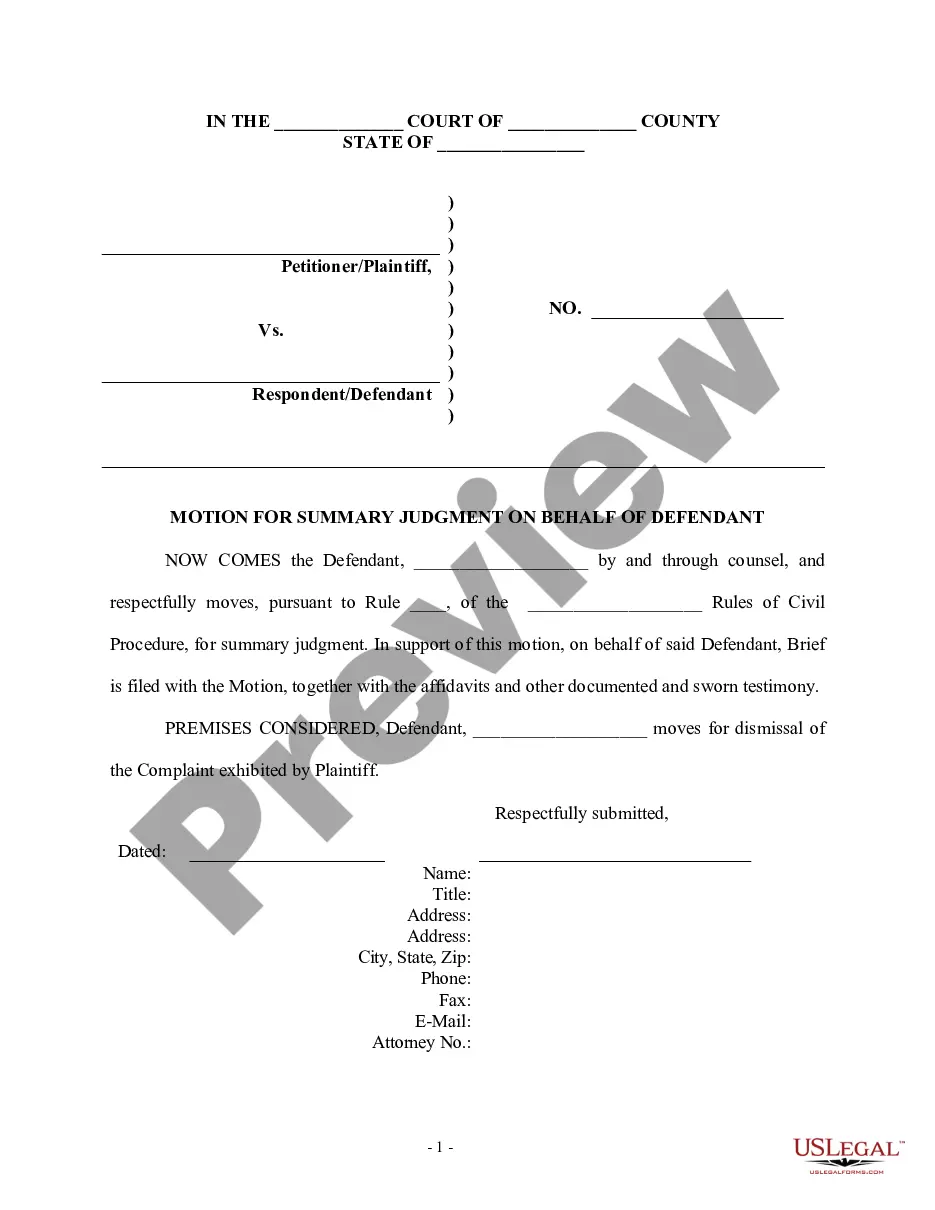
Get your form ready online
Our built-in tools help you complete, sign, share, and store your documents in one place.
Make edits, fill in missing information, and update formatting in US Legal Forms—just like you would in MS Word.
Download a copy, print it, send it by email, or mail it via USPS—whatever works best for your next step.
Sign and collect signatures with our SignNow integration. Send to multiple recipients, set reminders, and more. Go Premium to unlock E-Sign.
If this form requires notarization, complete it online through a secure video call—no need to meet a notary in person or wait for an appointment.
We protect your documents and personal data by following strict security and privacy standards.

Make edits, fill in missing information, and update formatting in US Legal Forms—just like you would in MS Word.

Download a copy, print it, send it by email, or mail it via USPS—whatever works best for your next step.

Sign and collect signatures with our SignNow integration. Send to multiple recipients, set reminders, and more. Go Premium to unlock E-Sign.

If this form requires notarization, complete it online through a secure video call—no need to meet a notary in person or wait for an appointment.

We protect your documents and personal data by following strict security and privacy standards.
Looking for another form?






How to fill out Defendant's Response To Plaintiff's Motion For Summary Judgment On The Issue Of Liability?
Handling legal documents can be challenging, even for seasoned professionals.
When you need a Summary Judgment Response With Prejudice and lack the time to spend searching for the correct and current version, the process can be strenuous.
Access a resource library of articles, guides, and manuals pertinent to your situation and requirements.
Save time and effort searching for the documents you need, and employ US Legal Forms' advanced search and Review feature to find and download the Summary Judgment Response With Prejudice.
Take advantage of the US Legal Forms online library, backed by 25 years of expertise and reliability. Improve your daily document management in a simple and user-friendly manner today.
- If you have a subscription, Log In to your US Legal Forms account, search for the form, and download it.
- Check your My documents section to access the documents you've previously saved and manage your folders accordingly.
- If this is your first experience with US Legal Forms, create an account for unlimited access to all platform benefits.
- After downloading the required form, verify that it is the correct document by previewing it and reviewing its details.
- Ensure that the sample is recognized in your state or county.
- Click Buy Now when you're ready.
- Choose a monthly subscription plan.
- Locate the necessary format, and Download, complete, sign, print, and submit your documents.
- Access state- or county-specific legal and business documents.
- US Legal Forms meets all your needs, from personal to corporate paperwork, in a single place.
- Use advanced tools to complete and manage your Summary Judgment Response With Prejudice.
Form popularity
FAQ
Responding to a summary judgment involves preparing an effective legal document that addresses the points raised by the opposing party. You'll need to present evidence and arguments that counter the claims made in the summary judgment motion. Crafting a strong summary judgment response with prejudice is vital in protecting your rights and interests. Platforms like USLegalForms offer resources to guide you in creating a compelling response.
Responding to a summary judgment requires careful analysis of the moving party's arguments. Compile evidence that contradicts their claims and highlights any factual disputes. By crafting a thorough summary judgment response with prejudice, you reinforce your position and demonstrate why the case should proceed to trial.
Rule 56 of the Federal Rules of Civil Procedure governs summary judgment for federal courts. Under Rule 56, in order to succeed in a motion for summary judgment, a movant must show 1) that there is no genuine dispute as to any material fact, and 2) that the movant is entitled to judgment as a matter of law.
If you are the defendant, your affidavits must set out: The facts that prove that there is no merit in the plaintiff's claim and. Confirmation that the person swearing the affidavit knows of no facts that support the claim.
No reasonable cause of action/defence For example, a cause of action that makes out a duty of care that is not based on a recognized legal duty may well disclose no reasonable cause of action: no amount of evidence called at trial could make a duty exist where it has no legal basis.
You must include a summary of the legal basis for your opposition, explain the reason you are opposing the motion, and state what you would like the judge to order.
Stated differently, to successfully defend against summary judgment the non-moving party (you) should seek to demonstrate that indeed there are material facts in dispute. Alternatively, the non-moving party (you) can argue that the undisputed facts support a judgment as a matter of law in your favor.