Summary Judgment Explained With Prejudice
Description
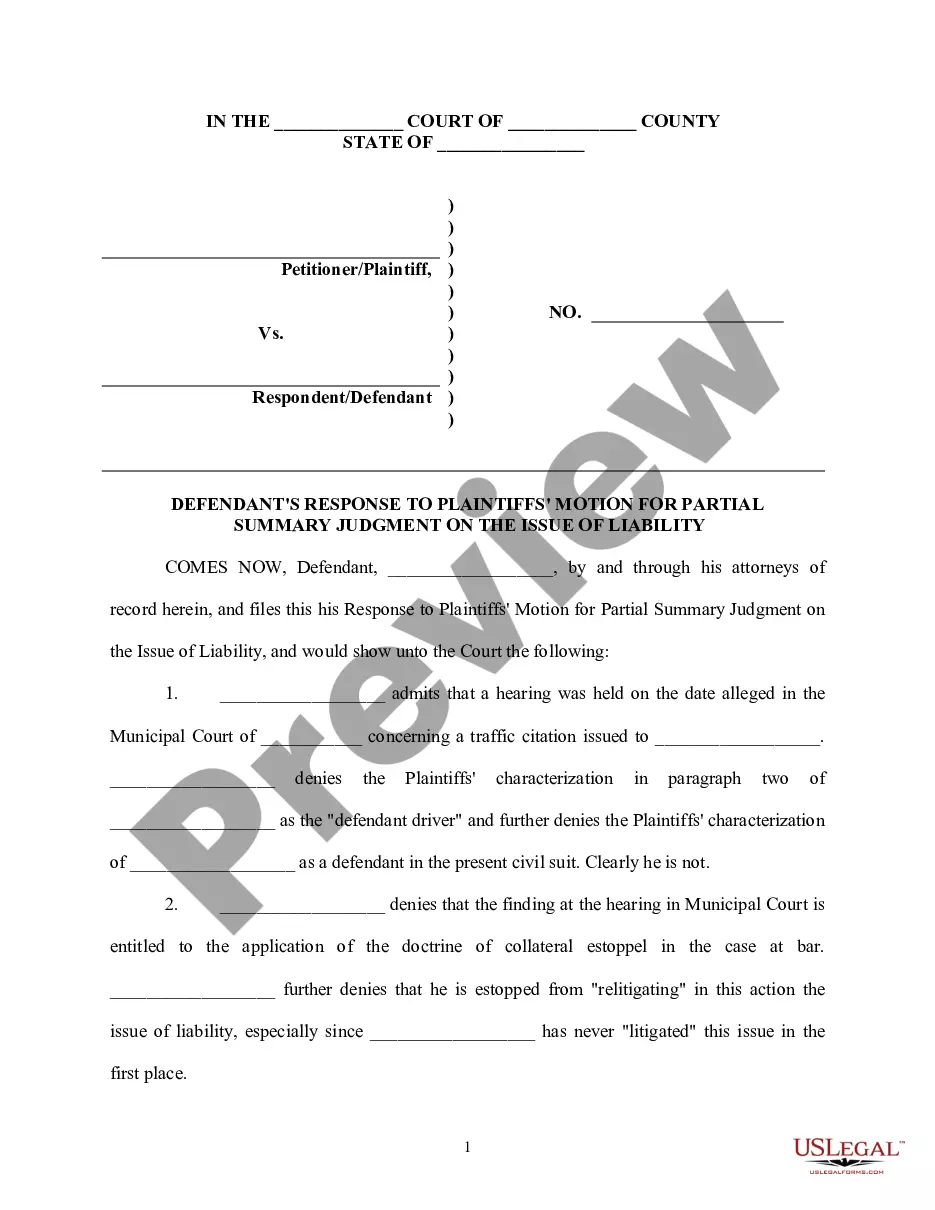
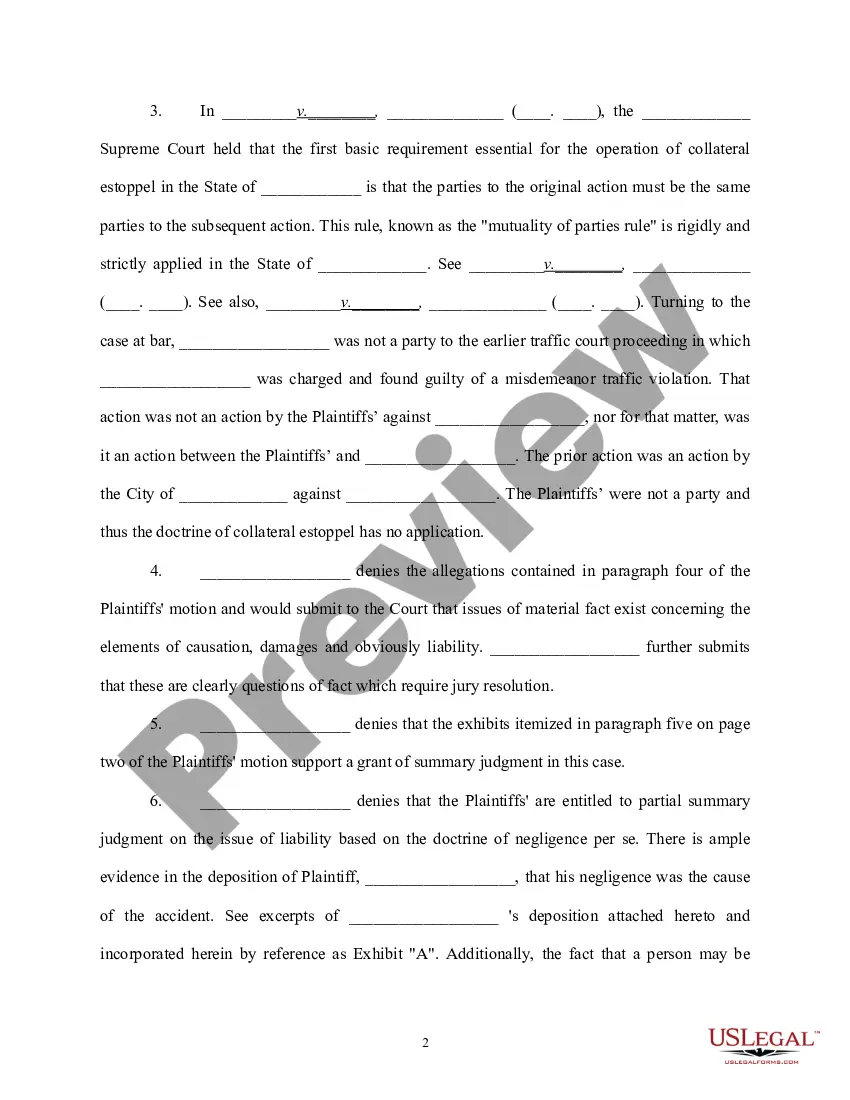
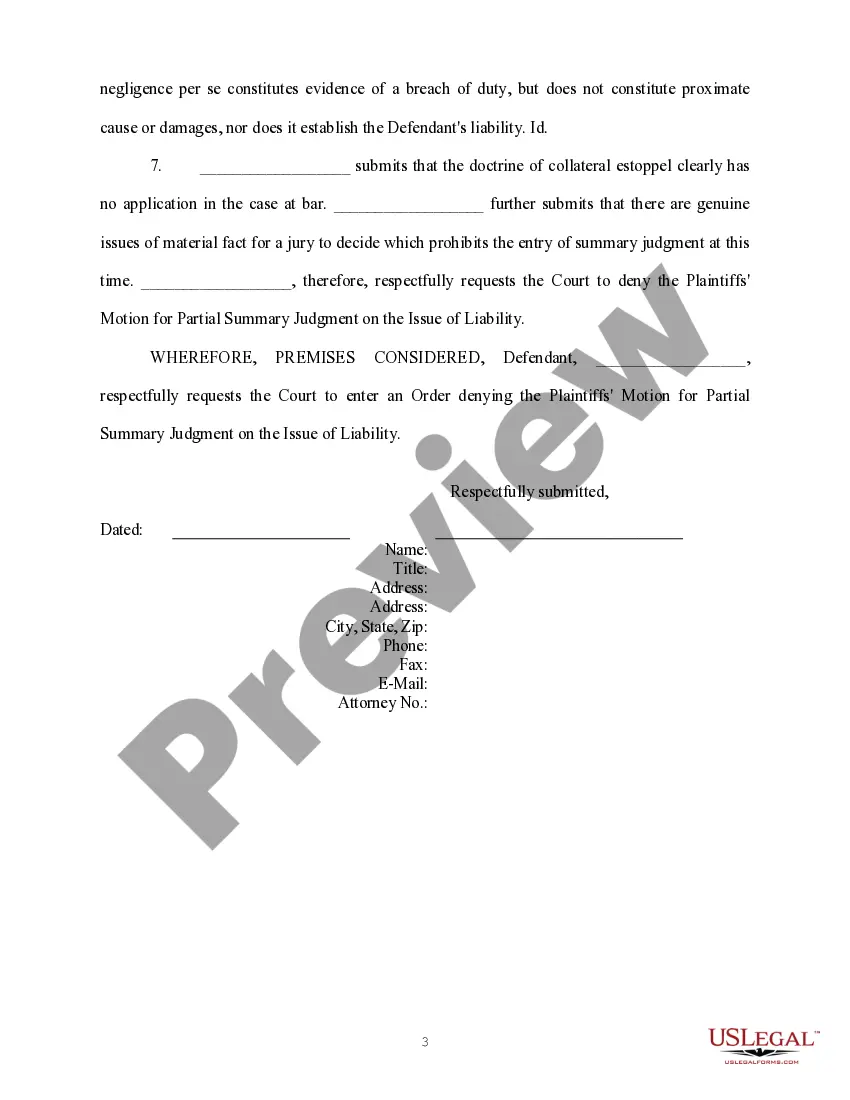
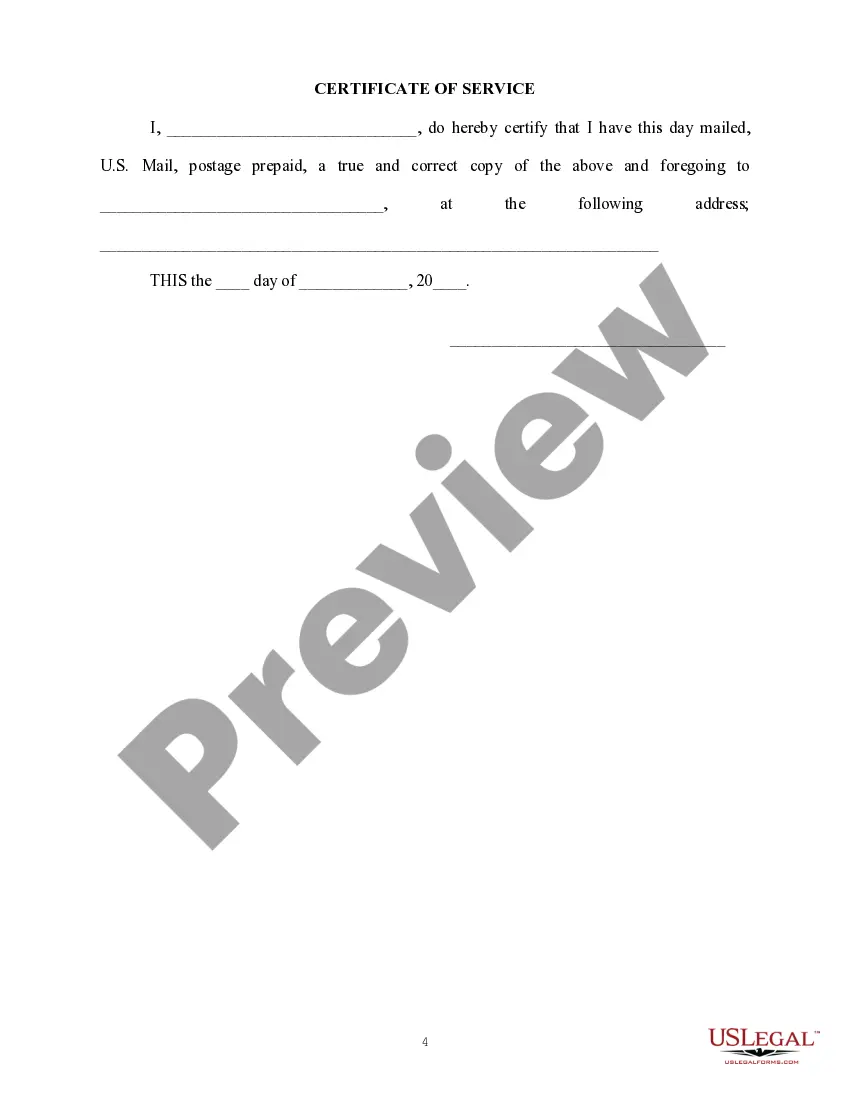
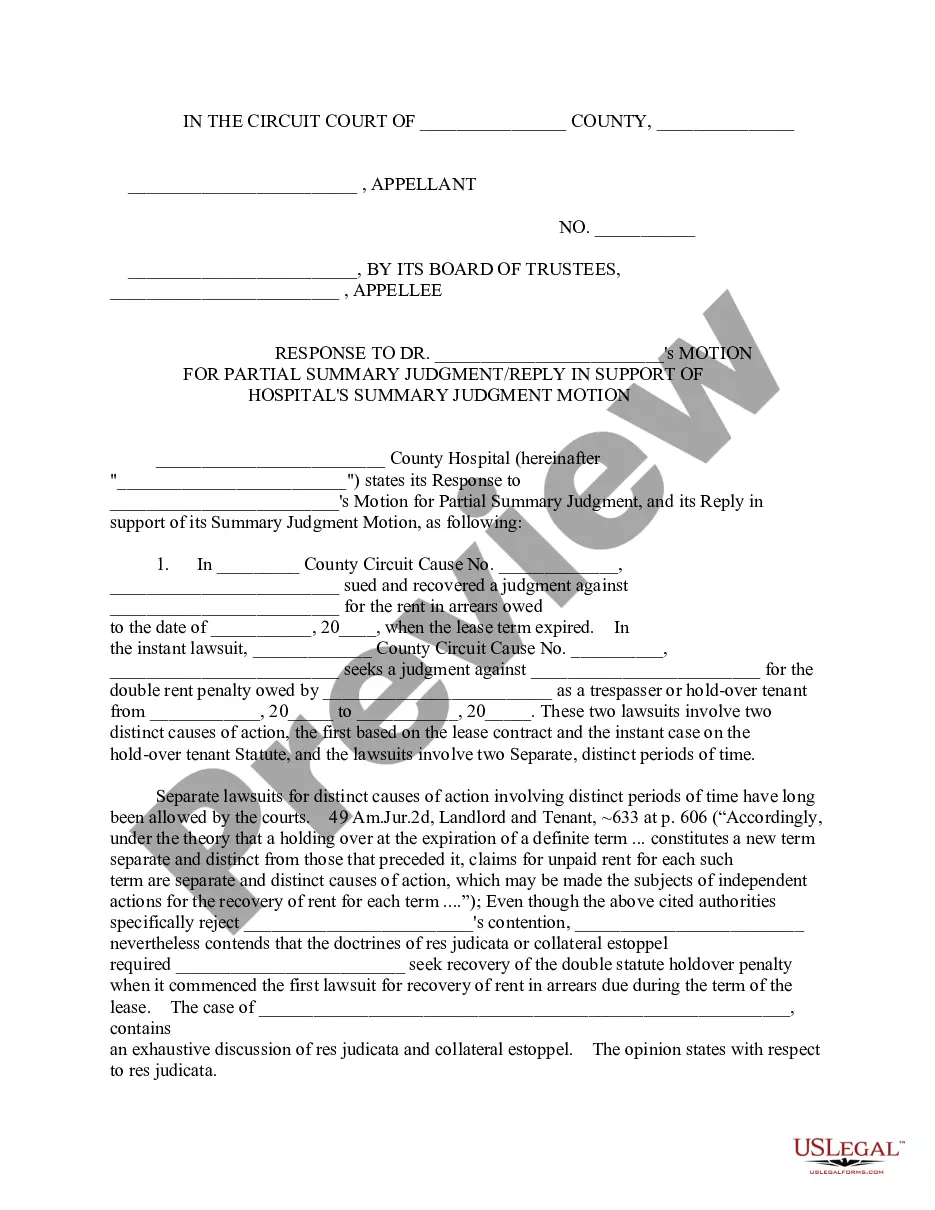
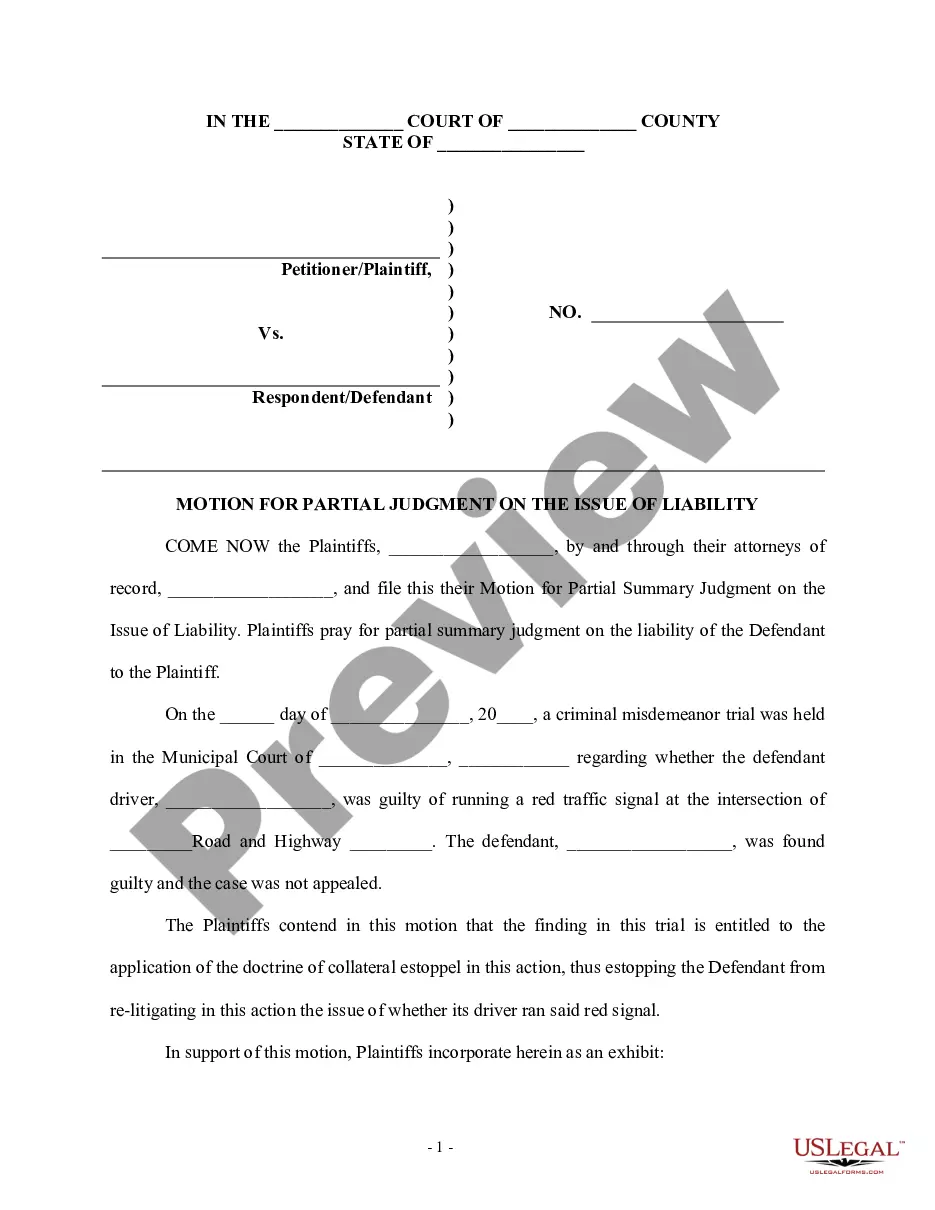
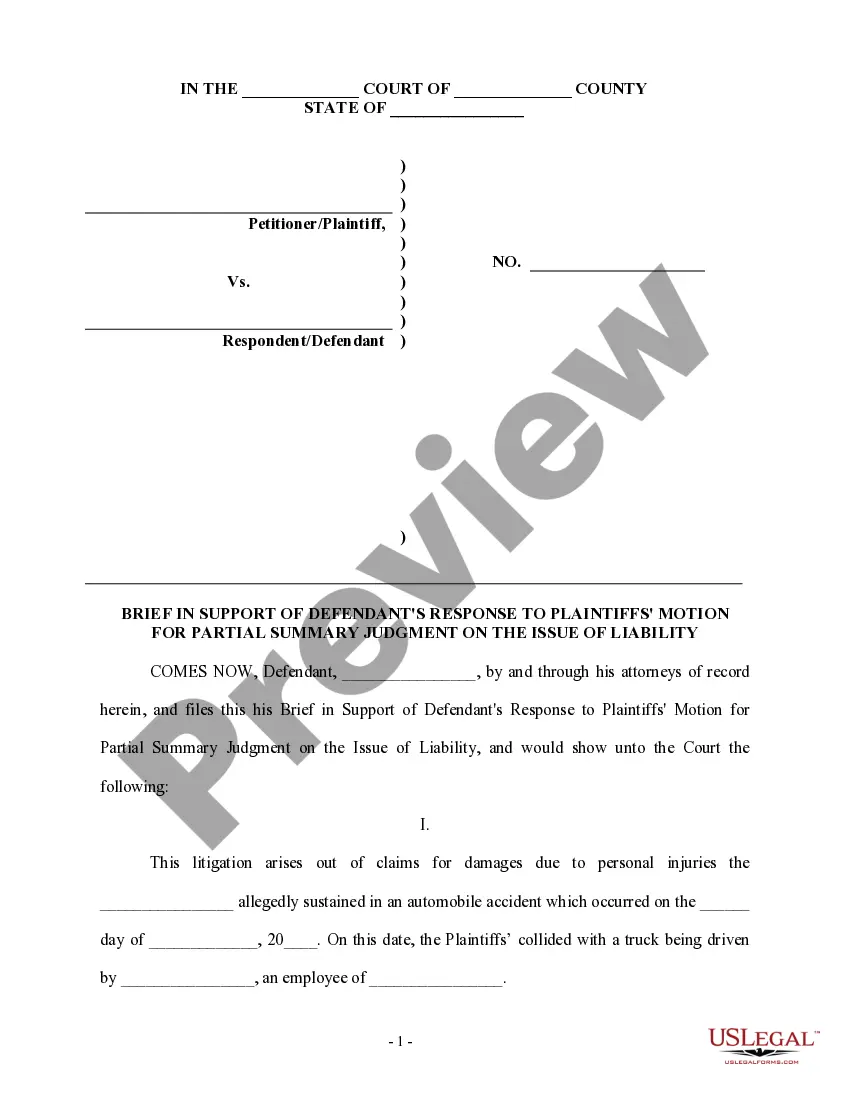
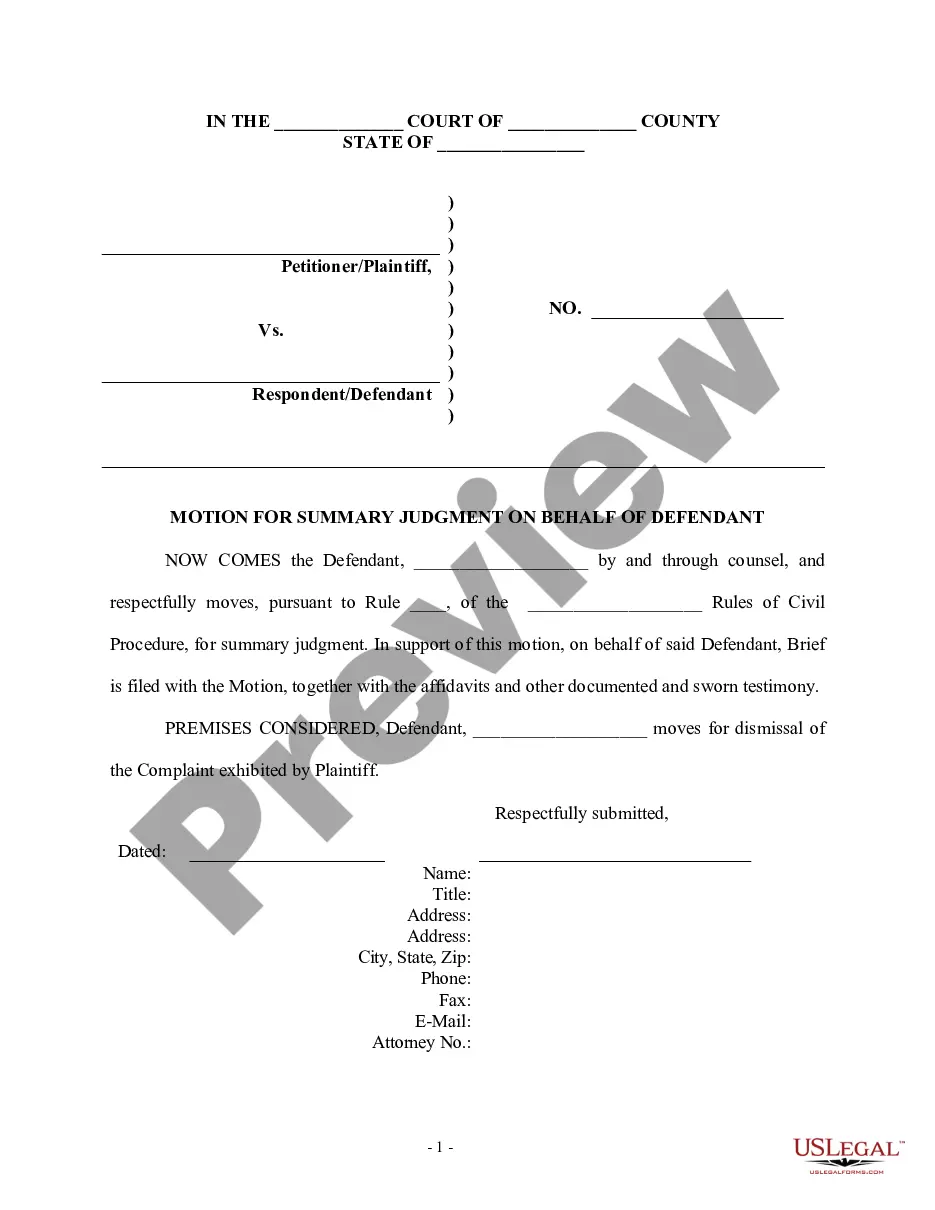
Get your form ready online
Our built-in tools help you complete, sign, share, and store your documents in one place.
Make edits, fill in missing information, and update formatting in US Legal Forms—just like you would in MS Word.
Download a copy, print it, send it by email, or mail it via USPS—whatever works best for your next step.
Sign and collect signatures with our SignNow integration. Send to multiple recipients, set reminders, and more. Go Premium to unlock E-Sign.
If this form requires notarization, complete it online through a secure video call—no need to meet a notary in person or wait for an appointment.
We protect your documents and personal data by following strict security and privacy standards.

Make edits, fill in missing information, and update formatting in US Legal Forms—just like you would in MS Word.

Download a copy, print it, send it by email, or mail it via USPS—whatever works best for your next step.

Sign and collect signatures with our SignNow integration. Send to multiple recipients, set reminders, and more. Go Premium to unlock E-Sign.

If this form requires notarization, complete it online through a secure video call—no need to meet a notary in person or wait for an appointment.

We protect your documents and personal data by following strict security and privacy standards.
Looking for another form?
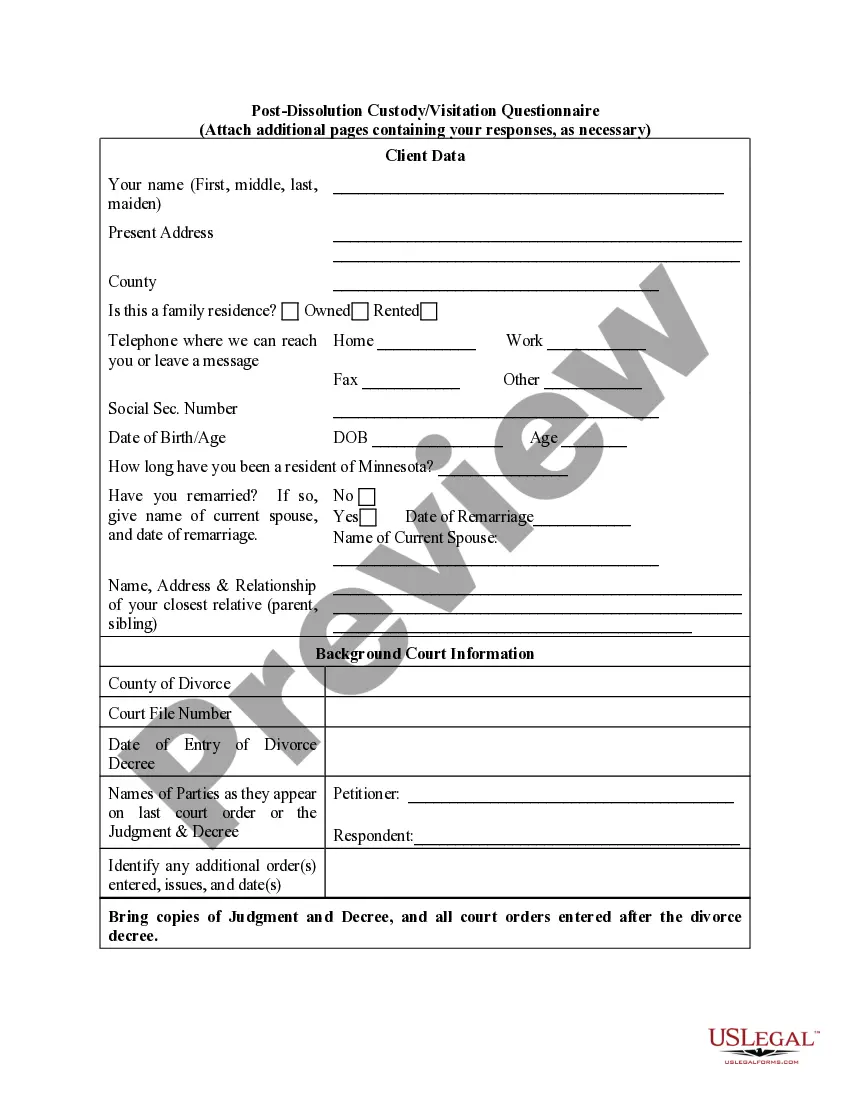

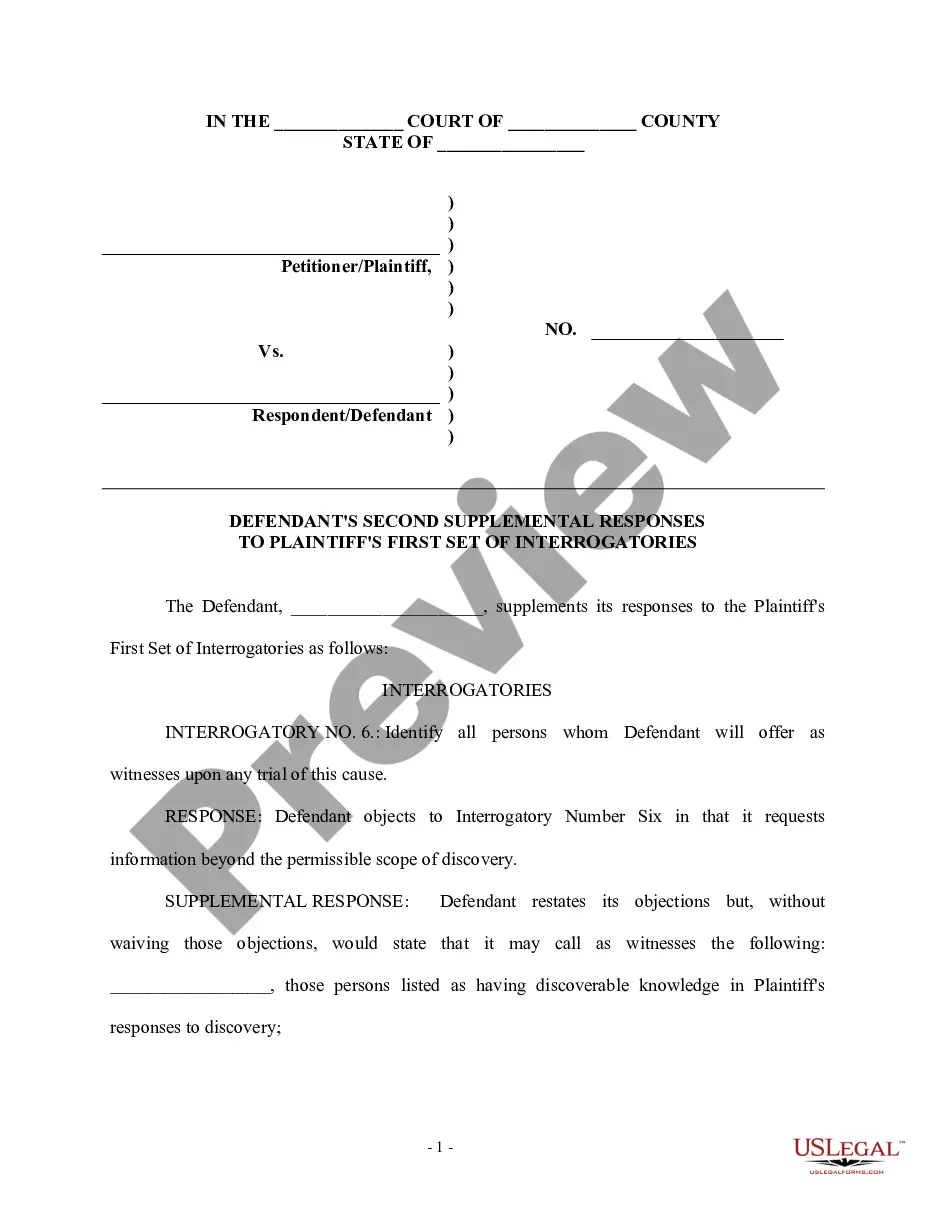
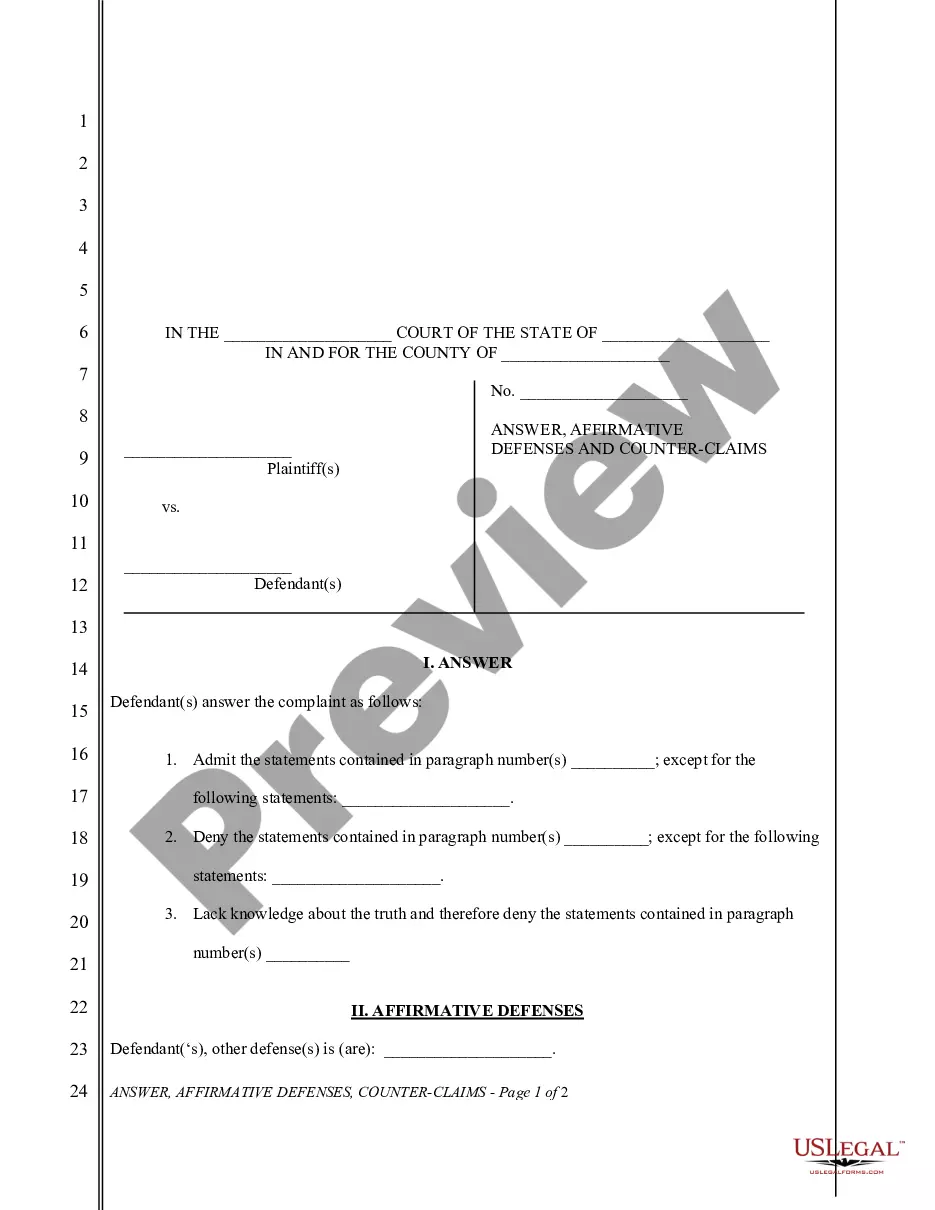
How to fill out Defendant's Response To Plaintiff's Motion For Summary Judgment On The Issue Of Liability?
Locating a reliable source for the latest and pertinent legal samples is half the challenge of navigating bureaucracy.
Selecting the correct legal documents requires accuracy and meticulousness, which is why obtaining samples of Summary Judgment Clarified With Prejudice exclusively from trustworthy providers, such as US Legal Forms, is crucial.
Once the form is on your device, you can edit it using the editor or print it out and complete it by hand. Eliminate the hassle associated with your legal documents. Explore the vast US Legal Forms library to find legal templates, assess their suitability for your case, and download them instantly.
- Utilize the library navigation or search option to find your template.
- Access the document’s details to confirm it meets your state and county requirements.
- View the form preview, if available, to ensure it is indeed the document you need.
- Return to the search and seek another document if the Summary Judgment Clarified With Prejudice is unsuitable.
- Once you are certain of the document’s appropriateness, download it.
- If you are a registered client, click Log in to verify and access your selected templates in My documents.
- If you do not possess an account yet, click Buy now to obtain the form.
- Choose the payment plan that fits your needs.
- Continue to the registration to complete your purchase.
- Finalize your purchase by selecting a payment method (credit card or PayPal).
- Select the document format for downloading Summary Judgment Clarified With Prejudice.
Form popularity
FAQ
Writing a good motion for summary judgment requires a clear presentation of facts and legal arguments. Start by gathering all relevant evidence and supporting documents, then clearly state your position regarding why there is no dispute over the material facts. It is essential to articulate how the law supports your case, effectively explaining summary judgment explained with prejudice. Utilizing platforms like USLegalForms can provide templates and guidance, helping you craft a strong motion with confidence.
Summary judgment is a legal decision made by a court when there is no genuine dispute over material facts. In essence, it allows the court to resolve a case without a trial, saving time and resources. When considering a motion for summary judgment, it is crucial to demonstrate that the evidence clearly supports one party's position. Understanding summary judgment explained with prejudice helps you grasp the implications of a judgment that prevents the same claim from being brought again.
Arguing against a motion for summary judgment requires a clear understanding of the facts and legal standards involved. First, gather evidence that demonstrates genuine disputes over material facts. Next, present your arguments effectively to show that the case should proceed to trial, as a summary judgment explained with prejudice could limit your options. If you need assistance navigating this process, consider using UsLegalForms, which offers resources to help you prepare a robust response.
A summary judgment with prejudice occurs when a court decides a case without a trial, determining that there are no genuine disputes over material facts. This means the case is resolved in favor of one party, and the other party cannot pursue the same claims in the future. Understanding summary judgment explained with prejudice can help you navigate your legal options effectively. To learn more about this process, consider visiting US Legal Forms for comprehensive guidance.
A judgment with prejudice means that a case is dismissed permanently, preventing the plaintiff from bringing the same claim again. This type of judgment signifies that the court has made a final decision on the matter. Understanding this can be crucial for individuals involved in legal disputes. For more clarity on this subject, you can explore resources on US Legal Forms.
To defeat an application for summary judgment it is only necessary to show that there is a "real" as opposed to a fanciful - think fictional or self-deceptive - prospect of success.
The main disadvantage of summary judgment is that a Defendant need only create a smokescreen in order to successfully avoid summary judgment. The court will not analyse the issues in any great detail and so an application will only be successful if a case is overwhelmingly in your favour.
The chance of success in these cases is less than 10% [1]. Another study found that summary judgment is mostly granted in Title VII cases, for example, cases involving equal pay or employment discrimination [2]. When it comes to federal cases, summary judgments are filed in 17% of total cases.
What is the 'test' for summary judgment applications? The test for allowing an application for summary judgment is whether the applicant(the claimant or the defendant) has a case that the other side has no real prospect of success. The prospect must be real and not false, fanciful or imaginary.
A court judgment, given at an early stage, finding for a party without a full trial of the issues and hearing of evidence on the basis that the claim, defence or issue has no real prospect of success and there is no other compelling reason why the matter should be disposed of at trial.