S Corporation Agreement With A Corporation
Description

Get your form ready online
Our built-in tools help you complete, sign, share, and store your documents in one place.
Make edits, fill in missing information, and update formatting in US Legal Forms—just like you would in MS Word.
Download a copy, print it, send it by email, or mail it via USPS—whatever works best for your next step.
Sign and collect signatures with our SignNow integration. Send to multiple recipients, set reminders, and more. Go Premium to unlock E-Sign.
If this form requires notarization, complete it online through a secure video call—no need to meet a notary in person or wait for an appointment.
We protect your documents and personal data by following strict security and privacy standards.

Make edits, fill in missing information, and update formatting in US Legal Forms—just like you would in MS Word.

Download a copy, print it, send it by email, or mail it via USPS—whatever works best for your next step.

Sign and collect signatures with our SignNow integration. Send to multiple recipients, set reminders, and more. Go Premium to unlock E-Sign.

If this form requires notarization, complete it online through a secure video call—no need to meet a notary in person or wait for an appointment.

We protect your documents and personal data by following strict security and privacy standards.
Looking for another form?
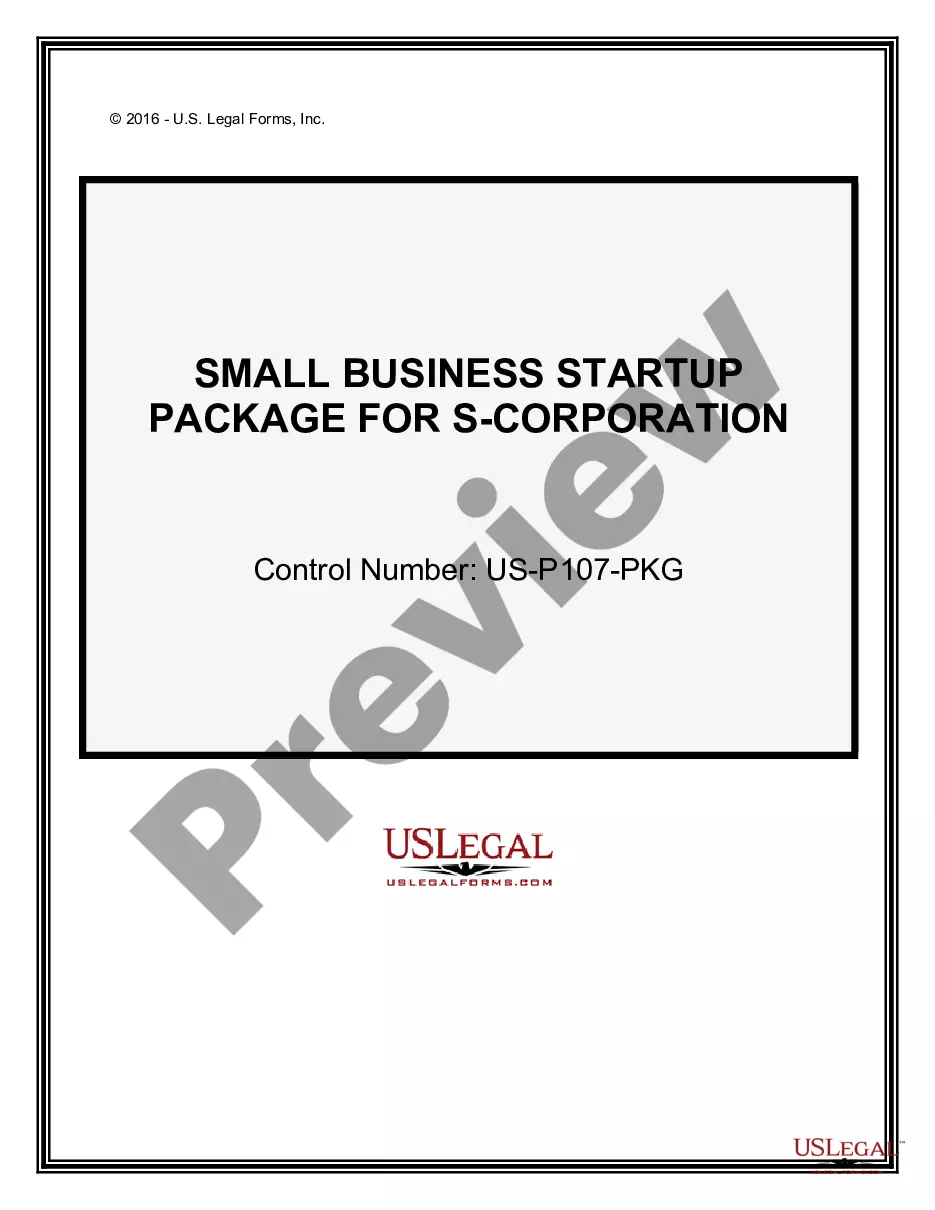
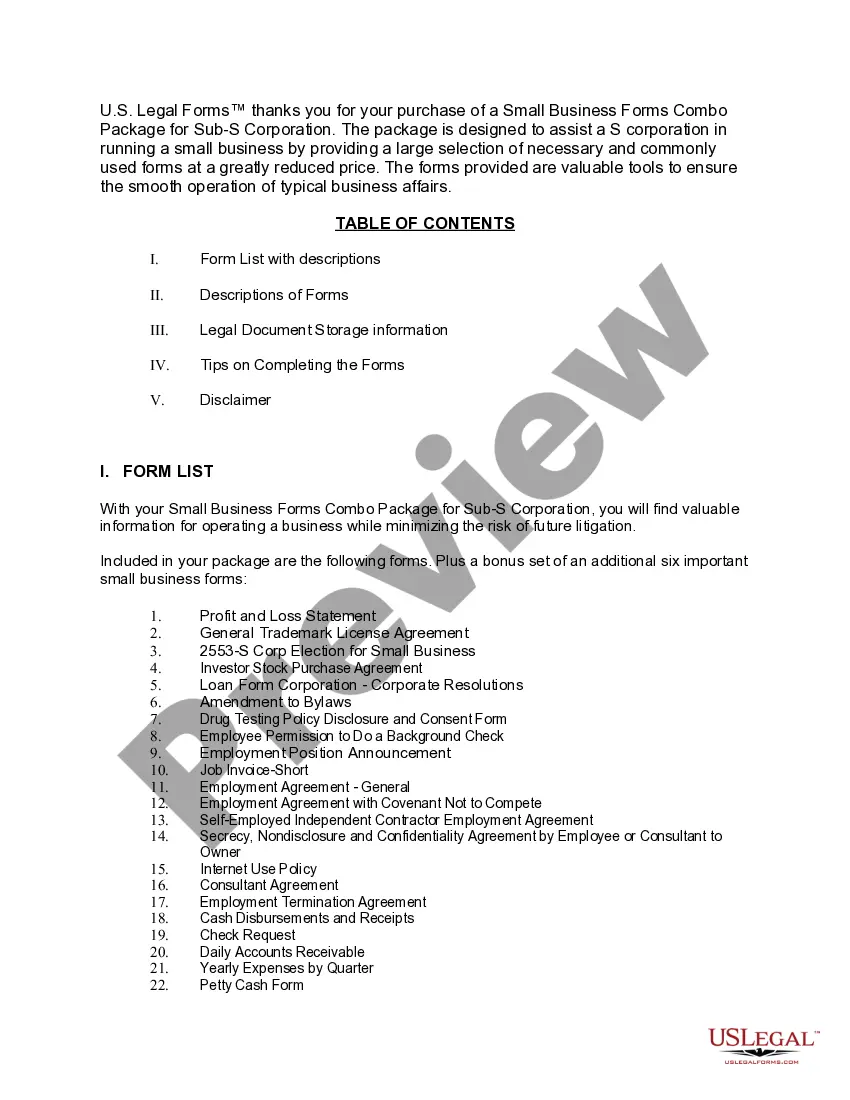
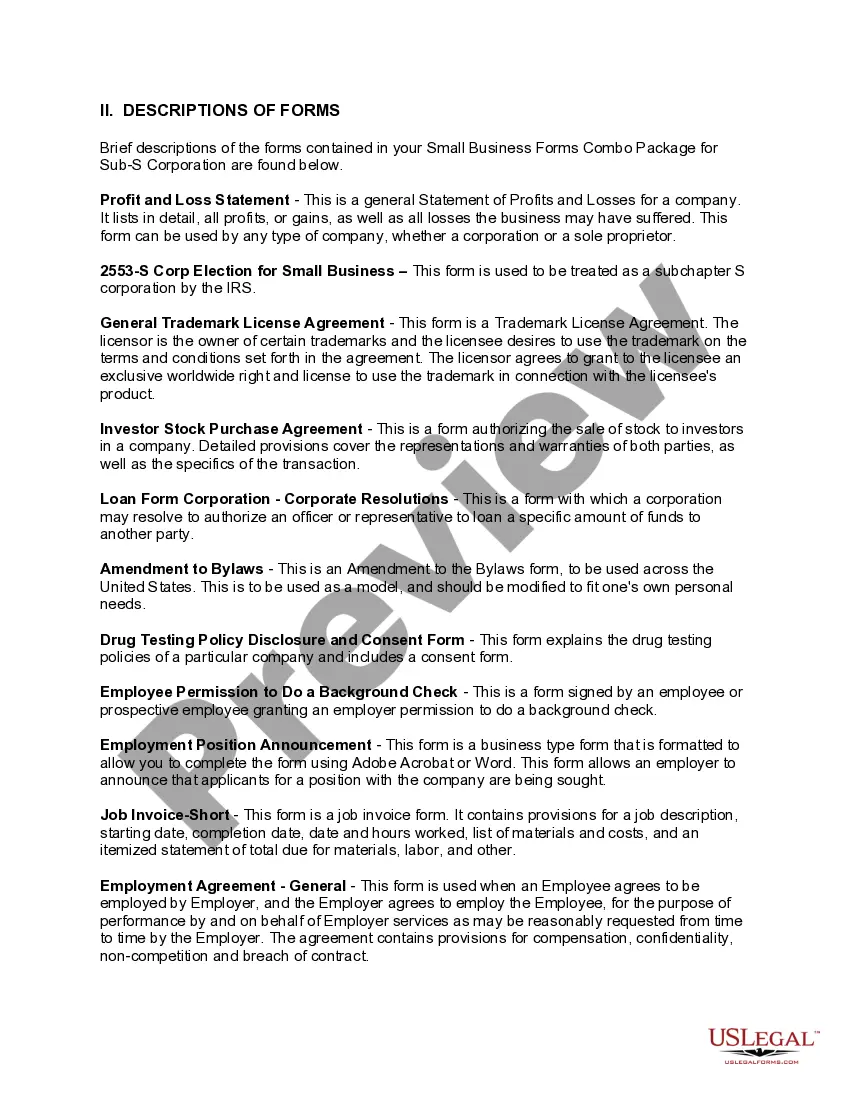
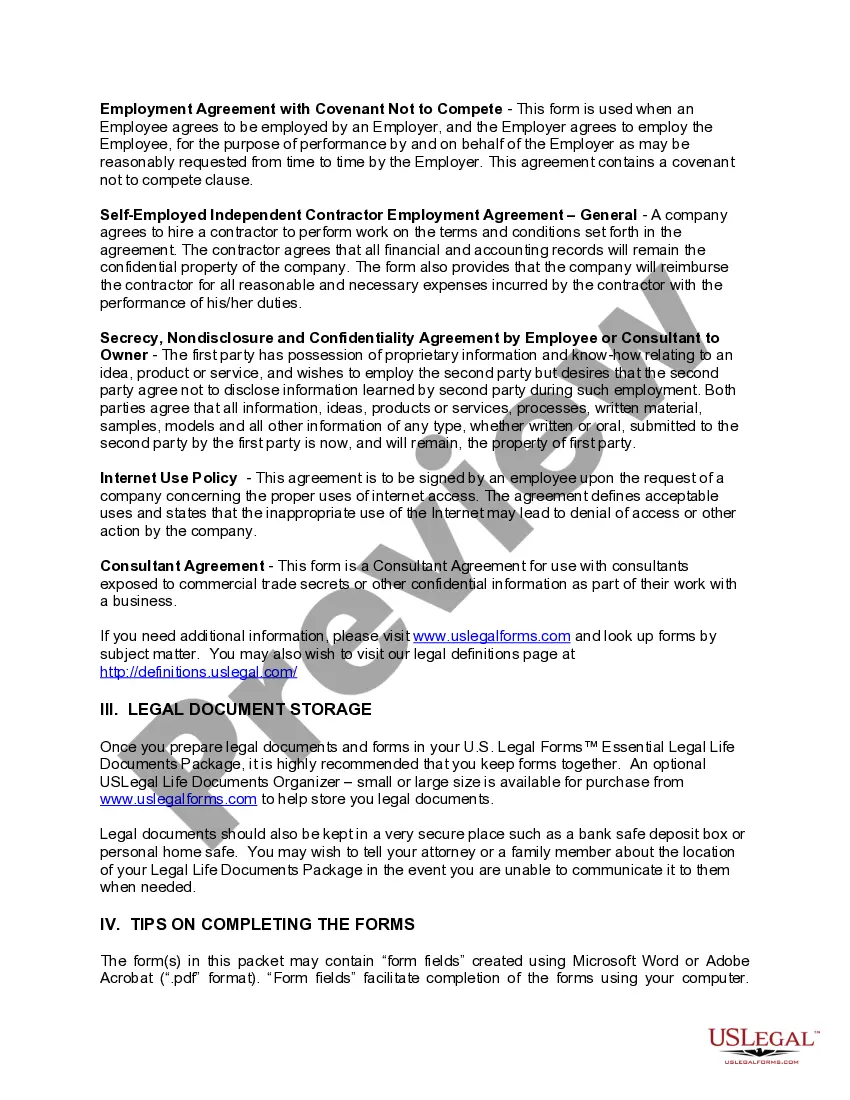
How to fill out Small Business Startup Package For S-Corporation?
- Log in to your existing US Legal Forms account. If you're a new user, create an account first.
- Browse the extensive library to locate the S corporation agreement form and check its preview to ensure it meets your needs.
- If you require additional templates or forms, use the Search feature for relevant options.
- Select the desired subscription plan to gain access to premium resources and expert assistance if needed.
- Complete your purchase using your credit card or PayPal.
- Download the finalized document and save it on your device. You can also access it later in the My Forms section of your profile.
In conclusion, creating an S corporation agreement with a corporation is simplified through US Legal Forms' user-friendly platform. With a robust collection of documents and the option for expert guidance, you can ensure that your legal agreements are both comprehensive and compliant.
Start exploring the options today and streamline your legal document creation!
Form popularity
FAQ
Generally, you do not need a new Employer Identification Number (EIN) when converting from a C corporation to an S corporation. The EIN remains the same as long as the structure of the business does not significantly change. However, it's essential to maintain accurate records, including your S corporation agreement with a corporation, to support your business's continuity during this transition. Check with the IRS for any specific instances where a new EIN may be necessary.
Converting a C corporation to an S corporation involves filing Form 2553 with the IRS, which indicates your intent to change your tax status. You must also meet specific eligibility requirements, including having a compatible S corporation agreement with a corporation. Reviewing your current financial situation and planning accordingly can facilitate this transition. Consulting a tax professional can provide valuable insights during the conversion process.
To obtain proof of your S corporation status, you can request a copy of your approved Form 2553 from the IRS. This document serves as evidence of your corporation's S status. Additionally, your company's organizational documents, such as the articles of incorporation and the S corporation agreement with a corporation, can also serve as supporting proof. It's important to keep these documents organized and readily accessible.
You can switch to an S corporation status, but you must adhere to specific deadlines. The IRS requires the Form 2553 to be filed within a certain timeframe, typically within two months and 15 days of the tax year you wish to start as an S corporation. Ensuring you have a proper S corporation agreement with a corporation will help make this transition smoother. Always check current IRS requirements to avoid any complications.
To change your C corporation to an S corporation, you need to file Form 2553 with the IRS. You must ensure your corporation meets all eligibility requirements at the time of filing. This includes having a valid S corporation agreement with a corporation and adhering to all necessary regulations. Consulting with a tax professional can simplify this process and provide essential guidance.
Yes, a corporation can be a shareholder in an S corporation under specific conditions. However, only eligible domestic corporations can hold shares in an S corporation. It is essential to ensure that the S corporation agreement with a corporation adheres to IRS guidelines. This structure allows for flexibility and potential growth opportunities for your business.
An operating agreement is not legally required for S corporations but is highly recommended. This document outlines the management structure and operating procedures of your S corporation. It serves as a guide for decision-making and helps prevent misunderstandings among owners. Furthermore, having an operating agreement can enhance the credibility of your S corporation agreement with a corporation.
No, an S corporation cannot have an S corporation subsidiary; however, it can have a C corporation subsidiary. This restriction keeps the S corporation from losing its tax status and simplifies the management of your S corporation agreement with a corporation. If you're considering structuring, it's wise to consult with experts in business formation.
Yes, an S corporation can have a shareholder agreement, which is designed to protect the interests of its shareholders. This agreement details the rights and obligations of shareholders, including ownership transfer and decision-making processes. Establishing a shareholder agreement strengthens your S corporation agreement with a corporation by ensuring all parties are on the same page.
An S corporation does not legally require an operating agreement, but having one is highly advisable. An operating agreement helps in defining the roles, responsibilities, and operations of the corporation, promoting clarity among shareholders. This document can greatly benefit your S corporation agreement with a corporation by outlining procedures and expectations effectively.