Property Partition Suit Withdrawn
Description
Get your form ready online
Our built-in tools help you complete, sign, share, and store your documents in one place.
Make edits, fill in missing information, and update formatting in US Legal Forms—just like you would in MS Word.
Download a copy, print it, send it by email, or mail it via USPS—whatever works best for your next step.
Sign and collect signatures with our SignNow integration. Send to multiple recipients, set reminders, and more. Go Premium to unlock E-Sign.
If this form requires notarization, complete it online through a secure video call—no need to meet a notary in person or wait for an appointment.
We protect your documents and personal data by following strict security and privacy standards.

Make edits, fill in missing information, and update formatting in US Legal Forms—just like you would in MS Word.

Download a copy, print it, send it by email, or mail it via USPS—whatever works best for your next step.

Sign and collect signatures with our SignNow integration. Send to multiple recipients, set reminders, and more. Go Premium to unlock E-Sign.

If this form requires notarization, complete it online through a secure video call—no need to meet a notary in person or wait for an appointment.

We protect your documents and personal data by following strict security and privacy standards.
Looking for another form?

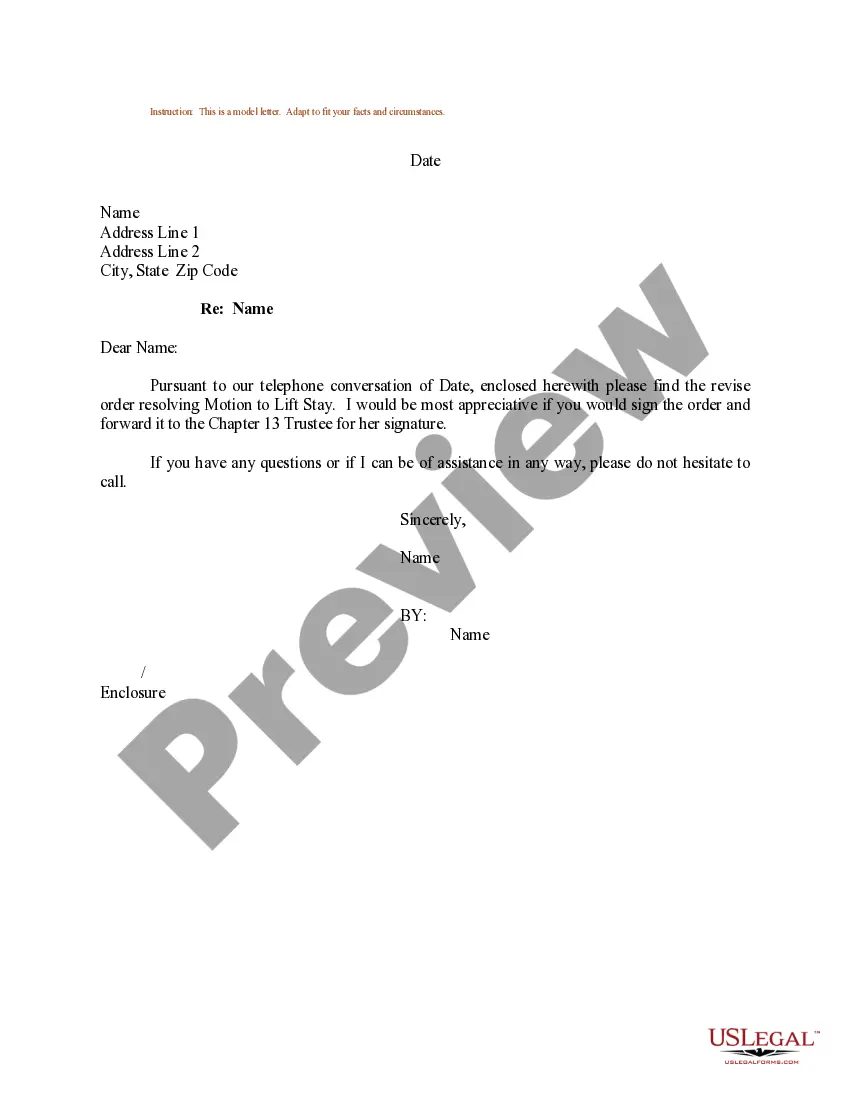
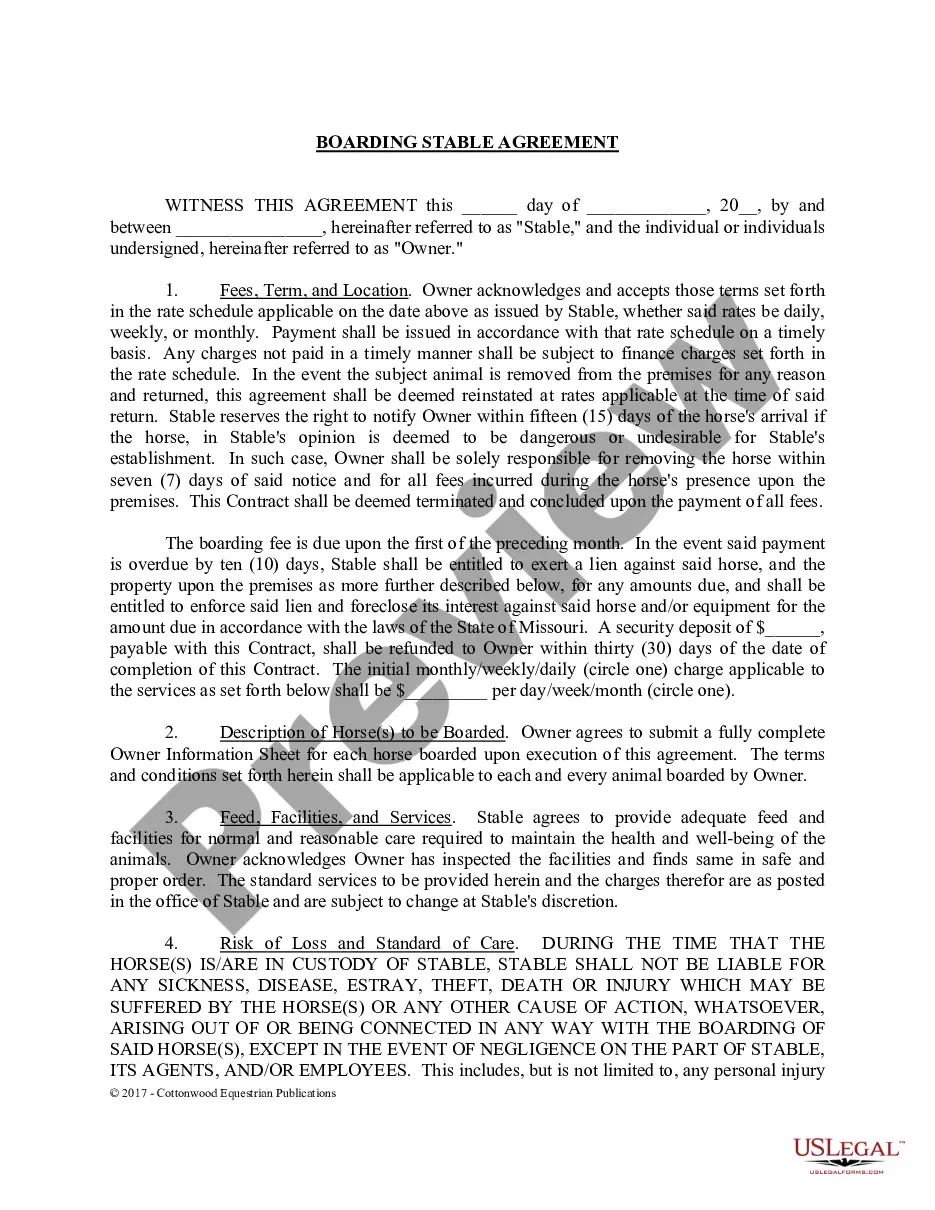
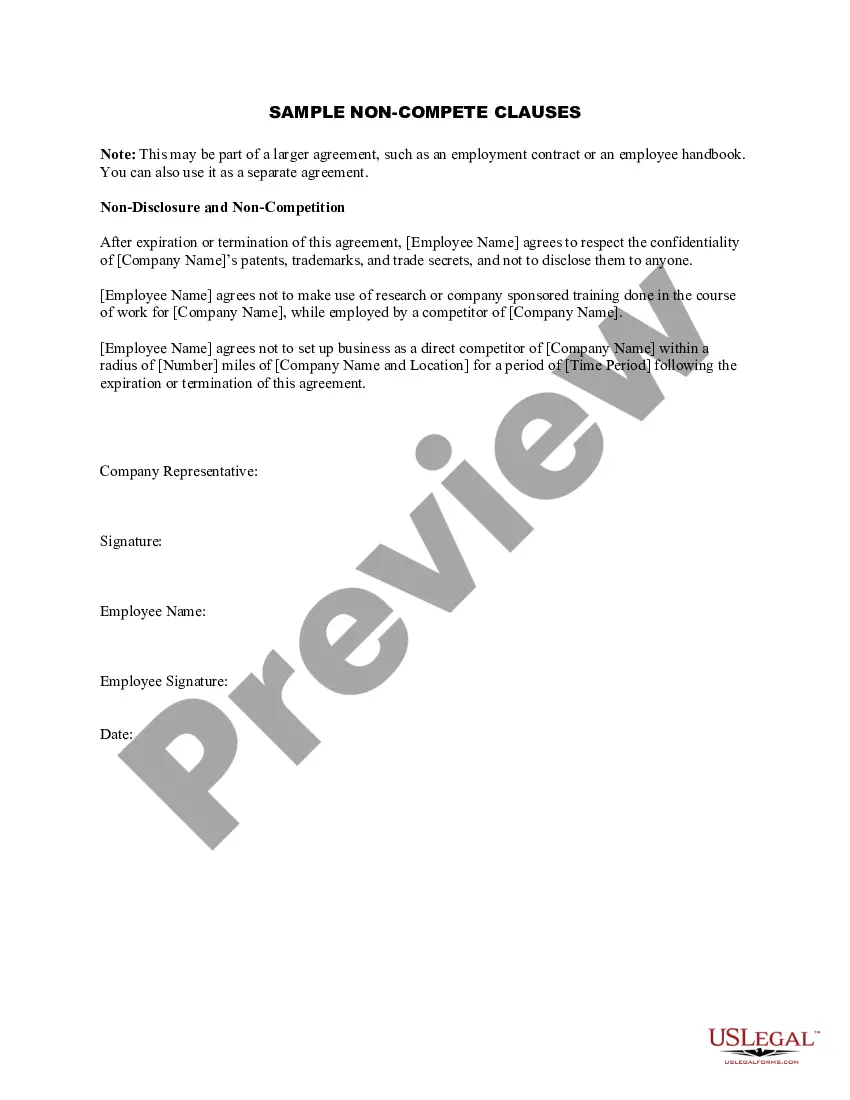
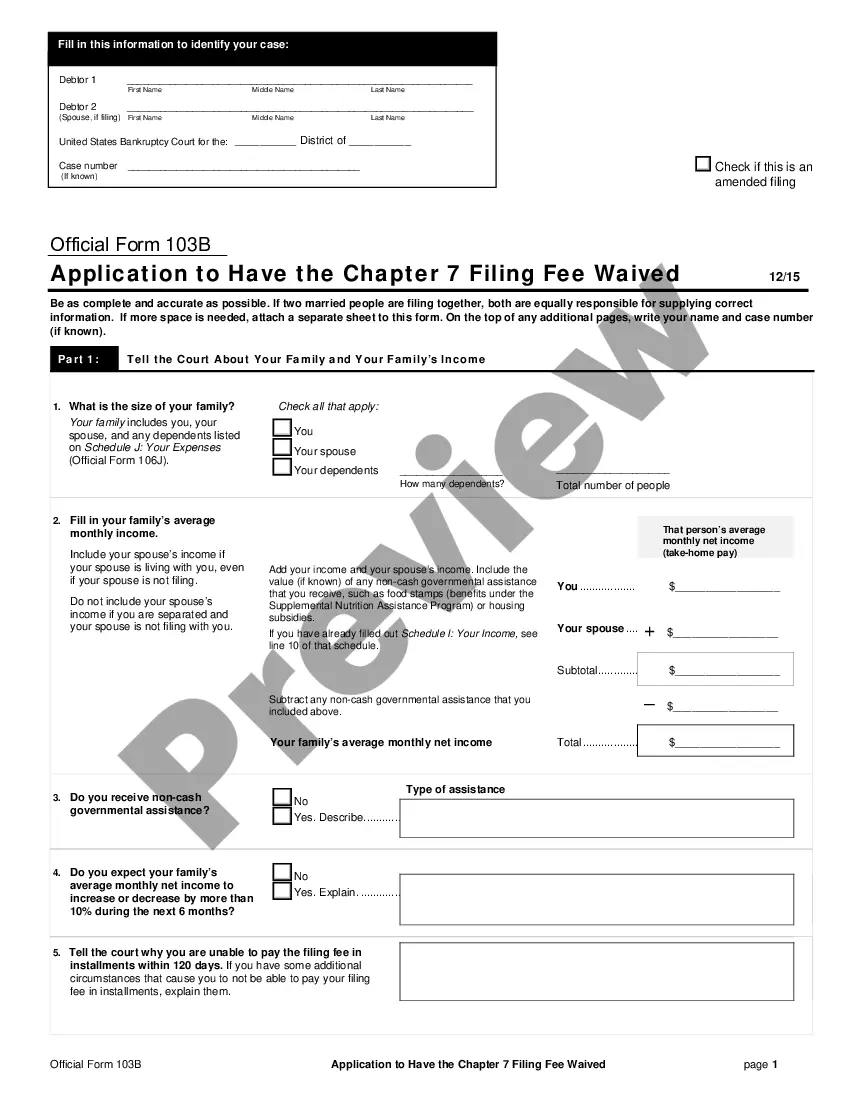

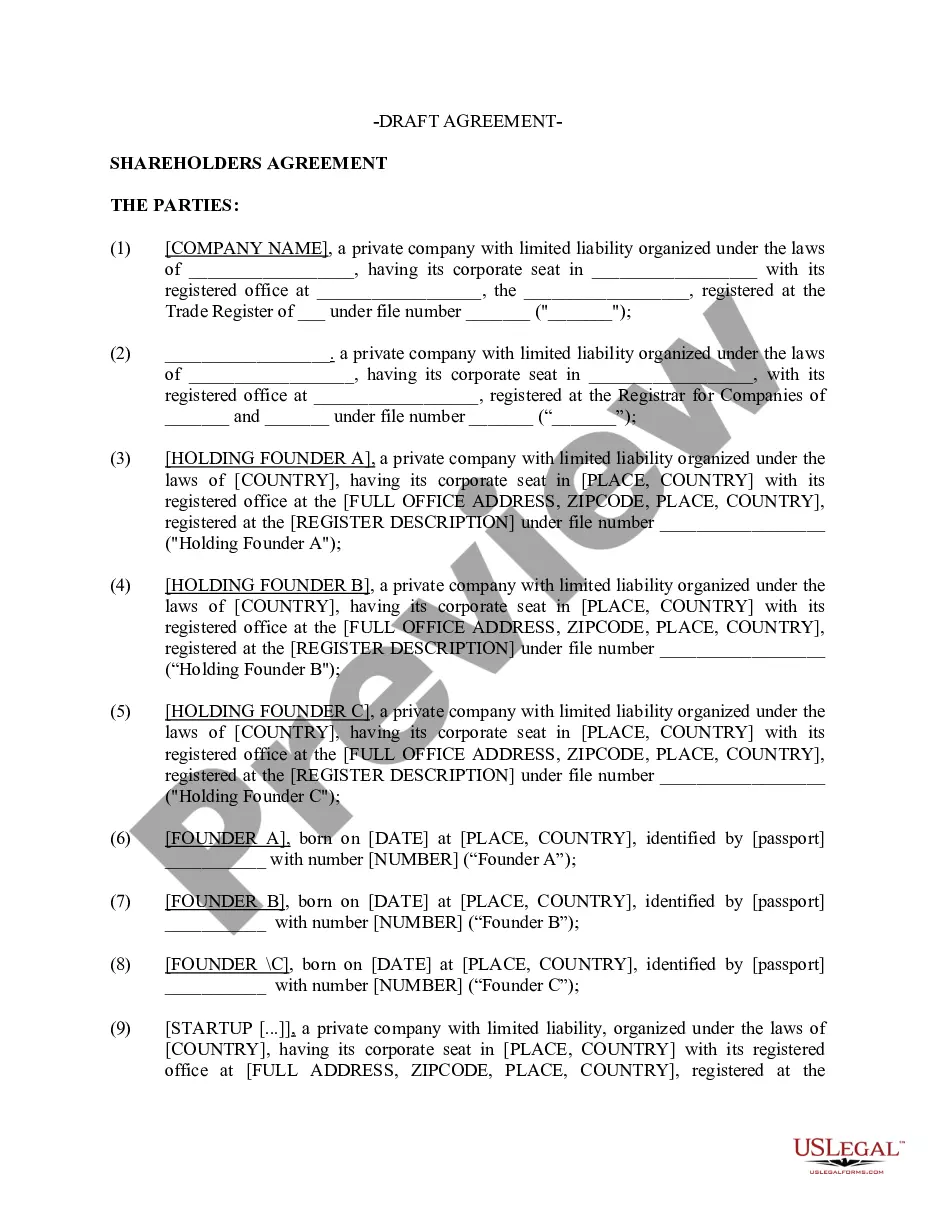
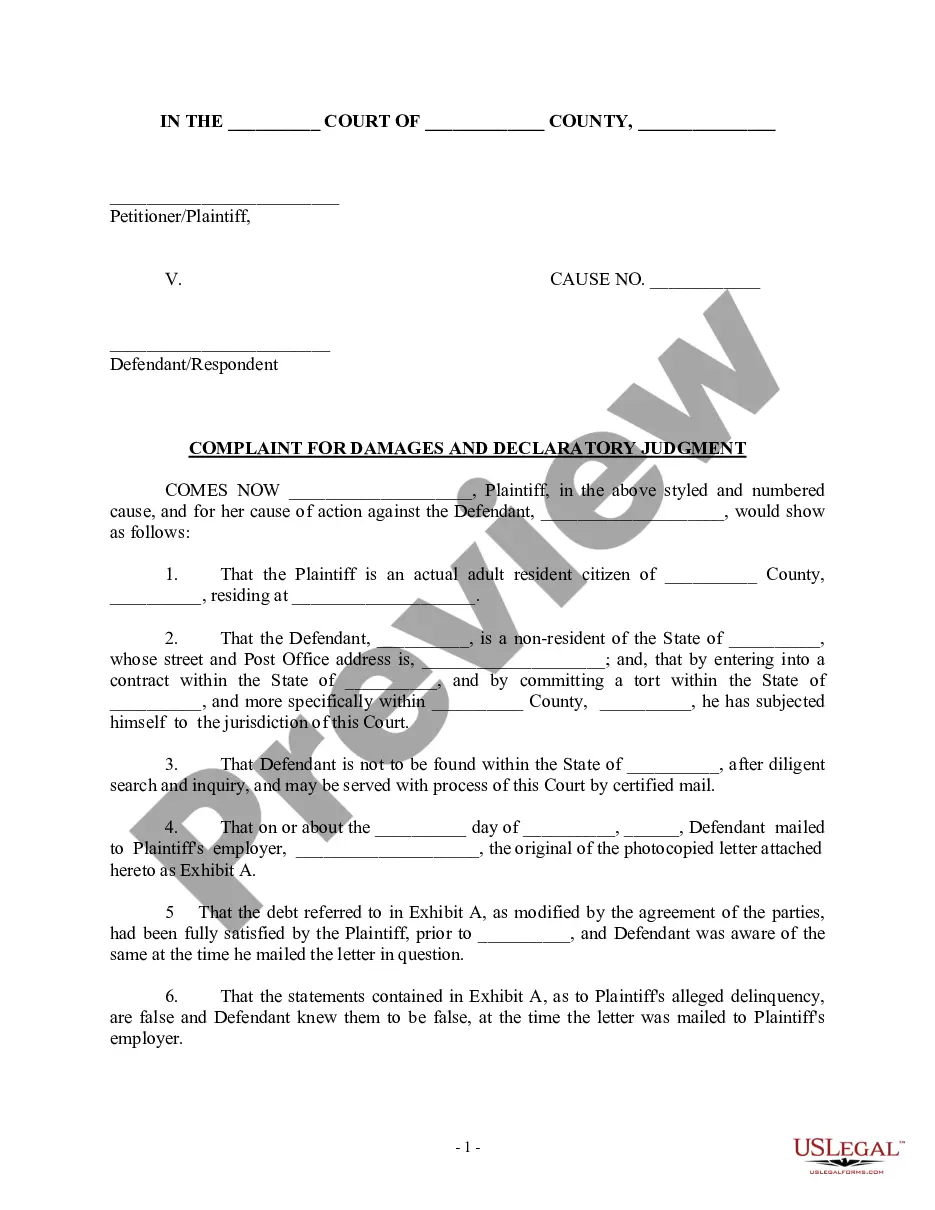
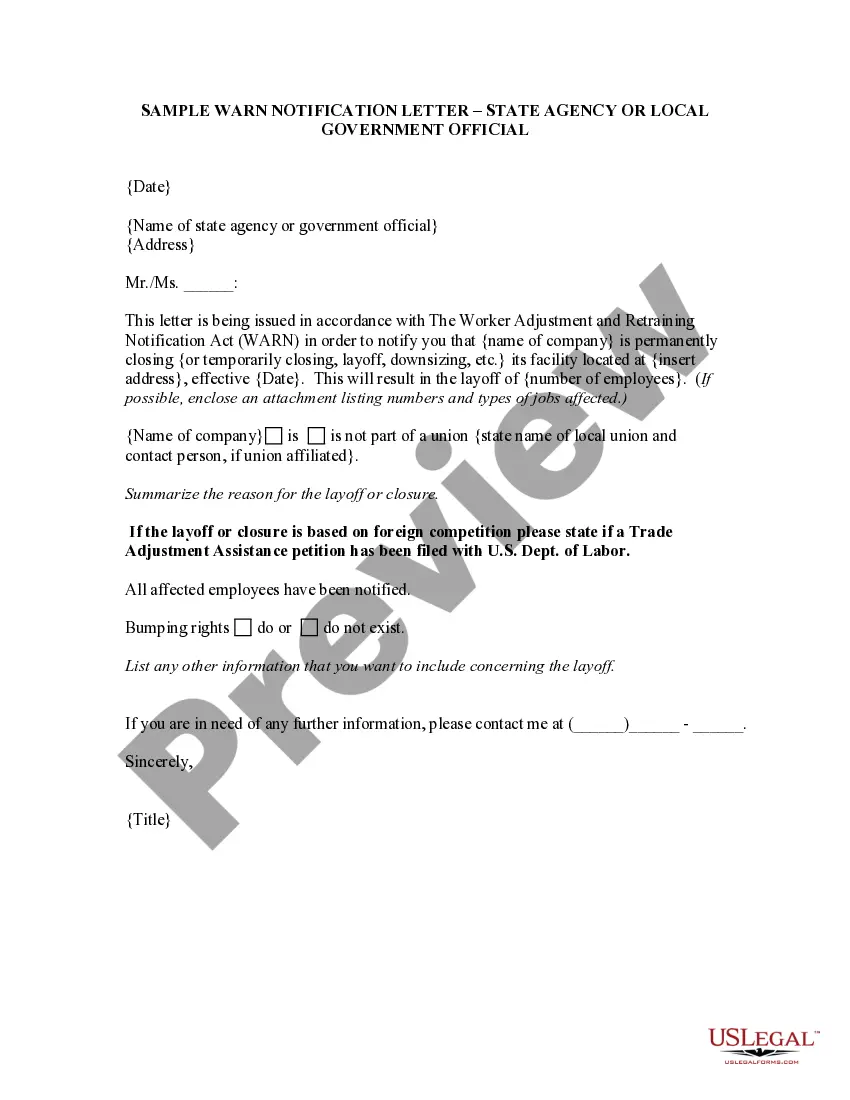
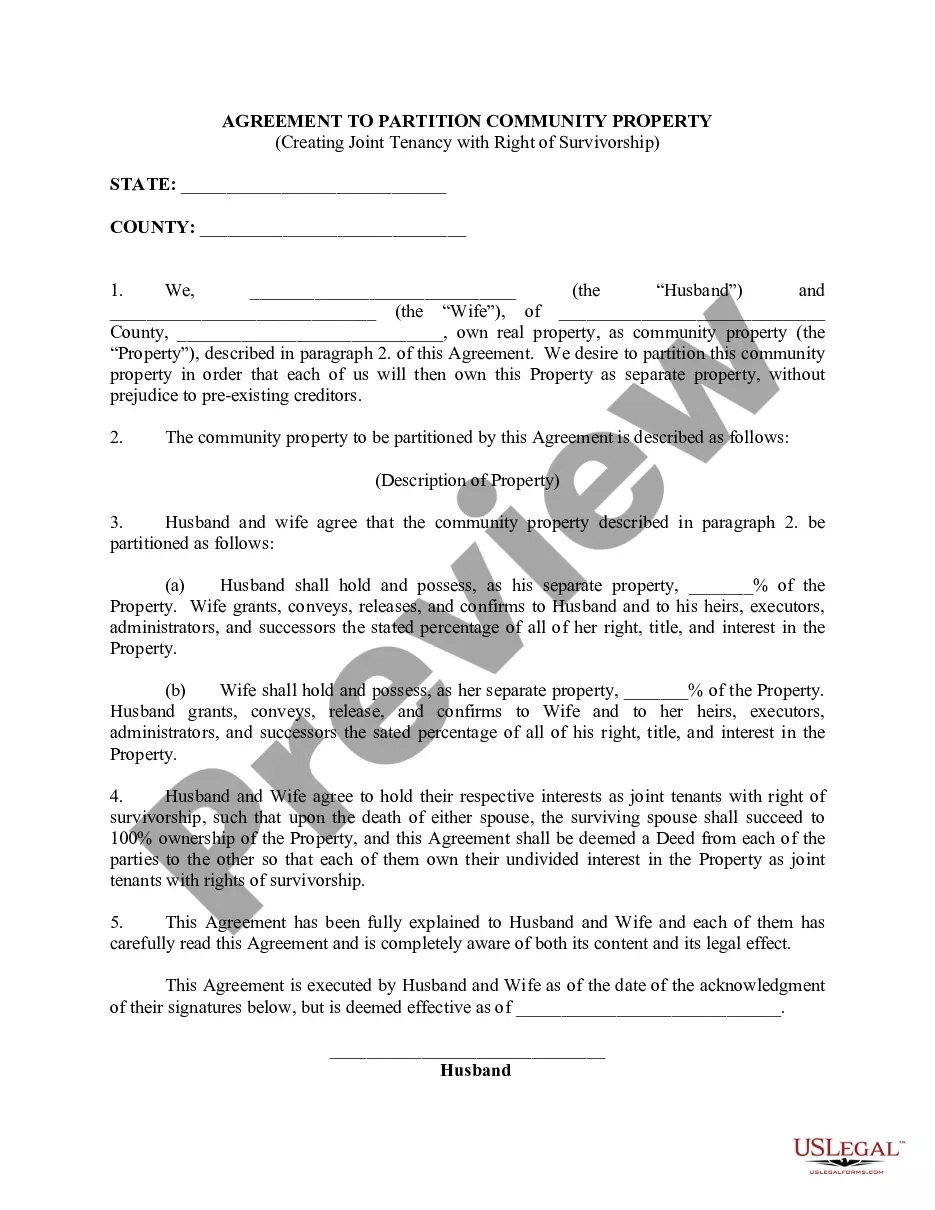
How to fill out Agreement To Partition Community Property Creating Joint Tenancy With Right Of Survivorship?
Creating legal documents from scratch can often be daunting.
Certain cases may require extensive research and significant financial investment.
If you’re looking for a simpler and more cost-effective method of drafting Property Partition Suit Withdrawn or any other paperwork without unnecessary complications, US Legal Forms is always accessible.
Our online collection of over 85,000 current legal forms encompasses nearly every facet of your financial, legal, and personal affairs.
Review the form preview and descriptions to confirm that you have located the document you need. Ensure the form you select aligns with the laws and regulations of your state and county. Choose the appropriate subscription option to acquire the Property Partition Suit Withdrawn. Download the form, then complete, sign, and print it out. US Legal Forms boasts a solid reputation and over 25 years of experience. Join us today and make form execution straightforward and efficient!
- With just a few clicks, you can swiftly find state- and county-specific templates meticulously crafted by our legal experts.
- Utilize our platform whenever you require a dependable and trustworthy service to efficiently locate and download the Property Partition Suit Withdrawn.
- If you’re already familiar with our services and have previously registered an account with us, simply Log In to your account, choose the form, and download it or re-download it at any time in the My documents section.
- Don't have an account? No problem. Registering takes only a few minutes, allowing you to browse the library.
- However, before diving into downloading Property Partition Suit Withdrawn, adhere to these guidelines.
Form popularity
FAQ
Yes, a plaintiff can withdraw a property partition suit at any time before the court reaches a final judgment. This decision can occur for various reasons, such as reaching an agreement with co-owners or reassessing the situation. However, withdrawing a suit does not always eliminate the possibility of future claims. If you're facing a partition action, using resources like US Legal Forms can provide you with valuable information and tools to navigate this process effectively.
To effectively counter a partition action, you should gather strong evidence that demonstrates your ownership interest and any agreements made with co-owners. Engaging in negotiation can be beneficial, as it may lead to a mutually agreeable settlement before the case progresses. If you successfully prove that a property partition suit withdrawn is in the best interest of all parties involved, you may avoid a court-ordered sale. Consulting with legal professionals experienced in property disputes can further strengthen your position.
Yes, a partition suit can be withdrawn under certain circumstances. If coowners reach an agreement or decide to resolve the matter amicably, they can formally withdraw the suit. This process can save time, resources, and emotional stress for all involved. If you find yourself in such a situation, our platform at US Legal Forms can help you navigate the withdrawal process smoothly.
The limitation period for filing a partition suit varies by state, but it typically ranges from three to ten years. It's crucial to understand this timeframe to ensure your rights are protected. If you fail to initiate the suit within the designated period, you may lose the opportunity to seek a partition. Remember, if circumstances evolve, you can always consider having the property partition suit withdrawn before it escalates.
A coowner may file a partition suit to seek a fair division of property when they can no longer agree on its use or management. This legal action helps resolve disputes, allowing each coowner to receive their rightful share. By initiating a partition suit, the coowner can also potentially expedite the sale of the property if division is not feasible. If the situation changes, such as reaching an agreement, the property partition suit can be withdrawn.
Here are some of the most common ways to win a partition suit: Getting bought out at a fair price. ... The property being sold on the open market. ... Getting a co-owner to move out of the property so it can be rented. ... Getting reimbursed for the funds you put into the property.
A California partition action happens when one co-owner of real property wants to sell but other co-owners do not want to sell their ownership rights. Partition means division.
If, at any time after the petition is filed, the petitioner desires to withdraw the same, he shall file with the hearing clerk (or, if filed during the course of a hearing, with the judge) a written request for permission to withdraw.
How to Stop a Partition Action Forced Appraised Buyout under the Partition of Real Property Act (previously the Uniform Partition of Heirs Property Act) ... Request Determination of Offsets and Reimbursements. ... Challenging a Plaintiff's Ownership Interest (Standing to Bring a Partition Action) ... Waiver of Right to Partition.
Once a complaint is filed and FIR registered the complainant cannot withdraw it but once it reaches court and if the offence is compoundable the case can be closed as compromised. Compoundable offences are not very serious offences and are mentioned in table in Section 320 of the CrPC. The complainant may ente...