Transfer On Death Bank Account With Trust
Description
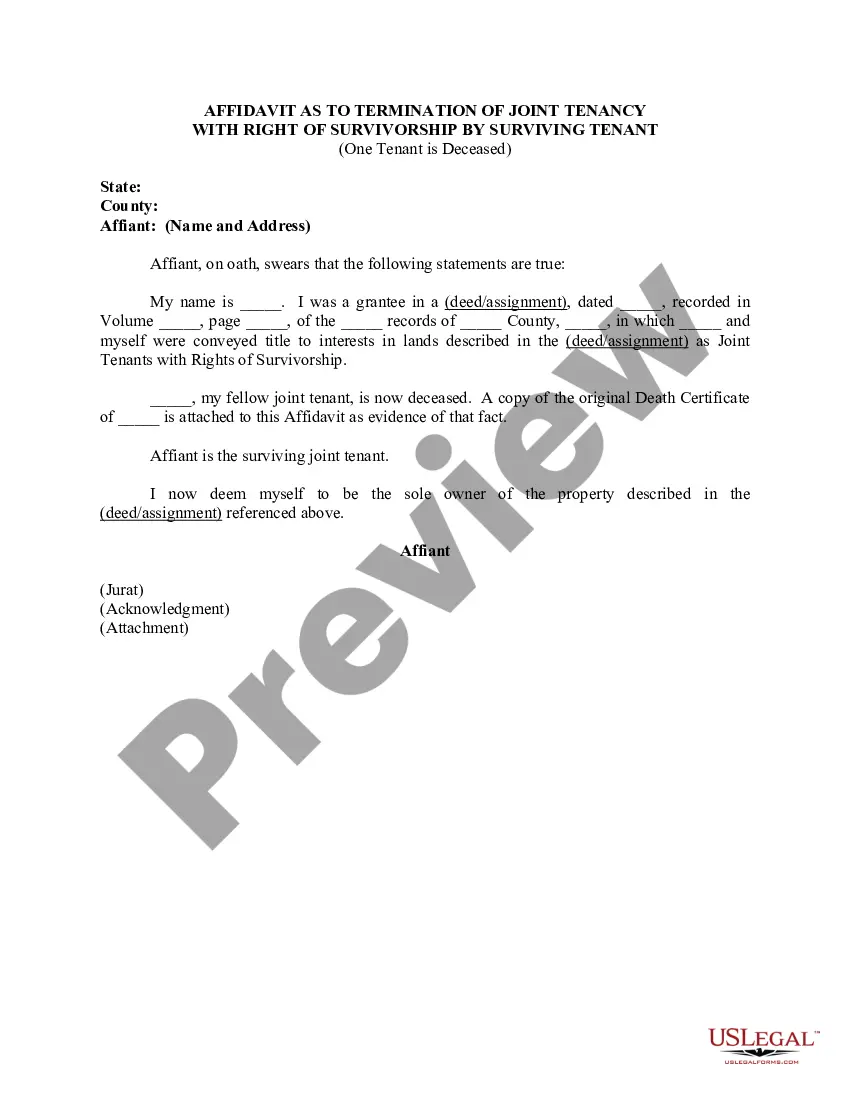
Get your form ready online
Our built-in tools help you complete, sign, share, and store your documents in one place.
Make edits, fill in missing information, and update formatting in US Legal Forms—just like you would in MS Word.
Download a copy, print it, send it by email, or mail it via USPS—whatever works best for your next step.
Sign and collect signatures with our SignNow integration. Send to multiple recipients, set reminders, and more. Go Premium to unlock E-Sign.
If this form requires notarization, complete it online through a secure video call—no need to meet a notary in person or wait for an appointment.
We protect your documents and personal data by following strict security and privacy standards.

Make edits, fill in missing information, and update formatting in US Legal Forms—just like you would in MS Word.

Download a copy, print it, send it by email, or mail it via USPS—whatever works best for your next step.

Sign and collect signatures with our SignNow integration. Send to multiple recipients, set reminders, and more. Go Premium to unlock E-Sign.

If this form requires notarization, complete it online through a secure video call—no need to meet a notary in person or wait for an appointment.

We protect your documents and personal data by following strict security and privacy standards.
Looking for another form?
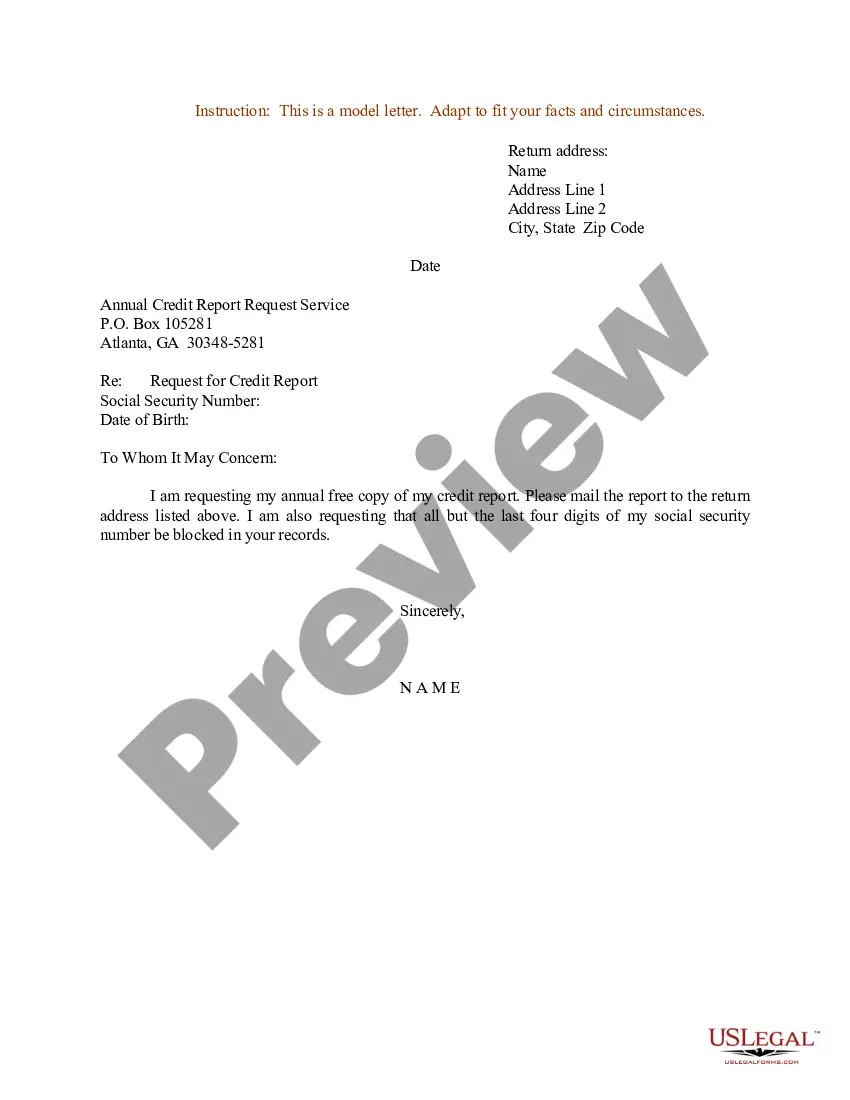





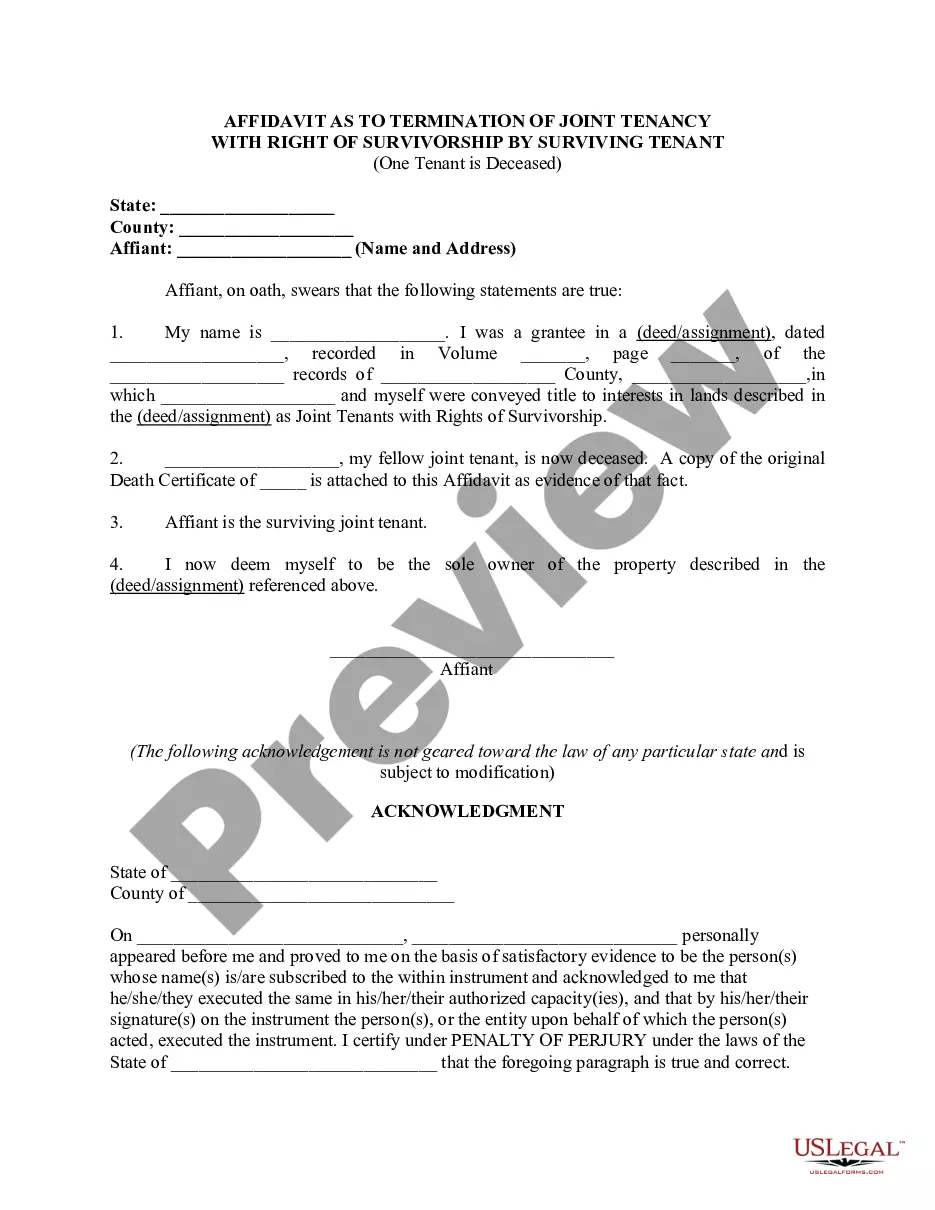
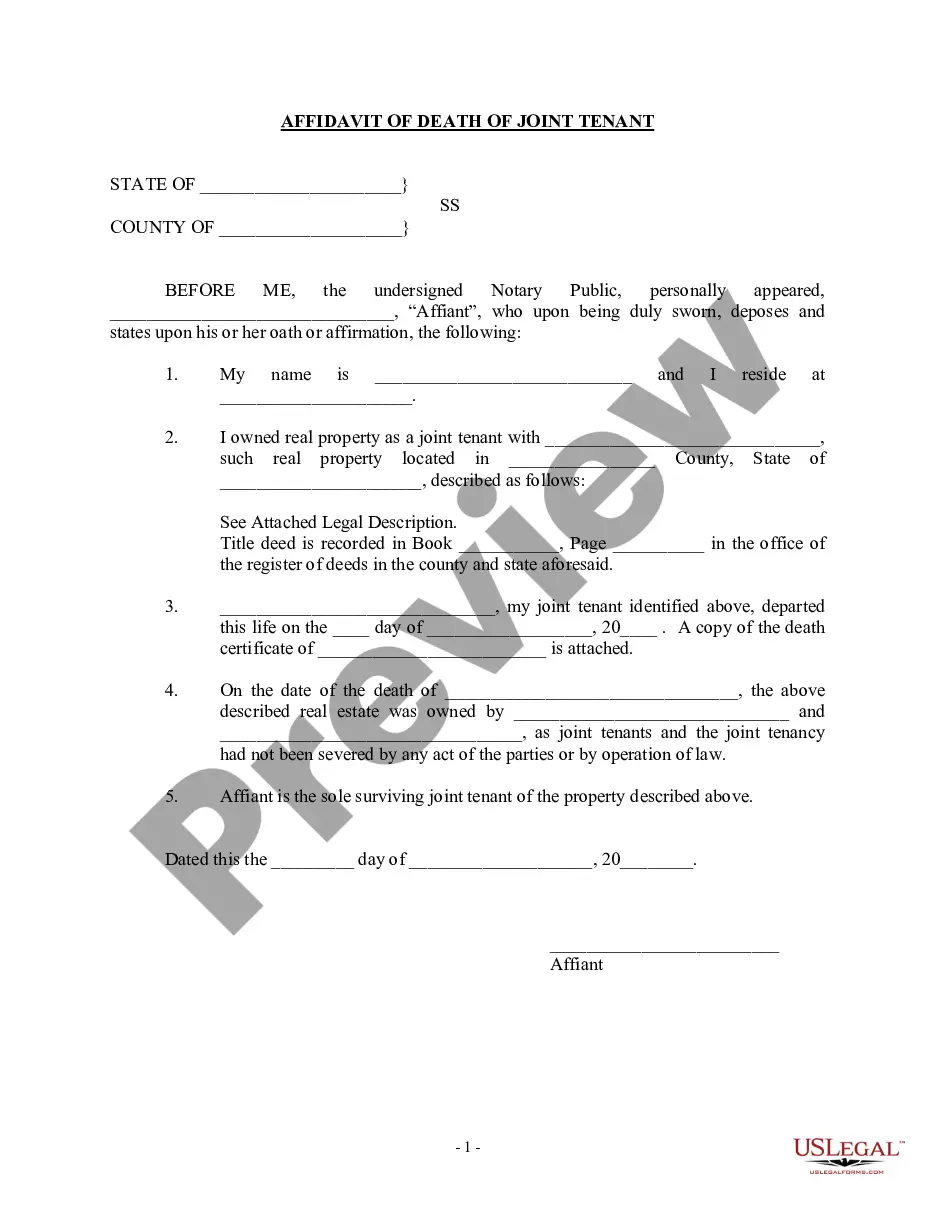
How to fill out Affidavit For Transferring Property After Death In Joint Tenancy With Right Of Survivorship By Surviving Tenant When One Tenant Is Deceased?
Engaging with legal paperwork and processes might be a lengthy addition to your entire day.
Transfer On Death Bank Account With Trust and similar forms typically require you to search for them and comprehend how to fill them out properly.
Consequently, whether you are managing financial, legal, or personal issues, utilizing a comprehensive and user-friendly online directory of forms when necessary will be greatly beneficial.
US Legal Forms is the leading online service for legal templates, featuring over 85,000 state-specific forms and a variety of tools that will assist you in completing your documents with ease.
Is this your first time using US Legal Forms? Sign up and establish a free account within minutes to gain access to the form catalog and Transfer On Death Bank Account With Trust. Then, follow the steps outlined below to complete your form.
- Explore the collection of relevant documents available to you with just one click.
- US Legal Forms provides state- and county-specific forms available for download at any time.
- Safeguard your document handling processes by utilizing a high-quality service that allows you to create any form in minutes without extra or concealed fees.
- Simply Log In to your account, locate Transfer On Death Bank Account With Trust and retrieve it immediately from the My documents section.
- You can also access previously downloaded forms.
Form popularity
FAQ
To set up a transfer on death bank account, start by contacting your bank to understand their specific procedures. You will complete the required documentation, naming your chosen beneficiary who will inherit the account upon your death. Using a transfer on death bank account with trust can help you secure peace of mind, knowing your assets will transfer smoothly and without delay.
Transfer on death bank accounts with trust can be seen as an extension of beneficiary designations, offering a direct path to asset transfer. They typically avoid the delays of probate, which can be a major advantage. However, having a beneficiary named in a will can provide a layer of legal oversight that a TOD account may lack.
The way it differs from a TOD deed is that a living trust can be used for any type of asset, not just real estate. So if you have stocks, savings accounts, valuable belongings, or other assets that you want to transfer to someone after your death, a living trust is a way to do it.
Yes. It is always a good idea to have a trust to handle your assets after your death. Although naming the beneficiaries of your accounts ensures that they can avoid probate, it overrides any estate planning you may have in place already.
Payable on death (POD) is an arrangement that an individual makes with financial institutions to designate beneficiaries to their bank accounts or certificates of deposit (CDs). A POD arrangement is also known as a Totten trust. PODs are simpler to create and maintain than trusts and wills.
Bank Accounts Owned by a Trust Any assets held by a trust are not subject to probate. However, since trusts are established and conditioned by a benefactor, a trust-owned account must be operated in ance with the terms of the trust.
But one of the most common reasons for using a trust as a beneficiary is to avoid a large financial lump-sum payment going directly to your loved ones as a one-time payment. You will designate beneficiaries when you establish your financial account, bank account or insurance policy.