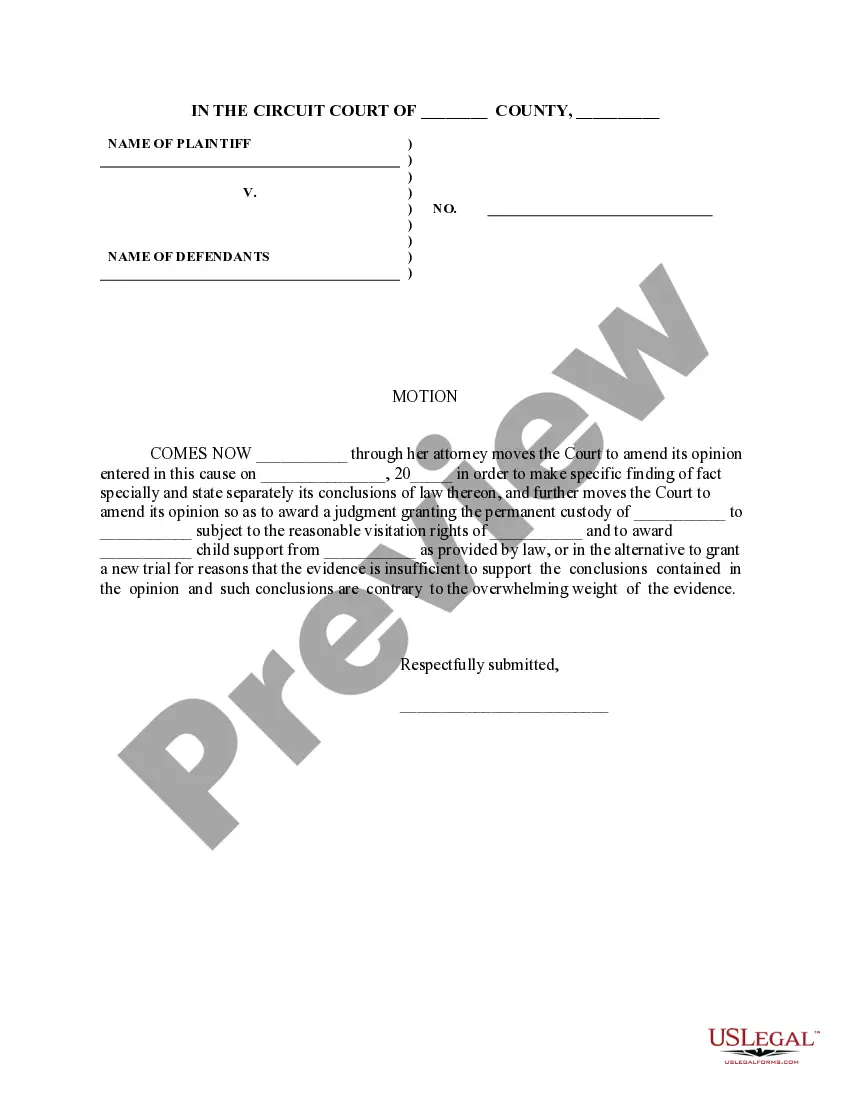
Findings Fact Conclusions Law With Order
Description
Get your form ready online
Our built-in tools help you complete, sign, share, and store your documents in one place.
Make edits, fill in missing information, and update formatting in US Legal Forms—just like you would in MS Word.
Download a copy, print it, send it by email, or mail it via USPS—whatever works best for your next step.
Sign and collect signatures with our SignNow integration. Send to multiple recipients, set reminders, and more. Go Premium to unlock E-Sign.
If this form requires notarization, complete it online through a secure video call—no need to meet a notary in person or wait for an appointment.
We protect your documents and personal data by following strict security and privacy standards.

Make edits, fill in missing information, and update formatting in US Legal Forms—just like you would in MS Word.

Download a copy, print it, send it by email, or mail it via USPS—whatever works best for your next step.

Sign and collect signatures with our SignNow integration. Send to multiple recipients, set reminders, and more. Go Premium to unlock E-Sign.

If this form requires notarization, complete it online through a secure video call—no need to meet a notary in person or wait for an appointment.

We protect your documents and personal data by following strict security and privacy standards.
Looking for another form?





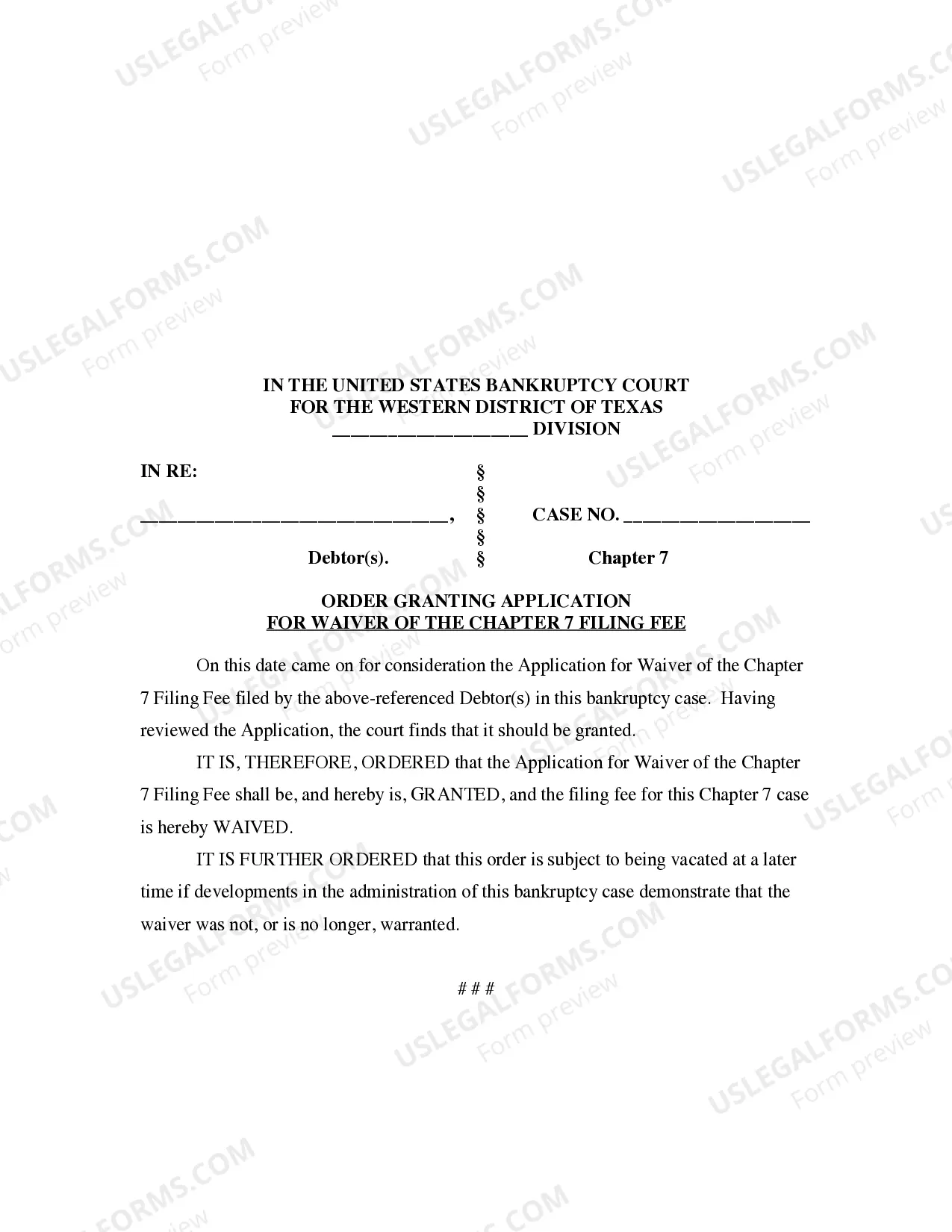

How to fill out Motion To Make Specific Findings Of Fact And State Conclusions Of Law - Domestic Relations?
Legal documents handling can be daunting, even for experienced experts.
If you're interested in a Findings Fact Conclusions Law With Order and lack the time to seek the accurate and current version, the processes can be taxing.
Access a valuable repository of articles, guides, handbooks, and resources pertinent to your scenario and needs.
Save time and effort in searching for the documents you require, and employ US Legal Forms’ sophisticated search and Review tool to obtain your Findings Fact Conclusions Law With Order.
Select Buy Now when you're ready, choose a monthly subscription plan, pick your preferred file format, and Download, fill out, eSign, print, and send your documents. Benefit from the US Legal Forms online library, supported by 25 years of expertise and trustworthiness. Streamline your document management process today with ease and convenience.
- If you have a subscription, Log In to your US Legal Forms account, search for the form, and download it.
- Check your My documents tab to see the documents you have saved and manage your folders as desired.
- If this is your first time with US Legal Forms, create a complimentary account for full access to the platform's features.
- After downloading the form you need, verify that it is the correct document by previewing and reviewing its details.
- Ensure that the template is accepted in your state or county.
- Access state- or county-specific legal and business forms.
- US Legal Forms addresses any requirements you might have, from personal to business documents, all conveniently located in one place.
- Utilize advanced tools to complete and manage your Findings Fact Conclusions Law With Order.
Form popularity
FAQ
Rule 297 of the Texas Rules of Civil Procedure outlines the procedures for requesting findings of fact and conclusions of law from the court. This rule allows parties to gain clarity about the decisions made and the rationale behind a court's judgment. For a deeper understanding of these essential elements of a case, USLegalForms offers resources to help individuals navigate the findings of fact and conclusions of law with order.
Rule 55 of the NC Rules of Civil Procedure addresses default judgments in civil cases. It allows a party to obtain a judgment if the opposing side fails to respond to a complaint. Understanding this rule can be crucial in managing case outcomes related to findings of fact and conclusions of law with order and ensuring that proper legal procedures are followed.
Rule 52 in North Carolina outlines how judges should document their findings of fact and conclusions of law after a trial. This rule ensures transparency and provides a framework for the legal reasoning behind a decision. For those involved in litigation, obtaining knowledge about these guidelines can provide deeper insights into findings of fact and conclusions of law with order.
Rule 52 of the NC Rules of Civil Procedure governs the requirements for findings of fact and conclusions of law. It entails that judges are required to provide written findings and conclusions that clarify the basis of their decisions in a case. Familiarizing yourself with these findings can be crucial in understanding legal outcomes, particularly regarding findings of fact and conclusions of law with order.
In Massachusetts, rule 52 outlines the requirements for findings of fact and conclusions of law in bench trials. This rule mandates that the judge provides a detailed account of the facts and legal conclusions that support their ruling. For individuals looking to better understand these findings, accessing resources on USLegalForms helps clarify the implications of findings of fact and conclusions of law with order.
Rule 62 of the NC Rules of Civil Procedure deals with the stay of proceedings after the filing of certain motions. It ensures that the enforcement of a judgment is paused until issues like appeals are resolved. Understanding this rule can help litigants manage their expectations when it comes to legal findings of fact and conclusions of law with order, guiding decisions effectively.
The conclusions of law necessary to be stated are the conclusions which, under the facts found, are required by the law and from which the judgment is to result. Montgomery, supra.,, citing 89 C.J.S., Trial, § 615b (1955). Conclusions of Law must be stated separately from the findings of fact.
Depending on the circumstances, the finding can be made by a judge or a jury. This could be a finding of fact (as in: the defendant was the one who robbed the bank) or a finding of law (as in: the defendant's use of the copyrighted material was protected by the fair use doctrine).
A finding of fact, also known as a conclusion of fact, refers to decisions made by the trier of fact on questions of fact in a case. Questions of fact arise when parties disagree on facts, and after presenting evidence, the trier of fact must decide what the facts actually are.
Conclusion of law refers to a decision made by a judge regarding a question of law. A conclusion of law determines what laws and how the laws apply to a particular case. These decisions often determine the outcome of a case, and they are usually the basis for review on appeal.