Motion To Suppress Statement Without Prejudice
Description
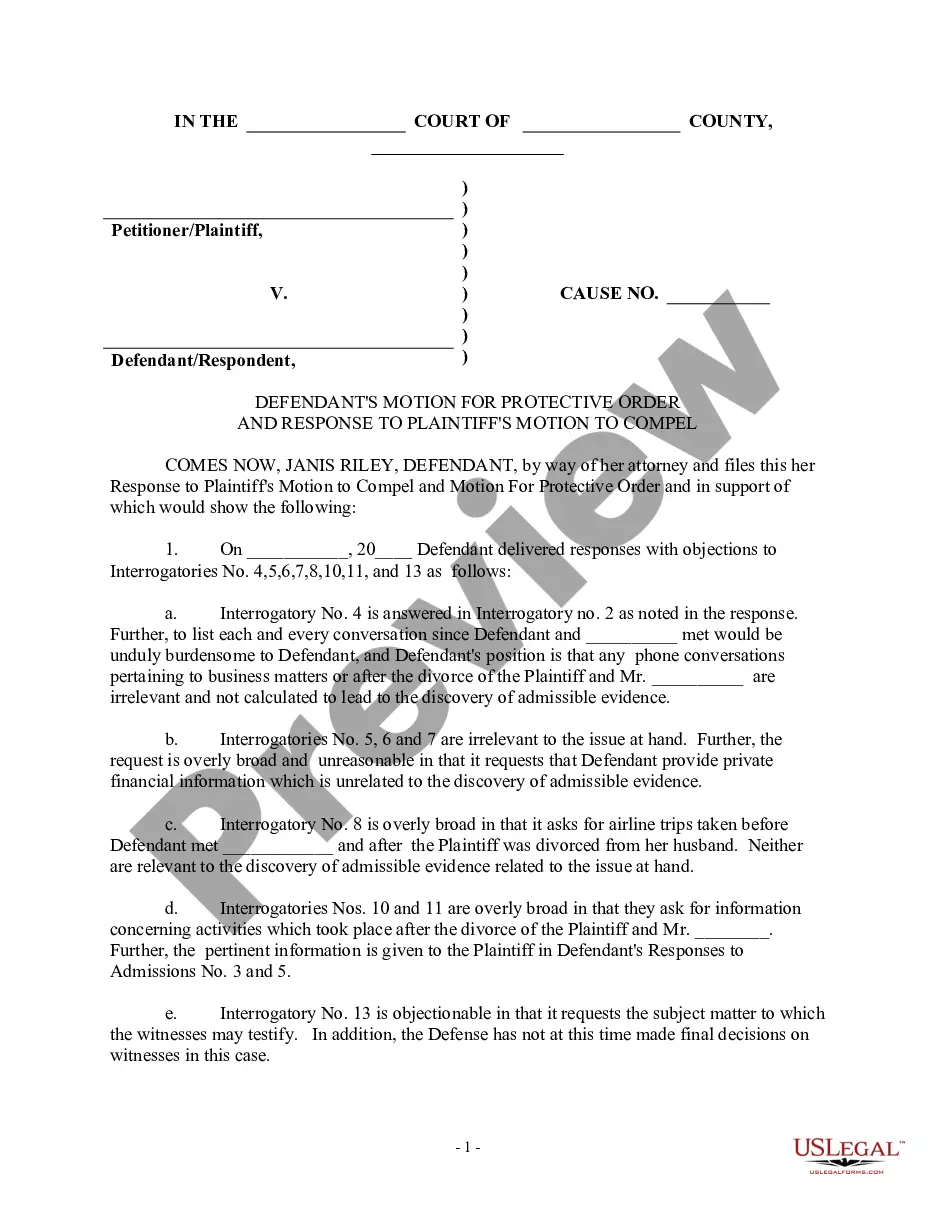
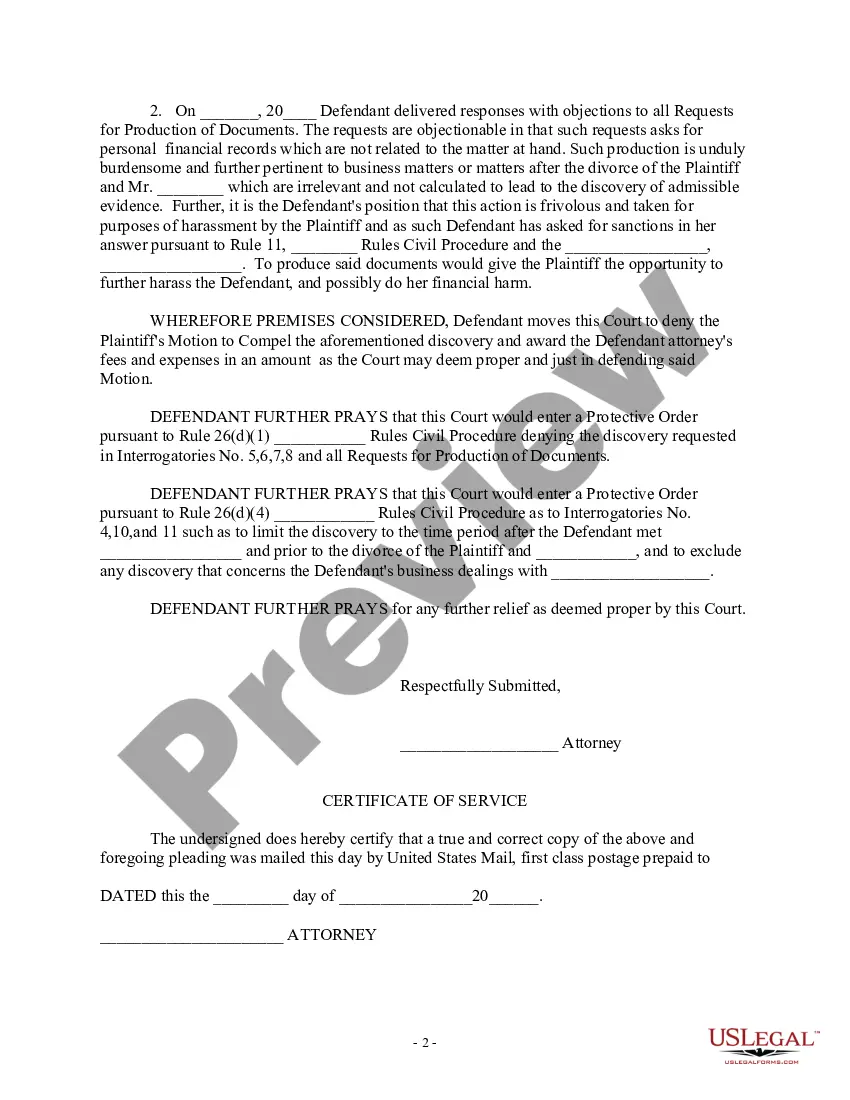
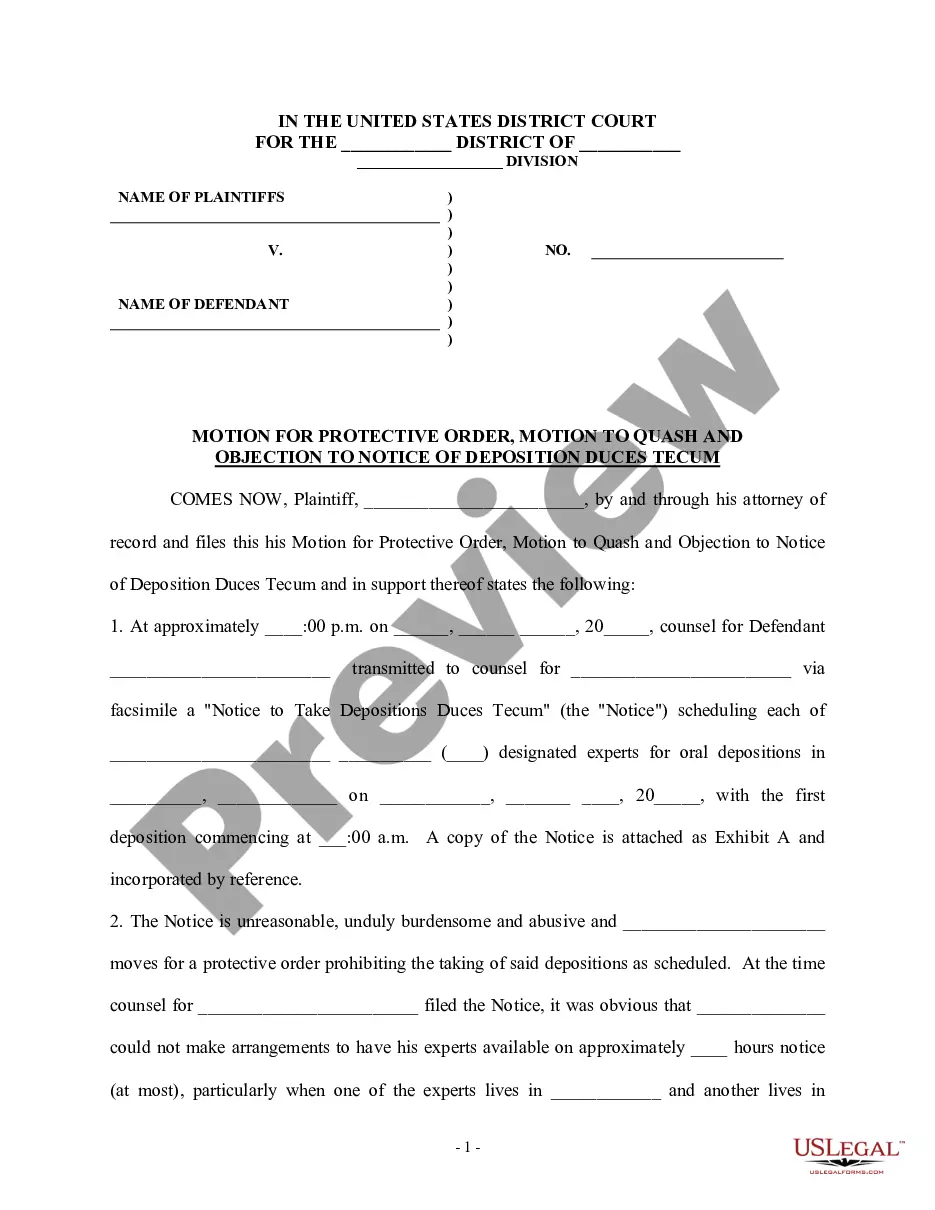
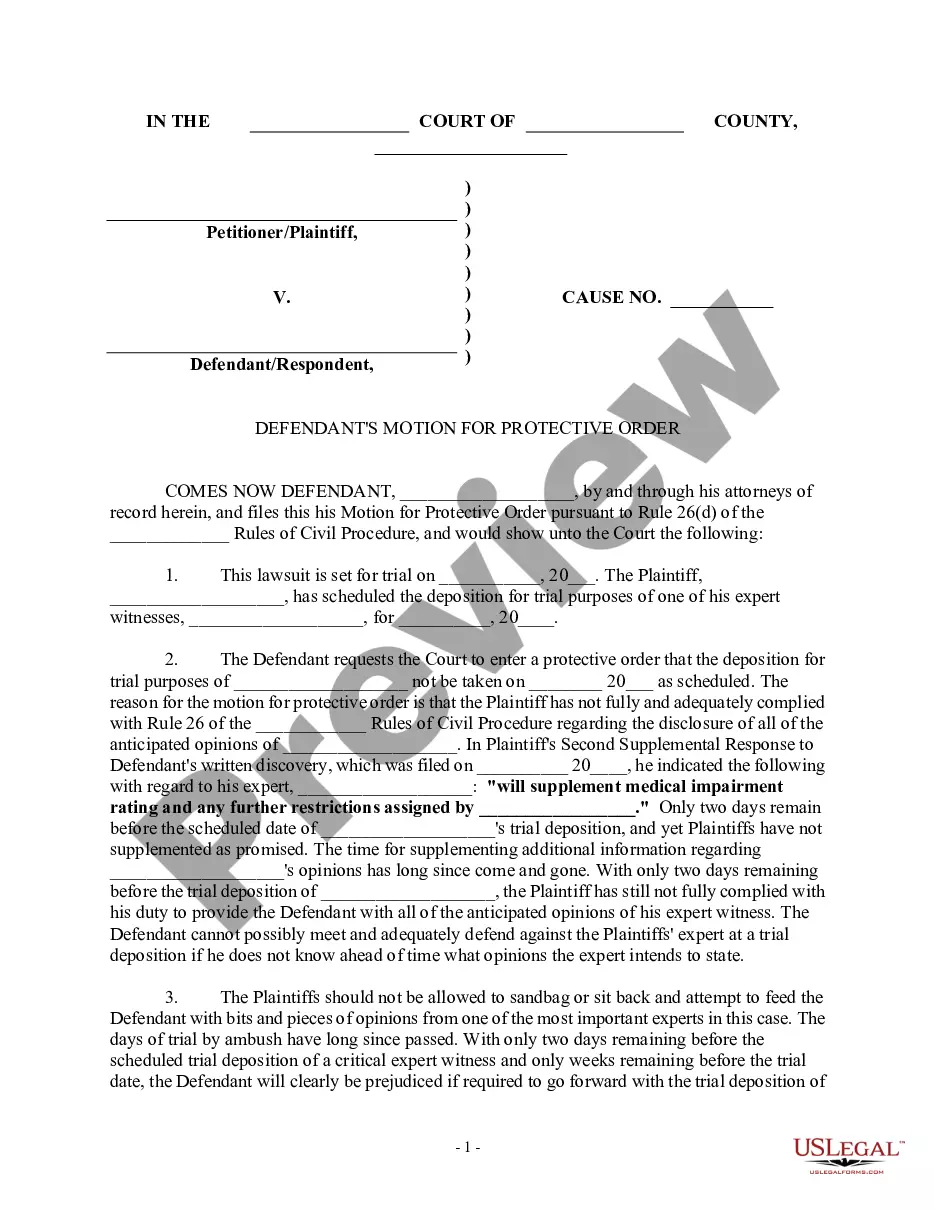
Get your form ready online
Our built-in tools help you complete, sign, share, and store your documents in one place.
Make edits, fill in missing information, and update formatting in US Legal Forms—just like you would in MS Word.
Download a copy, print it, send it by email, or mail it via USPS—whatever works best for your next step.
Sign and collect signatures with our SignNow integration. Send to multiple recipients, set reminders, and more. Go Premium to unlock E-Sign.
If this form requires notarization, complete it online through a secure video call—no need to meet a notary in person or wait for an appointment.
We protect your documents and personal data by following strict security and privacy standards.

Make edits, fill in missing information, and update formatting in US Legal Forms—just like you would in MS Word.

Download a copy, print it, send it by email, or mail it via USPS—whatever works best for your next step.

Sign and collect signatures with our SignNow integration. Send to multiple recipients, set reminders, and more. Go Premium to unlock E-Sign.

If this form requires notarization, complete it online through a secure video call—no need to meet a notary in person or wait for an appointment.

We protect your documents and personal data by following strict security and privacy standards.
Looking for another form?








How to fill out Defendant's Motion For Protective Order And Response To Plaintiff's Motion To Compel?
Legal documentation administration can be daunting, even for the most seasoned experts.
When you are looking for a Motion To Suppress Statement Without Prejudice and cannot dedicate time to finding the accurate and updated version, the processes can be challenging.
Access a resource hub of articles, guidelines, manuals, and materials pertinent to your case and needs.
Conserve time and energy in searching for the documents you require, and utilize US Legal Forms’ advanced search and Review feature to locate Motion To Suppress Statement Without Prejudice and download it.
- If you possess a membership, Log In to your US Legal Forms account, search for the form, and download it.
- Visit the My documents section to view the documents you previously downloaded and to manage your folders as needed.
- If it’s your first time with US Legal Forms, create an account and gain unlimited access to all the advantages of the library.
- Here are the steps to follow once you have accessed the form you require.
- Ensure it is the correct form by previewing it and reviewing its description.
- Access state- or jurisdiction-specific legal and business templates.
- US Legal Forms addresses all requirements you may have, from personal to commercial documents, all in one place.
- Utilize cutting-edge tools to complete and manage your Motion To Suppress Statement Without Prejudice.
Form popularity
FAQ
The defense files a motion to suppress evidence in superior court, and the judge sets the matter for a hearing.
Lawful suppression of evidence means the judge rejects the use of the evidence in the court because they think that the evidence may be inadmissible due to a violation of the Constitution or other statutes that permit the evidence to be excluded.
While in general, on a motion to suppress, the defendant has the burden of proving, by a preponderance of the evidence, that the material in question was seized in violation of his constitutional rights, there are several situations where the burden shifts to the government. United States v.
An example of a motion to suppress is where a defendant requests the court to suppress a confession by the defendant to the police that was obtained as a result of a Miranda violation.
A party may move to suppress the use of a piece of evidence, an expert or a deposition. This motion is normally made if the use of the person or object under question would be invalid or would cause prejudice that would outweigh its value in court or to the jury.